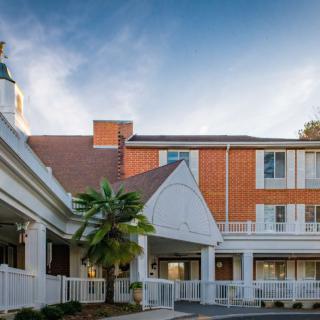
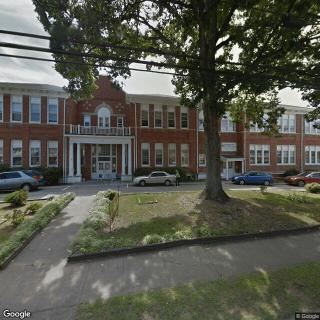
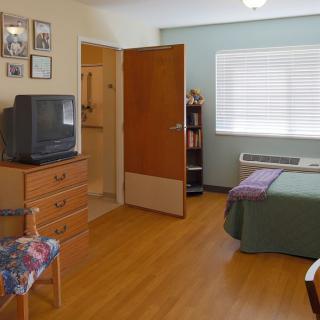
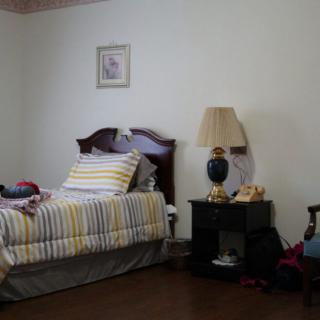
Brian Center Health & Rehab Hickory Viewmont in Hickory, NC

220 13Th Avenue Place Nw, Hickory, NC 28601

For more information about senior living options: (844) 490-3973

4.4 from 41 reviews
5 stars
34
4 stars
0
3 stars
2
2 stars
1
1 stars
4

Skilled Nursing Facility

Overall Review of Brian Center Health & Rehab Hickory Viewmont

Pros

  • pro The staff at The Greens at Viewmont are wonderful and attentive across all roles.
  • pro The rehab staff gets residents back on their feet.
  • pro The administration is helpful to families and residents.
  • pro The kitchen staff helps fulfill residents' requests.
  • pro The nurses and CNAs are kind and considerate.
  • pro The cleaning staff are polite and thorough.
  • pro The Greens demonstrates strong community involvement and cares about local children.
  • pro The team truly cares about residents, employees, and the community.
  • pro The rehab department is top-notch.
  • pro Residents feel cared for and appreciated by the caring staff.
  • pro The facility has improved and grown, with Lisa Tapia delivering exceptional discharge planning.
  • pro Johnny Poovey, the administrator, provides compassionate leadership and checks on residents personally.
  • pro The Greens at Viewmont is highly recommended for rehabilitation and long-term care.
  • pro The staff are patient, dedicated, and go above and beyond to support families and residents.

Cons

  • pro The reviewer notes inadequate care due to never enough staff, leaving patients neglected.
  • pro The Greens of Viewmont is described as not livable, with a resident not bathed for 14 days and developing bed sores.
  • pro A resident's brother was left to fall and bruise his arm, a wet pull-up was left on him for days, a CNA allegedly pushed him, and help arrived only after hours; the food was described as horrible.
  • pro The facility is depicted as worn down, with beds, showers, and floors in poor condition, and the director of patient services and billing is described as rude and unempathetic.
  • pro Visitors are not attended to at the desk and felt ignored by staff.
  • pro The place is called a hot mess, with some staff not responsible, including losing a patient's clothes and failing to return calls.

Review

The Greens at Viewmont is best suited for families seeking a rehab-forward environment where therapy is the centerpiece and care feels personal. This community excels for subacute and short-term recovery, with a cohesive team approach that often translates into real gains in independence and function. It also works well for long-term residents who value a warm, intimate setting where staff members truly know the people in their care, and where discharge planning and family communication are prioritized. For families prioritizing a large, hospital-like operation with distant oversight, or for those needing constant, high-level medical surveillance, this community is less aligned with those expectations.

Carefully weighed against the positives, there are clear reasons some families should consider alternatives. If medical complexity requires frequent, unwavering nurse-to-resident ratios or if there is a need for relentless, around-the-clock monitoring, another option with deeper resources and a more regimented staffing model may feel more secure. Likewise, for families who insist on a consistently pristine facility environment with zero wear on fixtures and fixtures' maintenance, the older or lightly refreshed spaces at times cited in reviews may not meet those expectations. The decision hinges on whether the priority is highly personalized, hands-on care and robust rehab outcomes over uniformity of environment and guaranteed staffing levels.

The strongest upside comes from the rehab and therapy engine, complemented by a culture of genuine care from leadership and front-line staff. The Greens at Viewmont frequently earns praise for therapists who rehabilitate well, CNAs and nurses who stay engaged with residents, and an administration that is accessible and responsive to families. The social work team, especially Lisa, often emerges as a standout advocate for discharge planning and linkage to post-acute resources. Residents and families repeatedly note meaningful connections, regular positive interactions, and a staff that treats care as a vocation rather than just a job. The renovated spaces, the ability to navigate between halls, and the facility's community orientation - guest speakers, activities, and a resident council - all reinforce a healing, engaged atmosphere.

Community leadership and peer relationships matter here, and the evidence shows it translates into concrete benefits. Families report timely coordination for rehab goals, steady engagement from the director of nursing, and a sense that the administration is willing to roll up sleeves to solve problems. Wound care, subacute rehab success stories, and a visible emphasis on helping residents reengage with daily life and home routines are common threads. The staff's devotion to residents' well-being - evident in the praise for specific caregivers and the ongoing encouragement of social and therapeutic programs - helps offset the inherent challenges of any skilled-nursing setting.

Yet no facility is without fault, and a minority of reviews raise legitimate red flags. Instances of perceived understaffing, inconsistent attention to needs, and delays in response times can surface, along with reports of miscommunications or inconsistent experiences across different halls. A few families recount lapses in basic daily care or questions about safety and cleanliness, and some describe interactions with management that felt blunt or unempathetic. These concerns underscore the reality that staffing stability and consistent, high-quality oversight are decisive factors for families depending on predictable daily rhythms and guaranteed responsiveness.

In final guidance, The Greens at Viewmont proves to be a practical, capable choice for rehab-driven care and for families valuing a caring, participatory community. Those prioritizing strong therapy outcomes, engaged staff, and a transparent, family-centered administrative team will find it especially compelling. For families where unwavering staffing consistency, hospital-grade environment, and flawless daily care are non-negotiables, exploring alternatives remains prudent. Tours should focus on the specific hall where a loved one would reside, meet the social worker and director of nursing in depth, and ask pointed questions about staffing ratios, response times, and recent incident handling to determine whether the day-to-day experience aligns with expectations.

Features

Housing

  • 104 resident community capacity 104 resident community capacity

Types of Care

  • Skilled Nursing Facility Skilled Nursing FacilitySkilled Nursing Facilities are crucial for seniors as they provide round-the-clock medical care, rehabilitation services, and assistance with daily activities. These facilities ensure that seniors receive the specialized care they need to maintain their health and well-being as they age.

Amenities

  • Air-conditioning Air-conditioningAir conditioning is important for seniors as they are more vulnerable to heat-related illnesses and may have underlying health conditions that make it difficult for them to regulate their body temperature. It helps to keep them comfortable, safe, and healthy in hot weather.
  • Beauty salon Beauty salonBeauty salons are important for seniors because they provide a space for them to feel pampered, socialize, and maintain their personal grooming and hygiene. Regular visits to a beauty salon can help boost seniors' self-esteem and overall well-being.
  • Cable or satellite TV Cable or satellite TVCable or satellite TV is important for seniors because it provides entertainment, news, and companionship, helping to combat loneliness and boredom. It also offers a wide range of programming options tailored to different interests and preferences.
  • Computer center Computer centerA computer center is essential for seniors as it provides access to technology, communication tools, and resources that can enhance their daily lives. It allows them to stay connected with loved ones, engage in online activities, and learn new skills, ultimately promoting socialization and mental stimulation.
  • Dining room Dining roomDining rooms are important for seniors as they provide a space for socialization, connection, and nutritious meals. They offer opportunities for residents to bond over shared meals, foster a sense of community, and promote healthy eating habits. Dining rooms also ensure that seniors have access to well-balanced meals tailored to their dietary needs and preferences.
  • Fitness room Fitness roomHaving a fitness room in a senior living community is essential for seniors to stay active, maintain their physical health, and improve their overall well-being. Regular exercise can help prevent falls, reduce the risk of chronic diseases, and promote mental sharpness. It also provides social opportunities for residents to connect with others and enjoy a sense of community.
  • Fully furnished Fully furnishedFully furnished senior living communities are important for seniors because they provide convenience, comfort, and a hassle-free moving experience. Seniors can easily settle into their new living space without the stress of having to buy and move furniture. This allows them to focus on enjoying their new home and community.
  • Gaming room Gaming roomGaming rooms are important for seniors as they provide a fun and engaging environment for socializing, cognitive stimulation, and physical activity. Games can improve memory, problem-solving skills, and overall mental well-being while fostering friendships and reducing feelings of isolation.
  • Garden GardenGardens are important for seniors as they provide a peaceful and therapeutic environment for relaxation, physical activity, and socialization. Being in nature has been shown to reduce stress, improve mood, and promote overall well-being. Gardens also offer opportunities for seniors to engage in gardening activities, which can improve mobility, flexibility, and cognitive function. Additionally, gardens create a sense of community and connection with others who share a passion for plants and outdoor spaces.
  • Housekeeping services Housekeeping servicesHousekeeping services are important for seniors because they help maintain a clean and safe living environment, promote independence, and reduce the risk of accidents or illnesses. Additionally, having assistance with household chores can alleviate physical strain and allow seniors to focus on other aspects of their well-being.
  • Kitchenette KitchenetteKitchenettes are important for seniors living in senior living communities because they provide the convenience and independence of being able to prepare simple meals and snacks in the comfort of their own living space. This can help promote a sense of autonomy and well-being for seniors, allowing them to maintain some level of control over their dietary choices and daily routines.
  • Move-in coordination Move-in coordinationMove-in coordination is important for seniors because it helps ease the transition into their new living environment. It ensures that all logistics, such as packing, organizing movers, and setting up utilities are taken care of, allowing seniors to focus on settling in and adjusting to their new home. Having a smooth move-in process can alleviate stress and anxiety, making the transition smoother and more enjoyable for seniors.
  • Outdoor space Outdoor spaceOutdoor spaces are important for seniors as they provide opportunities for physical activity, social interaction, exposure to natural light and fresh air, and a sense of connection to nature. Having access to outdoor spaces can improve overall well-being and quality of life for older adults living in senior communities.
  • Private bathrooms Private bathroomsPrivate bathrooms are important for seniors in senior living communities because they provide independence, dignity, and comfort. Having a private bathroom allows seniors to maintain their personal hygiene routines without the need for assistance, promoting a sense of autonomy and privacy. Additionally, private bathrooms help prevent the spread of infections and provide a safe and clean environment for seniors to navigate safely.
  • Restaurant-style dining Restaurant-style diningRestaurant-style dining is important for seniors because it allows them to enjoy delicious, nutritious meals in a social and upscale setting. This enhances their dining experience, promotes healthy eating habits, and fosters socialization with fellow residents, ultimately contributing to their overall well-being and quality of life.
  • Small library Small librarySmall libraries are important for seniors as they provide access to a variety of reading materials, including books, newspapers, and magazines. This can help stimulate their minds, keep them engaged, and provide a sense of community through book clubs and other social activities. Additionally, reading has been shown to improve cognitive function and overall mental well-being in older adults.
  • Telephone TelephoneTelephones are important for seniors as they provide a lifeline for communication with loved ones, emergency services, and healthcare providers. They offer a sense of security and independence, enabling seniors to stay connected and access assistance when needed.
  • Wellness center Wellness centerWellness centers are important for seniors because they offer a variety of programs and services that promote physical, mental, and emotional well-being. These centers provide opportunities for exercise, socialization, education, and relaxation, helping seniors maintain their overall health and quality of life.
  • Wi-Fi/high-speed internet available Wi-Fi/high-speed internet availableWi-Fi/high-speed internet is important for seniors to stay connected with loved ones, access online resources, and participate in virtual activities to combat feelings of loneliness and isolation. It also allows them to easily manage healthcare needs, access entertainment, and engage in lifelong learning opportunities.

Transportation

  • Community operated transportation Community operated transportationCommunity operated transportation is crucial for seniors as it provides them with the means to access essential services, social activities, and medical appointments. It allows seniors to maintain their independence and quality of life by ensuring they can participate in activities outside of their homes. Additionally, community-operated transportation services offer a safe and reliable way for seniors to travel without having to rely on family or friends for assistance.
  • Transportation arrangement Transportation arrangementTransportation arrangements are crucial for seniors as they may face challenges with driving, mobility, or access to public transportation. Having reliable transportation services ensures that seniors can easily attend appointments, social activities, and maintain their independence and quality of life.
  • Transportation arrangement (non-medical) Transportation arrangement (non-medical)Transportation arrangements are essential for seniors as they provide access to essential services, activities, and social interactions outside the home. This service helps maintain independence, mobility, and overall well-being for seniors who may have limited transportation options.
  • Transportation to doctors appointments Transportation to doctors appointmentsTransportation to doctors appointments is crucial for seniors as it ensures they have access to necessary medical care and support, promoting their health and well-being. It allows them to receive timely treatment, monitor existing conditions, and address any new health concerns efficiently. Additionally, transportation services can help seniors maintain their independence and quality of life by enabling them to stay connected with their healthcare providers.

Care Services

  • 12-16 hour nursing 12-16 hour nursing12-16 hour nursing care is crucial for seniors in order to ensure around-the-clock monitoring, timely medication administration, and prompt response to any health concerns or emergencies. This level of care helps to promote the overall well-being and safety of seniors living in senior living communities.
  • 24-hour call system 24-hour call system24-hour call systems are important for seniors because they provide peace of mind and immediate assistance in case of emergencies. This technology ensures that help is always available, promoting safety and security for elderly individuals living alone or in assisted living facilities.
  • 24-hour supervision 24-hour supervision24-hour supervision is important for seniors to ensure their safety, well-being, and access to immediate assistance in case of emergencies or health issues. This constant support provides peace of mind for both seniors and their loved ones, allowing them to age in place with dignity and security.
  • Activities of daily living assistance Activities of daily living assistanceActivities of daily living assistance are important for seniors because they provide essential support with tasks such as eating, bathing, dressing, and mobility. This assistance helps seniors maintain their independence, dignity, and overall quality of life as they age.
  • Assistance with bathing Assistance with bathingAssistance with bathing is crucial for seniors as it helps maintain personal hygiene, prevents infections, and ensures their overall well-being and comfort. It also provides a sense of dignity and independence for seniors who may struggle with this task on their own.
  • Assistance with dressing Assistance with dressingAssistance with dressing is important for seniors because it helps maintain their independence, promotes personal hygiene, prevents accidents and injuries, and improves overall quality of life. This service ensures that seniors can continue to dress comfortably and confidently, despite any physical limitations they may have.
  • Assistance with transfers Assistance with transfersAssistance with transfers is crucial for seniors as it helps prevent falls and injuries, maintains their independence, and ensures they can safely navigate their living environment. It also provides peace of mind for both seniors and their loved ones.
  • Diabetes diet Diabetes dietA diabetes diet is crucial for seniors as it helps manage blood sugar levels, reduce risks of complications, and improve overall health and well-being. By following a balanced and nutritious diet tailored to their specific needs, seniors can better control their diabetes and enhance their quality of life.
  • Meal preparation and service Meal preparation and serviceMeal preparation and service are crucial for seniors as they may have limited mobility or energy to cook nutritious meals. Having access to healthy and convenient food options can ensure they are getting the proper nutrition needed to maintain their overall health and well-being.
  • Medication management Medication managementMedication management is crucial for seniors to ensure they are taking the right medications at the correct dosages and times. This helps prevent adverse drug interactions, reduces the risk of medication errors, and promotes overall health and well-being. Proactive management also allows for adjustments as needed based on changing health conditions or new prescriptions.
  • Mental wellness program Mental wellness programMental wellness programs are essential for seniors as they promote cognitive stimulation, emotional support, and social engagement. These programs help prevent isolation, depression, and cognitive decline, ultimately enhancing the overall quality of life for older adults.
  • Special dietary restrictions Special dietary restrictionsSpecial dietary restrictions are important for seniors because age-related changes in metabolism and health conditions can make it difficult for their bodies to process certain foods. By following a diet tailored to their specific needs, seniors can maintain their overall health and well-being, manage chronic conditions, and reduce the risk of complications such as malnutrition or food interactions with medications.

Dining

  • Diabetes diet Diabetes dietA diabetes diet is crucial for seniors as it helps manage blood sugar levels, reduce risks of complications, and improve overall health and well-being. By following a balanced and nutritious diet tailored to their specific needs, seniors can better control their diabetes and enhance their quality of life.
  • Special dietary restrictions Special dietary restrictionsSpecial dietary restrictions are important for seniors because age-related changes in metabolism and health conditions can make it difficult for their bodies to process certain foods. By following a diet tailored to their specific needs, seniors can maintain their overall health and well-being, manage chronic conditions, and reduce the risk of complications such as malnutrition or food interactions with medications.

Activities

  • Community-sponsored activities Community-sponsored activitiesCommunity-sponsored activities are important for seniors as they provide opportunities for social interaction, mental stimulation, and physical activity. These activities can help improve overall well-being, combat loneliness and isolation, and promote a sense of belonging and purpose among older adults.
  • Concierge services Concierge servicesConcierge services are essential for seniors as they provide assistance with daily tasks and errands, enhance their quality of life by offering convenience and personalized care, and promote a sense of safety and security.
  • Fitness programs Fitness programsFitness programs are crucial for seniors as they help improve strength, flexibility, balance, and overall well-being. Staying active can reduce the risk of chronic diseases, improve mental health, and enhance quality of life in older adults.
  • Planned day trips Planned day tripsPlanned day trips are important for seniors because they offer opportunities for socialization, mental stimulation, and physical activity. They provide a change of scenery and help seniors stay engaged and connected to their community, promoting overall well-being and quality of life.
  • Resident-run activities Resident-run activitiesResident-run activities are important for seniors as they encourage social interaction, creativity, and a sense of autonomy. These activities empower seniors to stay engaged and active in their community while fostering meaningful connections with their peers.
  • Scheduled daily activities Scheduled daily activitiesScheduled daily activities are important for seniors because they provide structure, socialization, mental stimulation, and physical activity. Engaging in regular activities can improve overall well-being and quality of life for seniors living in a community setting.

Description

Brian Center Health & Rehab Hickory Viewmont is an inviting assisted living community located in Hickory, NC. Our community offers a variety of amenities and care services to ensure our residents' comfort and well-being.

For our residents' convenience, we provide a beauty salon for all their grooming needs. They can also enjoy watching their favorite TV shows with cable or satellite TV in their own private rooms. Community-operated transportation is available for those who need assistance getting around town. Additionally, we have a computer center where residents can stay connected with loved ones.

Our spacious dining room offers restaurant-style dining, providing delicious and nutritious meals prepared by our skilled staff. We can accommodate special dietary restrictions to ensure everyone's specific needs are met. For residents who prefer to cook their own meals, we offer fully furnished kitchenettes.

To keep our residents active and engaged, we have various amenities and activities available on-site. They can work out in our fitness room or participate in games in our gaming room. Our beautiful garden provides a tranquil space for relaxation and outdoor activities. Residents can also explore the small library or socialize with others in the wellness center.

In terms of care services, we have a 24-hour call system in place along with 24-hour supervision to ensure assistance is readily available whenever needed. Our dedicated staff provides assistance with daily living activities such as bathing, dressing, and transfers. Medication management is also provided to ensure residents receive proper medical attention.

We understand the importance of mental wellness, which is why we offer a mental wellness program designed to promote emotional well-being among our residents.

Transportation arrangements are made for non-medical purposes as well as for doctors' appointments.

Our community fosters an inclusive and engaging environment through resident-run activities and scheduled daily activities. Additionally, concierge services are available to cater to any specific requests or needs from our residents.

Overall, Brian Center Health & Rehab Hickory Viewmont provides a comfortable and inviting assisted living community with a range of amenities and care services to meet the diverse needs of our residents.

Nearby Places of Interest

Restaurants

  • Taco and Tequila Mexican Restaurant (18.4 miles)
  • Waffle House (19.9 miles)

Cafes

  • Starbucks (19.9 miles)

Physicians

  • Primary Care Associates (20.5 miles)

Pharmacies

  • CVS Pharmacy (20.5 miles)

Places of Worship

  • Riverview Baptist Church (22.5 miles)

Parks

  • Lake Norman State Park (23.3 miles)

Frequently Asked Questions

Where is Brian Center Health & Rehab Hickory Viewmont?

Nearby Communities

  • Kingston Residence of Hickory

    Kingston Residence of Hickory

    Hickory, NC

    4.7 from 51 reviews
    $1,525 to $2,725 / month

    pro Attentive staff in a clean, spacious environment with engaging activities.


  • Home Instead - Hickory,  NC

    Home Instead - Hickory, NC

    Hickory, NC

    4.4 from 24 reviews
     

    pro Friendly, efficient staff who consistently deliver high-quality service.

  • Agemark

    Agemark

    Hickory, NC


    pro Specialized diabetic care with off-site devotional services.

  • Lutherhaus

    Lutherhaus

    Hickory, NC

    4.4 from 17 reviews
    $3,000 / month

    pro Pricing is below the North Carolina state average.

  • Kenworth Hall

    Kenworth Hall

    Hickory, NC

    4.5 from 11 reviews
     

    pro 24/7 personalized care with spacious apartments and engaging activities.

  • Hickory Village

    Hickory Village

    Hickory, NC

    5 from 8 reviews
     

    pro Memory-care specialization with comprehensive amenities and 24/7 support.

  • Springs Of Catawba

    Springs Of Catawba

    Hickory, NC

    4.4 from 61 reviews
     

    pro Specialized memory care with comprehensive amenities and personalized care

  • Piedmont Village At Newton

    Piedmont Village At Newton

    Newton, NC

    2 from 6 reviews
    $1,800 to $7,000 / month

    pro Competitive pricing with on-site amenities and comprehensive care.

  • Catawba Valley Living At Rock Barn

    Catawba Valley Living At Rock Barn

    Claremont, NC

    3.9 from 25 reviews
    $2,100 to $4,200 / month

    pro Accommodating staff, engaging activities, and generally positive family experiences.

Related Resources

  • skilled nursing facility vs nursing homeSkilled Nursing Facilities vs. Nursing Homes: Making Sense of the Differences

    Skilled nursing facilities (SNFs) provide high-level medical care and rehabilitation for short-term recovery, typically covered by Medicare after hospitalization, while nursing homes focus on ongoing custodial care for chronic conditions, mainly funded by Medicaid or private payments. The staffing and regulatory structures differ significantly between the two, necessitating clarity for families in choosing appropriate long-term care options.

  • nursing home costsA Detailed Examination of Nursing Home Costs Across the U.S.
    Nursing home care costs in the U.S. vary significantly based on location, level of care, and amenities, with private room prices ranging from approximately $6,700 to over $30,000 monthly. Families need to explore various payment options and conduct thorough research to manage these expenses effectively.

  • non medical home careExploring Nonmedical Home Care: Understanding Services, Costs, and Financial Approaches

    Nonmedical home care provides assistance with daily activities and companionship for individuals wishing to maintain independence and quality of life at home, without medical intervention. Its growing popularity is driven by an aging population, the need for supportive environments for recovery, and the emotional benefits of caregiver companionship, while costs vary based on service frequency and location.