

74 Lotus Lane, Hendersonville, NC 28792
For more information about senior living options: (866) 208-4318
Overall Review of Henderson's Assisted Living
Pros
 Where she spent her last days was peaceful for mom and family.
- Her last days were peaceful for mom and family.
Cons
 The reviewer would not recommend this place to any family.
- The facility does not take care of loved ones.
- Residents are fed awful food.
- There is no communication when a resident falls.
- Families had to bring snacks because nothing was offered at the facility.
- It is unclear whether licensed nurses administered medications.
- During COVID, there were no temperature-check or sanitizer stations for visitors or staff.
- Employees stole patients' personal items.
- A pillow placed under a resident's foot reportedly had bugs.
- There were no activities; residents stayed in their rooms.
- The mom died after a bathroom fall, resulting in a broken hip.
Review
This Henderson's Assisted Living in Hendersonville, NC is best considered for families with extremely limited options who are prepared to supervise care closely and move quickly if standards fail to improve. It is not a fit for seniors who require reliable nursing oversight, meticulous medication management, comprehensive fall precautions, or daily activities that keep them engaged. The collective impressions from the available experiences point to a setting where oversight, communication, and basic cleanliness are not consistently reliable. For families facing urgent placement decisions and constrained budgets, this community may appear as a stopgap; for anyone prioritizing safety, dignity, and transparent governance, the risk profile is too high to ignore.
Alternatives should be actively pursued by families who demand credible medical records, clearly documented care plans, and predictable daily routines. The reviews raise red flags about medication administration, fall incidents, and communication with families, suggesting the need to seek a facility with verifiable nurse staffing, routine checks, and written incident reporting. Residents and families should look for communities with transparent housekeeping and hygiene practices, consistent meal quality, and structured activity programs that foster engagement rather than confinement. If a facility cannot provide timely updates, verifiable staffing schedules, and a straightforward approach to emergencies, exploration of other options is warranted rather than accepting the status quo.
At the core, care quality appears compromised by multiple reliability gaps. Food quality is criticized as unacceptable, while families report a lack of basic responsiveness when a resident falls, including no clear process for in-room checks or timely assistance. Medication administration is described as uncertain, with questions about whether licensed nurses are always involved. Hygiene and cleanliness are flagged as problematic, with references to filth and pests in items placed near the resident. Documentation of medical events and treatments seems inconsistent, and there are alarming reports of items stolen by staff. The most serious consequence is a fall that resulted in a broken hip, underscoring how safety and supervision may be insufficient.
One positive rating exists in the otherwise harsh chorus, but without accompanying detail it offers little reassurance. A single five-star voice cannot counterbalance the breadth of concerns about daily care, safety, and transparency. In practice, isolated praise often reflects limited personal experience, not a system capable of delivering reliable, compassionate care. Prospective residents should treat this as an outlier rather than a baseline. The absence of a consistent, credible narrative from staff and administrators further weakens confidence that issues will be resolved without external intervention.
Little evidence suggests meaningful offsetting benefits. Any potential cost savings, proximity, or ease of access are not clearly documented or experienced in the reviews. The few positives that could exist, calm or peaceful final moments in a different setting as noted by a family member, do not address ongoing day-to-day needs, safety, or dignity while a resident remains under this roof. With care problems spanning nutrition, medication, safety, activity, and transparency, the burden of proof lies squarely on the facility to demonstrate sustained improvement. Until tangible improvements are demonstrated, the cons far outweigh the potential upsides.
For families evaluating Henderson's Assisted Living, the prudent course is to prioritize options with verifiable staffing, robust safety protocols, and observable engagement for residents. Begin by requesting current licensure status, comprehensive care plans, and recent incident reports with explanations. Visit with residents present, observe meals, activities, and bathroom assistance, and ask how quickly staff respond to calls for help. Insist on transparent medication administration records and proof of licensed nursing oversight. If possible, conduct a trial placement or short-term assessment to test responsiveness, communication, and cleanliness. Have contingency plans ready, whether transitioning to a more capable community or arranging home care, and gather input from multiple families and independent care coordinators to guide a decisive choice.
 26 resident community capacity
 Assisted Living
 Activities on-site
 Beauty salon
 Cable or satellite TV
 Devotional services off-site
 Dining room
 Fully furnished
 Garden
 Housekeeping services
 Indoor common areas
 Kitchenette
 Move-in coordination
 Outdoor space
 Restaurant-style dining
 Small library
 Telephone
 Wi-Fi/high-speed internet available
 Asheville Regional (6 miles away)
 24-hour call system
 Ambulatory care
 Assistance with bathing
 Assistance with dressing
 Assistance with transfers
 Diabetes diet
 Diabetic care
 Medication management
 Mental wellness program
 Special dietary restrictions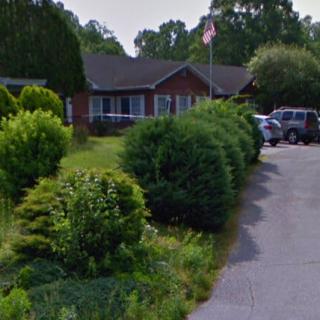







 Comprehensive Insights into Activities of Daily Living (ADLs) and Their Assessment
 Medicare Coverage for Assisted Living: An In-Depth Exploration
 Choosing the Right Senior Care: A Detailed Exploration of Assisted Living and Nursing Homes