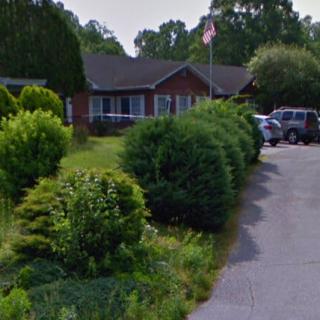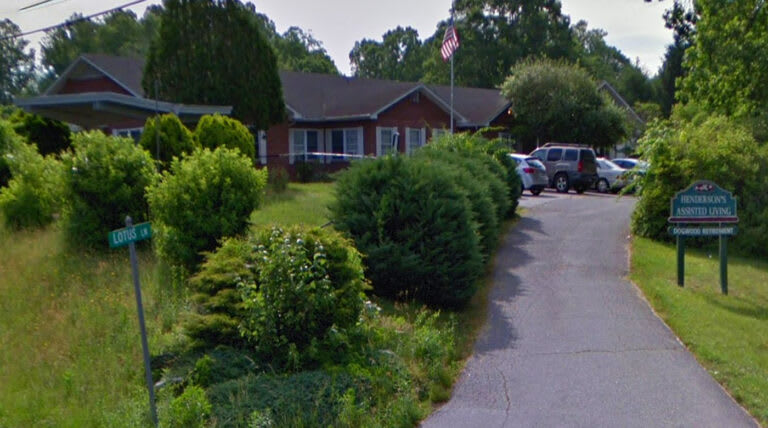
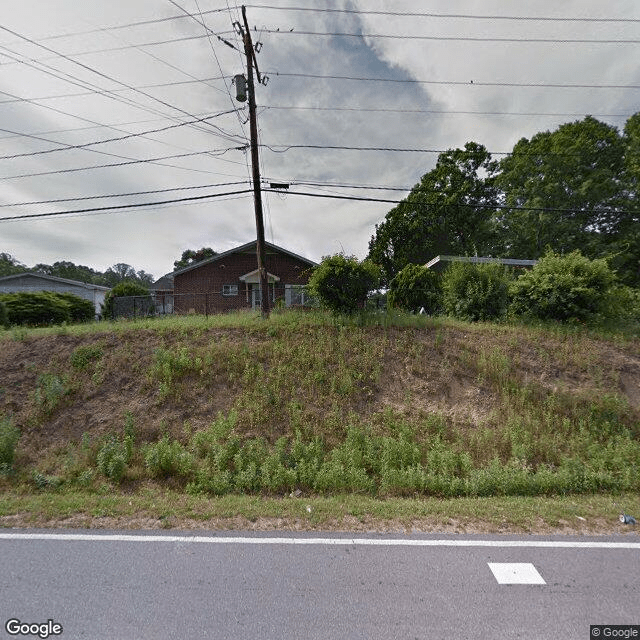
602 Brookside Camp Rd, Hendersonville, NC 28792
To contact a resident: (828) 692-2222
For more information about senior living options: (866) 208-4318
Dogwood Retirement Costs & Pricing
At Dogwood Retirement, the monthly cost for a one-bedroom accommodation is attractively set at $850, significantly lower than the average prices found in Polk County and across North Carolina. In comparison, Polk County residents typically pay around $2,474, while the state average escalates to approximately $4,055 for similar living arrangements. This competitive pricing reflects Dogwood Retirement's commitment to providing quality care and comfortable living options that are not only tailored to meet the needs of its residents but also offer exceptional value when compared to broader regional costs.
| Floor plans | Dogwood Retirement | Polk County | North Carolina |
|---|---|---|---|
| 1 Bedroom | $850 | $2,474 | $4,055 |
Overall Review of Dogwood Retirement
Pros
 The staff are very nice and able to answer questions.
- The community is clean and well maintained.
- Families are encouraged to tour this community for the care of a loved one.
- The care from the staff is excellent.
- The meals are amazing and well liked by residents.
- The admission advisor is considerate and knowledgeable, helping the family find the right placement.
- The community provides three meals a day, housekeeping, laundry, and on-site managers.
Cons
 The reviewer says to look elsewhere, calling it appalling.
- The reviewer describes the facility as run down, with a Lysol smell, four residents sharing an apartment with no stove, and says it reminded them of an asylum and they would not recommend it.
- The reviewer identifies the gender-segregated housing (men in one house, women in another) as a negative aspect.
- The reviewer notes that there are CNAs but no nurses, implying insufficient medical staffing.
Review
Dogwood Retirement in Hendersonville, NC is best suited for seniors who want a small, family-owned feel with dependable staff, straightforward pricing, and meals included, but who do not require on-site skilled nursing. This community pitches itself as a more intimate option where housekeeping and daily meals travel with the package, and where on-site managers provide a steady, visible presence. Those who need regular nursing care, a private kitchen, or modern, hospital-like facilities should look at alternatives. The setting fits independent-living expectations and a budget-conscious approach, yet it is not a one-size-fits-all solution for advanced care needs.
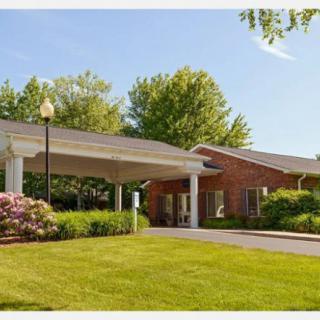
The strongest footing comes from clean, well-maintained spaces and attentive staff. Several reviews spotlight a commendable level of responsiveness from caregivers and admission staff, with families noting that meals are well-regarded and regularly delivered, and that the community overall is kept tidy. The on-site admission advisor is repeatedly praised for knowledge and consideration, helping families navigate budgets and placement with a practical, no-nonsense approach. For families prioritizing reliable daily routines, cleanliness, predictable meals, and consistent housekeeping, these traits translate into tangible peace of mind.
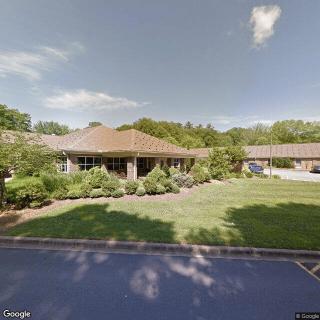
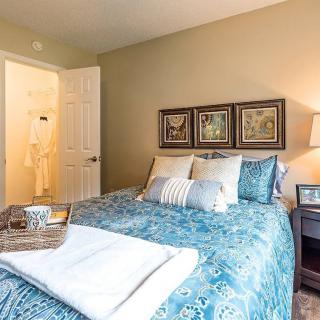
Yet the experience is far from uniform. One reviewer described an almost alaming contrast: “appalling” at first glance, yet acknowledged nice staff and clean, well-maintained facilities, suggesting that perceptions can swing depending on unit and mood. Others note a true lack of privacy in the living arrangements, four residents sharing an apartment with no stove in a setting that feels more institutional than residential. The property’s structure, individual houses with gender-segregated living spaces, creates a surprising oddity that can undermine comfort for some seniors who value privacy and conventional apartment layouts. These factors underscore that not every resident will find the environment a seamless fit.
Additionally, the absence of on-site nurses emerges as a meaningful limitation for anyone anticipating even modest medical needs. The community is built around CNAs and independent living spaces rather than a full continuum of care. Activities exist, but they are described as “from time to time,” signaling potential variability in programming and engagement. Aesthetic concerns also surface in some observations, with comparisons to a run-down appearance or an asylum-like impression, even as others insist the place remains among the cleanest they’ve lived in. The gap between individual experiences can be wide, making firsthand tours essential.
Balancing the pros and cons comes down to matching expectations with reality. If meals, housekeeping, laundry, and on-site oversight are non-negotiable and cost sensitivity matters, Dogwood’s model delivers real value. For seniors who are comfortable sharing living space with roommates, who do not require a full kitchen, and who are not counting on nursing staff or private apartment layouts, the positives can clearly outweigh the negatives. The staff’s reliability, the emphasis on cleanliness, and the straightforward, people-centered approach provide a practical, trustworthy option in a market crowded with more clinical-feeling communities.
For families weighing options, concrete decision criteria matter. Prospective residents should verify the exact unit configurations available, especially whether any private apartments with kitchens exist, and confirm that current programming meets active social needs. It is also essential to confirm the level of medical oversight and whether a bridge to skilled services is possible on demand. With a monthly picture around the two-thousand-dollar mark when meals and housekeeping are included, Dogwood represents a cost-conscious choice, yet not the right choice for everyone. A candid, in-person tour remains the best way to decide if this is the right fit for a particular senior’s daily rhythms and care expectations.
 Independent Living
 Activities on-site
 Devotional services off-site
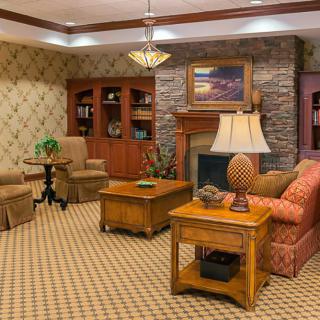
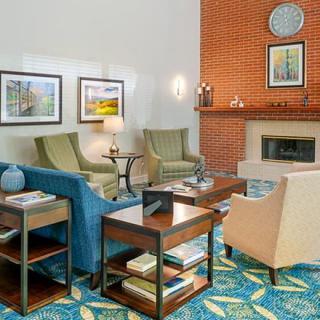
 Indoor common areas
 Respite or short term stays offered
 Asheville Regional (6 miles away)
 Ambulatory care
 Diabetic care
 Meals provided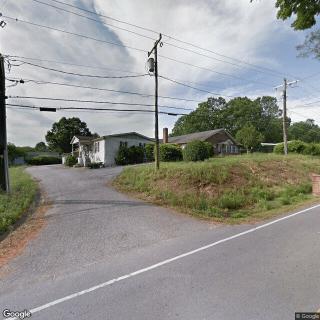



 Understanding the Nuances of Palliative Care and Hospice: A Comprehensive Exploration
 Fecal Incontinence in Older Adults: A Comprehensive Guide
 Recognizing the Journey: Understanding and Navigating Anticipatory Grief