501 Blakey Hall Lane, Elon College, NC 27244
For more information about senior living options: (866) 208-4318
Overall Review of Blakey Hall Assisted Living
Pros
 The facility is considered one of the best in the area.
- The building is spotless and well-maintained, creating a welcoming environment for residents and visitors alike.
- The staff are exceptionally friendly, helpful, and truly dedicated to residents' well-being.
- The memory care unit has a lively and joyful atmosphere, with residents often smiling, laughing, and dancing with the staff.
- The team goes above and beyond to create meaningful and fun experiences for everyone.
- The level of care and attention is high, with staff welcoming, professional, and dedicated to safety and support.
- The facility emphasizes holistic wellness, from nutritious meals and cleanliness to mental, emotional, and social well-being.
- The care is delivered respectfully and patiently, reflecting a culture of compassion and dignity.
- Families would highly recommend Blakey Hall as a trustworthy and caring home for their loved ones.
Cons
 One reviewer described the second-floor dementia care as abusive, noting residents are jerked out of bed or recliners by their arms, forced to breakfast in wet or soiled briefs, and verbally mistreated by staff; they would not recommend the facility.
- Another reviewer criticized management communication, stating that call backs and email responses were not always provided and follow-up was repeatedly required.
- A reviewer called the care a terrible example of elder care and would not recommend or place a family member there for any amount of money.
Review
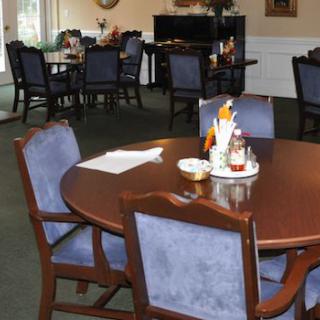
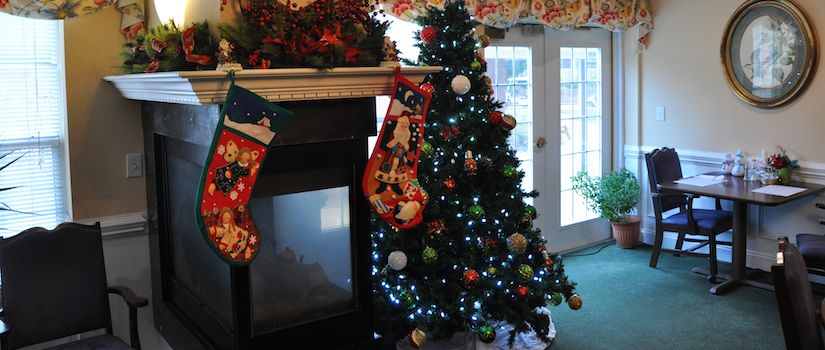
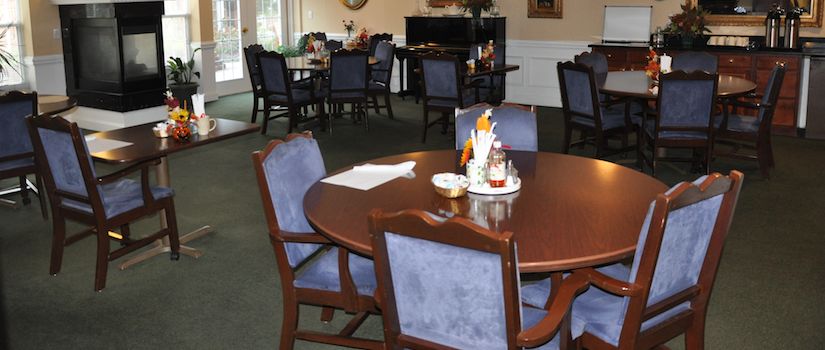
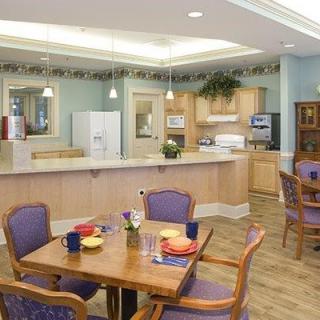
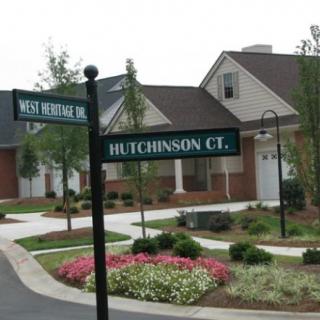
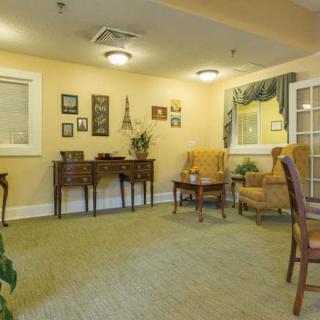
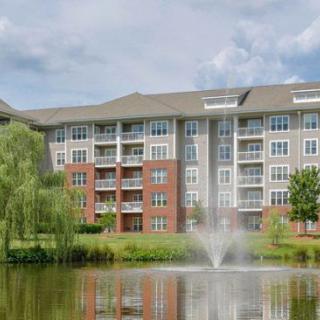
Blakey Hall Assisted Living in Elon College, NC is best suited for families seeking a warm, home-like environment where independence is respected, memory care is visibly active and engaging, and daily life centers on dignity, cleanliness, and practical comfort. The setting feels lived-in in the right ways: bright apartments with thoughtful design, high ceilings, light-filled spaces, and a real sense of personal space, paired with two dining rooms that foster intimate interactions rather than a single, impersonal tier of meals. The staff are consistently described as friendly, professional, and genuinely committed to residents’ well-being, which makes the community feel more like a trusted extended family than a clinical destination.
Those who should consider alternatives include families that demand highly predictable, rapid administrative communication and unwavering consistency in every interaction. A small but notable thread in the reviews points to instances where management communication was not as responsive as preferred, with callbacks or emails sometimes delayed. Another dimension to weigh carefully is the serious concern raised in one account about how dementia care is managed on the second floor; such allegations, while not reflected in the majority of experiences, warrant thorough investigation and direct questions to the leadership team. For families needing a stricter, more formal hospital-style oversight or for those seeking facilities with a broader, more specialized dementia program, other options may be more aligned with expectations.
The core positives, spotless upkeep, a genuine care culture, robust memory care programming, and a holistic wellness approach, largely offset the stated drawbacks. Cleanliness and thoughtful design create an environment that is welcoming for both residents and visitors, while the memory care unit is described as lively, joyful, and purposeful, with staff who go above and beyond to craft meaningful activities. The emphasis on holistic wellness, nutrition, cleanliness, mental and social engagement, renders daily life practical and rewarding. Independence is preserved through apartment configurations that accommodate personal belongings and simple routines, plus amenities like on-site hair care, a salon, and convenient access to laundry. These elements combine to deliver meaningful quality of life, which can be a strong offset to occasional communication delays.
Beyond functional care, Blakey Hall earns credibility through consistent demonstrations of compassion and dignity in resident interactions. Multiple reviewers highlight patient, respectful staff who understand communication challenges, such as aphasia, and who tailor their approach to each resident’s needs. The dual-dining-room layout supports a sense of community and choice, while the surrounding campus economy of services, well-kept common areas, regular activities, and even lighter touches like socializing with resident animals, helps residents stay engaged and connected. For families weighing value against risk, this combination of well-maintained facilities, a community feel, and attentive staff provides a tangible, daily proof point of committed care.
Nevertheless, a thorough decision-making process should include careful scrutiny of the more conservative concerns. The minority of reviews that assign one-star ratings flag issues with management responsiveness and, in one case, problematic remarks about dementia care practices. These warnings are not universal but demand verification: request recent care plans, speak with the memory care director about daily routines and supervision, and ask for recent family references. Prospective residents should also examine how updates are delivered, how care changes are communicated, and whether there is a clear pathway for escalating concerns. The best approach is to visit with questions ready, observe staff-resident interactions, and request a tour of the memory care area during a typical day.
Ultimately, Blakey Hall represents a strong option for families prioritizing warmth, independence, and compassionate care in a clean, well-run setting, with notable strength in memory care programming and holistic well-being. It is especially compelling for those who prize a home-like atmosphere, good meals, and staff who treat residents with dignity and patience. For families who require flawless, rapid administrative communication or who must see zero concerns in dementia care protocols, exploring a few additional communities is prudent. The right choice will hinge on aligning specific expectations, communication reliability, the desired level of dementia programming, and the personal comfort with how care is delivered, with the documented strengths this community clearly demonstrates.
 72 resident community capacity
 Assisted Living
 Air-conditioning
 Beauty salon
 Cable or satellite TV
 Computer center
 Dining room
 Fitness room
 Fully furnished
 Gaming room
 Garden
 Housekeeping services
 Kitchenette
 Move-in coordination
 Outdoor space
 Private bathrooms
 Restaurant-style dining
 Small library
 Telephone
 Wellness center
 Wi-Fi/high-speed internet available
 Piedmont Triad International (24 miles away)
 Community operated transportation
 12-16 hour nursing
 24-hour call system
 Activities of daily living assistance
 Assistance with bathing
 Assistance with dressing
 Assistance with transfers
 Diabetes diet
 Medication management
 Mental wellness program
 Special dietary restrictions
 Concierge services
 Planned day trips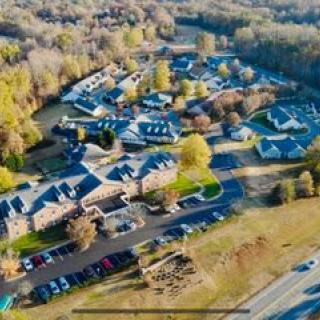

 Medicare Coverage for Assisted Living: An In-Depth Exploration
 Choosing the Right Senior Care: A Detailed Exploration of Assisted Living and Nursing Homes
 Understanding the True Cost of Assisted Living in 2025: A Comprehensive Guide