Elon Village Home in Elon College, NC

Save
Elon Village Home

Elon Village Home in Elon College, NC

715 East Haggard Avenue, Elon College, NC 27244

For more information about senior living options: (844) 490-3973

2.7 from 3 reviews
5 stars
1
4 stars
0
3 stars
0
2 stars
1
1 stars
1

Assisted Living Board and Care Home

Overall Review of Elon Village Home

Pros

  • pro Elon Village is considered one of the best options for care in Alamance County.
  • pro The staff does a remarkable job.
  • pro The owner truly cares about the residents and employees.

Cons

  • pro The facility is not a pure assisted living facility, as there is a mix of younger residents (around 50) with dementia and Alzheimer's.
  • pro The staff did not seem fully devoted to their jobs; some appeared more worried about other things than patients, implying that patients came last.
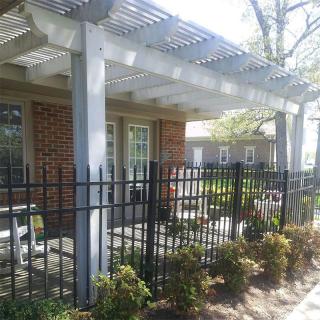
  • pro There was no real garden or courtyard, leaving patients with nothing beautiful to look at beyond peeling wallpaper.
  • pro The patients looked very pale and did not look thrilled to be there.

Review

Elon Village Home is best suited for families that prioritize hands-on caregiving and a founder-driven, small-scale atmosphere over a traditional, senior-only image. In Alamance County, it sits as a homey option where the emphasis is on daily attention from staff and a proprietor who appears genuinely invested in residents and employees. For families seeking a warm, approachable setting with visible care from leadership, this community can be a reassuring fit, especially when budget constraints or local availability limit options.

Those who should consider alternatives are families whose priority is a pure, strictly senior-assisted living model with a more formal, age-segregated environment. If a polished, garden-centered vibe, extensive amenities, and a facility primarily populated by seniors are non-negotiables, Elon Village Home may fall short. The presence of younger residents with dementia and Alzheimer's in the mix can complicate expectations about routine, programming, and peer interactions. In short, the setting is less traditional and more eclectic, which may not suit every senior's needs or family expectations.

The strongest positives are clear and actionable. The staff's dedication stands out in reviews, with observers noting genuinely remarkable care work and a sense that residents are treated with attention and respect. The owner's involvement is repeatedly highlighted as a tangible signal of accountability and a culture that values both residents and employees. In a market where turnover and uneven supervision can erode trust, these elements provide a practical foundation for consistent daily support, timely assistance, and a sense of comfort for families who want to know that care is anchored by people who care.

However, the downsides are meaningful and should be weighed against the positives. The facility's mixed-age reality means the environment isn't a pure assisted-living continuum, which can affect programming for seniors who expect age-appropriate activities and peer interaction. Staffing impressions in one review suggest uneven devotion, with some moments when the focus on residents seemed to waver. Aesthetics and outdoor appeal lag - there is no garden or courtyard, and interiors can feel peeling or monotonous, contributing to a perception that the surroundings do not consistently reinforce well-being. For families valuing beauty, activity variety, and sensory enrichment, these gaps matter.

The pros can offset the cons to a point, but only when expectations align with reality. In practice, attentive, owner-backed caregiving can deliver steady day-to-day safety and a sense of personal regard that compensates for a quieter, less stimulating physical environment. For residents who thrive on consistent staff interaction, predictable routines, and a transparent leadership presence, Elon Village Home can deliver reliable foundational care. Yet the mismatch between a warm caregiving ethic and the absence of garden spaces or senior-only cohorts means it may not be the optimal long-term home for those needing robust, senior-centered programming or a more resort-like setting.

For families navigating a decision, concrete steps matter. Schedule a first-hand visit during typical activity hours to observe staff engagement, responsiveness, and how residents interact with caregivers. Ask about staff-to-resident ratios, daily programming, and how residents with dementia are managed alongside younger peers. Inquire about recent maintenance and any plans for environmental upgrades or outdoor spaces. If affordability and proximity are overriding criteria and the priority is genuine caregiving commitment, Elon Village Home warrants serious consideration. If the criteria lean toward a traditional senior-only community with enhanced outdoor spaces and more age-appropriate programming, alternates should be pursued.

Features

Housing

  • 12 resident community capacity 12 resident community capacity

Types of Care

  • Assisted Living Assisted LivingAssisted living facilities provide crucial support and care for seniors who may need help with daily tasks such as medication management, bathing, and meal preparation. These communities offer a safe and comfortable environment where seniors can maintain their independence while receiving the assistance they need to thrive in their golden years.
  • Board and Care Home Board and Care HomeBoard and care homes provide a smaller, more intimate setting for seniors who require assistance with daily tasks but do not need the level of care offered by a nursing home. They offer personalized care, meals, and social activities in a homelike environment, ensuring that seniors receive individualized attention and support in their golden years.

Amenities

  • Cable or satellite TV Cable or satellite TVCable or satellite TV is important for seniors because it provides entertainment, news, and companionship, helping to combat loneliness and boredom. It also offers a wide range of programming options tailored to different interests and preferences.
  • Dining room Dining roomDining rooms are important for seniors as they provide a space for socialization, connection, and nutritious meals. They offer opportunities for residents to bond over shared meals, foster a sense of community, and promote healthy eating habits. Dining rooms also ensure that seniors have access to well-balanced meals tailored to their dietary needs and preferences.
  • Fully furnished Fully furnishedFully furnished senior living communities are important for seniors because they provide convenience, comfort, and a hassle-free moving experience. Seniors can easily settle into their new living space without the stress of having to buy and move furniture. This allows them to focus on enjoying their new home and community.
  • Garden GardenGardens are important for seniors as they provide a peaceful and therapeutic environment for relaxation, physical activity, and socialization. Being in nature has been shown to reduce stress, improve mood, and promote overall well-being. Gardens also offer opportunities for seniors to engage in gardening activities, which can improve mobility, flexibility, and cognitive function. Additionally, gardens create a sense of community and connection with others who share a passion for plants and outdoor spaces.
  • Housekeeping services Housekeeping servicesHousekeeping services are important for seniors because they help maintain a clean and safe living environment, promote independence, and reduce the risk of accidents or illnesses. Additionally, having assistance with household chores can alleviate physical strain and allow seniors to focus on other aspects of their well-being.
  • Move-in coordination Move-in coordinationMove-in coordination is important for seniors because it helps ease the transition into their new living environment. It ensures that all logistics, such as packing, organizing movers, and setting up utilities are taken care of, allowing seniors to focus on settling in and adjusting to their new home. Having a smooth move-in process can alleviate stress and anxiety, making the transition smoother and more enjoyable for seniors.
  • Outdoor space Outdoor spaceOutdoor spaces are important for seniors as they provide opportunities for physical activity, social interaction, exposure to natural light and fresh air, and a sense of connection to nature. Having access to outdoor spaces can improve overall well-being and quality of life for older adults living in senior communities.
  • Telephone TelephoneTelephones are important for seniors as they provide a lifeline for communication with loved ones, emergency services, and healthcare providers. They offer a sense of security and independence, enabling seniors to stay connected and access assistance when needed.
  • Wi-Fi/high-speed internet available Wi-Fi/high-speed internet availableWi-Fi/high-speed internet is important for seniors to stay connected with loved ones, access online resources, and participate in virtual activities to combat feelings of loneliness and isolation. It also allows them to easily manage healthcare needs, access entertainment, and engage in lifelong learning opportunities.

Transportation

  • Piedmont Triad International (25 miles away) Piedmont Triad International (25 miles away)

Care Services

  • 24-hour supervision 24-hour supervision24-hour supervision is important for seniors to ensure their safety, well-being, and access to immediate assistance in case of emergencies or health issues. This constant support provides peace of mind for both seniors and their loved ones, allowing them to age in place with dignity and security.
  • Activities of daily living assistance Activities of daily living assistanceActivities of daily living assistance are important for seniors because they provide essential support with tasks such as eating, bathing, dressing, and mobility. This assistance helps seniors maintain their independence, dignity, and overall quality of life as they age.
  • Assistance with bathing Assistance with bathingAssistance with bathing is crucial for seniors as it helps maintain personal hygiene, prevents infections, and ensures their overall well-being and comfort. It also provides a sense of dignity and independence for seniors who may struggle with this task on their own.
  • Assistance with dressing Assistance with dressingAssistance with dressing is important for seniors because it helps maintain their independence, promotes personal hygiene, prevents accidents and injuries, and improves overall quality of life. This service ensures that seniors can continue to dress comfortably and confidently, despite any physical limitations they may have.
  • Assistance with transfers Assistance with transfersAssistance with transfers is crucial for seniors as it helps prevent falls and injuries, maintains their independence, and ensures they can safely navigate their living environment. It also provides peace of mind for both seniors and their loved ones.
  • Coordination with health care providers Coordination with health care providersCoordination with health care providers is crucial for seniors to ensure proper medical care, medication management, and overall well-being. This collaboration helps prevent overlapping treatments, track progress more effectively, and provide comprehensive support tailored to individual needs.
  • Diabetes diet Diabetes dietA diabetes diet is crucial for seniors as it helps manage blood sugar levels, reduce risks of complications, and improve overall health and well-being. By following a balanced and nutritious diet tailored to their specific needs, seniors can better control their diabetes and enhance their quality of life.
  • Meal preparation and service Meal preparation and serviceMeal preparation and service are crucial for seniors as they may have limited mobility or energy to cook nutritious meals. Having access to healthy and convenient food options can ensure they are getting the proper nutrition needed to maintain their overall health and well-being.
  • Medication management Medication managementMedication management is crucial for seniors to ensure they are taking the right medications at the correct dosages and times. This helps prevent adverse drug interactions, reduces the risk of medication errors, and promotes overall health and well-being. Proactive management also allows for adjustments as needed based on changing health conditions or new prescriptions.
  • Special dietary restrictions Special dietary restrictionsSpecial dietary restrictions are important for seniors because age-related changes in metabolism and health conditions can make it difficult for their bodies to process certain foods. By following a diet tailored to their specific needs, seniors can maintain their overall health and well-being, manage chronic conditions, and reduce the risk of complications such as malnutrition or food interactions with medications.
  • Transportation arrangement (medical) Transportation arrangement (medical)Transportation arrangements for medical purposes are essential for seniors as they may have difficulty driving themselves to appointments or accessing public transportation. Having reliable and safe transportation options ensures that seniors can receive timely medical care and maintain their health and well-being.
  • Transportation to doctors appointments Transportation to doctors appointmentsTransportation to doctors' appointments is crucial for seniors as it ensures they have access to necessary medical care and support for their health needs. Without reliable transportation, seniors may struggle to attend important appointments, leading to potential delays in treatment and health complications. Providing transportation services helps seniors maintain their overall well-being and quality of life.

Dining

  • Diabetes diet Diabetes dietA diabetes diet is crucial for seniors as it helps manage blood sugar levels, reduce risks of complications, and improve overall health and well-being. By following a balanced and nutritious diet tailored to their specific needs, seniors can better control their diabetes and enhance their quality of life.
  • Special dietary restrictions Special dietary restrictionsSpecial dietary restrictions are important for seniors because age-related changes in metabolism and health conditions can make it difficult for their bodies to process certain foods. By following a diet tailored to their specific needs, seniors can maintain their overall health and well-being, manage chronic conditions, and reduce the risk of complications such as malnutrition or food interactions with medications.

Activities

  • Community-sponsored activities Community-sponsored activitiesCommunity-sponsored activities are important for seniors as they provide opportunities for social interaction, mental stimulation, and physical activity. These activities can help improve overall well-being, combat loneliness and isolation, and promote a sense of belonging and purpose among older adults.
  • Scheduled daily activities Scheduled daily activitiesScheduled daily activities are important for seniors because they provide structure, socialization, mental stimulation, and physical activity. Engaging in regular activities can improve overall well-being and quality of life for seniors living in a community setting.

Description

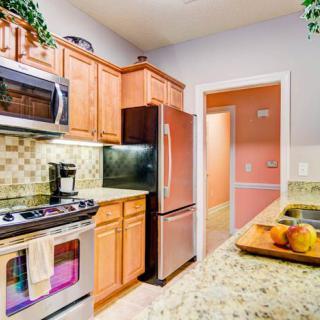
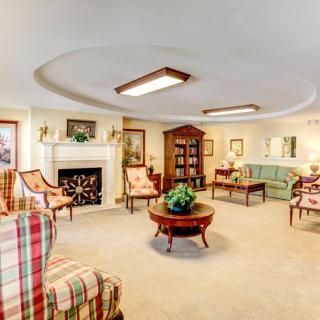
The Elon Village Home in Elon College, NC is a board and care home that offers personalized care and support for seniors. The community provides a cozy and fully furnished living environment with amenities such as a dining room, garden, and outdoor space for residents to enjoy.

The staff at Elon Village Home is dedicated to meeting the needs of each individual resident. They provide assistance with activities of daily living including bathing, dressing, and transfers. The community also offers coordination with health care providers to ensure that residents receive the necessary medical attention.

Meals at Elon Village Home are prepared and served by the staff according to special dietary restrictions or preferences. The community offers medication management and can accommodate diabetes diets as well. Transportation arrangements are available for medical appointments, ensuring that residents can easily access necessary healthcare services.

Elon Village Home also recognizes the importance of social engagement and provides scheduled daily activities for residents to enjoy. In addition to on-site amenities, the community is conveniently located near 3 cafes, 1 park, 7 pharmacies, 11 physicians' offices, 28 restaurants, and 1 hospital.

Overall, Elon Village Home offers a supportive and comfortable environment for seniors in need of assisted living services. With its range of amenities and care services, residents can expect personalized care that enhances their quality of life while enjoying convenient access to nearby amenities and healthcare providers.

Nearby Places of Interest

This area of Elon College, North Carolina, offers a variety of amenities within close proximity. There are several pharmacies nearby for convenient access to medication and healthcare needs. A selection of restaurants provides options for dining out, and cafes like Starbucks offer opportunities for socializing over coffee. For medical care, there are physicians' offices and a hospital within a few miles. The presence of parks allows for outdoor recreation, while theaters and places of worship offer cultural and spiritual enrichment. Overall, this area offers a mix of services and attractions that may appeal to seniors looking for a well-rounded community to call home.

Pharmacies

  • Edgewood Pharmacy (1.3 miles)
  • Walgreens (1.7 miles)
  • Total Care Pharmacy (1.8 miles)
  • CVS Pharmacy (1.9 miles)
  • Walgreens (2 miles)
  • Walmart Pharmacy (2.5 miles)
  • CVS Pharmacy (2.6 miles)

Restaurants

  • Hong Kong Chinese Restaurant (1.6 miles)
  • The Habit Burger Grill (1.8 miles)
  • La Cocina (1.8 miles)
  • Wendy's (1.8 miles)
  • Wings To Go (1.9 miles)
  • Crazy Mexico Mexican R (1.9 miles)
  • Sonic Drive-In (1.9 miles)

Physicians

  • MyEyeDr (1.7 miles)
  • Alamance Eye Center (1.9 miles)
  • Miracle-Ear At Sears (1.9 miles)
  • Piedmont Oral Facial and Dental Implant Surgery Center (2 miles)
  • Lebauer Medical Center (2 miles)
  • Fresenius Kidney Care (2.3 miles)
  • Kidzcare Pediatrics PC (2.8 miles)

Cafes

  • Starbucks (2 miles)
  • Biggby Coffee (2.9 miles)
  • Starbucks (2.9 miles)
  • Starbucks (12.6 miles)
  • Panera Bread (18.2 miles)
  • Caribou Coffee (18.9 miles)
  • Starbucks (19.1 miles)

Hospitals

  • Cone Health Alamance Regional Medical Center (3 miles)

Parks

  • Springwood Park (3.9 miles)

Theaters

  • Regal Greensboro Grande & RPX (19.2 miles)

Places of Worship

  • Christ United Methodist Church (19.7 miles)
  • Lindley Park Baptist Church (19.9 miles)
  • Pinecroft Baptist Church (20.3 miles)

Frequently Asked Questions

Where is Elon Village Home?

Nearby Communities

  • Blakey Hall Assisted Living

    Blakey Hall Assisted Living

    Elon College, NC

    4.1 from 22 reviews
     

    pro Extensive on-site amenities and 24/7 care.

  • Blakey Hall Retirement Community

    Blakey Hall Retirement Community

    Elon, NC

    4 from 24 reviews
    $4,575 / month

    pro High-quality care with attentive staff and engaging, well-designed living environments across the affiliated communities.

  • The Village at Brookwood

    The Village at Brookwood

    Burlington, NC


    pro Continuum of care community (IL/Memory Care/AL) with comprehensive services and amenities.

  • Edgewood Place At The Village At Brookwood

    Edgewood Place At The Village At Brookwood

    Burlington, NC


    pro Diverse care levels with extensive on-site amenities and memory care.

  • Favor And Faith Family Care Home

    Favor And Faith Family Care Home

    Burlington, NC

    1 from 1 review
    $5,818 to $7,563 / month

    pro Small, homelike board-and-care with personalized care and transport to medical appointments.

  • The Oaks of Alamance

    The Oaks of Alamance

    Burlington, NC

    2.6 from 30 reviews
    $2,900 to $4,000 / month

    pro Active resident activities and generally friendly staff, with an appealing dining area and convenient location.

  • Brookdale Burlington Memory Care

    Brookdale Burlington Memory Care

    Burlington, NC

    4.2 from 34 reviews
    $4,295 to $7,415 / month

    pro Caring staff, clean facility, and engaging memory care activities.

  • Twin Lakes Community

    Twin Lakes Community

    Burlington, NC

    4.6 from 39 reviews
     

    pro Friendly, professional staff in a clean, well-maintained environment with engaging activities.

  • Home Place of Burlington

    Home Place of Burlington

    Burlington, NC

    4.5 from 103 reviews
    $4,955 / month

    pro Friendly, caring staff and a welcoming, activity-rich environment.

Related Resources

  • assisted living vs memory careAssisted Living and Memory Care: Understanding Their Core Differences

    Assisted living provides moderate support for seniors seeking independence, while memory care offers specialized support for individuals with dementia or cognitive impairments through structured routines and trained staff. Key differences include care approaches, environment security measures, staff training levels, activity types, and cost considerations.

  • assisted living activitiesBeyond the Bingo Hall: 50+ Enriching Activities for Seniors in Assisted Living

    Assisted living communities offer diverse activities beyond traditional games to enhance seniors' physical health, cognitive well-being, emotional enrichment, and social connections, including fitness classes, creative expression, and intergenerational interactions. These enriching programs foster community bonds and support residents' independence and happiness.

  • assisted living vs memory careUnderstanding the Distinctions: Assisted Living and Memory Care Explained

    The article differentiates between assisted living and memory care, explaining that assisted living supports seniors with daily activities while promoting independence, whereas memory care provides specialized services for individuals with dementia, focusing on secure environments and cognitive support. It also addresses staff training, safety considerations, costs, family involvement, and transition strategies for families navigating these care options.