

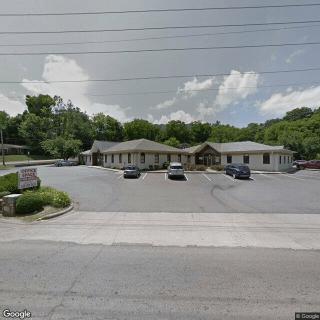
67 Loving Way, Clyde, NC 28721
For more information about senior living options: (866) 208-4318
Overall Review of Spicewood Cottages Oaks
Pros
 The mature staff are wonderful.
- The reviewer’s mother is happy to be there.
- Sarah promptly called and had everything ready for the doctor visit, showing genuine care for patients.
- Sarah seems to genuinely care about her patients.
- Staff were described as wonderful to train.
Cons
 The reviewer would not recommend this place to anyone.
- The reviewer is very disappointed by the lack of activities or things for residents to do.
- There is only one staff person around on weekends, and residents might only see them at the right time.
- The reviewer found the situation very different from what was told before placing a loved one there.
- The facility provides very poor care, with the doctor being just a PA who could care less about the resident in their care.
- The owner is described as fake and not listening to concerns about residents' care.
- The reviewer warns not to send your family here and notes they won’t send residents to the ER after a fall without forcing them.
- Aunt Hilda has not been happy with the food service for quite some time, and her health is suffering due to lack of enjoyable food choices.
- The reviewer states that their mother was treated very badly there.
Review
Spicewood Cottages Oaks in Clyde, NC, is best suited for families that prize a warm, caregiver-driven environment and can actively participate in care planning. The setting appeals to residents who respond well to personal attention from a nursing staff and do not require highly structured, bulky activity schedules. The reviews show that when staff interact, residents receive timely assistance and feel seen, particularly around nursing care and caregiver responsiveness. This community may work for someone who is comfortable with a quieter routine and a smaller activity footprint, as long as family oversight helps ensure care standards. The caveat is that memory-care residents or anyone needing robust, ongoing engagement may not find enough stimulation here.
On the plus side, several accounts describe mature, caring staff and a level of communication that can reassure families. In one instance, a nurse named Sarah mobilized quickly to arrange medical visits, illustrating a potential model for responsive care when the team is engaged. A reviewer notes that staff were effective in training new aides, suggesting capacity to elevate care through staff development. These glimpses point to a facility where, when the team is aligned, residents receive compassionate, hands-on attention that can ease common anxieties about senior living. Yet these positives are inconsistent across reviews, and even sympathetic readers acknowledge that experiences vary depending on which staff member is present and when.
By contrast, major concerns underscore the daily experience for many residents. A recurring theme is a paucity of planned activities, leaving residents to eat and remain indoors with limited engagement. The result is a quiet existence that some families view as isolating and unstimulating, especially in memory-care cottages where cognitive needs are highest. Staffing patterns appear uneven, with reviewers noting scant coverage on weekends and limited opportunities to see caregivers beyond essential routines. Management and ownership receive sharp criticism from several families, who feel concerns are dismissed and, in some cases, that urgent medical needs, such as post-fall care or ER referrals, were not handled promptly unless families pressed the issue. Food service also surfaces as a significant grievance in at least one family’s experience, suggesting meal quality and choices may fail to meet expectations for nutritious, appealing options.
Do the pros offset the cons? Not reliably. The direct, caring nursing presence and moments of responsiveness can provide meaningful comfort and safety nets, but systemic gaps, especially in activity programming, weekend staffing, and administrative responsiveness, erode daily living quality and family confidence. In memory-care contexts, the lack of meaningful engagement is a critical flaw that can contribute to distress. The mixed reviews imply that when the team is well-led and well-staffed, residents may thrive in a smaller, caregiver-centered setting; when management or routines falter, the same environment becomes a source of frustration and safety concerns. The overall calculus depends on how predictable staffing is and how actively families can oversee care and advocate for residents.
For families considering Spicewood Cottages Oaks, concrete diligence is essential. Ask for current staffing ratios, especially on weekends; request a tour focused on the memory-care cottage’s daily routines and activity offerings; verify the credentials of the physician overseeing care and the process for urgent decisions after incidents; probe menu options and dietary accommodations; and discuss the escalation path for concerns and how ownership responds. If the review of current operations reveals consistent, proactive engagement, adequate medical oversight, and a robust activity calendar, the community may be a viable fit for a resident who prefers a smaller, intimate setting. If not, it is prudent to compare alternatives with stronger daily programming, clearer management accountability, and more dependable emergency responsiveness.
In short, Spicewood Cottages Oaks is not a universal solution. It suits a niche where compassionate nursing care and close staff relations matter most and where families are able to participate actively in oversight. For residents who require sustained daily programming, varied and appealing meal options, reliable weekend coverage, and decisive medical direction, alternative communities are likely to deliver a better day-to-day experience. Caution is warranted for memory-care needs and for those seeking rapid, consistent responses to emergencies. With careful due diligence and clear expectations, this community may work for some, but families should engage management candidly and visit with a critical eye to ensure the balance of care, safety, and engagement aligns with the resident’s needs.
 20 resident community capacity
 Assisted Living
 Board and Care Home
 Activities on-site
 Beauty salon
 Cable or satellite TV
 Devotional services off-site
 Dining room
 Fully furnished
 Garden
 Housekeeping services
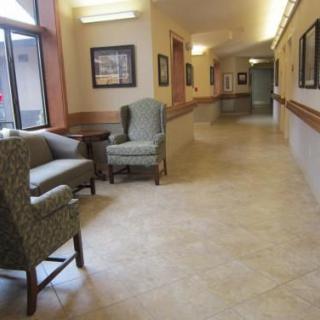
 Indoor common areas
 Kitchenette
 Move-in coordination
 Outdoor space
 Telephone
 Wi-Fi/high-speed internet available
 Asheville Regional (24 miles away)
 24-hour call system
 Ambulatory care
 Assistance with bathing
 Assistance with dressing
 Assistance with transfers
 Diabetes diet
 Diabetic care
 Meal preparation and service
 Medication management
 Mental wellness program
 Special dietary restrictions
 Transportation arrangement (medical)
 Transportation to doctors appointments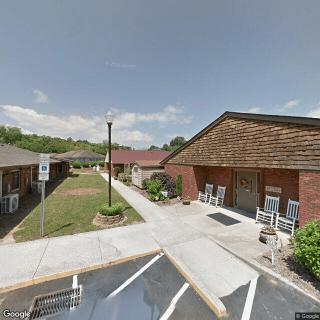



 Beyond the Bingo Hall: 50+ Enriching Activities for Seniors in Assisted Living
 Understanding the Distinctions: Assisted Living and Memory Care Explained
 Guiding Elderly Parents Who Refuse Assisted Living: 6 Practical Steps