For more information about senior living options: (866) 208-4318
3.7 from 49 reviews
5 stars
28
4 stars
4
3 stars
4
2 stars
2
1 stars
11
Overall Review of Smoky Mountain Health And Rehabilitation Center
common32 reviews mention this
Staff care and professionalism stand out
Residents and families describe a range of staff experiences, from strong communication to serious concern.
Many reviewers praise the staff for being friendly, caring, and professional, and they highlight good communication and day-to-day support. Several also credit therapists and nursing staff for helping residents make progress and feel cared for. At the same time, a recurring set of negative reviews describe rude interactions, staff seemingly ignoring call buttons, and inconsistent attention to basic needs.
common9 reviews mention this
Cleanliness is frequently noted
Clean, well-kept spaces are repeatedly mentioned across positive experiences.
Positive reviews consistently mention the facility being clean and pleasant. Some also pair cleanliness with other compliments like friendly staff and good care. In the reviews that are critical, cleanliness is not the main complaint, which makes cleanliness a relatively steady positive theme.
common6 reviews mention this
Dining and food quality get praise
Food quality and service come up as a frequent bright spot.
Several reviews describe the food as tasty or excellent, and they mention good food service alongside other daily care. A few reviewers connect meals with overall satisfaction, including reports of a good dining experience. There are also negative reviews, but they focus more on medical attention and basic care than on meal quality.
common5 reviews mention this
Therapy and activities can be strong
Therapy teams and structured activities are praised by multiple residents.
Some reviewers single out PT and OT, along with therapy support, as part of a positive rehab experience. Others mention organized activities, including crafts and exercise classes, and they highlight the activity director’s impact. Even among mixed reviews, therapy-related roles are often described more positively than nursing and staffing coverage.
caveat4 reviews mention this
Call-button response and check-ins
Several reviews report long delays before staff responded to help requests.
A number of negative reviews describe situations where help was slow to arrive after a call button request, including waits of roughly 30–45 minutes. Others describe residents left unattended in rooms or needing help with basics for extended periods. Taken together, these comments point to inconsistent responsiveness during day-to-day care.
caveat5 reviews mention this
Medical complications and care follow-through
Some residents and families describe serious care problems and medical setbacks.
Several reviews report medical issues that led to worsening outcomes, including rehospitalization for infection or dehydration and concerns about delayed or dismissive attention to symptoms. Other critical reviews mention inadequate wound or skin care and residents left in wet or soiled conditions. Some reviewers still recognize that individual staff members could be kind, but the overall concern is about consistent follow-through and adequate clinical attention.
How we summarize
Counts show how many written reviews mention each theme; a review can touch several themes, and only frequently mentioned themes are displayed.
Features
Housing
50 resident community capacity
Types of Care
Skilled Nursing Facility
Amenities
Beauty salon
Cable or satellite TV
Dining room
Fully furnished
Garden
Housekeeping services
Kitchenette
Move-in coordination
Outdoor space
Restaurant-style dining
Small library
Telephone
Wi-Fi/high-speed internet available
Transportation
Asheville Regional (24 miles away)
Care Services
24-hour call system
24-hour supervision
Activities of daily living assistance
Assistance with bathing
Assistance with dressing
Assistance with transfers
Diabetes diet
Meal preparation and service
Medication management
Mental wellness program
Special dietary restrictions
Dining
Diabetes diet
Special dietary restrictions
Activities
Community-sponsored activities
Resident-run activities
Scheduled daily activities
Nearby Places of Interest
Parks
Canton Park (6.5 miles)
Cosby Entrance (23.1 miles)
Memorial Stadium (23.2 miles)
Lake Julian Park (23.9 miles)
Physicians
Midway Medical Center (6.9 miles)
Julie Hanson, MET Practitioner (21 miles)
Pisgah Institute (22.3 miles)
MAHEC Family Health Center at Newbridge (22.4 miles)
Carolina Hand Surgery (22.7 miles)
The Eye Center (22.9 miles)
Mission Weight Management Center - Sharon C Hathaway MD (23 miles)
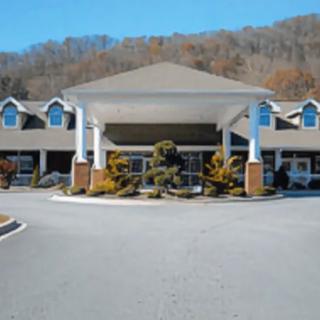
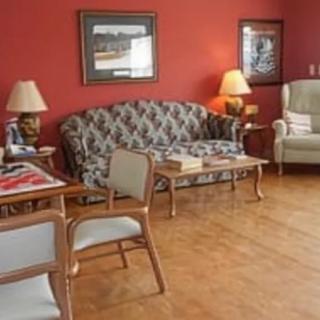
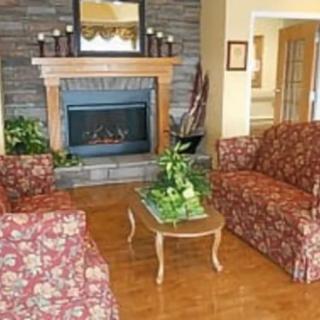
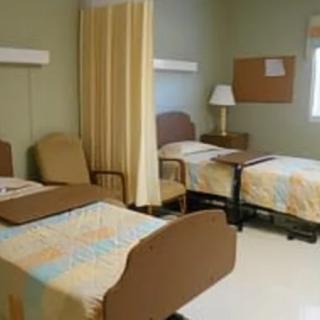
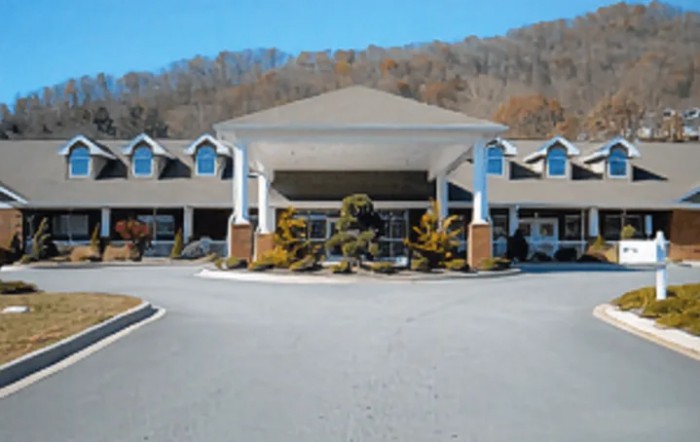
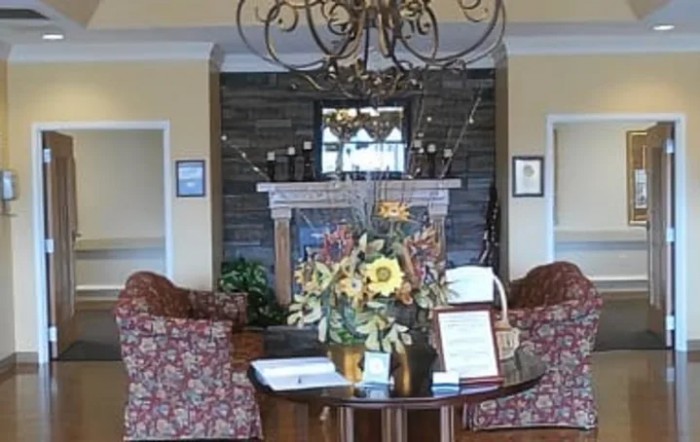
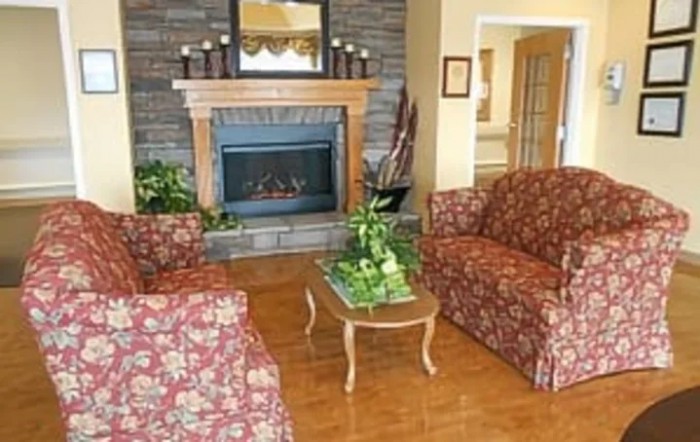
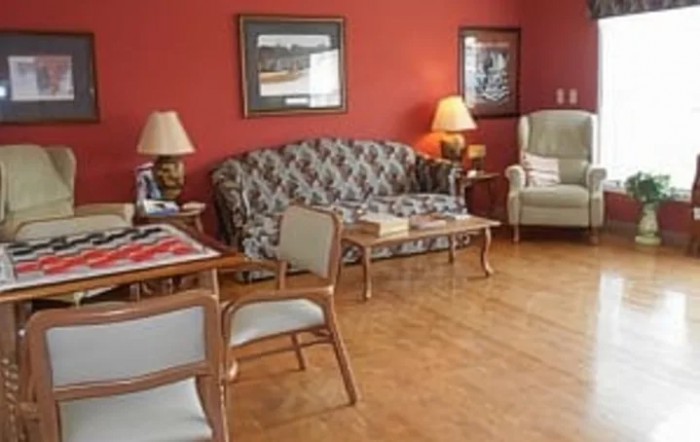
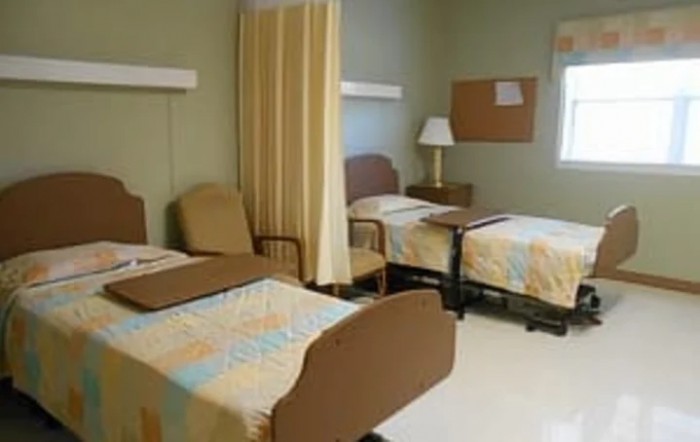
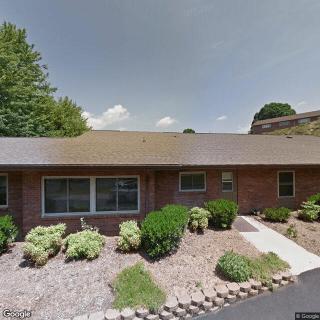
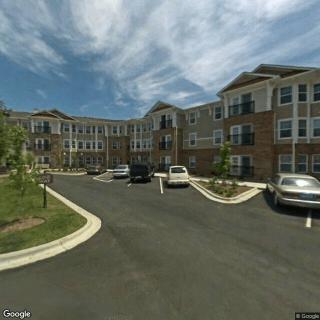
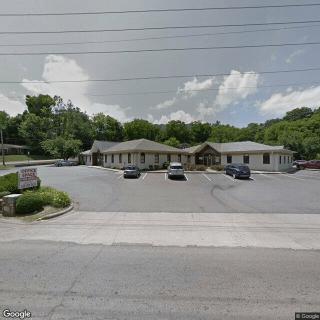
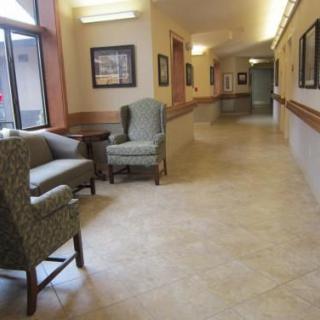
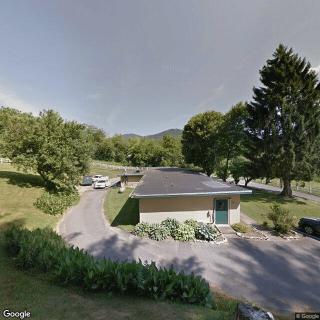
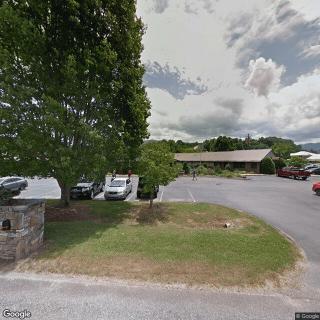
Smoky Mountain Health And Rehabilitation Center on seniors.fyi includes 5 photos including images showing interior, fireplace, decor, living room, entrance, landscaping, outdoors, lobby, and more.
Nearby Communities
Spicewood Cottages Oaks
Clyde, NC
3.6 from 12 reviews
Intimate 20-resident community with 24-hour supervision, medication management, and on-site amenities.
Spicewood Cottages Willows
Clyde, NC
3.7 from 15 reviews
Friendly, well-maintained community with pleasant rooms and accommodating staff.
Spicewood Cottages Elms
Clyde, NC
3.6 from 12 reviews
Small, intimate community with 24/7 supervision, medication management, ADL support, and transportation.
Great Laurels at Lake Junaluska
Waynesville, NC
4.5 from 23 reviews
$565 / month
Well-maintained apartments with beautiful grounds and friendly staff.
Haywood Nursing And Rehabilitation Center
Waynesville, NC
4.1 from 37 reviews
Comfortable environment with comprehensive care services and engaging activities.
Stacie's Personal Care Services
Waynesville, NC
1 from 1 review
$3,000 to $4,000 / month
Competitive pricing with good value for semi-private and private rooms.
Haywood Lodge And Retirement Center
Waynesville, NC
4.1 from 29 reviews
Friendly, attentive staff in a clean, welcoming environment with diverse activities and on-site amenities.
McCracken Rest Home
Waynesville, NC
3.6 from 33 reviews
$2,200 to $3,200 / month
Pet-friendly environment with some caring aides and improvements under new management.
Silver Bluff Village
Canton, NC
4.6 from 43 reviews
$1,800 to $3,000 / month
Compassionate staff with strong continuity of care and clean facilities.
Nonmedical home care provides assistance with daily activities and companionship for individuals wishing to maintain independence and quality of life at home, without medical intervention. Its growing popularity is driven by an aging population, the need for supportive environments for recovery, and the emotional benefits of caregiver companionship, while costs vary based on service frequency and location.
Maintaining cognitive fitness through engaging in various brain games, both traditional and digital, is crucial for seniors as it enhances memory retention, problem-solving abilities, and emotional well-being while helping to protect against age-related decline. A holistic approach that includes diverse activities, physical exercise, a balanced diet, and social interaction further supports mental health and cognitive function.
The article outlines strategies for keeping seniors' minds active through brain games and apps, highlighting the importance of cognitive exercises, social engagement, and a healthy lifestyle in combating cognitive decline. It emphasizes the benefits of various types of games and offers practical tips for maintaining mental wellness through enjoyable activities while acknowledging their limitations.
Smoky Mountain Health And Rehabilitation Center photos
×
Interior
Outdoors
Decor
Living Room
Bathroom
Interior and Fireplace
Decor
Living Room
Landscaping, Building, Entrance, and Outdoors
Bathroom
Chandelier and Lobby
Get PricingAsk A QuestionSchedule A TourContact Senior Advisor
By clicking submit, you agree to our Partner's Terms of Use. You
also consent to receive calls and texts, which may be autodialed, from our Partner. Your consent is not a condition to
using our Partner's service. Please visit our Partner's Privacy Policy for information about their privacy practices.

 50 resident community capacity
 Skilled Nursing Facility
 Beauty salon
 Cable or satellite TV
 Dining room
 Fully furnished
 Garden
 Housekeeping services
 Kitchenette
 Move-in coordination
 Outdoor space
 Restaurant-style dining
 Small library
 Telephone
 Wi-Fi/high-speed internet available
 Asheville Regional (24 miles away)
 24-hour call system
 Activities of daily living assistance
 Assistance with bathing
 Assistance with dressing
 Assistance with transfers
 Diabetes diet
 Medication management
 Mental wellness program
 Special dietary restrictions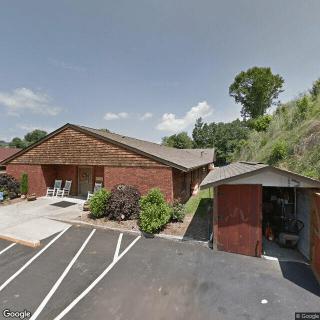
 Intimate 20-resident community with 24-hour supervision, medication management, and on-site amenities.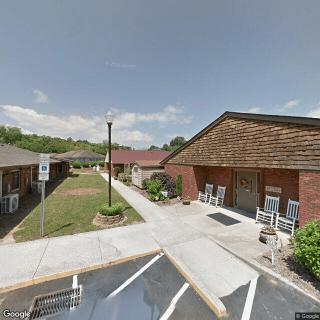

 Exploring Nonmedical Home Care: Understanding Services, Costs, and Financial Approaches
 Engaging Brain Games and Innovative Apps to Keep Senior Minds Active
 Effective Strategies for Keeping Seniors' Minds Active: A Deep Dive into Brain Games and Apps