
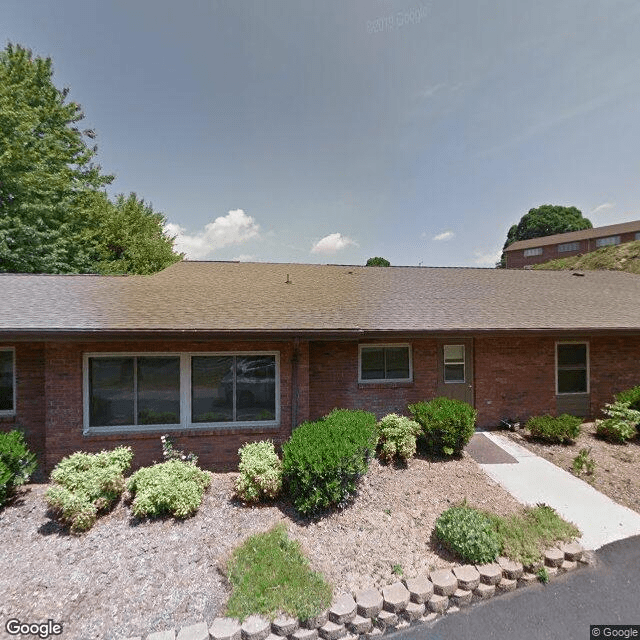
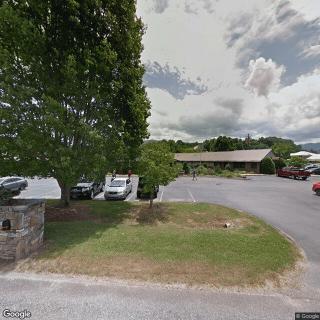
39 Loving Way, Clyde, NC 28721
For more information about senior living options: (866) 208-4318
Overall Review of Spicewood Cottages Elms
Pros
 The staff are wonderful and mature.
- The staff seem to genuinely care about their patients.
- Staff respond quickly and prepare everything when needed to take patients to the doctor.
- The staff were wonderful to train.
Cons
 They would not recommend this place to anyone.
- Within a month, things went bad quickly in the memory care cottage.
- They were very disappointed in the lack of activities or things for residents to do.
- There was only one staff person around on weekends, and residents might not see adequate help.
- The situation was very different from what was told before they placed their loved one there.
- They take very poor care of residents here.
- The doctor is just a PA, not an MD, and could care less about residents.
- They won't even send residents to the ER after a fall or incident unless someone forces them.
- Horrible conditions here.
- Food service has not been satisfactory for quite some time, and health is suffering as a result.
Review
This community is best suited for families seeking a small, home‑like setting where front‑line caregivers are present, communicative, and capable of rapid health coordination. It works for residents who prize personal attention over a calendar‑driven social program, and who are comfortable with some variability in daily activity. The memory‑care niche here appears fragile, with reviewers noting a decline in engagement after placement. For a true memory‑care emphasis with robust programming, this option tends to underperform. In short, Spicewood Cottages Elms delivers proximity to attentive staff and caregiver access, but its fit hinges on expectations around engagement and medical oversight.
Those who should consider alternatives are families prioritizing structured daily activities, consistent staffing across weekends, and a physician‑led medical model. If ongoing, MD‑level oversight is essential, the PA‑driven approach may feel insufficient. Food service and dietary variety also factor in; multiple reviews flag limited meal options and nutrition concerns. Finally, if safety depends on a consistently robust response to emergencies and accessible ER coordination, this setting may prompt a comparison with nearby options offering stronger safety protocols and clearer escalation paths.
Pros here include attentive frontline staff and nurses described as caring, with rapid communication when health issues arise and staff who demonstrate on‑the‑floor training. Cons press in around a thin activity slate that leaves residents more confined to rooms, weekend coverage that can shrink to a single staff presence, and a doctor who is a PA rather than an MD; there are even assertions about slow or reluctant ER transfers and ownership responsiveness. These factors interact: the same nurses who respond quickly in a health event can only compensate so much for limited engagement opportunities and for gaps in medical oversight. For memory care, where cognitive stimulation and predictable routines matter, the programming shortfalls can hasten withdrawal rather than sustain function.
To make a well‑informed decision, request a current activity calendar and observe a typical day in action; verify staff‑to‑resident ratios across all shifts, especially weekends; clarify the medical model, who approves treatment, how quickly physicians participate, and what happens after hours. Request recent incident reports and a clear ER transfer protocol, and tour the kitchen to assess food variety and customization options. Speak with current residents and families about daily life, social opportunities, and meal satisfaction. Confirm transportation arrangements for routine appointments and any associated costs.
Bottom line: for families that value swift nurse‑led attention, clear communication, and a warm, intimate environment, Spicewood Cottages Elms can be a reasonable fit. However, for those whose top priorities include robust dementia programming, consistent weekend staffing, MD‑level medical oversight, and proactive safety practices, this community may fall short. It is essential to compare with peers that demonstrate stronger engagement schedules and more decisive care management to avoid trade‑offs that undermine long‑term well‑being.
Proceed with candid, in‑person evaluations, bringing a trusted family member to observe interactions and care dynamics. Insist on seeing recent care plans, dietary menus, and current staffing rosters, and validate whether the day‑to‑day experience aligns with the resident’s needs and the family’s expectations. The goal is to confirm that the chosen setting can sustain quality care over time and adapt as needs evolve, rather than encounter surprises that require a painful switch later.
 20 resident community capacity
 Assisted Living
 Board and Care Home
 Independent Living
 Activities on-site
 Beauty salon
 Cable or satellite TV
 Devotional services off-site
 Dining room
 Fully furnished
 Garden
 Housekeeping services
 Indoor common areas
 Kitchenette
 Move-in coordination
 Outdoor space
 Telephone
 Wi-Fi/high-speed internet available
 Asheville Regional (24 miles away)
 24-hour call system
 Ambulatory care
 Assistance with bathing
 Assistance with dressing
 Assistance with transfers
 Diabetes diet
 Diabetic care
 Meal preparation and service
 Medication management
 Mental wellness program
 Special dietary restrictions
 Transportation arrangement (medical)
 Transportation to doctors appointments

 Exploring the Contrasts Between Assisted Living and Skilled Nursing
 8 Key Indicators That Suggest It May Be Time to Transition from Assisted Living to Skilled Nursing Care
 Vibrant Senior Living: A Comprehensive Guide for Active Older Adults