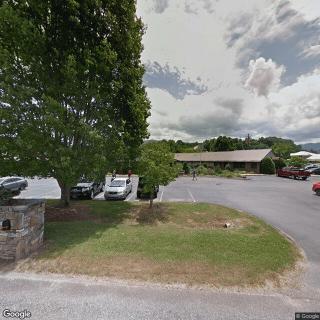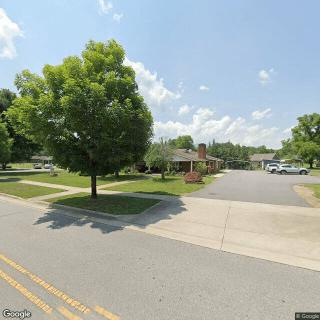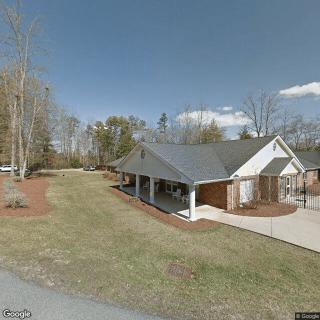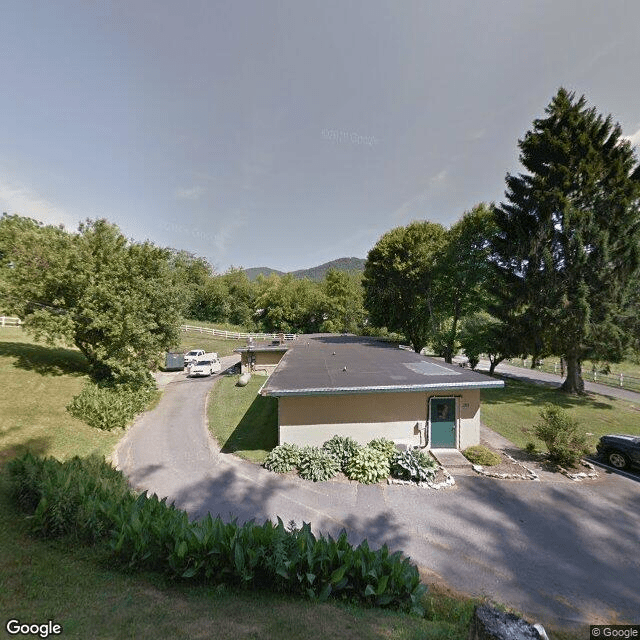
McCracken Rest Home in Waynesville, NC

Save
McCracken Rest Home

McCracken Rest Home in Waynesville, NC

203 Mccracken St, Waynesville, NC 28786

For more information about senior living options: (844) 490-3973

3.6 from 33 reviews
5 stars
17
4 stars
4
3 stars
2
2 stars
2
1 stars
8

Assisted Living

McCracken Rest Home Costs & Pricing

At McCracken Rest Home, the cost of care reflects a competitive pricing structure compared to both Haywood County and the broader North Carolina region. For semi-private accommodations, residents can expect to pay $2,200 per month, which is notably lower than the county average of $2,994 and significantly less than the state average of $3,584. Similarly, for those opting for a one-bedroom setup, the monthly fee is $3,200 - slightly above the local average but still considerably more affordable than the state benchmark of $4,055. These figures highlight McCracken Rest Home's commitment to providing quality living arrangements at accessible rates while ensuring an enriching environment for its residents.

Floor plansMcCracken Rest HomeHaywood CountyNorth Carolina
Semi-Private$2,200$2,994$3,584
1 Bedroom$3,200$3,072$4,055

Overall Review of McCracken Rest Home

Pros

  • pro The place is very clean and the staff are nice.
  • pro It is an amazing place to stay, with wonderful, caring elders and caring owners.
  • pro It is an excellent facility.
  • pro It is clean.
  • pro Under new management since 2016, the facility has improved and completed a turnaround with excellent care.
  • pro The sister seems comfortable there; the facility is always clean and safe.
  • pro It is a nice, comfy little place for seniors.

Cons

  • pro The place is run like a slum.
  • pro Most residents spend most of each day smoking on the front patio, which consists of old moldy chairs.
  • pro There is regularly not enough food and the food served is very high in sugar and low in nutrients; no fresh vegetables.
  • pro The cook is hostile to residents and other staff, yelling in their faces if they complain or make requests.
  • pro It is kept understaffed with very high turnover.
  • pro No reliable transportation to medical appointments as advertised; many doctor visits are missed or rescheduled.
  • pro The aides that were met seemed kind, but they all quit.
  • pro Residents are depressed and depressing.
  • pro There are open cases against the rest home for elder abuse and neglect; it should be shut down immediately.

Review

McCracken Rest Home in Waynesville, NC is best suited for families seeking a small, home-like environment where owners are personally involved and cleanliness is consistently emphasized. It appeals to those who value a genuinely hands-on, pet-friendly setting and prioritize a pleasant daily living ambiance over clinical polish. This is not the pick for seniors who require highly reliable transportation to medical appointments, tightly regulated nutrition, or unwavering staffing consistency. For households with moderate care needs and a preference for a tightly knit, one-location community, it can feel comfortable; for anyone counting on steady clinical oversight or robust meal programs, alternatives deserve careful consideration.

The strongest positives center on cleanliness, a warm atmosphere, and personal attention from owners and staff that some residents and families highlight as genuinely caring. Several accounts describe a well-kept facility and a small-scale, approachable environment where aides appear kind and residents can enjoy a sense of everyday familiarity. The policy allowing pets adds a meaningful quality-of-life boost for many residents, contributing to a feeling of home rather than institutional routine. When management is engaged and staff turnover remains manageable, these elements can create a reassuring day-to-day experience that families hope to see in a long-term setting.

However, those strengths sit alongside persistent concerns that recur across multiple reviews. A large portion of feedback paints a different picture: a facility that can feel run-down, with questions raised about staffing levels and turnover, which translates into inconsistent care and supervision. Nutritional shortcomings are a frequent theme - limited and high-sugar meals with few fresh vegetables - and meals can feel less than nourishing for residents with specific dietary needs. Transportation to medical appointments is described as unreliable, leading to missed or rescheduled visits, a critical flaw for residents who rely on scheduled care. In short, the day-to-day reliability on which families depend can be fragile here.

The reviews also include troubling red flags that cannot be ignored. A subset of commenters alleges elder abuse and neglect and even calls for closing the rest home, signaling serious concerns about safety and oversight. There are reports of residents experiencing depression and a sense of gloom, and at least one instance where a family member was barred after raising concerns. While other residents and families report comfort and safety, these divergent experiences suggest variability in quality of care by shift or staff, and potential managerial or regulatory vulnerabilities. Such contradictions require cautious interpretation and direct, current verification.

Against this backdrop, the question becomes how the positives weigh against the negatives in a practical decision framework. For a family that can tolerate variability in staff engagement and can supplement meals and transportation through private arrangements or third-party services, the clean, welcoming environment and pet-friendly policy might still offer meaningful daily value. The personal touch from owners and long-term staff can create trust and continuity that's hard to quantify, provided the current operations - including scheduling, meal practices, and transport - remain coherent and reliable. Prospective residents should not overlook the fragility of these advantages if staffing pressure spikes or leadership changes occur again.

In the end, McCracken Rest Home is not a one-size-fits-all solution. It can serve well-placed families who prioritize a home-like feel, cleanliness, and the ability to keep a beloved pet, while accepting the possibility of staffing gaps and nutritional and transportation shortcomings. By contrast, families with higher expectations for consistent clinical oversight, dependable transportation, and transparent, ongoing safeguarding against abuse should explore stronger-regulated options. A due-diligence path is essential: arrange an in-person tour with current residents, inquire about current staffing ratios and turnover, review recent state inspections, and verify the facility's current approach to meals, transportation, and safety concerns. If those factors align with the family's risk tolerance and care plan, McCracken Rest Home can be a viable choice; if they do not, a more stable, nurse-driven or transport-forward setting will likely deliver greater peace of mind.

Features

Housing

  • 22 resident community capacity 22 resident community capacity

Types of Care

  • Assisted Living Assisted LivingAssisted living facilities provide crucial support and care for seniors who may need help with daily tasks such as medication management, bathing, and meal preparation. These communities offer a safe and comfortable environment where seniors can maintain their independence while receiving the assistance they need to thrive in their golden years.

Amenities

  • Activities on-site Activities on-siteActivities on-site are important for seniors because they provide opportunities for socialization, mental stimulation, physical activity, and overall well-being. Engaging in activities can help seniors stay active, maintain their independence, and improve their quality of life.
  • Beauty salon Beauty salonBeauty salons are important for seniors because they provide a space for them to feel pampered, socialize, and maintain their personal grooming and hygiene. Regular visits to a beauty salon can help boost seniors' self-esteem and overall well-being.
  • Cable or satellite TV Cable or satellite TVCable or satellite TV is important for seniors because it provides entertainment, news, and companionship, helping to combat loneliness and boredom. It also offers a wide range of programming options tailored to different interests and preferences.
  • Devotional services off-site Devotional services off-siteDevotional services off-site are important for seniors as they provide spiritual nourishment, social engagement, and a sense of community outside of the senior living facility. This can enhance overall well-being and help combat feelings of isolation and loneliness often experienced by older adults.
  • Dining room Dining roomDining rooms are important for seniors as they provide a space for socialization, connection, and nutritious meals. They offer opportunities for residents to bond over shared meals, foster a sense of community, and promote healthy eating habits. Dining rooms also ensure that seniors have access to well-balanced meals tailored to their dietary needs and preferences.
  • Fully furnished Fully furnishedFully furnished senior living communities are important for seniors because they provide convenience, comfort, and a hassle-free moving experience. Seniors can easily settle into their new living space without the stress of having to buy and move furniture. This allows them to focus on enjoying their new home and community.
  • Garden GardenGardens are important for seniors as they provide a peaceful and therapeutic environment for relaxation, physical activity, and socialization. Being in nature has been shown to reduce stress, improve mood, and promote overall well-being. Gardens also offer opportunities for seniors to engage in gardening activities, which can improve mobility, flexibility, and cognitive function. Additionally, gardens create a sense of community and connection with others who share a passion for plants and outdoor spaces.
  • Housekeeping services Housekeeping servicesHousekeeping services are important for seniors because they help maintain a clean and safe living environment, promote independence, and reduce the risk of accidents or illnesses. Additionally, having assistance with household chores can alleviate physical strain and allow seniors to focus on other aspects of their well-being.
  • Indoor common areas Indoor common areasIndoor common areas are crucial for seniors as they provide a space for socialization, recreation, and community engagement, promoting overall well-being and reducing feelings of isolation and loneliness.
  • Kitchenette KitchenetteKitchenettes are important for seniors living in senior living communities because they provide the convenience and independence of being able to prepare simple meals and snacks in the comfort of their own living space. This can help promote a sense of autonomy and well-being for seniors, allowing them to maintain some level of control over their dietary choices and daily routines.
  • Move-in coordination Move-in coordinationMove-in coordination is important for seniors because it helps ease the transition into their new living environment. It ensures that all logistics, such as packing, organizing movers, and setting up utilities are taken care of, allowing seniors to focus on settling in and adjusting to their new home. Having a smooth move-in process can alleviate stress and anxiety, making the transition smoother and more enjoyable for seniors.
  • Outdoor space Outdoor spaceOutdoor spaces are important for seniors as they provide opportunities for physical activity, social interaction, exposure to natural light and fresh air, and a sense of connection to nature. Having access to outdoor spaces can improve overall well-being and quality of life for older adults living in senior communities.
  • Restaurant-style dining Restaurant-style diningRestaurant-style dining is important for seniors because it allows them to enjoy delicious, nutritious meals in a social and upscale setting. This enhances their dining experience, promotes healthy eating habits, and fosters socialization with fellow residents, ultimately contributing to their overall well-being and quality of life.
  • Small library Small librarySmall libraries are important for seniors as they provide access to a variety of reading materials, including books, newspapers, and magazines. This can help stimulate their minds, keep them engaged, and provide a sense of community through book clubs and other social activities. Additionally, reading has been shown to improve cognitive function and overall mental well-being in older adults.
  • Telephone TelephoneTelephones are important for seniors as they provide a lifeline for communication with loved ones, emergency services, and healthcare providers. They offer a sense of security and independence, enabling seniors to stay connected and access assistance when needed.
  • Wi-Fi/high-speed internet available Wi-Fi/high-speed internet availableWi-Fi/high-speed internet is important for seniors to stay connected with loved ones, access online resources, and participate in virtual activities to combat feelings of loneliness and isolation. It also allows them to easily manage healthcare needs, access entertainment, and engage in lifelong learning opportunities.

Care Services

  • 24-hour call system 24-hour call system24-hour call systems are important for seniors because they provide peace of mind and immediate assistance in case of emergencies. This technology ensures that help is always available, promoting safety and security for elderly individuals living alone or in assisted living facilities.
  • 24-hour supervision 24-hour supervision24-hour supervision is important for seniors to ensure their safety, well-being, and access to immediate assistance in case of emergencies or health issues. This constant support provides peace of mind for both seniors and their loved ones, allowing them to age in place with dignity and security.
  • Activities of daily living assistance Activities of daily living assistanceActivities of daily living assistance are important for seniors because they provide essential support with tasks such as eating, bathing, dressing, and mobility. This assistance helps seniors maintain their independence, dignity, and overall quality of life as they age.
  • Ambulatory care Ambulatory care"Ambulatory care services provide essential medical support and treatment to seniors without requiring hospitalization, allowing them to maintain their independence and quality of life while managing chronic conditions or receiving routine medical care."
  • Assistance with bathing Assistance with bathingAssistance with bathing is crucial for seniors as it helps maintain personal hygiene, prevents infections, and ensures their overall well-being and comfort. It also provides a sense of dignity and independence for seniors who may struggle with this task on their own.
  • Assistance with dressing Assistance with dressingAssistance with dressing is important for seniors because it helps maintain their independence, promotes personal hygiene, prevents accidents and injuries, and improves overall quality of life. This service ensures that seniors can continue to dress comfortably and confidently, despite any physical limitations they may have.
  • Assistance with transfers Assistance with transfersAssistance with transfers is crucial for seniors as it helps prevent falls and injuries, maintains their independence, and ensures they can safely navigate their living environment. It also provides peace of mind for both seniors and their loved ones.
  • Diabetes diet Diabetes dietA diabetes diet is crucial for seniors as it helps manage blood sugar levels, reduce risks of complications, and improve overall health and well-being. By following a balanced and nutritious diet tailored to their specific needs, seniors can better control their diabetes and enhance their quality of life.
  • Diabetic care Diabetic careDiabetic care is crucial for seniors as they are more susceptible to developing diabetes due to aging and other health conditions. Proper management of diabetes can help prevent complications such as heart disease, vision loss, and nerve damage, improving the overall quality of life for seniors in senior living communities.
  • Meal preparation and service Meal preparation and serviceMeal preparation and service are crucial for seniors as they may have limited mobility or energy to cook nutritious meals. Having access to healthy and convenient food options can ensure they are getting the proper nutrition needed to maintain their overall health and well-being.
  • Medication management Medication managementMedication management is crucial for seniors to ensure they are taking the right medications at the correct dosages and times. This helps prevent adverse drug interactions, reduces the risk of medication errors, and promotes overall health and well-being. Proactive management also allows for adjustments as needed based on changing health conditions or new prescriptions.
  • Mental wellness program Mental wellness programMental wellness programs are essential for seniors as they promote cognitive stimulation, emotional support, and social engagement. These programs help prevent isolation, depression, and cognitive decline, ultimately enhancing the overall quality of life for older adults.
  • Special dietary restrictions Special dietary restrictionsSpecial dietary restrictions are important for seniors because age-related changes in metabolism and health conditions can make it difficult for their bodies to process certain foods. By following a diet tailored to their specific needs, seniors can maintain their overall health and well-being, manage chronic conditions, and reduce the risk of complications such as malnutrition or food interactions with medications.
Dining

  • Diabetes diet Diabetes dietA diabetes diet is crucial for seniors as it helps manage blood sugar levels, reduce risks of complications, and improve overall health and well-being. By following a balanced and nutritious diet tailored to their specific needs, seniors can better control their diabetes and enhance their quality of life.
  • Meals provided Meals provided"Meals provided" are crucial for seniors in assisted living communities as it ensures they have access to nutritious, balanced meals without the stress of meal planning and preparation. This can help promote overall health and well-being for seniors who may have limited mobility or cognitive abilities.
  • Special dietary restrictions Special dietary restrictionsSpecial dietary restrictions are important for seniors because age-related changes in metabolism and health conditions can make it difficult for their bodies to process certain foods. By following a diet tailored to their specific needs, seniors can maintain their overall health and well-being, manage chronic conditions, and reduce the risk of complications such as malnutrition or food interactions with medications.

Activities

  • Activities on-site Activities on-siteActivities on-site are important for seniors because they provide opportunities for socialization, mental stimulation, physical activity, and overall well-being. Engaging in activities can help seniors stay active, maintain their independence, and improve their quality of life.
  • Community-sponsored activities Community-sponsored activitiesCommunity-sponsored activities are important for seniors as they provide opportunities for social interaction, mental stimulation, and physical activity. These activities can help improve overall well-being, combat loneliness and isolation, and promote a sense of belonging and purpose among older adults.
  • Devotional activities offsite Devotional activities offsiteDevotional activities offsite are important for seniors because they provide social engagement, spiritual growth, and a sense of community outside of their living environment. This can improve overall well-being, mental health, and combat feelings of isolation or loneliness.
  • Resident-run activities Resident-run activitiesResident-run activities are important for seniors as they encourage social interaction, creativity, and a sense of autonomy. These activities empower seniors to stay engaged and active in their community while fostering meaningful connections with their peers.
  • Scheduled daily activities Scheduled daily activitiesScheduled daily activities are important for seniors because they provide structure, socialization, mental stimulation, and physical activity. Engaging in regular activities can improve overall well-being and quality of life for seniors living in a community setting.

Description

McCracken Rest Home in Waynesville, NC is a warm and inviting assisted living community that offers a variety of amenities to ensure the comfort and well-being of its residents. Our community provides devotional services off-site, giving residents the opportunity to engage in spiritual activities that cater to their personal preferences.

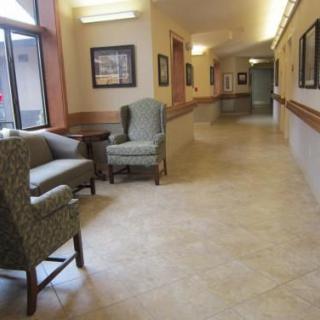
Our indoor common areas are designed to promote socialization and encourage residents to connect with one another. These spaces offer a welcoming atmosphere where residents can relax, read, or engage in group activities.

At McCracken Rest Home, we understand the importance of specialized care for those with diabetes. That is why we offer diabetic care services to ensure our residents receive prompt and proper assistance with their specific medical needs.

We believe in providing our residents with fulfilling experiences beyond the walls of our community. As such, we organize devotional activities offsite, allowing residents to explore different faith-based organizations and participate in religious events within the wider community.

With our range of amenities and personalized care services, McCracken Rest Home strives to provide a safe and comfortable environment where seniors can thrive physically, emotionally, and spiritually.

Nearby Places of Interest

Located in beautiful Waynesville, North Carolina, this area offers a variety of amenities and services that cater to seniors. With several parks nearby, such as Canton Park and Lake Julian Park, residents can enjoy outdoor activities and leisurely walks. There are multiple medical facilities within a short driving distance, including Midway Medical Center and Brevard Orthopaedics, ensuring easy access to healthcare services. Places of worship such as St Joan of Arc Roman Catholic Church and Grace Baptist Church provide spiritual support for those seeking a community of faith. Several pharmacies like Walgreens and CVS Pharmacy are conveniently located for prescription needs. A diverse selection of restaurants and cafes offer dining options for every taste preference, from Cracker Barrel to Starbucks. In case of emergencies, Mission Children's Hospital and Highland Hospital are in close proximity, providing peace of mind for seniors living in the area.

Parks

  • Canton Park (8.4 miles)
  • Lake Julian Park (25 miles)

Physicians

  • Midway Medical Center (9.2 miles)
  • Carolina Pediatric Therapy (21.8 miles)
  • Frances Warde Family Health (21.9 miles)
  • Brevard Orthopaedics (22 miles)
  • Blue Mountain Medicine (22.1 miles)
  • Pineiro Family Practice (22.1 miles)
  • Allergy Partners of Western North Carolina (22.2 miles)

Places of Worship

  • St Joan of Arc Roman Catholic Church (18.4 miles)
  • Grace Baptist Church (21.7 miles)
  • Iglesia Oasis De Esperanza Church Of God (22.1 miles)
  • New Hope Baptist Church (22.5 miles)
  • Biltmore Baptist Church (23.4 miles)
  • New French Broad Baptist Church (23.5 miles)
  • Mt Moriah Calvert Baptist Church (24.3 miles)

Pharmacies

  • Ingles (18.7 miles)
  • Walgreens (18.9 miles)
  • CVS Pharmacy (19.8 miles)
  • Walgreens (21.7 miles)
  • Metcalf Pharmacy (22 miles)
  • Gordon Family Pharmacy (22.3 miles)
  • Brevard Drug Company (22.3 miles)

Restaurants

  • Cracker Barrel (20.3 miles)
  • Applebee's (20.4 miles)
  • Arby's (21.7 miles)
  • Zaxby's (21.8 miles)
  • New China Restaurant (21.9 miles)
  • Marco Trattoria (21.9 miles)
  • Wendy's (21.9 miles)

Cafes

  • Pisgah Coffee Roasters (21.4 miles)
  • Starbucks (21.9 miles)
  • Jordan Street Cafe (22.1 miles)
  • Bill's Boiler House (22.1 miles)
  • Cup & Saucer (22.1 miles)
  • Starbucks (23.4 miles)
  • BattleCat Coffee Bar (23.7 miles)

Hospitals

  • Mission Childrens Hospital (22 miles)
  • Transylvania Health System (22.1 miles)
  • Highland Hospital (24.8 miles)

Frequently Asked Questions

How much does it cost to live at McCracken Rest Home in Waynesville, NC?
Where is McCracken Rest Home?

Nearby Communities

  • Haywood Lodge & Retirement Ctr

    Haywood Lodge & Retirement Ctr

    Waynesville, NC

    4.1 from 26 reviews
    $2,800 to $3,400 / month

    pro Competitive pricing with independent living focus and diabetic care.

  • Haywood Lodge And Retirement Center

    Haywood Lodge And Retirement Center

    Waynesville, NC

    4.1 from 29 reviews
     

    pro Friendly, attentive staff in a clean, welcoming environment with diverse activities and on-site amenities.

  • Bayada Nurses

    Bayada Nurses

    Waynesville, NC

    3.8 from 6 reviews
    $3,200 / month

    pro High-quality, reliable caregivers with good short-notice support.

  • Haywood Nursing And Rehabilitation Center

    Haywood Nursing And Rehabilitation Center

    Waynesville, NC

    4.1 from 36 reviews
     

    pro Comfortable environment with comprehensive care services and engaging activities.

  • Creekside Villas

    Creekside Villas

    Waynesville, NC

    5 from 4 reviews
     

    pro Small, supportive assisted living with 24/7 supervision and on-site amenities.

  • Richland Community Care 2

    Richland Community Care 2

    Waynesville, NC


    pro Comprehensive care and amenities (24/7 supervision, ADL assistance, diabetes diet, meals, transportation, activities).

  • Silver Bluff Village

    Silver Bluff Village

    Canton, NC

    4.5 from 41 reviews
    $1,800 to $3,000 / month

    pro Compassionate staff with strong continuity of care and clean facilities.

  • Windwood Assisted Living

    Windwood Assisted Living

    Candler, NC

    4.5 from 2 reviews
    $5,000 / month

    pro Intimate, fully furnished community with personalized 24/7 care, housekeeping, move-in coordination, and engaging daily activities.

  • The Oaks Brevard

    The Oaks Brevard

    Brevard, NC

    3.9 from 36 reviews
    $2,515 to $3,728 / month

    pro Caring nurses and CNAs with regular family updates.

Related Resources

  • assisted living costUnderstanding the True Cost of Assisted Living in 2025: A Comprehensive Guide

    Assisted living in 2025 offers a crucial balance of independence and support for seniors, with costs varying from $2,500 to over $7,000 per month based on factors such as location and care level. Understanding pricing complexities, including regional differences and potential hidden fees, is essential for families to plan financially while ensuring quality care for their loved ones.

  • does medicaid pay for assisted livingUnderstanding Medicaid Coverage for Assisted Living: A Comprehensive Guide

    The guide outlines the complexities of Medicaid coverage for assisted living, highlighting significant state-to-state variations, limited coverage often restricted to personal care services, and the existence of specialized waivers for certain needs like memory care. It advises families to consult local Medicaid offices for options while emphasizing the importance of understanding state-specific regulations and facility policies.

  • does medicaid pay for assisted livingHow and When Medicaid May Cover Assisted Living Costs

    Medicaid coverage for assisted living varies by state and is primarily available to low-income individuals, with eligibility dependent on strict income and asset limits. Some states offer HCBS waivers for specific services in assisted living, but families must generally cover room and board costs, and should verify facility acceptance of Medicaid while considering potential waiting lists.