The Oaks Brevard offers competitive pricing for its accommodations in comparison to both Transylvania County and the broader North Carolina region. For a one-bedroom unit, residents can expect to pay $2,515 per month, which is notably lower than the county average of $4,170 and the state average of $4,055. Similarly, the cost for a two-bedroom apartment at The Oaks stands at $3,728, matching the county rate while remaining more economical than the statewide average of $4,245. This pricing structure positions The Oaks Brevard as an appealing option for those seeking quality living arrangements without straining their budget in this vibrant area.
Floor plans
The Oaks Brevard
Transylvania County
North Carolina
1 Bedroom
$2,515
$4,170
$4,055
2 Bedrooms
$3,728
$3,728
$4,245
Skilled Nursing Facilities with a similar price nearby
Residents and families describe hands-on rehab support, including dementia care.
Multiple reviews describe stays involving rehab and skilled long-term nursing, with emphasis on therapy and ongoing observation during recovery. Families also specifically mention dementia, describing their loved ones as calmer and safer during their time there. In the same reviews, care teams are credited for helping manage complex needs like dementia, falls, and fractures while working toward long-term goals.
common27 reviews mention this
Caring, responsive staff
Staff compassion and attention show up repeatedly in residents’ and families’ accounts.
Many reviews praise the staff and nursing team for kindness, compassion, and personal attention during difficult stays. Several reviewers mention encouragement from staff, help with communication and settling in, and staff learning residents’ preferences. A smaller set of reviews raises serious concerns about neglect, rudeness, missed follow-ups, and lack of responsiveness, including examples tied to missed appointments and care not being handled as requested.
common5 reviews mention this
Clean environment, with some concerns
The facility is often described as clean, though a few reviews cite problems.
Several reviewers describe the facility as very clean and a safe place for families to trust. At the same time, a few accounts mention odors, laundry issues, and clothing mix-ups, along with one review reporting missed bathing for a new resident. Overall, the cleanliness experience is mostly positive in the reviews, with notable exceptions that families singled out.
caveat6 reviews mention this
Understaffing and communication issues
Some families report understaffing and communication gaps during rehab and skilled care.
While many reviews highlight helpful, attentive staff, several also describe understaffing that affects how quickly requests are addressed. A few reviews point to communication problems, including unanswered calls and difficulties with follow-through on appointments and care updates. There are also examples where family members describe being left out of key decisions or not receiving information they expected in a timely way.
caveat5 reviews mention this
Food satisfaction is mixed
Dining reviews are split between enjoying meals and disliking the food.
Some residents and families say they enjoyed meals in the dining room and describe events like a luncheon as going well. Others criticize the food experience, including comments about what residents were being fed and one review saying they did not care for the food. Even when meals were not the main issue, a few reviewers still referenced food as part of their overall experience.
How we summarize
Counts show how many written reviews mention each theme; a review can touch several themes, and only frequently mentioned themes are displayed.
Features
Types of Care
Skilled Nursing Facility
Transportation
Asheville Regional (16 miles away)
Care Services
High acuity care
Nearby Places of Interest
This part of Brevard, North Carolina, offers a convenient and diverse array of amenities for senior living. With numerous places of worship nearby, including Iglesia Oasis De Esperanza Church Of God and Grace Baptist Church, residents can find spiritual fulfillment in their community. Access to various restaurants such as Arby's and El Ranchero provides plenty of dining options, while local cafes like Cup & Saucer offer a cozy atmosphere for socializing. Close proximity to medical facilities like Brevard Orthopaedics and Transylvania Health System ensures easy access to healthcare services. Additionally, the area boasts scenic parks like Triple Falls and Dupont State Forest for outdoor recreation opportunities. Overall, this part of Brevard provides seniors with a blend of convenience, community engagement, and natural beauty.
Places of Worship
Iglesia Oasis De Esperanza Church Of God (0.9 miles)
Grace Baptist Church (1.6 miles)
New French Broad Baptist Church (2.2 miles)
New Hope Baptist Church (5.7 miles)
Southern Baptist Convention (7.8 miles)
Mt Moriah Calvert Baptist Church (8.7 miles)
East Fork Baptist Church (10.1 miles)
Restaurants
Arby's (0.9 miles)
Zaxby's (1.1 miles)
Wendy's (1.2 miles)
New China Restaurant (1.7 miles)
Pescado's Burritos (1.9 miles)
Dugan's Pub (1.9 miles)
El Ranchero (2.1 miles)
Physicians
Brevard Orthopaedics (1.2 miles)
Frances Warde Family Health (1.8 miles)
Carolina Pediatric Therapy (2 miles)
Allergy Partners of Western North Carolina (2.1 miles)
The Oaks Brevard offers competitive pricing for its accommodations in comparison to both Transylvania County and the broader North Carolina region. For a one-bedroom unit, residents can expect to pay $2,515 per month, which is notably lower than the county average of $4,170 and the state average of $4,055. Similarly, the cost for a two-bedroom apartment at The Oaks stands at $3,728, matching the county rate while remaining more economical than the statewide average of $4,245. This pricing structure positions The Oaks Brevard as an appealing option for those seeking quality living arrangements without straining their budget in this vibrant area.
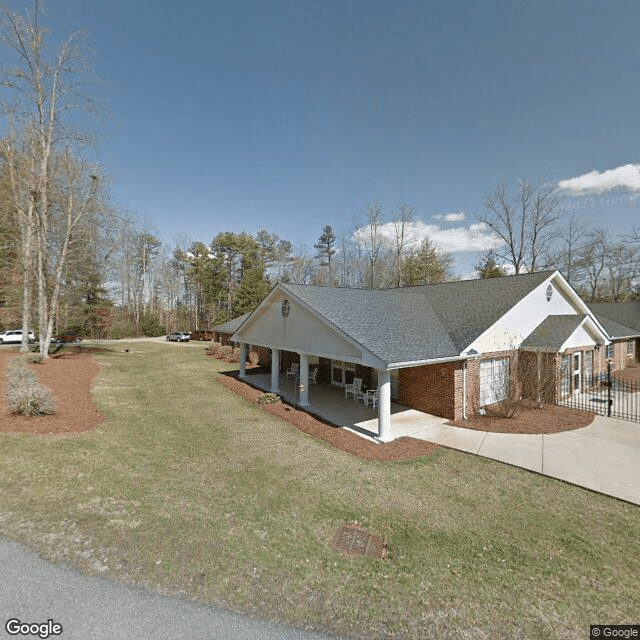
The Oaks Brevard is located at 300 Morris Rd, Brevard, NC 28712 in Transylvania County, North Carolina
Nearby Communities
The Oaks-Brevard
Brevard, NC
3.8 from 38 reviews
Warm, caring staff and generally reliable care.
Transylvania Regional Hospital
Brevard, NC
4.8 from 120 reviews
Small, intimate assisted living with comprehensive care (ADL support, diabetes diet, medication management), on-site dining, housekeeping, and modern amenities (Wi-Fi, telephone).
Ivy Hill Health & Retirement
Brevard, NC
4 from 34 reviews
Personalized care in a picturesque setting with abundant nearby dining and healthcare options.
College Walk Retirement Community
Brevard, NC
4.6 from 86 reviews
Professional, friendly staff and well-maintained, engaging environment.
College Walk Retirement Ctr
Brevard, NC
4.6 from 73 reviews
$3,250 to $4,300 / month
Upscale, engaging community with excellent dining, friendly staff, and rich social activities.
Deer Track
Brevard, NC
4.7 from 12 reviews
Small, intimate assisted living with essential care services and convenient access to nearby cafes, pharmacies, doctors, a hospital, dining options, and places of worship.
Tore's Home 3
Brevard, NC
4.2 from 20 reviews
$3,780 to $5,695 / month
24/7 supervision with ADL support and healthcare coordination
Kingsbridge House
Brevard, NC
3.2 from 26 reviews
$3,495 to $4,195 / month
Home-like environment with attentive staff and engaging activities.
The Landings Of Mills River
Mills River, NC
3.6 from 9 reviews
Attentive staff and a newer, well-maintained facility with engaging activities.
Weight training is vital for seniors to maintain muscle mass, bone density, and overall health, combating age-related declines through customized resistance exercises that enhance balance and well-being. Safe routines should start with realistic goals and proper form, while emphasizing gradual progress and consultations with healthcare providers to ensure safety and effectiveness.
The Sandwich Generation comprises adults managing the dual responsibilities of caring for aging parents and raising children, leading to significant emotional, logistical, and financial challenges. This situation is exacerbated by longer life expectancies and cultural expectations, necessitating effective coping strategies and support resources to alleviate caregiver stress and burnout.
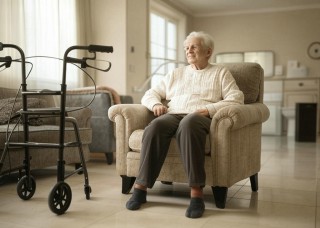
The article highlights eight essential assistive devices that improve the independence and safety of older adults, addressing issues related to mobility, balance, vision, hearing, and dexterity. It emphasizes the importance of proper selection guided by healthcare professionals to enhance seniors' quality of life while allowing them to age in place.
Get PricingAsk A QuestionSchedule A TourContact Senior Advisor
By clicking submit, you agree to our Partner's Terms of Use. You
also consent to receive calls and texts, which may be autodialed, from our Partner. Your consent is not a condition to
using our Partner's service. Please visit our Partner's Privacy Policy for information about their privacy practices.

 Skilled Nursing Facility
 Asheville Regional (16 miles away)
 High acuity care
 Warm, caring staff and generally reliable care.

 Weight Training for Seniors: Building Strength and Vitality
 Understanding the Sandwich Generation: Stress and Responsibilities for Multigenerational Caregivers
 8 Essential Assistive Devices for Older Adults