Residents and families repeatedly describe the staff as caring and attentive.
Many reviewers emphasize that staff treated their loved ones with kindness, respect, and personal attention. Several also mention specific nursing or therapy team members helping residents feel comfortable and supported during rehab or dementia care. A few reviewers even highlight how staff checked not only on the resident, but also on family members during difficult stretches.
common3 reviews mention this
Clean facility is frequently noted
Cleanliness comes up often in residents’ and families’ feedback.
Reviewers mention that the facility was kept very clean and describe a generally clean environment. One reviewer also specifically calls out the cleanliness as part of what made the stay feel safer for family members. Not every review is glowing about care quality, but cleanliness is still praised in multiple accounts.
caveat4 reviews mention this
Food quality draws mixed feedback
Food quality is a recurring complaint, with multiple reviews citing issues.
Some reviewers describe the food as institutional or not served hot. Others say the food could be improved, while one review goes much further and calls the food disgusting and unsafe. Even in generally positive experiences, food comes up as a reason someone didn’t rate the stay higher.
caveat3 reviews mention this
Understaffing affects responsiveness
Several reviewers point to staffing shortages that can affect timely care.
A few reviewers mention the community being understaffed, with one describing difficulty getting requests answered during a rehab stay. Another review notes that hiring struggles are affecting how smoothly things go, even while calling the overall effort close to what the family wanted. In the most critical account, short staffing is tied to concerns about rehab patients receiving adequate attention.
How we summarize
Counts show how many written reviews mention each theme; a review can touch several themes, and only frequently mentioned themes are displayed.
Features
Housing
110 resident community capacity
Types of Care
Skilled Nursing Facility
Amenities
Air-conditioning
Beauty salon
Cable or satellite TV
Computer center
Dining room
Fitness room
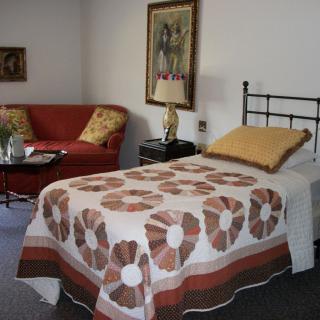
Fully furnished
Gaming room
Garden
Housekeeping services
Kitchenette
Move-in coordination
Outdoor space
Private bathrooms
Restaurant-style dining
Small library
Telephone
Wellness center
Wi-Fi/high-speed internet available
Transportation
Asheville Regional (16 miles away)
Community operated transportation
Transportation arrangement
Transportation arrangement (non-medical)
Transportation to doctors appointments
Care Services
12-16 hour nursing
24-hour call system
24-hour supervision
Activities of daily living assistance
Assistance with bathing
Assistance with dressing
Assistance with transfers
Diabetes diet
Meal preparation and service
Medication management
Mental wellness program
Special dietary restrictions
Dining
Diabetes diet
Special dietary restrictions
Activities
Community-sponsored activities
Concierge services
Fitness programs
Planned day trips
Resident-run activities
Scheduled daily activities
Nearby Places of Interest
Places of Worship
Iglesia Oasis De Esperanza Church Of God (0.9 miles)
Grace Baptist Church (1.6 miles)
New French Broad Baptist Church (2.2 miles)
New Hope Baptist Church (5.7 miles)
Southern Baptist Convention (7.8 miles)
Mt Moriah Calvert Baptist Church (8.7 miles)
East Fork Baptist Church (10.1 miles)
Restaurants
Arby's (0.9 miles)
Zaxby's (1.1 miles)
Wendy's (1.2 miles)
New China Restaurant (1.7 miles)
Pescado's Burritos (1.9 miles)
Dugan's Pub (1.9 miles)
El Ranchero (2.1 miles)
Physicians
Brevard Orthopaedics (1.2 miles)
Frances Warde Family Health (1.8 miles)
Carolina Pediatric Therapy (2 miles)
Allergy Partners of Western North Carolina (2.1 miles)
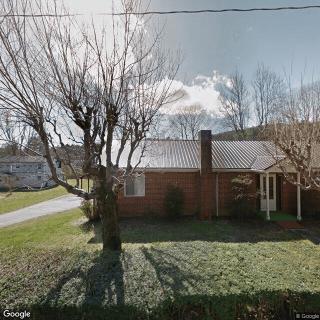
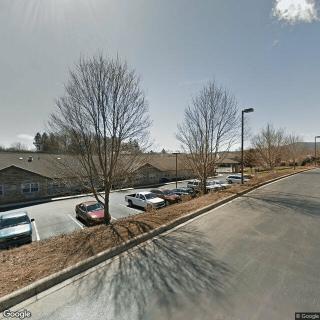
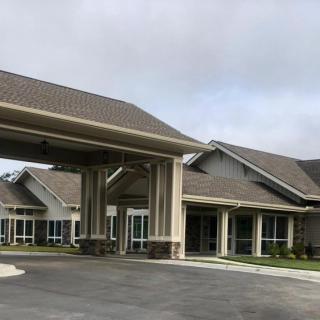
The Oaks-Brevard is located at 300 Morris Road, Brevard, NC 28712 in Transylvania County, North Carolina
Nearby Communities
The Oaks Brevard
Brevard, NC
4 from 45 reviews
$2,515 to $3,728 / month
Caring nurses and CNAs with regular family updates.
Transylvania Regional Hospital
Brevard, NC
4.8 from 120 reviews
Small, intimate assisted living with comprehensive care (ADL support, diabetes diet, medication management), on-site dining, housekeeping, and modern amenities (Wi-Fi, telephone).
Ivy Hill Health & Retirement
Brevard, NC
4 from 34 reviews
Personalized care in a picturesque setting with abundant nearby dining and healthcare options.
College Walk Retirement Community
Brevard, NC
4.6 from 86 reviews
Professional, friendly staff and well-maintained, engaging environment.
College Walk Retirement Ctr
Brevard, NC
4.6 from 73 reviews
$3,250 to $4,300 / month
Upscale, engaging community with excellent dining, friendly staff, and rich social activities.
Deer Track
Brevard, NC
4.7 from 12 reviews
Small, intimate assisted living with essential care services and convenient access to nearby cafes, pharmacies, doctors, a hospital, dining options, and places of worship.
Tore's Home 3
Brevard, NC
4.2 from 20 reviews
$3,780 to $5,695 / month
24/7 supervision with ADL support and healthcare coordination
Kingsbridge House
Brevard, NC
3.2 from 26 reviews
$3,495 to $4,195 / month
Home-like environment with attentive staff and engaging activities.
The Landings Of Mills River
Mills River, NC
3.6 from 9 reviews
Attentive staff and a newer, well-maintained facility with engaging activities.
Fecal incontinence, prevalent among older adults, arises from factors like weakened pelvic muscles and nerve damage, significantly affecting well-being and social interactions. Diagnosis involves clinical evaluation and tests to inform tailored treatments, while caregivers and preventive measures can aid in managing the condition effectively.
Anticipatory grief is an emotional response to the impending loss of a loved one, characterized by complex emotions such as sadness and anger, and involves navigating stages similar to those identified by Kübler-Ross. Coping strategies are vital for managing this process, emphasizing compassionate communication, self-care, and support groups while recognizing the cultural influences on grieving.
Adult day care programs offer essential support and activities for older adults, yet many hesitate to participate due to concerns about independence and stigma. To alleviate these apprehensions, families should facilitate open discussions, explore financial resources, suggest trial visits, and collaborate with healthcare providers to highlight the benefits of such services for both the participants and their caregivers.
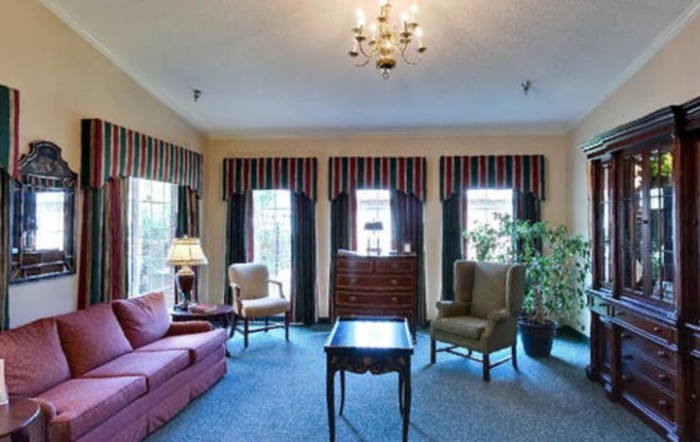
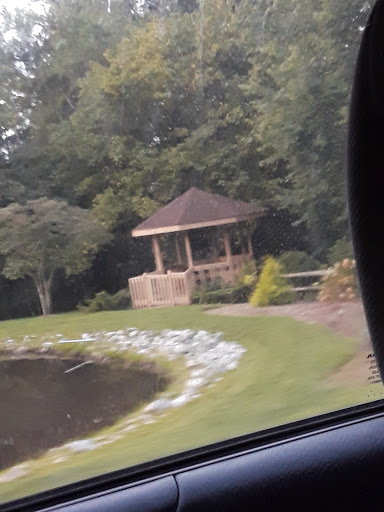
Landscaping, Outdoors, Nature, Gazebo, Park, and Pond
Get PricingAsk A QuestionSchedule A TourContact Senior Advisor
By clicking submit, you agree to our Partner's Terms of Use. You
also consent to receive calls and texts, which may be autodialed, from our Partner. Your consent is not a condition to
using our Partner's service. Please visit our Partner's Privacy Policy for information about their privacy practices.

 110 resident community capacity
 Skilled Nursing Facility
 Air-conditioning
 Beauty salon
 Cable or satellite TV
 Computer center
 Dining room
 Fitness room
 Fully furnished
 Gaming room
 Garden
 Housekeeping services
 Kitchenette
 Move-in coordination
 Outdoor space
 Private bathrooms
 Restaurant-style dining
 Small library
 Telephone
 Wellness center
 Wi-Fi/high-speed internet available
 Asheville Regional (16 miles away)
 Community operated transportation
 12-16 hour nursing
 24-hour call system
 Activities of daily living assistance
 Assistance with bathing
 Assistance with dressing
 Assistance with transfers
 Diabetes diet
 Medication management
 Mental wellness program
 Special dietary restrictions
 Concierge services
 Planned day trips
 Caring nurses and CNAs with regular family updates.

 Fecal Incontinence in Older Adults: A Comprehensive Guide
 Recognizing the Journey: Understanding and Navigating Anticipatory Grief
 Encouraging Participation in Adult Day Care: A Guide to Supporting a Hesitant Parent