
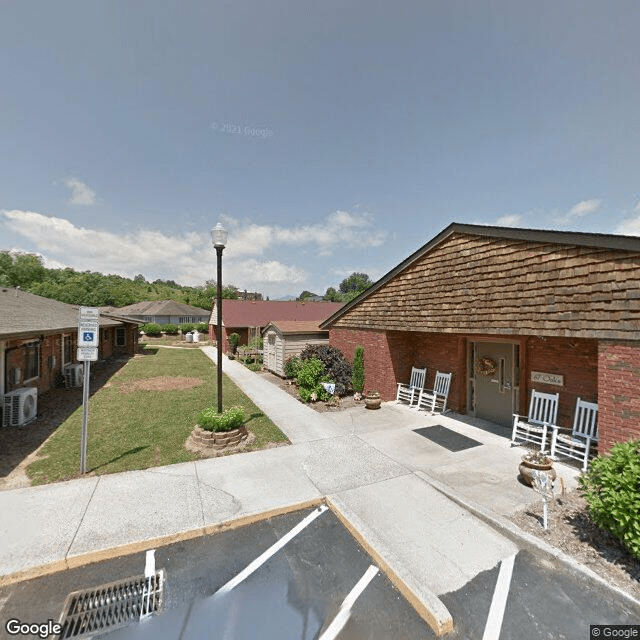
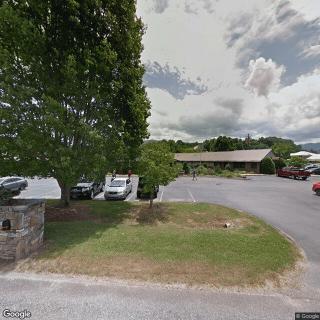
65 Loving Way, Clyde, NC 28721
For more information about senior living options: (866) 208-4318
Overall Review of Spicewood Cottages Willows
Pros
 The staff are wonderful and mature.
- Sarah is quick to respond and genuinely cares about her patients.
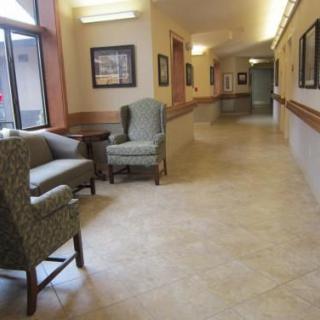
- The community is very nice and the staff are friendly, taking their time showing visitors around.
- The rooms are nice and the facility can accommodate residents with catheter needs.
- A tour of the community is recommended to see it.
Cons
 They would not recommend this place to anyone.
- They were very disappointed by the lack of activities and interaction for residents.
- There is only one staff member around on weekends, and residents may not see them.
- The care is very poor; they take very poor care of residents here.
- The doctor is just a PA, not an MD, and could care less about residents.
- The owner is fake and doesn't listen to concerns about residents' care.
- They would not send residents to the ER after a fall without forcing action; the conditions are horrible.
- They would not recommend this place, as they felt their mother was treated badly there.
- Aunt Hilda has not been happy with the food service for quite some time, and her health is suffering due to lack of enjoyable food choices.
Review
Spicewood Cottages Willows in Clyde, NC reads best for families seeking a small, homelike assisted-living option where a dedicated nursing presence and direct caregiver attention can carry a resident through everyday tasks. The community tends to work for seniors who primarily need help with daily activities and appreciate a personal connection with staff, provided the resident does not demand intensive memory-care programming or highly coordinated medical oversight. In short, it is a workable fit for someone who values warmth and direct caregiver relationships, but not for those who require robust programming or constant, MD-grade medical management.
Explicitly, those who should consider alternatives are families prioritizing structured memory support, continuous clinical oversight, and dependable safety protocols. Several reviews highlight a gap in meaningful daily activities and social engagement, with residents frequently confined to rooms and meals as the main routine. Weekend staffing appears thin in some accounts, and several concerns center on the medical side, claims that the on-site physician is a PA and that medical responsiveness can be inconsistent. If a resident needs a highly proactive ER approach, rapid escalation after falls, or the reassurance of a fully MD-led medical team, better options exist elsewhere. Dietary quality and responsive administration also emerge as nontrivial questions for families to weigh.
The strongest pros in these reviews, compassionate nursing care, staff who train diligently, and quick, attentive contact when health issues arise, do carry tangible value. A few reviewers specifically cite nurses who genuinely care and staff who take time to address concerns, and some residents benefit from rooms that are described as nice and accommodating (even noting catheter management without issue). These positives matter in reducing day-to-day stress and in preserving dignity during non-medical routines. Yet, the impact of these strengths is often undermined by the larger pattern: sporadic activity options, limited social programming, and reports of what feels like inconsistent oversight at times, especially on weekends or during shifts when fewer staff are present.
In weighing the pros against the cons, the conclusion is pragmatic: if personal attention from caregivers is the nonnegotiable value and the family can tolerate a lean activity slate and variable medical oversight, Spicewood can still serve as a workable home. If, however, the resident’s well-being hinges on constant social engagement, predictable programming, and a physician-led medical cadence with rigorous fall and health management, this community will likely fall short. A safer bet for many families will be to pursue facilities with deeper memory-care programming, fuller weekend coverage, and a clearer, MD-led medical model, even if those options require adjusting expectations around cost or atmosphere.
Before making a decision, families should push for specifics rather than impressions: obtain current staffing schedules and ratios, verify weekend coverage, review the latest incident and fall reports, and request to speak directly with several care staff about day-to-day routines. Ask for a complete care plan and how it is updated, inquire about the medical director and how medical decisions are communicated to families, and tour the dining area to assess menu variety and responsiveness to dietary preferences. Checking with state licensing records and talking to current residents and families can illuminate how consistently the claimed strengths translate into lived experience. With clarity on these points, a well-informed choice emerges, whether Spicewood will be a secure, comforting home or a sign to redirect to a facility with stronger programming and medical oversight.
 20 resident community capacity
 Assisted Living
 Board and Care Home
 Activities on-site
 Beauty salon
 Cable or satellite TV
 Devotional services off-site
 Dining room
 Fully furnished
 Garden
 Housekeeping services
 Indoor common areas
 Kitchenette
 Move-in coordination
 Outdoor space
 Telephone
 Wi-Fi/high-speed internet available
 Asheville Regional (24 miles away)
 24-hour call system
 Ambulatory care
 Assistance with bathing
 Assistance with dressing
 Assistance with transfers
 Diabetes diet
 Diabetic care
 Meal preparation and service
 Medication management
 Mental wellness program
 Special dietary restrictions
 Transportation arrangement (medical)
 Transportation to doctors appointments
 When to Transition from Assisted Living to Memory Care: Key Indicators, Steps, and Finding the Right Community
 Assisted Living and Memory Care: Understanding Their Core Differences
 Beyond the Bingo Hall: 50+ Enriching Activities for Seniors in Assisted Living