
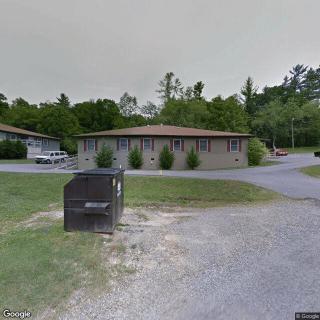
10 Mint Lane, Asheville, NC 28806
For more information about senior living options: (866) 208-4318
Overall Review of Redeemed Family Care Home Of Leicester
Pros
 The sister received very good care at Angel House.
- The staff are very nice, and the admin does everything she can to help.
- The facility is clean with friendly staff and a manageable number of staff per house; the admin seems really nice.
- The dad’s family notes ongoing cleanliness and friendly staff over the years, with a nice admin.
Cons
 The facility is described as unsanitary and abusive, with caretakers unable to care for residents with special needs such as diabetes, and concerns about HIV-positive residents and staff not taking precautions.
- The review alleges illegal paperwork practices and non-compliance with state board regulations.
- The reviewer warns not to send a loved one there, calling it an unfit place for anyone to live.
- Patricia at House A is described as very rude, almost to the point of being offensive.
- The place is characterized as terrible and uncaring toward residents and the neighborhood, with a call for it to be shut down.
- Some reviewers describe it as overall bad.
- The administration or staff are described as extremely disrespectful and unprofessional for avoiding phone calls and disconnecting when contacted.
Review
Redeemed Family Care Home Of Leicester in Asheville is best suited for families who want an intimate, home-like atmosphere with a small staff footprint and are prepared to actively oversee care on a hands-on basis. This option can work for families that are comfortable with a perceived sense of direct attention in a low-volume setting, provided there is strong, ongoing diligence from relatives or guardians to verify licensing, safety practices, and daily care routines. It is not a fit for those seeking predictable, professionally regulated care with ironclad safeguards, or for residents needing robust medical management without close oversight.
Those weighing alternatives should treat this community as a high-risk proposition for residents with complex medical or safety needs. Several reviews raise red flags about the facility’s ability to manage conditions such as diabetes or immune-compromised states, and to maintain proper medical or ethical standards. Prospective families should consider facilities with proven licensing compliance, structured medical oversight, and transparent, consistent communication. If a loved one requires reliable medical management, rigorous staff training, or documented adherence to regulatory practices, other options are likely to deliver far greater peace of mind.
In terms of positives, the facility is described as having small-house configurations and moments when staff are friendly, with an administrator who appears responsive in some instances. Cleanliness is occasionally noted on visits, and respondents report a level of personal attention that can feel more private than at larger campuses. These elements can translate into genuine warmth and attentiveness when operations run smoothly, and they point to a model where residents may experience less institutional rigidity. However, these favorable notes do not erase the fundamental risks raised by the broader set of reviews.
The negatives, by contrast, are loud and persistent. Recurrent claims describe unsanitary conditions, abusive or inattentive caretakers, and inadequate capacity to manage complex medical needs. Reports of illegal paperwork practices and non-compliance with regulatory standards cast a long shadow over daily operations, suggesting a pattern rather than an isolated incident. Add to that accounts of poor communication, such as unreturned calls or disconnected lines, and it becomes clear that the facility’s administrative backbone is inconsistent. These factors collectively undermine trust and threaten resident safety, making any perceived warmth or small-scale charm insufficient to offset the core concerns.
For families evaluating this option, a disciplined, hands-on diligence plan is essential. Demand the most recent state inspection reports and verify current licensure and any recent enforcement actions. Request detailed statements on staff-to-resident ratios, caregiver qualifications, and ongoing training standards, particularly for chronic disease management and infection control. Schedule visits at different times, including moments when shifts change, and insist on speaking with several current residents and family members about day-to-day experiences. Require clear, written policies on emergency procedures, medication administration, and resident rights, and insist on access to complaint logs and corrective action records. If these measures reveal ongoing gaps, or if administrative responsiveness remains inconsistent, the prudent move is to pursue alternatives.
The bottom line is unequivocal: the community presents a high-risk proposition for anyone whose loved one requires reliable medical oversight and ethical, compliant operation. The strongest argument for considering it rests with households that can sustain vigilant, ongoing oversight and are prepared to intervene quickly if problems arise. For most families, however, the cons overwhelm the pros: unresolved safety questions, regulatory red flags, and communication breakdowns create a fragile foundation. In practical terms, this is not a default choice; it is a contingent one, to be pursued only when no better-verified, well-staffed, and properly licensed alternatives exist, and when families can devote the time, energy, and resources necessary to supervise care at every turn.
 5 resident community capacity
 Assisted Living
 Board and Care Home
 Cable or satellite TV
 Dining room
 Fully furnished
 Garden
 Housekeeping services
 Move-in coordination
 Outdoor space
 Telephone
 Wi-Fi/high-speed internet available
 Asheville Regional (14 miles away)
 24-hour supervision
 Activities of daily living assistance
 Assistance with bathing
 Assistance with dressing
 Assistance with transfers
 Diabetes diet
 Meal preparation and service
 Medication management
 Special dietary restrictions
 Transportation arrangement (medical)
 Transportation to doctors appointments




 Choosing the Right Senior Care: A Detailed Exploration of Assisted Living and Nursing Homes
 Understanding the True Cost of Assisted Living in 2025: A Comprehensive Guide
 Understanding Medicaid Coverage for Assisted Living: A Comprehensive Guide