
2200 New Leicester Hwy, Asheville, NC 28806
To contact a resident: (828) 683-9441
For more information about senior living options: (866) 208-4318
Heart and Hearth for Elders Costs & Pricing
Heart and Hearth for Elders offers competitive monthly costs for various room types, particularly noteworthy in comparison to both Buncombe County and the broader state of North Carolina. For a one-bedroom unit, Heart and Hearth's price of $3,200 is significantly lower than the average rates in Buncombe County at $3,753 and North Carolina as a whole at $4,055. Similarly, their private rooms are priced at $3,200, which stands in stark contrast to the higher costs seen in Buncombe County at $5,177 and in North Carolina at $4,425. This pricing strategy positions Heart and Hearth as an appealing option for seniors seeking quality care without straining their financial resources.
| Floor plans | Heart and Hearth for Elders | Buncombe County | North Carolina |
|---|---|---|---|
| 1 Bedroom | $3,200 | $3,753 | $4,055 |
| Private | $3,200 | $5,177 | $4,425 |
Memory care communities with a similar price nearby
-
from -$450 / mo
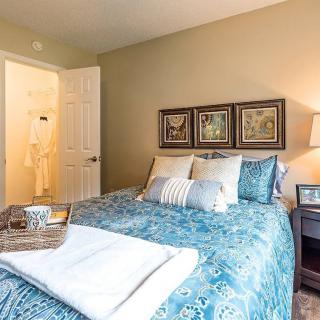
Pacifica Senior Living Heritage Hills
$2,750 to $5,750 / month20.8 miles away -
from -$470 / mo
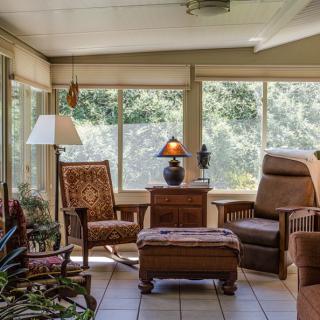
Pisgah Valley Retirement Community
$2,730 to $4,020 / month4.1 miles away -
from -$430 / mo
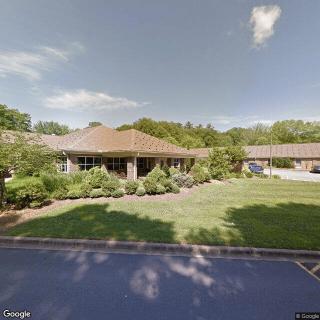
Heritage Hills A Pacifica Senior Living Community
$2,770 to $3,930 / month20.8 miles away -
from -$388 / mo
Ardenwoods
$2,812 to $4,201 / month13.5 miles away -
from -$200 / mo
Brookdale Asheville Walden Ridge
$3,000 to $10,195 / month12.1 miles away
Overall Review of Heart and Hearth for Elders
Pros
 The nursing staff and CNAs are friendly and attentive.
- The staff at this location are excellent.
- They had a great and wonderful time with activities and physical therapy.
- It is an awesome place to work, with teamwork as a priority, and the staff are passionate, hardworking, and efficient.
- It is a really great skilled nursing facility with the new ownership and leadership.
- The staff are great and kind.
Cons
 The management is the issue and should be under supervision immediately.
- The facility administrator should have other jobs than watching staff and should be managing the facility more effectively.
- The reviewer advises looking for other places to send loved ones because the care may come from staff who would rather watch others perform their duties than do theirs.
- The facility was poorly rated by US News.
- The problems are attributed to management, not to the nurses, therapists, or nurse practitioners.
Review
Heart and Hearth for Elders in Asheville is best suited for families that want proven, hands-on skilled nursing care paired with a lively, activity-rich daily routine. The community’s strength lies in the front-line team: nurses, CNAs, and therapists who are consistently cited as friendly, attentive, and genuinely motivated to help residents improve and enjoy their day. A robust physical therapy offering complements daily nursing oversight, creating a care environment where mobility and rehabilitation progress can be tracked with visible momentum. This facility rewards families who want visible warmth from caregivers and a calendar of purposeful activities that keeps residents engaged rather than isolated. The presence of a steady, hardworking culture among the care staff is a major plus, and many residents and families will feel confident in the day-to-day care while leadership is in the process of strengthening. That improvement arc is real, but it also means a caveat: administrative consistency has been a point of contention for at least some observers.
Anyone considering Heart and Hearth should understand who may want to explore alternatives. When care needs hinge on unwavering, predictable administrative oversight, clear, unambiguous communication from a facility administrator and a governance structure that ensures care plans are followed without added friction, this may feel less assured. Several reviewers point to management as the bottleneck or the source of frustration, suggesting that the strongest caregivers still have to work within a system that sometimes hinders rather than helps care delivery. Families seeking a facility with a long track record of steady, no-surprises administration may prefer to compare other options in Asheville where leadership clarity and transparency are less ambiguous. Those with high expectations for a perfectly friction-free intake process, consistent policy enforcement, and aggressive, hands-on governance should test drive those facilities before committing.
The most compelling pros at Heart and Hearth offset some of the concerns about governance by delivering unmistakable value on the caregiving front. Frontline staff are repeatedly described as kind, capable, and invested in residents’ daily well-being, and the nursing team, along with skilled therapists, creates a reliable backbone for daily routines, rehab progress, and timely responses to needs. The activity program is more than decorative; it is a meaningful pillar that keeps residents socially engaged and mentally stimulated, which matters deeply for quality of life. Even in a climate of administrative questions, the energy and competence of the direct care team can produce noticeable improvements in mood, participation, and overall well-being. In addition, the facility’s ownership transition and leadership shift signal potential for stronger governance down the line, and reviewers who have witnessed the new leadership describe it as a step in the right direction. When these elements align, residents thrive within a care ecosystem that prioritizes hands-on care and daily progress.
However, the main cons cannot be ignored. The most consistent critique centers on management: the administrator is perceived by some as micromanaging or as watching staff rather than lifting the facility’s overall performance. Such dynamics can erode timely communication, slow decision-making, and create a sense of vigilance rather than partnership between families, residents, and staff. The sting of a subpar broader governance experience can color impressions even when the care team is compassionate and capable. There is also an undercurrent of caution stemming from a mixed public assessment, including external ratings that some families weigh heavily when evaluating options. The risk is that, without steady administrative improvement, even excellent direct care may feel inconsistent or reactive rather than proactive.
Despite those concerns, the positives remain substantial enough to justify serious consideration for families who can engage actively with the community and monitor governance over time. For residents who rely on daily nursing contact, timely rehab, and a rich daytime culture, Heart and Hearth delivers the essential pieces with conviction. The staff’s dedication translates into meaningful daily moments, even if occasional administrative friction requires families to advocate for clear care plans, transparent communication, and timely updates. The new leadership trajectory adds a hopeful dynamic: progress is real, and it is plausible that governance will tighten and align more closely with the high care standards demonstrated on the floor. Families prepared to partner with the facility, ask pointed questions, and press for consistent oversight will likely see the most benefit.
Guidance for families weighing Heart and Hearth is practical and action-oriented. Start by assessing care-fit through direct conversations with the nurse manager, the activity director, and the administrator, focusing on care planning timelines, incident reporting, and how family input is integrated into daily routines. Request a sample week of the activity calendar to gauge engagement breadth and check whether therapy sessions align with resident goals and insurance coverage. Speak with several frontline caregivers to hear how they communicate changes in care plans and how promptly family concerns are addressed. Finally, compare governance structures across nearby options: look for facilities with transparent charging policies, clearly defined escalation pathways, and evidence of stable leadership that remains consistent across shifts. Heart and Hearth for Elders is a strong option for families ready to engage, prepared to monitor governance, and seeking a care-forward environment where the frontline team truly shines and daily progress is the norm.
 Board and Care Home
 Memory Care
 Dogs allowed
 Activities off-site
 Bath tubs
 Devotional services off-site
 Indoor common areas
 Outdoor common areas
 Private
 Asheville Regional (15 miles away)
 Ambulatory care
 Diabetic care
 High acuity care
 Incontinence care
 Medication management
 Meals provided



 Medications Associated with Dementia Risk: A Comprehensive Overview
 Guiding Your Journey: Understanding Power of Attorney for Elderly Parents
 22 Remarkable Caregiver Support Groups Available Online and In-Person