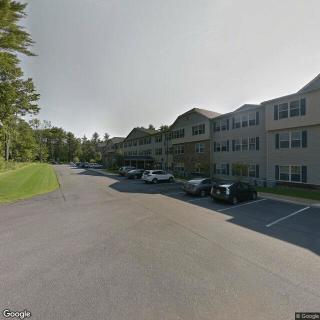
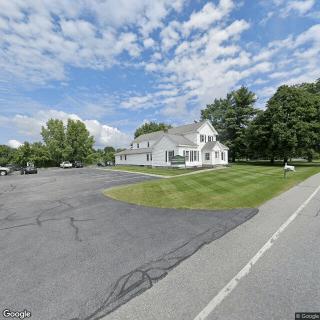
353 Schroon River Road, Warrensburg, NY 12885
For more information about senior living options: (866) 208-4318
Overall Review of Countryside Adult Home
Pros
 The place is quite nice.
- The staff are very laid-back and pleasant.
- The Countryside Adult Home is a nice place for the residents, who call it their home.
- The staff are caring and do a great job.
- The residents love Pete, and Pete is loved by the residents.
Cons
 It is unfortunate that a possible shutdown or relocation of the residents may become a reality.
- The residents have had enough shuffling around in their lives.
Review
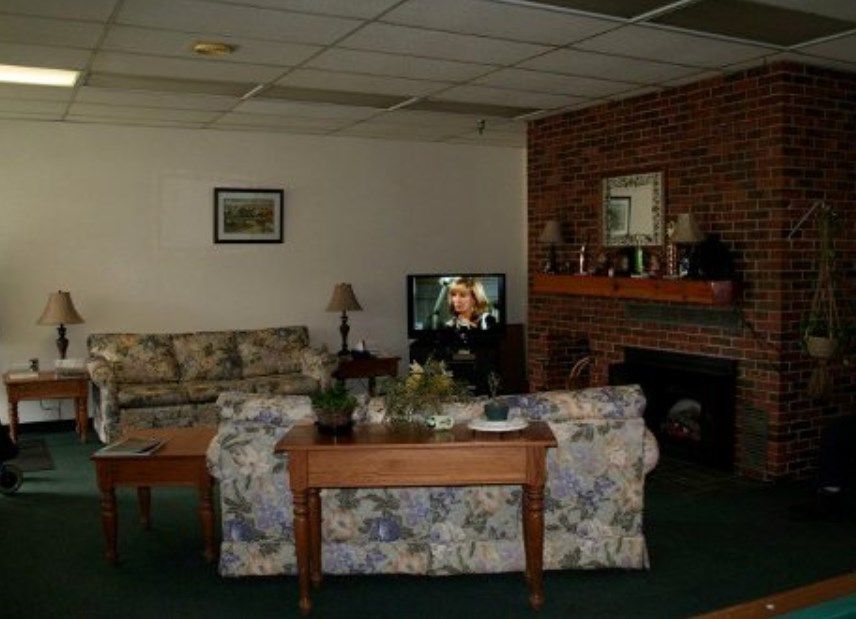
Countryside Adult Home in Warrensburg, NY, is best suited for seniors who want a small, home-like environment where staff engage in a hands-on, neighborly way and residents share a steady, low-stress daily rhythm. The atmosphere comes across as laid-back and pleasant, with caregivers described as genuinely caring by both residents and visitors. The setting feels like a close-knit household rather than a clinical campus, where routines become familiar and residents are treated as integral members of a community. The anecdote about a visiting small dog underscores a welcoming, socially connected atmosphere, reinforcing a sense that life there centers on comfort, personal warmth, and meaningful daily interactions. This makes Countryside an attractive fit for elders who prioritize belonging, continuity, and a non-intimidating pace over formal programming or prestige.
Families should consider alternatives if long-term stability, high-acuity care, or a broader slate of therapeutic services are non-negotiables. The most consequential caveat tied to Countryside is the explicit possibility of a shutdown or relocation for the residents, which introduces uncertainty for those planning ahead or who require a fixed location for ongoing care. For seniors who rely on regular, on-site medical oversight, intensive therapies, or a more robust activity calendar, a larger assisted living community or a skilled nursing facility may better align with needs. In short, Countryside serves well as a home-like transition option or for residents whose needs are well-contained within a small, intimate setting, but it may not satisfy families seeking guaranteed stability and expansive clinical resources.
The core advantages, staff warmth, a calm pace, and a sense that the facility is truly “home”, tend to compensate for the lack of flashy amenities and formal programming. A laid-back staff demeanor translates into consistent, reassuring day-to-day care, reducing stress for both residents and visiting family members. Residents’ perception of belonging, where staff know names, preferences, and routines, creates practical continuity that sustains independence and minimizes disruptive changes. The intimate environment supports easier communication with caregivers and fosters trust, so daily care and social interactions feel predictable rather than transactional. In this calculus, the strongest pro, human connection, meaningfully buffers the risk of relocation by sustaining emotional and social stability in ordinary life.
That said, the limits implicit in a small facility deserve careful scrutiny. The reviews emphasize kindness and companionship, but there is scant detail about on-site medical therapy, therapy services, or the scope of activities beyond the homey vibe. Prospective residents should verify staffing patterns across shifts, confirm availability of on-site clinical oversight, and understand how mobility problems or acute changes in condition would be managed. Families should also inquire about transportation arrangements for appointments, the nuance of meal planning, and opportunities for ongoing family involvement in care decisions. Without clarity on these points, the “home-like” appeal can feel at odds with evolving care needs.
For decision-ready families, a deliberate next step is to arrange a tour and have candid conversations about what life during a typical week looks like for residents with varying abilities. Ask pointed questions about relocation contingency plans, how families will be informed of changes, and what measures exist to preserve resident autonomy if care needs escalate. Clarify the pet policy and the practicality of visits that resemble the positive interactions described by current visitors. Consider the elder’s priorities, familiar routines, social belonging, and a non-clinical atmosphere, and weigh them against the practicality of access to broader services, should clinical demands rise. This is where Countryside shines for the right person and where due diligence will confirm it as the best fit.
Overall, Countryside Adult Home stands out as a strong option for seniors who prize a warm, neighborly vibe and a care team that treats residents like family. It is less suitable for those who require steady, high-acuity medical support, extensive rehabilitation services, or absolute certainty about long-term residency without the threat of relocation. The positive elements, compassionate staff, resident-centered culture, and a soothing, home-forward atmosphere, offer a practical, tangible benefit that can closely align with quality of life goals when the care needs fit the setting. In the end, Countryside serves as a practical, trustworthy choice for families prioritizing daily comfort and human connection, paired with a clear-eyed plan for how long-term care may unfold.
 48 resident community capacity
 Studio apartments
 Assisted Living
 Respite Care
 Activities on-site
 Beautician on-site
 Cable or satellite TV
 Devotional services off-site
 Dining room
 Financial aid
 Fully furnished
 Garden
 Housekeeping services
 Indoor common areas
 Kitchenette
 Laundry
 Move-in coordination
 Outdoor space
 Restaurant-style dining
 Small library
 Telephone
 Wi-Fi/high-speed internet available
 Transportation & parking
 24-hour call system
 Ambulatory care
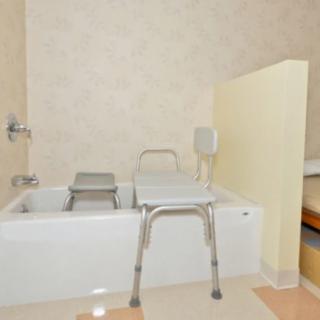
 Assistance with bathing
 Assistance with dressing
 Assistance with transfers
 Diabetes diet
 Diabetic care
 Medication management
 Mental wellness program
 Special dietary restrictions
 Arts and crafts
 Cooking club
 Fitness programs
 Games
Games English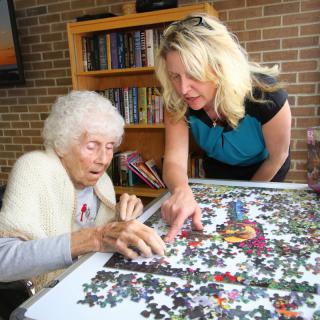



 Exploring the Path to Senior Living: A Comprehensive Look at Independent Living and Assisted Living
 Is Assisted Living Deductible on Your Taxes? Understanding the Complexities of Assisted Living Expenses and Deductions
 Assisted Living Support for Veterans: A Complete and Detailed Overview