
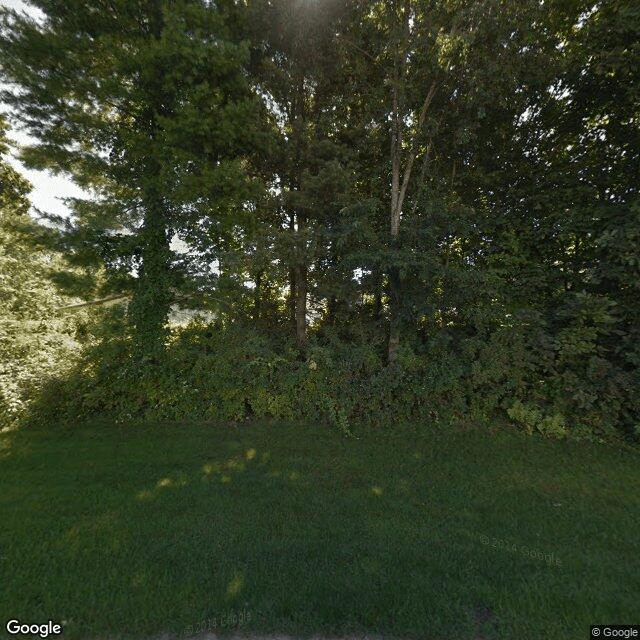
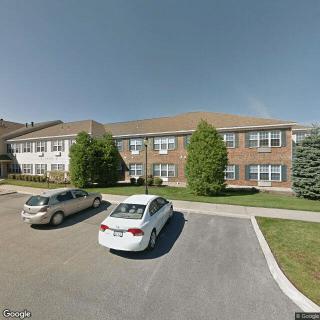
653 Bay Road, Queensbury, NY 12804
For more information about senior living options: (866) 208-4318
Adirondack Manor HFA Costs & Pricing
Adirondack Manor HFA offers competitive pricing for its accommodations, particularly when compared to both Washington County and the broader New York state averages. For a semi-private room, residents can expect to pay $2,300 per month, which is significantly lower than the county average of $2,783 and especially favorable compared to the state average of $4,389. Similarly, for studio apartments, Adirondack Manor's monthly rate of $4,600 aligns closely with the state average of $4,532 while standing out from the county's higher price point of $3,190. This positioning suggests that Adirondack Manor HFA provides an appealing option for individuals seeking affordable yet quality living arrangements in a region where costs can vary widely.
| Floor plans | Adirondack Manor HFA | Washington County | New York |
|---|---|---|---|
| Semi-Private | $2,300 | $2,783 | $4,389 |
| Studio | $4,600 | $3,190 | $4,532 |
Assisted Living communities with a similar price nearby
-
from -$100 / mo
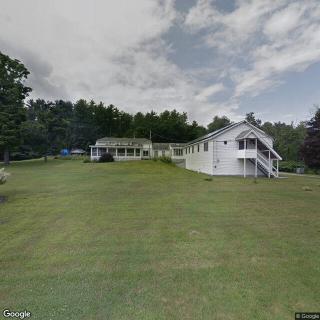
Schuyler Guest Home For Adults
$2,200 to $3,000 / month17.7 miles away
Overall Review of Adirondack Manor HFA
Pros
 The staff at Adirondack Manor are truly a family and care deeply for the residents.
- The staff treat residents like family and go the extra mile to ensure they are well cared for.
- They laugh and joke together, making the environment feel like home.
- Adirondack Manor has an incredible homey feel.
- The staff go above and beyond, even coming in on days off to ensure there is enough help and to arrange activities, making each resident feel special.
- The cooks' ribs and baked chicken are absolutely amazing, and meals are prepared with love for the residents.
- The chef is amazing and meals are prepared with care, including low-sodium options.
- Holiday meals are always extra special, and residents enjoy cooking out with staff.
Cons
 The place is awful beyond awful.
- The staff had no respect for the residents.
- The facility charges residents at least $1,400 per month, with Medicaid funds bringing the total to about $3,400, for multiple residents to share rooms and facilities.
- Erin Wood, who runs the program, is described as a terrible administrator who cannot follow simple directions.
- The facility is dirty and unsafe, with bed bugs alleged and management blaming others for bites.
- The building has serious safety issues: ceilings with water stains, doors that don’t lock, and pull cords in the showers that don’t work.
- Front door security is poor, staff don’t wear name tags, and the public bathroom is constantly dirty.
- Medication management is unsafe, with residents overmedicated or underused and transfers causing withdrawals.
- The place is unfit and unsafe for residents, and the reviewer would transfer them or involve the ombudsman; it does not deserve even one star.
- The facility reportedly buys used furniture, which could contribute to bed bugs or other issues.
- One reviewer claims the facility took all of her aunt’s money to pay for staying there.
Review
Adirondack Manor HFA in Queensbury is best suited for families seeking a warm, home-like environment where residents are treated like family and staff consistently demonstrate genuine, day-to-day care. The community earns credibility from its reputation for a strong, social, engaged atmosphere, flavorful food, and caregivers who go the extra mile to support residents with activities, haircuts, and special outings. It appeals most to seniors who prioritize companionship, a recognizable on-site culture, and a sense of belonging over pristine, showroom-condition facilities. This is not the pick for families chasing a modern, clinical, or exceptionally regulated environment with ultra-tight safety controls.
Those who should consider alternatives are the ones who cannot compromise on safety, transparency, and predictable operations. If the priority is a facility with ironclad safety protocols, immaculate upkeep, and consistently flawless administration, look elsewhere. The reviews highlight alarming red flags: reports of bed bugs, rooms and bathrooms in poor repair, sometimes unlocked doors, and a front door that does not always feel secure. Questions about medication handling, staff identification, and financial practices are not merely theoretical here; several accounts describe mismanagement or pressure around finances. For these reasons, higher-care needs and stricter safety standards point clearly toward other options.
The strongest positives, the homey vibe, staff who treat residents like family, and an active, supportive culture, often balance against the most troubling concerns. On the bright side, multiple reviewers praise a caring nursing team, sufficient staffing, and a kitchen that produces a variety of well-liked dishes, with holiday meals and cooking activities that foster social connection. The sense that staff will come in on days off to maintain coverage and ensure residents are attended to underscores a culture of commitment. These attributes can make Adirondack Manor feel like a real home, and they do offset some day-to-day frustrations for families prioritizing personal connection and social engagement.
Yet the same reviews that celebrate warmth also expose systemic weaknesses that cannot be ignored. Safety and sanitation concerns recur: water-stained ceilings, doors that don’t lock, pull cords that fail, and a sanitation environment that several observers found unacceptable. There are serious questions about how medications are managed, who handles them, and whether transfers or changes in prescription are handled with appropriate oversight. Financial trust is also a critical issue in at least one account, where funds were reportedly taken from a relative’s account. Taken together, these red flags suggest that a mismatch exists for families with high expectations for risk management, regulatory compliance, and financial transparency.
When evaluating Adirondack Manor, prospective families should approach tours with a structured, investigative mindset. Request recent state or regulatory inspection reports and any corrective action plans, and verify the current staffing roster and ratios across shifts. Inspect the physical space for lockable doors, functioning call systems, clean and safe bathrooms, and evidence of regular housekeeping. Taste-test the food and observe meal service, noting whether meal variety meets dietary needs and whether sodium content aligns with medical guidance. Ask about how medications are issued, how emergencies are handled, and whether residents or families can discuss concerns directly with leadership without fear of reprisal. Financial terms deserve careful scrutiny, including what is included in monthly fees and the process for rate changes or financial disputes.
In the end, Adirondack Manor HFA offers a compelling, humane living environment for residents who value a family-like culture and companionship above all, and who can tolerate, or even welcome, ongoing imperfections in maintenance and safety systems. For families whose top priorities are ironclad safety, impeccable medical oversight, and transparent, consistently executed administration, alternatives will likely deliver greater peace of mind. The decision hinges on how much weight is given to a truly homey, neighborly atmosphere versus the non-negotiable requirements of safety, cleanliness, and financial integrity. The right fit exists, but it is a fit best judged against clear, strict expectations and a candid assessment of risk.
 60 resident community capacity
 Assisted Living
 Activities on-site
 Air-conditioning
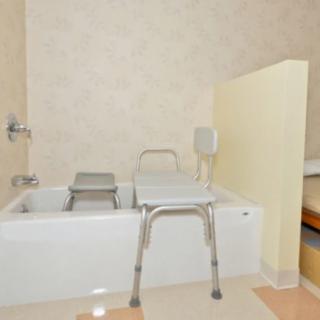
 Bath tubs
 Beautician on-site
 Cable or satellite TV
 Computer center
 Devotional services off-site
 Dining room
 Fitness room
 Fully furnished
 Gaming room
 Garden
 Ground floor units
 Handicap accessible
 Housekeeping services
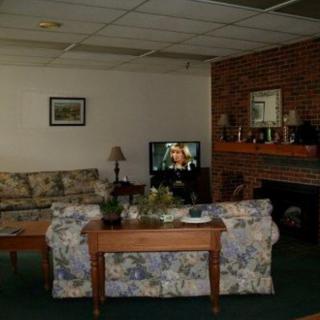
 Indoor common areas
 Kitchenette
 Laundry
 Move-in coordination
 Outdoor space
 Private bathrooms
 Restaurant-style dining
 Small library
 Telephone
 Wellness center
 Wi-Fi/high-speed internet available
 Community operated transportation
 12-16 hour nursing
 24-hour call system
 Ambulatory care
 Assistance with bathing
 Assistance with dressing
 Assistance with transfers
 Diabetes diet
 Diabetic care
 High acuity care
 Incontinence care
 Medication management
 Mental wellness program
 Special dietary restrictions
 BBQs or picnics
 Birthday parties
 Concierge services
 Day trips and outings
 Karaoke
 Live musical performances
 Sensory-based programs
 Securing Financial Support for Assisted Living: A Comprehensive Overview
 Social Security Benefits and Assisted Living: Navigating Options Across the U.S.
 An Extensive Exploration of the VA Aid and Attendance Benefit