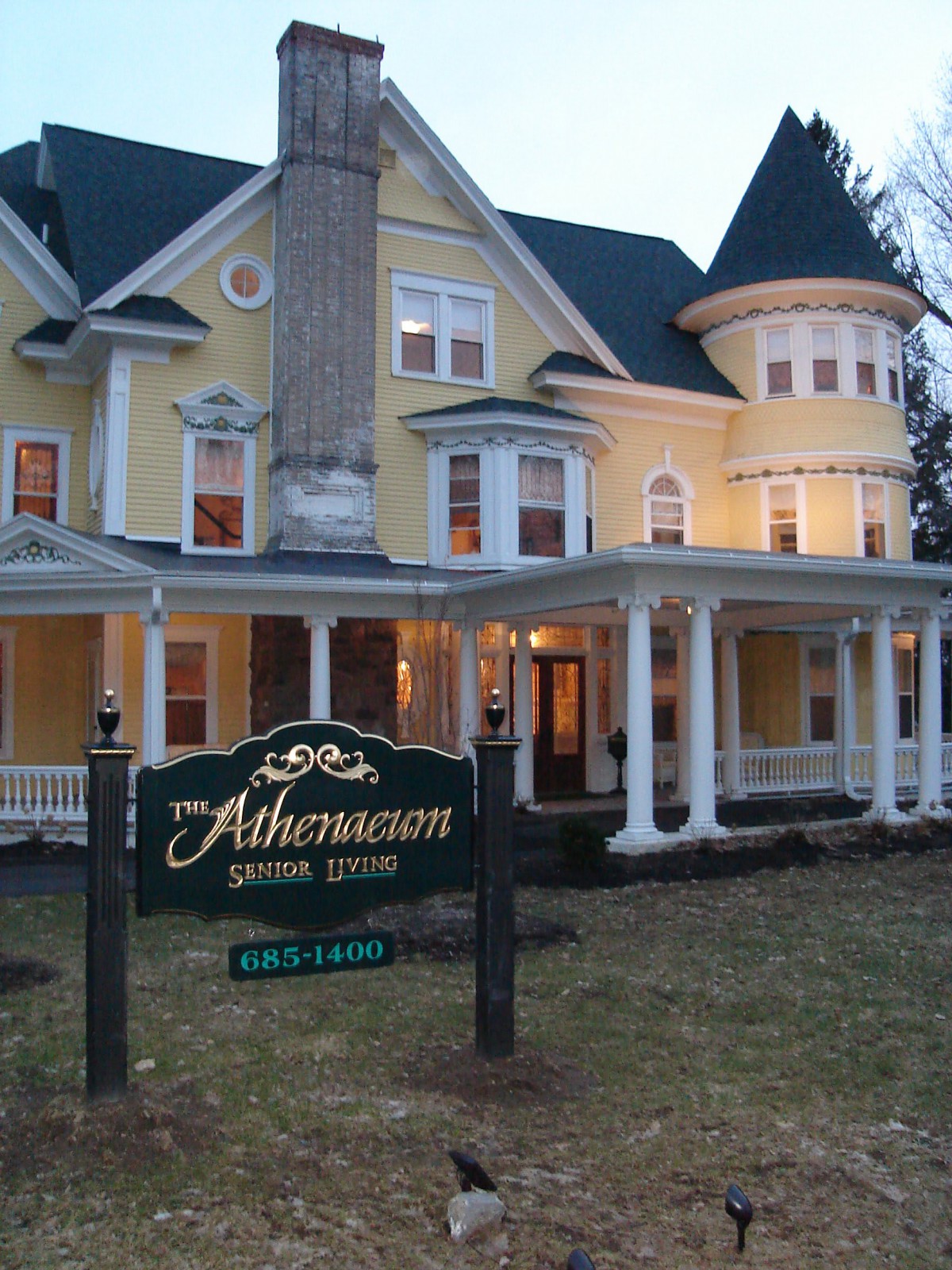
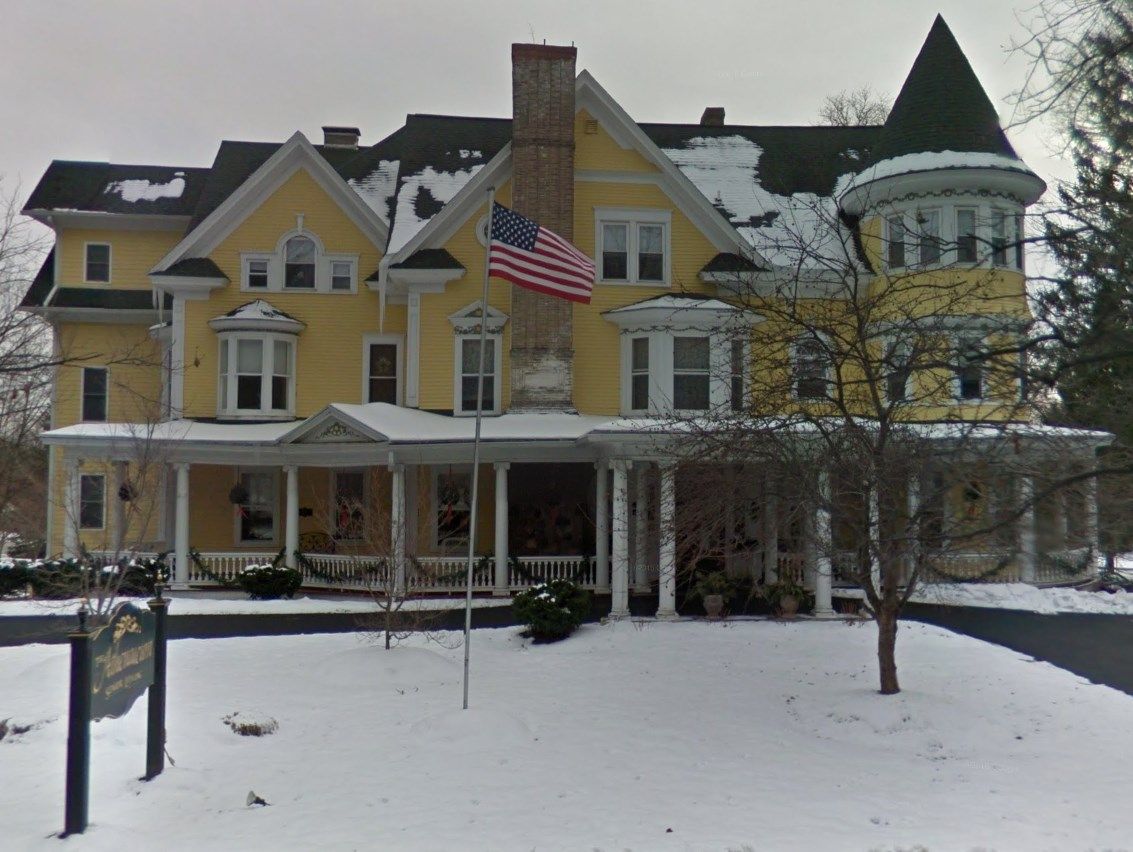
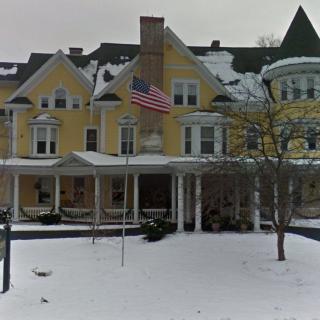
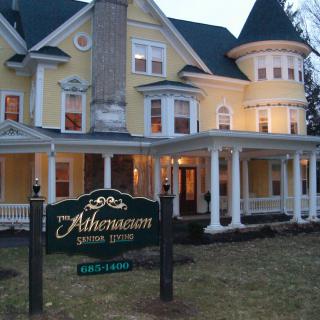
150 East Genesee Street, Skaneateles, NY 13152
To contact a resident: (315) 685-1400
For more information about senior living options: (866) 208-4318
Overall Review of The Athenaeum of Skaneateles
Pros
 The staff tend to residents' every need with professionalism.
- The environment is described as wonderful and stress-free during transitions.
- The Athenaeum is a safe, engaging, and elegant assisted-living experience.
- The entire team provides support and respect to all residents, from leadership to front-line staff.
- The staff and leadership make residents feel like family and at home.
- It is a wonderful place with a friendly, helpful staff who truly care.
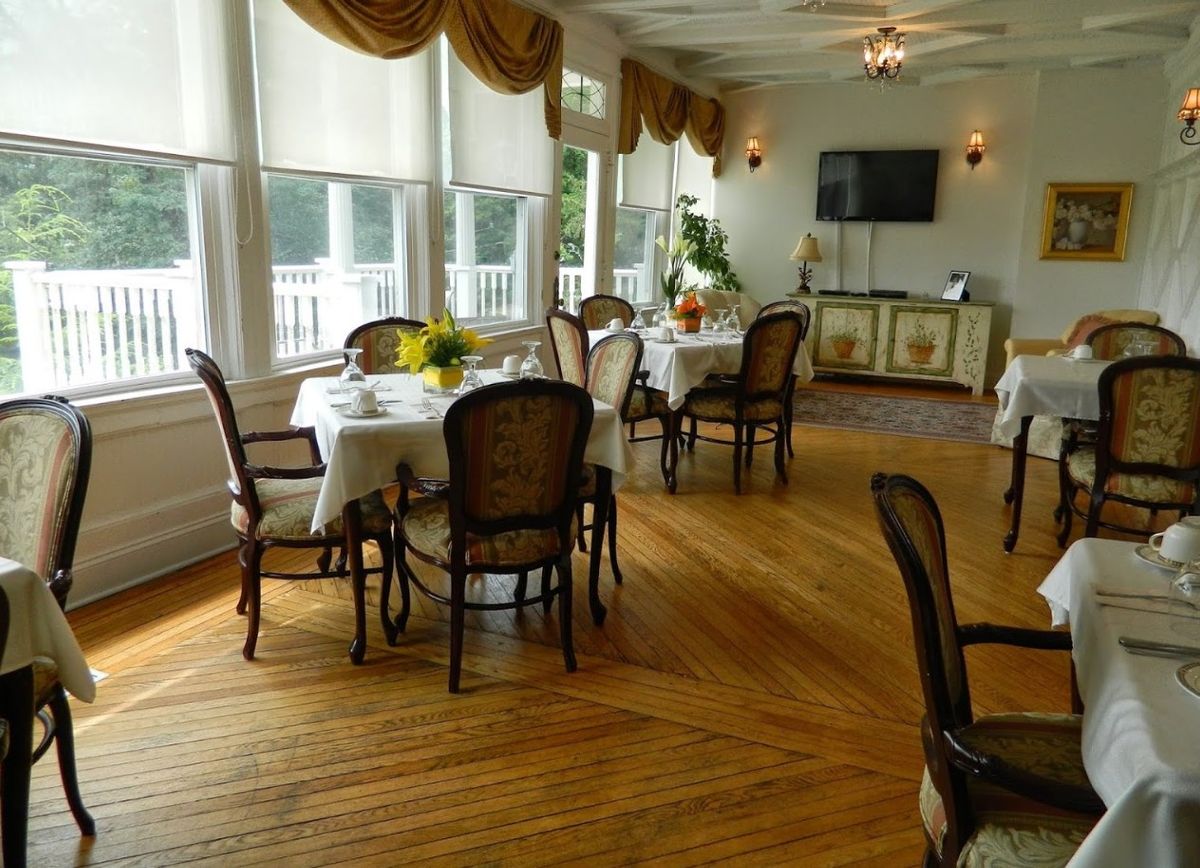
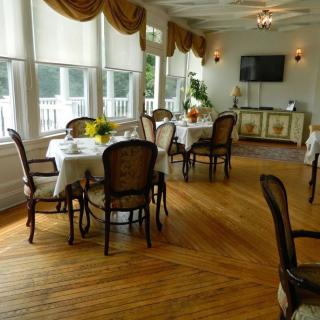
- The dining area is beautiful and fosters communal dining, overlooking Skaneateles Lake.
- The Athenaeum is described as the best assisted-living facility in Central New York, with excellent care.
Cons
 It is a sad day when a loved one can no longer live in their own home.
Review
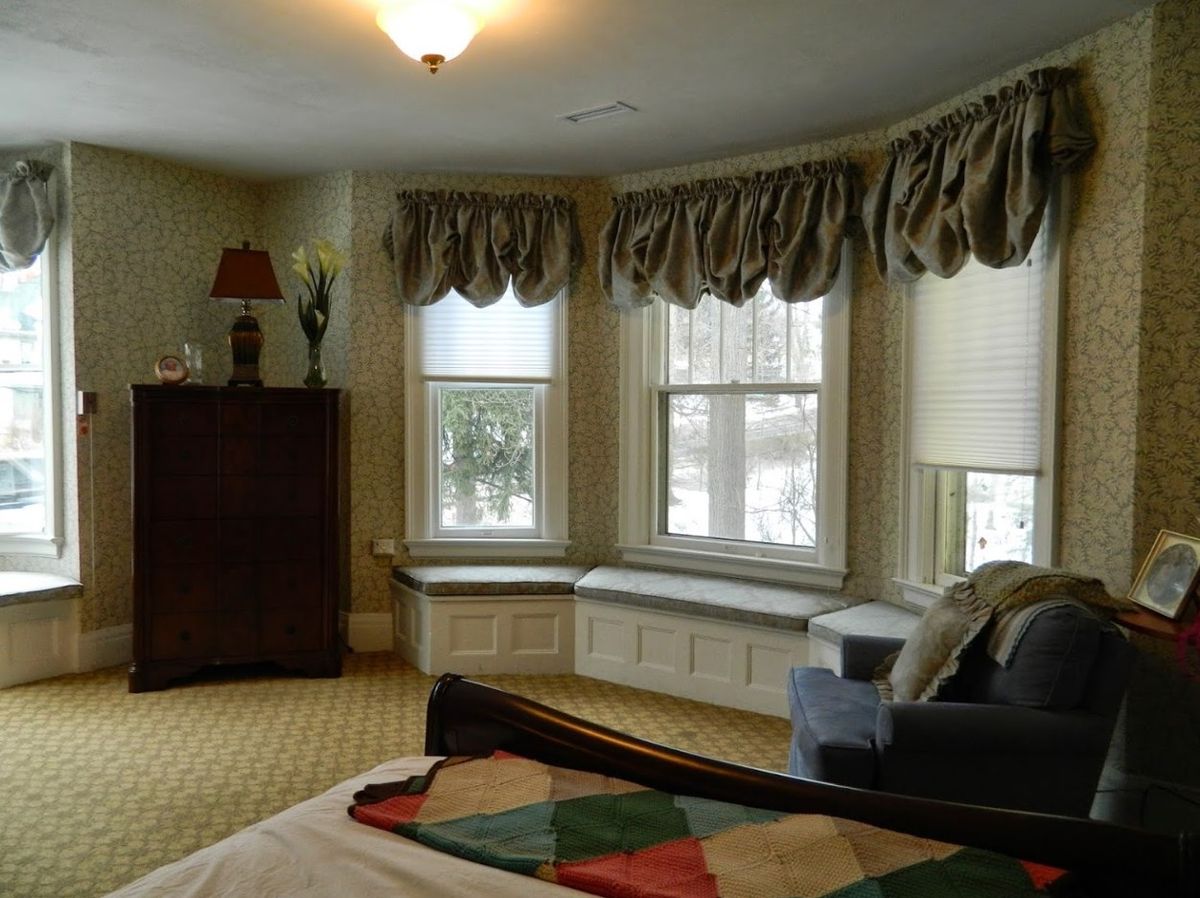
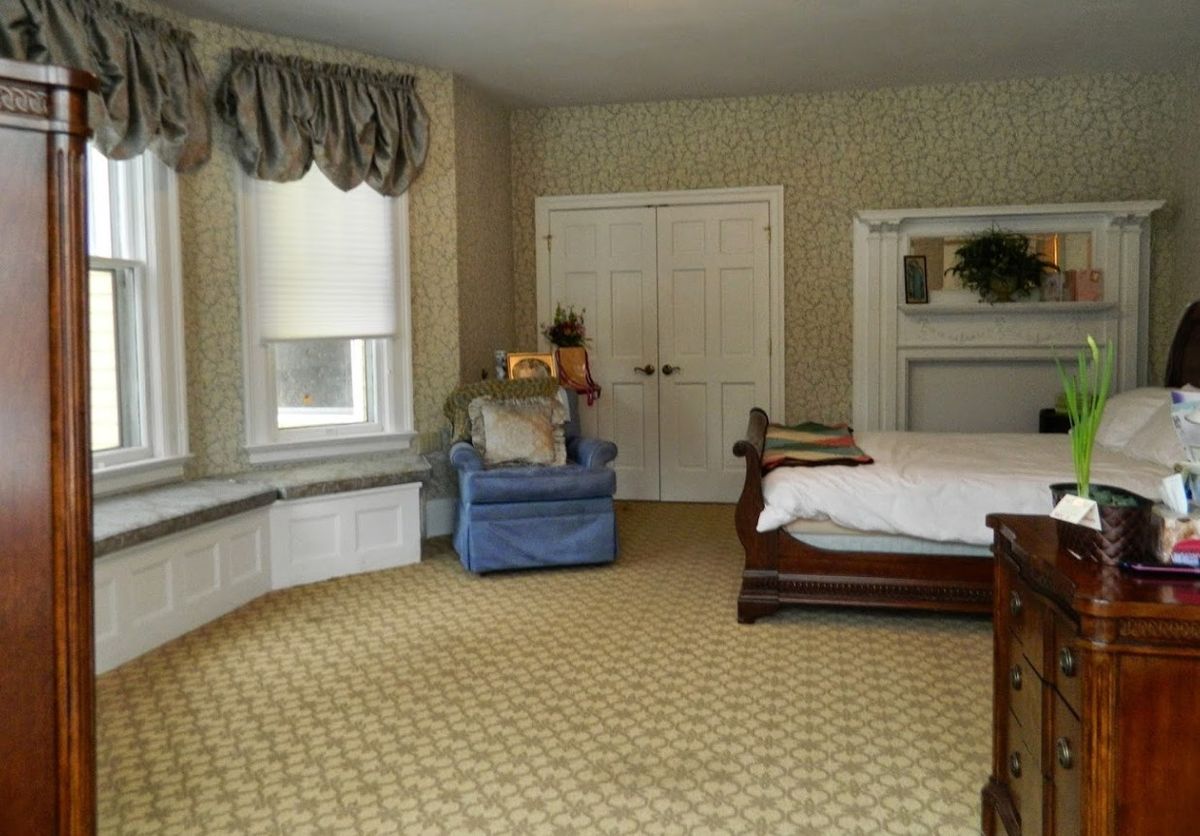
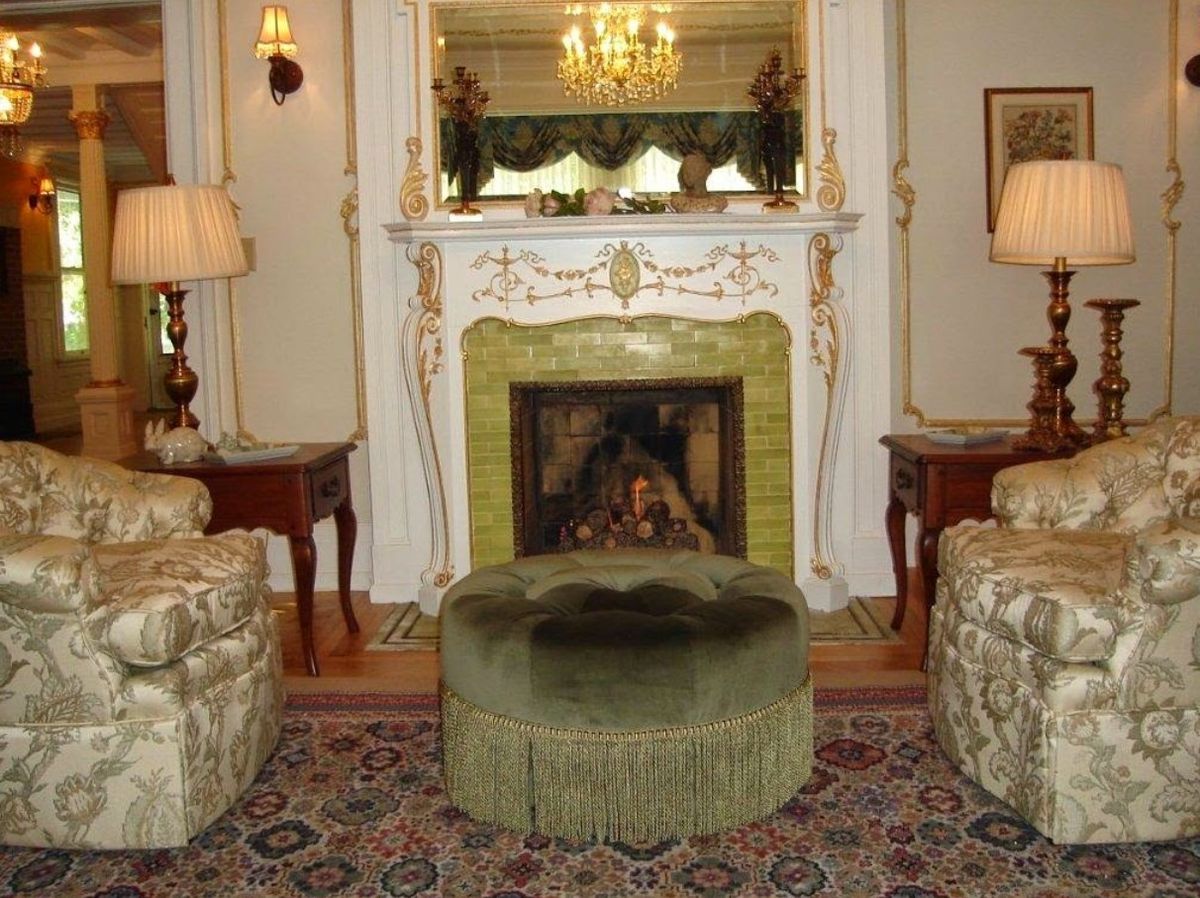
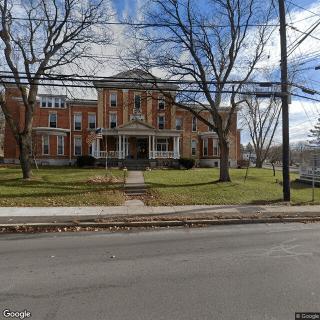
The Athenaeum of Skaneateles is best suited for couples or small families seeking a home-like, intimate assisted-living experience where staying together is feasible and embraced. The cases of aging parents with mixed cognitive challenges illustrate a core strength: a setting that defers to a family feel, prioritizes companionship, and makes it possible for a spouse to remain in close proximity. The small resident cohort, described as creating a “family” atmosphere, is not just charming, it translates into consistent attention, personalized routines, and transitions handled with a gentle touch. For residents who value a dignified, elegant home environment with social continuity and meaningful daily rhythm, this community checks many boxes.
Those who may want to consider alternatives are usually driven by a need for higher medical acuity or more specialized memory-care resources. The reviews show strong compassion and solid medication management, but they also emphasize that care is delivered within an assisted-living framework rather than a large, medically expansive campus. Families facing advanced, round-the-clock nursing needs, or requiring a dedicated memory-care unit with more structured cognitive therapies, will likely find more alignment elsewhere. A larger campus with broader on-site medical staffing or a facility specifically designed for advanced dementia care could be a better fit in those situations.
Key strengths center on the human touch and the quality of daily life. Care teams approach residents with warmth and professionalism, and transitions are managed with patience and respect. Medication oversight is described as attentive, and nutrition is routinely praised, with meals designed to be enjoyable and socially engaging. The programming, several daily activities, helps sustain routine, reduce confusion, and foster connection among residents. The dining room, described as beautiful with lake views and communal seating, embodies the experience: a polished, yet comfortable setting where residents eat together as a community, reinforcing belonging and stability.
From a practical perspective, the boutique scale is a double-edged sword. The upside is unmistakable: conspicuously high-touch care, clear leadership pathways, and a cohesive staff culture that residents feel as “being family.” The potential downside is a more limited breadth of services and flexibility than larger communities offer. There may be fewer on-site amenities, less depth in specialized programming, and a tighter pool of staff covering shifts. For families imagining a broad array of activities or rapid escalation of needs, these constraints should be weighed against the personal warmth and the intimate environment that define The Athenaeum.
Nevertheless, the strongest argument in favor of The Athenaeum rests on the offset between its pros and its modest scale. The compassionate, attentive care, the smooth handling of transitions, and the sense of community consistently counterbalance the constraints of a small setting. For couples who want to remain together, for a parent with dementia and a spouse seeking a safe, engaging daily life, and for families prioritizing continuity and respectful interactions, the pros materially improve quality of life and reduce stress during a difficult transition. The result is a compelling value proposition for those who prize a dignified, intimate home over a larger, more clinical footprint.
In the end, decision-makers should approach a tour with clear criteria: whether a paired living arrangement is essential, how important a robust on-site medical or memory-care program is, and how much emphasis is placed on a sparkling, residential ambiance. If staying together, receiving meticulous medication management, enjoying excellent meals, and participating in meaningful daily activities in a warm, family-like setting are non-negotiables, The Athenaeum of Skaneateles stands out as a superior option. However, for families prioritizing extensive medical staffing, a dedicated memory-care unit, or a broader social ecosystem, alternatives with a larger footprint may deliver better alignment. A candid tour, asking about staff-to-resident ratios, transition protocols, and contingency plans for changing care needs, will crystallize whether this intimate mansion truly fits the long-term trajectory.
 16 resident community capacity
 1-bedroom apartments
 Assisted Living
 Board and Care Home
 Activities off-site
 Beautician on-site
 Cable or satellite TV
 Devotional services off-site
 Dining room
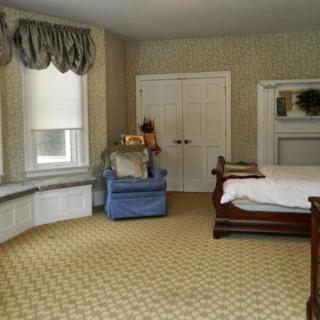
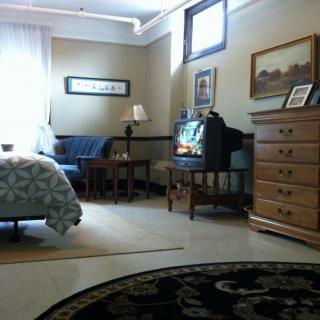
 Fully furnished
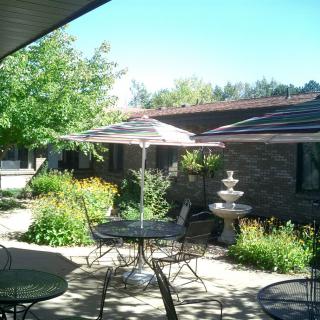
 Garden
 Guest parking
 Housekeeping services
 Indoor common areas
 Laundry
 Move-in coordination
 Outdoor common areas
 Party space
 Private bathrooms
 Respite or short term stays offered
 Telephone
 VA Benefits Consultation
 Wi-Fi/high-speed internet available
 Syracuse-Hancock International (20 miles away)
 Transportation & parking
 24-hour supervision
 Ambulatory care
 Assistance with bathing
 Assistance with dressing
 Assistance with transfers
 Diabetes diet
 Diabetic care
 High acuity care
 Hospice care
 Incontinence care
 Meal preparation and service
 Medication management
 Special dietary restrictions
 Transportation arrangement (medical)
 Arts and crafts
 Book club
 Educational speakers / life long learning
 Games
Games Live musical performances




 Vibrant Senior Living: A Comprehensive Guide for Active Older Adults
 When to Transition from Assisted Living to Memory Care: Key Indicators, Steps, and Finding the Right Community
 Assisted Living and Memory Care: Understanding Their Core Differences