
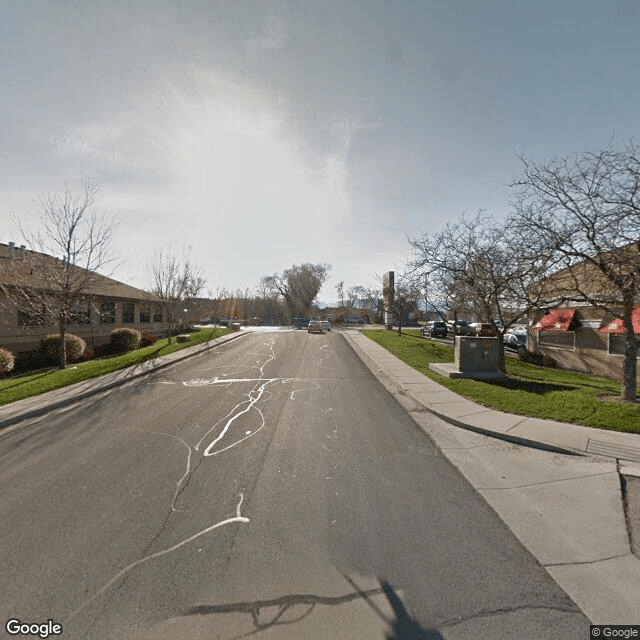
1980 West 9200 South, West Jordan, UT 12345
To contact a resident: (801) 898-4190
For more information about senior living options: (866) 208-4318
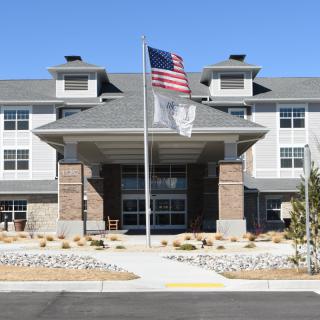
Overall Review of Bridlewood Villas
Cons
 The HOA is described as not caring for its residents.
- The promises to shovel snow, mow lawns, trim trees, and perform repairs were not kept.
- Snow removal is rarely timely, and the back door lock has been faulty since move-in.
- Bridlewood management promised to trim the trees but failed to do so, and by August nothing had been done.
- The home interior is dark and dismal due to the sun angle, and the resident cannot see from the porch.
- The deadbolt has not worked since move-in and remains unrepaired.
- The clubhouse is locked due to COVID while other Leisure Villas properties are open, indicating policy misalignment with the website.
- Residents pay 200-400 a month for services they're not receiving, and requests for refunds are met with hostility and nastiness.
- The situation is described as a scam and could invite legal action.
Review
Bridlewood Villas in West Jordan is best suited for seniors who want a community-driven, HOA-governed setting and are willing to accept uneven service in exchange for lower expectations about what the management will deliver. The model rests on shared dues funding routine upkeep, lawn care, snow management, and general repairs, but reality often diverges from the promise. For residents who can tolerate gaps in service and are prepared to arrange private maintenance or repairs as needed, Bridlewood can feel manageable and predictable. For those seeking a turnkey, reliably responsive experience, however, this option exposes itself as a mismatch between aspiration and everyday operation.
Those weighing Bridlewood should consider alternatives if reliability, security, and transparent performance matter most. Key priorities such as secure entry doors, timely snow removal, and routine landscaping are non-negotiables for many families, and the posted experience here falls short on those fronts. A back door deadbolt reportedly unresolved since move-in, plus ongoing delays in trimming trees and maintaining outdoor spaces, raise legitimate concerns about safety and comfort. A clubhouse access issue further limits the social and recreational value that commonly accompanies such communities. When the governance doesn’t consistently deliver on advertised policies, exploring other options becomes a prudent, protective move.
The inherent advantages of an HOA-driven model, structured budgeting, standardized rules, and a centralized approach to upkeep, exist in theory to create smoother, more predictable living. In practice, the supposed benefits here are overwhelmed by repeated service gaps and a management tone that feels unreceptive to resident concerns. The friction between what residents are told to expect and what is actually delivered erodes trust and dulls any potential upside. The monthly fees, cited by some as 200-400 dollars, carry the implication of service that simply isn’t realized, turning a governance framework into a source of ongoing disappointment rather than a stabilizing factor.
The most troubling red flags center on maintenance neglect and security risk. Snow removal is described as inconsistent, and exterior maintenance such as tree trimming appears delayed for extended periods. The interior environment can feel dark or cramped due to unfavorable sun angles and obstructed sightlines. The broken deadbolt compounds safety worries for residents who live alone or rely on dependable entry security. The clubhouse, which could serve as a social anchor, is frequently inaccessible, reducing opportunities for community engagement. When residents press for refunds or remedies for unfulfilled services, the response is described as hostile, indicating a management approach that prioritizes policy enforcement over resident well-being and practical solutions.
Families evaluating this community should demand crystal-clear commitments before moving in. Insist on written service-level agreements that specify snow removal schedules, landscaping turnaround times, and repair response targets, plus an enforceable security protocol and guaranteed access to common areas. Require a transparent HOA budget that itemizes how dues are spent and which services are guaranteed, and obtain a clear, fair refund policy with demonstrated responsiveness. Spend time talking to multiple residents and compare Bridlewood’s performance against similar West Jordan properties to gauge whether the shortcomings are systemic or isolated. Only with verifiable guarantees can confidence grow about whether this is the right fit.
In the end, Bridlewood Villas poses serious questions about reliability and resident satisfaction. It may work for buyers who prioritize a cost-sharing structure and are prepared to tolerate service gaps, but for families whose top priorities are consistent maintenance, timely repairs, secure entry, and accessible common spaces, alternatives in the area deserve serious consideration. The prudent path is a careful downsizing of expectations and a search for options with proven maintenance commitments, responsive management, and clear, enforceable refund policies. When those criteria aren’t met, the safest route is to look elsewhere and avoid committing to a community that has shown persistent gaps between promise and performance.
 Active Adult Communities (55+)
 Salt Lake City International (14 miles away)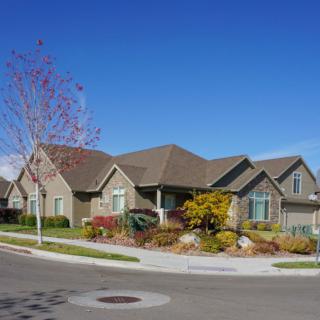
 Small, intimate community enabling personalized care.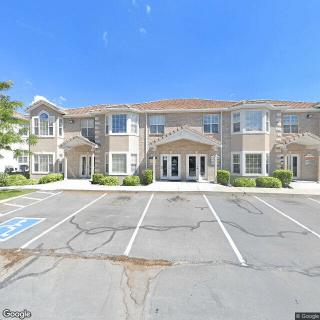

 Fecal Incontinence in Older Adults: A Comprehensive Guide
 Recognizing the Journey: Understanding and Navigating Anticipatory Grief
 Encouraging Participation in Adult Day Care: A Guide to Supporting a Hesitant Parent