At Carrington Court, the monthly costs for various room types reflect a competitive positioning within both Salt Lake County and the broader state of Utah. For a studio, residents can expect to pay $3,450, which is slightly above the county average of $3,331 and higher than the state average of $3,206. The semi-private rooms are priced at $4,600, significantly surpassing both local and state averages - Salt Lake County averages $3,970 while Utah's overall average is $3,596. Lastly, the one-bedroom units come in at $4,650; this cost again exceeds both county ($3,840) and state ($3,556) figures. These pricing dynamics suggest that while Carrington Court may be on the higher end of the scale compared to its peers in the area and state-wide offerings, potential residents might find value in the amenities and services that accompany these rates.
Floor plans
Carrington Court
Salt Lake County
Utah
Studio
$3,450
$3,331
$3,206
Semi-Private
$4,600
$3,970
$3,596
1 Bedroom
$4,650
$3,840
$3,556
Skilled Nursing Facilities with a similar price nearby
Residents and families repeatedly describe the staff as attentive and supportive.
Across many reviews, families say staff took good care of residents’ daily needs and were available when help was needed. Several also describe feeling their loved one was treated with kindness and that the care team learned residents’ preferences over time. A few reviewers contrast that with serious concerns about competence and compassion, including medication and neglect-related complaints.
differentiator18 reviews mention this
Memory care engagement stands out
Memory care residents are described as staying engaged with activities and interaction.
Multiple reviewers specifically mention the memory care side and describe frequent opportunities for residents to interact and participate in activities. Families highlight the work of the activities director and memory care staff as a reason their loved ones seemed happier, safer, and more involved. Reviews also mention hands-on support during changing needs, while a smaller number of negative reviews raise concerns about care levels and outcomes.
common22 reviews mention this
Dining and meal support
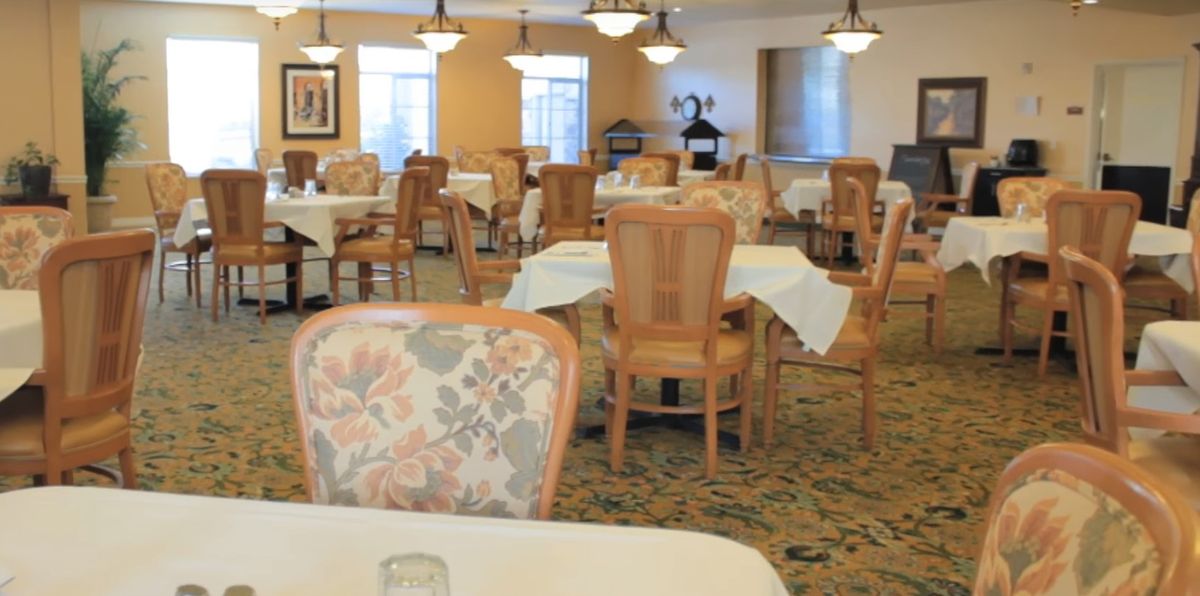
Restaurant-style dining and meal options are a recurring point families notice.
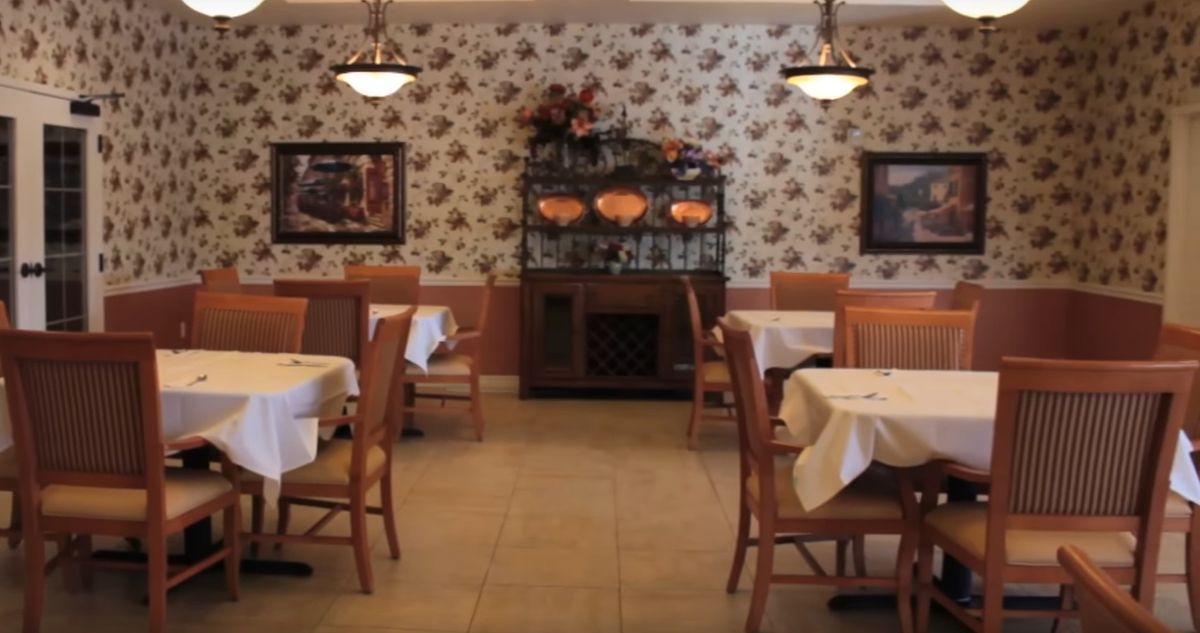
Several reviews call out the quality and variety of meals, including experiences like café-style dining for multiple meals per day. Families also mention that staff can accommodate residents who prefer to eat in their rooms. Others describe dining more neutrally, and one reviewer says food quality was only “medium,” but still ties it to an overall well-run routine.
caveat8 reviews mention this
Phone, medication, and process issues
Some residents’ families report breakdowns with communication and medication handling.
A few reviews describe problems reaching staff by phone and landing on unanswered calls. Others raise safety concerns tied to medication administration, including a complaint about nursing/medication passing and at least one report of medication timing being handled incorrectly. While many reviews are positive about care, these concerns appear frequently enough to be a clear caveat to consider.
common10 reviews mention this
Pricing looks simplified and competitive
Families often say the pricing is understandable and reasonable for the care.
Some reviewers describe the pricing structure as simple and budgeting-friendly, and one compares the move-in fee as lower than other options. Pricing positioning also matters because the listed range for units is higher than county averages for some unit types and higher than state averages overall. A negative review also mentions feeling the monthly cost did not match the level of care they received.
How we summarize
Counts show how many written reviews mention each theme; a review can touch several themes, and only frequently mentioned themes are displayed.
Features
Housing
105 resident community capacity
1-bedroom apartments
2-bedroom apartments
Studio apartments
Types of Care
Assisted Living
Memory Care
Skilled Nursing Facility
Amenities
Activities off-site
Activities on-site
Air-conditioning
Beautician on-site
Beauty salon
Cable or satellite TV
Computer center
Devotional services off-site
Devotional services on-site
Dining room
Financing advice
Fitness room
Full kitchen
Fully furnished
Gaming room
Garden
Guasts at mealtime
Guest parking
Housekeeping services
Indoor common areas
Kitchenette
Laundry
Move-in coordination
Outdoor common areas
Outdoor space
Overnight guests
Party space
Private bathrooms
Private cleaning services
Resident parking
Respite or short term stays offered
Restaurant-style dining
Small library
TV room
Telephone
VA Benefits Consultation
Wellness center
Wheelchair accessible showers
Wi-Fi/high-speed internet available
Transportation
Salt Lake City International (15 miles away)
Community operated transportation
Transportation & parking
Transportation arrangement
Transportation arrangement (non-medical)
Transportation to doctors appointments
Care Services
12-16 hour nursing
24-hour call system
24-hour supervision
Activities of daily living assistance
Ambulatory care
Assistance with bathing
Assistance with dressing
Assistance with transfers
Diabetes diet
Diabetic care
Hospice care
Incontinence care
Meal preparation and service
Medication management
Mental wellness program
Mild cognitive impairment
Special dietary restrictions
Specialized memory care programming
Dining
Anytime dining
Diabetes diet
Gluten-free
Guest meals
Low / no sodium
Meals provided
No Sugar
Organic
Restaurant style dining
Room service
Special dietary restrictions
Special dining programs
Vegan
Vegetarian
Activities
Activities off-site
Art classes
Arts and crafts
Catholic services
Community-sponsored activities
Concierge services
Cooking classes
Cooking club
Devotional activities offsite
Devotional activities on-site
Educational speakers / life long learning
Fitness programs
Games
Gardening club
Jewish services
Live musical performances
Mormon/LDS services
Other religious services
Planned day trips
Protestant services
Religious services
Resident-run activities
Scheduled daily activities
Stories
Visiting Rabbi
Visiting chaplain or priest
Languages Spoken
English
Nearby Places of Interest
This part of South Jordan, Utah offers a variety of healthcare services, including physicians specialized in ultrasounds, eye care, pediatrics, dermatology, plastic surgery, and breast care. There are also several pharmacies conveniently located nearby for easy access to medication. Places of worship are abundant in the area, with options such as the South Jordan Utah Stake Center and the Utah Islamic Center. For dining options, residents can enjoy a range of restaurants serving different cuisines like pastries, burgers, Mexican food, and more. Parks are also available for leisurely walks or outdoor activities. Transportation options include TRAX stops and a Frontrunner station for easy access to public transportation. In case of emergencies or medical needs, hospitals like Riverton Hospital are within a short drive from the area. Overall, this part of South Jordan provides a convenient location with various amenities suitable for senior living.
Physicians
Stork Vision 3D/4D Ultrasound (0.7 miles)
South Valley Eyecare (0.8 miles)
Southpoint Pediatrics (1.2 miles)
Copperview Medical Center (1.7 miles)
Jordan Valley Dermatology Center (2 miles)
Breast Care Center (2 miles)
Grant A Fairbanks, MD - Fairbanks Plastic Surgery (2.2 miles)
Pharmacies
Walgreens (0.9 miles)
Smith's Food & Drug (1.1 miles)
Walgreens (2.3 miles)
Walgreens (2.5 miles)
CVS Pharmacy (2.5 miles)
CVS Pharmacy (3.1 miles)
CVS Pharmacy (3.3 miles)
Places of Worship
South Jordan Utah Stake Center (0.9 miles)
Utah Islamic Center (1.6 miles)
Church of Jesus Christ of Latter Day Saints (2.3 miles)
Church of Jesus Christ of Latter Day Saints (3.5 miles)
Church of Jesus Christ of Latter Day Saints (5.8 miles)
Church of Jesus Christ of Latter Day Saints (5.8 miles)
At Carrington Court, the monthly costs for various room types reflect a competitive positioning within both Salt Lake County and the broader state of Utah. For a studio, residents can expect to pay $3,450, which is slightly above the county average of $3,331 and higher than the state average of $3,206. The semi-private rooms are priced at $4,600, significantly surpassing both local and state averages - Salt Lake County averages $3,970 while Utah's overall average is $3,596. Lastly, the one-bedroom units come in at $4,650; this cost again exceeds both county ($3,840) and state ($3,556) figures. These pricing dynamics suggest that while Carrington Court may be on the higher end of the scale compared to its peers in the area and state-wide offerings, potential residents might find value in the amenities and services that accompany these rates.
Carrington Court's array of features is specifically designed to provide comprehensive support for residents with dementia or Alzheimer's disease, enhancing their quality of life and promoting independence within a secure environment. The 24-hour supervision ensures that residents are monitored and supported around the clock, while assistance with activities of daily living--including bathing, dressing, and transfers--empowers them to maintain some autonomy in their routines. Incontinence care and meal preparation tailored to individual dietary needs further address personal hygiene and nutrition, which are crucial for overall well-being. Medication management helps ensure adherence to prescribed treatments, alleviating concerns about medication errors. Additionally, the mental wellness program fosters cognitive engagement through social interaction and stimulating activities, while specialized memory care programming is tailored to meet the unique challenges faced by those with mild cognitive impairment and more advanced stages of memory loss, facilitating a supportive atmosphere that encourages connection and dignity.
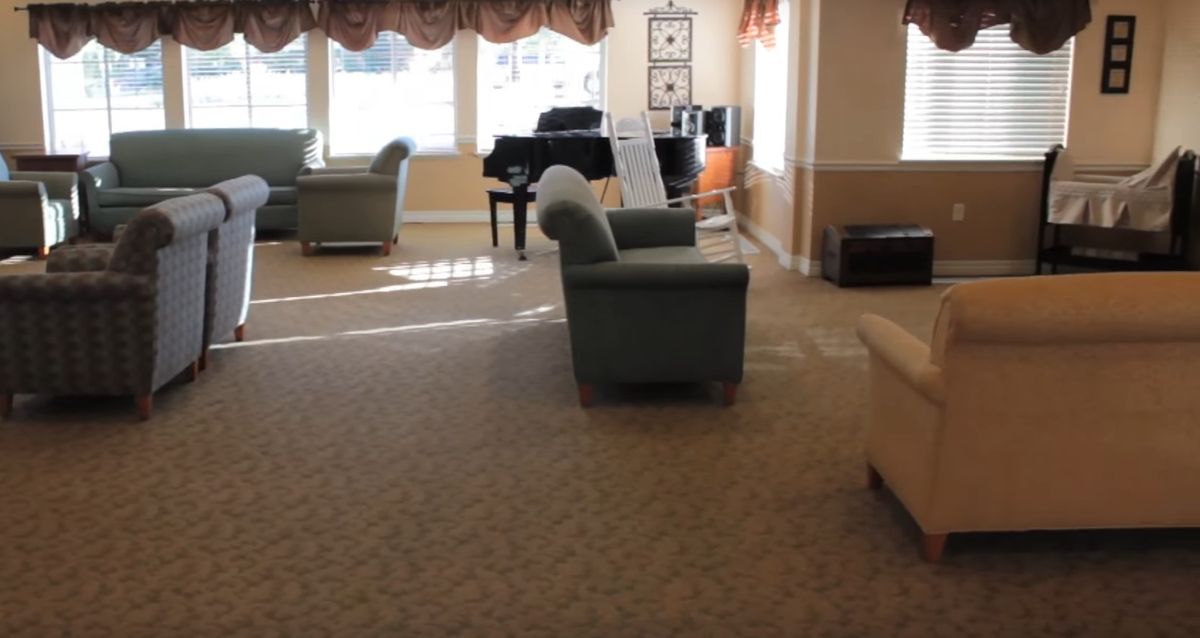
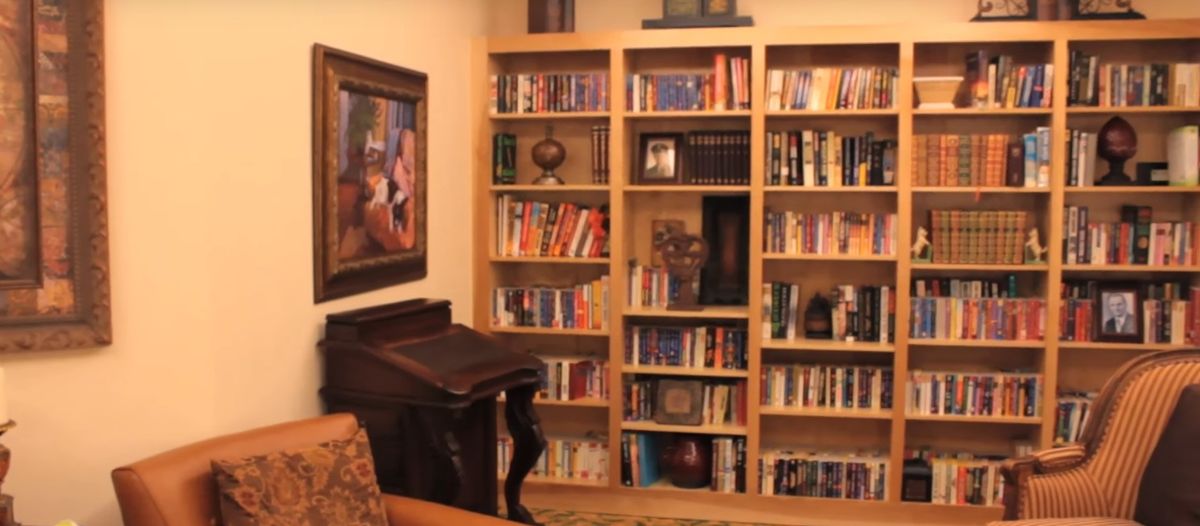
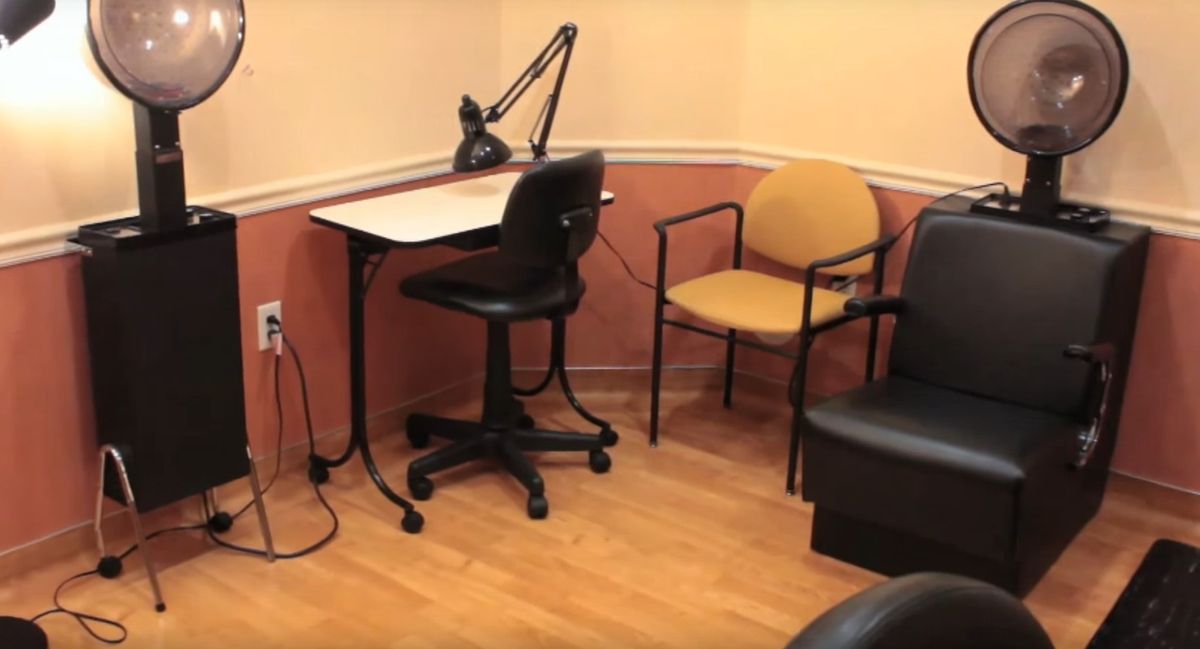
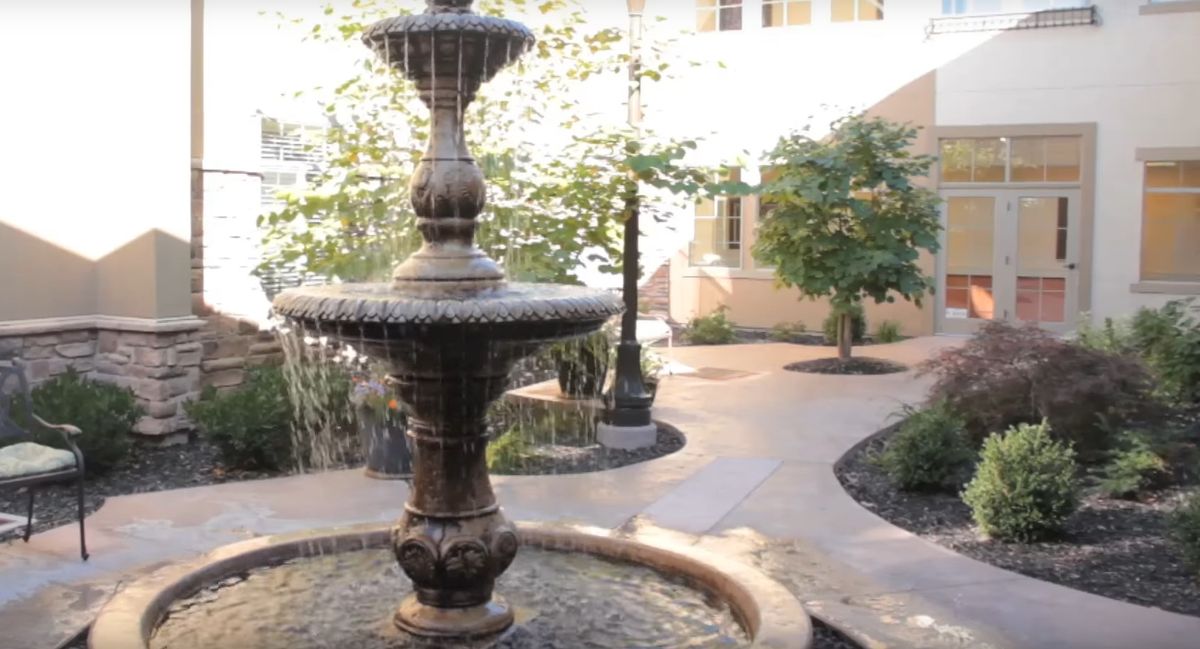
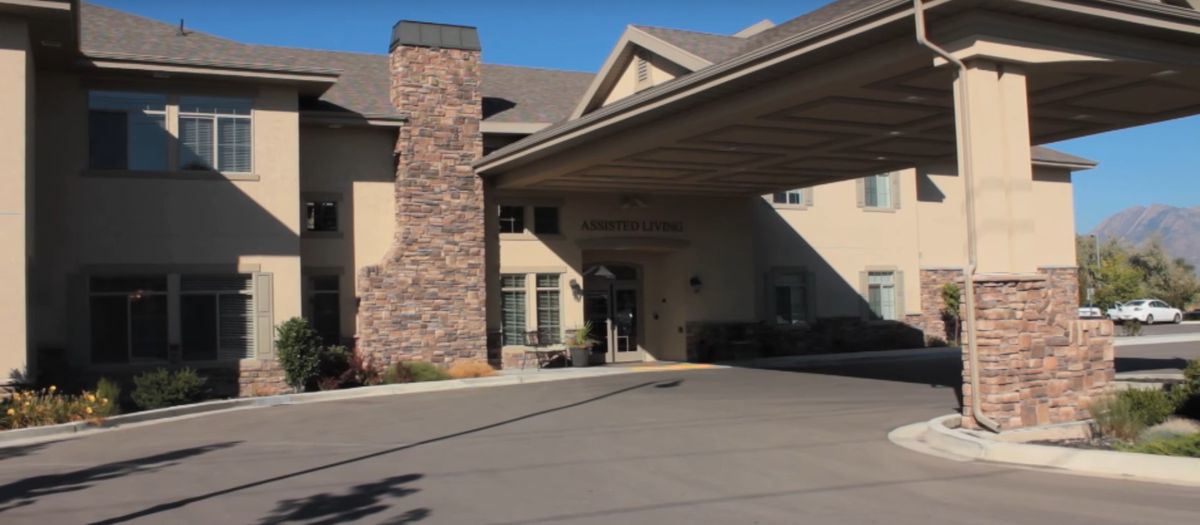
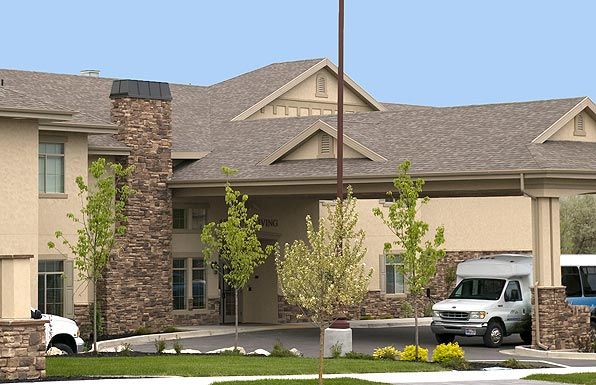
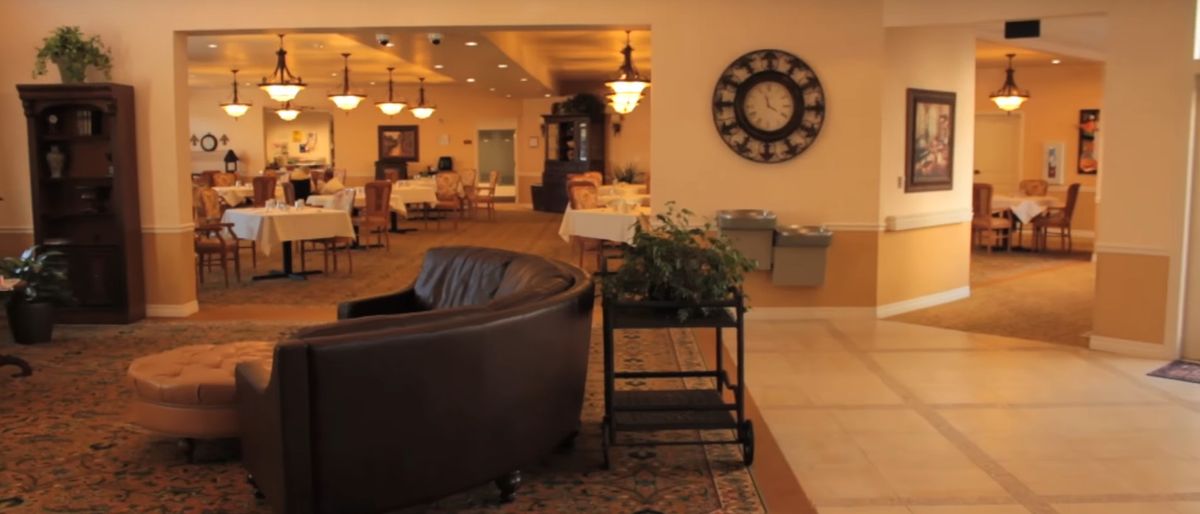
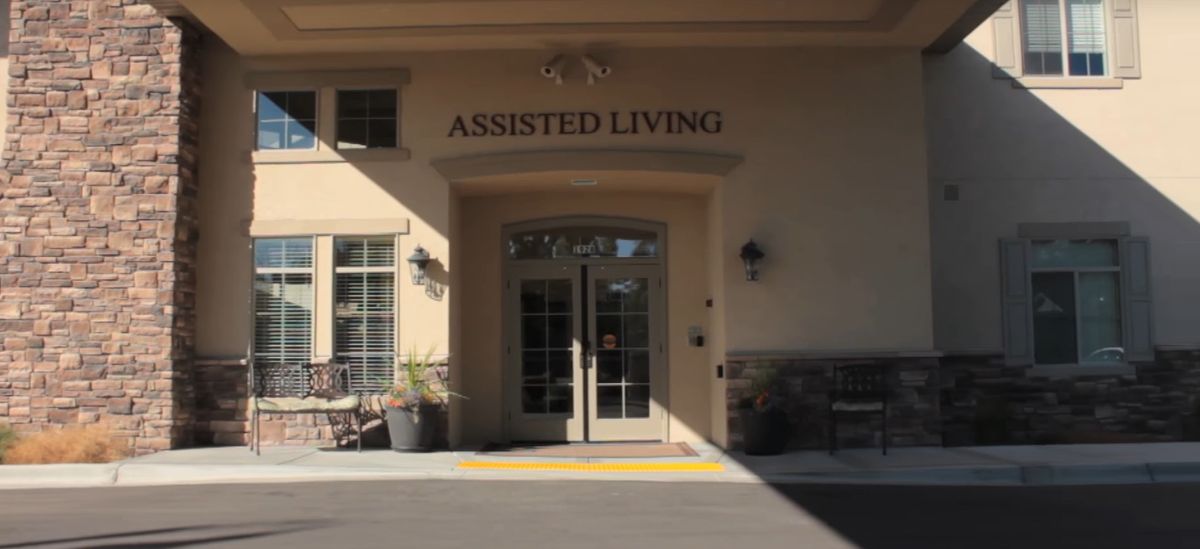
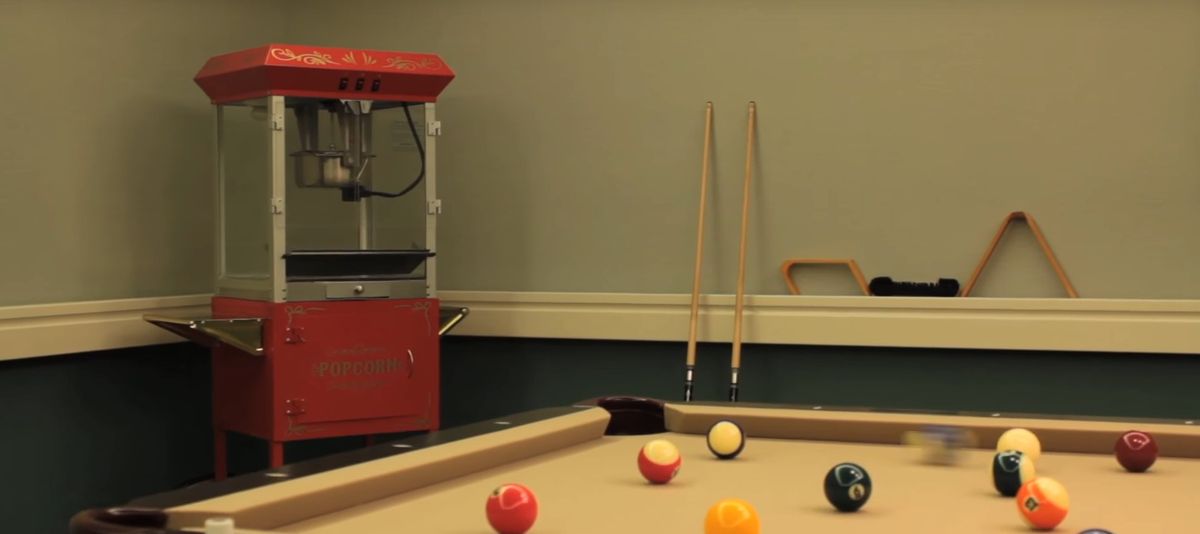
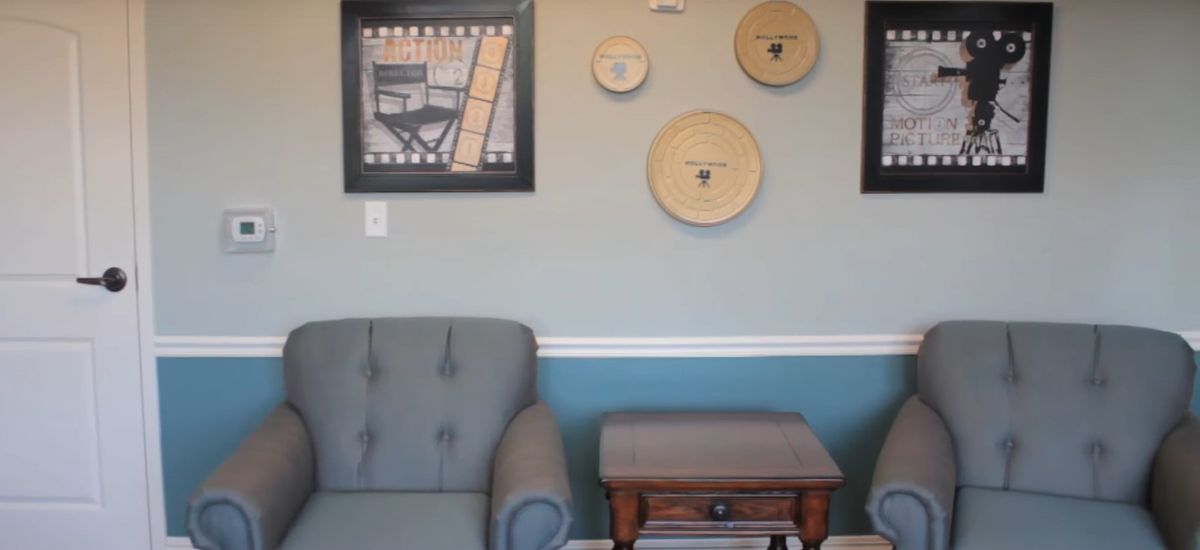
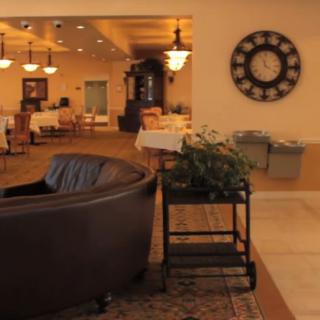
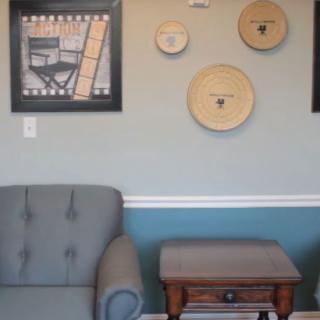
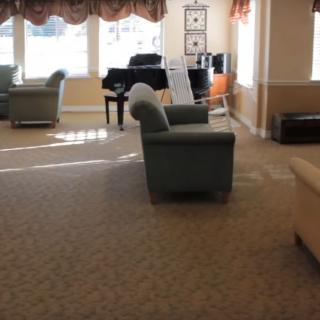
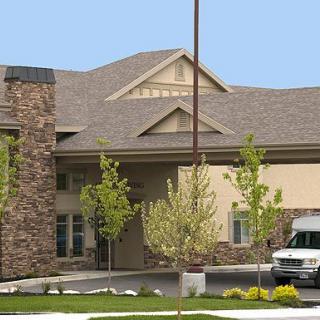
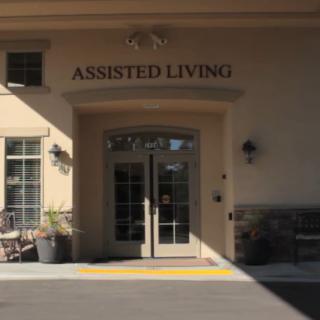
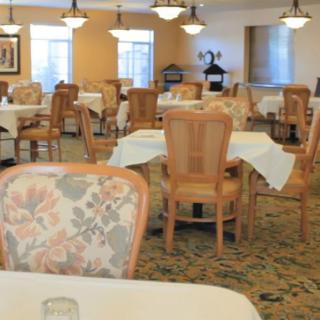
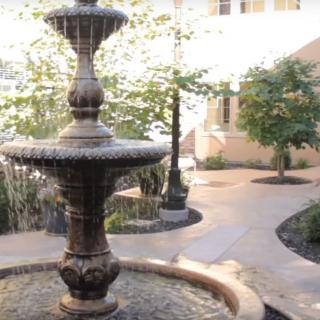
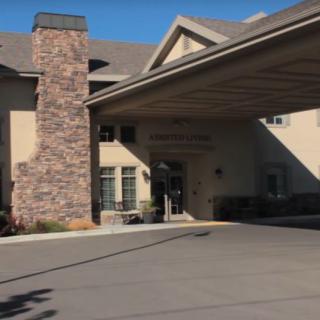
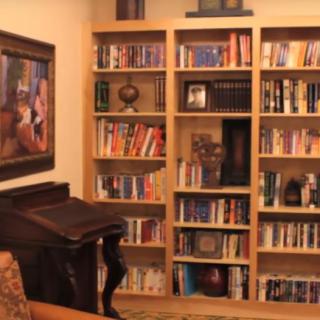
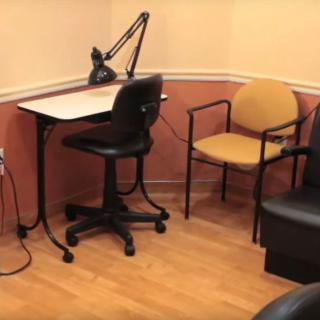
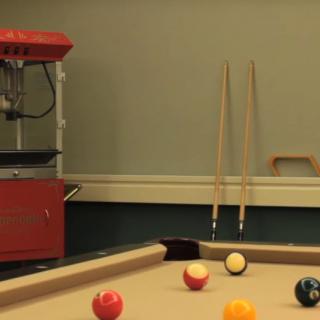
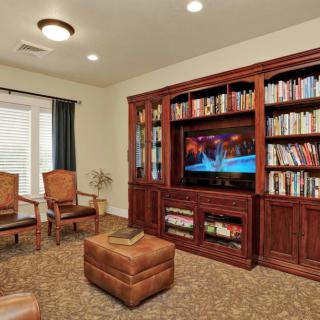
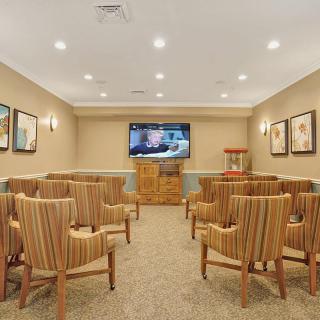
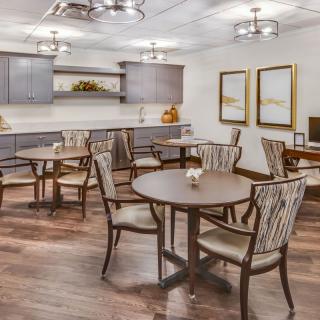
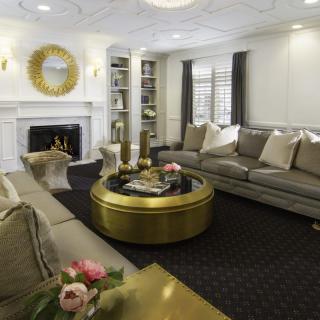
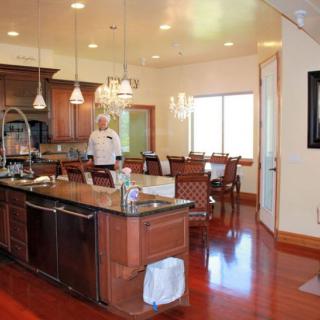
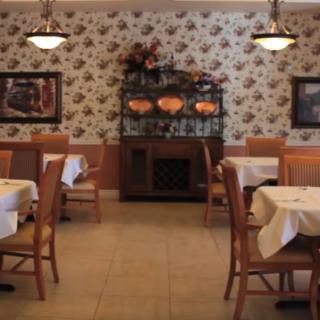
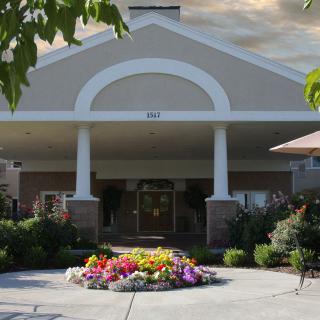
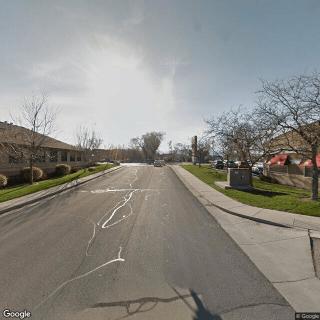
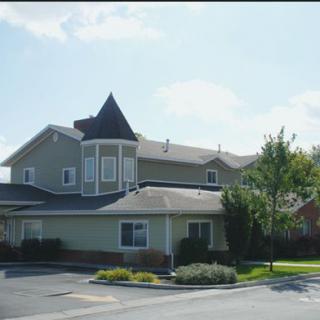
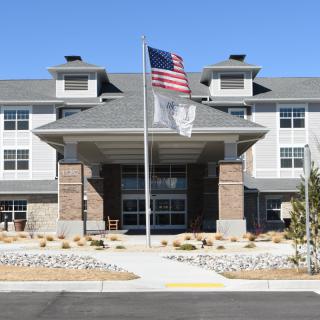
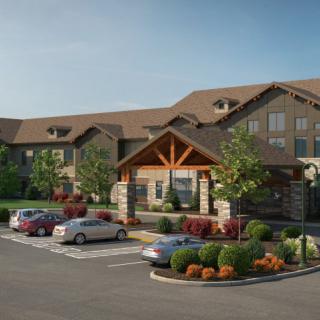
Carrington Court on seniors.fyi includes 13 photos including images showing interior, architecture, dining, building, billiards, decor, entrance, lighting, and more.
Nearby Communities
Legacy House Assisted Living of South Jordan
South Jordan, UT
4.7 from 55 reviews
$3,600 to $5,100 / month
Family-like atmosphere with attentive, communicative staff.
Legacy Retirement South Jordan
South Jordan, UT
Extensive amenities and full-service care (24/7 call system, transportation, medication management).
Bridlewood Villas
West Jordan, UT
2.5 from 2 reviews
Small, intimate community enabling personalized care.
Legacy Retirement Residence
South Jordan, UT
4.8 from 41 reviews
$2,495 to $3,800 / month
Strong sense of community with caring staff and clean, well-maintained spaces.
Legacy House Of South Jordan
South Jordan, UT
4.5 from 120 reviews
Homey setting with friendly, caring staff and varied daily activities.
Bridlewood Villas
West Jordan, UT
2.5 from 2 reviews
Strong nearby amenities and healthcare access.
The Lodge At Jordan River
South Jordan, UT
3.9 from 29 reviews
Caring staff with improved management creating a warm, clean, value-focused environment.
South Jordan View Retirement Community
South Jordan, UT
4.7 from 70 reviews
$3,581 to $5,079 / month
Warm, welcoming community with attentive staff, engaging activities, and convenient on-site amenities.
Copper Creek Senior Living
South Jordan, UT
4.7 from 146 reviews
$3,599 to $4,099 / month
Friendly, welcoming staff in a clean, well-maintained community with engaging activities.
Choosing between assisted living and nursing homes involves evaluating emotional and financial factors, with assisted living offering independence and support for daily activities at a lower cost, while nursing homes provide intensive medical care for individuals with significant health needs. The decision is influenced by personal preferences, health status, cognitive function, and varying Medicaid coverage across states.
The article presents eight strategies for preserving cognitive health and memory in older adults, emphasizing a nutrient-rich diet, regular exercise, intellectually stimulating activities, adequate sleep, social connections, stress management techniques, limiting harmful substances, and regular medical checkups to mitigate age-related memory decline.
Activities of Daily Living (ADLs) are fundamental tasks vital for an individual's independence, particularly in older adults over 85, and include functions like bathing and dressing; assessing ADLs alongside Instrumental Activities of Daily Living (IADLs) helps determine the level of required assistance due to age-related health challenges. Tailored support plans, involving family and community resources, are essential for maintaining dignity and autonomy in assisted living environments.
Landscaping, Garden, Outdoor, Pathway, and Fountain
Windows and Piano
Building
Architecture
Trees and Parking
Lighting
Entrance
Lobby and Plant
Wall Art
Library and Reading Room
Billiards, Recreation Room, and Popcorn Machine
Office and Workspace
Facility
Get PricingAsk A QuestionSchedule A TourContact Senior Advisor
By clicking submit, you agree to our Partner's Terms of Use. You
also consent to receive calls and texts, which may be autodialed, from our Partner. Your consent is not a condition to
using our Partner's service. Please visit our Partner's Privacy Policy for information about their privacy practices.


 105 resident community capacity
 1-bedroom apartments
 Assisted Living
 Memory Care
 Skilled Nursing Facility
 Activities off-site
 Air-conditioning
 Beautician on-site
 Cable or satellite TV
 Computer center
 Devotional services off-site
 Dining room
 Financing advice
 Fitness room
 Full kitchen
 Fully furnished
 Gaming room
 Garden
 Guest parking
 Housekeeping services
 Indoor common areas
 Laundry
 Move-in coordination
 Outdoor common areas
 Overnight guests
 Party space
 Private bathrooms
 Respite or short term stays offered
 Restaurant-style dining
 Small library
 Telephone
 Wellness center
 Wheelchair accessible showers
 Wi-Fi/high-speed internet available
 Salt Lake City International (15 miles away)
 Community operated transportation
 12-16 hour nursing
 24-hour call system
 Ambulatory care
 Assistance with bathing
 Assistance with dressing
 Assistance with transfers
 Diabetes diet
 Diabetic care
 Hospice care
 Incontinence care
 Medication management
 Mental wellness program
 Special dietary restrictions
 Art classes
 Catholic services
 Concierge services
 Cooking classes
 Educational speakers / life long learning
 Games
Games Jewish services
 Live musical performances
 Planned day trips
 Stories
 English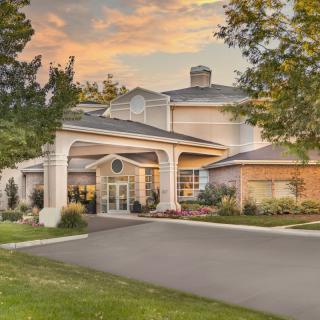
 Family-like atmosphere with attentive, communicative staff.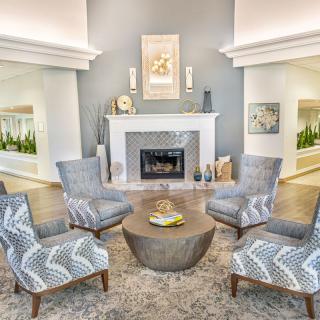
 Choosing the Right Senior Care: A Detailed Exploration of Assisted Living and Nursing Homes
 Safeguarding Your Memory Through the Golden Years: Eight Ways to Preserve Cognitive Health
 Comprehensive Insights into Activities of Daily Living (ADLs) and Their Assessment