Residents and families consistently describe staff as welcoming, caring, and helpful.
Across many reviews, families highlight staff friendliness and prompt help, including being greeted by name and feeling confident about care. Several residents and relatives also mention specific leadership follow-through when concerns come up, along with day-to-day attentiveness. In memory care, reviewers similarly describe staff as cheerful, accommodating, and supportive to family members.
common30 reviews mention this
Activities keep residents engaged
Reviews frequently mention frequent activities that keep residents engaged.
Residents and families describe a steady rhythm of scheduled activities, including games like bingo, exercises, movies, and themed events such as Halloween. Many reviews also note variety—group events, resident choices, and frequent opportunities to get out of rooms. Some reviewers specifically contrast improved engagement during periods of leadership and staffing changes.
differentiator26 reviews mention this
Dining draws strong praise, with exceptions
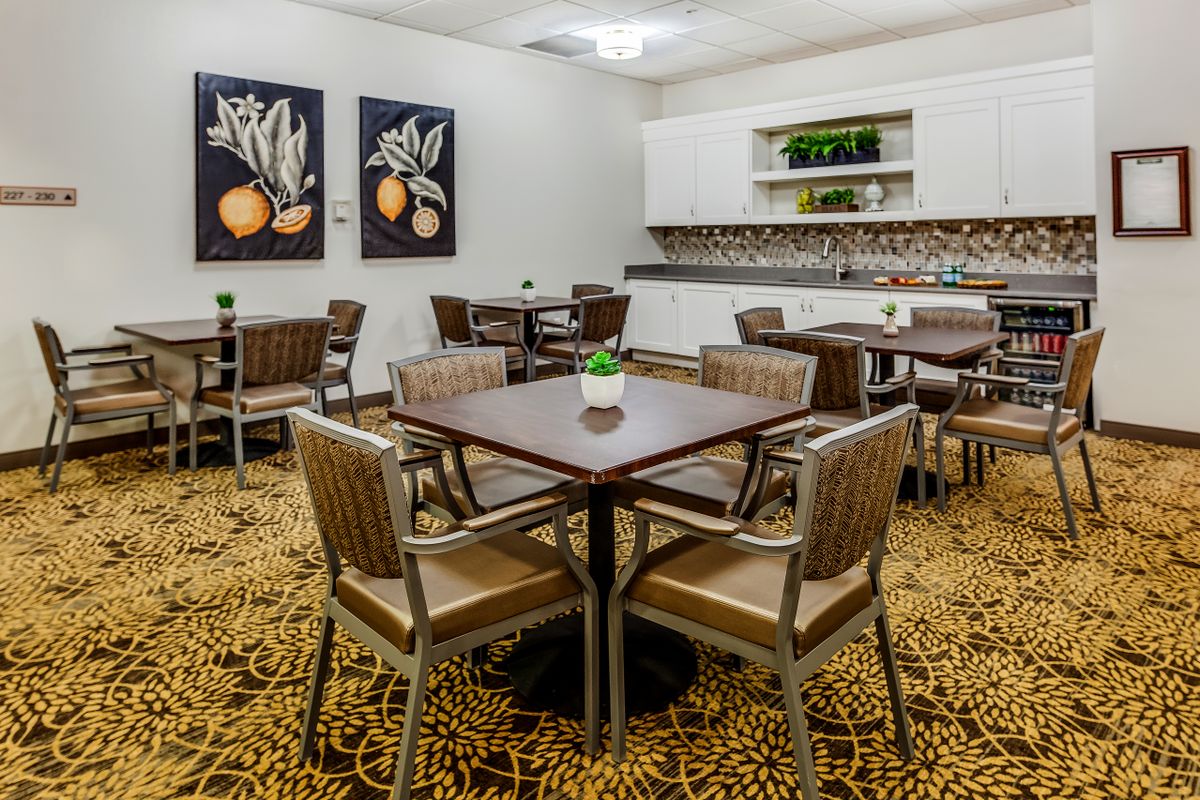
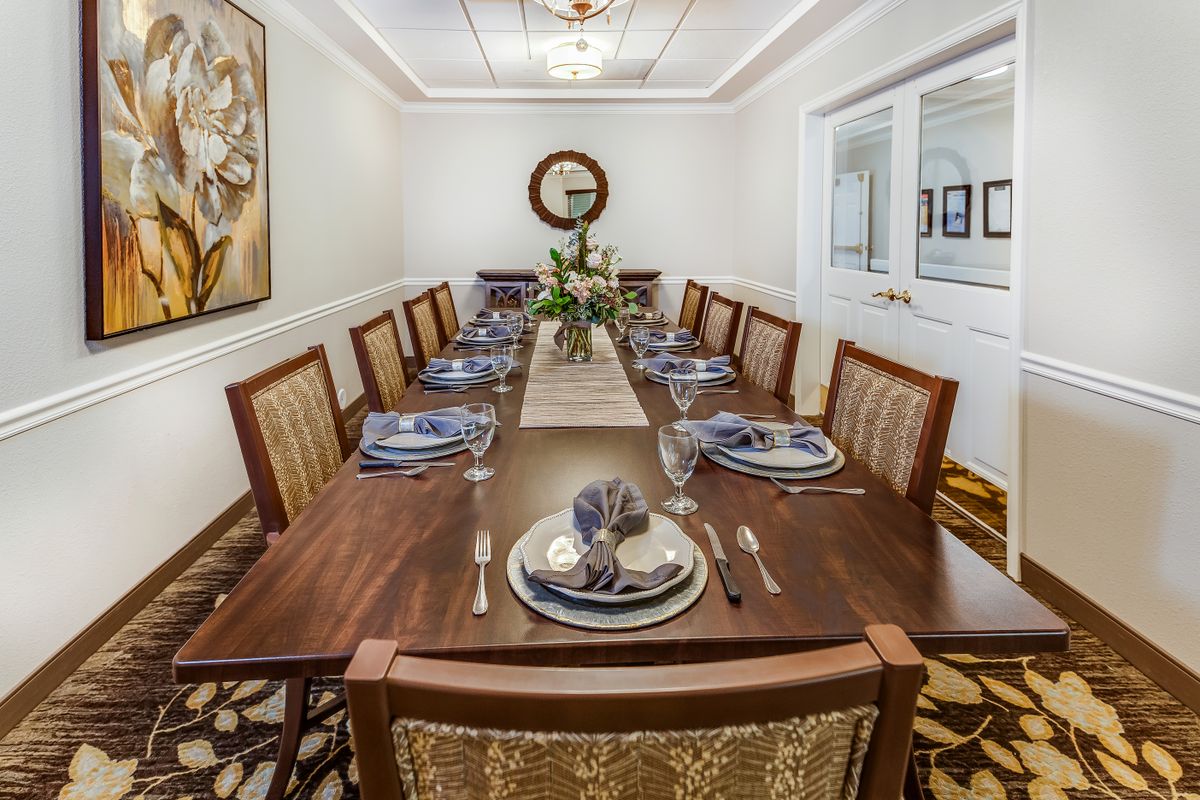
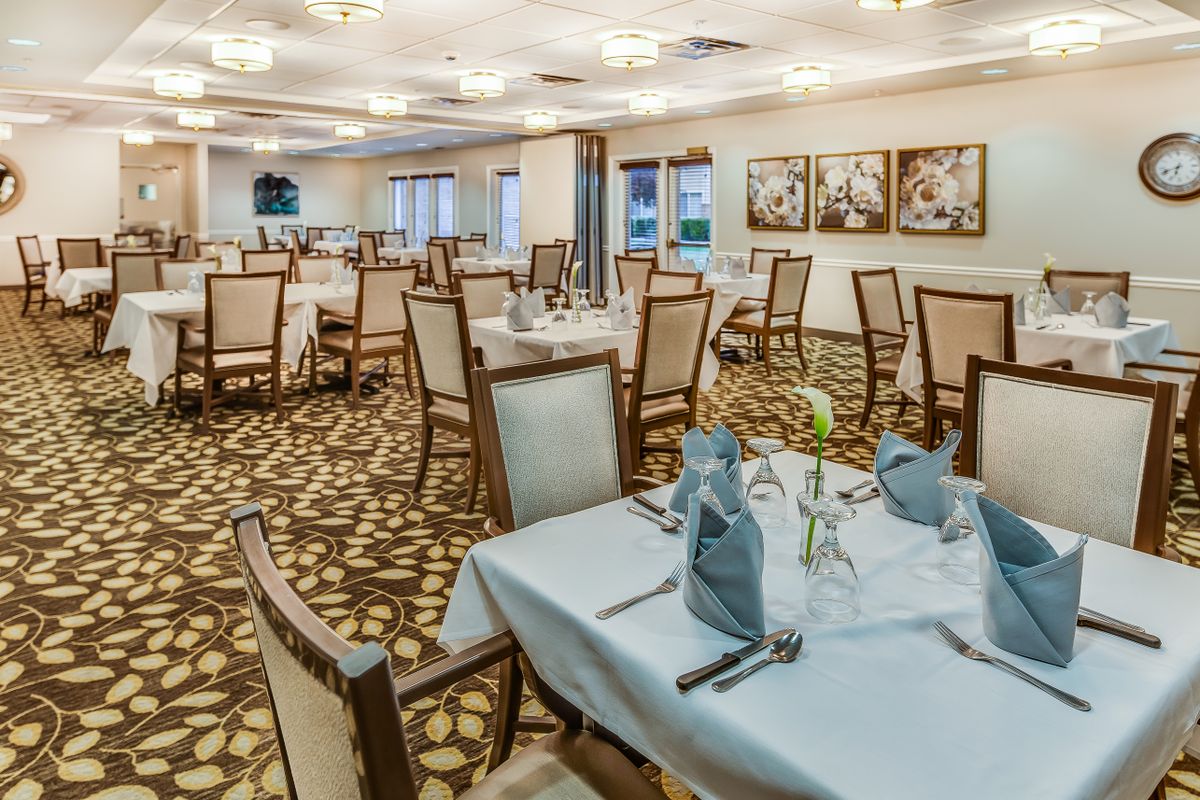
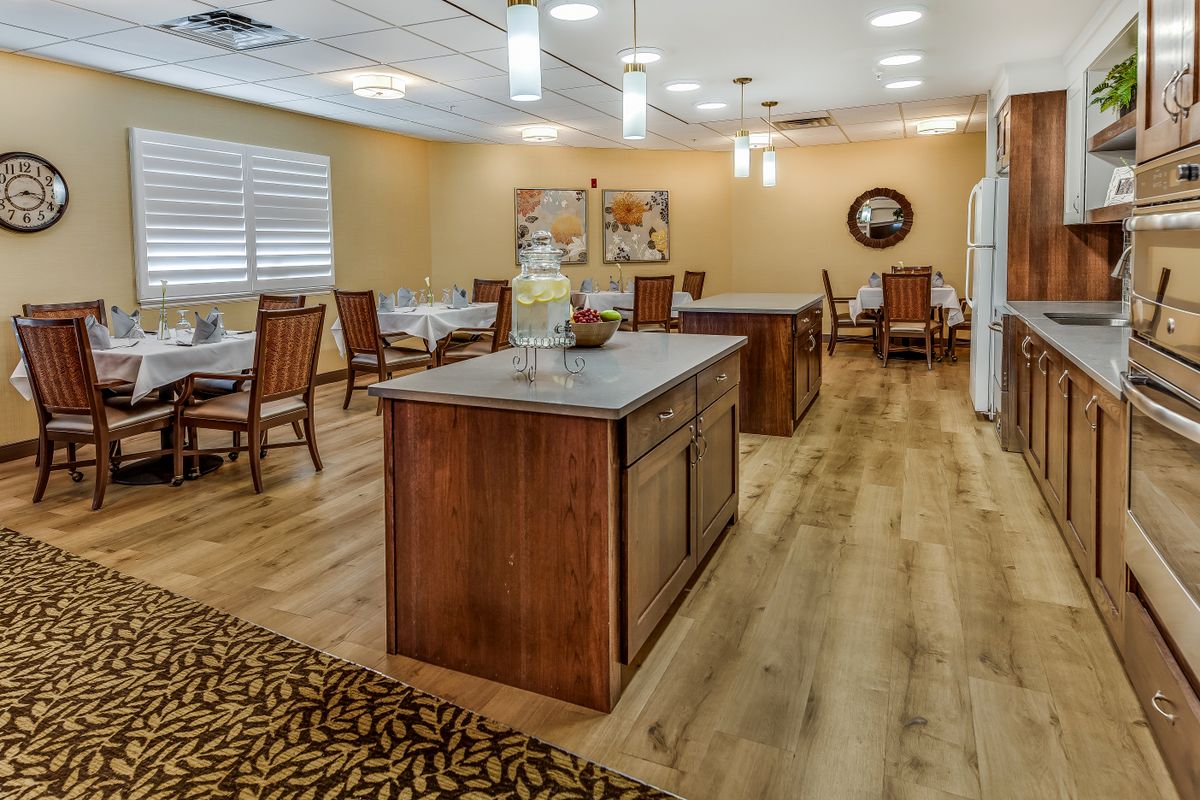
Dining stands out in reviews, especially for restaurant-style service and special-diet accommodations.
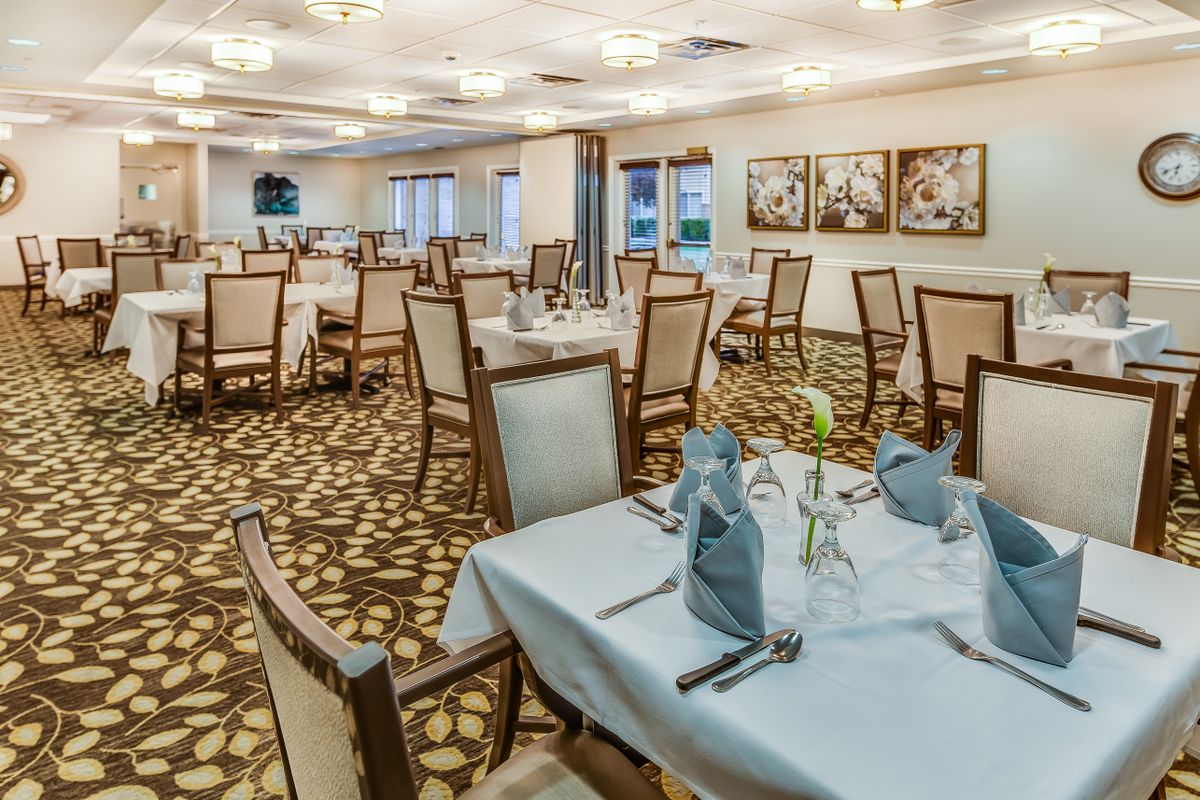
Numerous reviews praise meals as good, sometimes with a focus on restaurant-style dining and waitstaff service. Others add that the kitchen can adjust meals for dietary needs, including special diet requirements mentioned in the community’s care and dining details. A smaller set of reviews are unhappy with meal quality, service timing, or food temperature, so experiences are not uniform.
caveat7 reviews mention this
Memory care support is mixed
Memory care feedback is split, with some families saying needs weren’t fully met.
Some memory care residents and families report caring, attentive support and respectful treatment, along with coordination when hospice services are needed. Others describe staffing and program limitations in memory care, including concerns about dementia or Alzheimer’s readiness and the level of support provided. A few reviewers also raise issues they attribute to facility operations that affect residents in both daily care and dining routines.
caveat5 reviews mention this
Waiting times for help come up
Some reviews warn that getting care can take longer during busy times.
While many families describe responsiveness, a recurring complaint is that help may be delayed, including reports of waiting around 30 minutes or longer. These concerns show up alongside negative comments about dining service timing and staffing levels. Other reviews counter with accounts of quick call-light response and proactive follow-up, suggesting outcomes vary by period and unit.
common4 reviews mention this
Location and nearby services matter
Reviews mention an easy, convenient location for errands and services.
Several reviewers call out the location as convenient for family and daily life, with proximity to stores and services. The community also offers transportation arrangements and is described in the amenity list as being close to restaurants and shopping centers. Nearby options include pharmacy and healthcare services such as Walgreens and South Valley Eyecare within about a third of a mile, plus restaurants like Schmidt's Pastry Cottage and Culver's not far away.
How we summarize
Counts show how many written reviews mention each theme; a review can touch several themes, and only frequently mentioned themes are displayed.
Features
Housing
87 resident community capacity
Types of Care
Assisted Living
Memory Care
Amenities
Air-conditioning
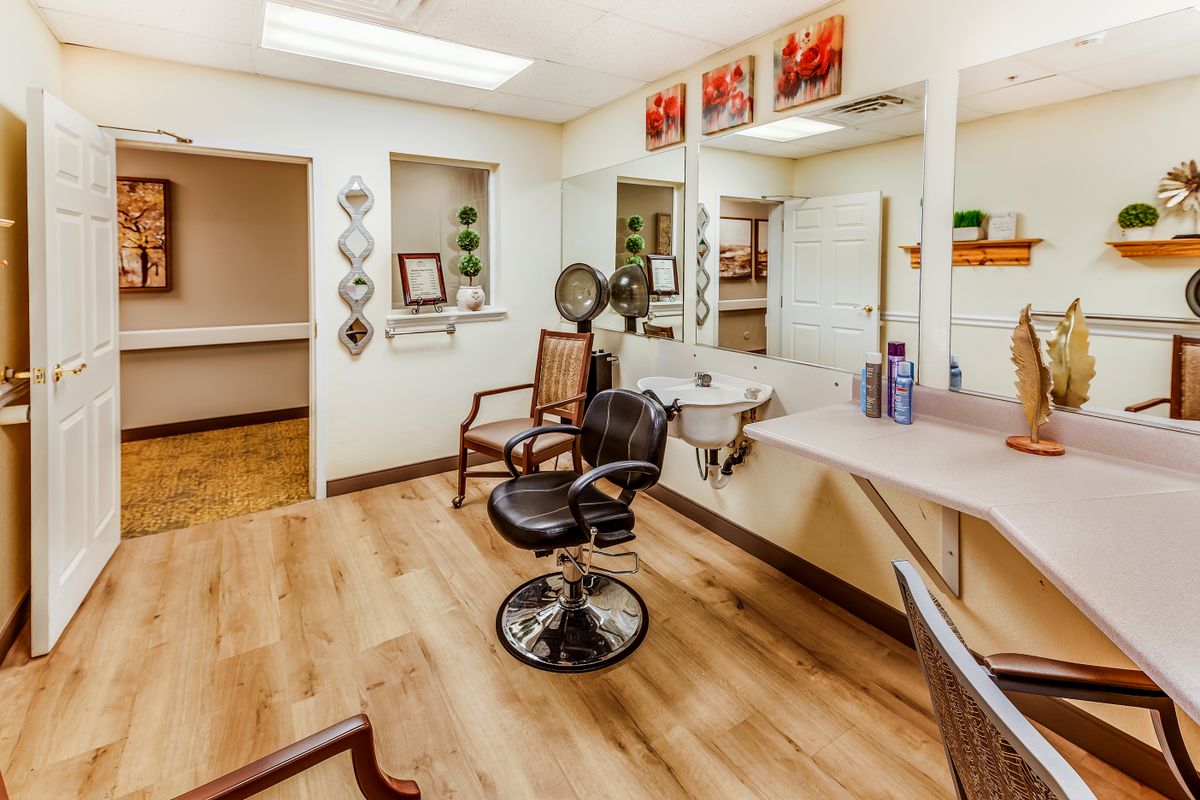
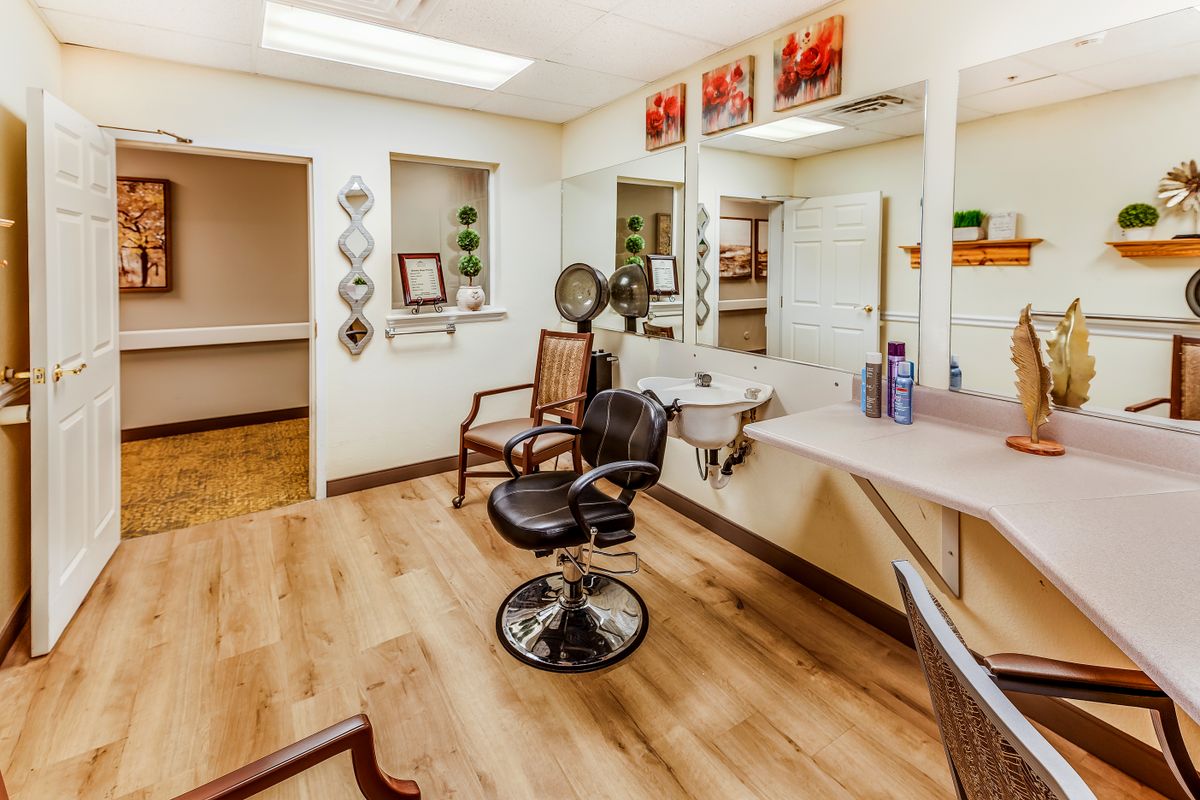
Beauty salon
Cable or satellite TV
Computer center
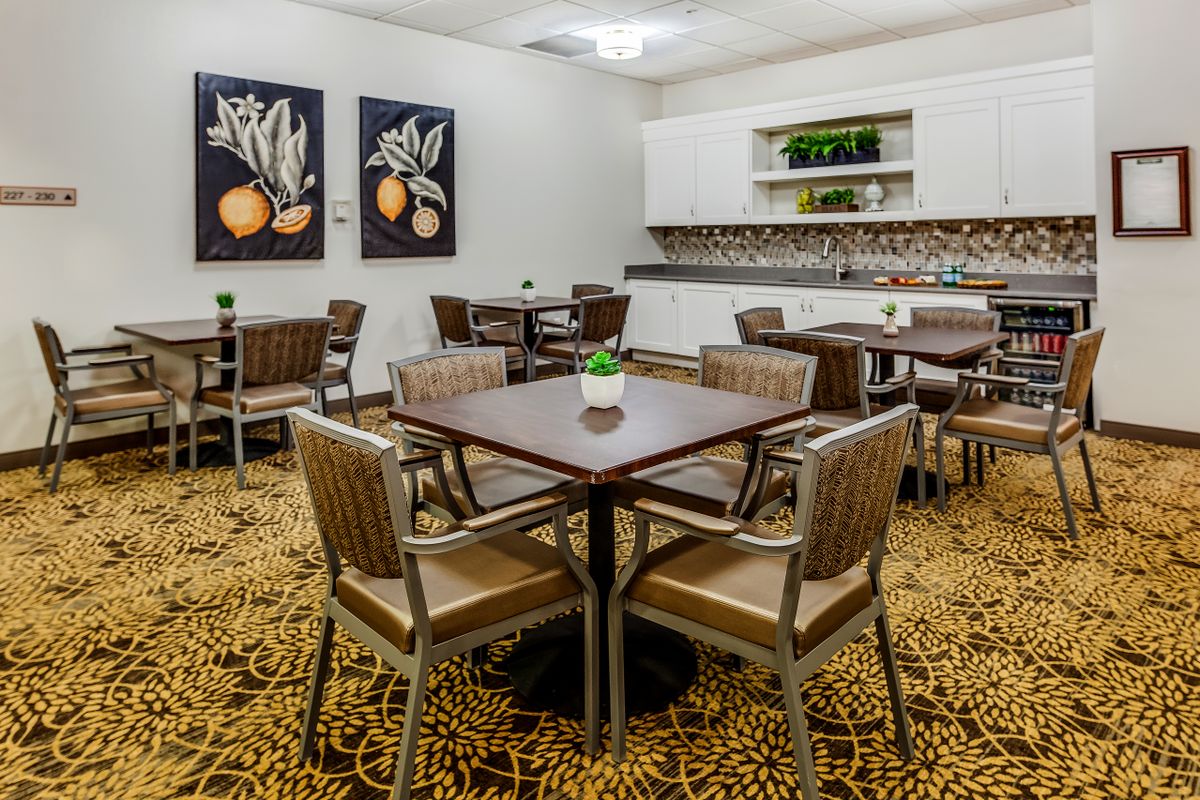
Dining room
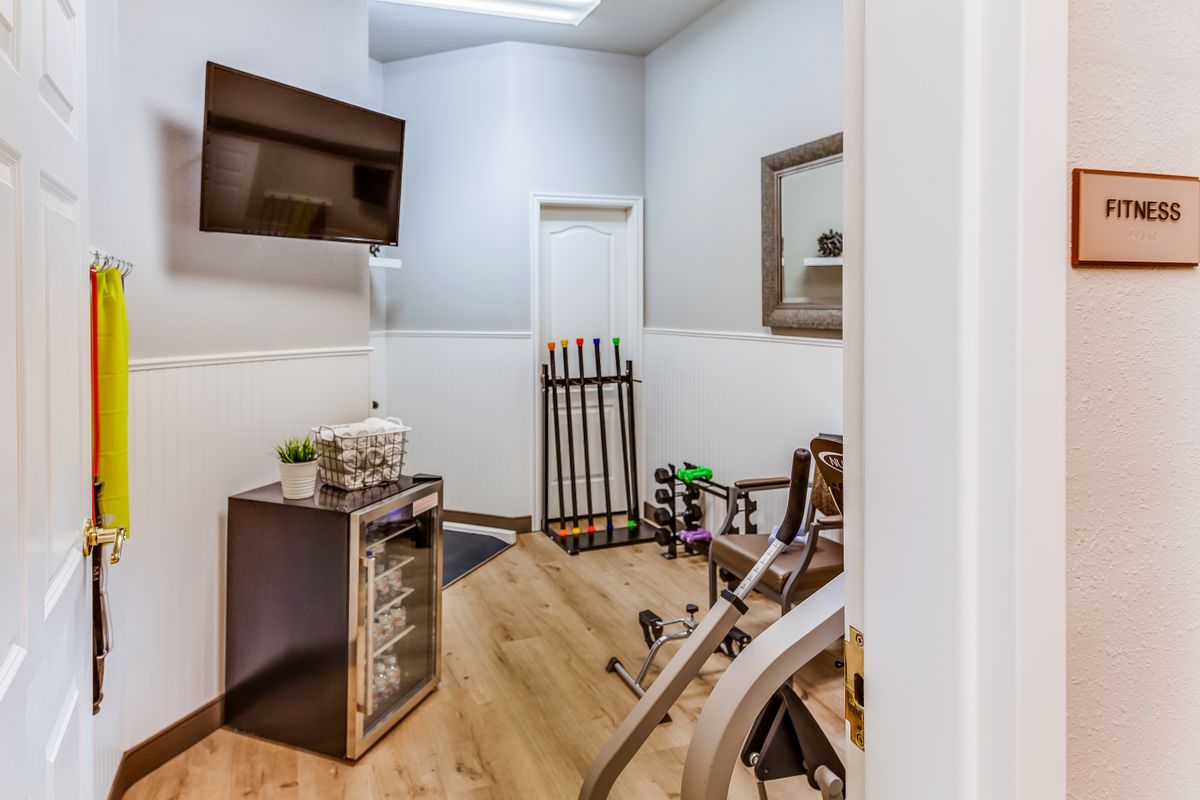
Fitness room
Fully furnished
Gaming room
Garden
Housekeeping services
Kitchenette
Located close to restaurants
Located close to shopping centers
Move-in coordination
Outdoor patio
Outdoor space
Private bathrooms
Restaurant-style dining
Small library
Telephone
Wellness center
Wi-Fi/high-speed internet available
Transportation
Salt Lake City International (16 miles away)
Community operated transportation
Transportation arrangement
Transportation arrangement (non-medical)
Transportation to doctors appointments
Care Services
12-16 hour nursing
24-hour call system
24-hour supervision
Activities of daily living assistance
Assistance with bathing
Assistance with dressing
Assistance with transfers
Coordination with health care providers
Dementia waiver
Diabetes diet
Hospice waiver
Meal preparation and service
Medication management
Mental wellness program
Mild cognitive impairment
Special dietary restrictions
Specialized memory care programming
Transportation arrangement (medical)
Transportation to doctors appointments
Dining
Diabetes diet
Special dietary restrictions
Activities
Community-sponsored activities
Concierge services
Fitness programs
Planned day trips
Resident-run activities
Scheduled daily activities
Nearby Places of Interest
Physicians
South Valley Eyecare (0.3 miles)
Stork Vision 3D/4D Ultrasound (1.3 miles)
Southpoint Pediatrics (1.5 miles)
Grant A Fairbanks, MD - Fairbanks Plastic Surgery (1.6 miles)
Jordan Valley Dermatology Center (2.1 miles)
Copperview Medical Center (2.2 miles)
Breast Care Center (2.7 miles)
Pharmacies
Walgreens (0.3 miles)
Smith's Food & Drug (1.7 miles)
Peterson's Market Onli (2.9 miles)
Walgreens (3 miles)
Peterson's Marketplace (3.1 miles)
CVS Pharmacy (3.1 miles)
Walgreens (3.1 miles)
Restaurants
Schmidt's Pastry Cottage (0.6 miles)
Culver's (2 miles)
Slackwater (2.2 miles)
Chili's Grill & Bar (2.3 miles)
Los Cucos Mexican Cafe (2.4 miles)
Warren’s South Jordan (2.8 miles)
Raising Cane's Chicken Fingers (2.8 miles)
Places of Worship
South Jordan Utah Stake Center (1 miles)
Utah Islamic Center (1.8 miles)
Church of Jesus Christ of Latter Day Saints (2.5 miles)
Church of Jesus Christ of Latter Day Saints (2.9 miles)
Church of Jesus Christ of Latter Day Saints (5.1 miles)
Church of Jesus Christ of Latter Day Saints (5.3 miles)
The comprehensive features at Legacy House of South Jordan are specifically designed to support residents with dementia or Alzheimer's disease, ensuring their safety and enhancing their quality of life. With 24-hour supervision, residents receive constant monitoring, which is crucial for preventing wandering and ensuring immediate assistance when needed. Assistance with activities of daily living--including bathing, dressing, and transfers--provides essential support that promotes dignity and independence while addressing the physical challenges associated with cognitive decline. Coordination with healthcare providers ensures that medical needs are met promptly and effectively. The dementia waiver allows for tailored care approaches suited to individual needs, complemented by specialized memory care programming that engages cognitive functions. Nutritional support through meal preparation and service is vital for overall health, while medication management helps residents adhere to treatment plans accurately. Additionally, a mental wellness program fosters emotional well-being, while transportation arrangements for medical appointments facilitate access to necessary healthcare resources--all contributing to a holistic approach in managing memory care.
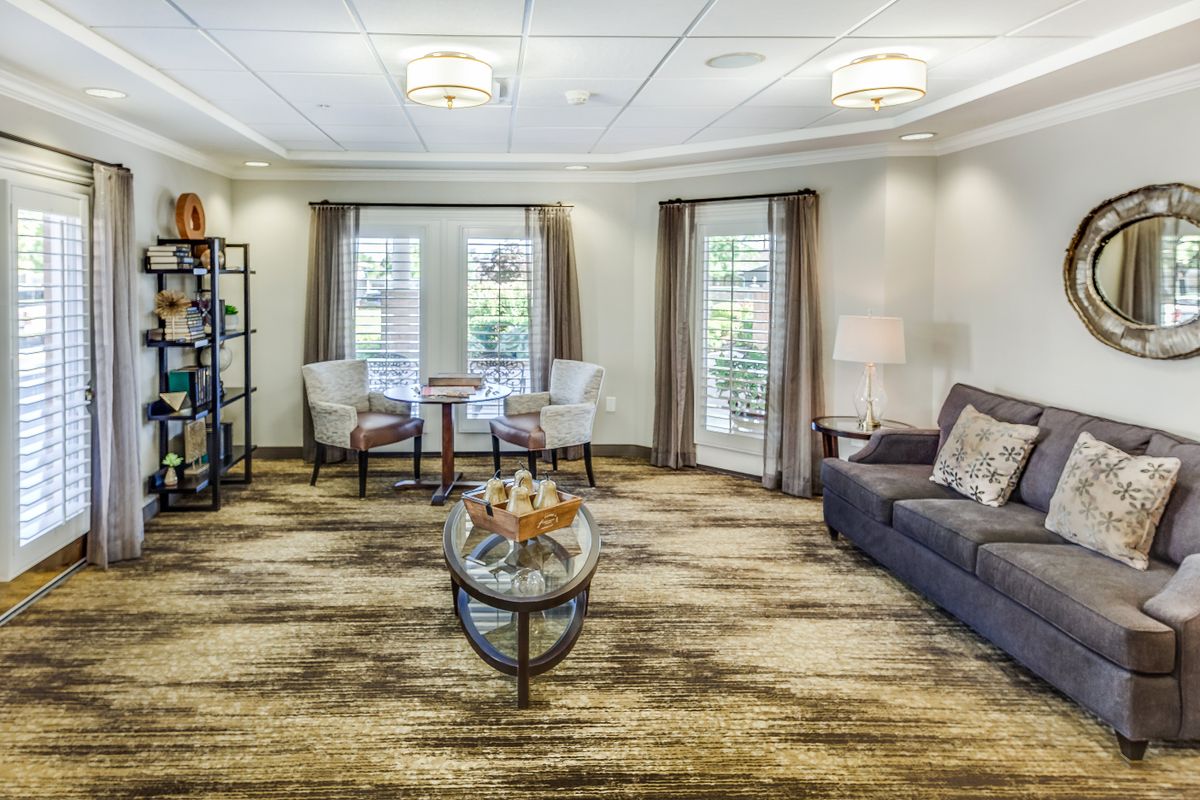
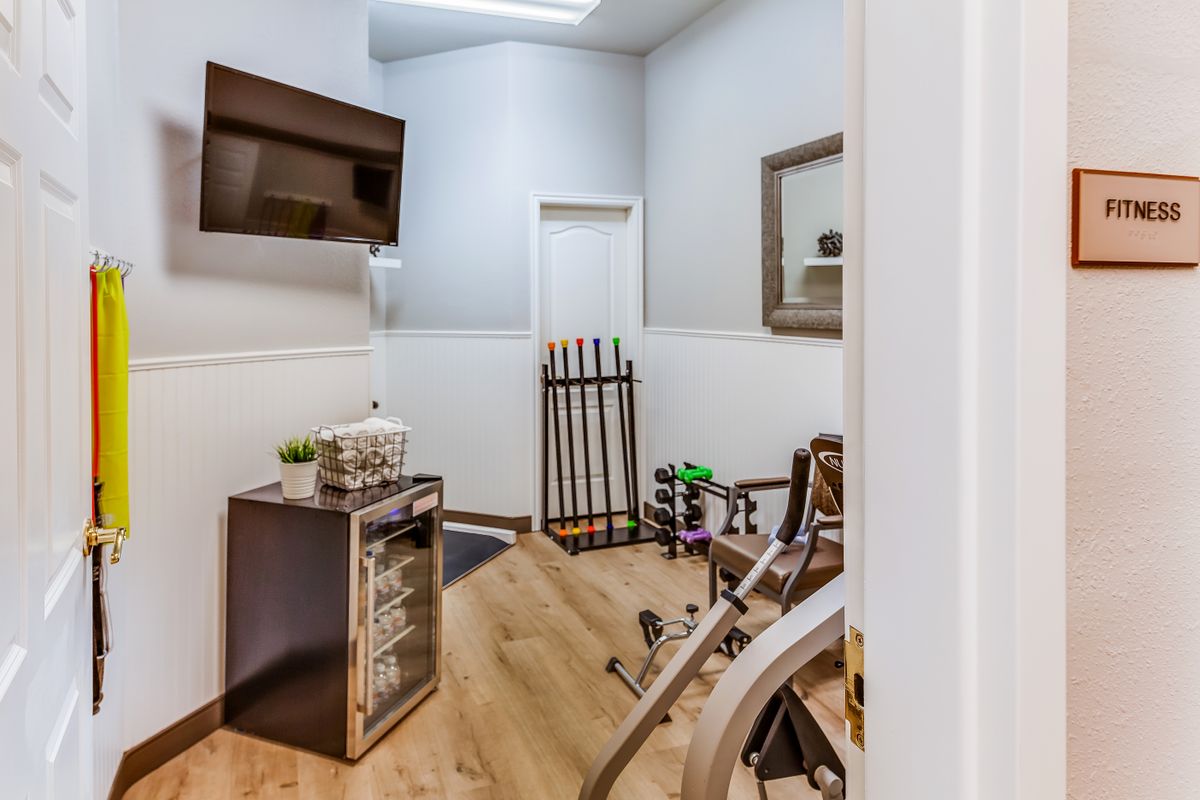
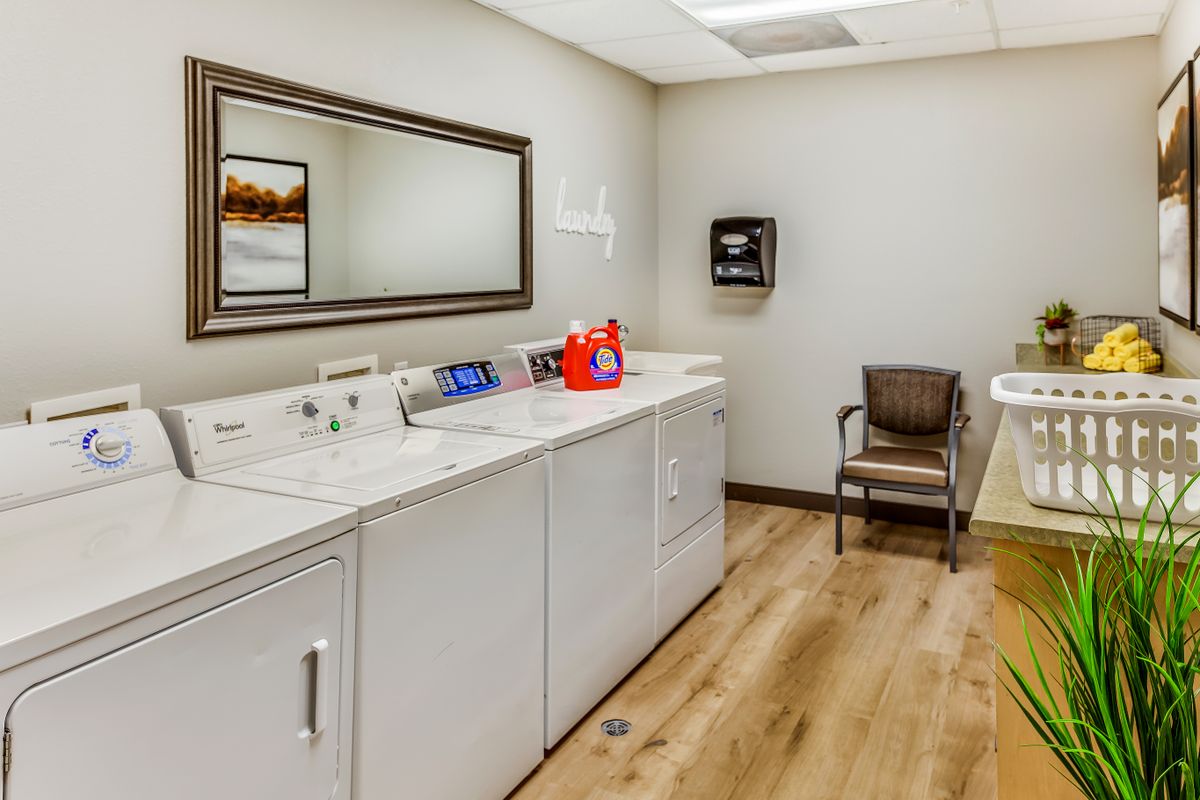
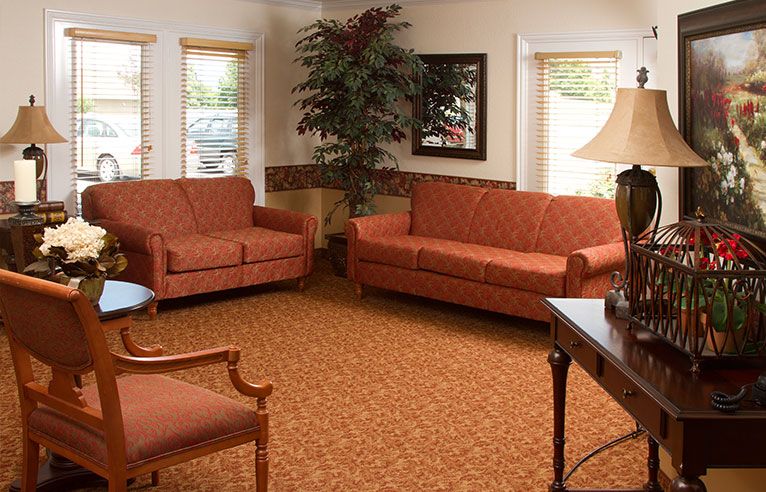
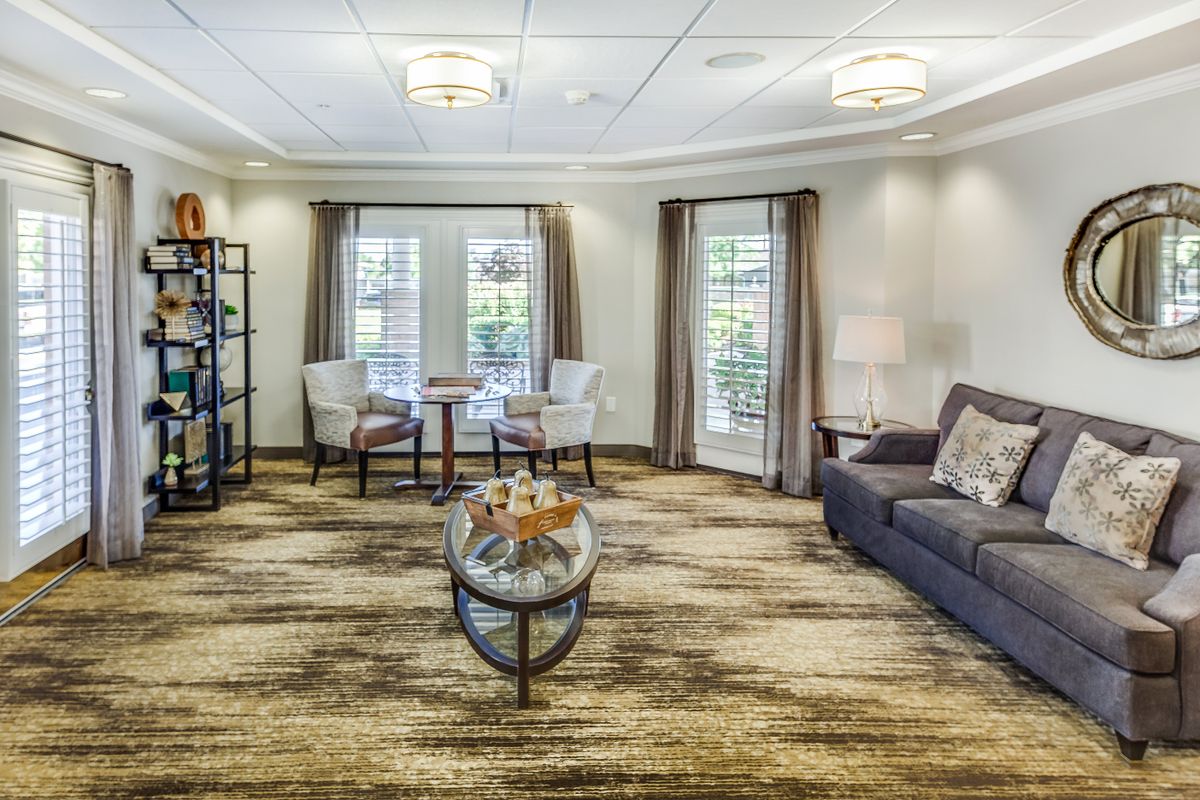
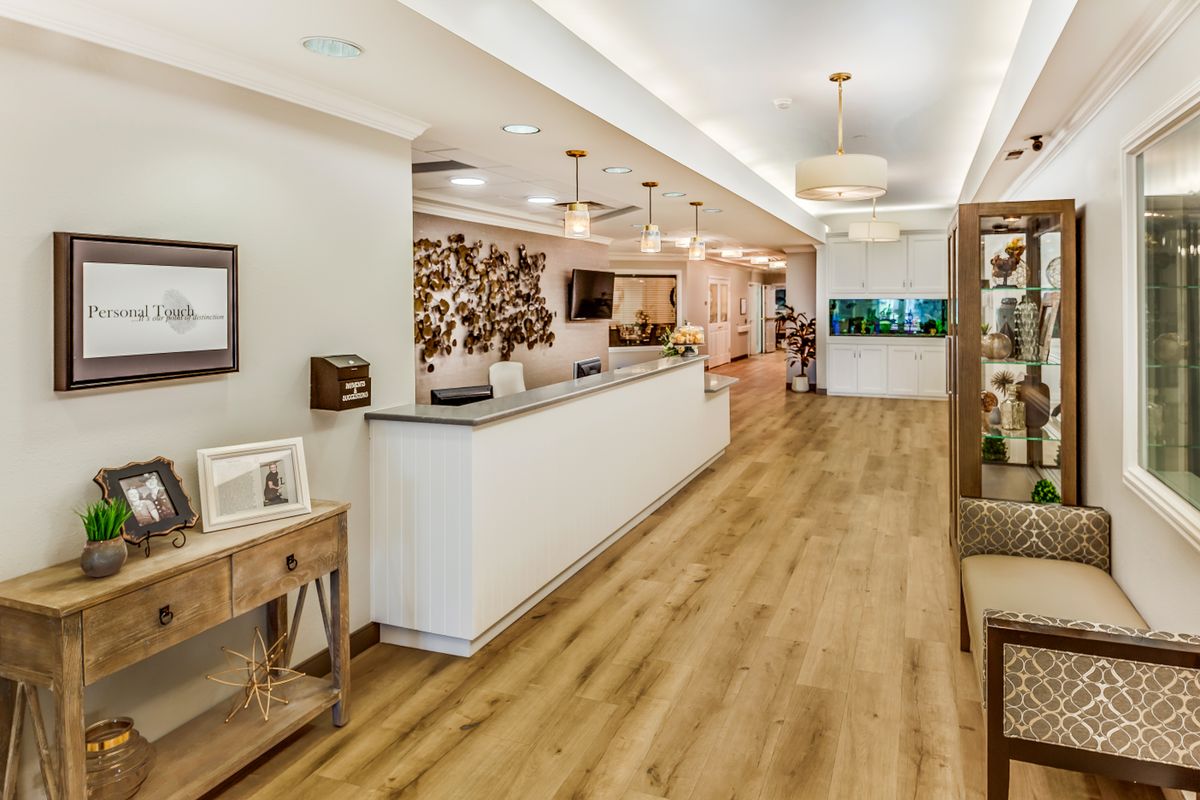
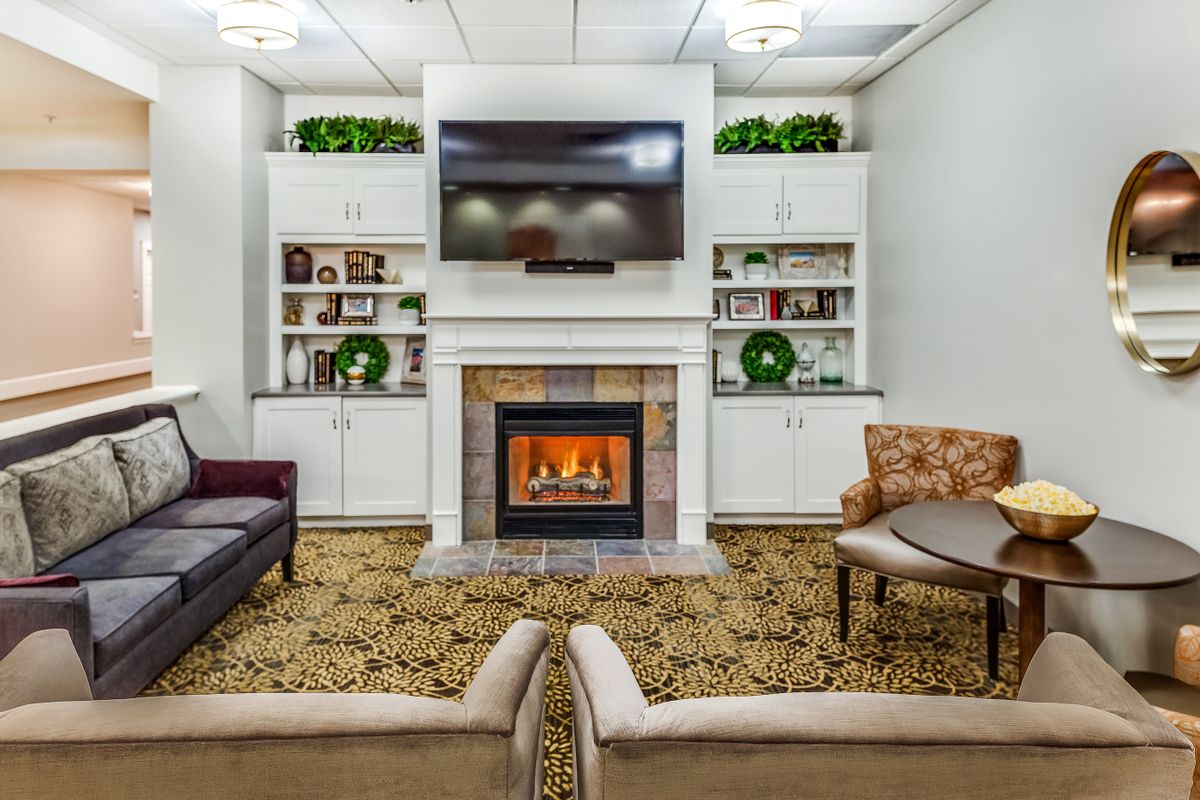
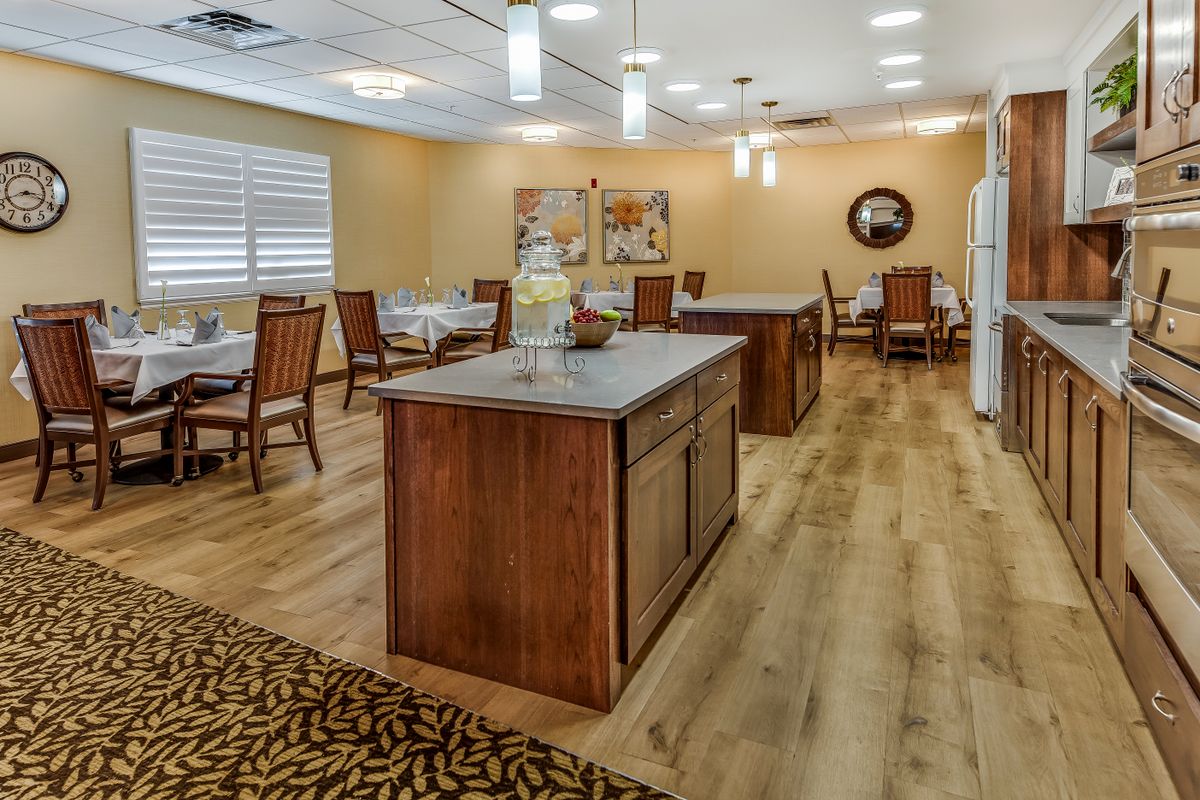
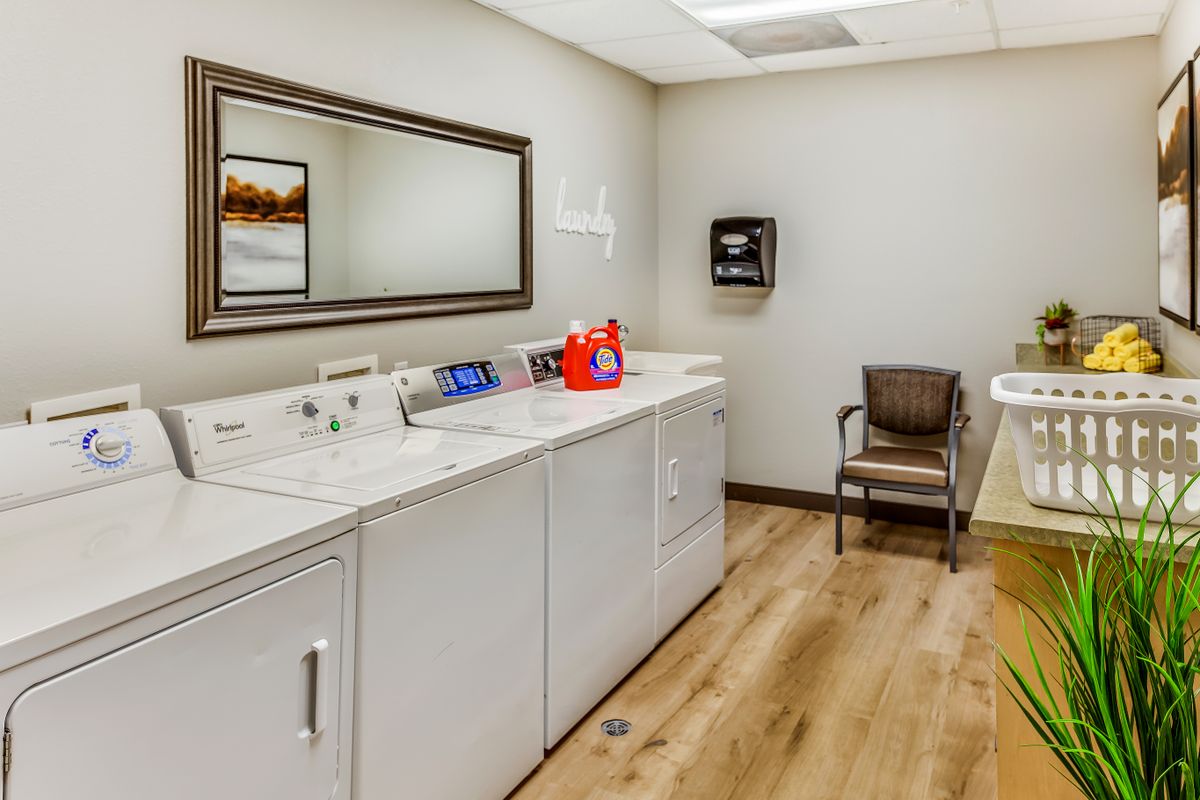
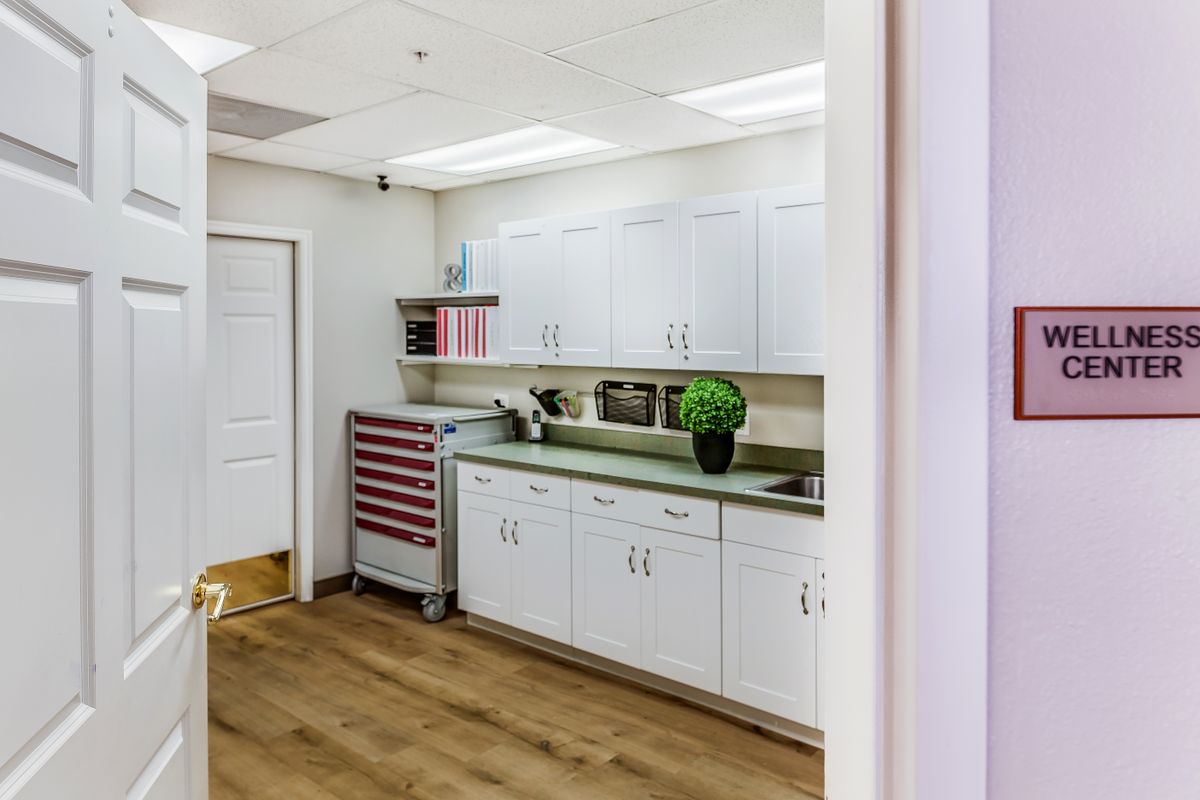
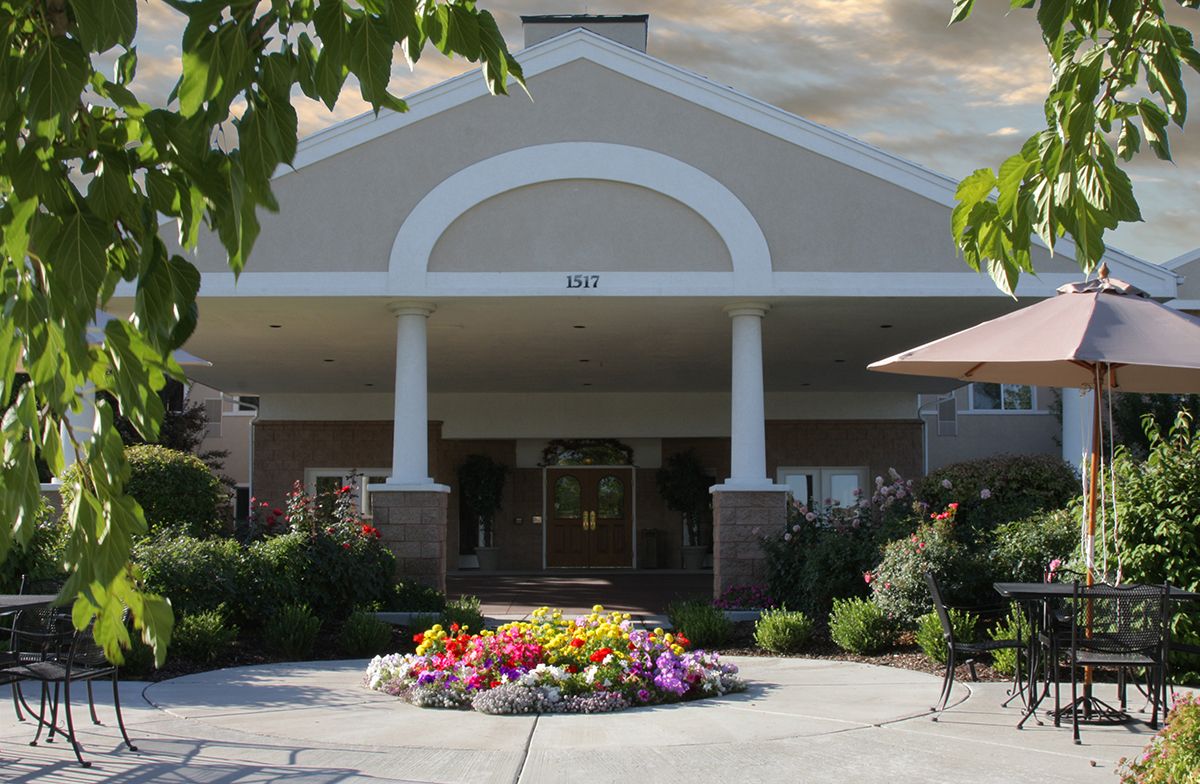
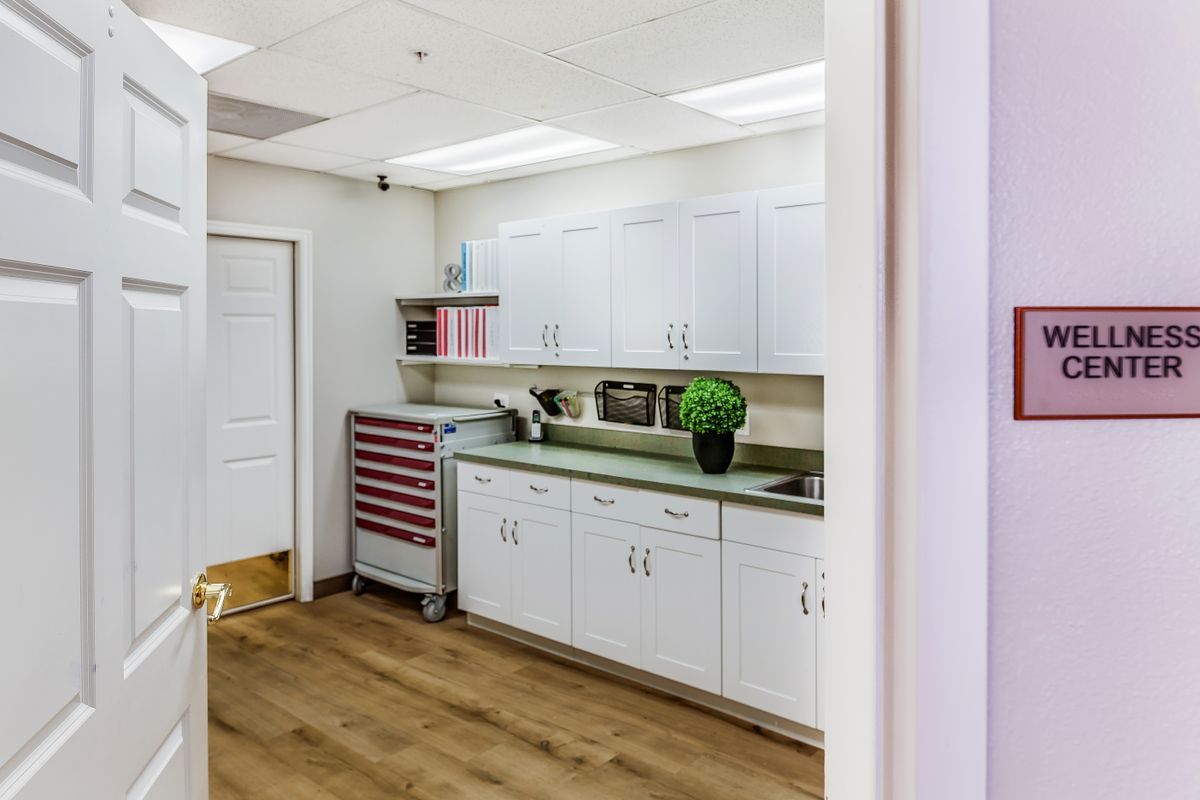
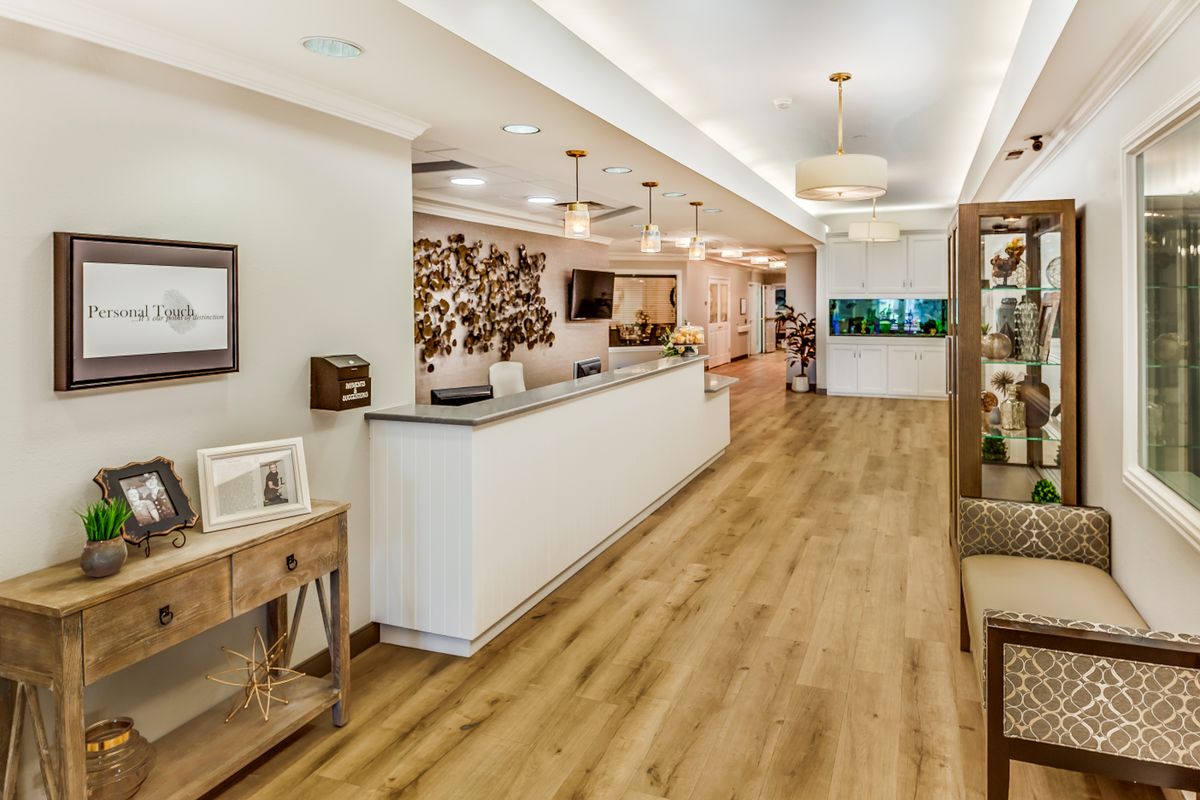
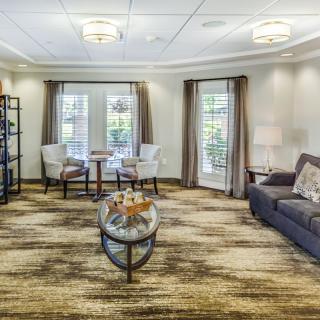
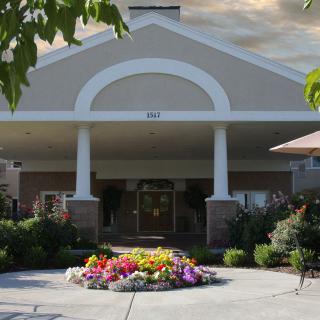
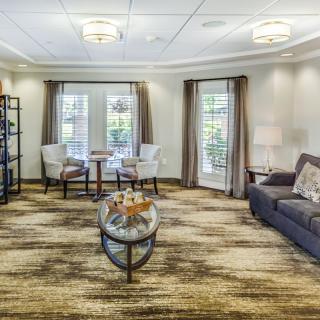
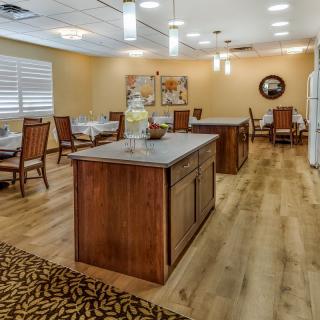
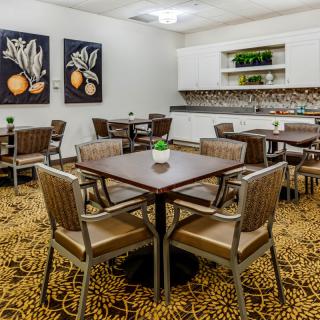
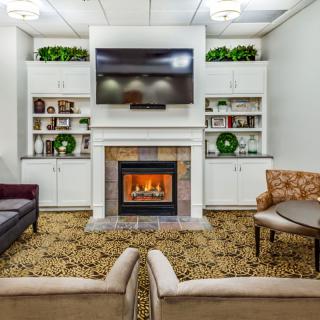
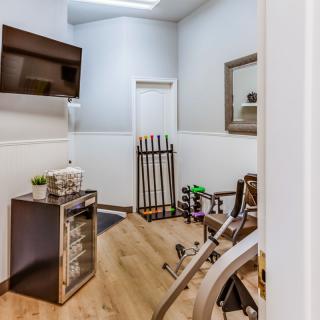
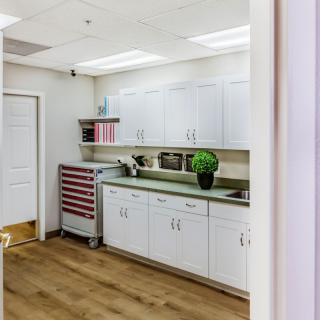
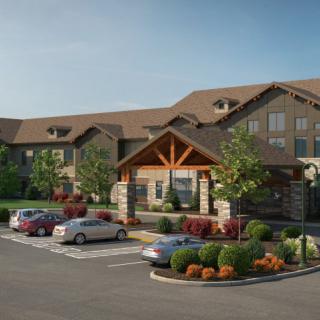
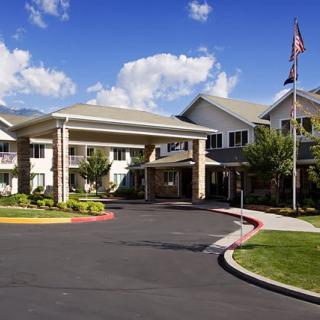
Legacy House Of South Jordan on seniors.fyi includes 28 photos including images showing interior, dining, decor, salon, lighting, living room, television, building, and more.
Nearby Communities
Legacy Retirement Residence
South Jordan, UT
4.8 from 41 reviews
$2,495 to $3,800 / month
Strong sense of community with caring staff and clean, well-maintained spaces.
Legacy House Assisted Living of South Jordan
South Jordan, UT
4.7 from 55 reviews
$3,600 to $5,100 / month
Family-like atmosphere with attentive, communicative staff.
Legacy Retirement South Jordan
South Jordan, UT
Extensive amenities and full-service care (24/7 call system, transportation, medication management).
Stonehenge Of South Jordan
South Jordan, UT
4.6 from 110 reviews
Impressive lobby and private rooms with caring staff in some experiences.
The Lodge At Jordan River
South Jordan, UT
3.9 from 29 reviews
Caring staff with improved management creating a warm, clean, value-focused environment.
A Caring Hand Home Care
South Jordan, UT
4.1 from 10 reviews
Well-connected location with nearby parks, pharmacies, physicians, hospital, dining, worship, and entertainment.
South Jordan View Retirement Community
South Jordan, UT
4.7 from 70 reviews
$3,581 to $5,079 / month
Warm, welcoming community with attentive staff, engaging activities, and convenient on-site amenities.
Copper Creek Senior Living
South Jordan, UT
4.7 from 146 reviews
$3,599 to $4,099 / month
Friendly, welcoming staff in a clean, well-maintained community with engaging activities.
Solstice Senior Living at Sandy
Sandy, UT
4.4 from 203 reviews
$2,105 to $3,195 / month
Clean facility with friendly staff and engaging activities.
The guide outlines the complexities of Medicaid coverage for assisted living, highlighting significant state-to-state variations, limited coverage often restricted to personal care services, and the existence of specialized waivers for certain needs like memory care. It advises families to consult local Medicaid offices for options while emphasizing the importance of understanding state-specific regulations and facility policies.
Medicaid coverage for assisted living varies by state and is primarily available to low-income individuals, with eligibility dependent on strict income and asset limits. Some states offer HCBS waivers for specific services in assisted living, but families must generally cover room and board costs, and should verify facility acceptance of Medicaid while considering potential waiting lists.
Medicaid waivers for assisted living services provide vital support for seniors and individuals with disabilities in need of long-term care, with varying state-specific eligibility criteria and benefits. These waivers cover personal care and case management but often do not fully cover room and board, leading to waiting lists for many applicants.
Get PricingAsk A QuestionSchedule A TourContact Senior Advisor
By clicking submit, you agree to our Partner's Terms of Use. You
also consent to receive calls and texts, which may be autodialed, from our Partner. Your consent is not a condition to
using our Partner's service. Please visit our Partner's Privacy Policy for information about their privacy practices.







 87 resident community capacity
 Assisted Living
 Memory Care
 Air-conditioning
 Beauty salon
 Cable or satellite TV
 Computer center
 Dining room
 Fitness room
 Fully furnished
 Gaming room
 Garden
 Housekeeping services
 Kitchenette
 Located close to restaurants
 Located close to shopping centers
 Move-in coordination
 Outdoor patio
 Outdoor space
 Private bathrooms
 Restaurant-style dining
 Small library
 Telephone
 Wellness center
 Wi-Fi/high-speed internet available
 Salt Lake City International (16 miles away)
 Community operated transportation
 12-16 hour nursing
 24-hour call system
 Activities of daily living assistance
 Assistance with bathing
 Assistance with dressing
 Assistance with transfers
 Diabetes diet
 Hospice waiver
 Medication management
 Mental wellness program
 Special dietary restrictions
 Transportation arrangement (medical)
 Concierge services
 Planned day trips
 Strong sense of community with caring staff and clean, well-maintained spaces.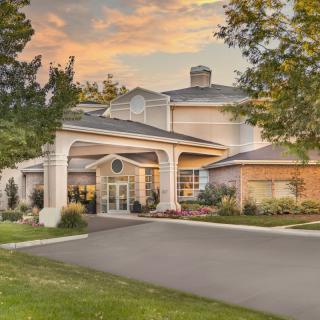


 Understanding Medicaid Coverage for Assisted Living: A Comprehensive Guide
 How and When Medicaid May Cover Assisted Living Costs
 A Detailed Exploration of Assisted Living Medicaid Waivers Across the United States