Atria Kew Gardens offers a range of monthly costs that reflect its premium location and the extensive amenities provided. For a semi-private room, residents can expect to pay $4,795, which is notably higher than the Queens County average of $3,901 and the state average of $4,389. This trend continues with one-bedroom units priced at $5,595, surpassing both county and state averages. The two-bedroom option is set at $8,195, again exceeding local norms significantly. Even the studio apartments command a monthly fee of $10,495 - considerably above the county's $4,515 and the state's $4,532 rates. These figures position Atria Kew Gardens as a premium choice for prospective residents seeking an enriched living experience in New York.
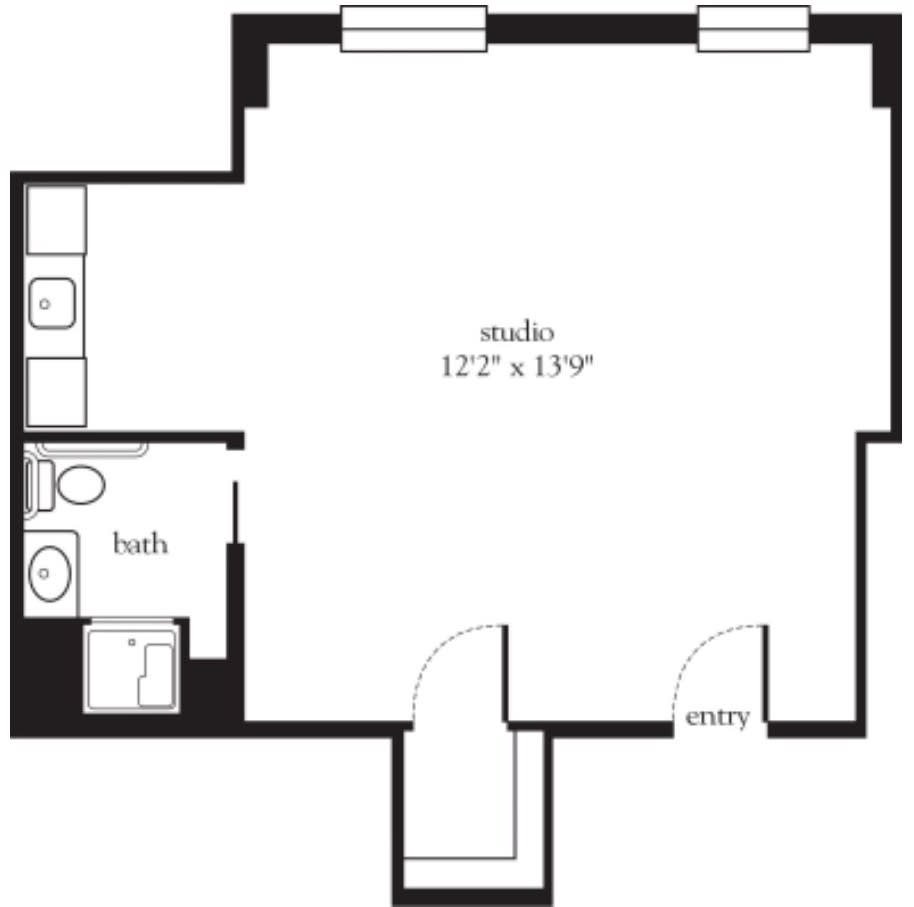
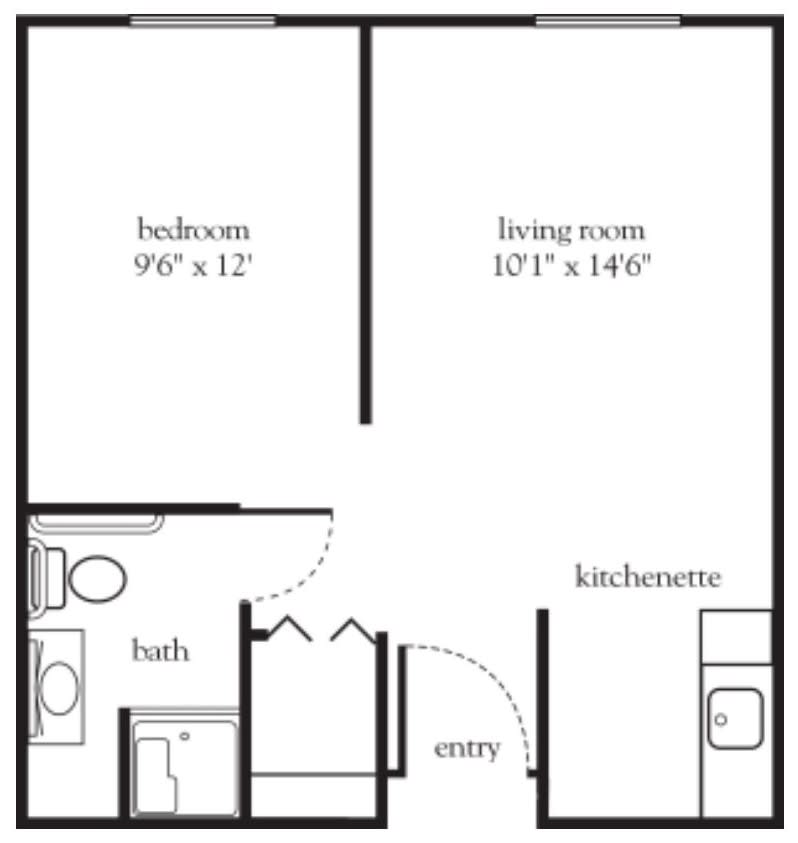
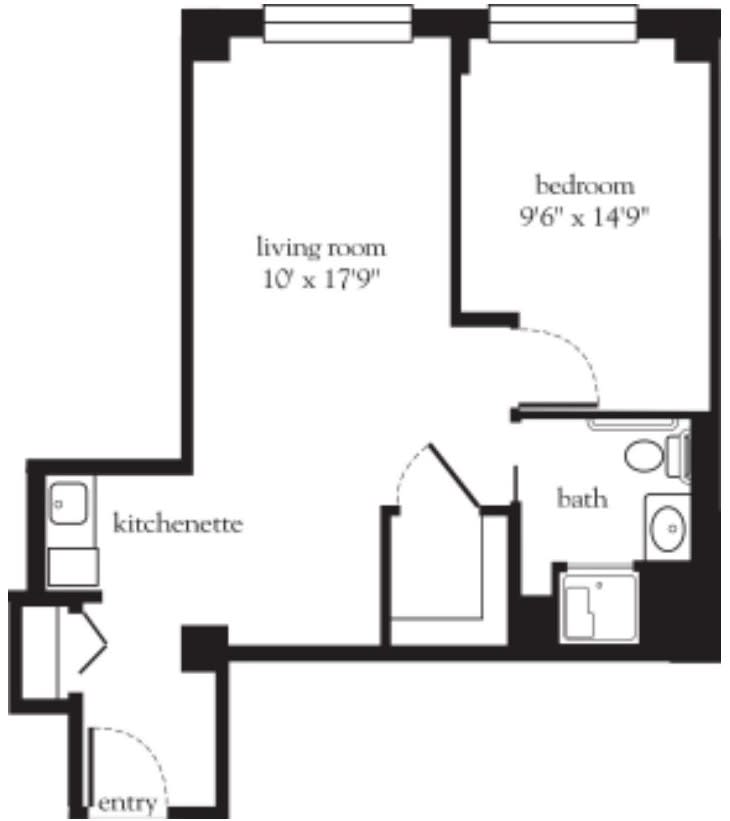
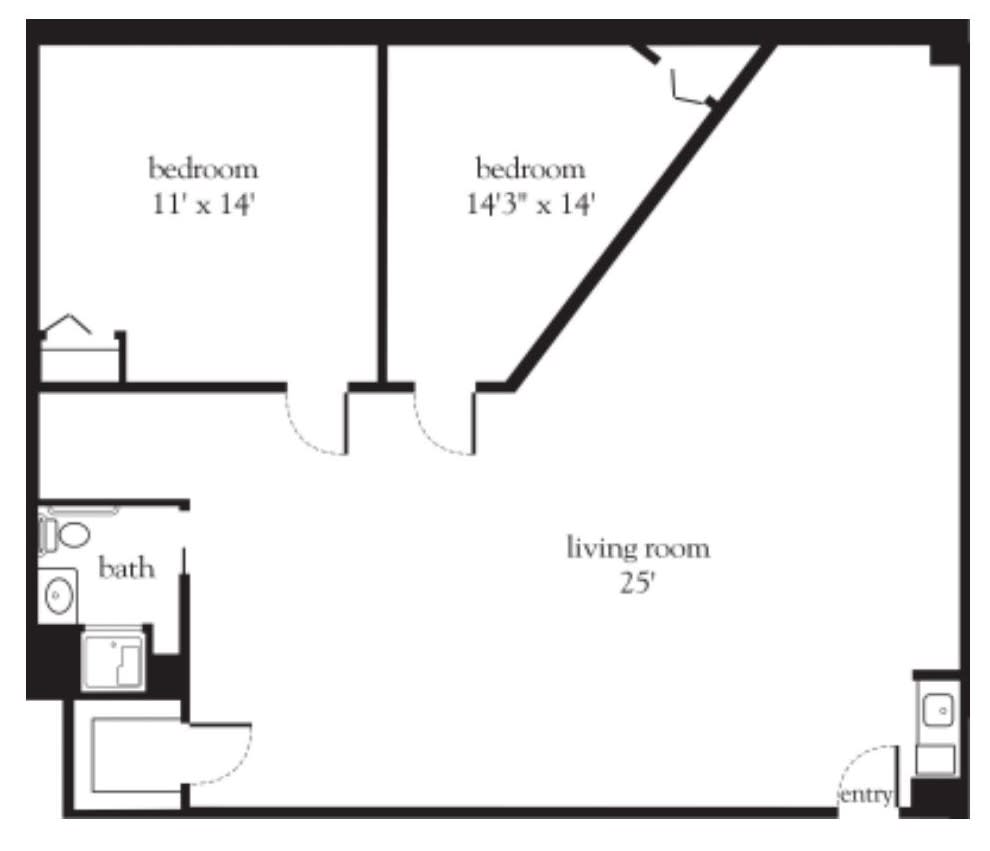
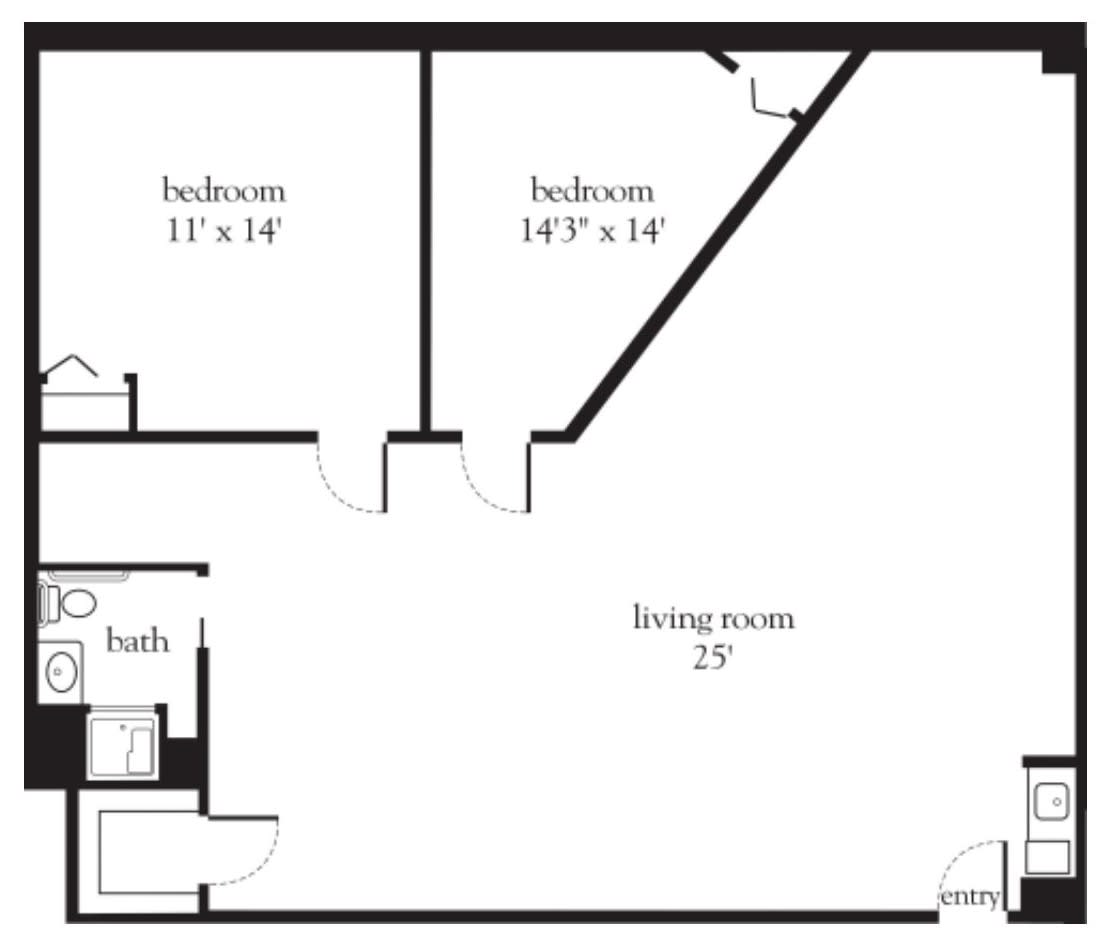
Floor plans
Atria Kew Gardens
Queens County
New York
Semi-Private
$4,795
$3,901
$4,389
1 Bedroom
$5,595
$4,673
$4,307
2 Bedrooms
$8,195
$5,153
$4,786
Studio
$10,495
$4,515
$4,532
Assisted Living communities with a similar price nearby
Residents and families repeatedly describe attentive, compassionate staff support.
Across many reviews, families highlight staff compassion, patience, and responsiveness, including help with transitions into the community and ongoing check-ins after move-in. Several reviews specifically mention communication with family and the reassurance it provides, especially during stressful periods like dementia progression or relocation. A few reviewers also describe staff as warm and welcoming day to day, while the most critical reviews focus on breakdowns in dementia care and safety rather than day-to-day friendliness.
common28 reviews mention this
Activities keep residents engaged
The community offers a steady mix of on-site activities and programs.
Many residents and families describe an active schedule with frequent social events, classes, and community-sponsored programming. Reviews mention that activities are available even for people who don’t participate in everything, and that the activities help residents stay connected and engaged. The review set also includes a small number of complaints that activities or outings were limited at certain times or didn’t meet expectations, particularly for memory care programming.
common26 reviews mention this
Dining quality and kosher options
Dining is a frequent point of praise, including kosher meals and restaurant-style service.
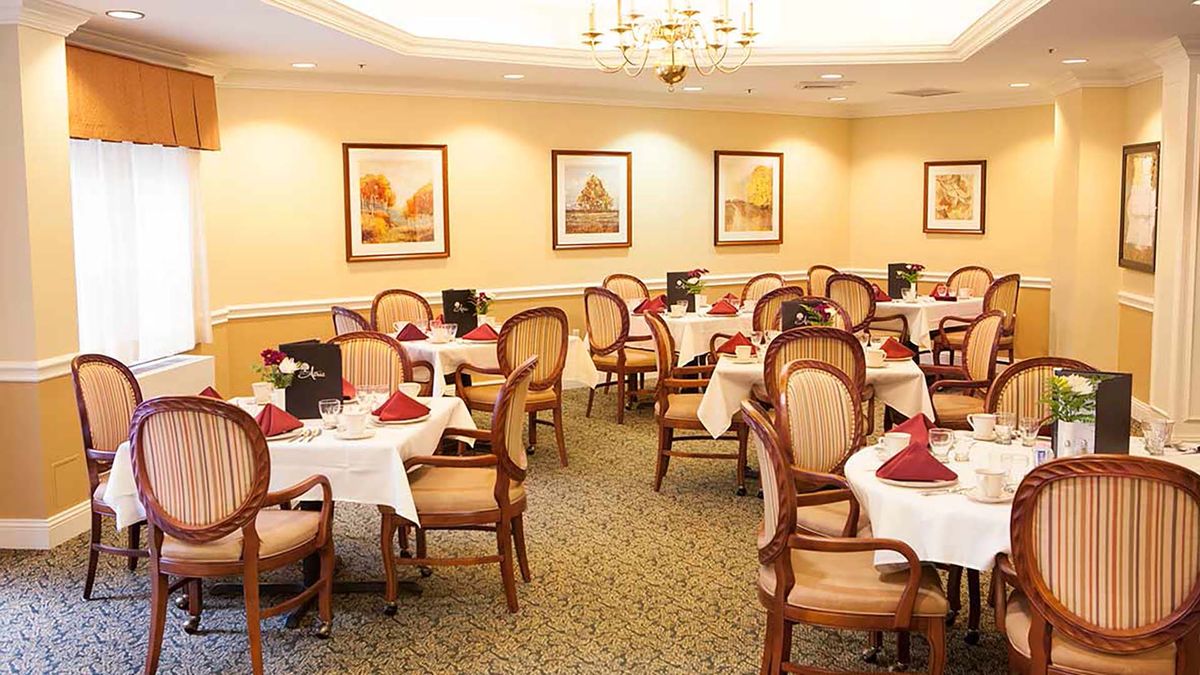
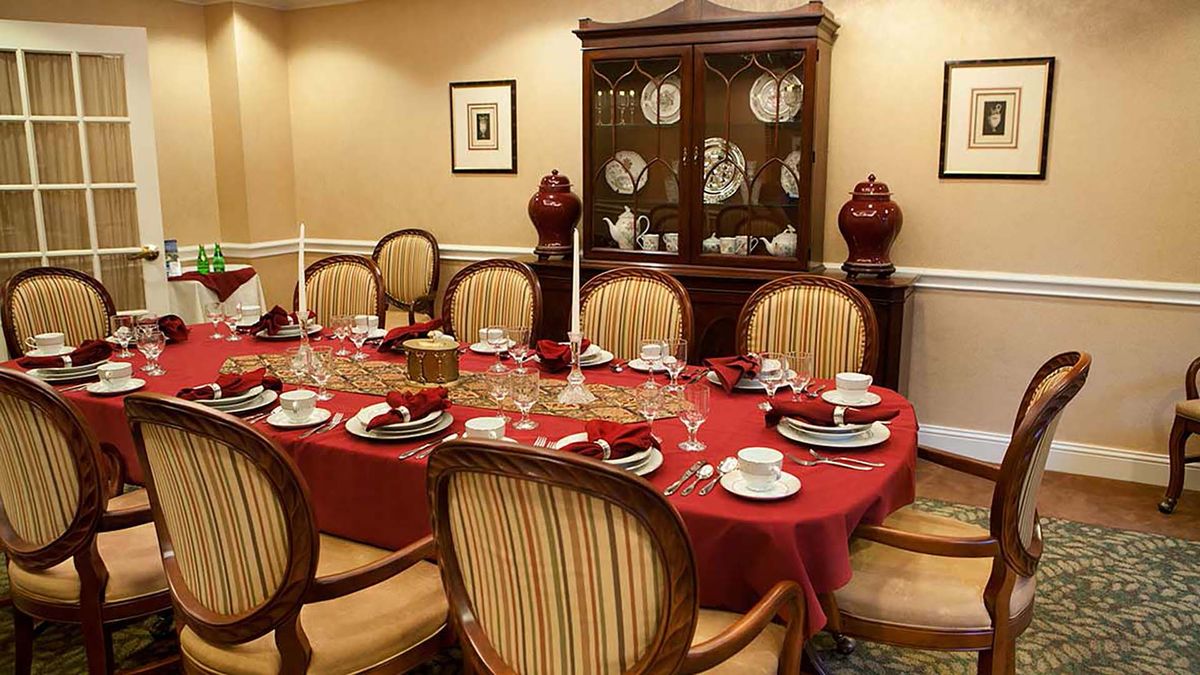
Food shows up often as a positive, with residents and visitors describing meals as tasty, timely, and served in a dining-room setting. Multiple reviews also connect dining to specific dietary needs, and at least one review calls out kosher across the community. A smaller set of comments question food quality or nutrition fit, and a few dietary-specific requests are mentioned as not being fully accommodated.
common34 reviews mention this
Clean, comfortable spaces
Reviews repeatedly describe clean, well-maintained apartments and common areas.
A recurring theme is that the building feels clean and maintained, with residents and visitors describing the facility as polished and comfortable. Several reviews mention apartment comfort details and the overall look of the community, including inviting common spaces. The main caveat relates to a few memory-care-focused concerns, where reviewers raised issues about care practices and safety rather than building cleanliness.
caveat6 reviews mention this
Memory care needs stronger fit
Some memory-care reviews raise serious concerns about care and safety.
While some reviewers praise memory-care staff as attentive and respectful, other reviews describe a mismatch for residents with higher needs, including complaints about how behavioral decline and safety issues are handled. A few critical reviews cite medication or supervision concerns and describe delayed attention after incidents. One reviewer also notes that memory care at this community is best suited for residents who are physically mobile, which may limit fit for some families.
caveat18 reviews mention this
Pricing is often called out
Multiple reviewers describe the cost as high and not always transparent.
Pricing comes up repeatedly as a concern, with reviewers describing the community as expensive and questioning value for what’s provided. Some reviews mention feeling rushed during decision-making or that costs weren’t explained clearly upfront, including references to additional fees. The pricing range is broad across apartment types, and at least one review ties affordability limits directly to whether the community can be sustained long term.
How we summarize
Counts show how many written reviews mention each theme; a review can touch several themes, and only frequently mentioned themes are displayed.
Features
Housing
175 resident community capacity
1-bedroom apartments
2-bedroom apartments
Studio apartments
Types of Care
Assisted Living
Independent Living
Memory Care
Skilled Nursing Facility
Pets
Cats allowed
Dogs allowed
Amenities
Activities on-site
Air-conditioning
Beautician on-site
Beauty salon
Cable or satellite TV
Computer center
Devotional services off-site
Devotional services on-site
Dining room
Fitness room
Full kitchen
Fully furnished
Gaming room
Garden
Guasts at mealtime
Housekeeping services
Indoor common areas
Kitchenette
Laundry
Move-in coordination
Outdoor common areas
Outdoor space
Private bathrooms
Resident parking
Respite or short term stays offered
Restaurant-style dining
Small library
Telephone
VA Benefits Consultation
Wellness center
Wi-Fi/high-speed internet available
Transportation
John F Kennedy International (5 miles away)
LaGuardia (5 miles away)
Newark International (18 miles away)
Community operated transportation
Transportation & parking
Transportation arrangement
Transportation arrangement (non-medical)
Care Services
12-16 hour nursing
24-hour call system
24-hour supervision
Activities of daily living assistance
Ambulatory care
Assistance with bathing
Assistance with dressing
Assistance with transfers
Coordination with health care providers
Dementia waiver
Diabetes diet
Hospice waiver
Incontinence care
Meal preparation and service
Medication management
Mental wellness program
Mild cognitive impairment
Physical therapy
Special dietary restrictions
Specialized memory care programming
Transportation arrangement (medical)
Transportation to doctors appointments
Walking wheelchair assistance
Dining
Diabetes diet
Kosher
Low / no sodium
Meals provided
Professional chef
Room service
Special dietary restrictions
Activities
Activities off-site
Activities on-site
Community-sponsored activities
Concierge services
Devotional activities offsite
Devotional activities on-site
Fitness programs
Jewish services
Planned day trips
Religious services
Resident-run activities
Scheduled daily activities
Languages Spoken
English
Hebrew
Spanish
Nearby Places of Interest
The neighborhood of Kew Gardens, New York, offers a variety of amenities suitable for senior living. With several parks nearby such as Forest Park and Flushing Meadows Corona Park, residents can enjoy leisurely strolls and outdoor activities. Transportation options are conveniently located with multiple subway stations and the JFK AirTrain within a few miles. Places of worship, pharmacies, theaters, restaurants, and cafes are also easily accessible for daily needs and entertainment. In case of emergencies, Kings County Hospital Center is located within a reasonable distance. Overall, Kew Gardens provides a well-rounded community with options to accommodate seniors looking for a comfortable and convenient lifestyle.
Parks
Forest Park (0.6 miles)
Flushing Meadows Corona Park (3 miles)
Cunningham Park (3.9 miles)
Alley Pond Park (5.1 miles)
Herbert Von King Park (6 miles)
McCarren Park (6.1 miles)
Astoria Park (6.4 miles)
Transportation
MTA Subway - Briarwood (0.8 miles)
Forest Hills – 71st Avenue (1.3 miles)
LIRR - Jamaica Station (1.4 miles)
MTA - Sutphin Boulevard Subway Station (1.4 miles)
Atria Kew Gardens offers a range of monthly costs that reflect its premium location and the extensive amenities provided. For a semi-private room, residents can expect to pay $4,795, which is notably higher than the Queens County average of $3,901 and the state average of $4,389. This trend continues with one-bedroom units priced at $5,595, surpassing both county and state averages. The two-bedroom option is set at $8,195, again exceeding local norms significantly. Even the studio apartments command a monthly fee of $10,495 - considerably above the county's $4,515 and the state's $4,532 rates. These figures position Atria Kew Gardens as a premium choice for prospective residents seeking an enriched living experience in New York.
Atria Kew Gardens' comprehensive features are meticulously designed to support residents with dementia or Alzheimer's disease at all stages of their condition. The 24-hour supervision ensures a safe environment, allowing caregivers to promptly assist with activities of daily living, such as bathing and dressing, which may become challenging for residents. Assistance with transfers is crucial for preventing falls and ensuring mobility. Coordination with health care providers enhances the continuity of care, while the dementia waiver accommodates individuals' unique needs. Incontinence care and meal preparation ensure that personal hygiene and nutrition are adequately addressed, both vital for overall well-being. Medication management is essential in maintaining health stability, complemented by a mental wellness program that fosters cognitive engagement and emotional support. Physical therapy provides tailored exercises to improve mobility and strength, while specialized memory care programming offers evidence-based activities designed to stimulate memory retention and cognitive skills. Finally, transportation arrangements facilitate access to medical appointments, reinforcing Atria's commitment to holistic care that prioritizes both physical health and quality of life for its residents.
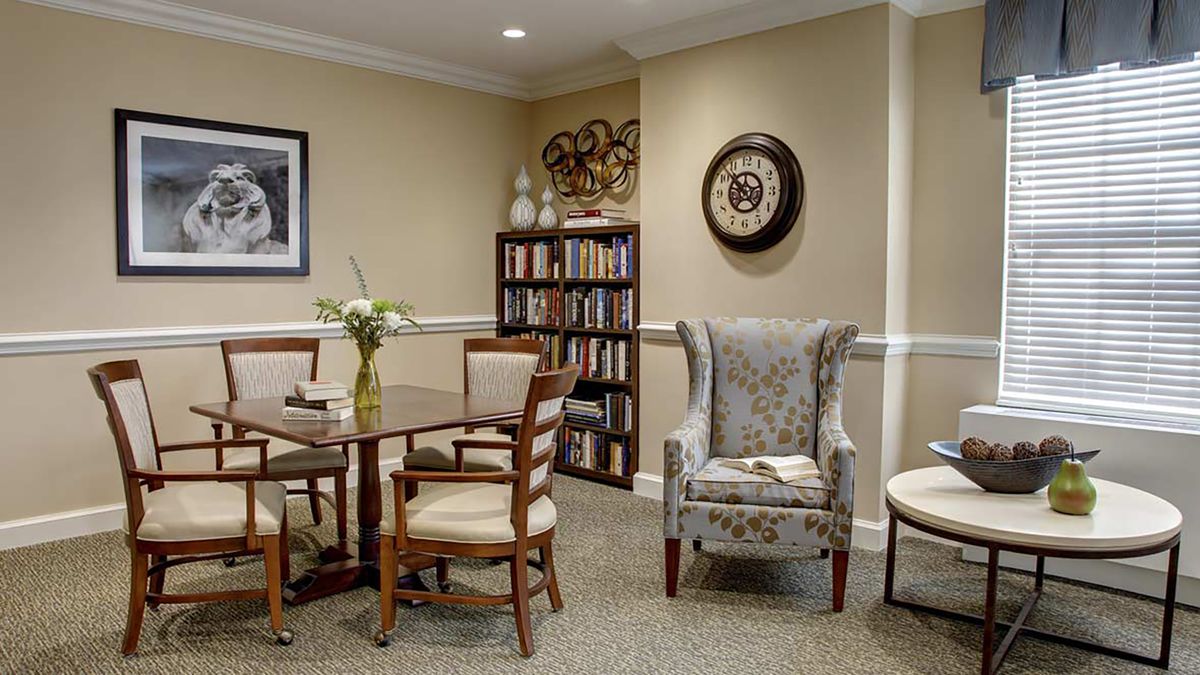
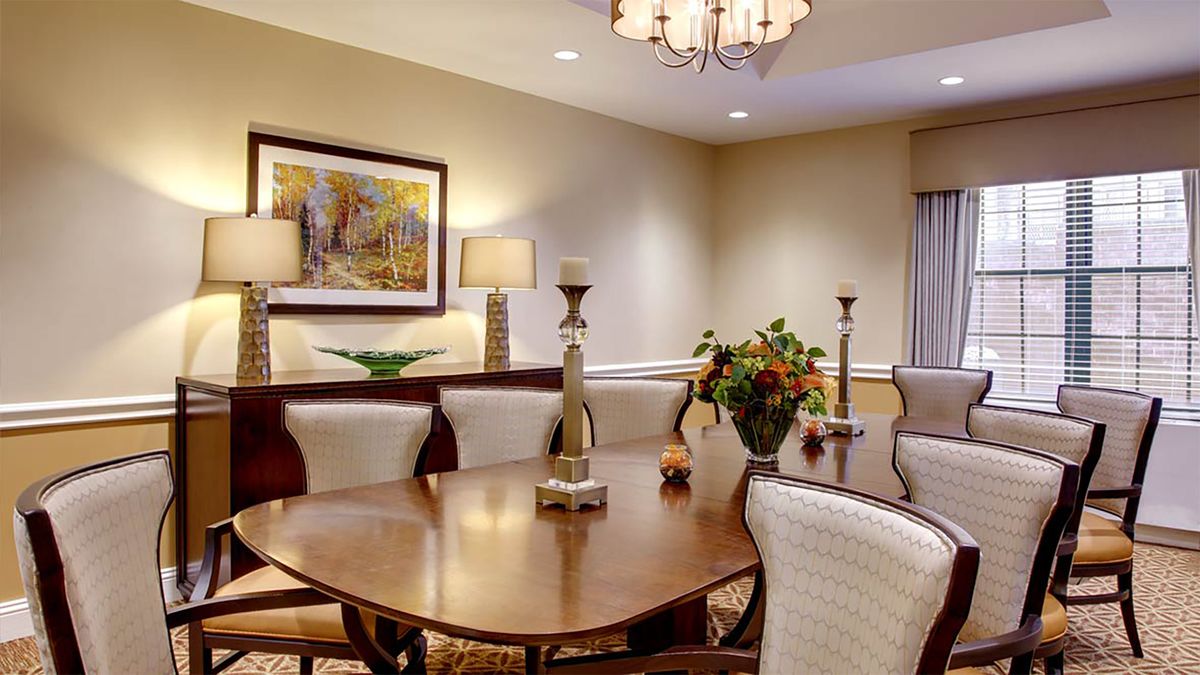
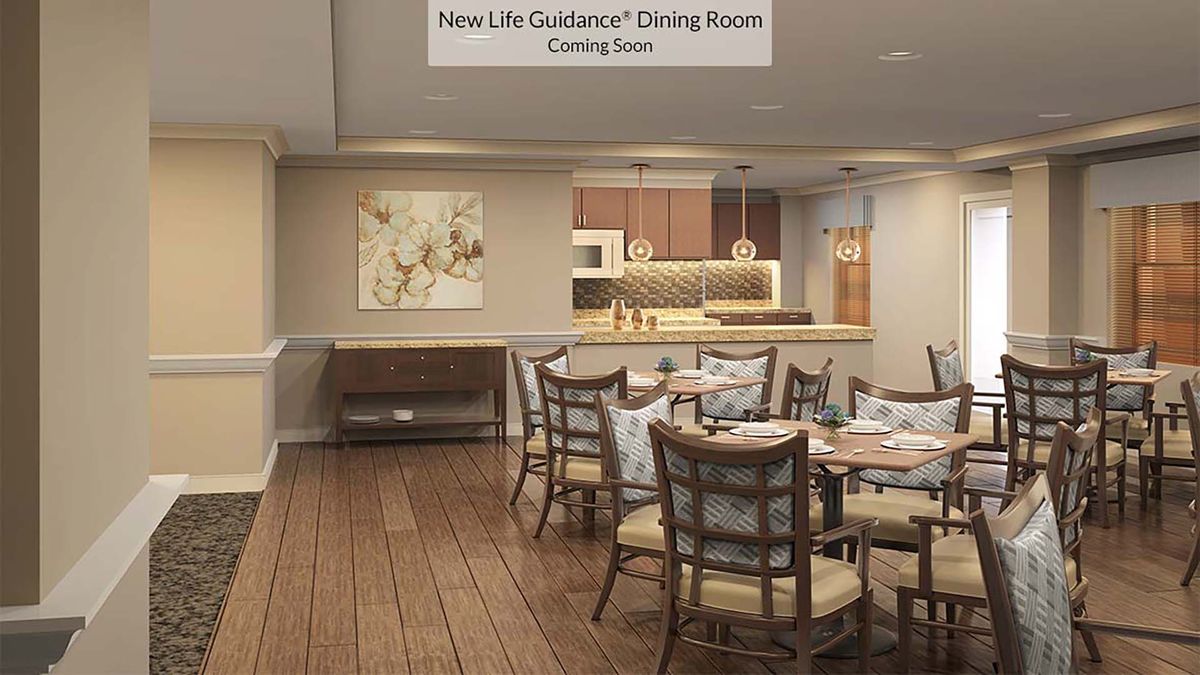
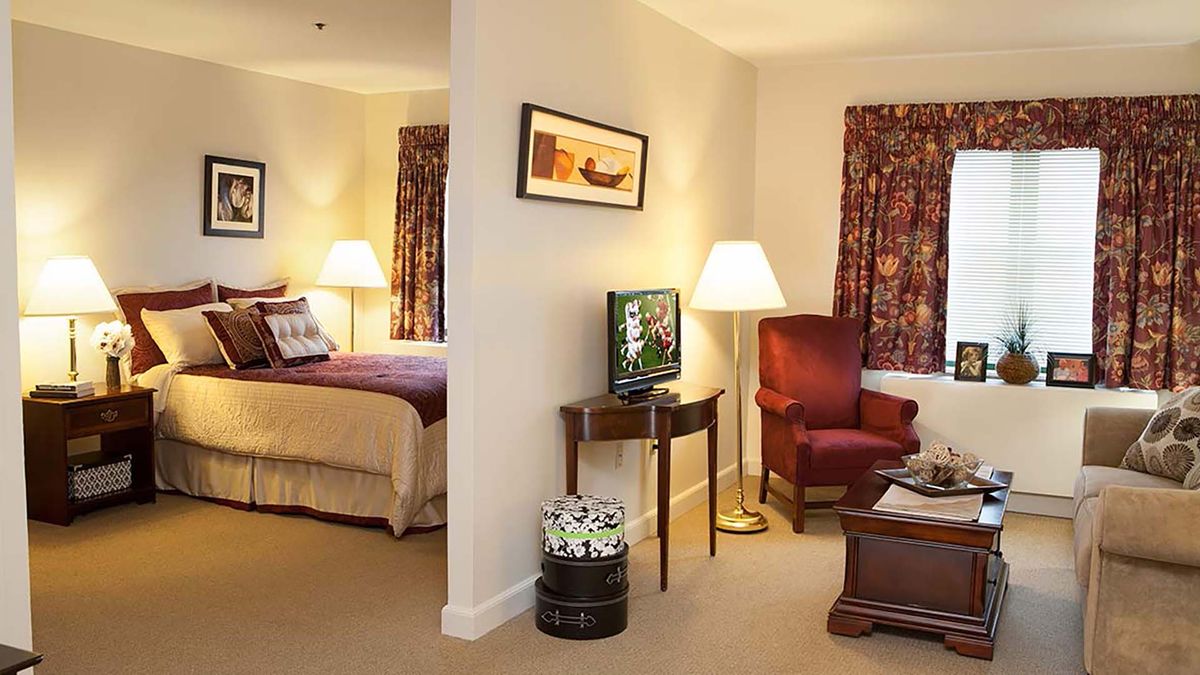
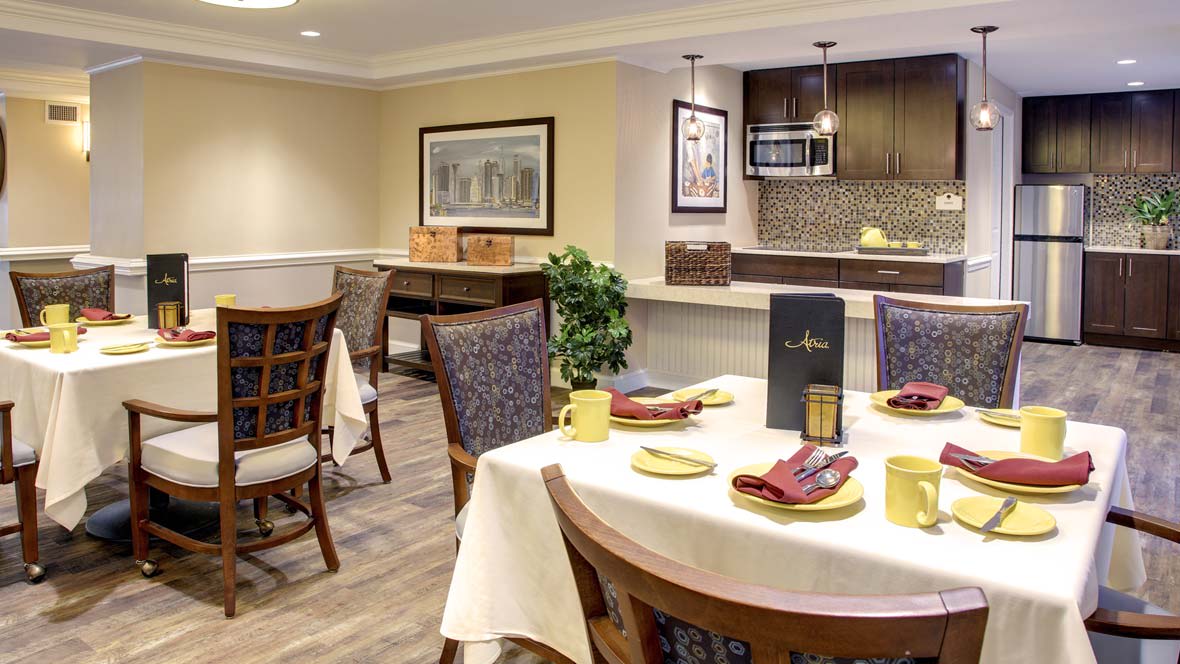
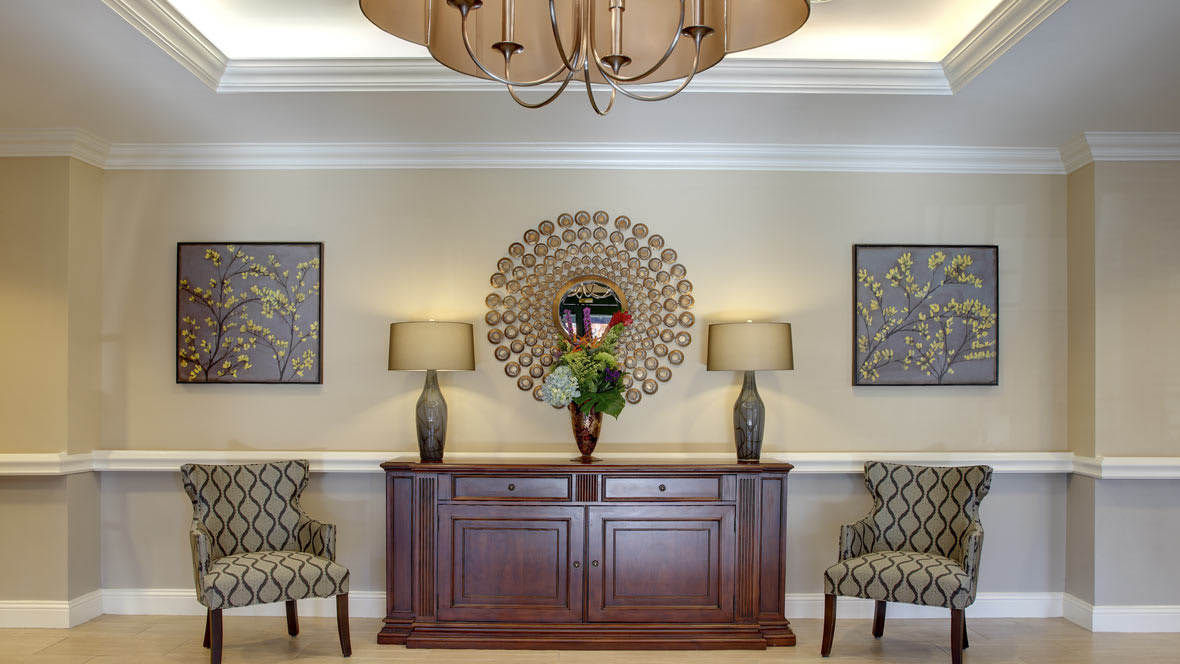
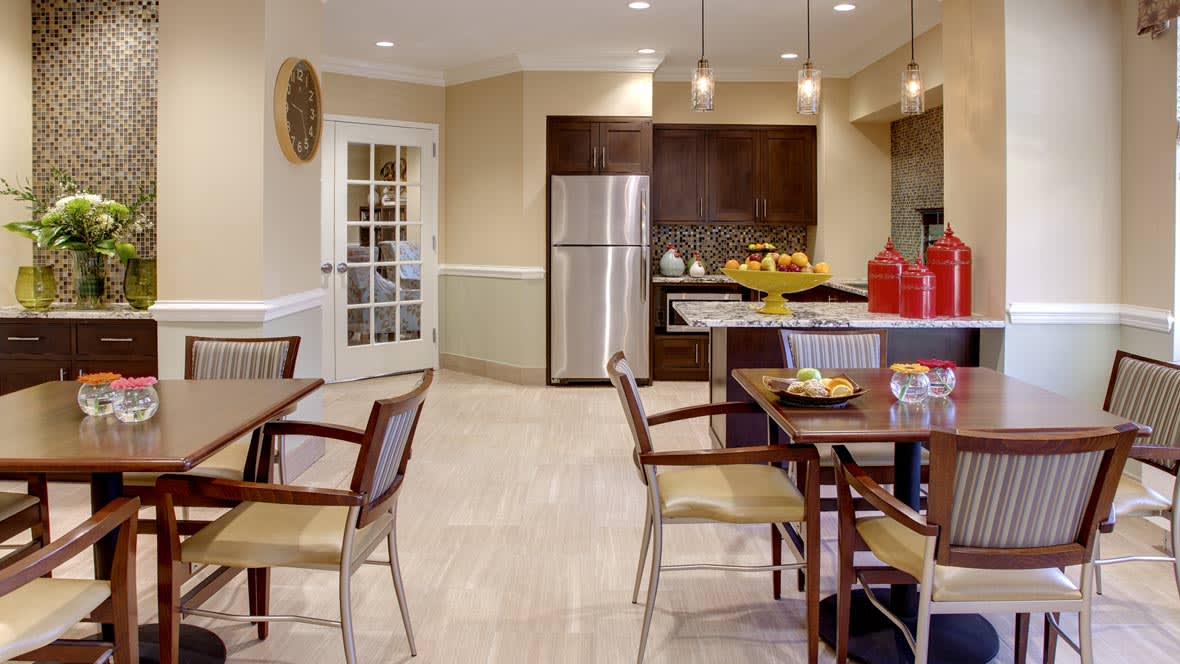
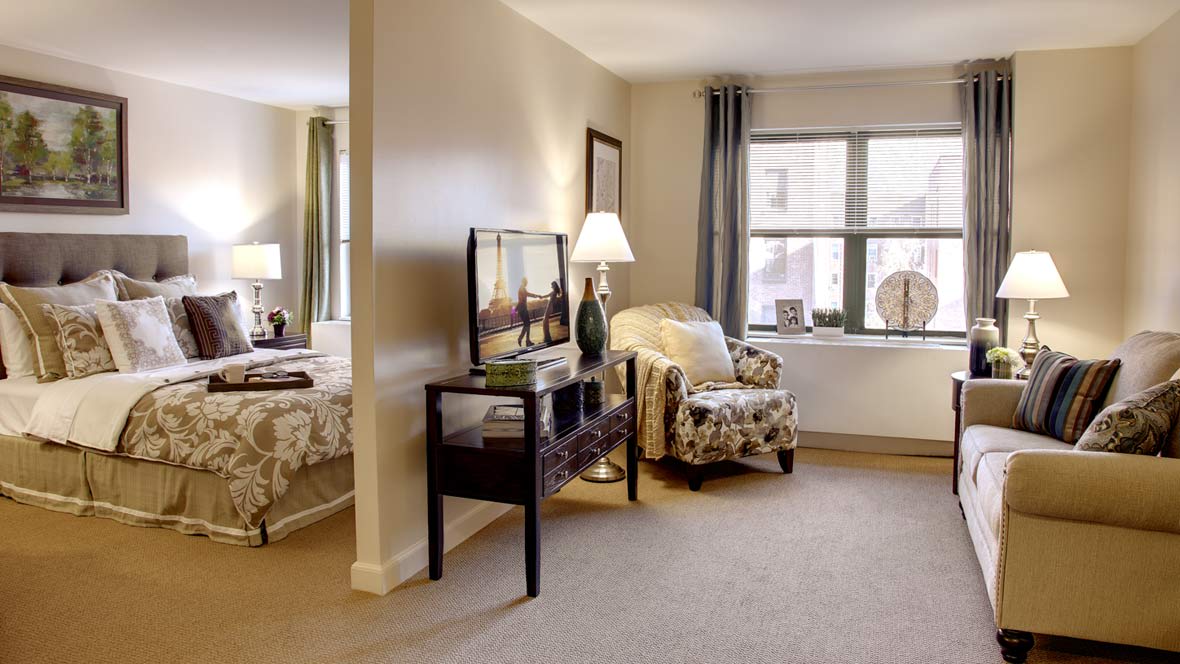
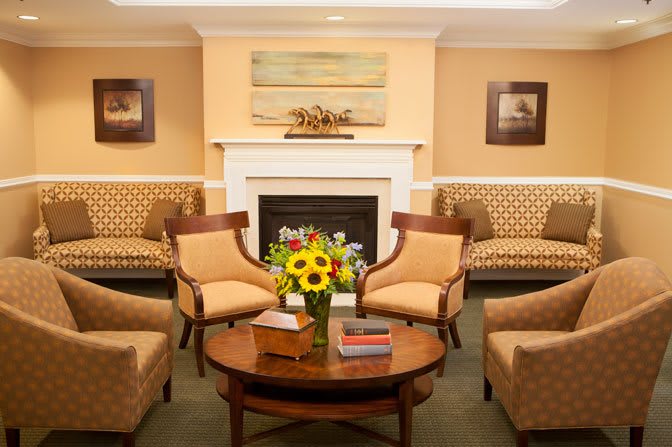
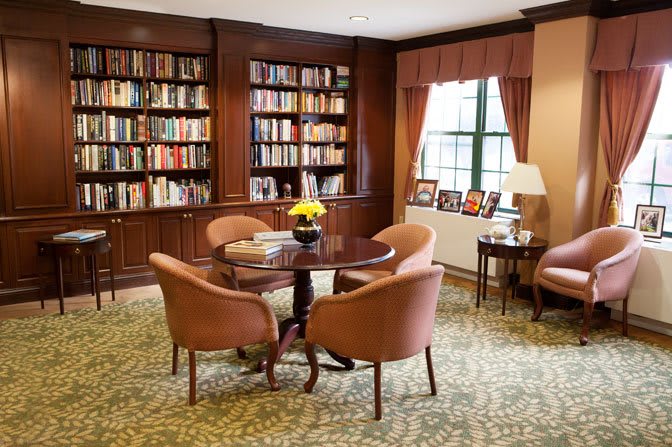
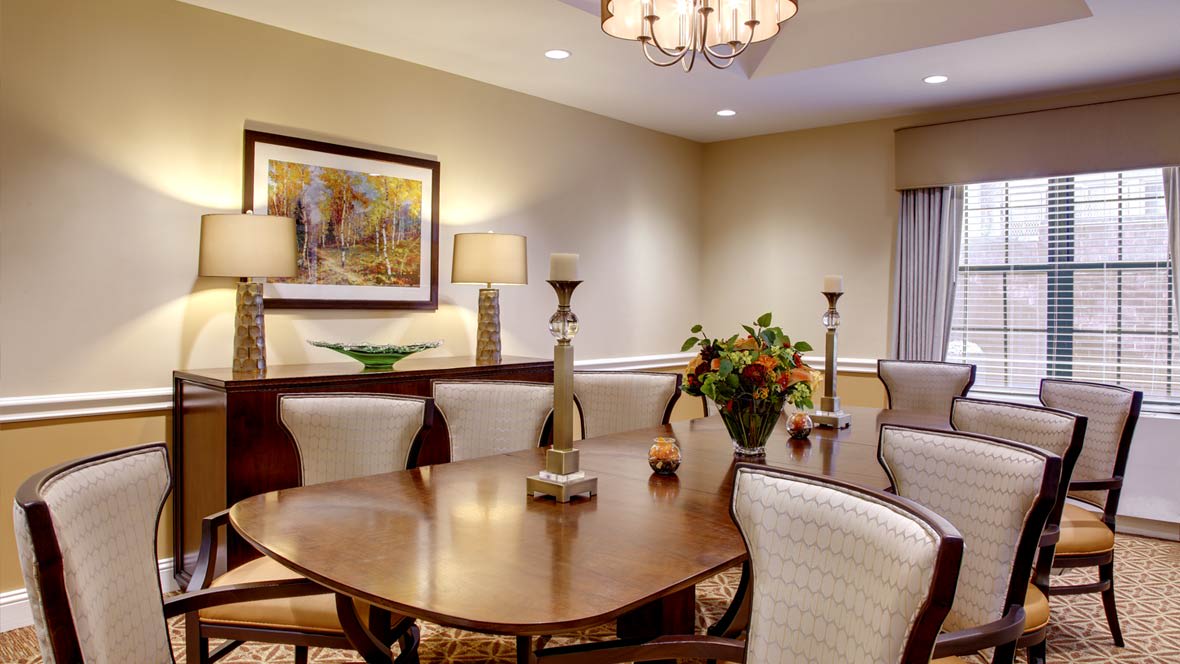
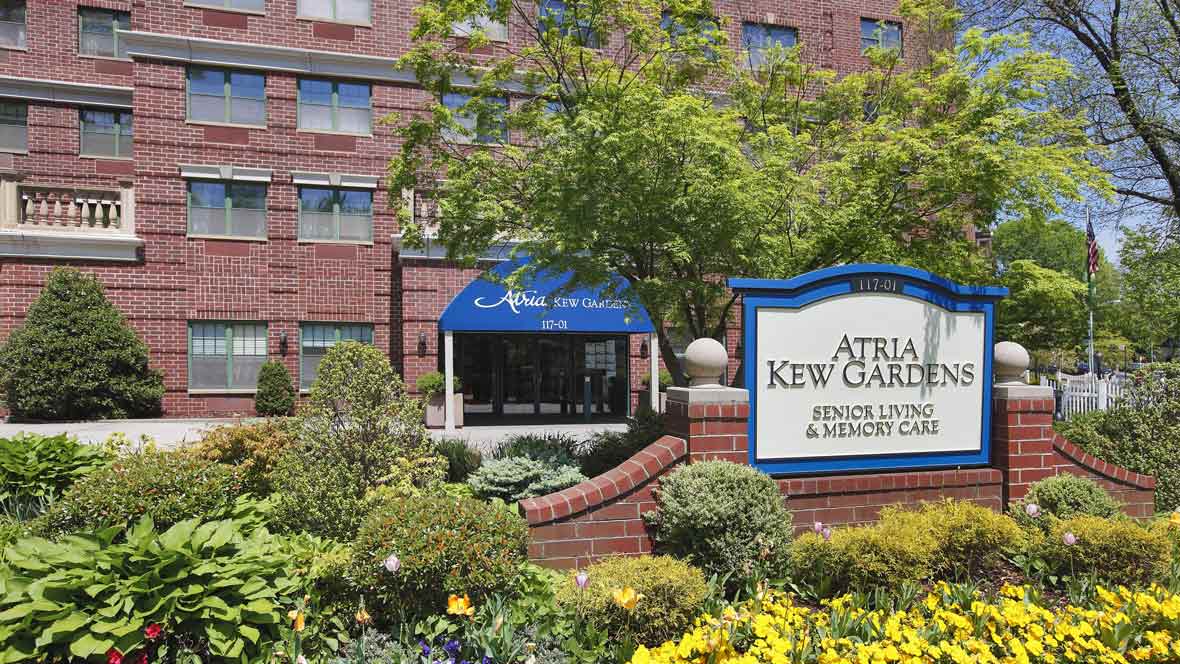
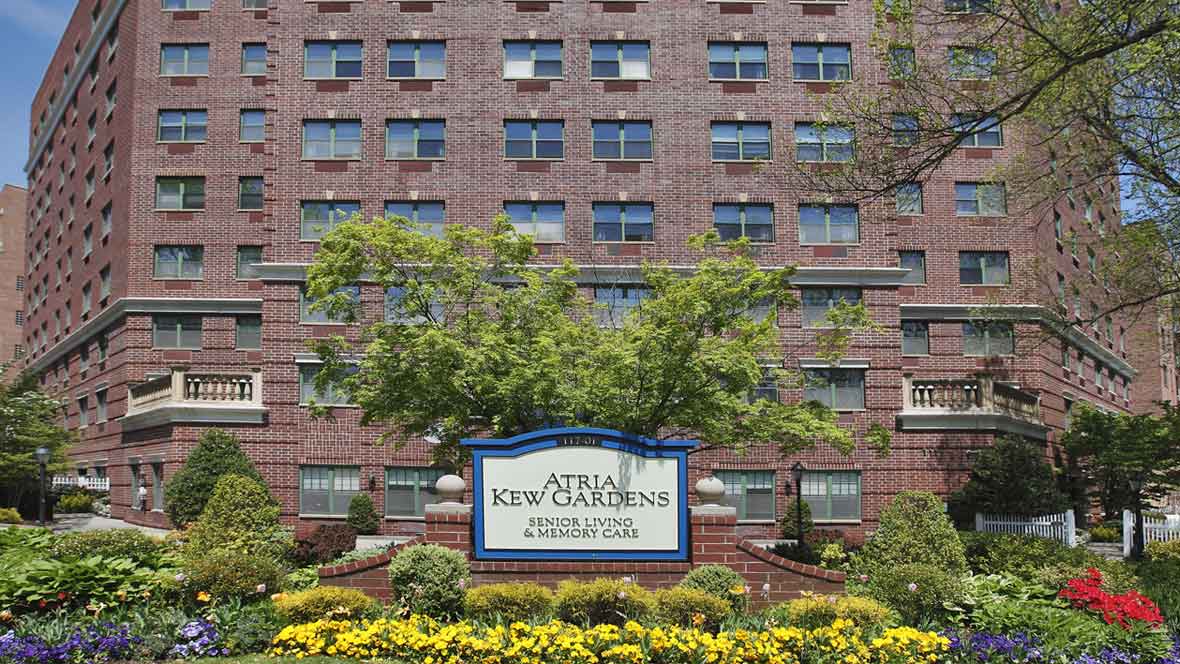
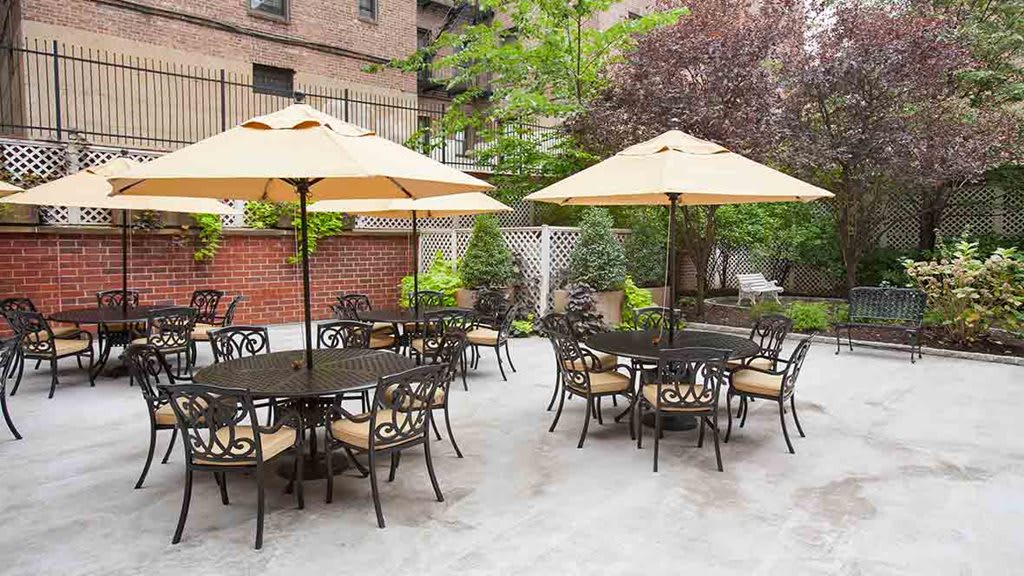
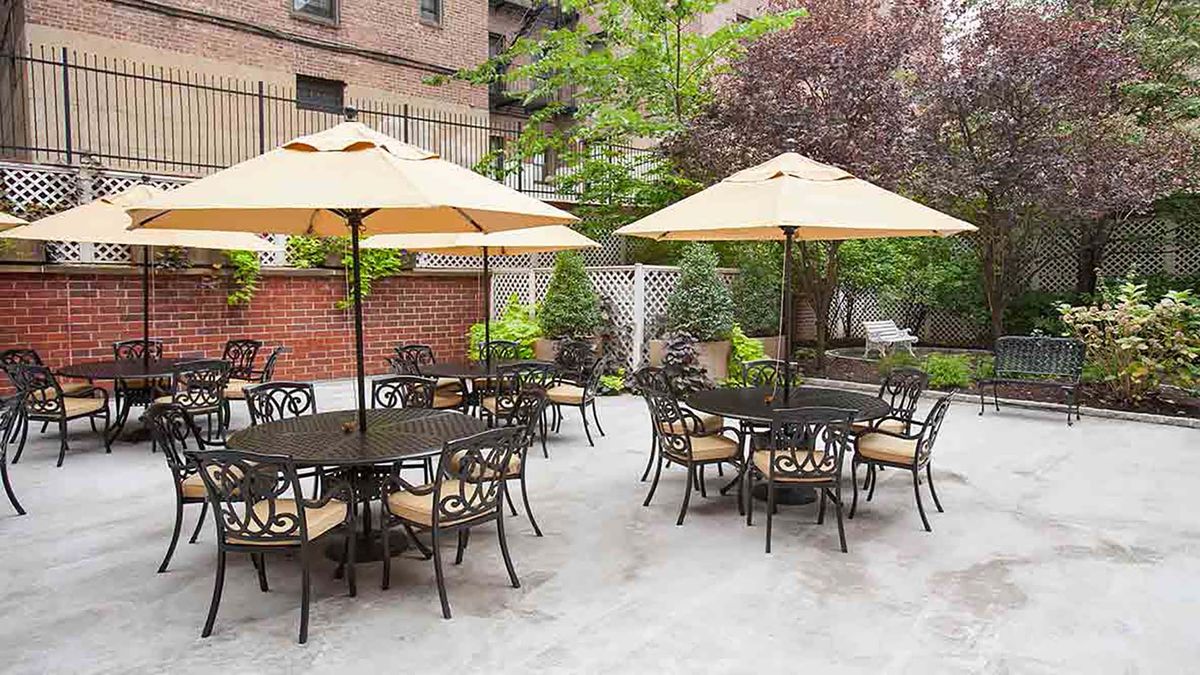
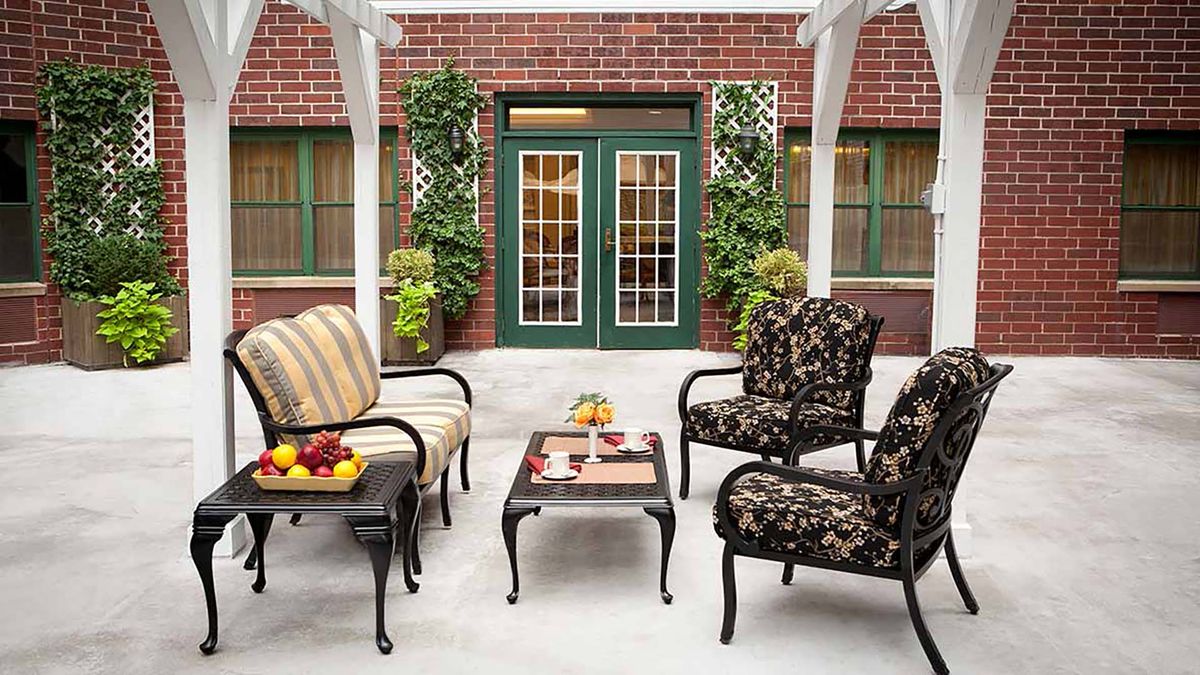
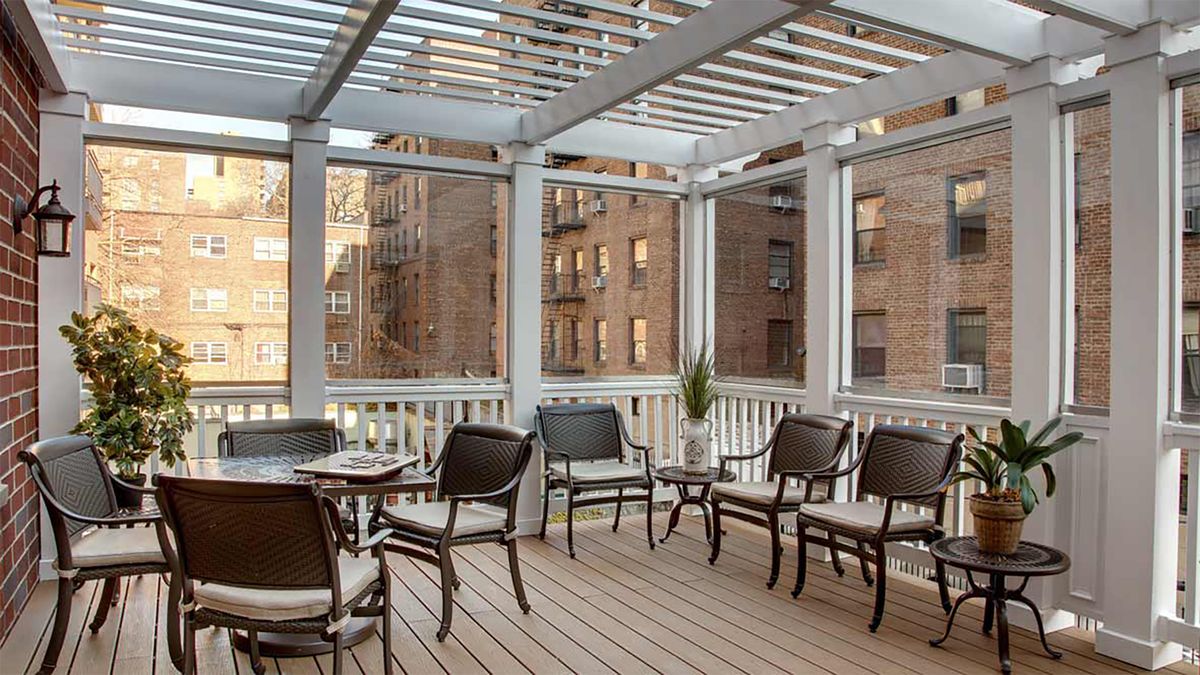
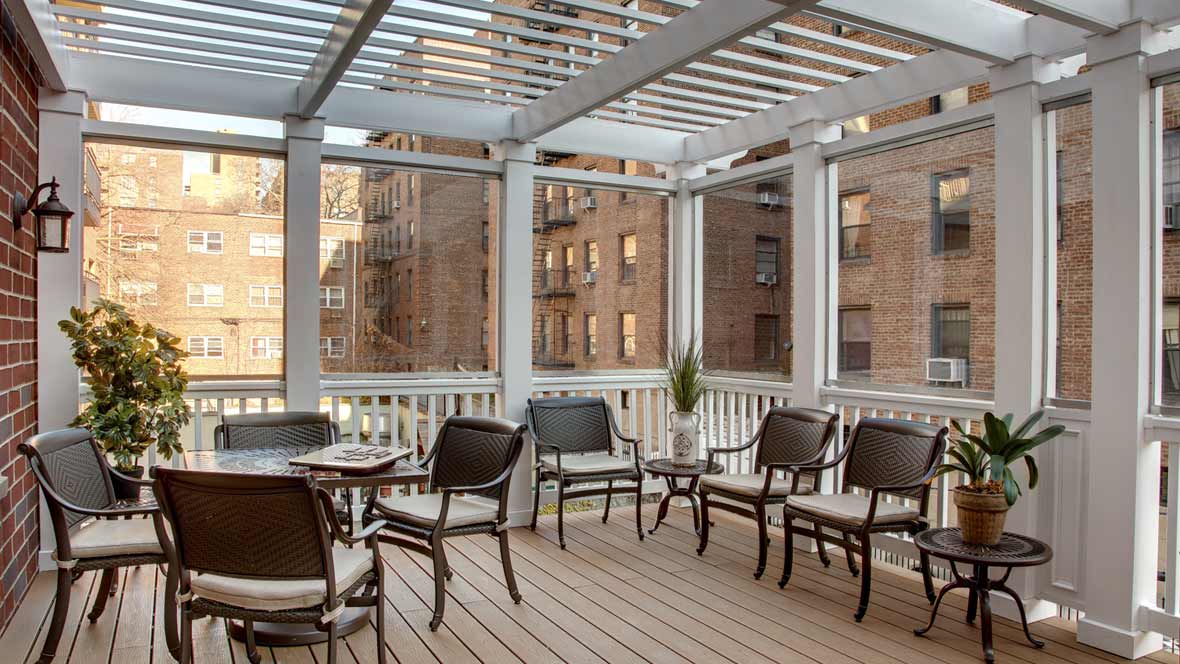
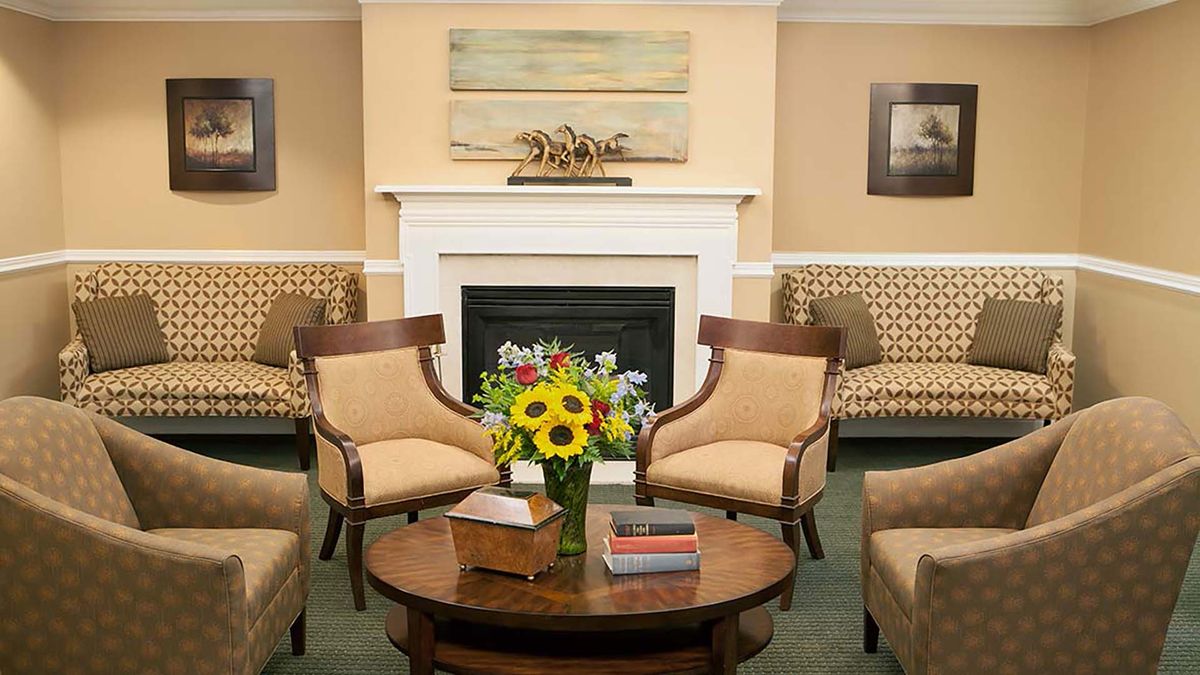
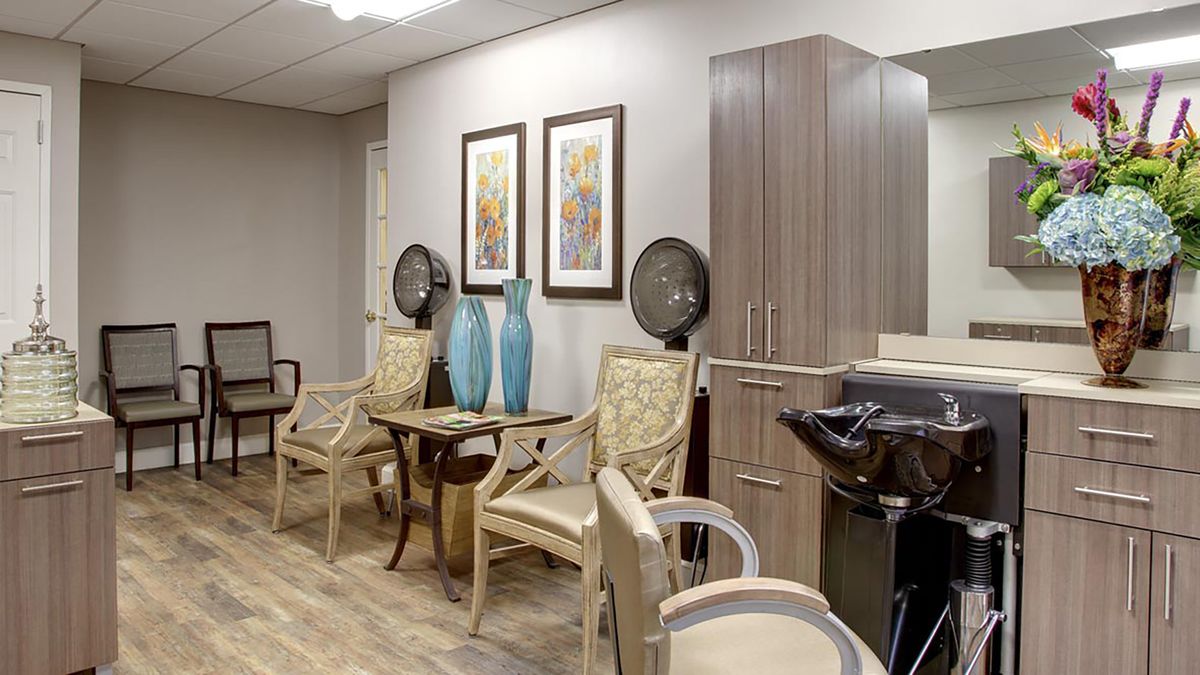
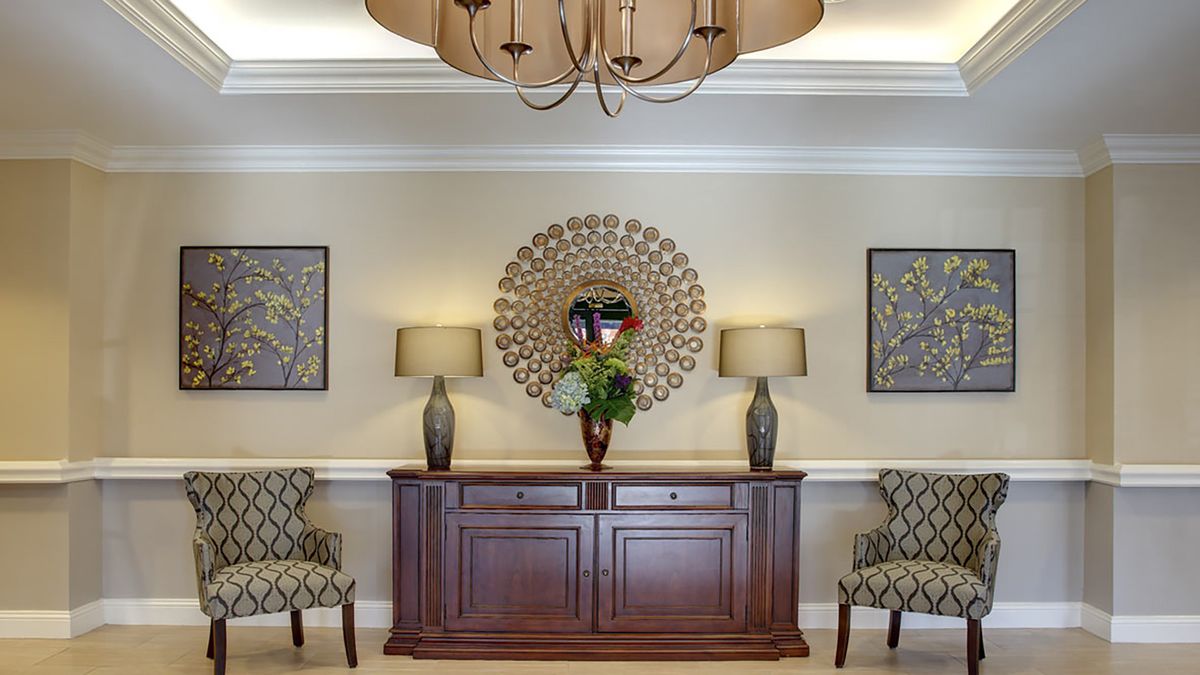
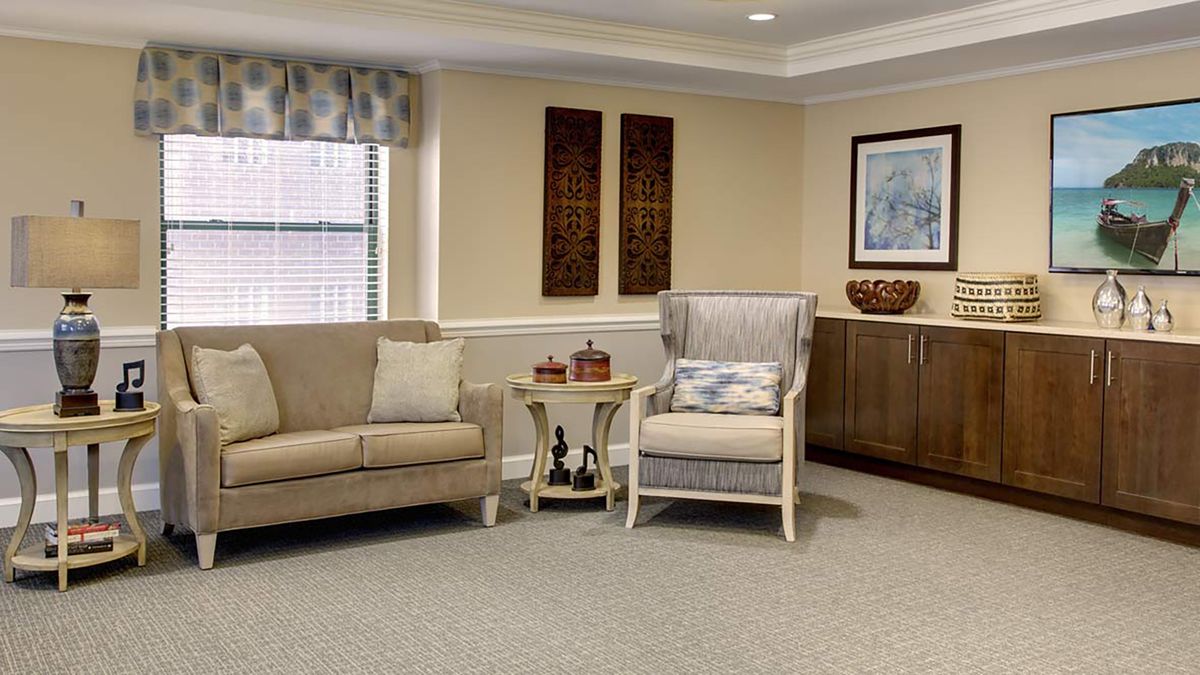
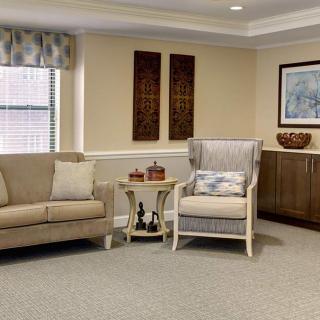
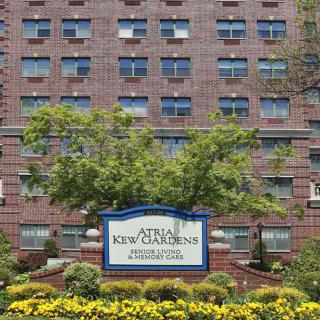
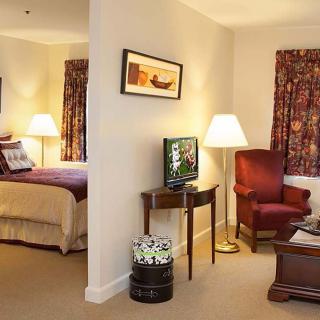
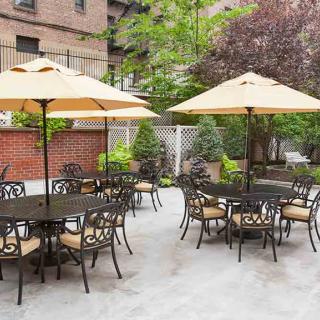
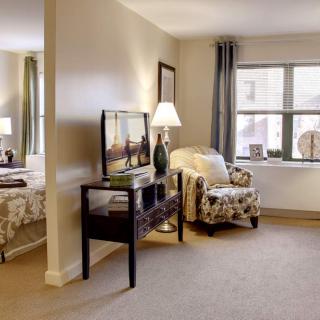
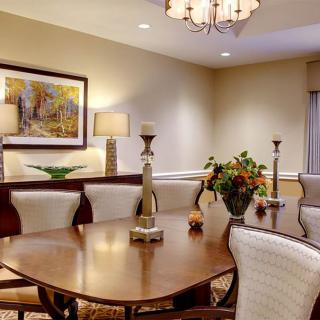
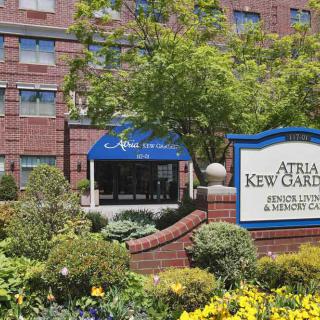
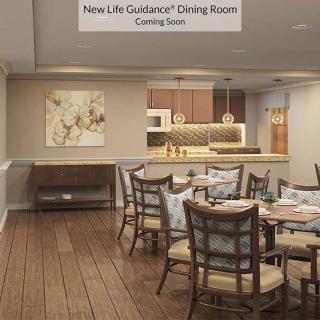
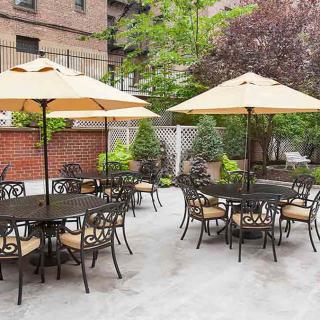
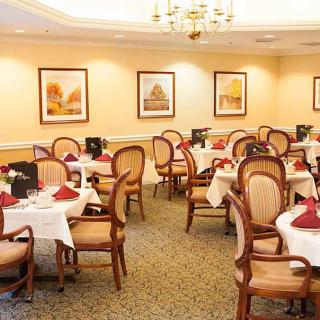
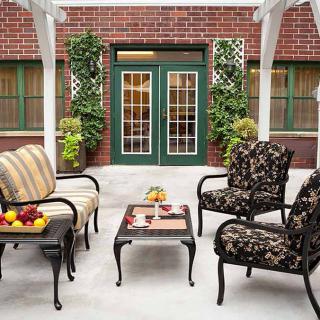
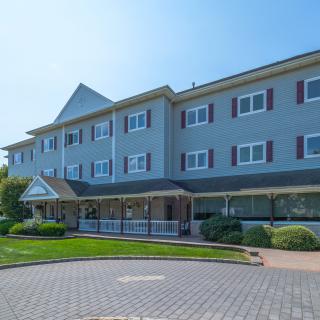
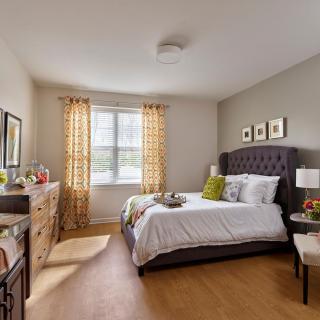
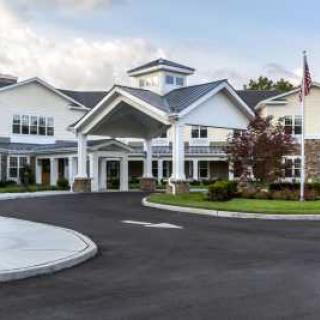
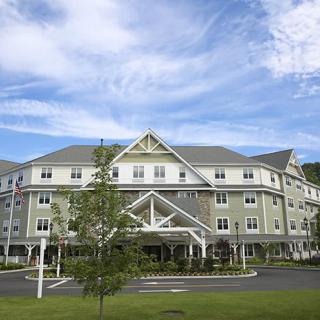
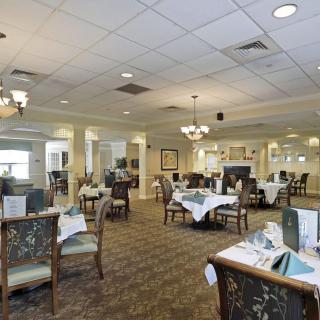
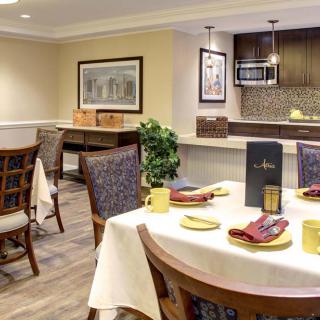
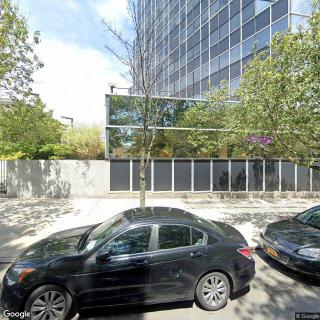
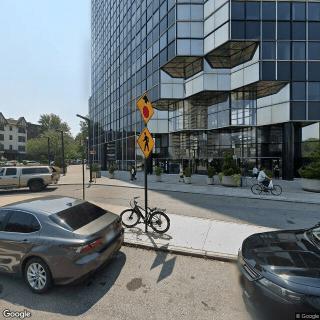
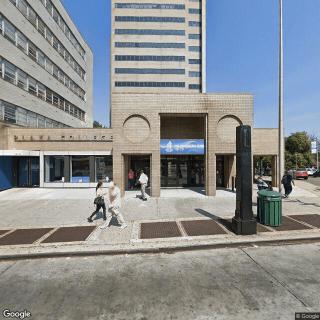
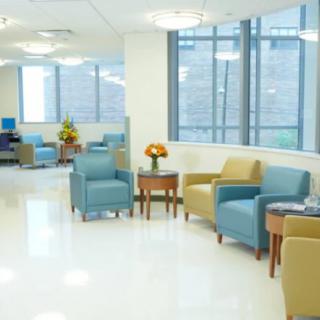
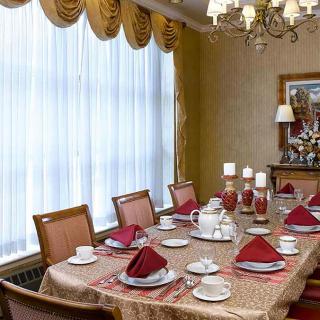
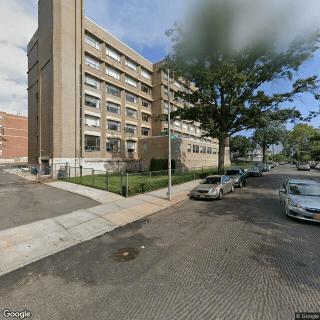
Atria Kew Gardens on seniors.fyi includes 35 photos including images showing interior, decor, living room, floor plan, dining, artwork, bedroom, patio, and more.
Nearby Communities
Affable Home Care
Kew Gardens, NY
5 from 6 reviews
$1,770 to $2,770 / month
Very affordable pricing relative to local averages with ample nearby amenities.
New Homestead Home For Adults
Kew Gardens, NY
3.9 from 95 reviews
$3,300 to $5,500 / month
Caring staff and compassionate care; engaging activities; competitive pricing for semi-private and studio options.
Absolutely There's No Place Like Home
Kew Gardens, NY
Convenient location with parks, pharmacies, dining, and transit nearby.
SeniorBridge - Kew Gardens, NY
Kew Gardens, NY
4.6 from 30 reviews
Central Kew Gardens location with easy access to parks, pharmacies, dining, transit, places of worship, and theaters.
Premier Home Health Care - Queens
Kew Gardens, NY
4.4 from 23 reviews
$3,299 to $3,699 / month
Vibrant, well-connected community with nearby parks, dining, transit, worship, and culture; competitive pricing.
Caring People Home HealthCare
Forest Hills, NY
3.4 from 20 reviews
Vibrant community with nearby amenities.
Jamaica Hospital Nursing Home
Jamaica, NY
3.8 from 103 reviews
Clean, well-maintained facility with caring nurses and therapists, good food, and daily activities.
Atria Forest Hills
Forest Hills, NY
4.7 from 170 reviews
$6,495 to $7,495 / month
Caring staff and a vibrant, hotel-like community.
Margaret Tietz Nursing Home
Jamaica, NY
4.2 from 115 reviews
Caring nurses and effective rehabilitation with engaging activities.
Sundown syndrome, or sundowning, is a phenomenon in dementia patients characterized by increased confusion and agitation during late afternoon and evening, influenced by factors like disrupted circadian rhythms and fatigue. Effective caregiver strategies include establishing routines and managing environmental light while addressing caregiver stress through support services.
Delirium is a rapidly onset, reversible cognitive disturbance often caused by acute medical issues, while dementia is a gradual and irreversible decline due to chronic neurodegenerative diseases. Accurate differentiation between the two is essential for appropriate treatment and management in older adults.
Dementia, including Alzheimer’s disease, is often mischaracterized in terms of lethality as it leads to complications that can be fatal rather than being a direct cause of death; it causes a progressive decline in cognitive and physical health, making patients vulnerable to infections and other health crises. Effective management of nutrition, hydration, and communication is crucial in patient care, with palliative care becoming vital in advanced stages to enhance comfort and quality of life while caregivers play a key role amidst the challenges posed by the disease.
Refrigerator, Modern Furniture, and Pendant Lighting
Brick
Kitchenette
Pergola
Brick Wall
Living Area
Urban and Deck
Get PricingAsk A QuestionSchedule A TourContact Senior Advisor
By clicking submit, you agree to our Partner's Terms of Use. You
also consent to receive calls and texts, which may be autodialed, from our Partner. Your consent is not a condition to
using our Partner's service. Please visit our Partner's Privacy Policy for information about their privacy practices.






 175 resident community capacity
 1-bedroom apartments
 Assisted Living
 Independent Living
 Memory Care
 Skilled Nursing Facility
 Cats allowed
 Dogs allowed
 Activities on-site
 Air-conditioning
 Beautician on-site
 Cable or satellite TV
 Computer center
 Devotional services off-site
 Dining room
 Fitness room
 Full kitchen
 Fully furnished
 Gaming room
 Garden
 Housekeeping services
 Indoor common areas
 Laundry
 Move-in coordination
 Outdoor common areas
 Private bathrooms
 Resident parking
 Respite or short term stays offered
 Restaurant-style dining
 Small library
 Telephone
 VA Benefits Consultation
 Wellness center
 Wi-Fi/high-speed internet available
 John F Kennedy International (5 miles away)
 Community operated transportation
 12-16 hour nursing
 24-hour call system
 Ambulatory care
 Assistance with bathing
 Assistance with dressing
 Assistance with transfers
 Diabetes diet
 Hospice waiver
 Incontinence care
 Medication management
 Mental wellness program
 Physical therapy
 Special dietary restrictions
 Transportation arrangement (medical)
 Walking wheelchair assistance
 Concierge services
 Jewish services
 Planned day trips
 English
 Very affordable pricing relative to local averages with ample nearby amenities.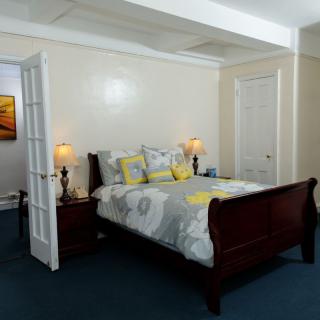
 Comprehending Evening Confusion in Dementia: Causes, Manifestations, and Support
 Delirium and Dementia: Unraveling the Key Differences
 Are Dementia and Alzheimer's Disease Lethal? A Comprehensive Exploration