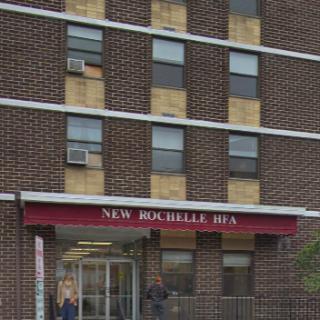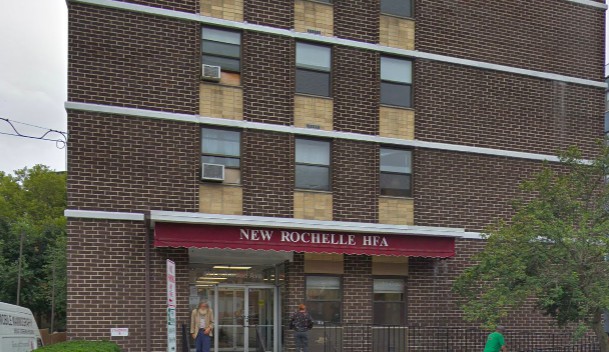
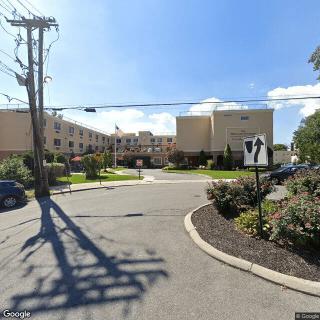
41 Lockwood Avenue., New Rochelle, NY 10801
For more information about senior living options: (866) 208-4318
Overall Review of New Rochelle Home For Adults
Pros
 The lady who worked at New Rochelle Home was like a nun.
- Her personality was beautiful.
- She treated people with respect and decency.
- The light that was shining was this lady.
- The only STAR in this place is Karen.
Cons
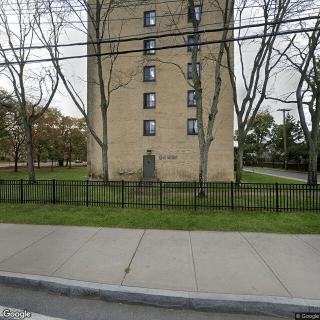
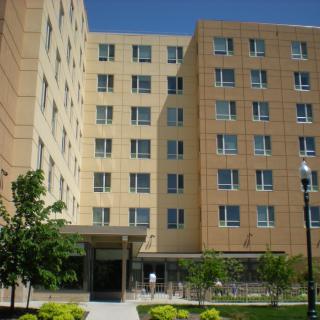
 The place is run down.
- It feels like a warzone.
- The walls haven’t been painted in a long time.
- Everything is old and very dark.
- There is no light and no windows, which is depressing.
- The sister has deteriorated beyond belief.
- She gets no physical therapy and can barely walk, even with a walker.
- A dentist pulled her front teeth years ago, which were gold-backed, and she still has no teeth.
Review
New Rochelle Home For Adults is best suited for adults with mental health needs who prize consistent, personal warmth from staff and can tolerate a facility that shows its age. The standout reality from the reviews is a staff culture built on care and recognition: a caregiver described as “like a nun” who truly connects with residents, and an administrator who earns respect for straightforward, compassionate interaction. For families prioritizing human connection over glossy surroundings, this community can feel reassuring in the moment. Yet it is important to discipline expectations: warmth from a few caregivers does not automatically translate into comprehensive care or a well-maintained home.
Those who may want to consider alternatives are primarily those seeking robust medical oversight and rehabilitative services. The reviews flag critical gaps in essential care: residents needing regular physical therapy, timely podiatry, or dental work may find access inconsistent or delayed. The environment itself also factors into the decision, with observers describing the facility as run down, dark, and lacking light, conditions that can affect mood and overall well-being and raise questions about day-to-day quality of life. For families living far away, the combination of limited visible care infrastructure and communication hurdles amplifies the risk of unmet needs escaping notice.
The strongest positives center on personnel who know residents by name and treat them with respect. The most favorable takeaway is the presence of at least one caregiver who embodies genuine care and reliability, combined with staff who respond respectfully to residents. This creates a core sense of safety and belonging for individuals who crave personal attention and consistent human interaction. The limited but real warmth can offset, to a degree, the sense of abandonment that accompanies a less-than-bright environment. In short, the human element can be a critical lifeline when other systems are fraying.
However, the cons carry real weight and tend to overwhelm the positives for anyone facing ongoing medical or functional needs. The physical plant is described as tired and oppressive, an atmosphere that can dampen spirits and impede motivation to engage in daily activities. Beyond optics, there are concrete service gaps: requests for routine medical-related services such as physical therapy, dental treatment, or podiatry have not been reliably fulfilled. The second reviewer’s account of a resident deteriorating without timely interventions underscores a troubling risk: without proactive care coordination, mobility, comfort, and even basic health can decline quickly. The impression that advocacy may be necessary adds another layer of complexity for families unable to be present full-time.
In balancing the picture, the warmth of staff and the personal attention available do not fully offset the core downsides for residents with significant medical or rehabilitative needs. For a resident who mainly benefits from companionship and a steady, respectful routine, the environment and gaps in medical services may be tolerable or manageable with vigilant advocacy. But for anyone whose relative requires regular PT, routine dental or podiatry care, or improvements in living conditions, the trade-offs become hard to justify. The reliability of essential medical oversight appears inconsistent, and that inconsistency undermines the value of otherwise strong interpersonal care.
Families navigating a decision should approach with concrete steps and clear expectations. Tour the facility with a checklist that prioritizes daylight, cleanliness, and maintenance; ask for recent schedules of therapy visits and how dental and podiatry needs are triaged and fulfilled; request to meet the team member most responsible for medical coordination and care planning; and insist on a written care plan that delineates who handles each service, with escalation paths for delays. Consider engaging an advocate or social worker who can review the care plan and monitor responsiveness, especially if distances impede in-person oversight. If lifelong emphasis is on a warm, person-centered environment with less emphasis on high-intensity medical services, this community can fit; if priority is strong, reliable medical/rehabilitation support in a well-maintained setting, exploring other facilities is prudent.
 250 resident community capacity
 Assisted Living
 Respite Care
 Air-conditioning
 Beauty salon
 Cable or satellite TV
 Computer center
 Dining room
 Fitness room
 Fully furnished
 Gaming room
 Garden
 Housekeeping services
 Kitchenette
 Move-in coordination
 Outdoor space
 Private bathrooms
 Restaurant-style dining
 Small library
 Telephone
 Wellness center
 Wi-Fi/high-speed internet available
 LaGuardia (10 miles away)
 Community operated transportation
 12-16 hour nursing
 24-hour call system
 Activities of daily living assistance
 Assistance with bathing
 Assistance with dressing
 Assistance with transfers
 Diabetes diet
 Medication management
 Mental wellness program
 Special dietary restrictions
 Concierge services
 Planned day trips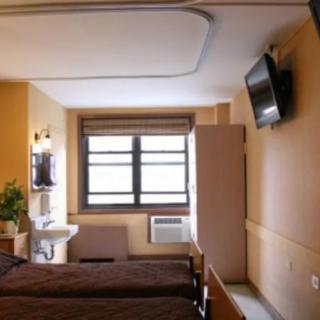

 Comprehensive Insights into Activities of Daily Living (ADLs) and Their Assessment
 Guiding Elderly Parents Who Refuse Assisted Living: 6 Practical Steps
 Your Comprehensive Guide to Luxury Assisted Living: Elevated Facilities, Amenities, and Costs