
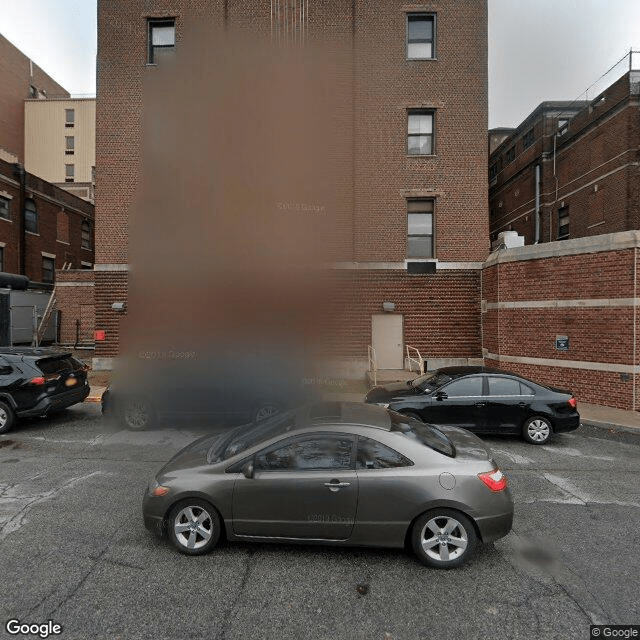
16 Guion Pl, New Rochelle, NY 10801
To contact a resident: (914) 632-5000
For more information about senior living options: (866) 208-4318
Overall Review of Howe Avenue Nursing Home
Pros
 They consider the facility definitely better than Dumont.
- They describe Schaffer as a good place where the staff treat family members very well and do a commendable job despite being understaffed.
- The dad’s care was absolutely wonderful, with the security guards, Lupe, Lindsay, and the therapeutic team providing exceptional, round-the-clock care.
- The OT and PT teams are very good and helpful, with staff always encouraging and striving to make a bad situation better.
- They thank the men and women on the fourth and fifth floors.
Cons
 The security staff are incompetent.
- Schaffer Extended Care Center is a poorly kept nursing home with staff who neglect residents and their families.
- The facility is severely understaffed, leaving patients unattended for hours.
- A resident was not tended to for two hours after needing the restroom.
- The nursing home discharged a resident without warning, emptied the room, and stole belongings.
- Staff lack etiquette and are not friendly to residents; calls for help are often ignored.
- The front desk is frequently unmanned due to low staff, leaving visitors in a hot lobby without ventilation.
- The food is terrible and dietary often gets the diet wrong.
Review
This community is best suited for families that can tolerate variable day-to-day staffing but still want access to focused rehabilitation support, particularly strong OT/PT services. Residents who can benefit from persistent, attentive therapy, and who have family or legal representatives prepared to monitor care, discharge planning, and transitions will find value here. The facility can deliver meaningful progress in therapy and some positive interactions with staff on certain floors, making it a reasonable option for those who can manage uneven ancillary support with active oversight.
Those who may want to consider alternatives are primarily families prioritizing consistently responsive care, a warm and reliable front desk experience, and a consistently well-maintained environment. If reliable call-bell response, uniform staffing coverage, non-stressful dining experiences, and a consistently clean, well-lit atmosphere are non-negotiables, this community warrants a broader search. Prospective residents should expect, and plan for, the possibility that core daily needs may require persistent family advocacy and oversight.
The strongest pros lie with the therapy and discharge teams on occasions when staff coverage permits steady attention. Positive notes highlight therapists who encourage progress, and discharge coordinators who help families navigate transitions. These strengths can translate into real functional gains for residents who engage with the therapy process. However, these gains risk being undermined if staffing remains thin overall, since therapy wins can be negated by delayed assistance, missed call-bells, or slow responses to urgent needs. In short, therapy quality is real leverage, but it cannot fully compensate for a lack of consistent basic care.
The most troubling themes revolve around understaffing and its ripple effects. Reviewers repeatedly describe insufficient coverage across floors, with residents left waiting for assistance for hours and call bells going unanswered. Complaints also extend to rude or curt interactions from some nurses, security personnel who appear overwhelmed or disconnected from resident flow, and an environment that can feel dark or unwelcoming. Maintenance of equipment and bedding is flagged as outdated, and dietary service is occasionally misaligned with dietary restrictions. Taken together, these factors create a safety and comfort deficit that weighs heavily against the optimistic clinical gains seen in therapy.
Food, atmosphere, and daily livability matter as ongoing quality signals. Repeated comments about subpar institutional food, dietary errors, and menus that miss patient needs punctuate the experience. The atmosphere is described by some as depressing, with a facility layout and lighting that can amplify a mood of confinement. Even when care teams perform admirably in clinical tasks, these environmental issues erode trust and resident satisfaction, making it harder to justify a long stay for those who can’t tolerate a lag in basic comfort and nutrition.
Ultimately, the decision hinges on priorities and risk tolerance. If rehabilitation-focused care with committed therapists and proactive discharge planning is the priority, and there is robust family involvement to oversee daily care, Howe Avenue Nursing Home can be part of a viable plan. For families where reliable, compassionate routine care, prompt assistance, and a consistently welcoming environment are essential, this community is unlikely to meet those non-negotiables. In any case, a careful, multi-visit evaluation is essential: assess response times at different hours, verify staffing patterns, speak with current residents and families on multiple floors, and review current dietary services and activity schedules before choosing.
 Skilled Nursing Facility
 LaGuardia (10 miles away)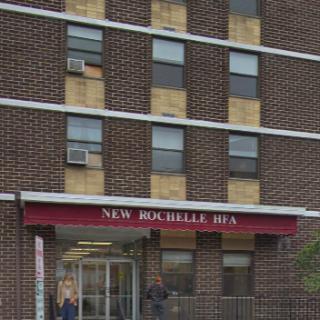


 6 Crucial Ways an Elder Law Attorney Assists Families
 Navigating the Tax Landscape of Caregiving: Credits, Deductions, and Beyond
 Highly Beneficial Low-Impact Exercises for Senior Living Residents