
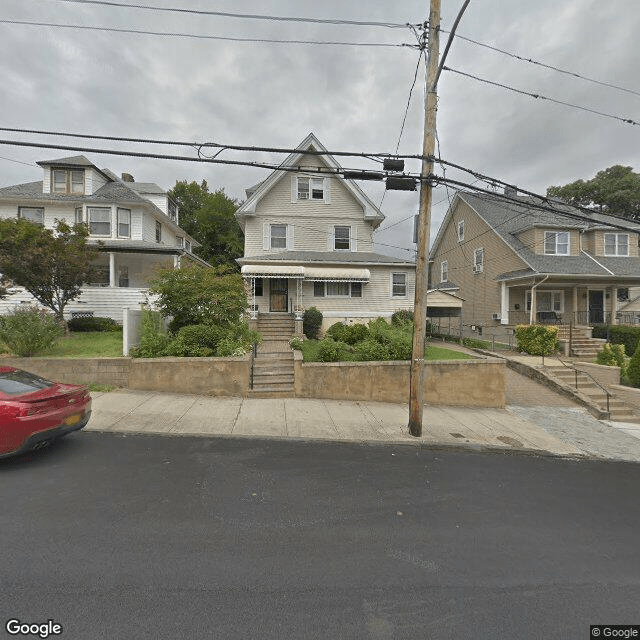
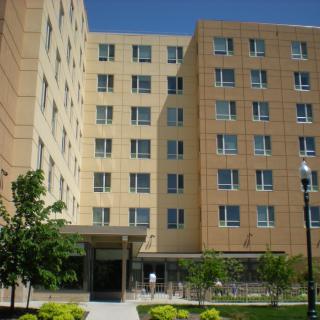
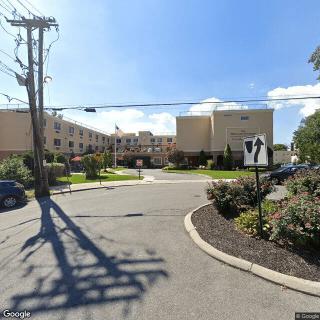
157 Sickles Avenue, New Rochelle, NY 10801
To contact a resident: (914) 532-5637
For more information about senior living options: (866) 208-4318
Grant-Blue Family Type Home for Adults Costs & Pricing
At the Grant-Blue Family Type Home for Adults, the monthly cost for a semi-private room is set at $975, offering a compelling alternative compared to the significantly higher expenses found in Westchester County, where similar accommodations can reach about $5,983. Even on a state level, New York's average pricing for semi-private living arrangements is around $4,389. This makes Grant-Blue not only an affordable option but also one that prioritizes quality care within a supportive environment while remaining budget-friendly in comparison to regional rates. Such pricing offers potential residents and their families peace of mind as they navigate adult care options.
| Floor plans | Grant-Blue Family Type Home for Adults | Westchester County | New York |
|---|---|---|---|
| Semi-Private | $975 | $5,983 | $4,389 |
Senior living communities with a similar price nearby
-
from -$119 / mo

Airmont Gardens
$856 to $1,025 / month21.9 miles away -
from -$47 / mo
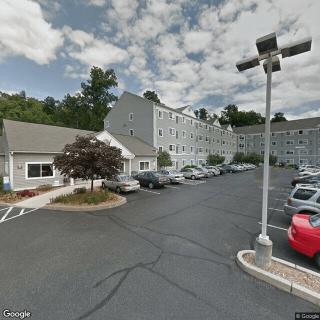
Summer Hill Apartments - NO LONGER EXISTS
$928 to $1,115 / month23.8 miles away -
from +$123 / mo
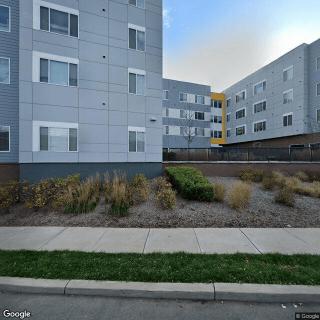
Freedom Village
$1,098 / month19.5 miles away -
from -$120 / mo
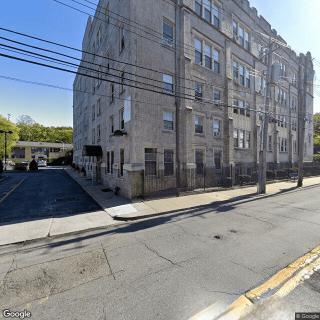
Trinity Senior Apartments
$855 to $915 / month5.1 miles away -
from +$175 / mo
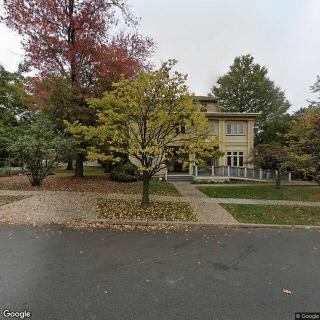
Montclair Inn
$1,150 / month23.6 miles away
Overall Review of Grant-Blue Family Type Home for Adults
Pros
 The staff are caring and the members are nice, and the food is great.
- The program offers fun experiences with lots of games that participants enjoy.
- All Ages is a caregiver’s dream come true, with participants well entertained and cared for, plus wholesome, delicious meals and transportation.
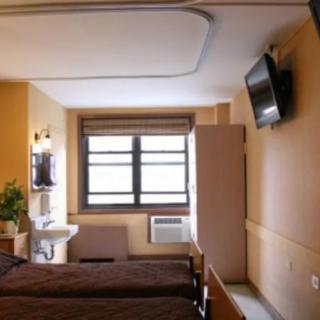
- The facility is bright, clean, cheery, inviting and spacious, with friendly, attentive, and knowledgeable staff.
- The atmosphere is relaxing, stimulating and comfortable, making visitors feel welcome and eager to return.
- Families note that the staff go above and beyond to take good care of relatives, bringing happiness to attendees.
Cons
 The place is small and looks rundown on the inside.
- The facility is run by a very unprofessional director; workers are not certified, and the care promoted is lacking.
- The food is often spoiled, expired or unappetizing.
- The facility opens later than the operating hours provided and closes early as well.
- The first thing they were asked about was money and whether they owned property after receiving a tour.
- There’s another warning not to go here, as a later update emphasizes the food.
Review
Grant-Blue Family Type Home for Adults in New Rochelle is best suited for seniors who want a small, home-like day program where social connection, routine, and personal attention are the priority. This community clearly serves residents who thrive on daily social activities, guided outings, and regular meals in a warm, staff-driven environment. Families seeking a place where a consistent, friendly staff can help their loved one stay engaged and entertained throughout the day will find the strongest alignment here. It works well for individuals who value a neighborly atmosphere, regular transportation, and a schedule that emphasizes interaction and companionship over medical or custodial intensity.
Those weighing Alternatives should consider options with more formal oversight, larger facilities, or a stricter schedule if safety, a wider array of medical supports, or a more clinical environment are non-negotiable. The strongest cautions from the reviews point to a smaller footprint and potential management shortcomings, which can translate to inconsistent staffing or inconsistent quality in food and hours. If one’s priority is meticulously maintained spaces, professional licensing certainty, or a program that feels uniformly polished across every visit, it may be wise to explore other day programs or assisted living options with a longer track record of governance and standardized operations.
On the upside, the program’s real strength lies in people and participation. Reviewers repeatedly emphasize caring, approachable staff who foster a welcoming mood, along with activities that are varied and genuinely engaging. The opportunity to socialize with peers, participate in trips, and enjoy well-prepared meals translates into meaningful daily moments and observable mood improvements for participants. Transportation support and the ability to keep a loved one connected to a lively, multi-age activities environment are consistently highlighted as standout benefits, especially for families balancing work, caregiving, and social needs.
But the picture isn’t all uniformly sunny. Several comments flag important caveats: the facility’s small size and interior condition can feel cramped or dated; some tours reportedly fixate on financial questions rather than care needs; and a handful of reviews allege serious governance and quality gaps, including concerns about leadership, staff certifications, and the regularity or appeal of meals. Hours can be inconsistent, and there are explicit warnings about spoiled or unappetizing food in at least one account. These issues don’t negate the positives, but they do remind families to verify current operations, licensing, and staffing reliability in person before committing.
The key to leveraging the positives while mitigating the negatives lies in a purposeful, data-driven tour and trial period. If a prospective resident thrives on social stimulation, creative programming, and dependable transport, the program’s strengths become compelling justification to proceed. Pair that with rigorous questions about staffing ratios, credentials, meal sourcing, and daily schedules, and families gain a realistic gauge of daily life. For those who require a higher level of medical supervision, a more expansive, highly regulated setting, or consistent, contemporary amenities, the trade-offs here become more consequential.
In final analysis, Grant-Blue Family Type Home for Adults represents a solid, practical option for socially inclined seniors who prize warmth, connection, and activities over clinical intensity. It is especially suitable for families prioritizing companionship, a home-like feel, and reliable transportation. Those who cannot tolerate possible inconsistencies in management, hours, or food quality should approach with caution and explore alternatives that offer tighter governance and a more modern, expansive environment. A disciplined initial tour, candid discussions with the director and staff, and a short trial period will reveal whether this community aligns with long-term care goals or if another path better serves safety, nourishment, and schedule stability.
 Board and Care Home
 Activities off-site
 Bath tubs
 Devotional services off-site
 Indoor common areas
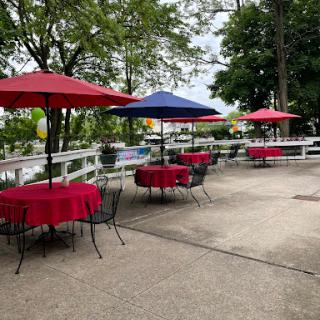
 Outdoor common areas
 Private bathrooms
 LaGuardia (10 miles away)
 Ambulatory care
 Diabetic care
 Incontinence care
 Medication management
 Kosher


 Senior Move Management: Understanding the Role, Value, and Associated Costs
 Weight Training for Seniors: Building Strength and Vitality
 Understanding the Sandwich Generation: Stress and Responsibilities for Multigenerational Caregivers