
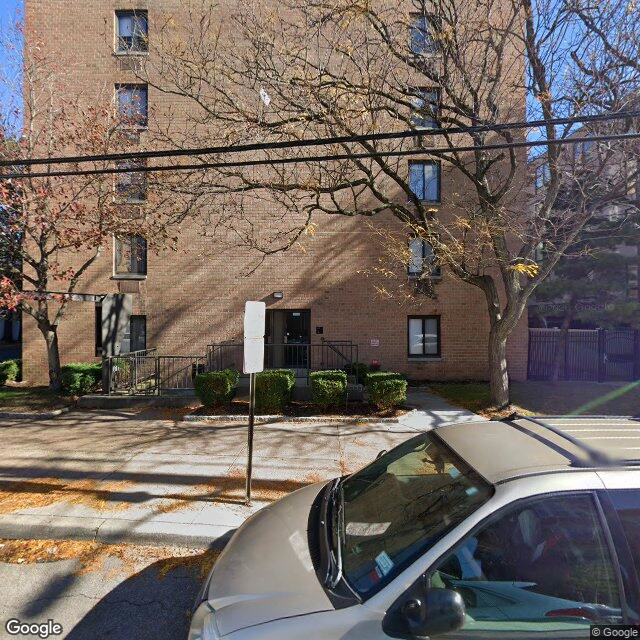
16 Locust Ave, New Rochelle, NY 10801
To contact a resident: (914) 636-3884
For more information about senior living options: (866) 208-4318
Overall Review of Huguenot House
Pros
 They believe it could be a nice place to live if roaches were eliminated.
- They are hopeful for a new exterminator company to improve pest control.
- They want more thorough treatment that reaches inside walls and vents.
- They expect management to be more responsive and accessible.
- They acknowledge residents have taken proactive steps, such as deep cleaning and using roach bombs, to address the issue.
Cons
 There is a heavy roach infestation coming out of the kitchen and bathroom vents.
- The exterminator is not spraying enough treatment, according to tenants.
- The exterminator sprays only a little treatment, according to tenants.
- The tenants accuse the exterminator of stealing money from the Huguenot company.
- Roaches still come out after deep cleaning, including from the uncle's apartment.
- Management is only available on Wednesdays and does not answer the phone or return calls.
- There is a need to exterminate from inside walls and inside vents.
Review
This community is best suited for residents who can tolerate ongoing pest challenges and are prepared to actively press for reliability in management. The single review paints a picture of a building where pests are a persistent concern and where routine maintenance and responsiveness may lag. For families who can ride out a few rough edges while evaluating long-term care, and who have the bandwidth to coordinate with outside vendors or escalate repairs, Huguenot House may be workable. In short, it rewards those who can stay vigilant, document issues, and demand timely remediation rather than expecting a consistently polished living environment from day one.
Families evaluating options should consider alternatives if pest control, predictable maintenance, and transparent communication are non-negotiables. The report indicates an active roach infestation tied to vents, with the on-site exterminator allegedly spraying inadequately and even concerns about misallocation of funds. The management appears unavailable except on a single day, which compounds risk when urgent issues arise. For seniors or caregivers who rely on predictable routines, or for anyone who values clean, orderly spaces as a baseline, this facility is unlikely to meet expectations. Alternatives with stronger pest control, steadier management, and more reliable resident communication warrant serious consideration.
Key cons are concrete and recurring: roaches emerging from kitchen and bathroom vents signal a sanitation problem rather than a one-off incident. The complaint that the exterminator uses only light treatment and that the company may be diverting funds undercuts trust and makes timely remediation seem unlikely. Attempts at self-help, tenants deploying roach bombs or performing deep cleaning, reflect ongoing infestation rather than a fix. The management pattern, limited presence, unreturned calls, and sparse responsiveness, creates a vacuum where resident concerns accumulate without resolution. In a setting where daily living hinges on predictable services, these factors are not minor nuisances but core deal-breakers.
Do the positives offset the negatives? In this case, there are no clearly documented advantages that balance the major drawbacks. The absence of standout strengths means the risks posed by pests and poor management far outweigh any potential comfort or convenience. For a senior community, easy access to housekeeping, timely repairs, and a clean, odor-free environment are not optional amenities; they are baseline expectations. When these baselines erode, the consequences extend beyond discomfort to health concerns and increased caregiver workload. Without verifiable improvements in sanitation, responsiveness, or resident support, the value proposition collapses under the weight of the cons.
Practical guidance for families considering this community centers on verifiable remediation plans. Demand a clear, written pest-control plan with timelines and independent verification of treatment efficacy. Request the exterminator’s credentials, frequency, and exact procedures used, including inside-wall and vent treatments. Insist on a more reliable point of contact for urgent issues and confirm the days and hours of on-site management, with a guaranteed response window. If possible, visit after a treatment cycle to assess whether roaches remain present and whether vents appear clear. Cross-check current resident experiences and compare with similarly rated properties nearby that emphasize proactive maintenance, robust pest-control programs, and transparent communications. Let those benchmarks drive the decision.
Ultimately, this community presents a high-risk choice for anyone whose priority is a pest-free, well-supported living environment. The documented infestation and management gaps outweigh any potential conveniences, and without a credible plan to eliminate pests and restore responsive service, prospective residents should prioritize alternatives. If a family is prepared to invest time in oversight, demand concrete assurances, and monitor improvement over an agreed period, the situation could potentially change. Until then, lean toward properties with proven, consistent pest control, accessible management, and open lines of communication. The decision should hinge on whether essential expectations can be met in a reliable, demonstrable manner.
 Board and Care Home
 LaGuardia (10 miles away)


 Comprehensive Guide to Qualifying for Home Health Care Services
 Powerful Realities of Elder Abuse and the Most Effective Ways to Report It
 Ten Vital Duties of a Senior Caregiver: A Comprehensive Guide