

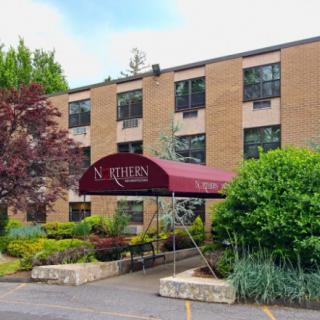
3 Evergreen Road, New City, NY 10956
To contact a resident: (845) 360-9744
For more information about senior living options: (866) 208-4318
Overall Review of Senior Helpers of Rockland, NY
Pros
 They respond promptly to inquiries and are upfront about services and rates, without requesting full financials prior to service.
- The aide is courteous and kind, and the client’s mother loves her and looks forward to weekly visits.
- They are willing to work with families to find next level care should the need arise.
- Senior Helpers provided excellent, professional care for the client’s father.
- The caregivers were kind, patient, professional, and friendly, providing excellent care and attention.
- The ownership and front office team were responsive and helpful, always attending to the family’s needs.
- The family had great peace of mind because of the people at Senior Helpers.
- Senior Helpers arranged care days that work well for the loved one.
- The caregivers have enormously lowered the stress in the household.
- The agency communicates when a caregiver is late or cannot come and is responsive to questions.
- The family would recommend Senior Helpers of Rockland to others.
- Senior Helpers is very professional; the staff is five-star service and is highly recommended.
Cons
 One caregiver was inexperienced.
- The father is unable to provide the level of care his wife needs.
- The services are expensive.
- Attendance was inconsistent.
- Caregiver absences were not consistently communicated.
- The contract stated home helpers could drive, but that was not the case for some aides.
- It took some time to find an aide.
- The industry is having a hard time getting staff.
- There was a lack of communication when a caregiver didn't show up.
Review
Senior Helpers of Rockland, NY is best suited for families seeking flexible, in-home elder care with a steady cadence of visits and a strong emphasis on caregiver compatibility. It works well for seniors who want personal, one-on-one assistance at home and who anticipate the need to scale services up or down as conditions change, without moving into a facility. The model prioritizes flexible scheduling, careful caregiver matching, and close coordination with a professional front office, delivering consistent support that helps a loved one stay safely at home longer.
Those who may want to consider alternatives include families requiring 24/7 coverage, rigid daily staffing guarantees, or a model with more predictable, fixed caregiving teams. If budget constraints are a primary concern or if a facility with on-site clinical oversight is preferred, exploring an assisted living option or another home-care provider with stronger guarantees on attendance and caregiver continuity is prudent. For clients who prize absolute consistency of a single primary caregiver, the in-home agency environment can present reliability challenges that merit comparison shopping.
On balance, the strongest assets are responsiveness and transparency. The team communicates promptly and lays out services and rates clearly, without pressuring for full financials upfront. Caregivers are described as courteous, patient, and genuinely invested in a client’s well-being, with many families reporting real peace of mind. Scheduling flexibility is a clear plus: care days can be arranged to fit a family calendar, and multiple caregivers can be deployed to cover needs while reducing burnout. The ownership and front office are proactive partners, readily addressing questions and arranging replacements when a caregiver is unavailable.
Critiques center on consistency and communication gaps. Some experiences noted delays or last-minute changes, especially when a preferred aide was unavailable. While most caregivers are solid, a reviewer pointed to an inexperienced aide and uneven attendance. The contract’s claim that home helpers can drive did not always translate in practice, and onboarding could take time, with a few weeks passing before the right match emerged. Despite these issues, there is a clear sense of progress and willingness to adjust; the day-to-day execution can feel uneven, which can be frustrating for families seeking seamless coverage.
These strengths often offset the drawbacks, particularly for families prioritizing staying at home and maintaining daily routines. The agency tends to find replacements quickly, keeps families informed about scheduling, and emphasizes caregiver fit over time, reducing household stress and preserving independence longer. The willingness to tailor services to evolving needs makes the relationship durable, turning early rough patches into a workable, home-based support system. Cost remains a real consideration and is frequently cited as high, but the tangible benefits, peace of mind, reduced caregiver burnout, and the option to phase in higher levels of care, can justify the expense for the right family.
Practical next steps guide the decision. Confirm a plan for caregiver mix and backup coverage, and insist on a written care plan with clear expectations for attendance, communication, and escalation procedures. Verify each caregiver’s driving status and any policy limitations, and lock in transparent hourly rates with a clear list of included services to avoid surprises. Arrange a trial period to observe how the team integrates with existing routines and determine whether a single point of contact in the front office can reliably coordinate scheduling. If the experience aligns with a strong sense of supervision, maintain confidence in the agency’s ability to sustain consistent, compassionate in-home care; if not, be prepared to pivot toward assisted living or another provider offering stronger continuity and staffing stability.
 Westchester Cty (16 miles away)







 Caring for Those Who Care: Recognizing, Understanding, and Overcoming Caregiver Burnout
 Caregiver Exhaustion: Recognizing the Signs and Restoring Your Well-Being
 Understanding Hospice Care at Home: Comprehensive Services, Key Benefits, and Eligibility