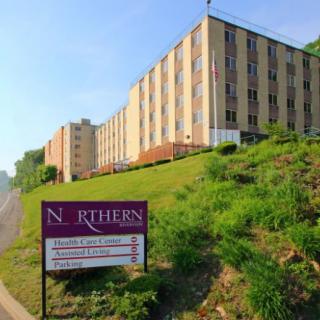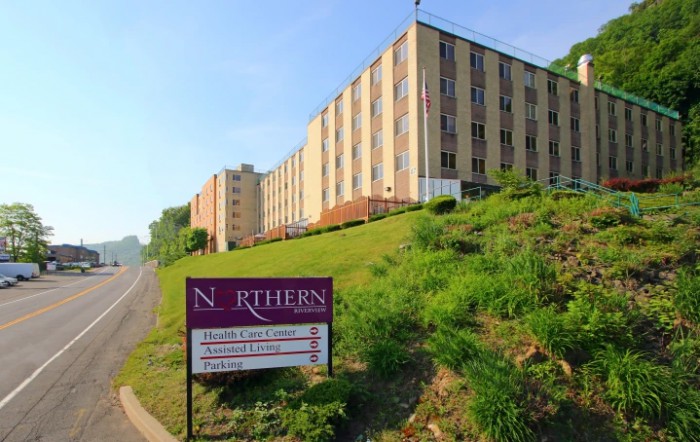
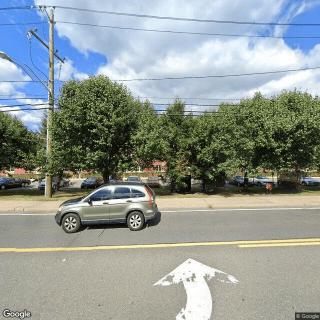
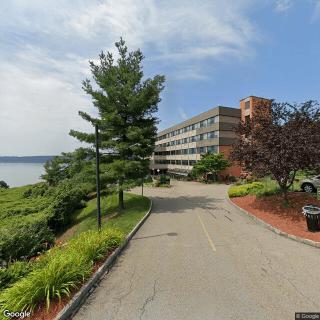
87 South Route 9W, Haverstraw, NY 10927
To contact a resident: (845) 429-5381
For more information about senior living options: (866) 208-4318
Overall Review of Northern Riverview Health Care
Pros
 The staff is accommodating and resolves problems for residents.
- Meals are served on time, and staff work to make dining a pleasant experience.
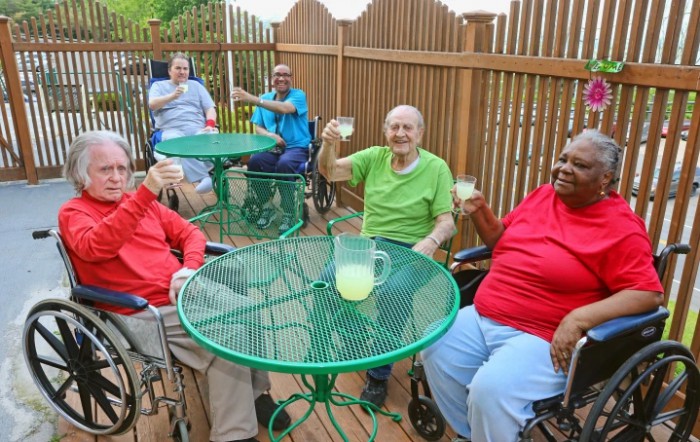
- Residents are friendly and camaraderie is fostered.
- There is an on-site doctor who is hands-on.
- The nursing staff is lovely and very helpful.
- The administrator is described as a godsend and provides needed help.
- The facility is clean and staff are caring toward patients and families.
- The facility accepts Medicaid.
Cons
 The care is below par and lacks an interdisciplinary team.
- The atmosphere is dark and depressing, with staff prioritizing billing over patient care.
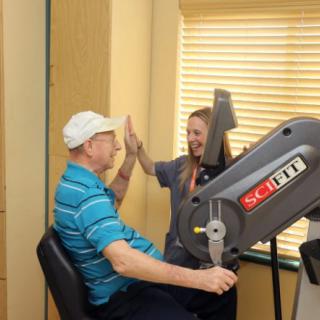
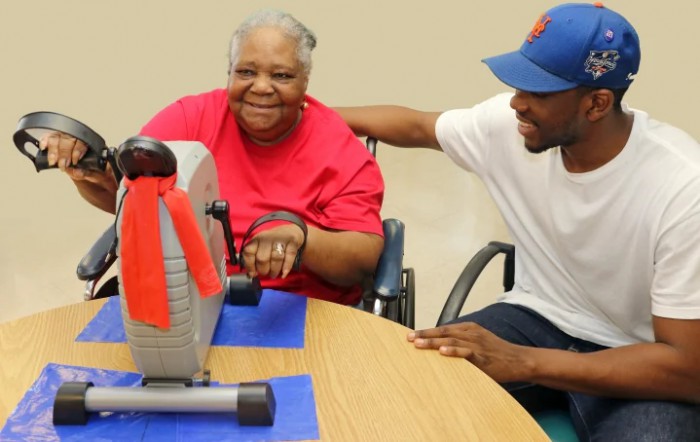
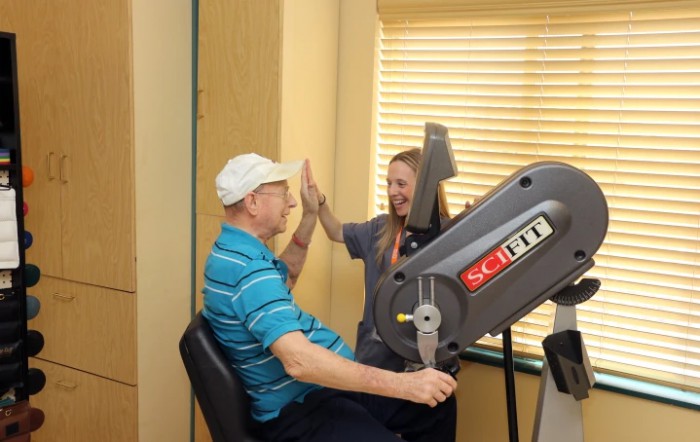
- Rehab equipment is filthy and not sanitized between patients.
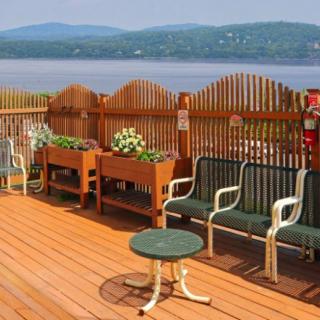
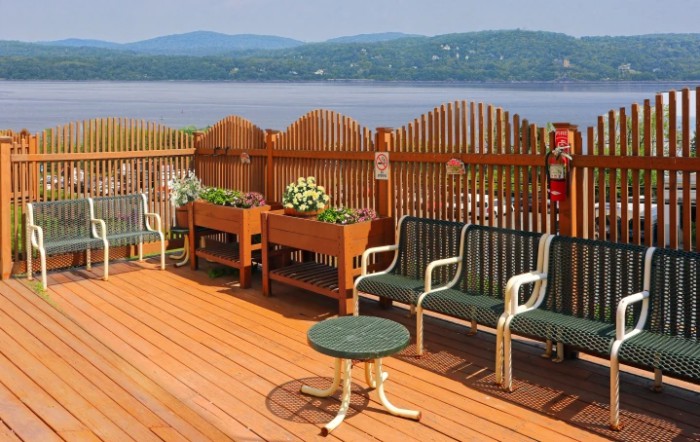
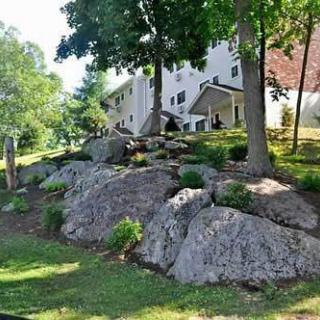
- There is no fresh air or outdoor space for residents, and the grounds are in disarray.
- Some staff neglect residents, leaving them in filthy or urine-stained clothes and even stealing clothing.
- Staff sometimes fail to inform families when residents become ill, leading to hospitalizations.
- The food served is unpalatable and often bad, and the facility should be closed down.
Review
Northern Riverview Health Care in Haverstraw is best suited for seniors who must rely on Medicaid and who want a practical, on-site medical presence with generally responsive staff. It serves households in Rockland and West Haverstraw who need a straightforward option that can help with routine care, meals, and local transportation, while keeping costs manageable. This community functions best for residents who do not demand top-tier rehab programming or an ultra-bright, resort-like atmosphere, but who still expect staff to listen and respond when needs arise. For families prioritizing a consistently uplifting environment, highly calibrated rehabilitation services, and meticulous cleanliness, alternatives should be on the short list.
Those who may want to consider other options are clear: if robust physical therapy, strong safety monitoring, and a facility with inviting outdoor spaces and exercise amenities are non-negotiable, look elsewhere. Several accounts describe a lack of outdoor activity space and no on-site gym, which makes sustained conditioning a challenge for heart-health needs or fall-prevention routines. When the emphasis shifts to proactive, highly attentive care, especially for residents with dementia, frequent falls, or complex medical management, the mix here becomes uneven. Potential buyers should enter with a precise decision framework and a plan to verify ongoing quality of care beyond initial impressions.
On the upside, the strongest recurring positives center on staff accessibility and medical oversight. Residents commonly note that the team is accommodating and that doctors are available to provide hands-on attention. There is practical continuity: meals are served on time, Medicaid transportation is available, and a sense of camaraderie often emerges among residents. In assisted living, some families report cleanliness and daily attentiveness that helps their loved ones feel cared for. On balance, these practical strengths create a dependable baseline for daily living, which matters when budget and access influence the choice.
Yet the negatives cut into that baseline in meaningful ways. Multiple reviews portray care as inconsistent at best, with claims of neglect and a lack of proactive monitoring. The absence of a true interdisciplinary care approach is repeatedly cited, along with criticism that some rehab staff lack compassion or urgency for difficult cases. Sanitation concerns around rehab equipment, and reports of patients not receiving timely attention after falls, cast a long shadow over other positives. Outside, the grounds and air quality are flagged as subpar, with complaints about the environment feeling dark or disarrayed. These elements are not small reservations; they touch daily safety, dignity, and the overall trajectory of recovery.
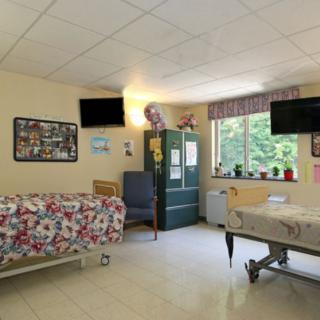
The campus reality across assisted living and nursing-style care appears Mixed rather than uniform. Some families praise the clean rooms, the friendliness of co-residents, and the presence of on-site clinicians, implying a workable option for those who want Medicaid-friendly care and a stable, personal touch from staff. Others recount experiences that would alarm families seeking peace of mind: persistent cleanliness issues, delayed responses to emergencies, and troubling anecdotes about staff behavior. In short, the facility can meet essential needs and offer practical service, but it does not consistently deliver the safety net and rehabilitative rigor that may be required for higher-acuity residents.
Decision guidance: visit with a checklist. Request a current plan of care, speak with the administrator about staffing schedules and turnover, and review recent incident reports and any family communication protocols. Confirm the availability and scope of therapy services, and demand a tour of the rehab area to observe sanitation practices and equipment condition. Inspect the outdoor surroundings and confirm whether any nearby options exist for outdoor activity or walking routes. If choosing this community, enter with explicit expectations and a clear plan for ongoing oversight, especially around falls, cleanliness, and timely communication. If those assurances cannot be secured, pursue alternatives with stronger reputations for proactive care, robust rehab services, and consistently clean, bright environments.
 182 resident community capacity
 Skilled Nursing Facility
 Air-conditioning
 Beauty salon
 Cable or satellite TV
 Computer center
 Dining room
 Fitness room
 Fully furnished
 Gaming room
 Garden
 Housekeeping services
 Kitchenette
 Move-in coordination
 Outdoor space
 Private bathrooms
 Restaurant-style dining
 Small library
 Telephone
 Wellness center
 Wi-Fi/high-speed internet available
 Westchester Cty (16 miles away)
 Community operated transportation
 12-16 hour nursing
 24-hour call system
 Activities of daily living assistance
 Assistance with bathing
 Assistance with dressing
 Assistance with transfers
 Diabetes diet
 Medication management
 Mental wellness program
 Special dietary restrictions
 Concierge services
 Planned day trips
 Exploring the World of Home Health Nurses: Qualifications, Roles, and Hiring Tips
 Navigating Medicare Coverage for In-Home Care Services
 In-Home Care Costs in 2025: A Detailed State-by-State Exploration