Overall Review of Castle Senior Living At Forest Hills
common22 reviews mention this
Caring, responsive staff
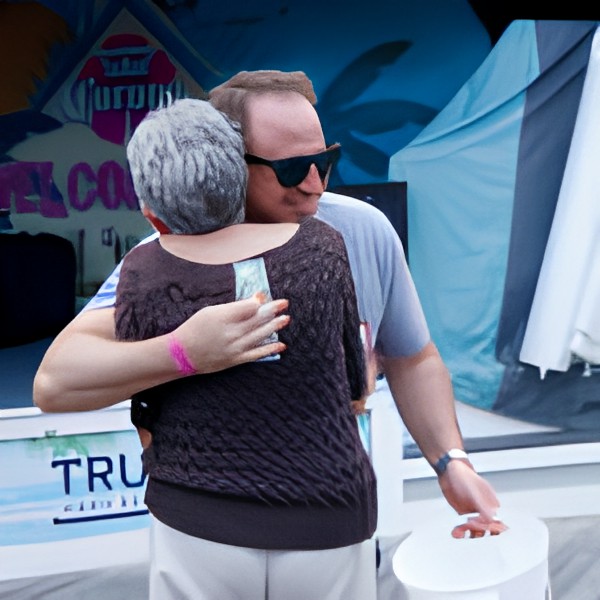
Residents and families repeatedly describe staff as attentive and supportive.
Many reviews emphasize day-to-day responsiveness and a staff presence that helps loved ones feel comfortable. Several people also describe communication as prompt and reassuring, including during transitions and after medical events. A few reviews name specific staff members when thanking the community for care and follow-through.
common16 reviews mention this
Clean, well kept spaces
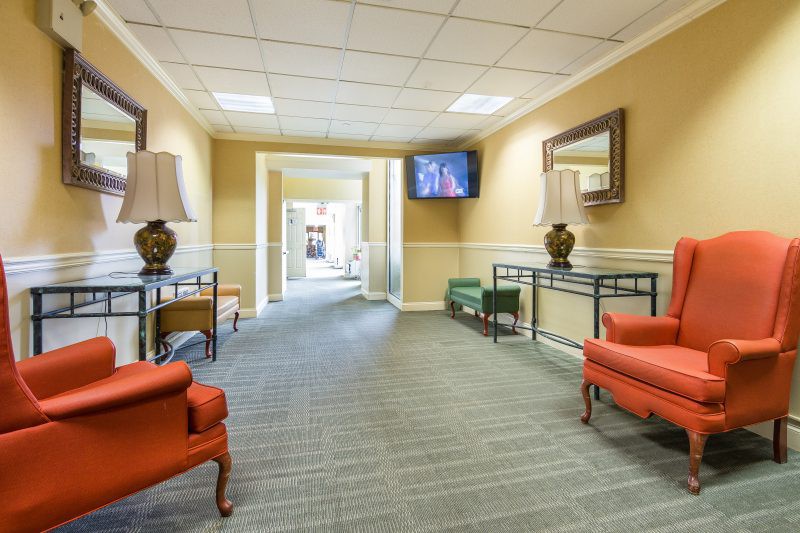
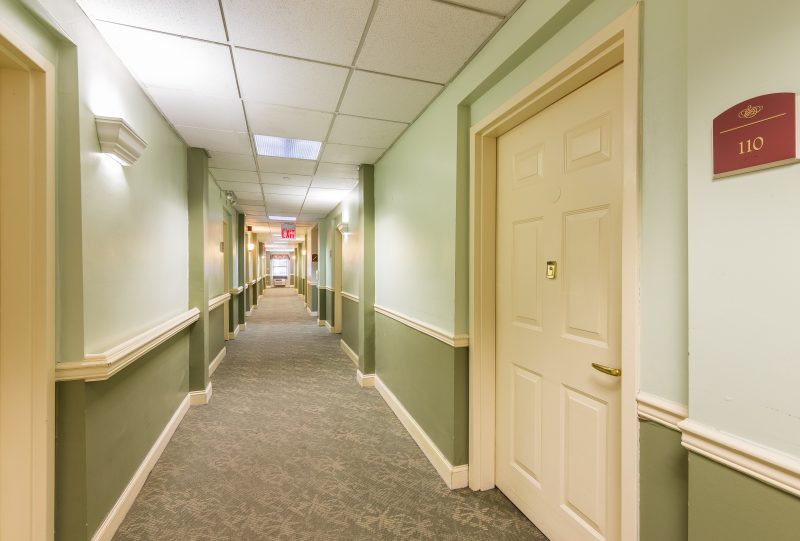
Reviews frequently mention cleanliness and upkeep throughout the building.
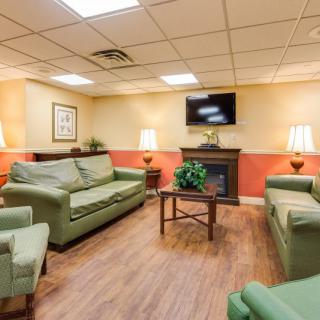
Across multiple reviews, residents and visitors describe the facility as clean, organized, and well maintained. Several also reference renovations and refreshed interior details that make the environment feel more modern. There are also a small number of critical comments about pests and general conditions, which is a clear outlier compared with the broader cleanliness praise.
common12 reviews mention this
Activities keep residents social
Residents and visitors describe an active recreation program.
Recreation and scheduled daily activities come up often, with reviews mentioning group events, crafts, and themed gatherings. Families describe residents as engaged and happy, and one review highlights entertainment and social time. Even in a Memory Care context, at least some reviews tie community programming to resident engagement.
common8 reviews mention this
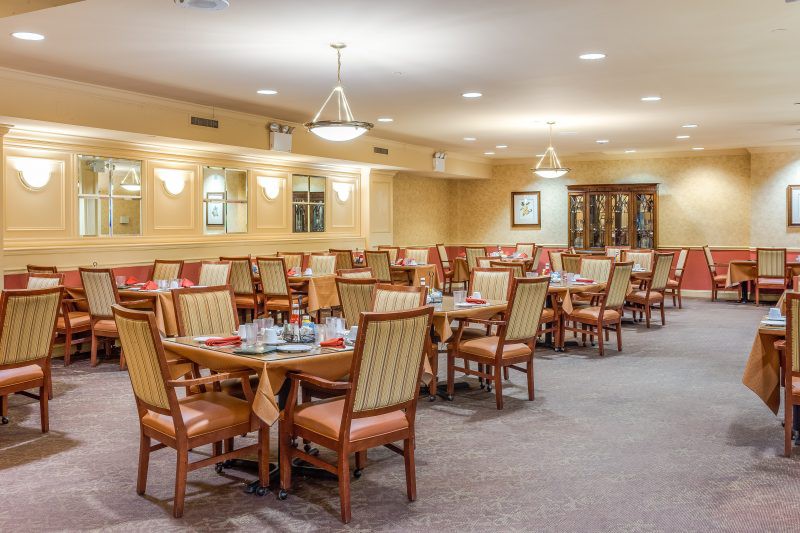
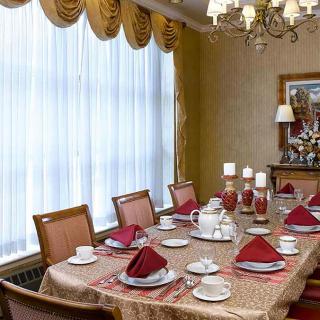
Dining gets frequent positive mentions
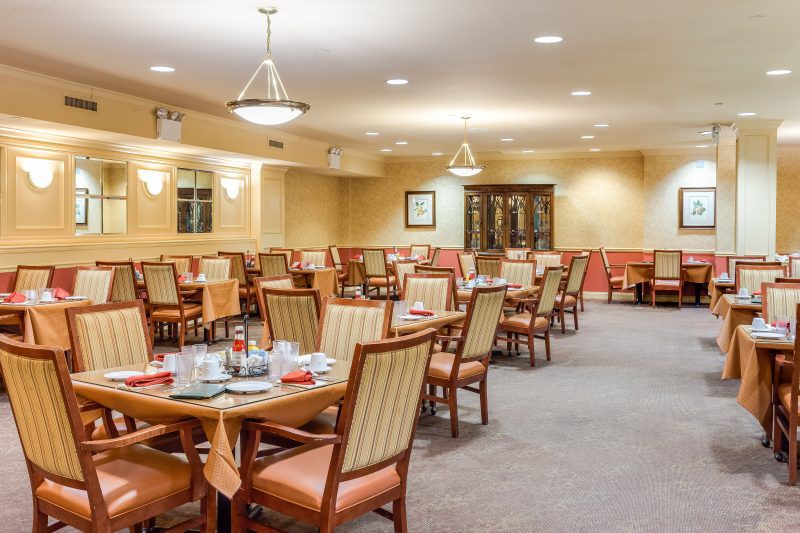
Meals are a recurring bright spot in resident feedback.
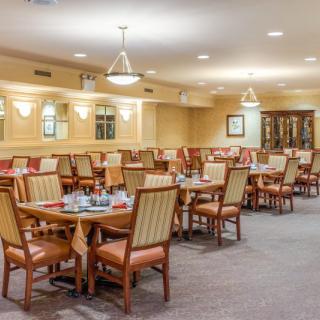
Several reviews praise the food and describe enjoying meals, including a restaurant-like experience in at least one account. Others mention an expansive lunch menu or good food quality during visits. A few critical reviews mention food changes and limited options, which contrasts with the majority of dining praise.
differentiator6 reviews mention this
Renovations and room upgrades
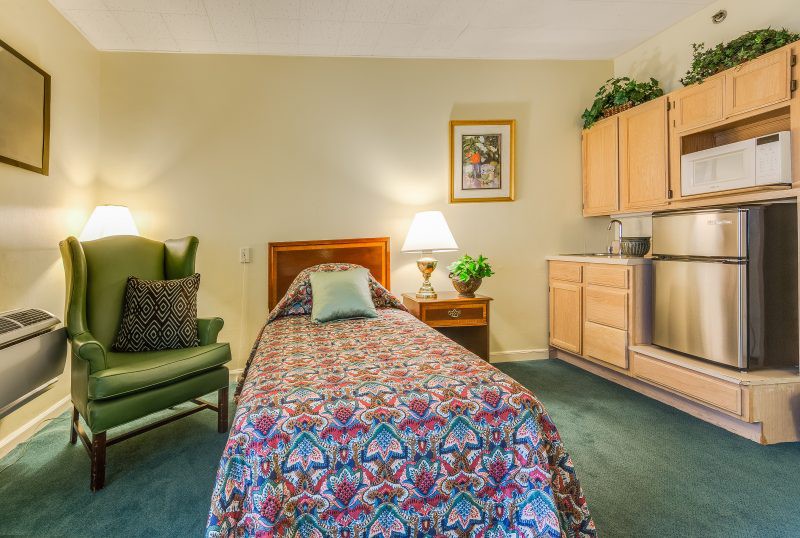
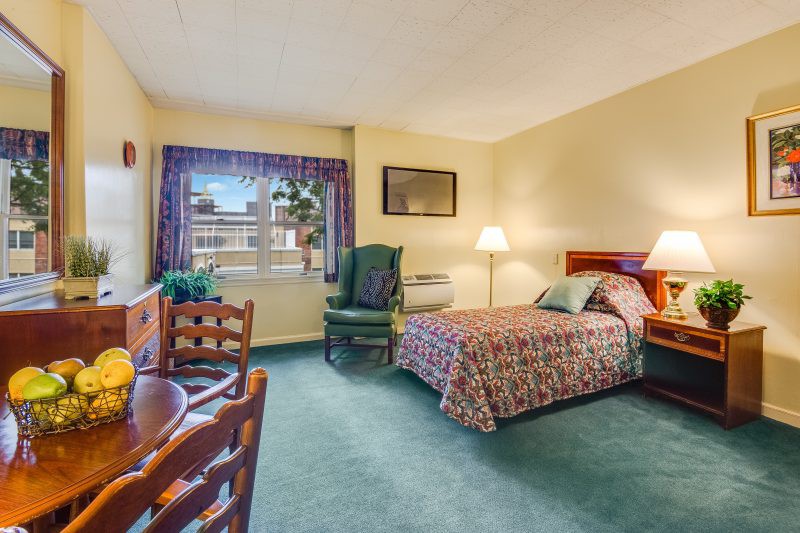
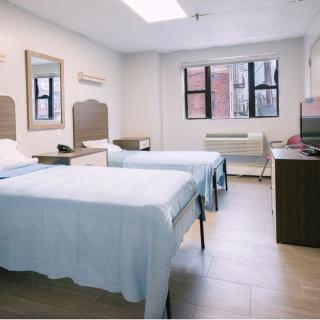
Multiple reviews highlight newly renovated interiors and rooms.
Reviews frequently point to renovations as making the building feel more updated and comfortable, including mentions of renovated rooms and improvements around shared spaces. Residents also describe moving into a newer room as part of their positive experience. A separate set of concerns in some negative reviews centers on ongoing building issues, which should be weighed against the renovation praise.
common6 reviews mention this
Care support includes medication handling
Families describe hands-on support with health needs and daily assistance.
A number of reviews mention caregivers helping with medication and day-to-day support, along with a focus on resident needs. Some residents also describe therapy availability, including PT/OT being helpful for maintaining independence. In Memory Care, at least one review describes a dedicated space and additional specialized support in that setting.
caveat3 reviews mention this
Security and pest concerns appear
A few reviews raise serious concerns about safety and pest control.
While most reviews describe a clean, comfortable environment, a small number of critical reviews describe bed bugs and rats, and mention a lack of confidence in how these issues were handled. Another negative review expresses concern about securing entrances and the condition of side/back areas. These concerns are significant enough to check directly during a visit.
differentiator2 reviews mention this
Memory Care and Serenity Garden
Some residents highlight dedicated support for dementia needs.
At least a couple of reviews specifically mention Memory Care, including a dedicated floor/area and a setting described as a Serenity Garden for dementia residents. Those accounts connect the space and staffing presence to resident comfort and ongoing encouragement. This theme aligns with the community’s stated Memory Care and specialized dementia programming focus.
How we summarize
Counts show how many written reviews mention each theme; a review can touch several themes, and only frequently mentioned themes are displayed.
Features
Housing
52 resident community capacity
Types of Care
Assisted Living
Memory Care
Respite Care
Amenities
Air-conditioning
Beauty salon
Cable or satellite TV
Computer center
Dining room
Fitness room
Fully furnished
Gaming room
Garden
Housekeeping services
Kitchenette
Move-in coordination
Outdoor space
Private bathrooms
Restaurant-style dining
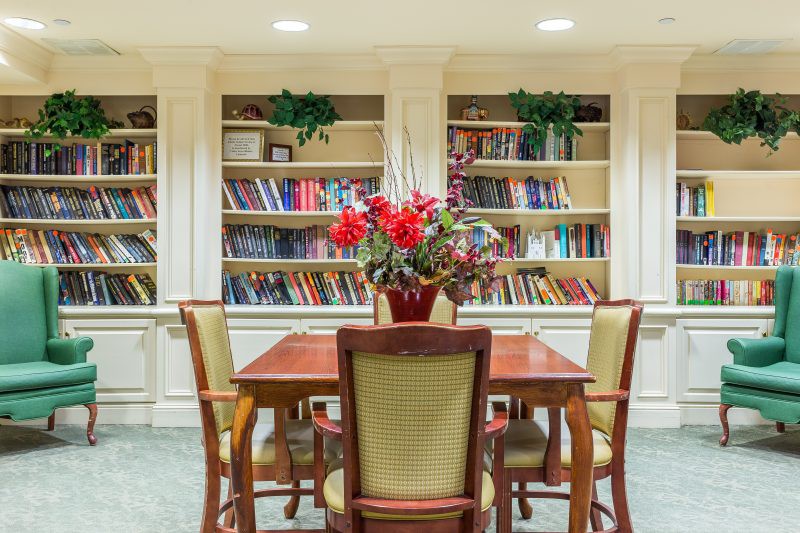
Small library
Telephone
Wellness center
Wi-Fi/high-speed internet available
Transportation
LaGuardia (3 miles away)
John F Kennedy International (8 miles away)
Newark International (17 miles away)
Westchester Cty (24 miles away)
Community operated transportation
Transportation arrangement
Transportation arrangement (non-medical)
Transportation to doctors appointments
Care Services
12-16 hour nursing
24-hour call system
24-hour supervision
Activities of daily living assistance
Assistance with bathing
Assistance with dressing
Assistance with transfers
Diabetes diet
Meal preparation and service
Medication management
Mental wellness program
Mild cognitive impairment
Special dietary restrictions
Specialized memory care programming
Dining
Diabetes diet
Special dietary restrictions
Activities
Community-sponsored activities
Concierge services
Fitness programs
Planned day trips
Resident-run activities
Scheduled daily activities
Nearby Places of Interest
Parks
Flushing Meadows Corona Park (0.6 miles)
Forest Park (2.4 miles)
Cunningham Park (4.3 miles)
Astoria Park (4.4 miles)
Rainey Park (4.9 miles)
McCarren Park (5.3 miles)
Alley Pond Park (5.3 miles)
Pharmacies
CVS Pharmacy (0.8 miles)
CVS Pharmacy (1.3 miles)
Walgreens (1.4 miles)
Queens Crossing (1.9 miles)
Walgreens (2.3 miles)
CVS Pharmacy (3.1 miles)
CVS Pharmacy (3.2 miles)
Transportation
LIRR - Mets-Willets Point Station (1 miles)
MTA - Mets-Willets Point Subway Station (1.1 miles)
Forest Hills – 71st Avenue (1.3 miles)
MTA Subway - 74th St/Roosevelt Ave/Jackson Hts (2.1 miles)
Terminal D (2.2 miles)
Terminal C (2.4 miles)
National Car Rental (2.5 miles)
Places of Worship
St Luke's Episcopal Church (1.7 miles)
Restaurants
Taco Bell (3.3 miles)
McDonald's (4 miles)
Ikraveit Foods (4.3 miles)
Burger King (5.1 miles)
Kimbap Lab (5.9 miles)
White Castle (6.3 miles)
Theaters
AMC Fresh Meadows 7 (3.5 miles)
Hospitals
Manhattan Psychiatric Center (5.4 miles)
Metropolitan Hospital Center (5.8 miles)
Cafes
The West (5.5 miles)
Ralph’s Café (6.4 miles)
Physicians
David H. Koch Center for Cancer Care at Memorial Sloan Kettering Cancer Center (5.6 miles)
Memorial Sloan Kettering Cancer Center (5.7 miles)
Castle Senior Living At Forest Hills offers a comprehensive suite of features designed to enhance the well-being of residents with dementia and Alzheimer's disease. Assistance with dressing, bathing, and transfers ensures that individuals maintain their dignity while receiving the support they need for daily tasks that may become challenging due to cognitive decline. Medication management helps prevent errors and promotes adherence to treatment plans, which is vital for overall health. Meal preparation and service focus on dietary needs, ensuring residents receive nutritious meals that cater to their preferences while addressing any dietary restrictions. Activities of daily living assistance empowers residents by promoting independence within a supportive framework. The continuous 24-hour supervision provides peace of mind for both residents and families, ensuring safety and immediate assistance when required. Integrating a mental wellness program fosters cognitive engagement, while specialized memory care programming targets unique challenges faced by those experiencing mild cognitive impairment or more advanced stages of dementia, enriching each resident's quality of life through tailored activities and social interaction.
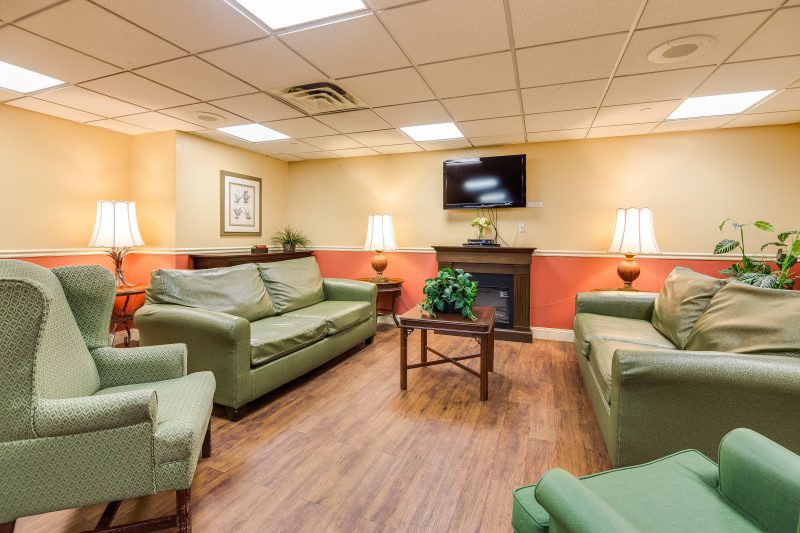
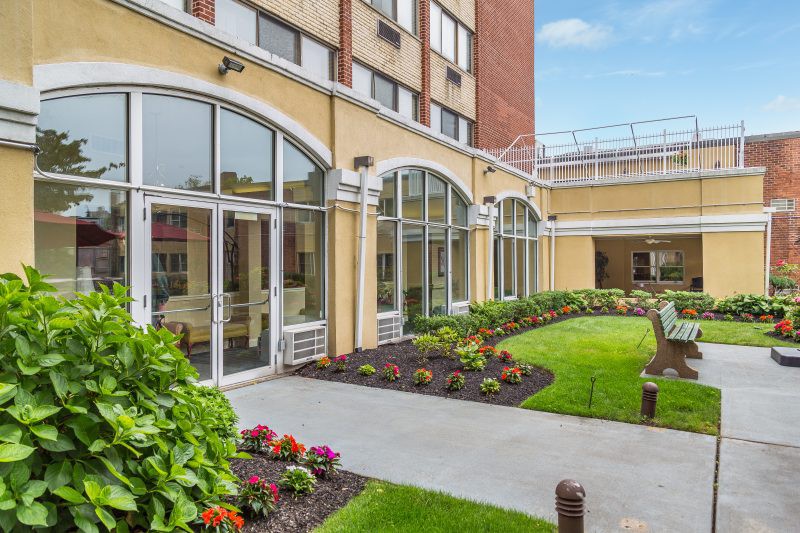
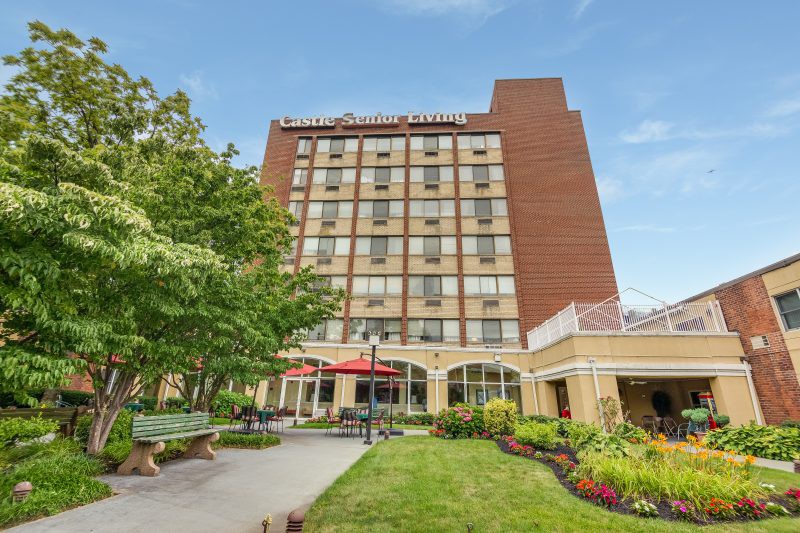
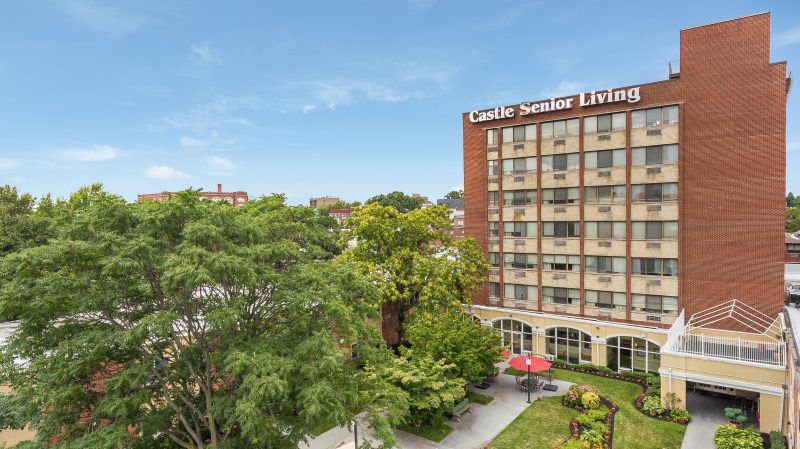
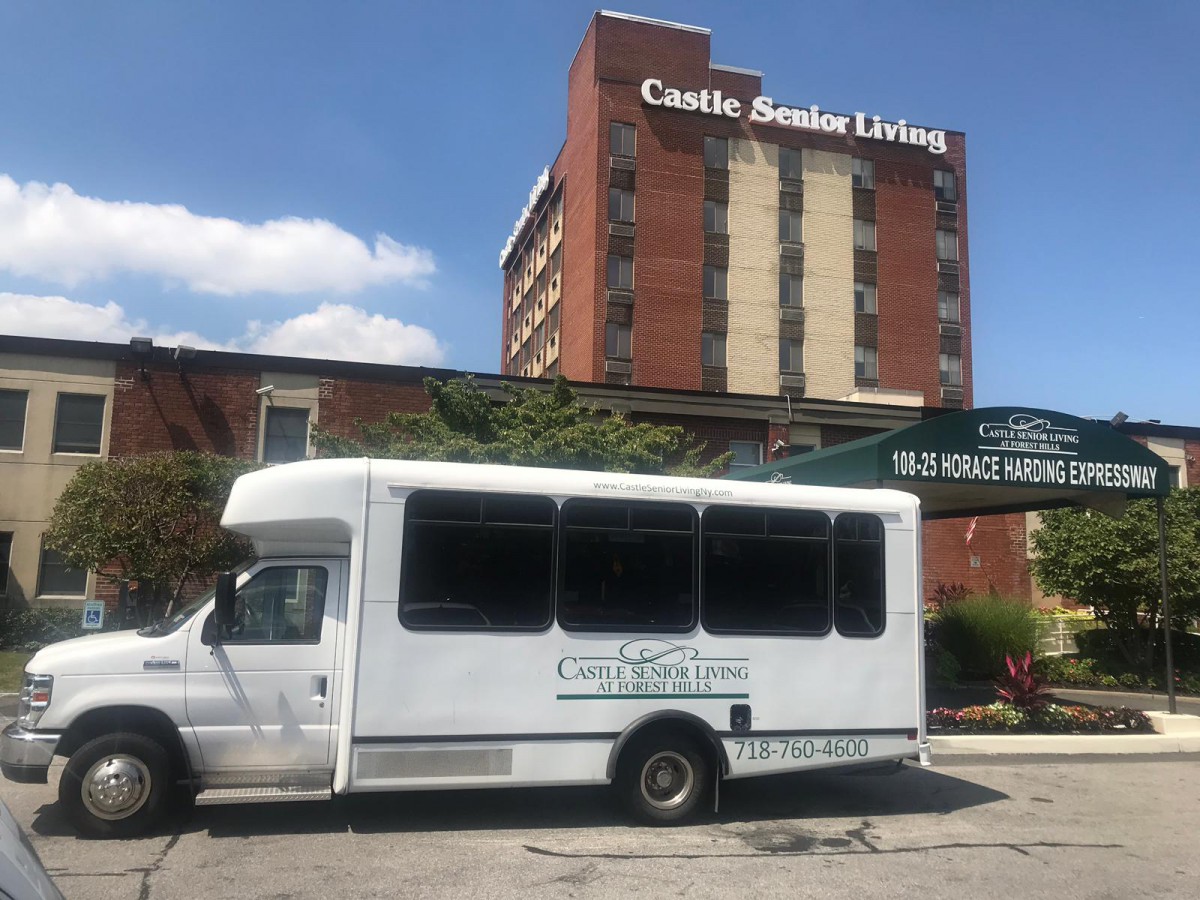
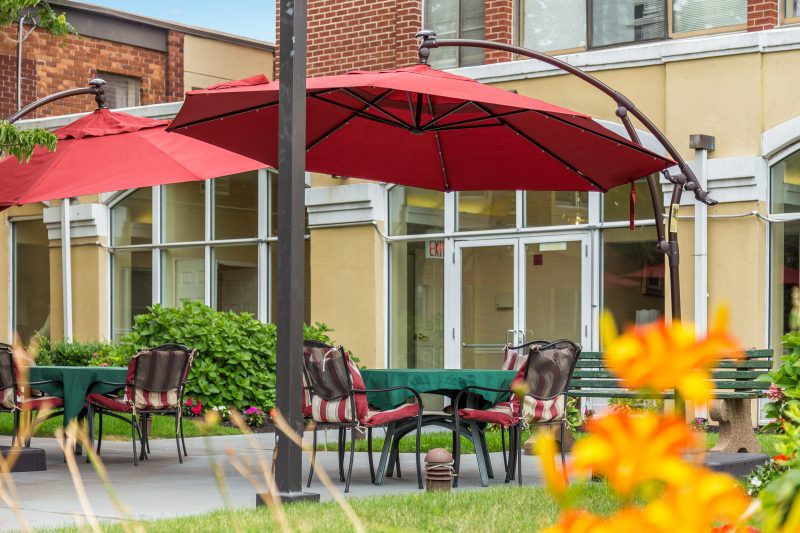
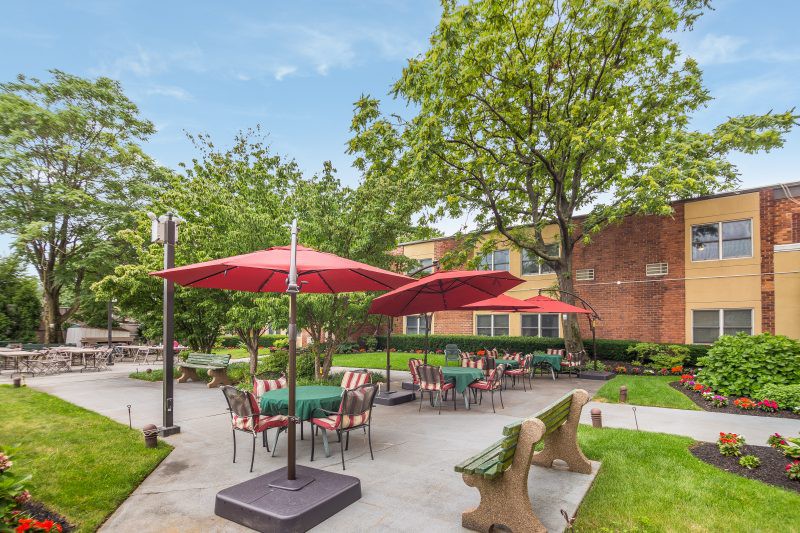
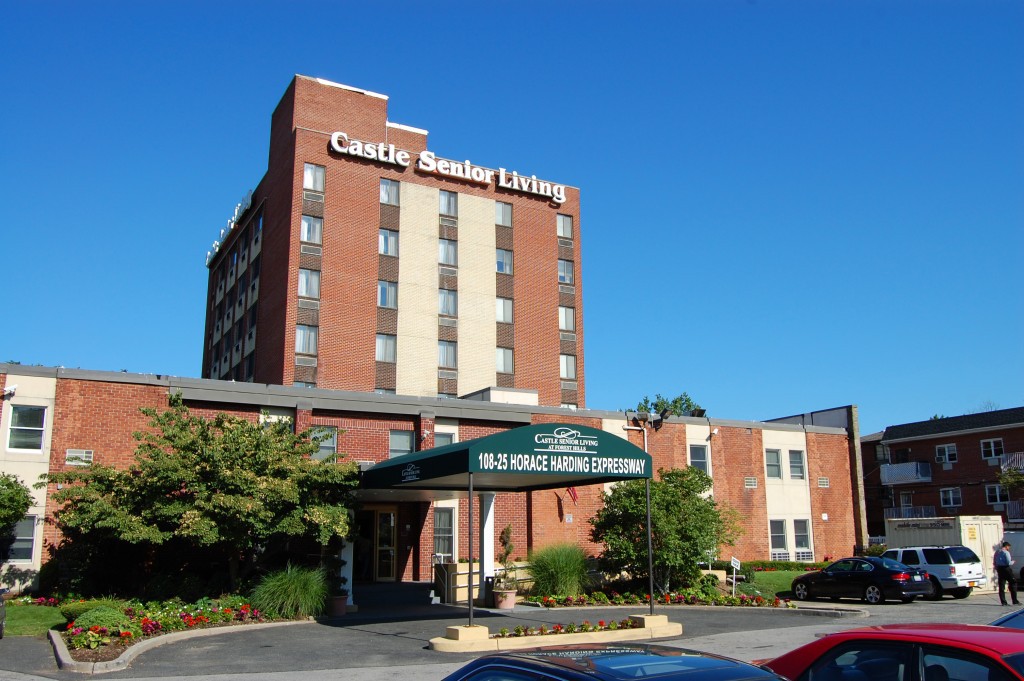
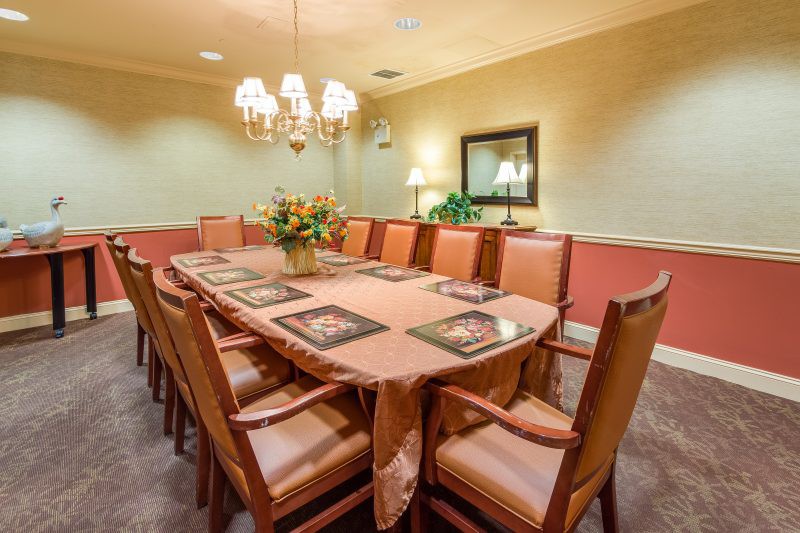
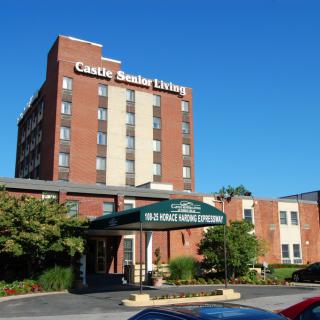
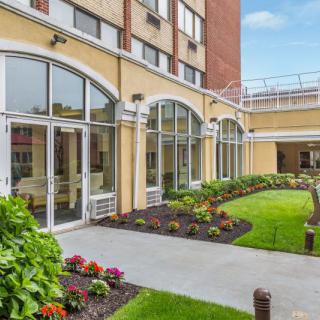
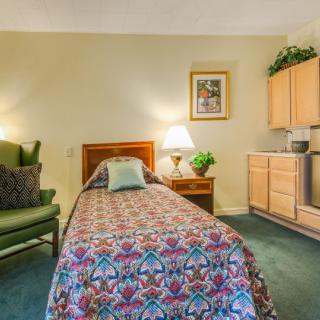
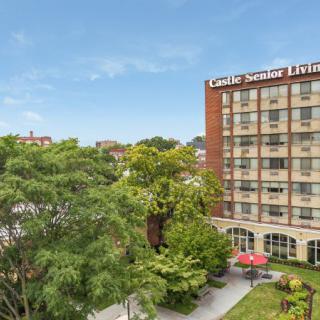
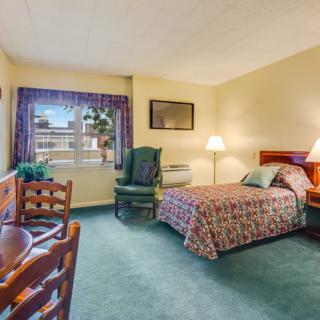
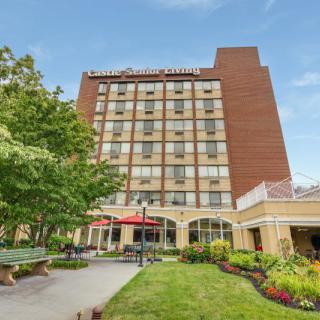
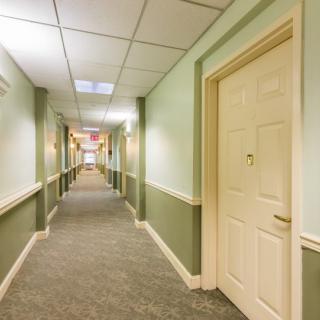
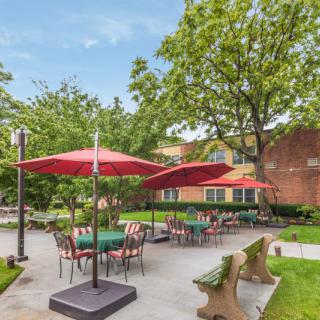
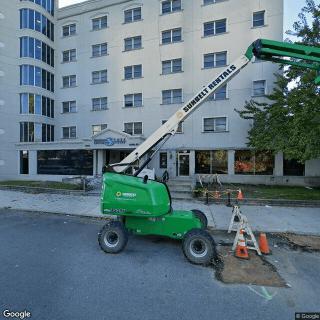
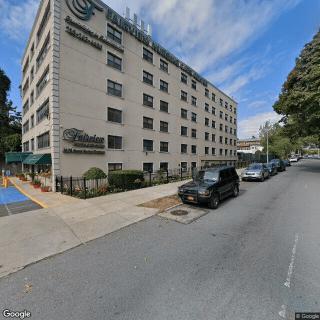
Castle Senior Living At Forest Hills on seniors.fyi includes 75 photos including images showing outdoors, outdoor, interior, building, dining, lighting, bedroom, trees, and more.
Nearby Communities
Castle Senior Living at Forest Hills
Corona, NY
4.5 from 183 reviews
$2,970 to $5,100 / month
Caring staff, clean environment, and good meals/activities.
Park Terrace Care Center
Corona, NY
2.9 from 76 reviews
Quality nursing care with good communication.
Rego Park Nursing Home
Flushing, NY
4.2 from 123 reviews
Friendly staff with attentive rehab and recreational teams.
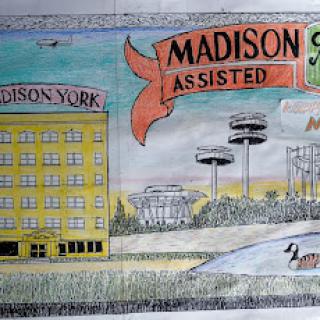
Madison York Assisted Living Community
Corona, NY
4 from 25 reviews
Strong on-site amenities and 24/7 supervision.
Madison York Assisted Living – Corona
Corona, NY
4.1 from 24 reviews
Bright, airy layout with a spacious dining area and inviting communal spaces, plus fresh meals and park access nearby.
Fairview Nursing Care Center
Forest Hills, NY
3.3 from 133 reviews
Well-maintained facility with attentive staff and helpful coordinators.
Atria Forest Hills
Forest Hills, NY
4.7 from 170 reviews
$6,495 to $7,495 / month
Caring staff and a vibrant, hotel-like community.
Queens Adult Care Center
Elmhurst, NY
4.5 from 127 reviews
$1,313 / month
Affordable pricing compared to local averages; some positive staff experiences.
Sanford Home
Flushing, NY
3.9 from 15 reviews
$2,000 / month
Clean, safe environment with reliable medication management and transport to medical appointments.
Dementia causes cognitive decline and challenging behaviors that caregivers must manage, necessitating an understanding of the neurological basis of these issues. Effective strategies and self-care for caregivers can enhance support for those with dementia and improve their daily lives.
The content outlines five key early indicators of dementia, including significant memory loss and confusion about time and place, while emphasizing the need for professional evaluation and emotional support for both individuals showing symptoms and their caregivers. It encourages family members to monitor these signs closely and use online quizzes for initial awareness.
The article highlights eight indicators that a loved one with dementia may require specialized memory care, emphasizing the emotional and logistical challenges families encounter in this decision. It discusses signs such as difficulties with daily tasks, safety concerns, and caregiver burnout, suggesting that memory care facilities can provide the necessary support and structured environments for those experiencing cognitive decline.
Get PricingAsk A QuestionSchedule A TourContact Senior Advisor
By clicking submit, you agree to our Partner's Terms of Use. You
also consent to receive calls and texts, which may be autodialed, from our Partner. Your consent is not a condition to
using our Partner's service. Please visit our Partner's Privacy Policy for information about their privacy practices.






 52 resident community capacity
 Assisted Living
 Memory Care
 Respite Care
 Air-conditioning
 Beauty salon
 Cable or satellite TV
 Computer center
 Dining room
 Fitness room
 Fully furnished
 Gaming room
 Garden
 Housekeeping services
 Kitchenette
 Move-in coordination
 Outdoor space
 Private bathrooms
 Restaurant-style dining
 Small library
 Telephone
 Wellness center
 Wi-Fi/high-speed internet available
 LaGuardia (3 miles away)
 Community operated transportation
 12-16 hour nursing
 24-hour call system
 Activities of daily living assistance
 Assistance with bathing
 Assistance with dressing
 Assistance with transfers
 Diabetes diet
 Medication management
 Mental wellness program
 Special dietary restrictions
 Concierge services
 Planned day trips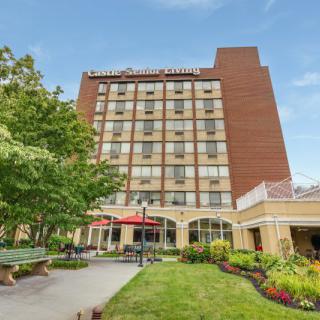
 Caring staff, clean environment, and good meals/activities.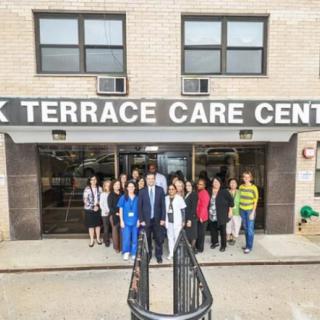
 Dementia Behaviors: In-Depth Understanding and Effective Coping Strategies
 5 Early Indicators of Dementia and What You Can Do
 8 Important Indicators That Memory Care May Be Necessary