
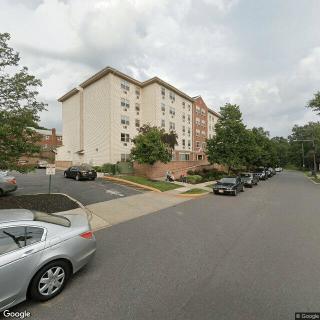
1421 River Road, Piscataway, NJ 08854
For more information about senior living options: (866) 208-4318
Overall Review of Francis E Parker Memorial Home Piscataway
Pros
 Francis Parker is described as an excellent facility.
- It never smelled and was well maintained.
- The dining service is superb, with family dinners that include lobster.
- Regular entertainment and activities kept residents engaged and cheerful.
- The staff clearly cared deeply for the patients and were attentive.
- The nursing staff is very caring.
- It is considered the best nursing home in New Jersey, reflected by a long waiting list.
- The environment is welcoming and the staff present themselves professionally.
Cons
 The reviewer claims the care is appalling, citing poor dementia services and pressure on families to hire private-duty aides, and alleges the facility does not accept Medicare.
- The mother was left unattended on admission without her teeth and drooling, and lost 30–40 pounds within 1–2 months because staff wouldn’t wake her for breakfast.
- Complaints to the executive office yielded no action; she suffered a seizure from a fall and COPD, and was dosed with morphine until she died.
- The only negative point noted about the otherwise praised facility is that it is pricey.
Review
Francis E Parker Memorial Home in Piscataway is best suited for families willing to pay a premium for a lively, activity-driven environment where dining and social programming are central, and where private-pay options are readily available. This community clearly excels at creating a social atmosphere: regular activities, entertaining events, and a dining program that many families regard as standout. For residents who prize a bustling schedule, approachable staff who engage residents in everyday pleasures, and a facility with a long-standing reputation, Parker offers tangible appeal. It is not the quiet, clinical setting some families expect; it is a place where life and companionship are part of the daily routine.
Those who should consider alternatives are families prioritizing strong, consistent dementia care and medical oversight, or those relying on Medicare coverage. Several reviews raise serious questions about how memory-care needs are managed and about alignment with Medicare standards, suggesting care quality can vary significantly by unit and staff. If Medicare eligibility, predictable clinical oversight, or seamless coordination with memory-care specialists is essential, other facilities with explicit dementia care protocols and more transparent oversight may be safer choices. Cost considerations also push families to compare options, since Parker sits on the higher end of the spectrum.
On the positive side, Parker earns praise for atmosphere and engagement. A number of residents and families highlight a clean, odor-free environment, meals described as generous and occasionally standout, and an emphasis on activities that foster social connection, movies, outings, crafts, even family-oriented dining experiences. Staff are repeatedly described as caring and engaged, with dedicated nurses and aides who participate in conversations and comfort residents. The facility’s reputation as a premier nursing home in New Jersey, underscored by anecdotes about reputational strength and long waitlists, signals that those who can access a place here often get a high-touch experience. For families who value a warm community and plentiful programming, these elements can be decisive.
Yet the downsides are not trivial. A persistent thread across the more troubling reviews centers on lapses in basic care and troubling end-of-life concerns: claims of inadequate dementia services, directives to hire private aides, and a perceived disconnect with regulatory standards tied to Medicare. One review alleges a resident was left unattended on admission, with serious consequences, and another recounts a death following prolonged morphine dosing after a fall. These are not minor issues to overlook; they point to potential gaps in day-to-day clinical oversight and escalation procedures. While other families describe strong nursing and attentive care, these allegations cannot be ignored in weighing risk, especially for residents with complex medical or cognitive needs.
The key question becomes whether the bright spots can compensate for the significant concerns, and for whom. For families with ample private resources who prize social programming, attractive meals, and a lively campus atmosphere, Parker can deliver meaningful quality of life. For those whose priority is strict dementia care, reliable medical oversight, and Medicare-aligned standards, the balance tilts away from a guaranteed fit. The high cost is another factor to reconcile with the value perceived in programming and reputation; the price may be justified for some, but not all, given the variability in reported care experiences. In other words, Parker is powerful for the right resident, but risky for others.
For families actively evaluating Francis Parker, take a structured approach. Schedule a comprehensive tour focused on the dementia care unit, ask for current staffing ratios, review daily schedules, and request recent incident logs or quality metrics. Probe how private aides integrate with the on-site team, and obtain a clear picture of costs, what is covered, and how price scales with levels of care. Compare with facilities that accept Medicare and Medicaid, have transparent dementia programs, and evidence of consistent clinical oversight. If choosing Parker, insist on meeting the leadership team, request references from families with residents in memory care, and obtain written assurances regarding care plans, escalation protocols, and resident-rights protections.
 79 resident community capacity
 Assisted Living
 Air-conditioning
 Beauty salon
 Cable or satellite TV
 Computer center
 Dining room
 Fitness room
 Fully furnished
 Gaming room
 Garden
 Housekeeping services
 Kitchenette
 Move-in coordination
 Outdoor space
 Private bathrooms
 Restaurant-style dining
 Small library
 Telephone
 Wellness center
 Wi-Fi/high-speed internet available
 Newark International (19 miles away)
 Community operated transportation
 12-16 hour nursing
 24-hour call system
 Activities of daily living assistance
 Assistance with bathing
 Assistance with dressing
 Assistance with transfers
 Diabetes diet
 Medication management
 Mental wellness program
 Special dietary restrictions
 Concierge services
 Planned day trips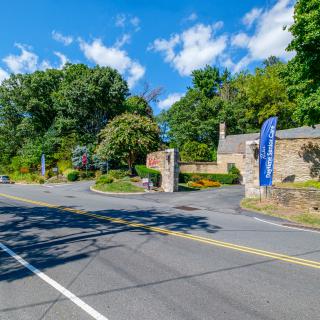

 Exploring the Path to Senior Living: A Comprehensive Look at Independent Living and Assisted Living
 Is Assisted Living Deductible on Your Taxes? Understanding the Complexities of Assisted Living Expenses and Deductions
 Assisted Living Support for Veterans: A Complete and Detailed Overview