
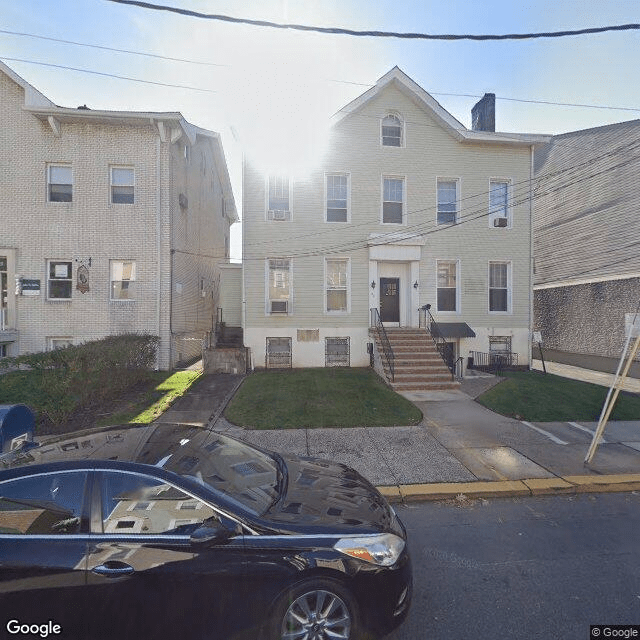
92 Bayard St 2nd Flr Ste 3, New Brunswick, NJ 08901
To contact a resident: (732) 246-0342
For more information about senior living options: (866) 208-4318
Overall Review of American Home Care LLC
Pros
 The home health aides are praised for promoting independence.
- They provide helpful assistance with laundry, reading books, meals, and physical therapy.
- The four-hour minimum ensures reliable, steady care.
- The service is valued for its practical, client-centered support.
Cons
 The four-hour minimum makes scheduling inflexible for those needing shorter visits.
- The rate of 25 an hour could be prohibitively expensive for many families.
- The emphasis on independence may overlook the need for broader, ongoing support.
- There is no information about caregiver qualifications or quality controls.
- The description limits services to a few tasks, implying a narrow scope of care.
Review
This community is best suited for seniors who want to stay in their own home while receiving practical, hands-on support focused on preserving independence. The core offering centers on home health aides who help with daily tasks and light rehabilitation activities, all designed to keep residents functioning at home rather than moving into a higher level of care. At a glance, the arrangement emphasizes assisting with laundry, meals, reading, and basic physical therapy, with visits billed at $25 per hour and a four-hour minimum. That combination creates a predictable, home-based care model that suits individuals who value familiar surroundings and a largely task-focused support plan.
Families should seriously consider alternatives if the primary goal is not merely task assistance but a more social, community-oriented living arrangement or more intensive medical supervision. For seniors who require round-the-clock monitoring, frequent nursing oversight, structured daily programming, or a built-in community where activities and transportation are central, a traditional assisted living or memory care setting in New Brunswick or nearby may deliver greater peace of mind. Likewise, those with complex medical needs or those who want guaranteed consistency of round-the-clock staff may find in-home aides insufficient to meet expectations.
The strongest pros center on maintaining independence in a familiar environment while receiving targeted help. The aides’ focus on independence means less disruption to routines and greater autonomy for the resident, which many families prize. The ability to address practical needs, laundry, meals, and companionship through reading, paired with periodic physical therapy support, can translate into meaningful improvements in daily functioning without the upheaval of a move. The 4-hour minimum plus a $25/hour rate establish a predictable cost structure that helps families budget, especially when a balance between assistance level and expense is carefully negotiated.
However, the main cons are tangible and demand careful consideration. A home-based model inherently lacks the comprehensive, around-the-clock supervision and social programming found in most assisted living communities. Even with a four-hour minimum, gaps can occur during evenings, nights, or on days with scheduling conflicts, which can be unsettling for families seeking constant reassurance. Costs can escalate quickly if more hours or additional services are needed beyond the base plan, creating a ceiling on affordability that may be lower-cost than some nursing facilities but higher than minimal in-home supports for extended periods.
The key question then becomes how the advantages offset the drawbacks. For families prioritizing autonomy and a comfortable home setting, the independence-first approach can significantly offset the absence of a full community or 24/7 care. The ability to tailor tasks, laundry, reading, meals, and targeted exercises, around the resident’s preferences helps preserve dignity and routine, while home-based PT support can contribute to functional gains without institutional constraints. Yet this offset relies on reliable scheduling, consistent caregiver matching, and a clear plan for escalation if medical needs intensify. Without explicit guarantees of 24/7 coverage or rapid nurse access, the model works best when care needs are moderate and predictable.
In the end, the decision hinges on the care footprint desired. This New Brunswick option excels for seniors who want to remain in their own home, with dependable task help and therapy-oriented activities, at a transparent hourly rate and minimum commitment. It is less suitable for those who require constant supervision, robust social programming, or intensive medical management. Prospective families should verify: what is included in the PT component, how caregiver continuity is managed, the exact scheduling and cancellation policies, and whether any higher-level medical oversight can be accessed quickly if a situation changes. When those questions are answered affirmatively, this option becomes a practical, disciplined path to preserving independence without surrendering safety.
 Newark International (20 miles away)




 Caring for Those Who Care: Recognizing, Understanding, and Overcoming Caregiver Burnout
 Caregiver Exhaustion: Recognizing the Signs and Restoring Your Well-Being
 Understanding Hospice Care at Home: Comprehensive Services, Key Benefits, and Eligibility