Residents and families repeatedly describe staff as caring, attentive, and quick to help.
Across the reviews, families emphasize that the day-to-day experience feels supported because the staff is consistently described as friendly, caring, and responsive. Multiple reviewers note that team members remember personal preferences and treat residents with respect and dignity. A few reviews also mention the staff setting expectations clearly during transitions, then staying engaged as needs change.
common24 reviews mention this
Clean, welcoming building and rooms
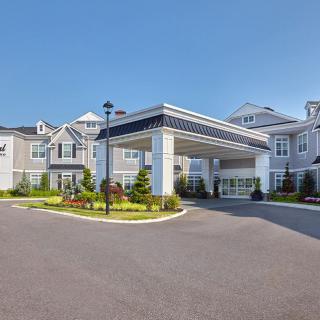
Many reviews highlight the community’s cleanliness, bright feel, and well-kept spaces.
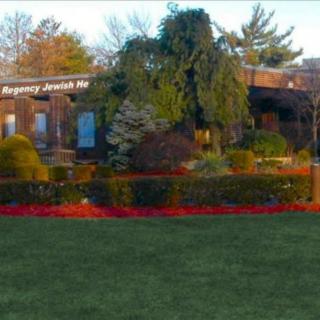
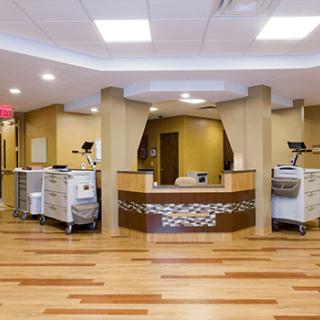
Residents and families often describe the facility as spotless, clean, and beautifully maintained, with a bright, home-like atmosphere. Several reviewers connect the cleanliness and presentation to how comfortable their loved ones feel after moving in. Even in reviews that raise issues, there are mentions of specific employees being friendly and the reception experience being welcoming, alongside praise for the building’s look and upkeep.
common20 reviews mention this
Activities keep residents engaged
Reviews commonly point to lots of activities that help residents stay social and involved.
A recurring theme is that residents are not left isolated—reviewers describe daily programs, groups, and recurring activities that help people stay engaged. Families mention everything from movie and music-related experiences to games, clubs, and outings. For those in memory care, one review specifically mentions the environment as cheerful and focused on engagement rather than staying in the room.
common14 reviews mention this
Dining gets repeated praise
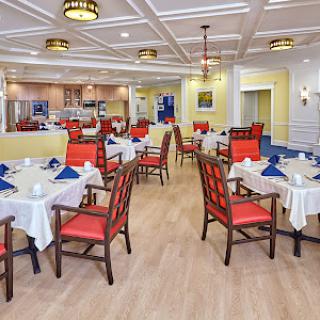
Meals are a frequent bright spot, with residents described as enjoying the food.
Several reviewers describe the meals as delicious and satisfying, and some describe dining as part of the daily routine their loved ones look forward to. A few specifically mention breakfast, lunch, and dinner being served by the community. Others also connect good food with helping residents maintain appetite and daily comfort after moving in.
common7 reviews mention this
Safety features for fall support
Families mention safety supports like fall-alert and staff monitoring for quicker help.
Some reviews reference safety systems and staff action when help is needed, including mentions of fall alerts and quick response. One reviewer describes using an offered fall-related service and notes that the response was quick and prevented the situation from worsening. Others describe monitoring and assistance around the clock as part of what creates peace of mind for families.
caveat3 reviews mention this
Cost is a recurring concern
Multiple reviewers call out the community as expensive.
While many families say they feel the community is worth it for the care and support they receive, cost comes up as a clear concern in the reviews. Some reviewers specifically discuss the high monthly expense, and at least one review links that cost to disappointment with service outcomes during the early stay. The overall theme is that pricing feels high relative to what some families experienced.
How we summarize
Counts show how many written reviews mention each theme; a review can touch several themes, and only frequently mentioned themes are displayed.
Features
Types of Care
Assisted Living
Independent Living
Memory Care
Amenities
Activities on-site
Devotional services off-site
Indoor common areas
Transportation
Trenton-Mercer County (22 miles away)
Newark International (23 miles away)
Care Services
Ambulatory care
Diabetic care
Dining
Meals provided
Activities
Activities on-site
Devotional activities offsite
Nearby Places of Interest
Restaurants
Stage House Tavern (0.3 miles)
Somerset Diner (2.1 miles)
Wendy's (3.7 miles)
B2 Bistro + Bar (5 miles)
McDonald's (5.1 miles)
Edison Diner (5.7 miles)
Wendy's (5.9 miles)
Cafes
Starbucks (1.5 miles)
Panera Bread (2.3 miles)
Panera Bread (5.7 miles)
Starbucks (6.4 miles)
Starbucks (7 miles)
Starbucks (7.6 miles)
Starbucks (7.9 miles)
Places of Worship
Somerset Presbyterian Church (1.6 miles)
Chinese Christian Church (2.5 miles)
Muslim Center of Middlesex County (3.5 miles)
The Parish Community of St Joseph (3.6 miles)
Our Lady of Fatima Roman Catholic Church (6.4 miles)
Catholic Church Of St Anne (7.7 miles)
Pharmacies
Pharmscript (2 miles)
Walgreens (2.2 miles)
CVS Pharmacy (2.3 miles)
CVS Pharmacy (3.3 miles)
Walgreens (3.6 miles)
CVS Pharmacy (3.9 miles)
Amneal Pharmaceuticals (4.4 miles)
Physicians
University Radiology Group PC (2.2 miles)
University Orthopaedic Associates (2.7 miles)
Princeton Dermatology Associates (2.8 miles)
Johnson & Johnson (3.8 miles)
Cancer Institute of New Jersey (3.8 miles)
Brunswick Urgent Care PA (4.7 miles)
Your Doctors Care PA (5.8 miles)
Hospitals
Emergency Department, St Peter's University Hospital (3.3 miles)
Robert Wood Johnson University Hospital (3.8 miles)
Transportation
New Brunswick Train Station (4 miles)
NJT - Edison Station (6 miles)
Theaters
Regal Commerce Center & RPX (4 miles)
Reading Cinemas Manville with TITAN LUXE (4.7 miles)
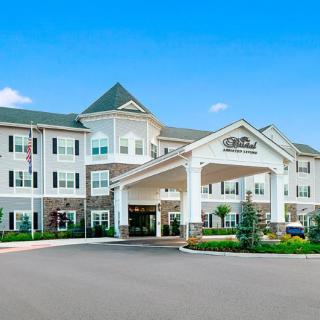
The Bristal at Mount Sinai on seniors.fyi includes 14 photos including images showing interior, dining, landscaping, decor, chandelier, building, billiards, lighting, and more.
Nearby Communities
Transformation Home Care
East Orange, NJ
Excellent access to nearby healthcare, dining, parks, and transportation.
Home Instead - Somerset, NJ
Somerset, NJ
5 from 28 reviews
Positive caregiver interactions and responsive administration with flexible scheduling.
The Bristal at Somerset
Somerset, NJ
4.8 from 40 reviews
Caring, patient staff with attentive care and daily cleaning.
Spring Hills Somerset
Somerset, NJ
4.5 from 106 reviews
$3,549 to $6,600 / month
Friendly, attentive staff in a clean, modern facility with engaging activities and memory care support.
Regency Heritage Nursing And Rehabilitation Center
Somerset, NJ
4.4 from 134 reviews
Compassionate staff with effective rehabilitation and a home-like, amenity-rich environment.
Regency Jewish Heritage Post-Acute Rehabilitation and Nursing Center
Somerset, NJ
4.6 from 194 reviews
Compassionate staff and effective rehabilitation.
Stein Assisted Living
Somerset, NJ
4.7 from 9 reviews
Clean, homey environment with kosher dining, diverse housing options, and strong social/religious engagement.
Somerset Woods Rehab and Nursing Center
Somerset, NJ
4.3 from 130 reviews
Clean, well-maintained facility with strong rehabilitation services and supportive nursing/therapy staff.
Parker At Stonegate
Highland Park, NJ
4.5 from 26 reviews
Caring, responsive staff in a clean, welcoming environment.
Transitioning from assisted living to memory care is driven by an individual's cognitive decline and specific needs, requiring careful evaluation of indicators like increased confusion and wandering. The process involves consulting medical professionals, researching suitable communities, considering financial and legal aspects, and ensuring effective communication for personalized care plans.
The article differentiates between assisted living and memory care, explaining that assisted living supports seniors with daily activities while promoting independence, whereas memory care provides specialized services for individuals with dementia, focusing on secure environments and cognitive support. It also addresses staff training, safety considerations, costs, family involvement, and transition strategies for families navigating these care options.
The article outlines effective communication strategies for interacting with loved ones with dementia, highlighting the need for empathy, patience, and understanding while emphasizing supportive approaches like using simple language, minimizing distractions, and focusing on feelings over facts to maintain dignity and foster connection. It also suggests seeking professional guidance when needed as communication challenges evolve.
Get PricingAsk A QuestionSchedule A TourContact Senior Advisor
By clicking submit, you agree to our Partner's Terms of Use. You
also consent to receive calls and texts, which may be autodialed, from our Partner. Your consent is not a condition to
using our Partner's service. Please visit our Partner's Privacy Policy for information about their privacy practices.





 Assisted Living
 Independent Living
 Memory Care
 Activities on-site
 Devotional services off-site
 Indoor common areas
 Trenton-Mercer County (22 miles away)
 Ambulatory care
 Diabetic care
 Meals provided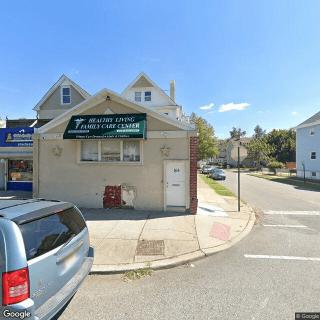
 Excellent access to nearby healthcare, dining, parks, and transportation.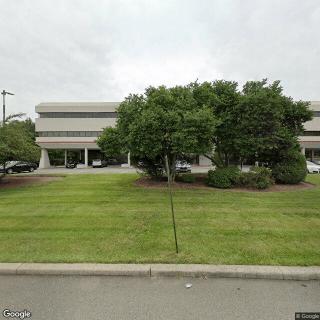
 When to Transition from Assisted Living to Memory Care: Key Indicators, Steps, and Finding the Right Community
 Understanding the Distinctions: Assisted Living and Memory Care Explained
 How to Communicate with a Loved One Living with Dementia: 10 Supportive Strategies


