Overall Review of Regency Jewish Heritage Post-Acute Rehabilitation and Nursing Center
common120 reviews mention this
Care staff are repeatedly praised
Residents and families consistently describe kind, responsive caregivers.
A large number of reviewers focus on staff warmth and helpfulness, often mentioning nurses and aides by role and thanking them for making residents feel comfortable. Several also describe good bedside manner and attention to comfort needs, including responsiveness when concerns come up. Even reviewers with major complaints still single out that some individuals felt caring, while other parts of the experience were unsatisfactory.
differentiator70 reviews mention this
Rehabilitation progress comes up often
Physical and occupational therapy are frequently tied to noticeable recovery.
Many reviews point to rehab outcomes, describing physical and occupational therapy teams that help residents regain strength, walking ability, or independence. Some reviewers mention therapist skill and goal-focused sessions, while others emphasize that progress helped them feel ready to return home. A few negative reviews also reference therapy being part of the concern, but most comments frame rehab as a key reason families recommended the community.
common55 reviews mention this
Food quality is a frequent theme
Meals are often described as better than expected for a nursing facility.
Residents and families frequently comment on meal quality, with multiple reviews saying the food was good or surprisingly tasty. The dining setup is also reflected in residents’ diet-related comments, including mentions of kosher meals and other diet considerations. There are also a handful of complaints where food dissatisfaction is part of a broader negative experience.
caveat12 reviews mention this
Admissions and communication can disappoint
Some families report frustrating communication during admissions and care updates.
A few reviewers describe an admissions process that felt unclear or heavily focused on payer and paperwork, alongside requests for more transparent clinical explanations. Others mention difficulty getting timely answers or updates when calling or when something changes during a stay. While many reviews praise social services and staff responsiveness, these negative stories highlight inconsistency in how families felt informed.
caveat18 reviews mention this
Not all experiences match the praise
Some reviews raise serious concerns about care attention and follow-through.
Although most reviews are positive about care, a smaller group of reviews describe situations involving neglect, inadequate attention, or preventable medical issues. Several of these reviews connect problems to staffing shortages or lack of proactive monitoring, and they include complaints about cleanliness in parts of the facility. These accounts stand out as the clearest recurring downside themes when comparing across reviews.
common45 reviews mention this
Many reviewers mention cleanliness
Multiple reviews describe the facility as clean and well maintained.
Cleanliness appears in many positive comments, with reviewers describing rooms and common areas as immaculate, tidy, or generally kept up. Some reviews also mention a pleasant environment that contributes to comfort for residents and visitors. However, a few negative reviews specifically call out unsanitary conditions, so cleanliness seems better for many reviewers than for a minority.
How we summarize
Counts show how many written reviews mention each theme; a review can touch several themes, and only frequently mentioned themes are displayed.
Features
Types of Care
Skilled Nursing Facility
Pets
Cats allowed
Dogs allowed
Amenities
Activities off-site
Activities on-site
Air-conditioning
Beautician on-site
Cable or satellite TV
Computer center
Devotional services off-site
Devotional services on-site
Dining room
Financing advice
Garden
Guasts at mealtime
Guest parking
Housekeeping services
Indoor common areas
Laundry
Outdoor common areas
Overnight guests
Party space
Security gate
TV room
VA Benefits Consultation
Wi-Fi/high-speed internet available
Transportation
Trenton-Mercer County (22 miles away)
Newark International (23 miles away)
Transportation & parking
Care Services
High acuity care
Hospice care
Incontinence care
Medication management
Physical therapy
Psychiatric care
Dining
Anytime dining
Gluten-free
Kosher
Low / no sodium
Meals provided
No Sugar
Organic
Room service
Vegan
Vegetarian
Activities
Activities off-site
Activities on-site
Arts and crafts
Book club
Catholic services
Cooking club
Devotional activities offsite
Devotional activities on-site
Educational speakers / life long learning
Fitness programs
Games
Gardening club
Jewish services
Live musical performances
Mormon/LDS services
Other religious services
Protestant services
Religious services
Stories
Tai Chi
Visiting Rabbi
Visiting chaplain or priest
Wii bowling
Yoga / chair yoga
Nearby Places of Interest
This area of Somerset, New Jersey offers a variety of amenities and services that could be appealing for senior living. There are several restaurants within close proximity, including Stage House Tavern for dining out options. Places of worship such as Somerset Presbyterian Church and The Parish Community of St Joseph provide spiritual support and community engagement opportunities. For healthcare needs, there are pharmacies like Walgreens and CVS Pharmacy nearby, as well as medical facilities like University Radiology Group PC and Robert Wood Johnson University Hospital for comprehensive care. Transportation options include the New Brunswick Train Station for easy access to surrounding areas. Additionally, there are parks such as Donaldson Park and D & R Canal State Park for outdoor recreational activities. Overall, this area offers a convenient and diverse range of resources for seniors looking to reside in Somerset, New Jersey.
Restaurants
Stage House Tavern (0.6 miles)
Somerset Diner (1.9 miles)
Wendy's (3.6 miles)
B2 Bistro + Bar (4.8 miles)
McDonald's (5.2 miles)
Edison Diner (5.5 miles)
McDonald's (5.7 miles)
Places of Worship
Somerset Presbyterian Church (1.3 miles)
Chinese Christian Church (2.2 miles)
Muslim Center of Middlesex County (3.3 miles)
The Parish Community of St Joseph (3.9 miles)
Our Lady of Fatima Roman Catholic Church (6.2 miles)
Catholic Church Of St Anne (7.9 miles)
Cafes
Starbucks (1.5 miles)
Panera Bread (2.4 miles)
Panera Bread (5.5 miles)
Starbucks (6.4 miles)
Starbucks (6.8 miles)
Starbucks (7.6 miles)
Starbucks (7.7 miles)
Pharmacies
Walgreens (1.9 miles)
Pharmscript (2 miles)
CVS Pharmacy (2.4 miles)
CVS Pharmacy (3.2 miles)
Walgreens (3.3 miles)
CVS Pharmacy (3.8 miles)
Amneal Pharmaceuticals (4.2 miles)
Physicians
University Radiology Group PC (2 miles)
University Orthopaedic Associates (2.6 miles)
Princeton Dermatology Associates (2.8 miles)
Johnson & Johnson (3.5 miles)
Cancer Institute of New Jersey (3.6 miles)
Brunswick Urgent Care PA (4.8 miles)
Your Doctors Care PA (6 miles)
Hospitals
Emergency Department, St Peter's University Hospital (3 miles)
Robert Wood Johnson University Hospital (3.5 miles)
Transportation
New Brunswick Train Station (3.7 miles)
NJT - Edison Station (5.7 miles)
Theaters
Regal Commerce Center & RPX (4 miles)
Reading Cinemas Manville with TITAN LUXE (4.9 miles)
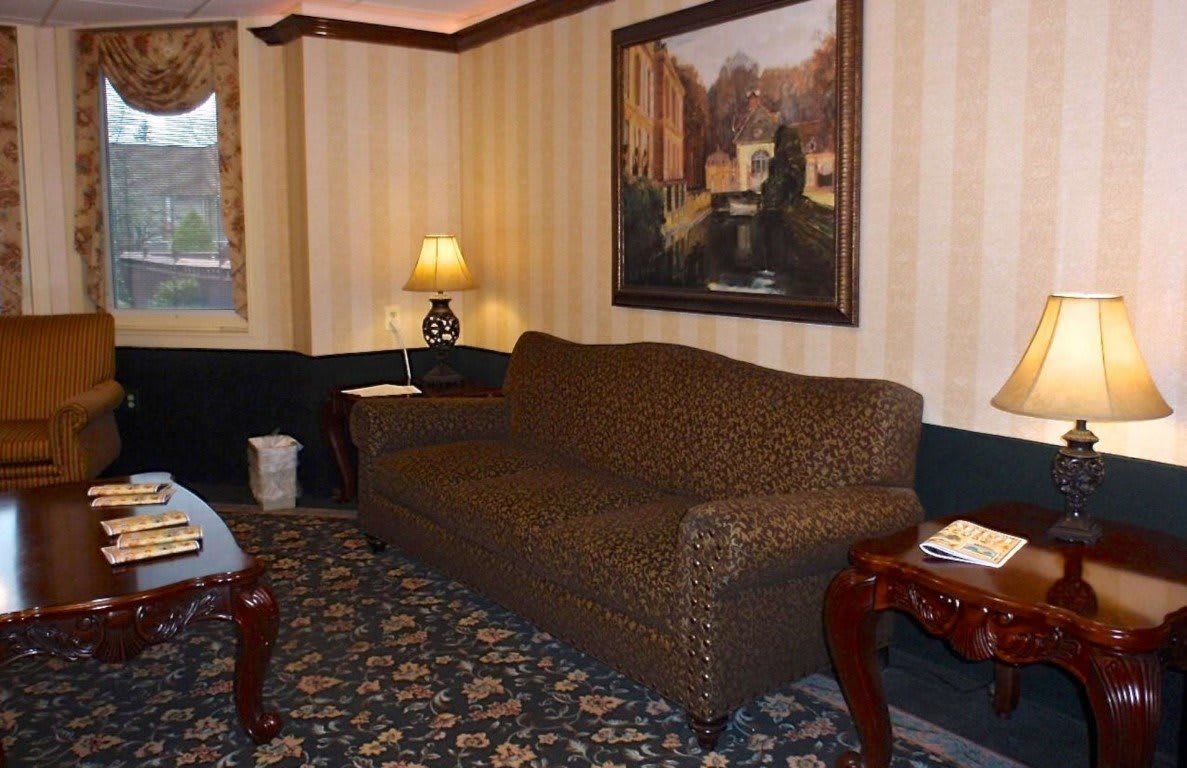
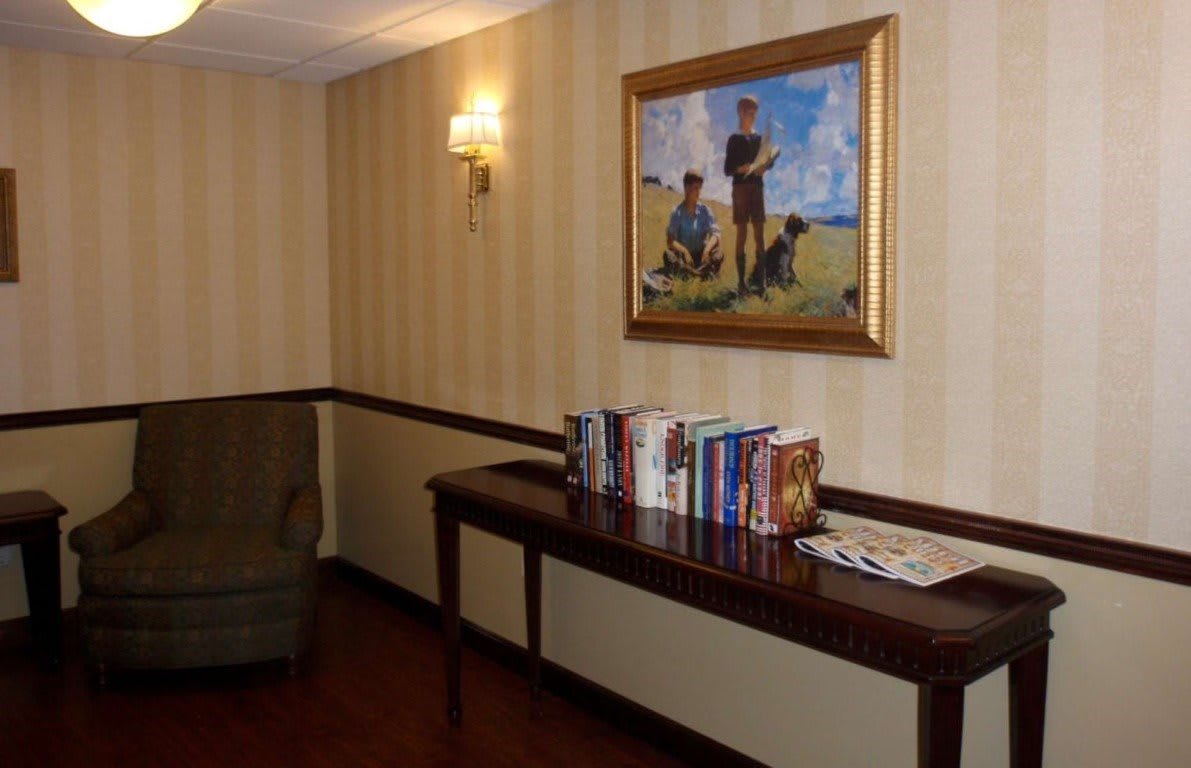
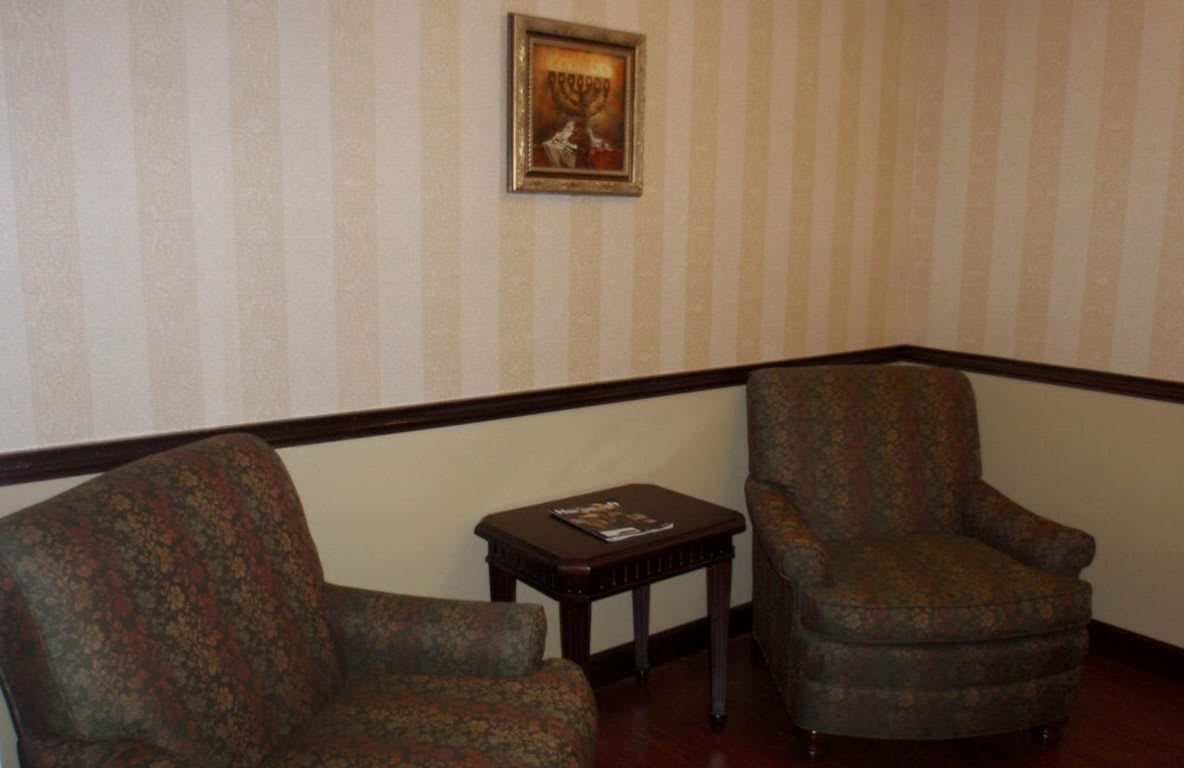
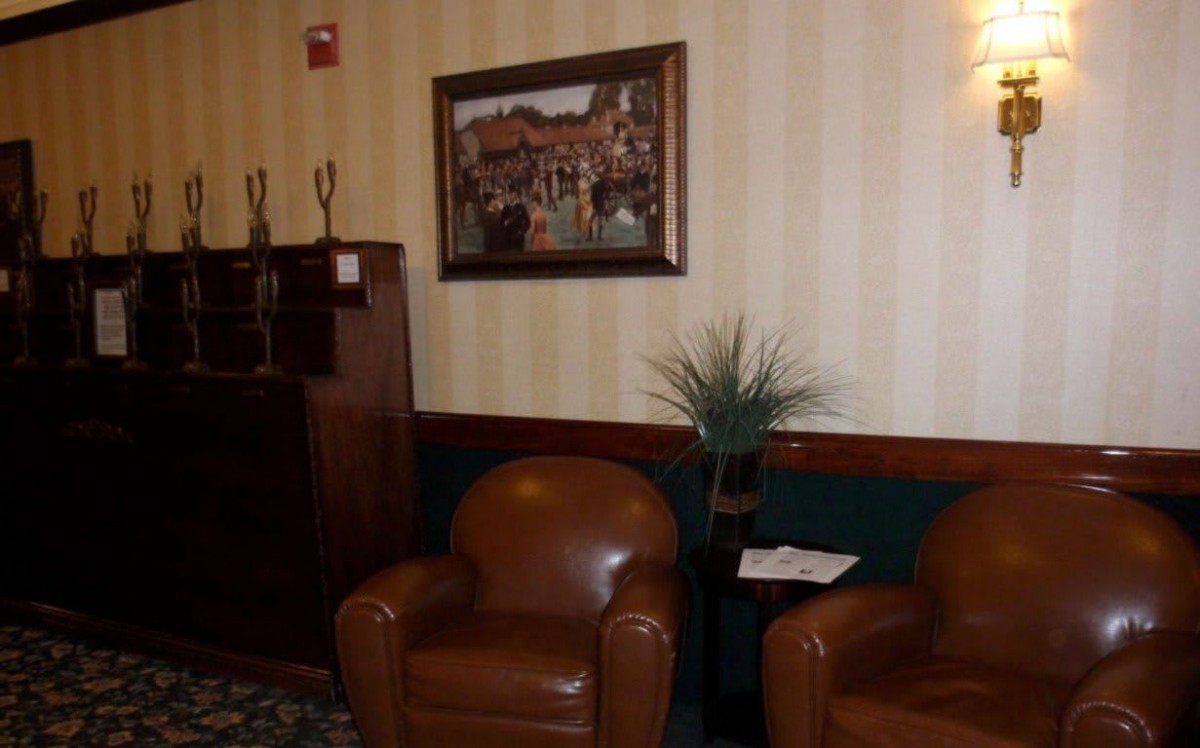
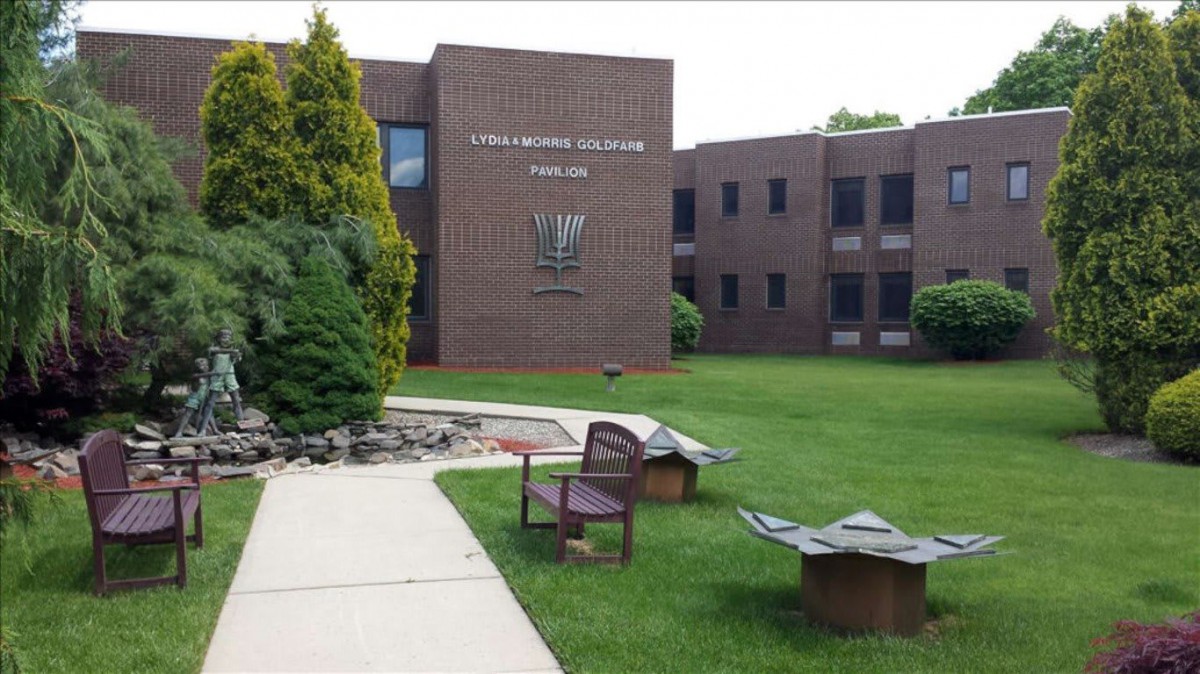
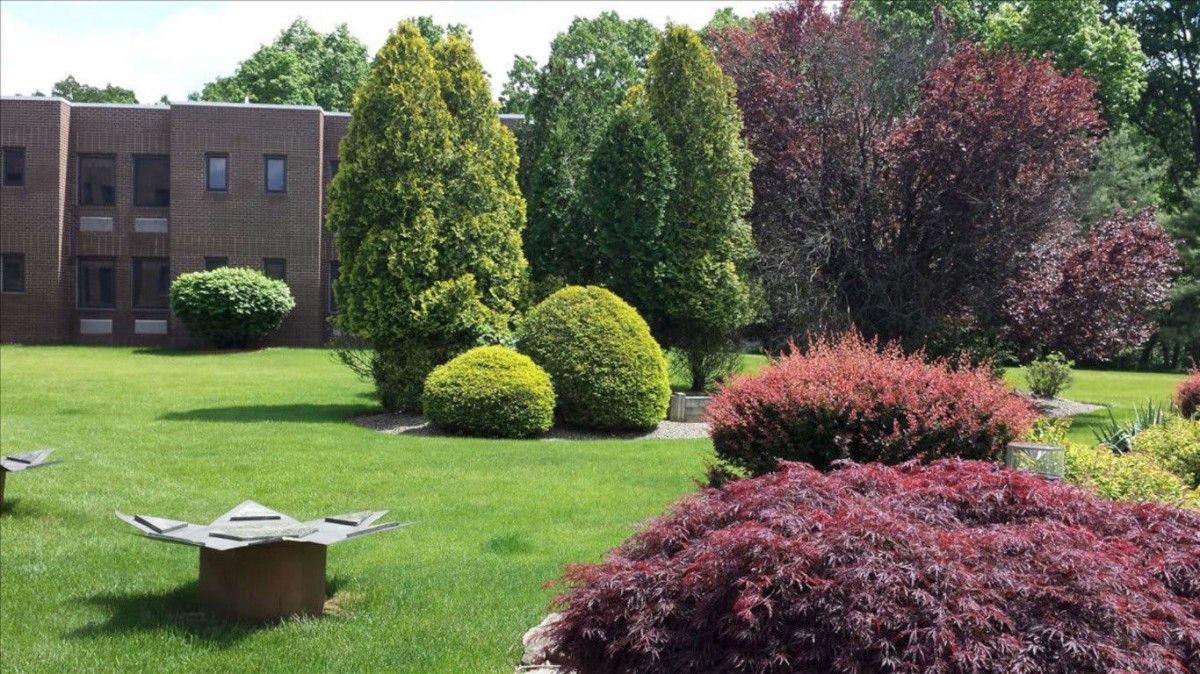
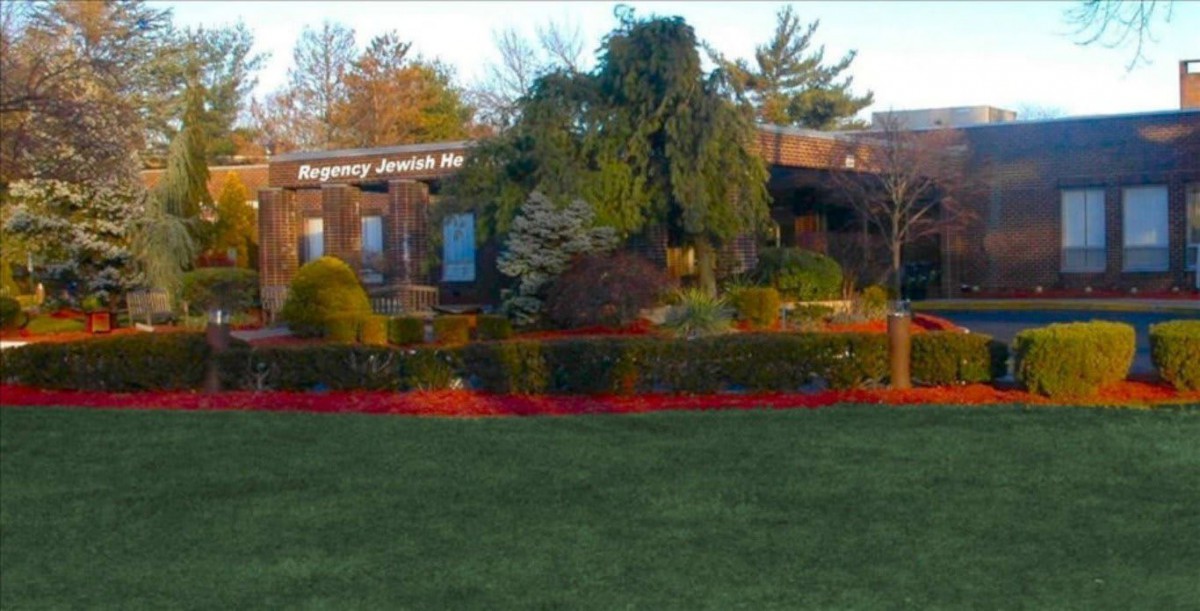
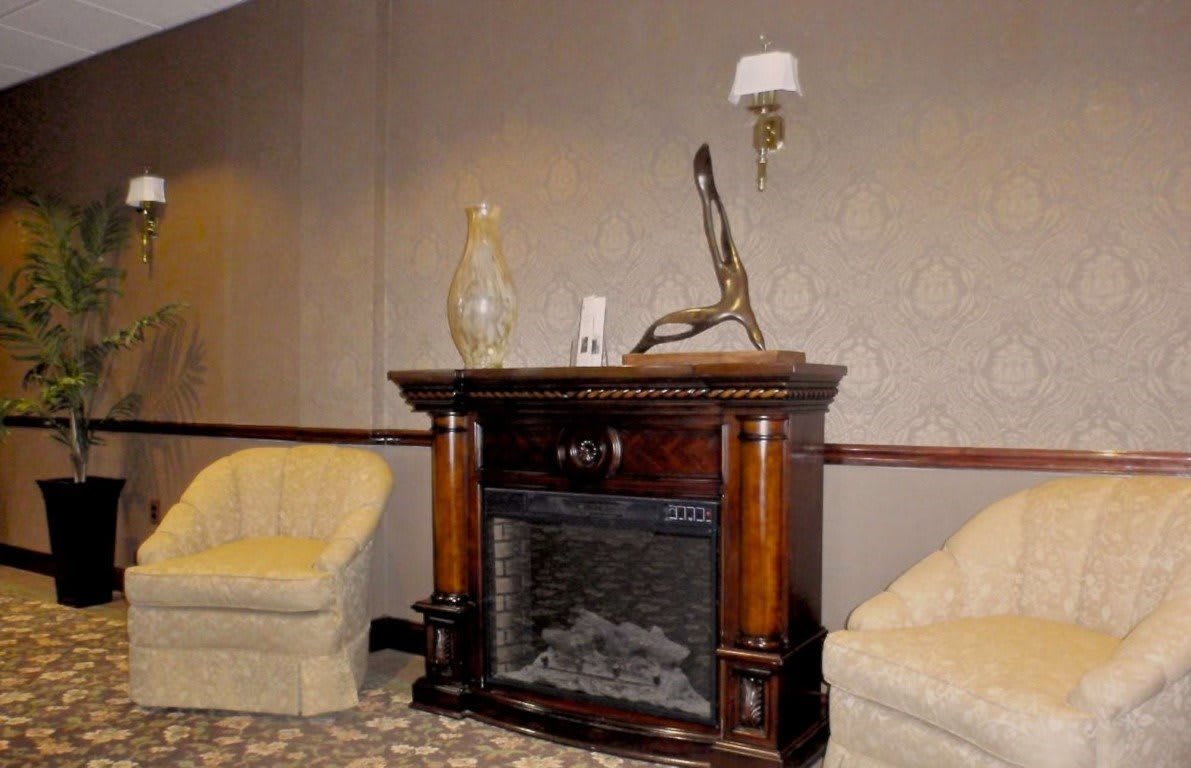
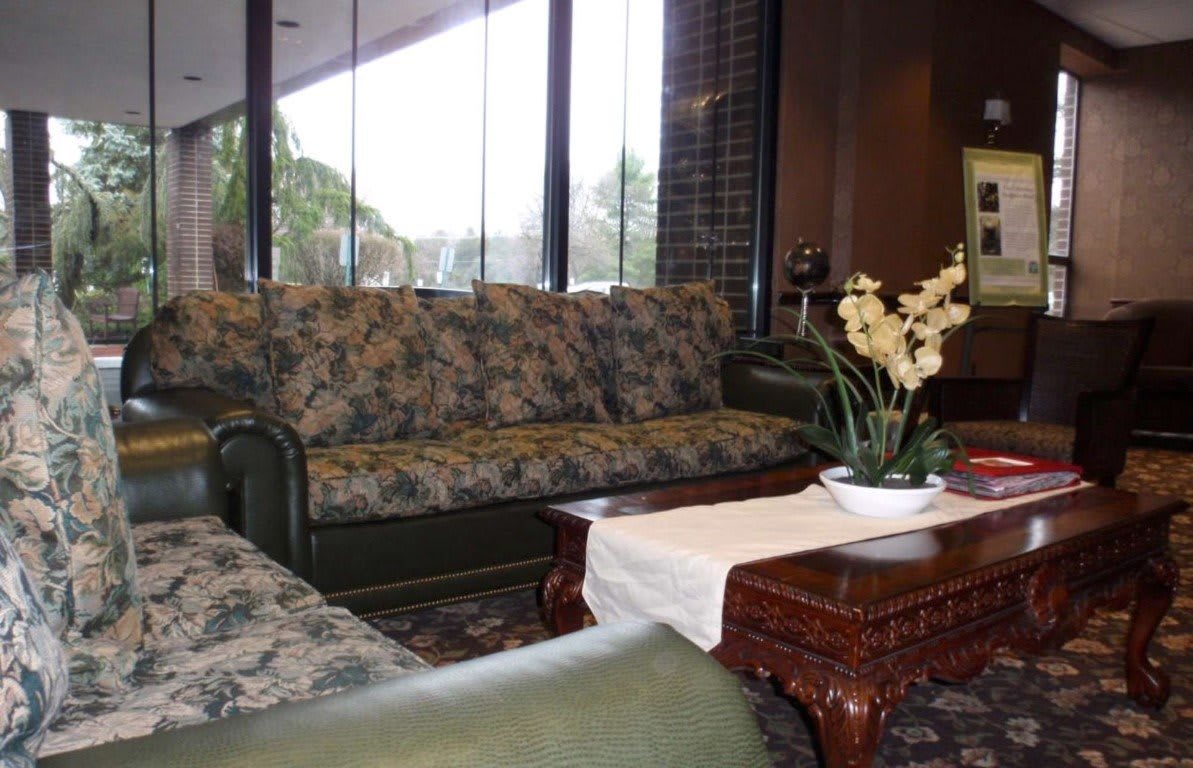
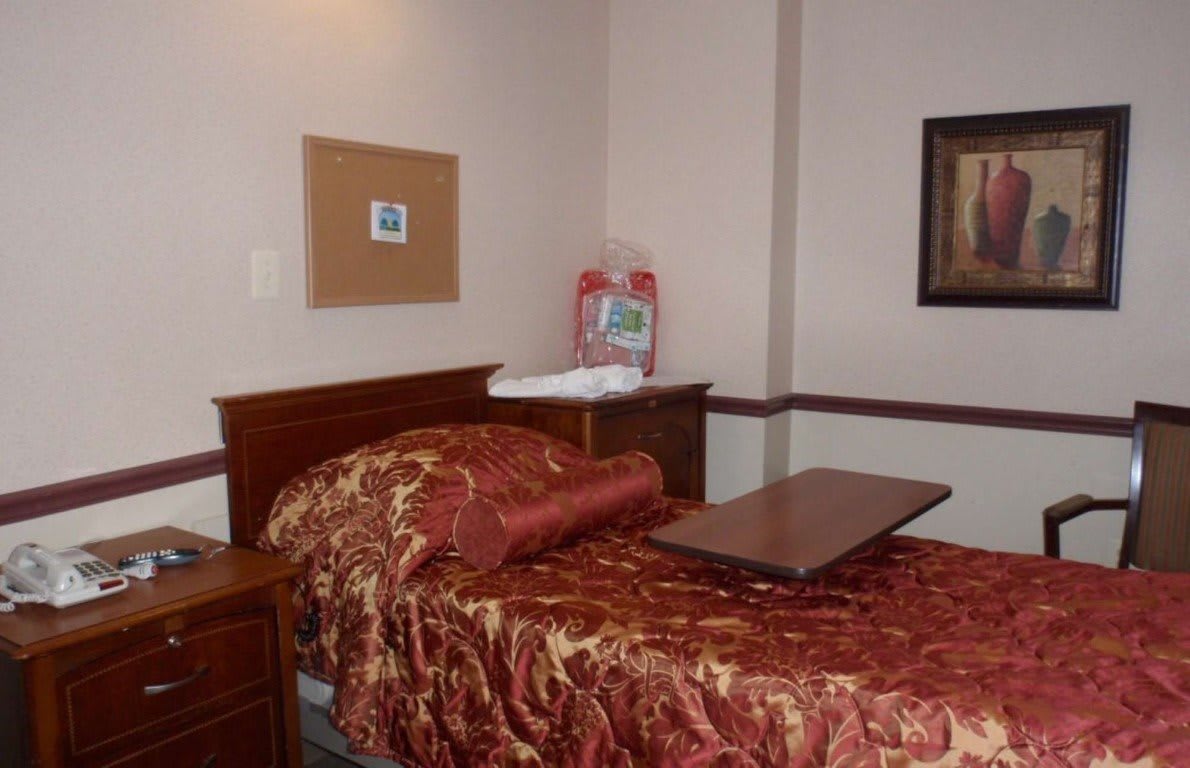
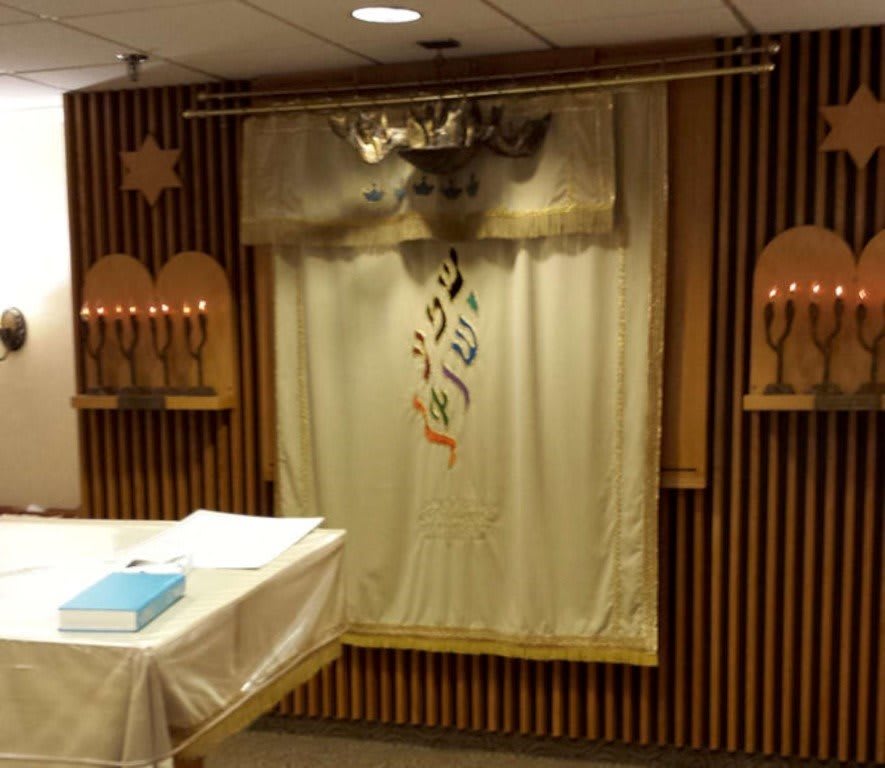
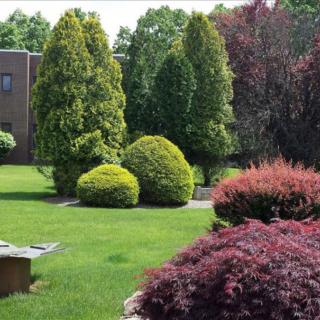
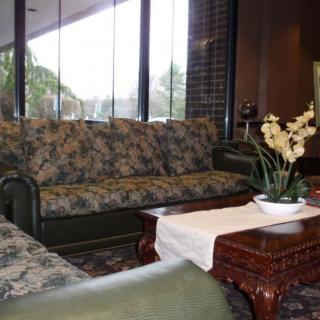
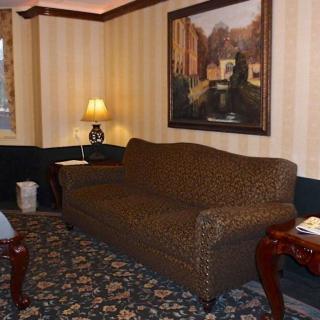
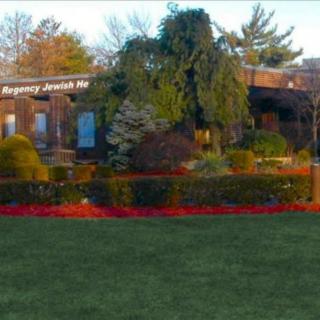
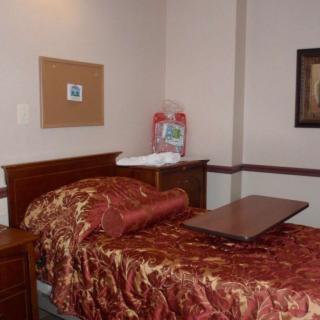
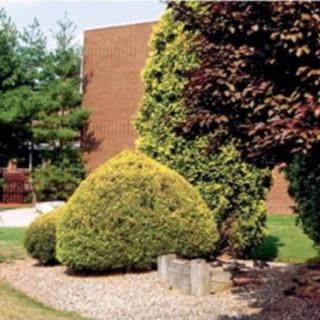
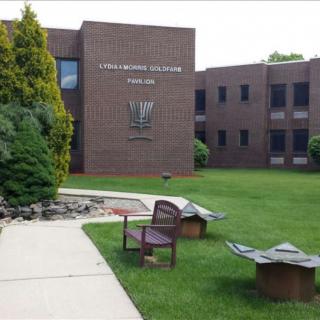
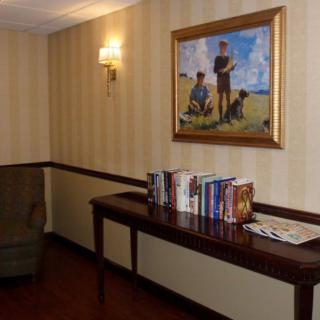
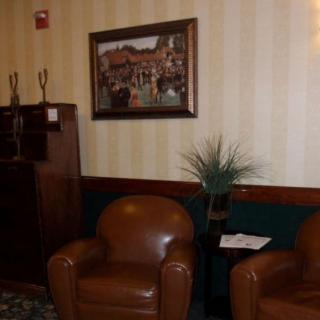
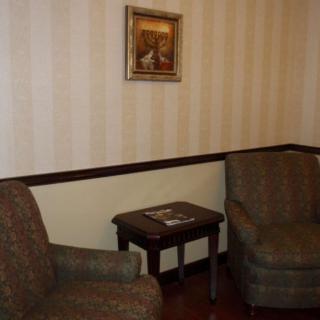
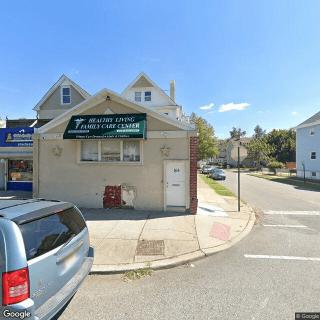
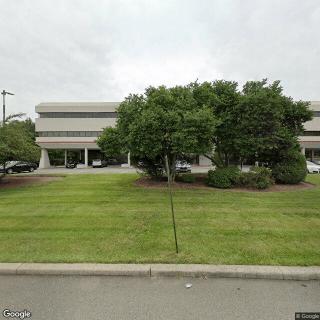
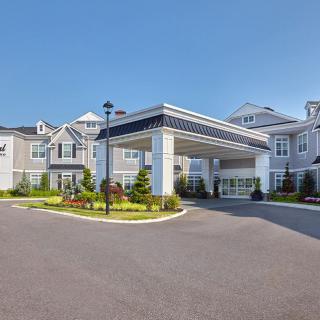
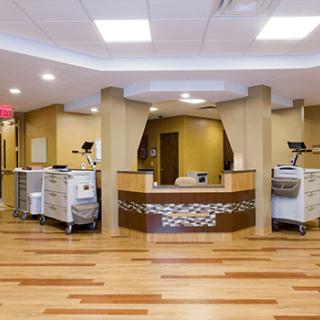
Regency Jewish Heritage Post-Acute Rehabilitation and Nursing Center on seniors.fyi includes 12 photos including images showing landscaping, interior, painting, decor, trees, living room, shrubs, outdoors, and more.
Nearby Communities
Regency Heritage Nursing And Rehabilitation Center
Somerset, NJ
4.4 from 134 reviews
Compassionate staff with effective rehabilitation and a home-like, amenity-rich environment.
Martin & Edith Stein Assisted Living
Somerset, NJ
4.4 from 13 reviews
$3,587 to $5,934 / month
Clean, homey atmosphere with attentive staff and flexible care tiers.
Stein Assisted Living
Somerset, NJ
4.7 from 9 reviews
Clean, homey environment with kosher dining, diverse housing options, and strong social/religious engagement.
Transformation Home Care
East Orange, NJ
Excellent access to nearby healthcare, dining, parks, and transportation.
Home Instead - Somerset, NJ
Somerset, NJ
5 from 28 reviews
Positive caregiver interactions and responsive administration with flexible scheduling.
The Bristal at Mount Sinai
Mount Sinai, NY
4.8 from 64 reviews
Beautiful, well-maintained facility with modern amenities and strong family communication.
Somerset Woods Rehab and Nursing Center
Somerset, NJ
4.3 from 130 reviews
Clean, well-maintained facility with strong rehabilitation services and supportive nursing/therapy staff.
Parker At Stonegate
Highland Park, NJ
4.5 from 26 reviews
Caring, responsive staff in a clean, welcoming environment.
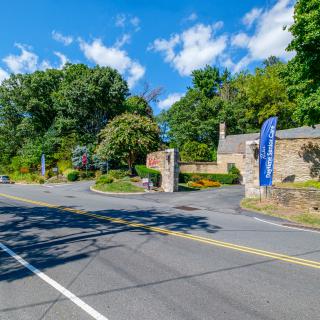
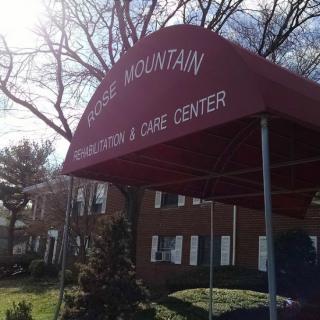
Rose Mountain Care Center
New Brunswick, NJ
4 from 95 reviews
Caring staff with engaging activities and a culturally tailored Chinese unit.
Geriatric care managers create personalized care plans for older adults, addressing their medical, social, financial, and psychological needs while coordinating services and advocating for their well-being. They help families navigate caregiving challenges but may be hindered by high costs and a shortage of qualified professionals.
The article highlights the importance of empathy and open communication when comforting someone who is grieving, noting that grief is unique to each individual and emphasizing the need for sincere expressions of condolence, active listening, and ongoing support. It also addresses cultural differences in mourning practices and encourages tailored approaches to provide effective comfort.
Home health care aides provide vital medical and non-medical support to individuals at home, assisting with daily living activities and promoting emotional well-being, while the demand for these services increases due to an aging population. Families benefit from in-home care's flexibility and cost-effectiveness but face challenges like scheduling consistency and caregiver turnover.
Regency Jewish Heritage Post-Acute Rehabilitation and Nursing Center photos
×
Interior
Outdoors
Decor
Living Room
Building
Bedroom
Trees
Landscaping
Artwork
Lobby
Painting
Interior
Decor
Bedroom
Living Room
Landscaping
Windows
Building
Architecture and Outdoor
Trees
Garden
Artwork
Fireplace, Seating, and Lounge
Outdoors
Lobby and Waiting Area
Exterior, Office, and Brick
Painting
Plant
Brick Building
Shrubs
Get PricingAsk A QuestionSchedule A TourContact Senior Advisor
By clicking submit, you agree to our Partner's Terms of Use. You
also consent to receive calls and texts, which may be autodialed, from our Partner. Your consent is not a condition to
using our Partner's service. Please visit our Partner's Privacy Policy for information about their privacy practices.

 Skilled Nursing Facility
 Cats allowed
 Dogs allowed
 Activities off-site
 Air-conditioning
 Beautician on-site
 Cable or satellite TV
 Computer center
 Devotional services off-site
 Dining room
 Financing advice
 Garden
 Guest parking
 Housekeeping services
 Indoor common areas
 Laundry
 Outdoor common areas
 Overnight guests
 Party space
 Security gate
 Wi-Fi/high-speed internet available
 Trenton-Mercer County (22 miles away)
 Transportation & parking
 High acuity care
 Hospice care
 Incontinence care
 Medication management
 Physical therapy
 Psychiatric care
 Anytime dining
 Arts and crafts
 Book club
 Catholic services
 Cooking club
 Educational speakers / life long learning
 Fitness programs
 Games
Games Jewish services
 Live musical performances
 Tai Chi
 Wii bowling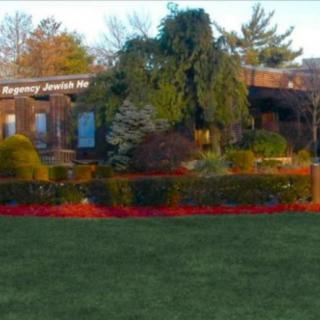
 Compassionate staff with effective rehabilitation and a home-like, amenity-rich environment.
 Is a Geriatric Care Manager the Right Choice for Your Family?
 Compassionate Conversations: How to Comfort Someone Who Is Grieving
 Home Health Care Aides: Understanding Their Role and Supporting Your Family