350 Demott Lane, Somerset, NJ 08873
For more information about senior living options: (866) 208-4318
Overall Review of Stein Assisted Living
Pros
 The Oscar & Ella Wilf Campus is described as a clean, homey, kosher Jewish community.
- It offers tiered housing and care levels (tier 1–3) to meet individual needs, wants, and affordability.
- It provides extensive engagement services, including memory care and access to synagogue/relgious activities.
- Residents have many friends there and enjoy kosher meals, with high overall satisfaction.
- The staff are kind, knowledgeable, accessible, and helpful, with clear communication.
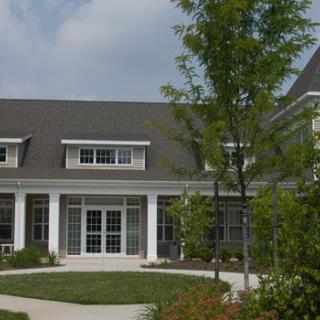
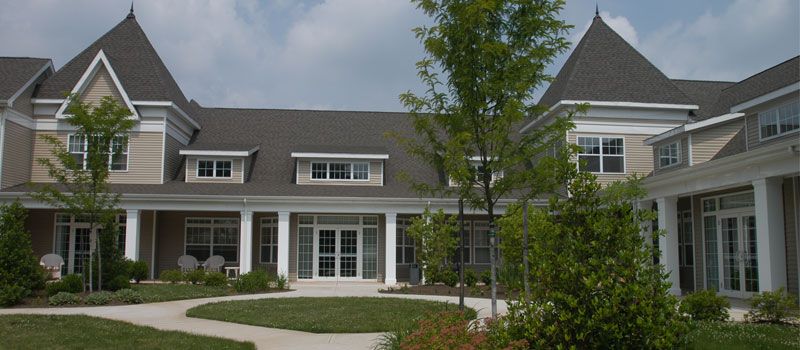
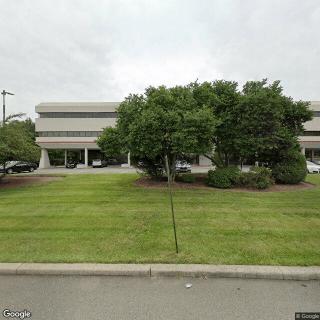
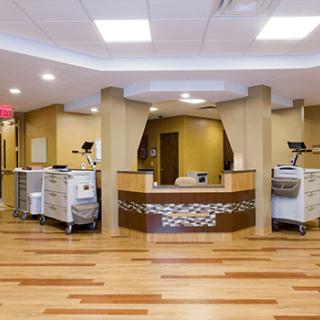
- The facilities are immaculate, well maintained, and the campus is beautiful and idyllic.
- The Martin and Edith Stein Residence is also described as clean and nice, with happy residents and abundant activities (despite a waiting list).
Cons
 They doubt that a ten-day COVID quarantine aligns with current guidelines.
- There was a waiting list at The Martin and Edith Stein Residence, making timely admission difficult.
- They didn’t have months to wait, so they didn’t dig into that option further.
Review
Stein Assisted Living on the Oscar & Ella Wilf Campus is best suited for Jewish seniors who want a truly faith-centered, kosher living environment with scalable care options. It works well for residents who value daily routines anchored in synagogue access, prayer, and communal meals, all within a clean, homey, and well-maintained setting. The campus-style arrangement supports a smooth transition from independent living to more assisted care, thanks to clearly defined tiers of care that adapt to shifting needs and budget. For families prioritizing cultural continuity, dietary observance, and an engaged social calendar, Stein provides a turnkey solution that preserves identity while delivering practical care.
The strongest advantages are concrete and well-integrated. A kosher meal program and on-site religious life give residents comfort and predictability, reducing dietary and spiritual fragmentation for families who prize these elements. The community emphasizes engagement, activities, trips, and opportunities to connect, so residents aren’t isolated. Memory care is available, which matters for families facing progressive conditions, and the tiered housing options, from smaller to larger layouts, allow residents to choose space that matches both preferences and financial realities. Cleanliness, a welcoming atmosphere, and easy access to care staff round out a practical, family-friendly package.
Still, a few caveats deserve attention before committing. The campus’ strength as a Jewish, kosher environment means it may not be the best fit for seniors who do not share that faith background or dietary pattern. Availability can be a practical hurdle; even within Stein’s broader ecosystem, other residences have faced waitlists, underscoring the importance of early inquiry and solid timing. While staff are described as kind and accessible, the reviews do not portray a uniformly hands-on, high-touch care routine across every shift, so families should confirm expectations around day-to-day responsiveness and personalized attention prior to move-in.
Those concerns are largely mitigated by Stein’s operational strengths. The setting’s aesthetics, immaculate facilities, well-kept grounds, and a campus that feels calm and secure, reduce relocation stress and foster a sense of steadiness. The tiered-care model is especially valuable: families aren’t forced into a single, long-term plan but can scale services up or down as health needs evolve, often avoiding disruptive moves. The combination of memory care options, social programming, and religious life creates a cohesive experience that supports both cognitive engagement and emotional well-being, while proximity to major medical resources provides practical reassurance for families navigating health concerns.
For families weighing options, Stein shines for those who want a purpose-built Jewish community with a robust social fabric and clear pathways through care levels. It is less compelling for households seeking a non-denominational environment, broader dietary variety, or immediate availability without regard to religious alignment. If quick placement is essential or if dietary and spiritual preferences differ markedly, it makes sense to evaluate competing communities that emphasize secular menus, diverse cultures, or different faith traditions. Stein’s strengths become decisive when these priorities align with the resident’s identity and daily rhythm.
Actionable steps for a confident decision include scheduling a comprehensive tour focused on the tiers of care, the exact kosher dining program, and the availability of on-site religious services. Request detailed information about memory-care programming, staffing levels, and how care plans are implemented across shifts. Assess transportation options and distance to family members for visits, as well as proximity to preferred medical providers beyond the connected campus network. Finally, compare total cost, inclusivity of services, and the anticipated care trajectory with suitable non-kosher options to ensure long-term alignment with the resident’s values, health needs, and family goals. The right fit will feel seamless: a place where identity, comfort, and practical care converge into a sustainable elder-care path.
 90 resident community capacity
 1-bedroom apartments
 Assisted Living
 Memory Care
 Respite Care
 Skilled Nursing Facility
 Air-conditioning
 Beautician on-site
 Cable or satellite TV
 Cafe
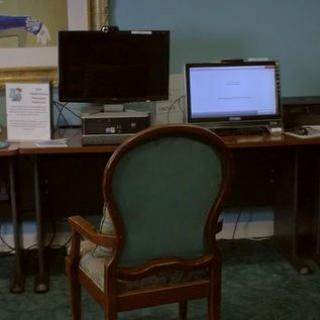
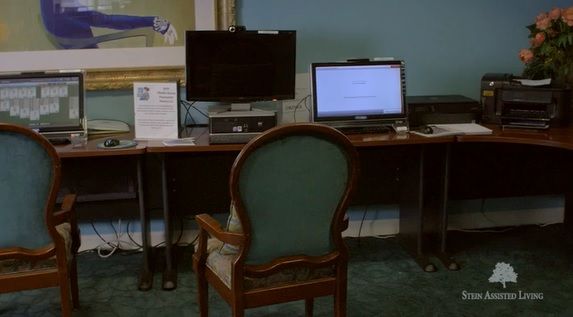
Cafe Computer center
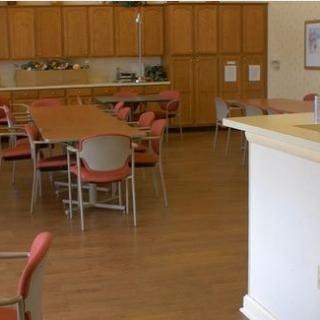
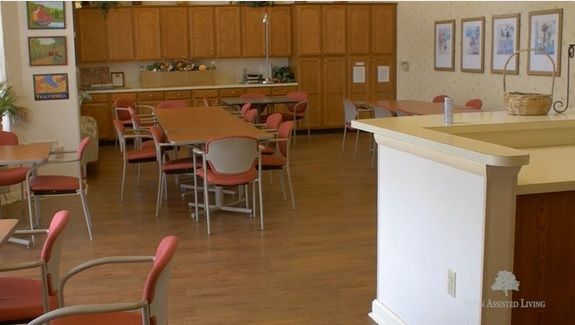
 Dining room
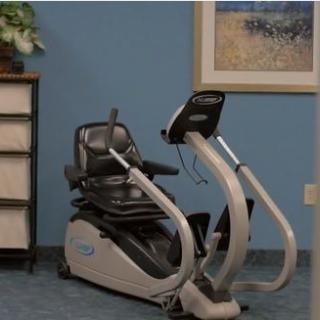
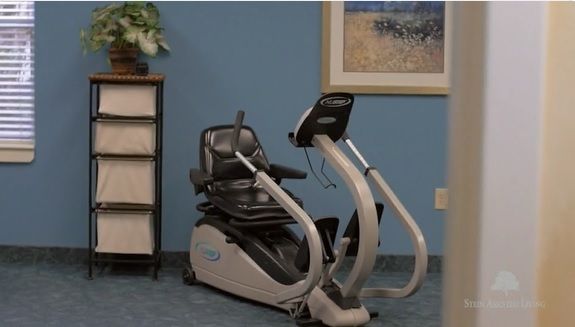
 Fitness room
 Full kitchen
 Fully furnished
 Gaming room
 Garden
 General store
 Hiking trails
 Housekeeping services
 Laundry
 Move-in coordination
 Outdoor space
 Overnight guests
 Party space
 Private bathrooms
 Resident parking
 Restaurant-style dining
 Security gate
 Small library
 Spa
Spa Telephone
 Wi-Fi/high-speed internet available
 Trenton-Mercer County (22 miles away)
 Community operated transportation
 12-16 hour nursing
 24-hour call system
 Activities of daily living assistance
 Assistance with bathing
 Assistance with dressing
 Assistance with transfers
 Diabetes diet
 Hospice care
 Medication management
 Mental wellness program
 Special dietary restrictions
 Arts and crafts
 Book club
 Concierge services
 Cooking club
 Educational speakers / life long learning
 Games
Games Live musical performances
 Planned day trips
 Religious services
 Wii bowling
 English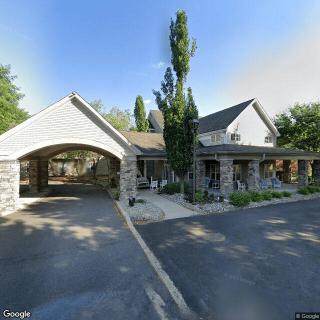


 Are Dementia and Alzheimer's Disease Lethal? A Comprehensive Exploration
 Exploring the Power of Reminiscence Therapy for Individuals With Dementia
 An In-Depth Look at Reminiscence Therapy in Dementia Care