At The Fremont Senior Living, the monthly costs for accommodations reflect a commitment to quality care and an enriching living environment. For a one-bedroom unit, residents can expect to pay $3,510, which is notably higher than both the Greene County average of $2,890 and the Missouri state average of $3,349. Similarly, two-bedroom apartments are priced at $4,155 - again exceeding the local rate of $2,718 and the state level of $3,675. Studio apartments come in at $4,405, surpassing Greene County's cost of $3,280 and Missouri's average of $3,418. These figures underscore The Fremont Senior Living's positioning as a premium option that prioritizes exceptional amenities and services tailored for senior residents seeking both comfort and community.
Floor plans
The Fremont Senior Living
Greene County
Missouri
1 Bedroom
$3,510
$2,890
$3,349
2 Bedrooms
$4,155
$2,718
$3,675
Studio
$4,405
$3,280
$3,418
Assisted Living communities with a similar price nearby
A recurring concern is food service not matching what families expect from the menu, with some mentions of running out of items and small portions. Multiple reviewers describe problems that persist rather than being quickly resolved. A couple of comments also point to service delays around meal ordering and getting timely help in the dining room.
caveat
Memory care is a mixed fit
Memory care feedback includes both praise and doubts.
Some reviews are positive about the memory care side, including comments about staff being caring and supportive. Other feedback says memory care did not feel like the facility’s main focus and raised questions about how activities and staffing would work. Overall, readers should look closely at how day-to-day engagement and coverage feel for memory care needs.
caveat
Pricing is frequently called out
Cost is a frequent point of discussion in reviews.
Several reviewers describe the community as expensive or overcharged compared with expectations. A few comments tie this concern to dissatisfaction with how much service residents are able to receive. If you’re comparing options, these reviews suggest you may want to confirm what’s included and how care needs could affect costs over time.
How we summarize
We summarize when many written reviews mention each theme; a review can touch several themes, and only frequently mentioned themes are displayed.
Features
Housing
72 resident community capacity
1-bedroom apartments
2-bedroom apartments
3-bedroom apartments
Detached homes
Studio apartments
Types of Care
Active Adult Communities (55+)
Assisted Living
Independent Living
Memory Care
Skilled Nursing Facility
Pets
Cats allowed
Dogs allowed
Amenities
Activities off-site
Activities on-site
Air-conditioning
Bath tubs
Beautician on-site
Beauty salon
Cable or satellite TV
Cafe
Computer center
Devotional services off-site
Devotional services on-site
Dining room
Fireplaces
Fitness room
Full kitchen
Fully furnished
Gaming room
Garden
Garden view
Ground floor units
Guasts at mealtime
Guest parking
Handicap accessible
Housekeeping services
Indoor common areas
Kitchenette
Laundry
Move-in coordination
Outdoor common areas
Outdoor space
Overnight guests
Party space
Private bathrooms
Private cleaning services
Resident parking
Respite or short term stays offered
Restaurant-style dining
Security gate
Small library
Spa
TV room
Telephone
VA Benefits Consultation
Wellness center
Wi-Fi/high-speed internet available
Transportation
Springfield-Branson Regional (10 miles away)
Community operated transportation
Transportation & parking
Transportation arrangement
Transportation arrangement (non-medical)
Transportation to doctors appointments
Care Services
12-16 hour nursing
24-hour call system
24-hour supervision
Activities of daily living assistance
Ambulatory care
Assistance with bathing
Assistance with dressing
Assistance with transfers
Coordination with health care providers
Dementia waiver
Diabetes diet
Diabetic care
High acuity care
Hospice care
Hospice waiver
Incontinence care
Meal preparation and service
Medication management
Mental wellness program
Mild cognitive impairment
Physical therapy
Special dietary restrictions
Specialized memory care programming
Transportation arrangement (medical)
Transportation to doctors appointments
Dining
Anytime dining
Diabetes diet
Gluten-free
Guest meals
International cuisine
Kosher
Low / no sodium
Meals provided
No Sugar
Professional chef
Restaurant style dining
Room service
Special dietary restrictions
Special dining programs
Vegetarian
Activities
Activities off-site
Art classes
Arts and crafts
Bible study group
Book club
Community-sponsored activities
Concierge services
Cooking classes
Cooking club
Day trips and outings
Devotional activities offsite
Devotional activities on-site
Educational speakers / life long learning
Fitness programs
Games
Gardening club
Happy hour
Karaoke
Live dance or theater performances
Live musical performances
Live well programs
Planned day trips
Religious services
Resident-run activities
Scheduled daily activities
Stories
Wine tasting
Languages Spoken
English
Videos
Nearby Places of Interest
This part of Springfield, Missouri, offers a diverse range of amenities that cater to individuals of all ages, including seniors. With multiple pharmacies within close proximity, accessing necessary medications and healthcare services is convenient. Additionally, there are various dining options such as Taj Mahal and Chick-Fil-A for those looking to enjoy meals out in the community. The presence of hospitals like Hulston Cancer Center and Cox South Hospital ensures easy access to medical care when needed. For leisure activities, residents can visit Sequiota Park or catch a movie at Alamo Drafthouse Springfield. Places of worship like Park Crest Baptist Church and Messiah Lutheran Church are also nearby for spiritual needs. Overall, this area provides a blend of practical resources and recreational opportunities suitable for seniors considering senior living in Springfield.
At The Fremont Senior Living, the monthly costs for accommodations reflect a commitment to quality care and an enriching living environment. For a one-bedroom unit, residents can expect to pay $3,510, which is notably higher than both the Greene County average of $2,890 and the Missouri state average of $3,349. Similarly, two-bedroom apartments are priced at $4,155 - again exceeding the local rate of $2,718 and the state level of $3,675. Studio apartments come in at $4,405, surpassing Greene County's cost of $3,280 and Missouri's average of $3,418. These figures underscore The Fremont Senior Living's positioning as a premium option that prioritizes exceptional amenities and services tailored for senior residents seeking both comfort and community.
The Fremont Senior Living's comprehensive features are designed to provide residents with the necessary support and care tailored to their individual needs as they navigate the challenges associated with dementia or Alzheimer's disease. The 24-hour supervision ensures a safe environment, while assistance with activities of daily living, bathing, dressing, and transfers fosters independence and dignity. Coordination with healthcare providers enhances medical oversight through a dementia waiver, ensuring all aspects of health are diligently monitored. Incontinence care, meal preparation and service, along with medication management address essential day-to-day health and nutrition needs. Programs promoting mental wellness, mild cognitive impairment support, specialized memory care programming, and physical therapy activity enhance cognitive function and emotional well-being. Additionally, transportation arrangements for medical appointments ensure that residents maintain access to necessary healthcare services without disruption. Together, these features create a nurturing atmosphere that supports both physical care and emotional resilience for those affected by cognitive decline.
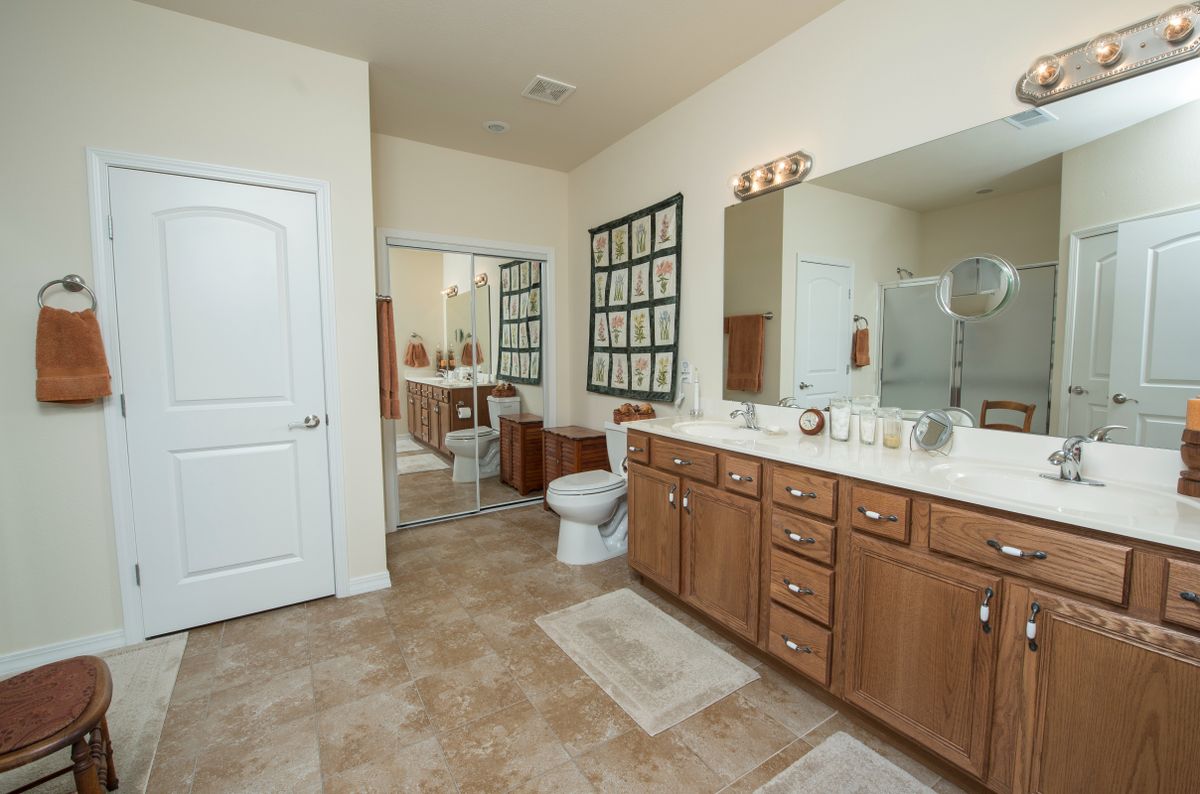
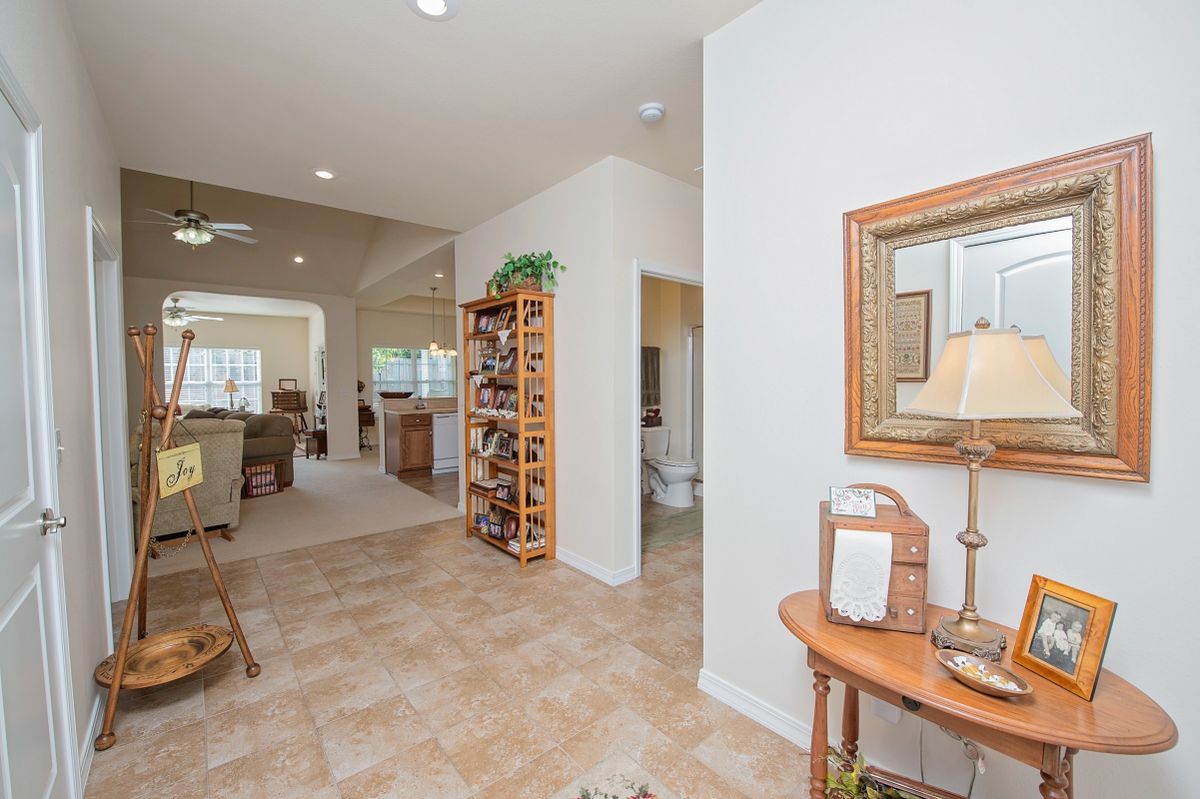
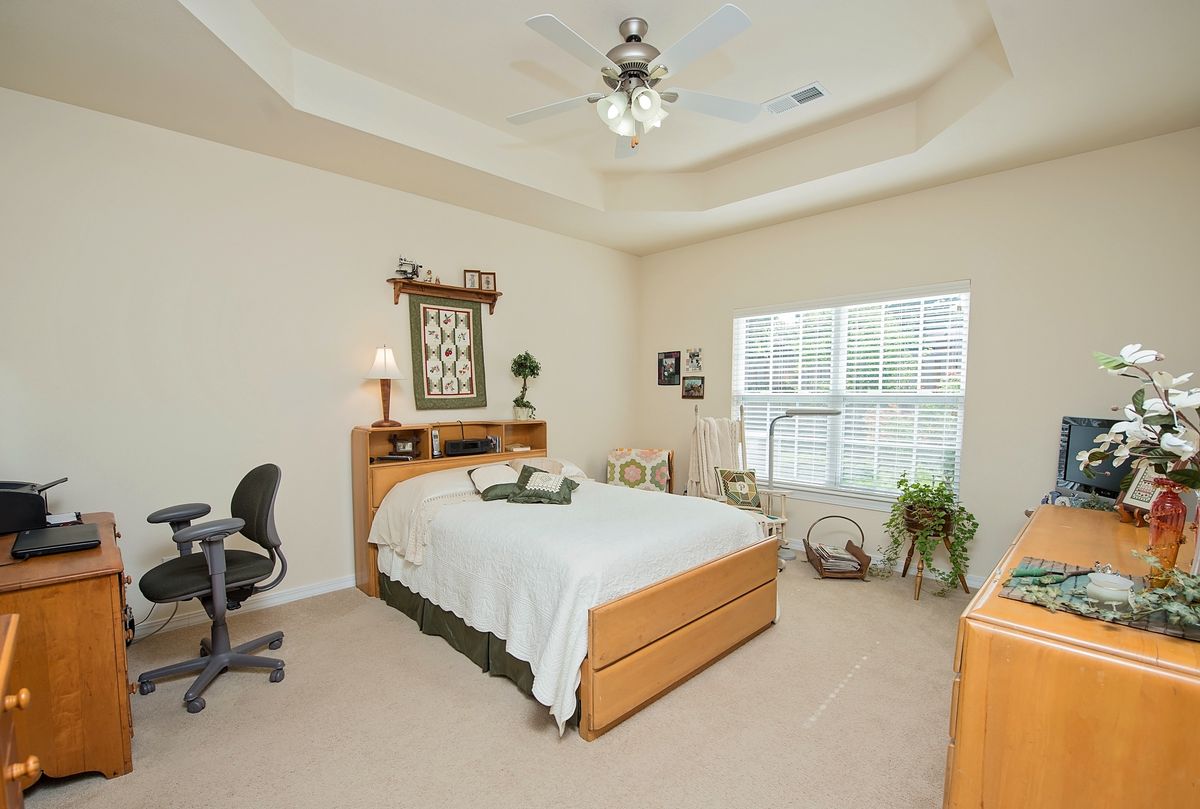
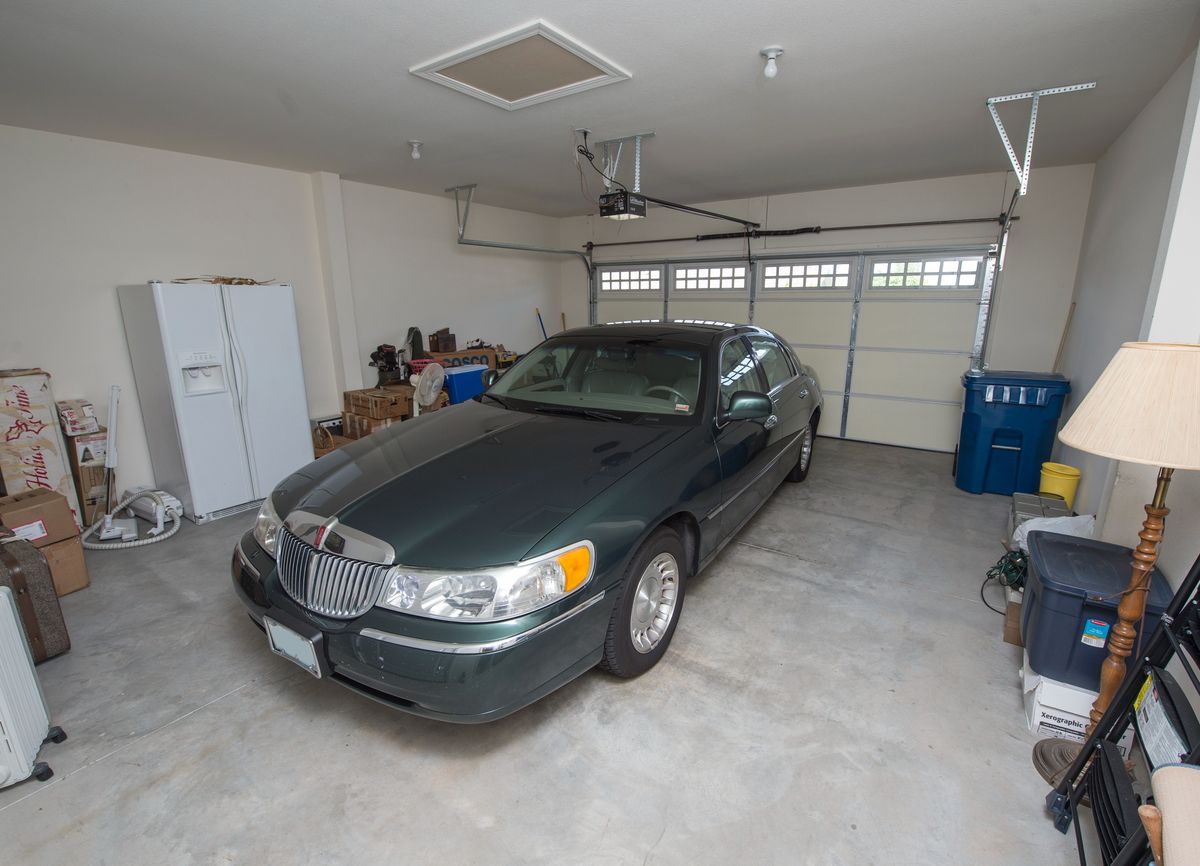
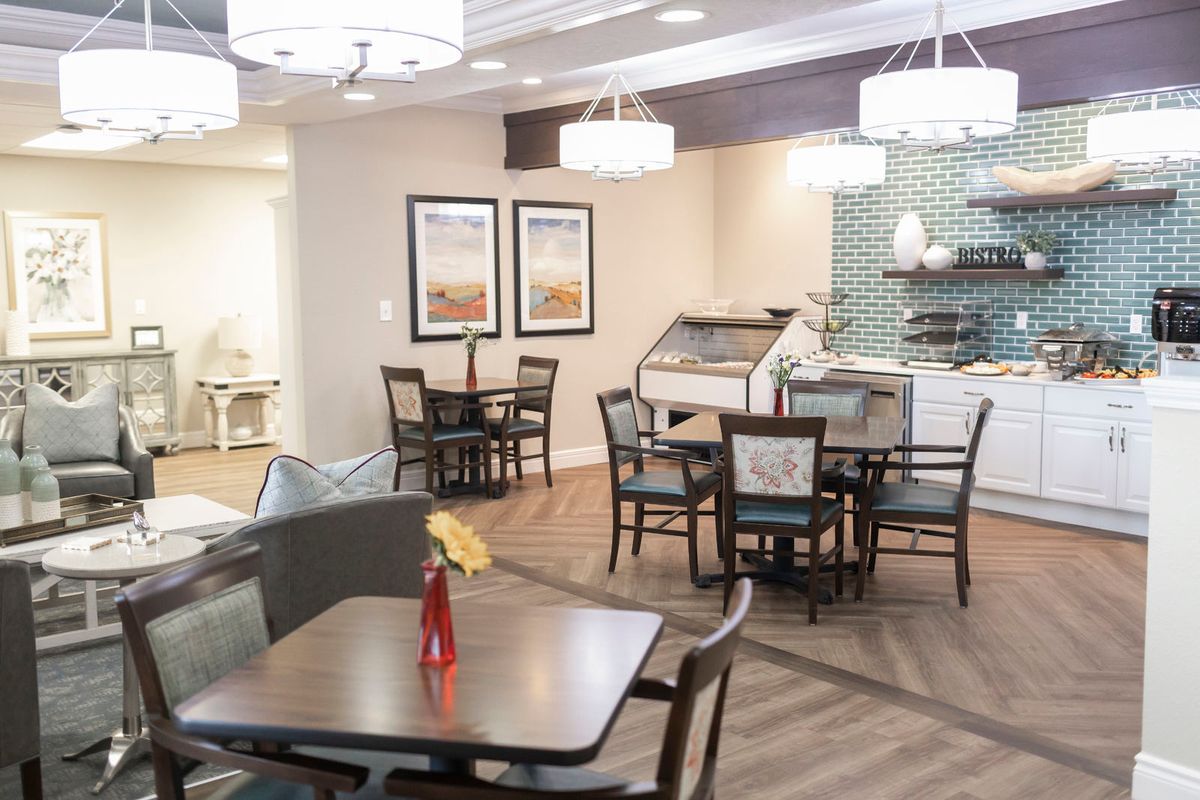
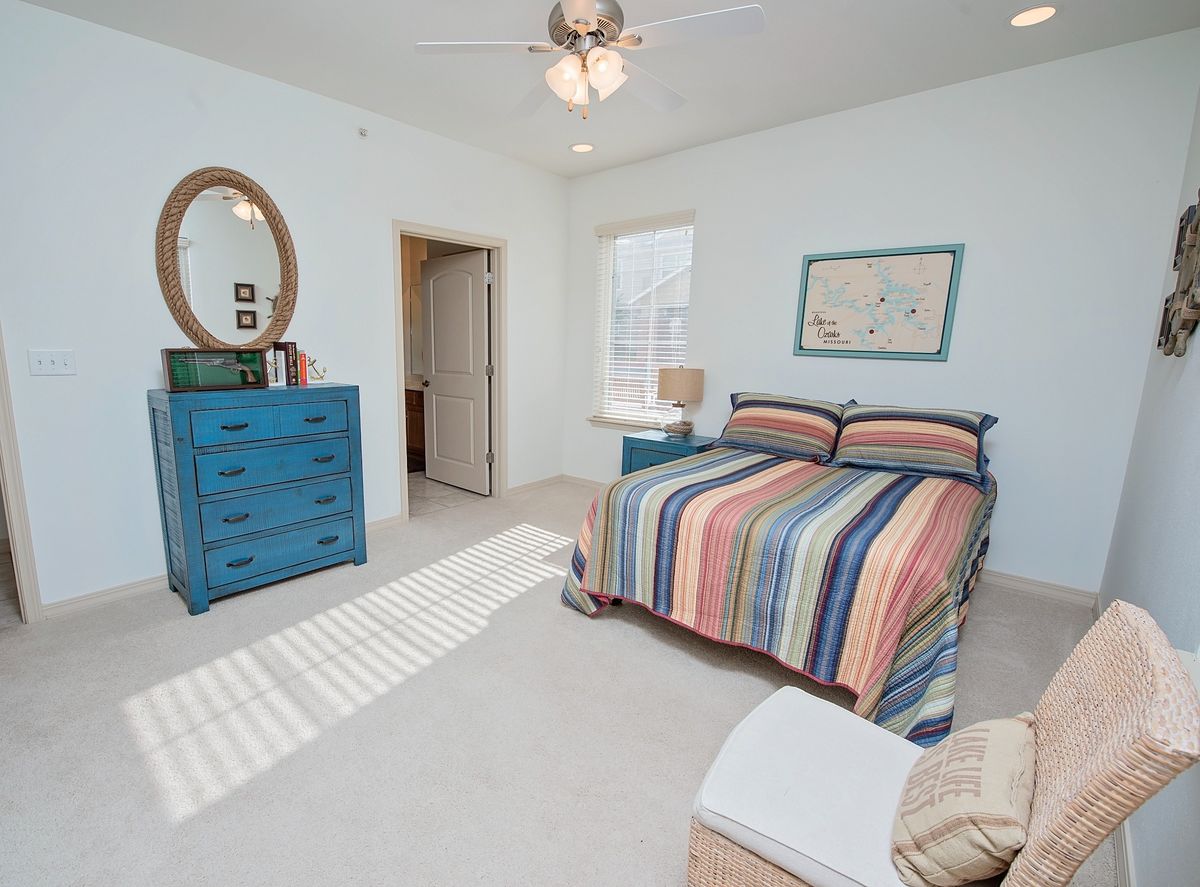
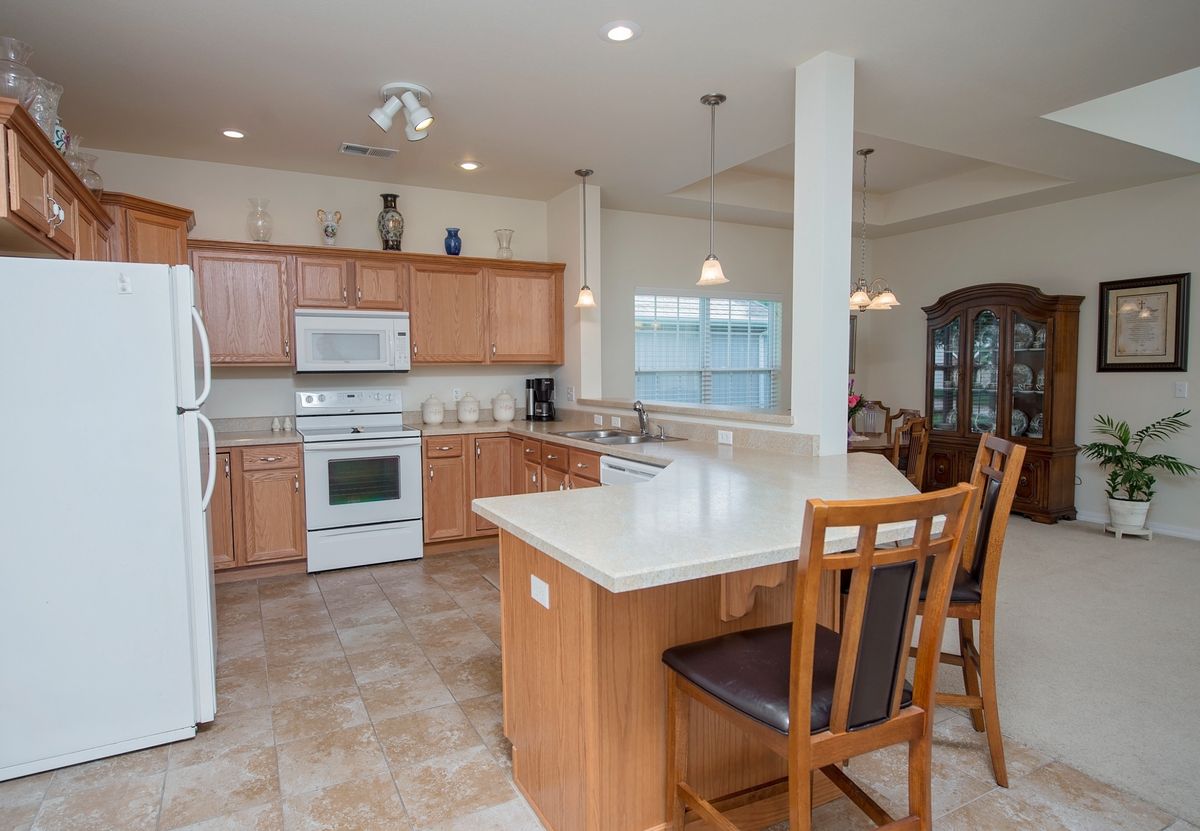
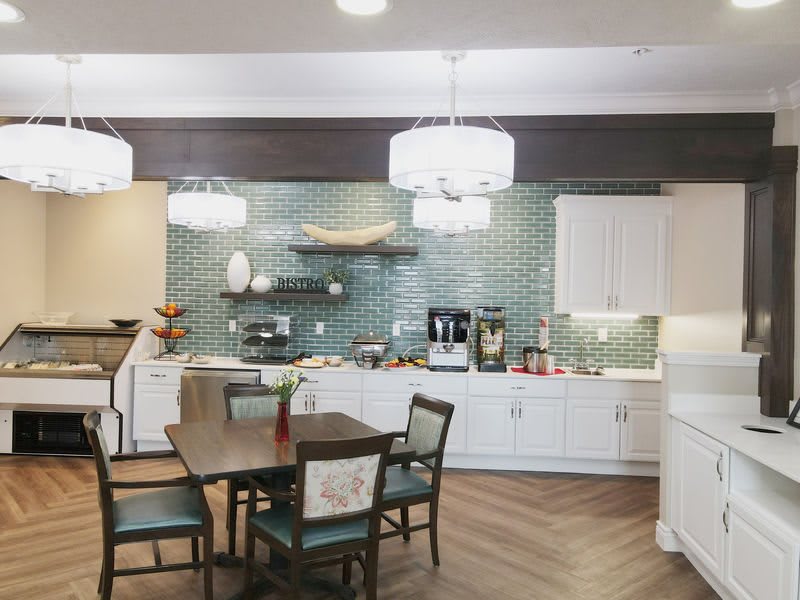
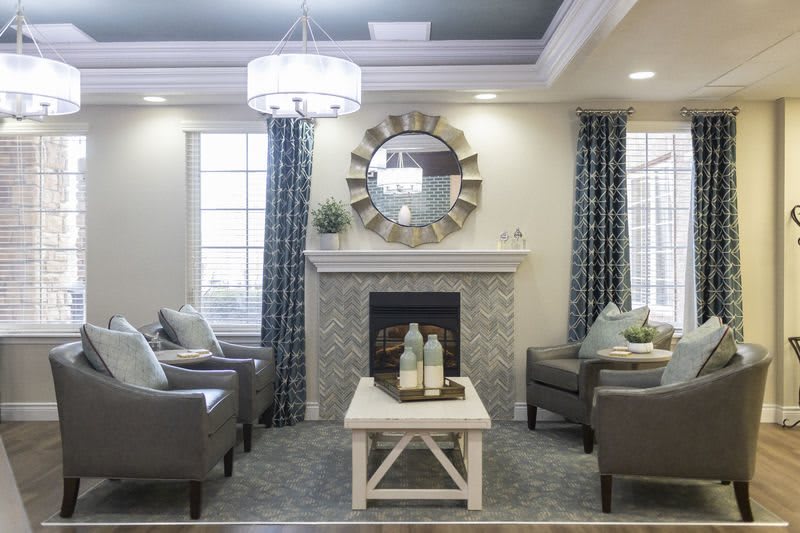
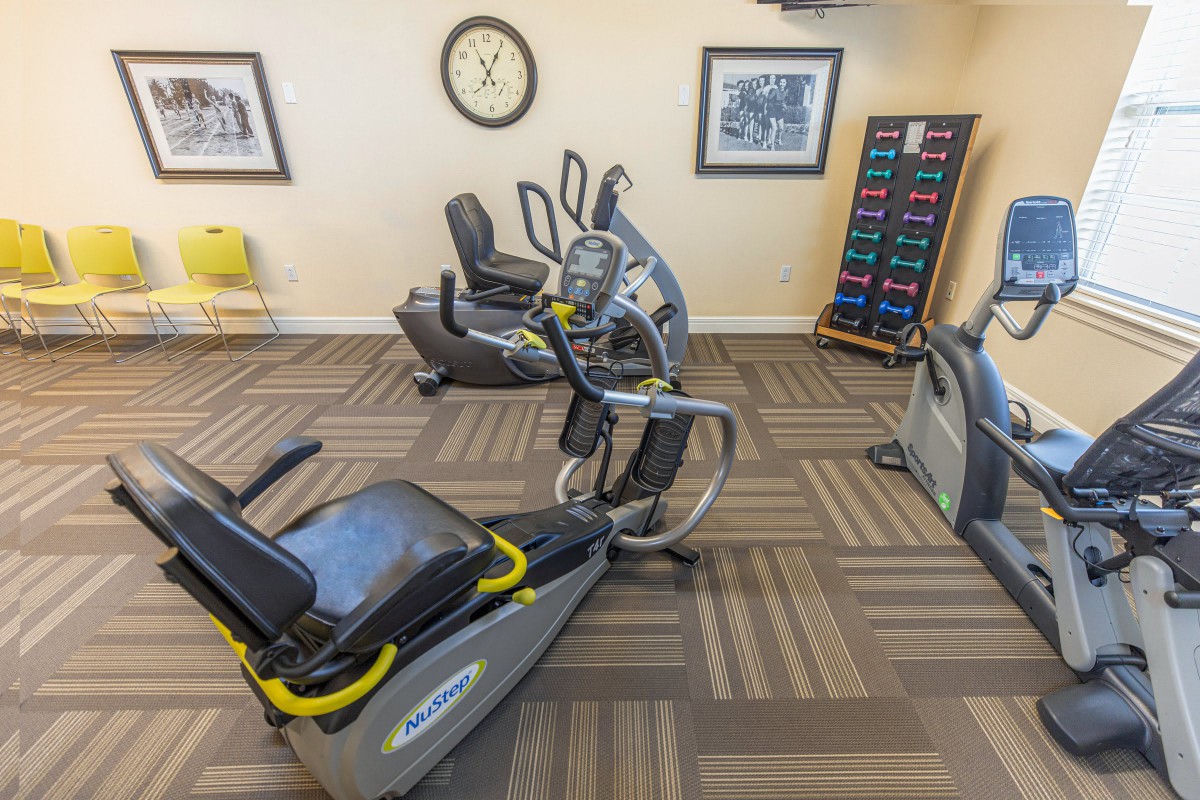
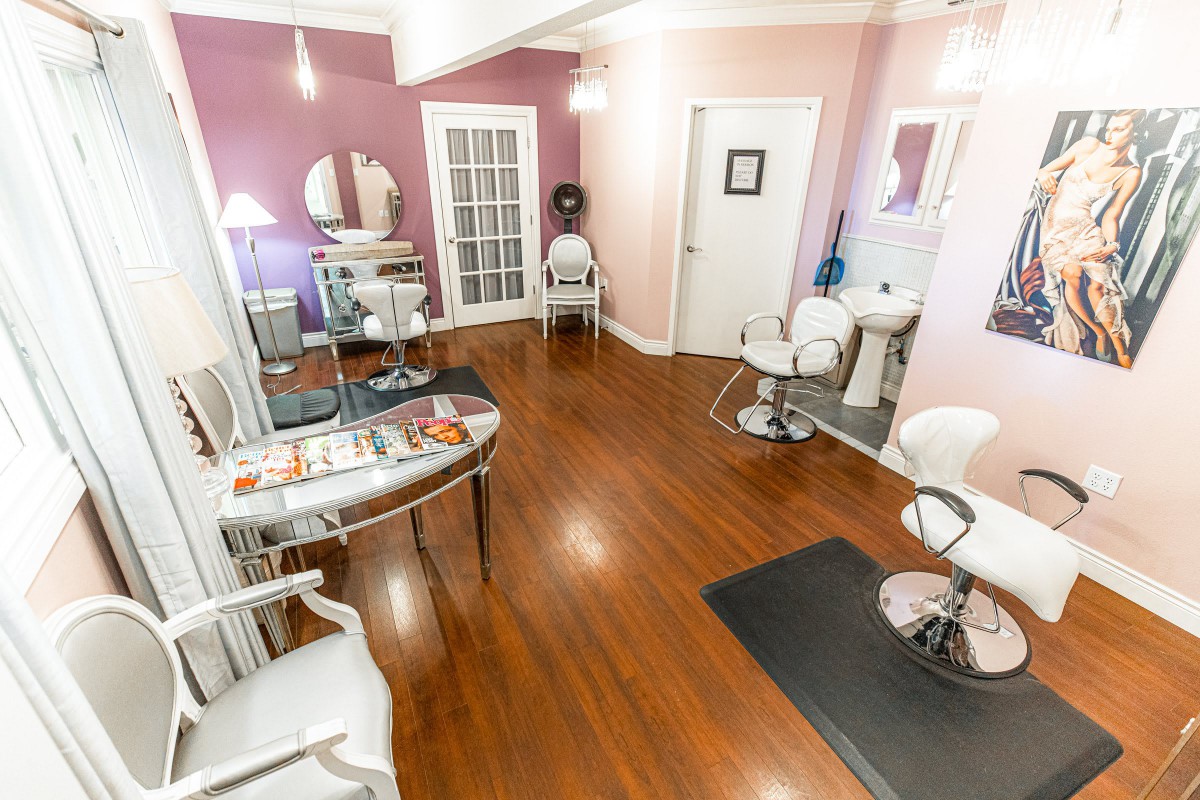
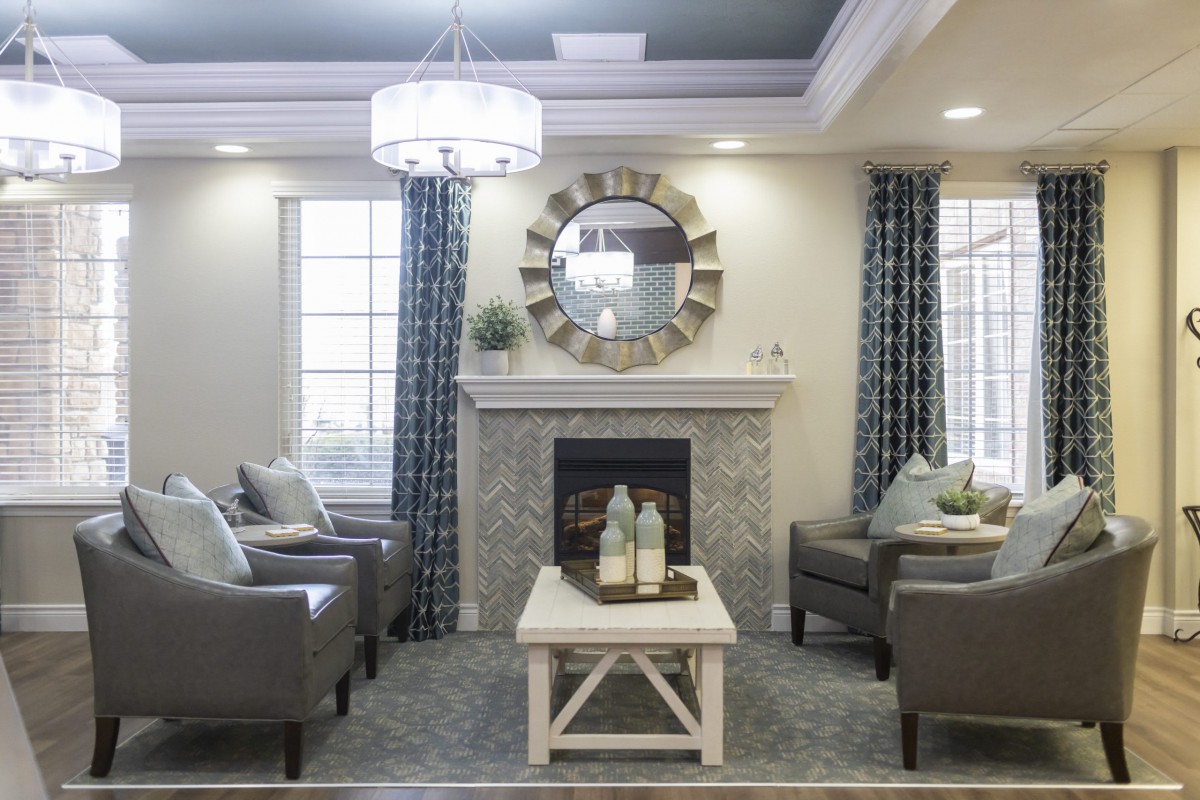
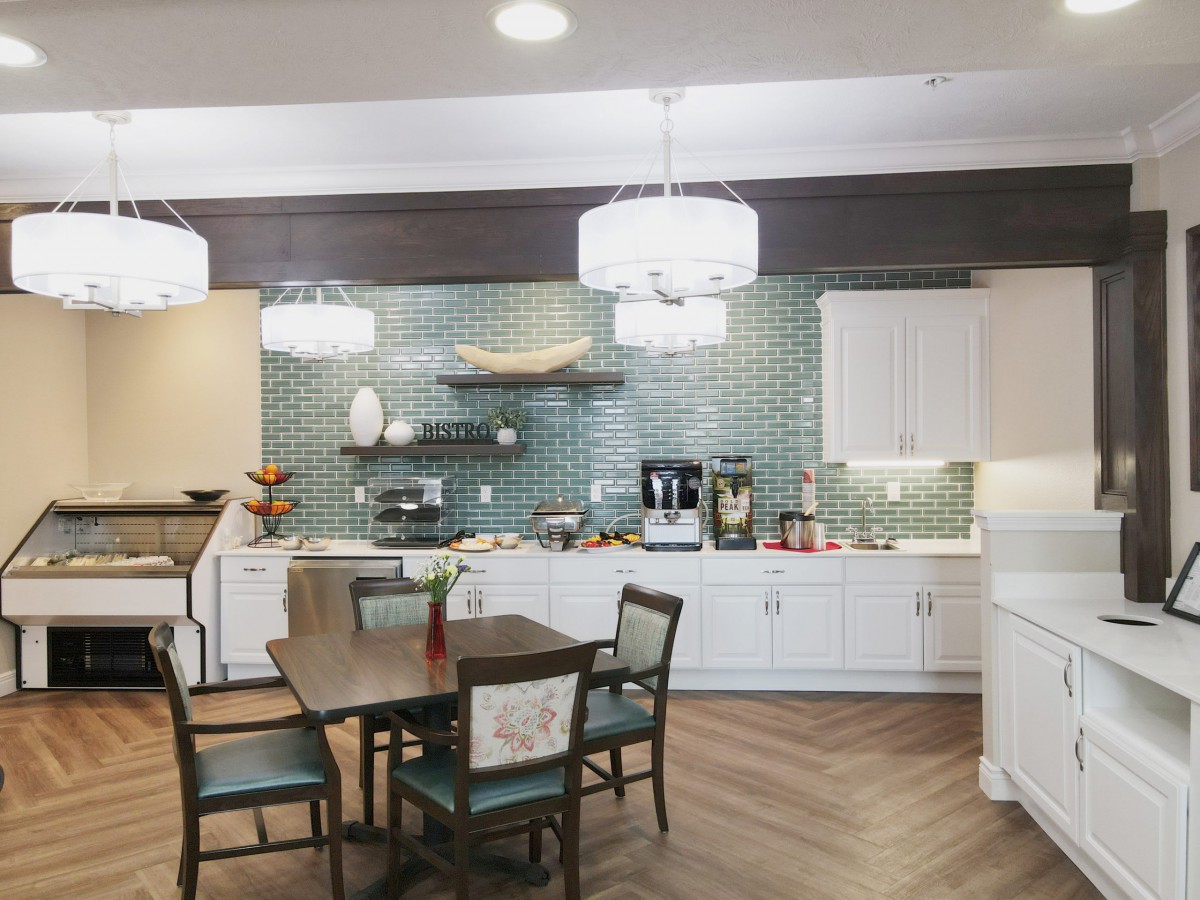
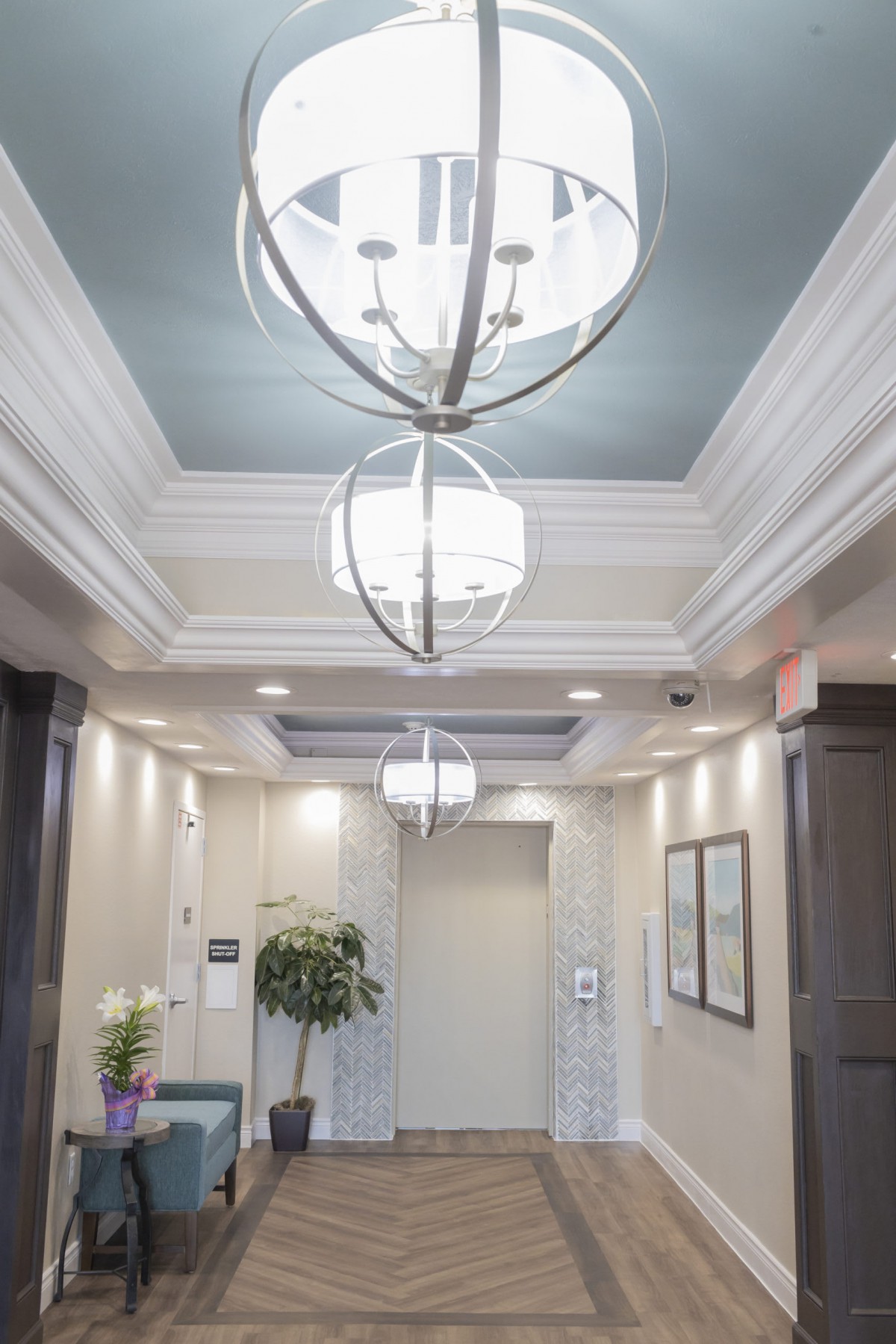
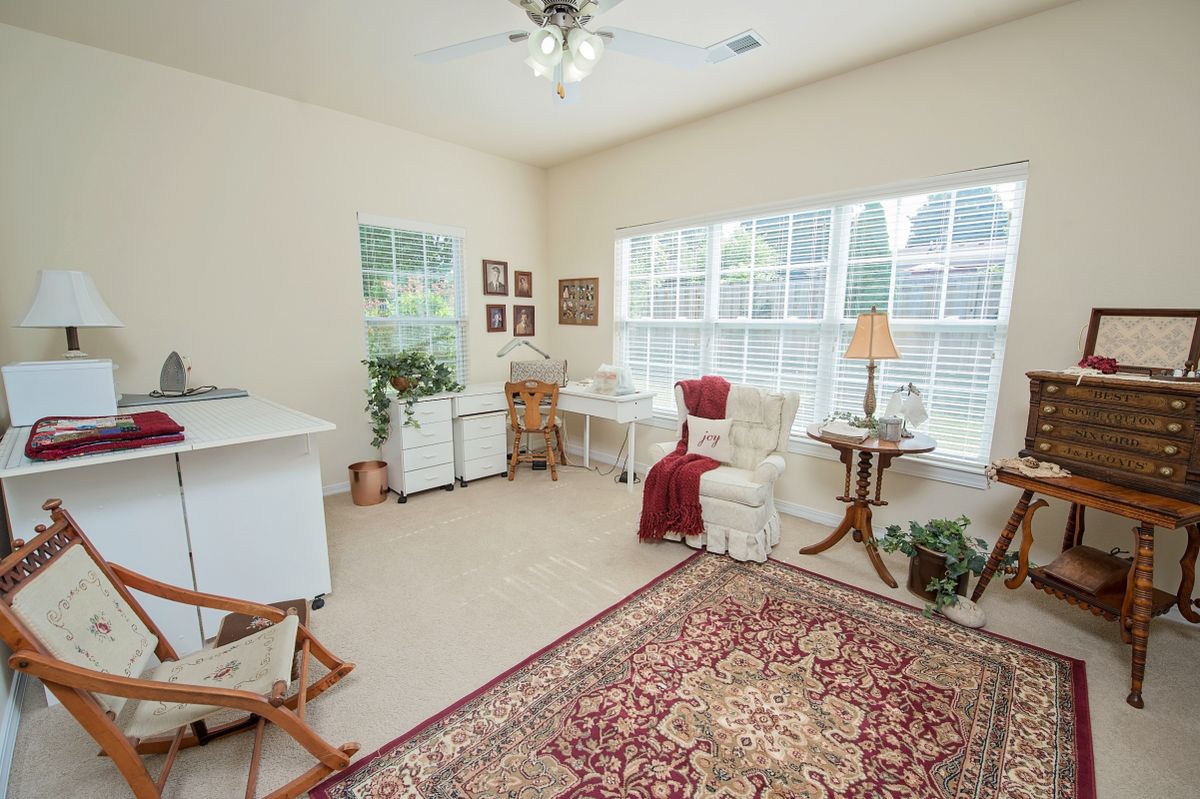
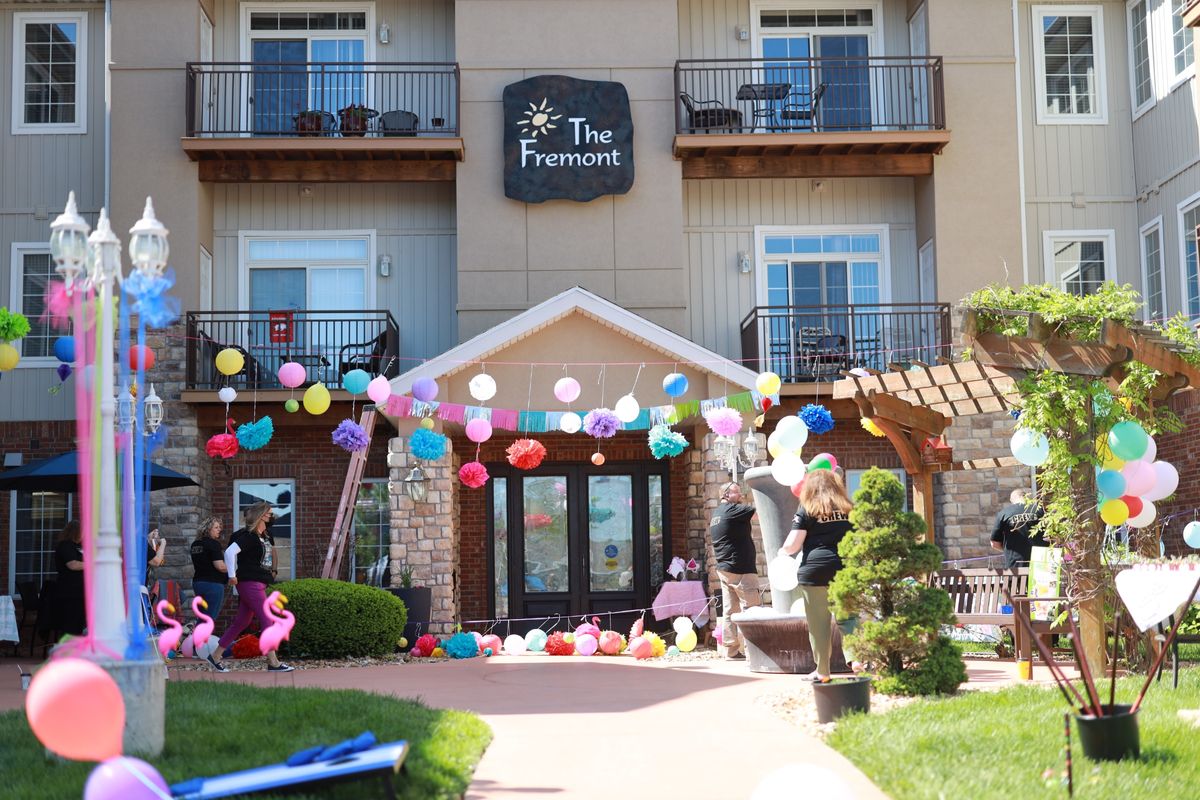
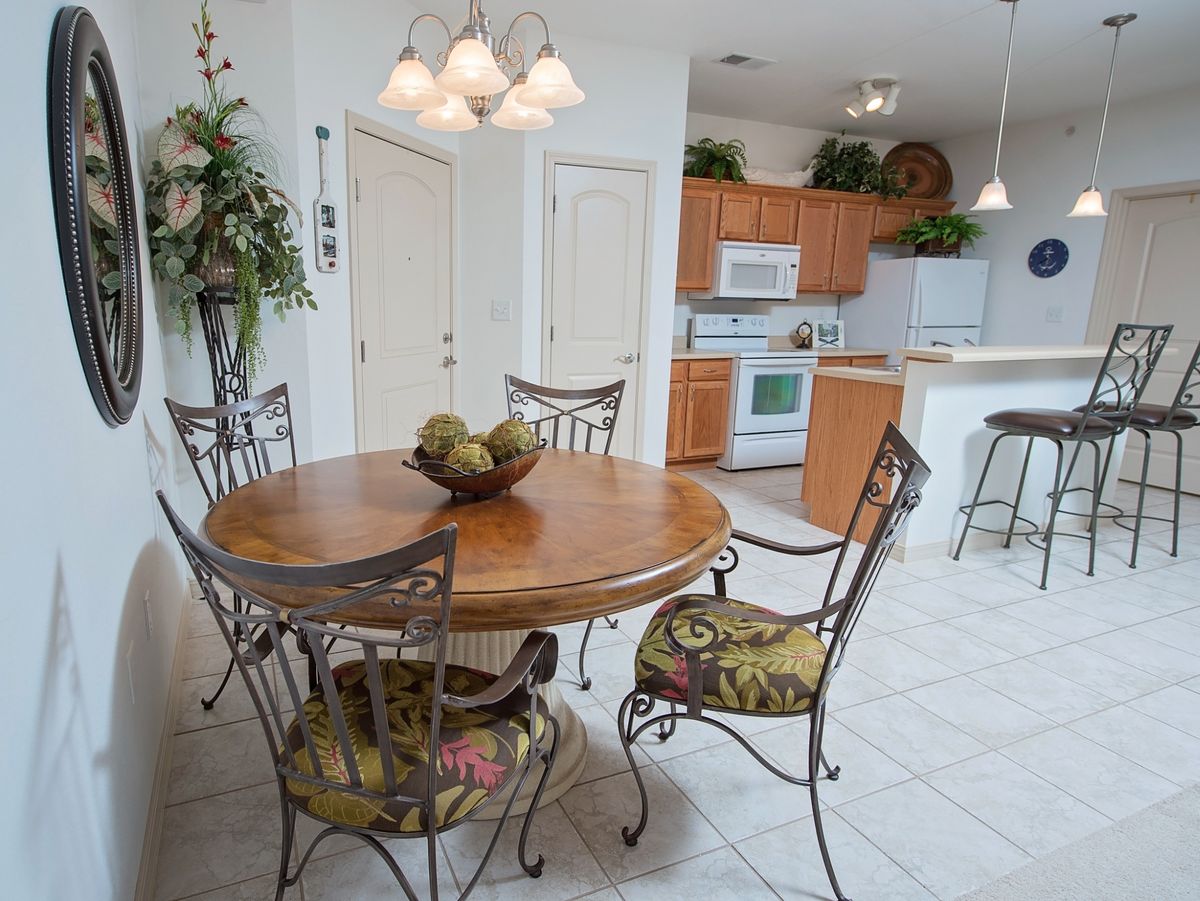
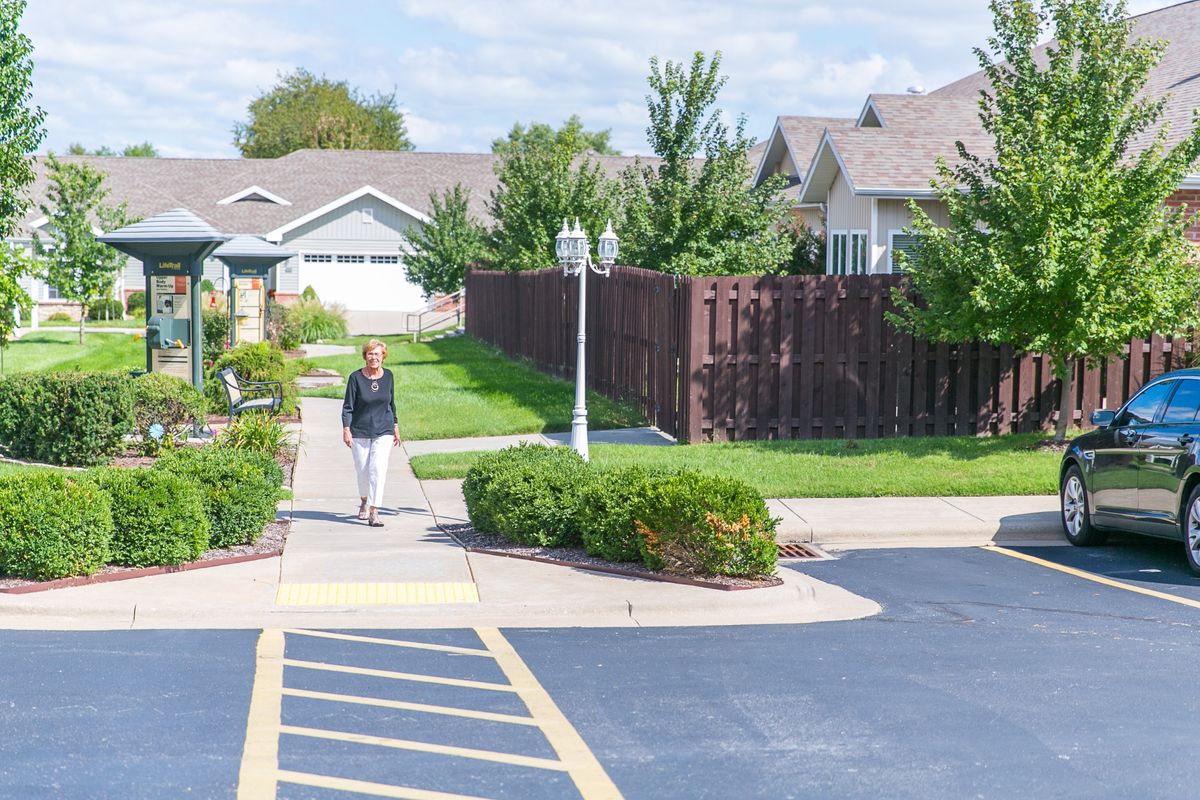
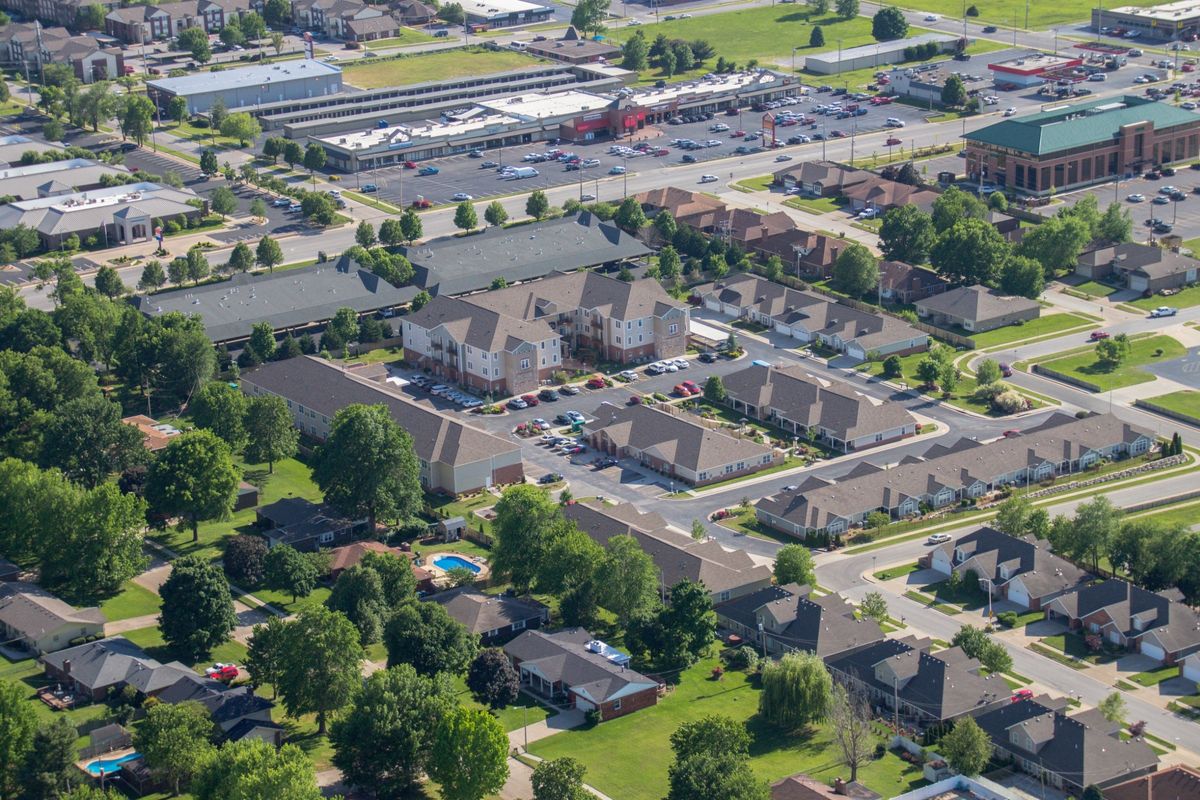
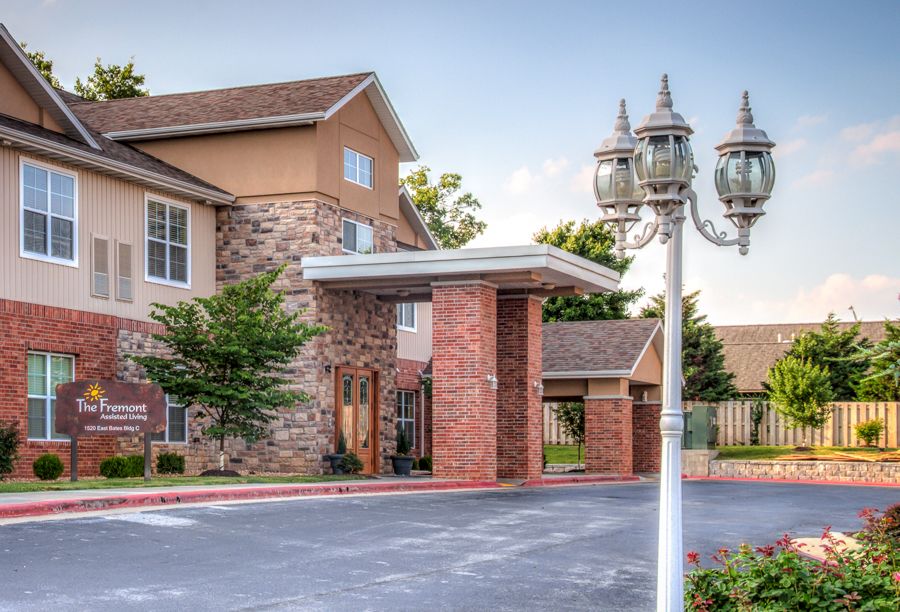
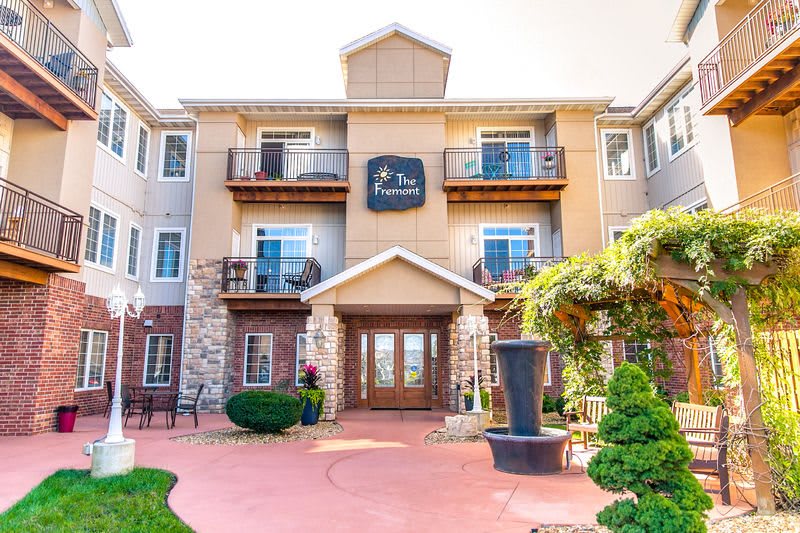
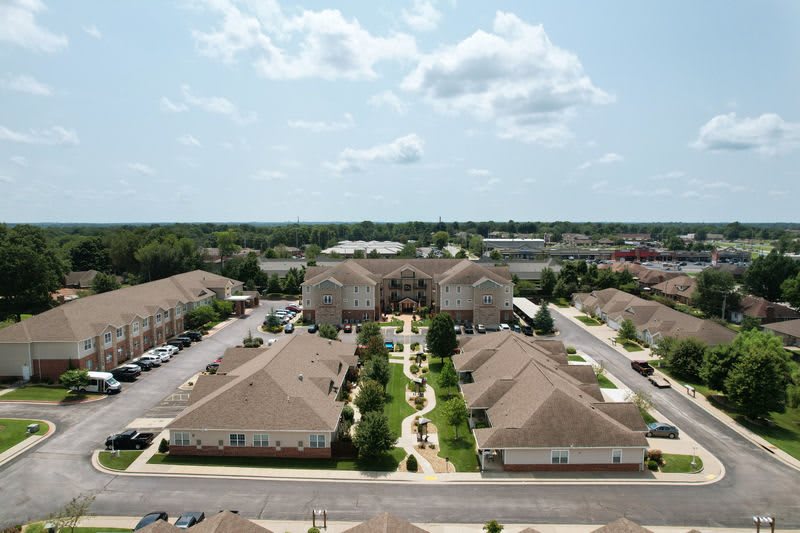
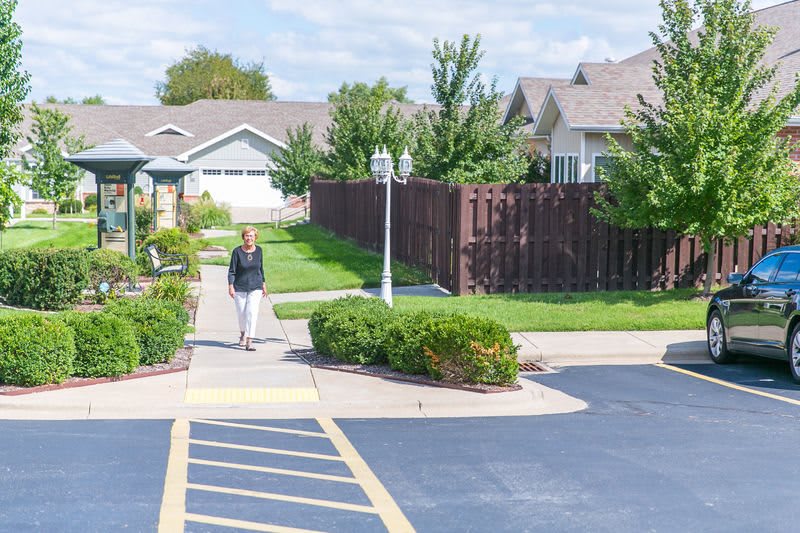
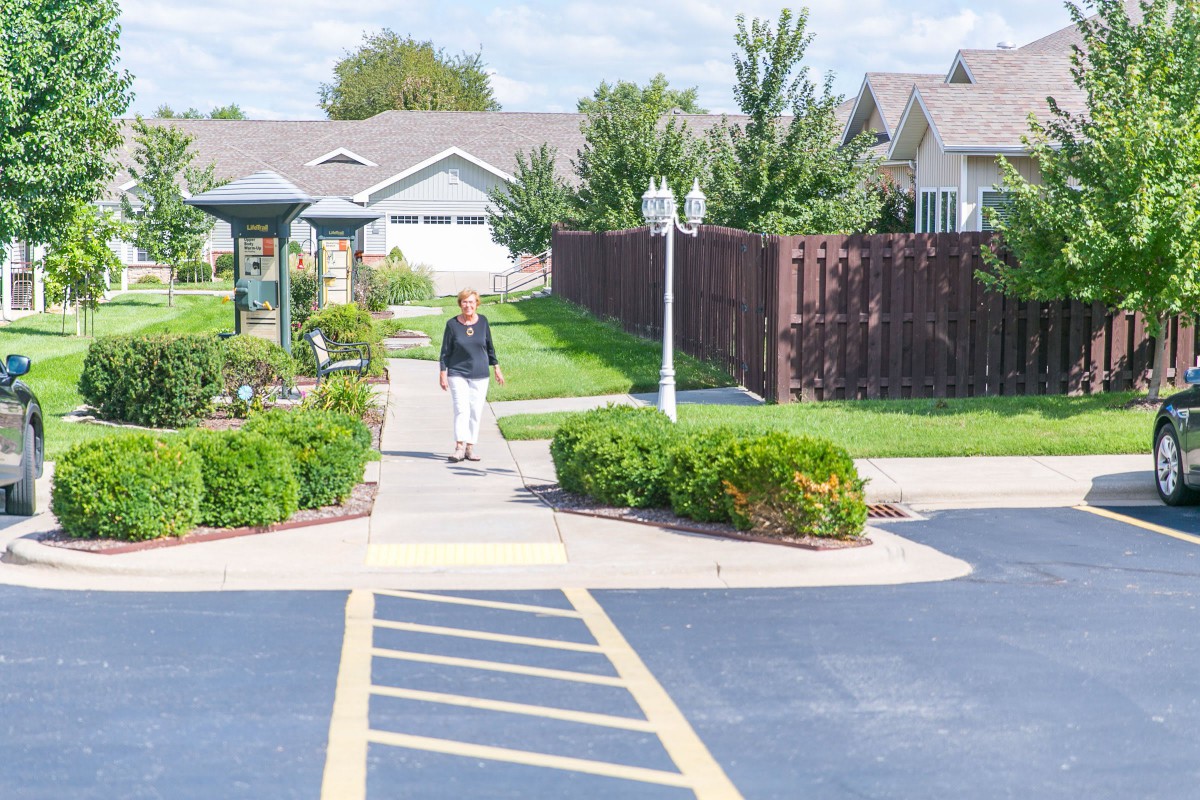
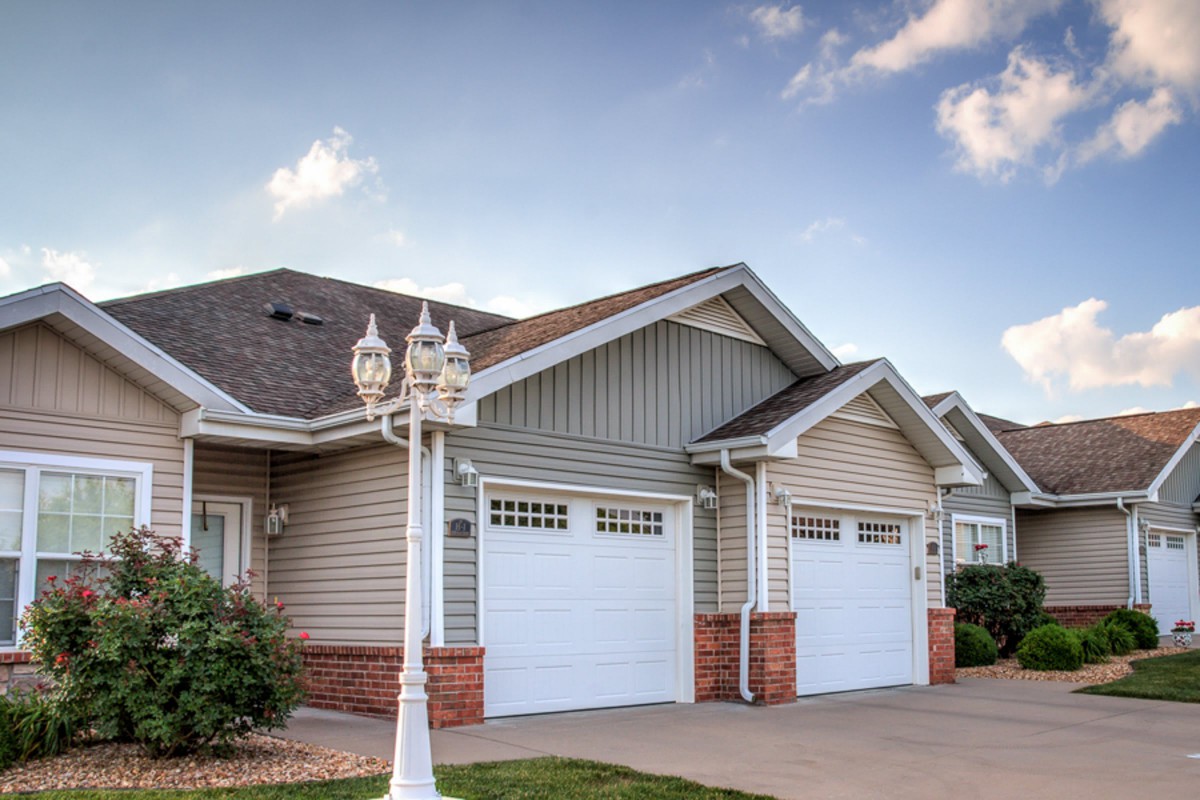
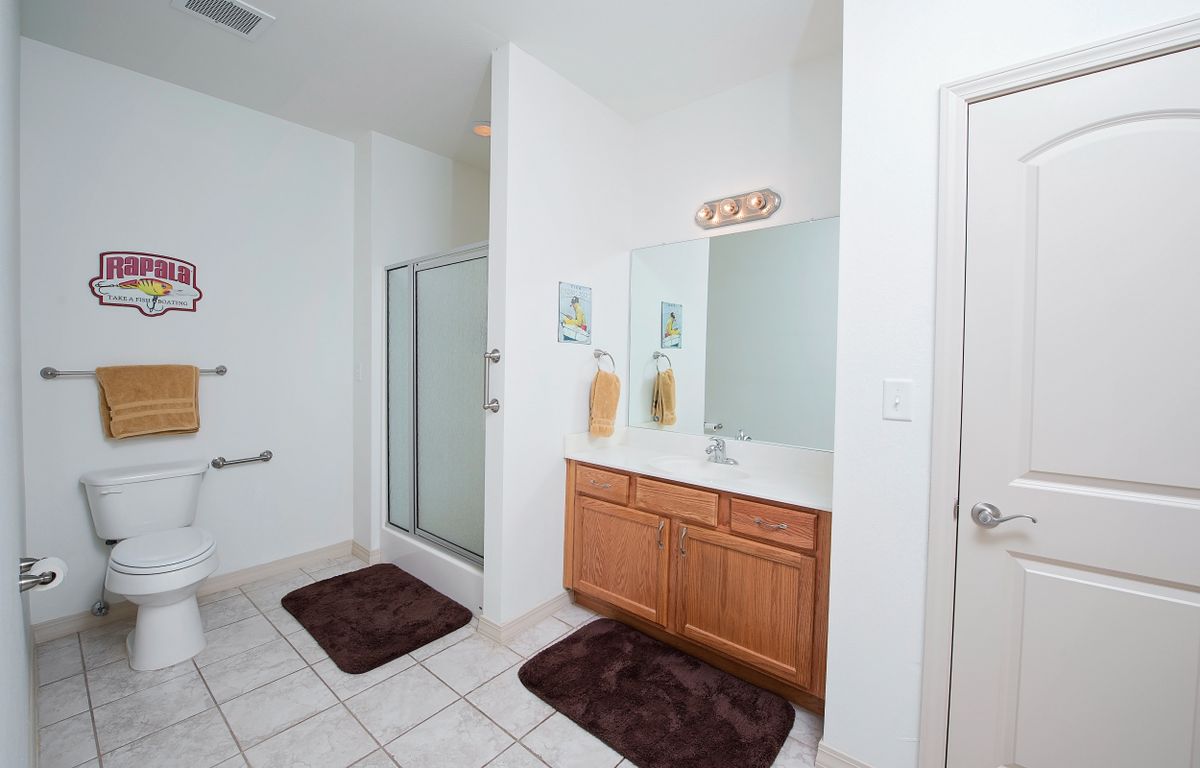
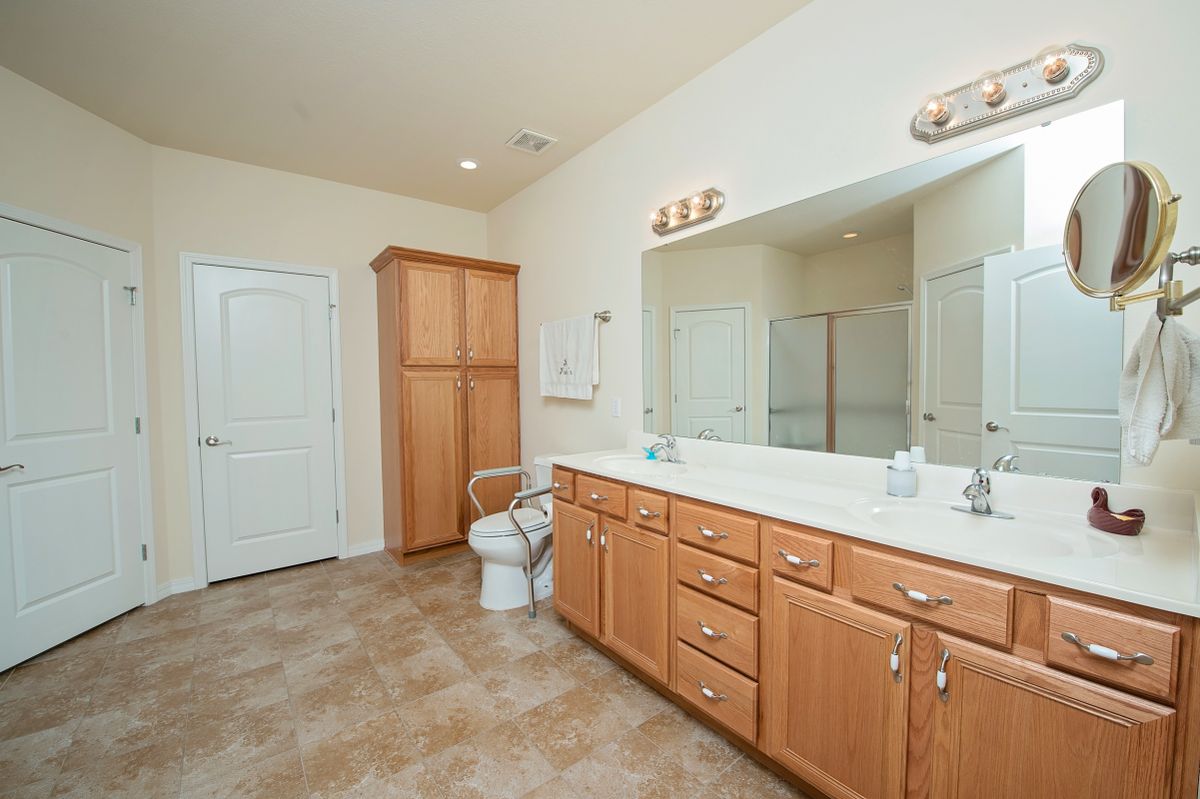
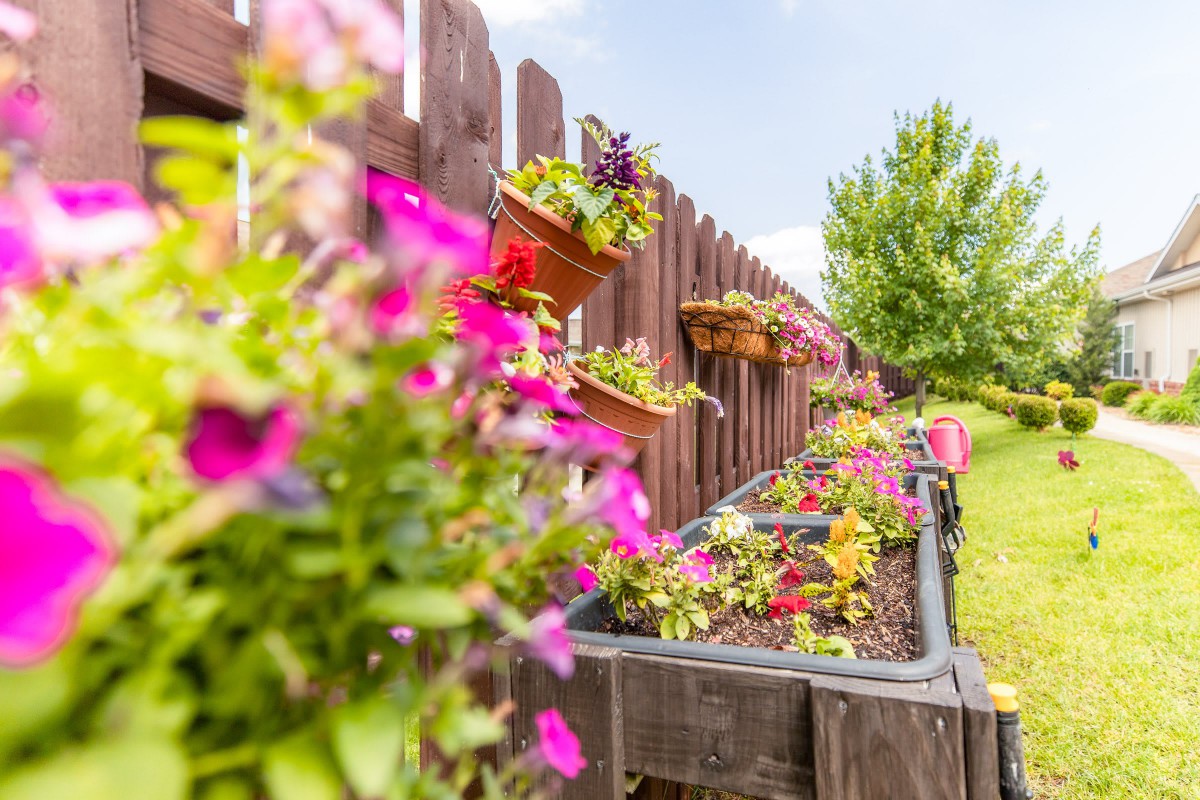
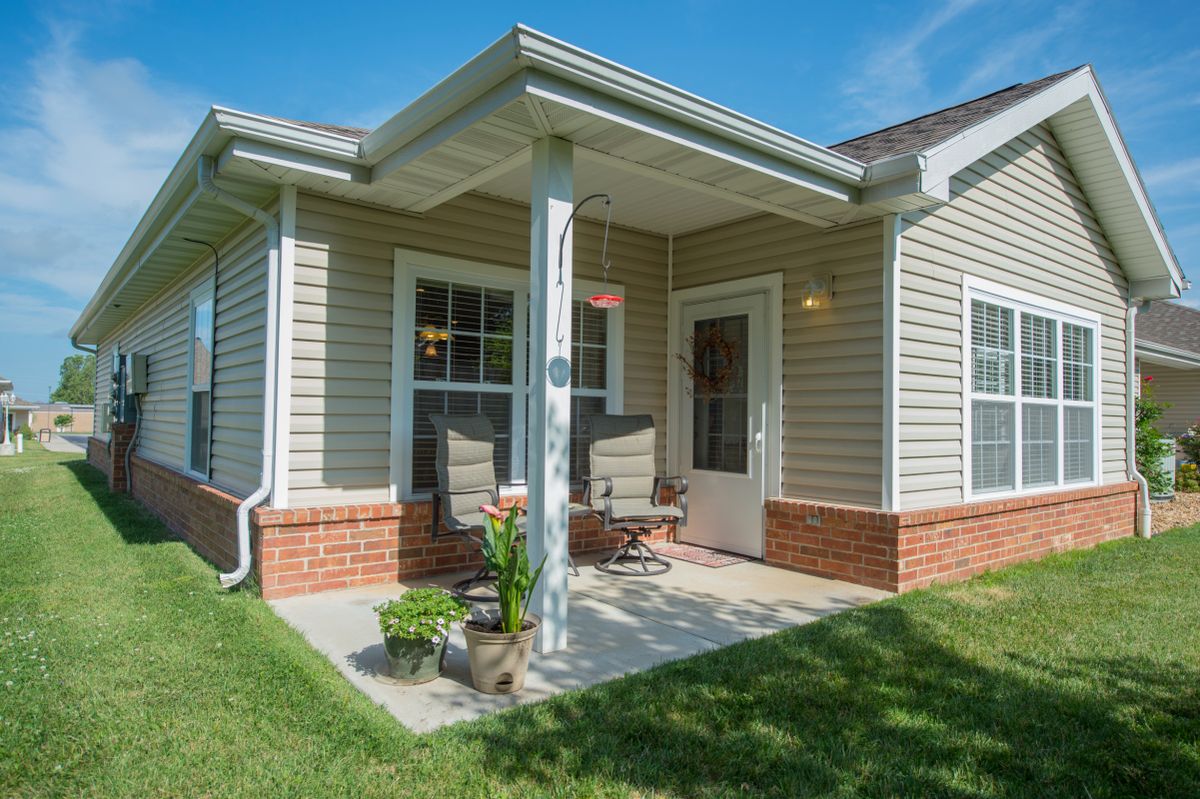
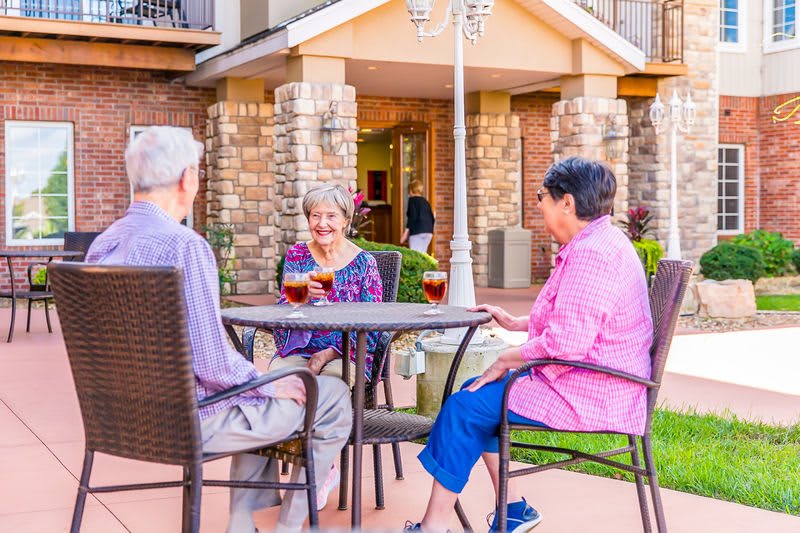
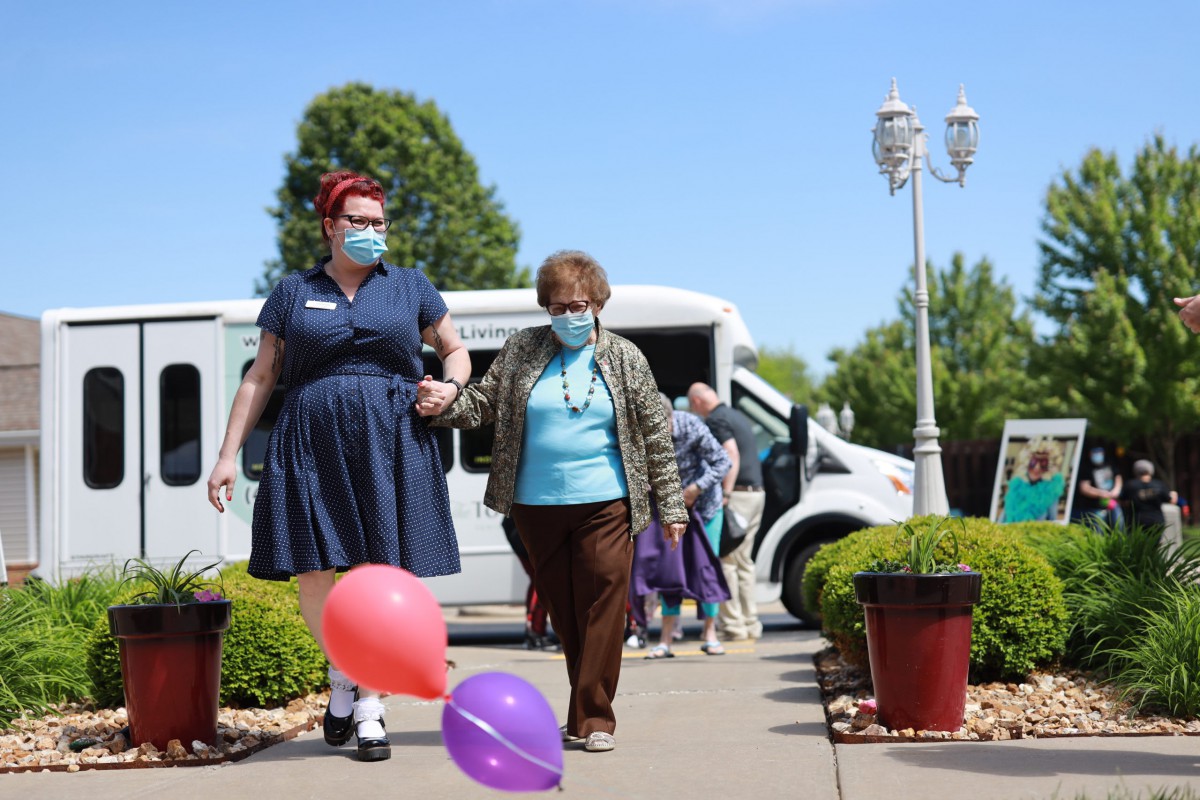
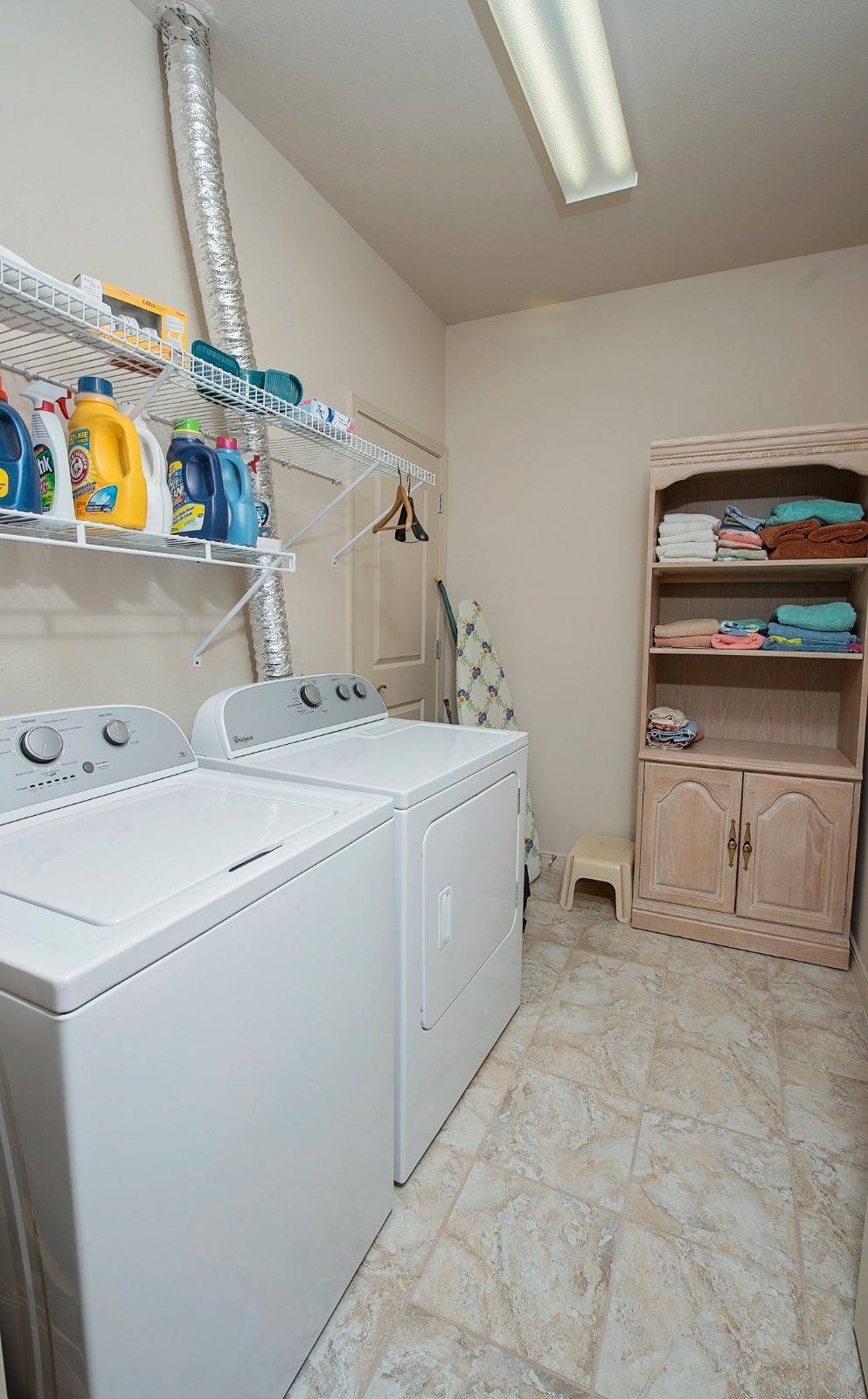
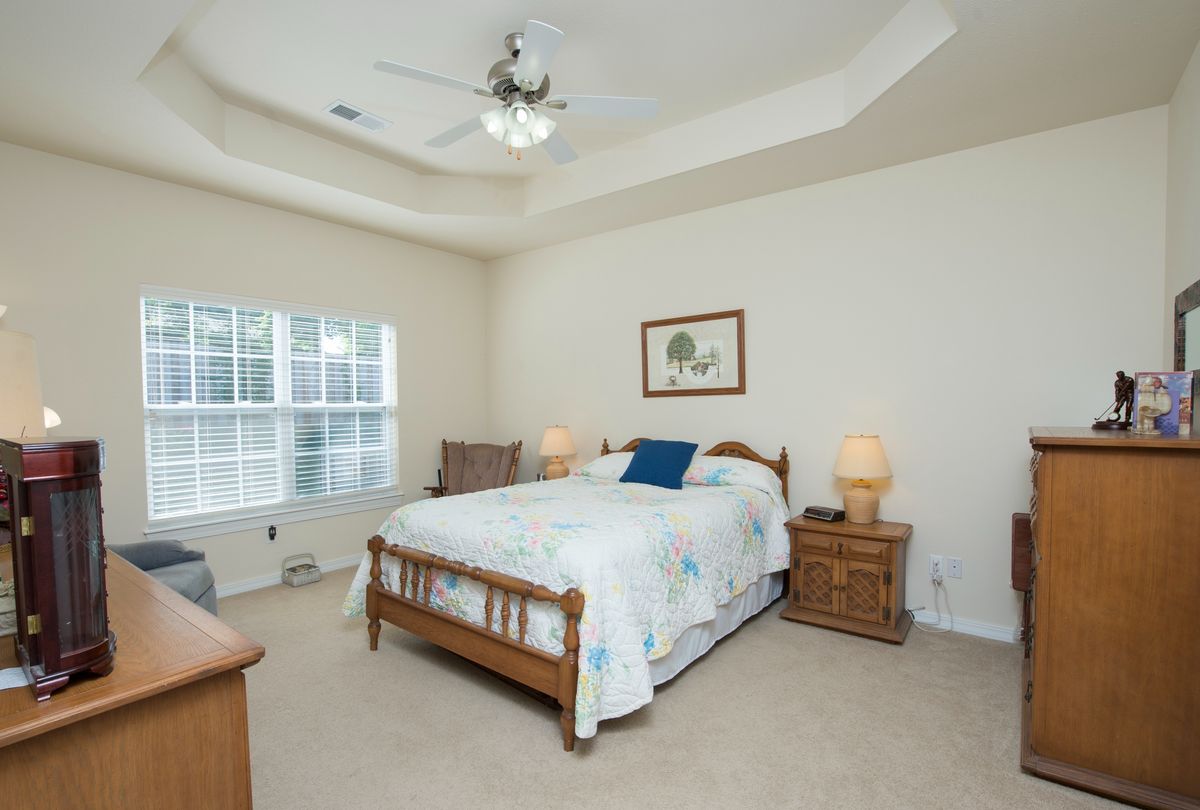
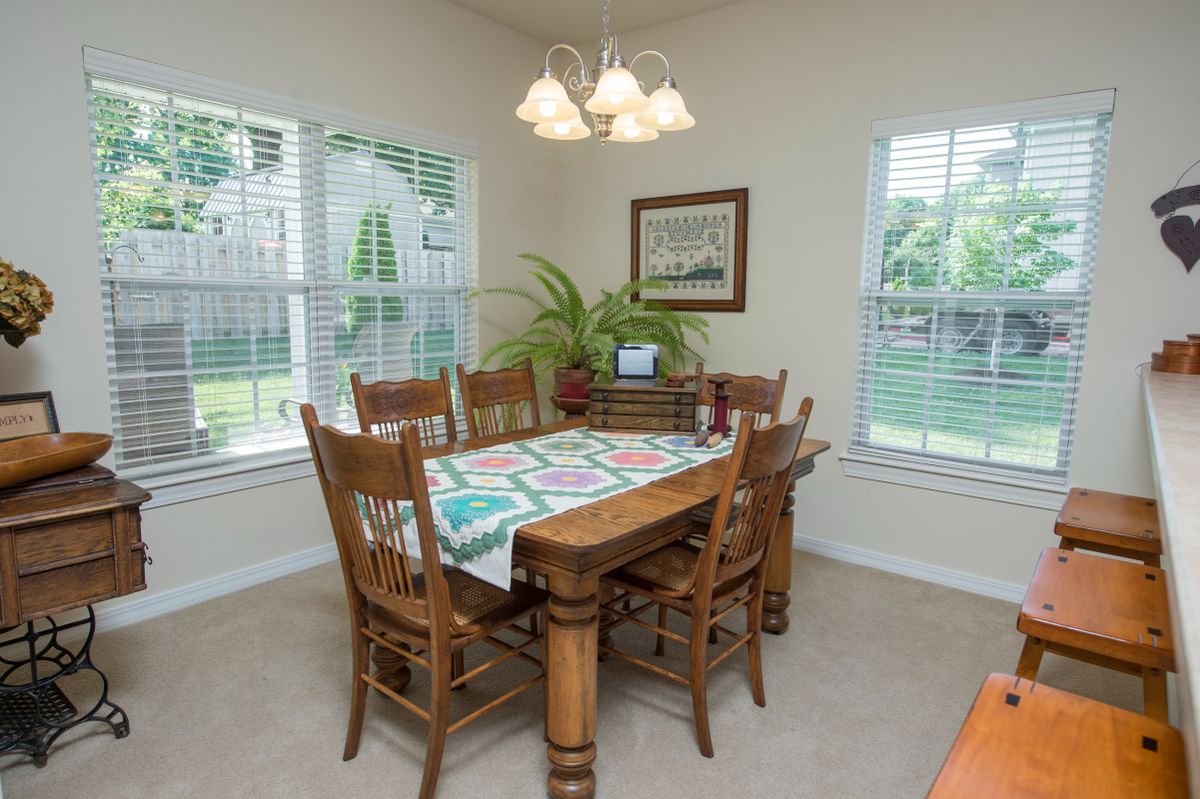
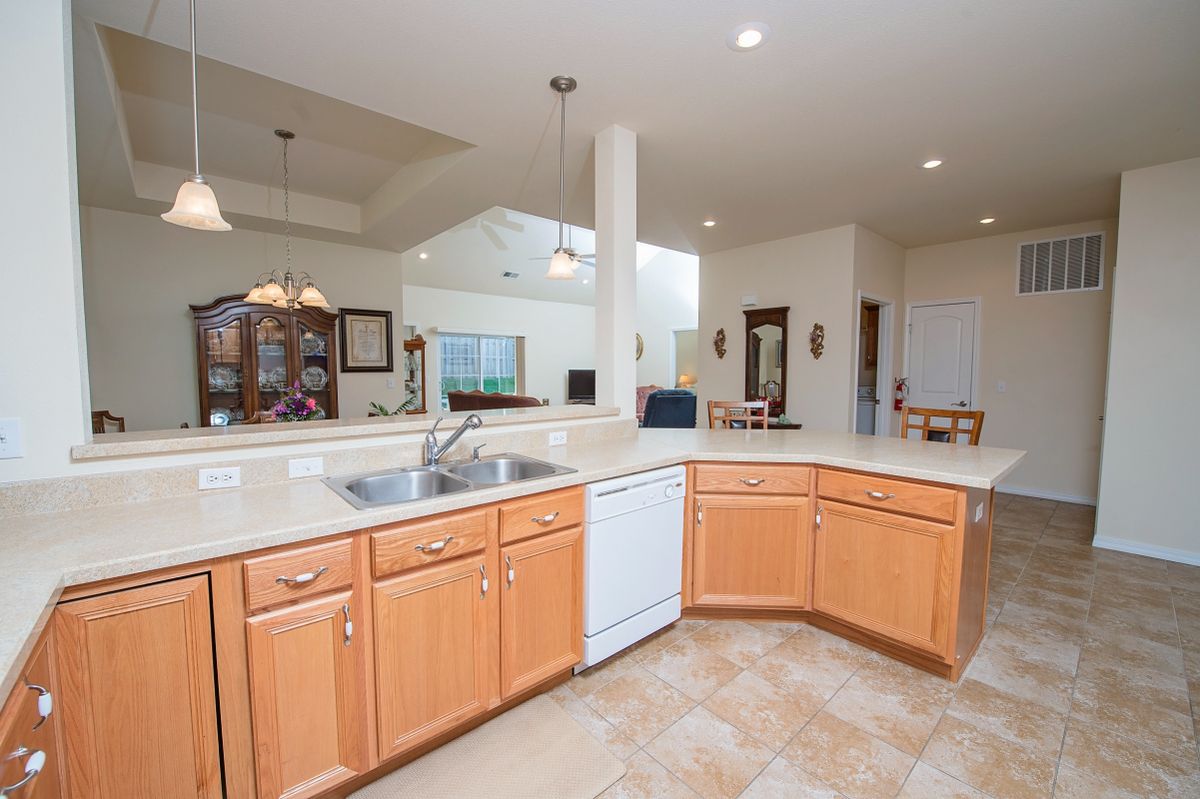
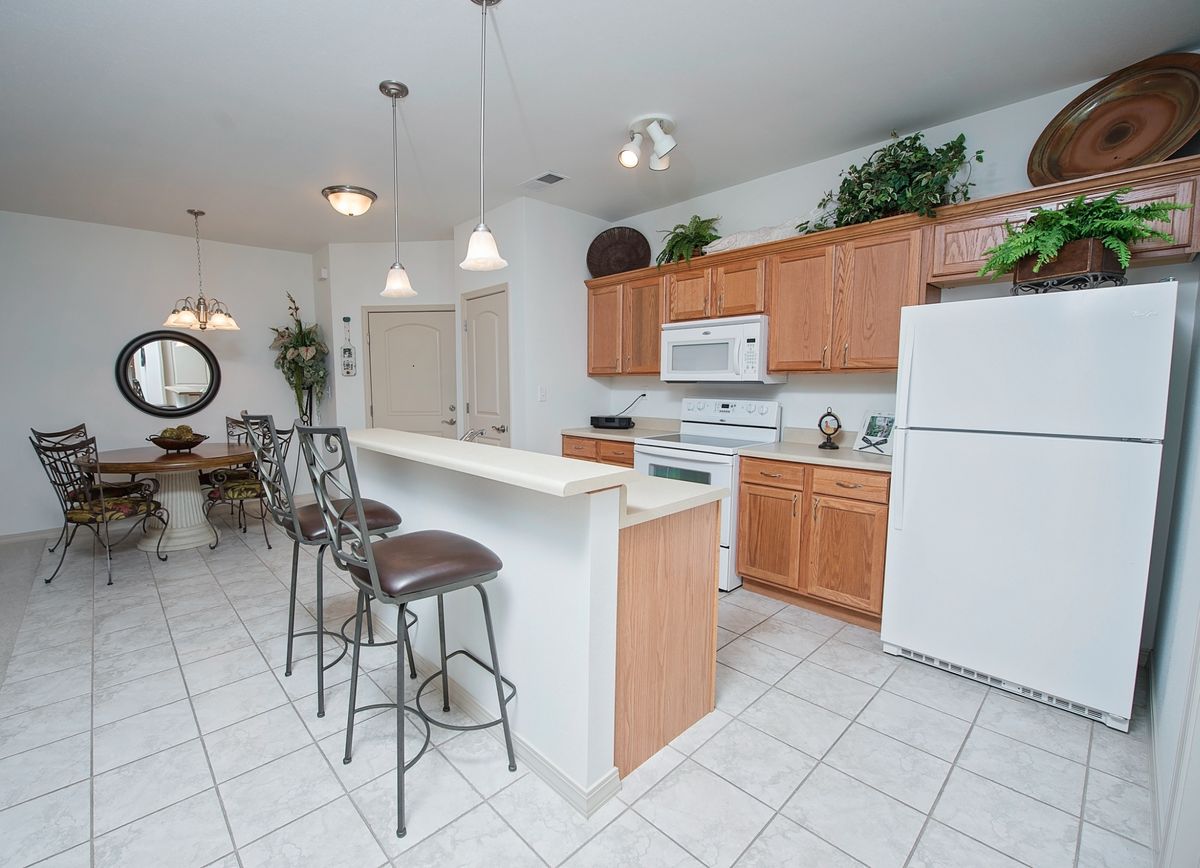
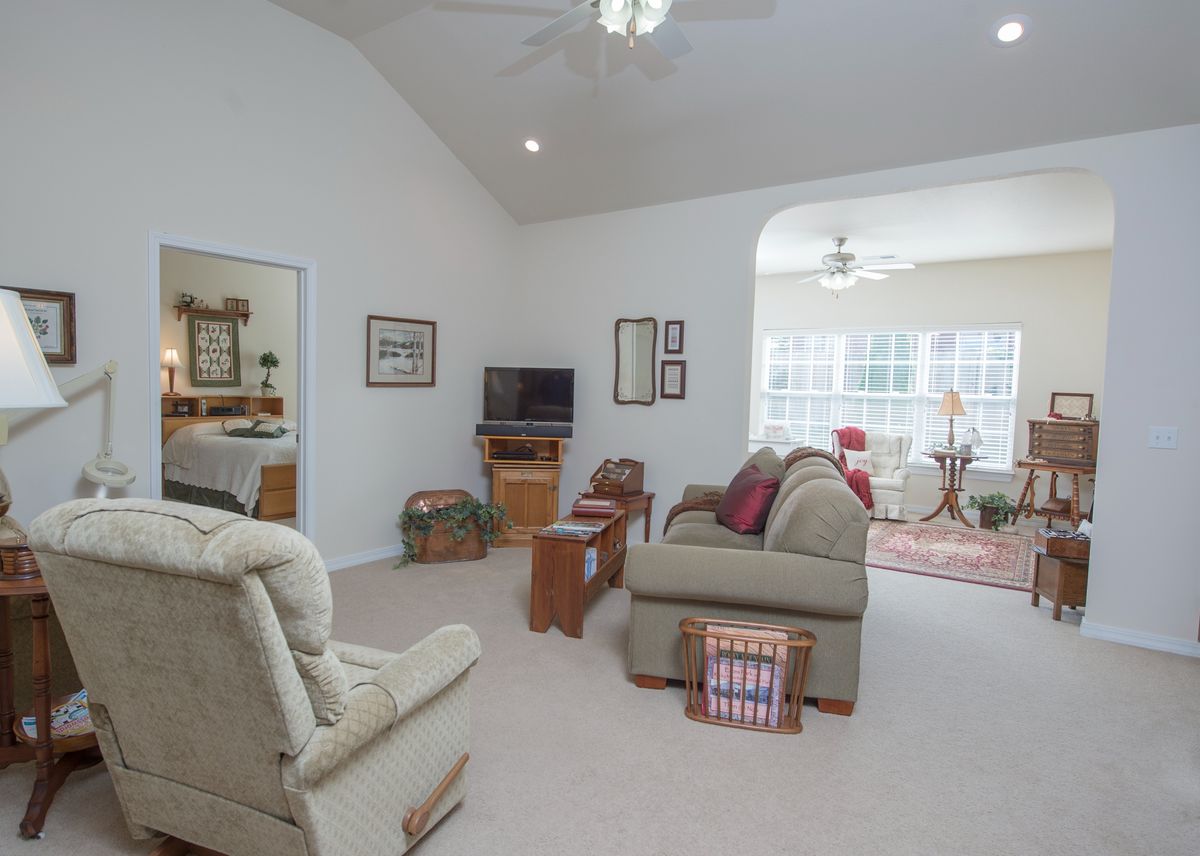
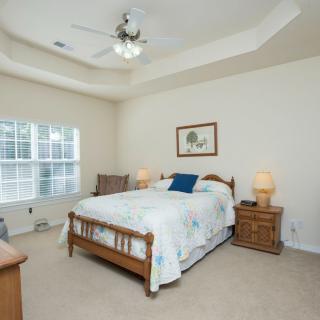
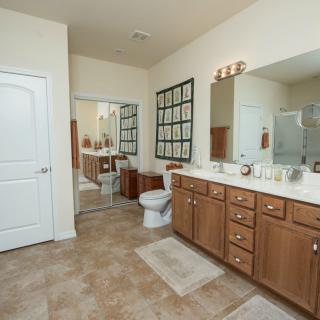
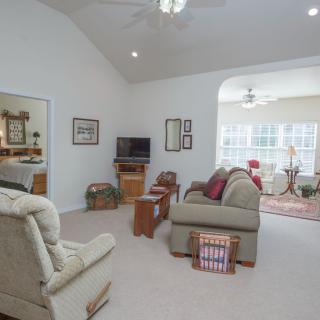
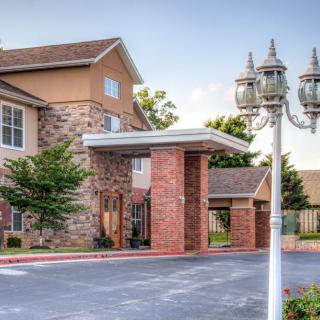
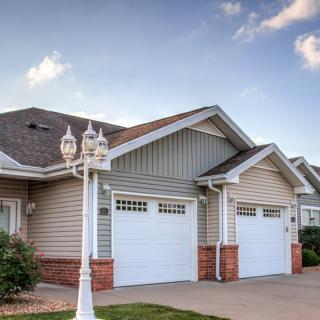
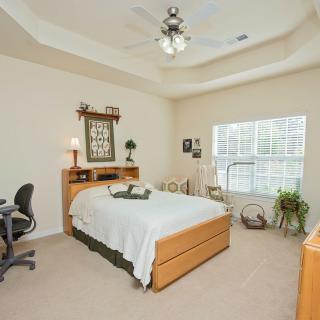
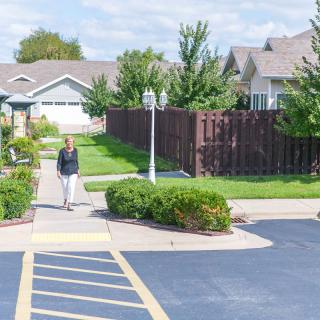
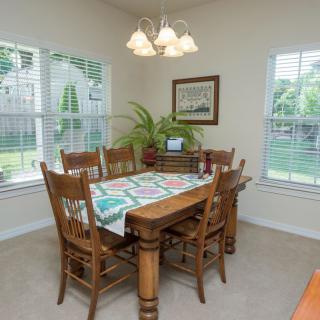
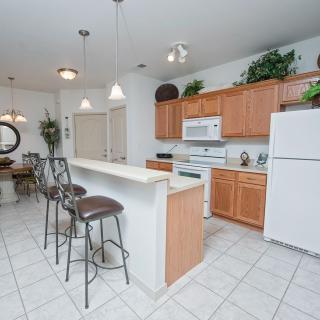
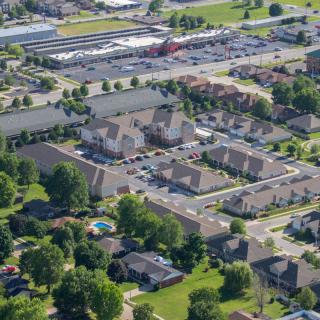
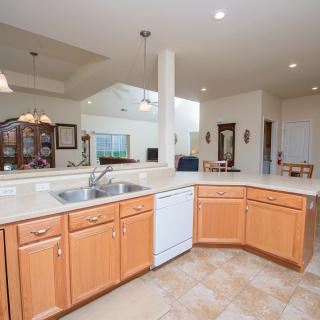
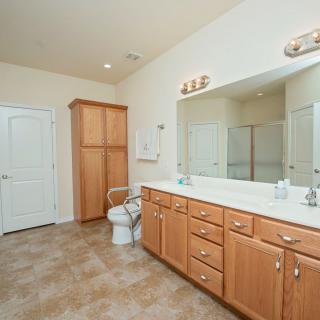
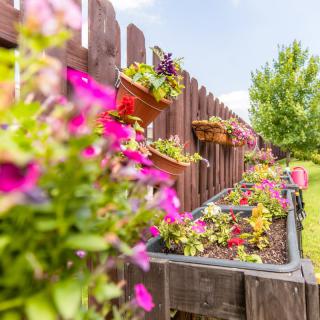
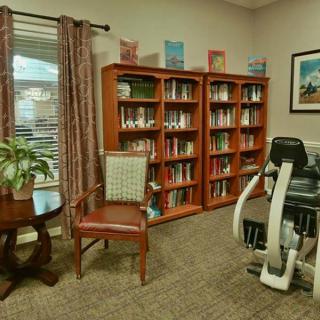
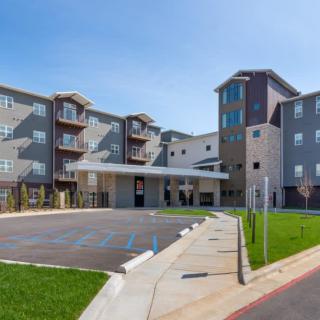
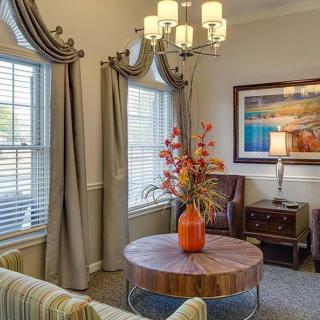
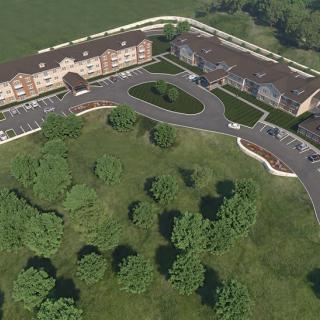
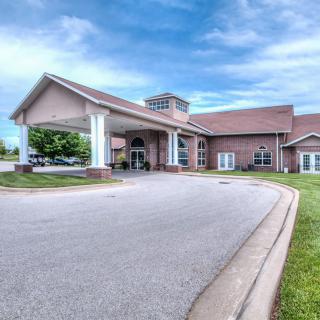
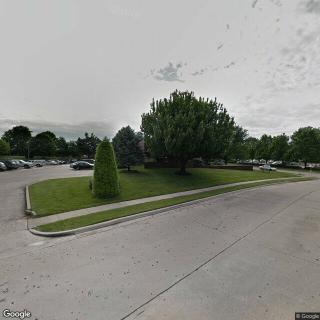
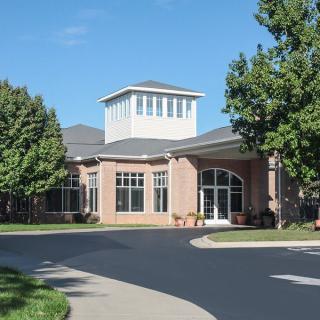
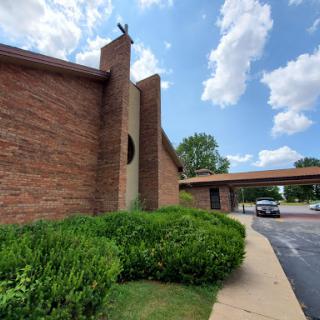
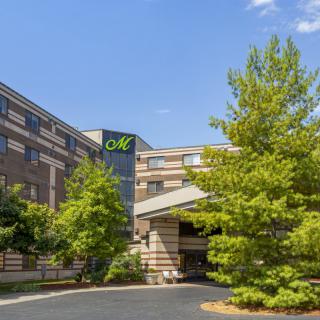
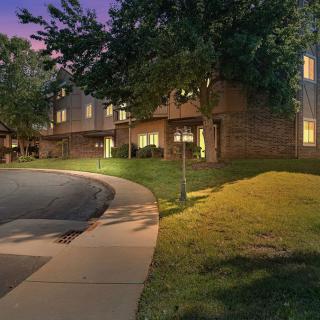
The Fremont Senior Living on seniors.fyi includes 40 photos including images showing interior, decor, dining, landscaping, kitchen, bedroom, bathroom, outdoors, and more.
Nearby Communities
Ravenwood
Springfield, MO
4.1 from 11 reviews
Strong memory care options with extensive amenities and transportation support.
Ravenwood & Arbors at Ravenwood
Springfield, MO
4.2 from 23 reviews
$3,317 to $5,084 / month
Exceptional staff and high-quality care with engaging activities.
Ozark Highlands Mobile Home Pk
Springfield, MO
4 from 106 reviews
Longstanding, resilient community with spaces for family gatherings.
Hamilton Corporation
Springfield, MO
3.8 from 59 reviews
Nearby healthcare, dining, and cultural options with a tranquil lifestyle.
The Waterford At Ironbridge
Springfield, MO
4.7 from 177 reviews
$2,330 to $3,695 / month
Compassionate, responsive staff in a clean, safe community with engaging activities.
Cox Medical Centers Meyer Orthopedic And Rehab
Springfield, MO
3.9 from 36 reviews
24/7 supervision with ADL assistance, medication management, and rehab-focused care.
Springfield Villa
Springfield, MO
2.8 from 47 reviews
Welcoming, clean facility with attentive staff and engaging activities.
The Montclair
Springfield, MO
4.7 from 201 reviews
$2,600 to $3,400 / month
Friendly staff and an active community with restaurant-style dining.
The Cambridge
Springfield, MO
4.5 from 154 reviews
$2,199 to $3,309 / month
Friendly, attentive staff and an active resident community.
Dementia leads to cognitive impairment and can cause emotional and behavioral changes, including aggression that arises from frustration, confusion, or fear. Effective coping strategies for caregivers include understanding dementia's nature, recognizing triggers, using empathetic communication, and employing non-pharmacological interventions like music and art therapy.
Dementia causes cognitive decline and challenging behaviors that caregivers must manage, necessitating an understanding of the neurological basis of these issues. Effective strategies and self-care for caregivers can enhance support for those with dementia and improve their daily lives.
The content outlines five key early indicators of dementia, including significant memory loss and confusion about time and place, while emphasizing the need for professional evaluation and emotional support for both individuals showing symptoms and their caregivers. It encourages family members to monitor these signs closely and use online quizzes for initial awareness.
Get PricingAsk A QuestionSchedule A TourContact Senior Advisor
By clicking submit, you agree to our Partner's Terms of Use. You
also consent to receive calls and texts, which may be autodialed, from our Partner. Your consent is not a condition to
using our Partner's service. Please visit our Partner's Privacy Policy for information about their privacy practices.

 72 resident community capacity
 1-bedroom apartments
 Detached homes
 Active Adult Communities (55+)
 Assisted Living
 Independent Living
 Memory Care
 Skilled Nursing Facility
 Cats allowed
 Dogs allowed
 Activities off-site
 Air-conditioning
 Bath tubs
 Beautician on-site
 Cable or satellite TV
 Cafe
Cafe Computer center
 Devotional services off-site
 Dining room
 Fireplaces
 Fitness room
 Full kitchen
 Fully furnished
 Gaming room
 Garden
 Ground floor units
 Guest parking
 Handicap accessible
 Housekeeping services
 Indoor common areas
 Laundry
 Move-in coordination
 Outdoor common areas
 Overnight guests
 Party space
 Private bathrooms
 Respite or short term stays offered
 Restaurant-style dining
 Security gate
 Small library
 Spa
Spa Telephone
 VA Benefits Consultation
 Wi-Fi/high-speed internet available
 Springfield-Branson Regional (10 miles away)
 Community operated transportation
 12-16 hour nursing
 24-hour call system
 Ambulatory care
 Assistance with bathing
 Assistance with dressing
 Assistance with transfers
 Diabetes diet
 Diabetic care
 High acuity care
 Hospice care
 Incontinence care
 Medication management
 Mental wellness program
 Physical therapy
 Special dietary restrictions
 Transportation arrangement (medical)
 Art classes
 Bible study group
 Book club
 Concierge services
 Cooking classes
 Day trips and outings
 Educational speakers / life long learning
 Games
Games Happy hour
 Karaoke
 Live dance or theater performances
 Live musical performances
 Wine tasting
 English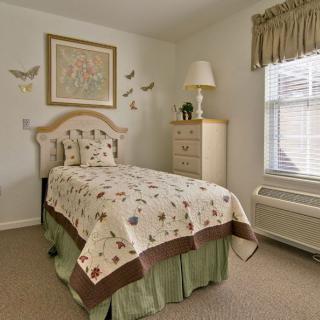
 Strong memory care options with extensive amenities and transportation support.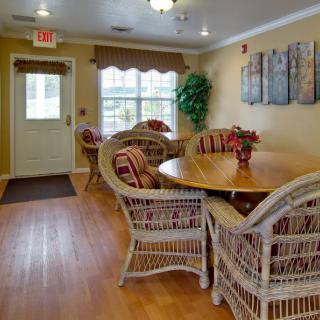
 When Dementia Sparks Anger and Aggression: Understanding the Connection and Ways to Cope
 Dementia Behaviors: In-Depth Understanding and Effective Coping Strategies
 5 Early Indicators of Dementia and What You Can Do