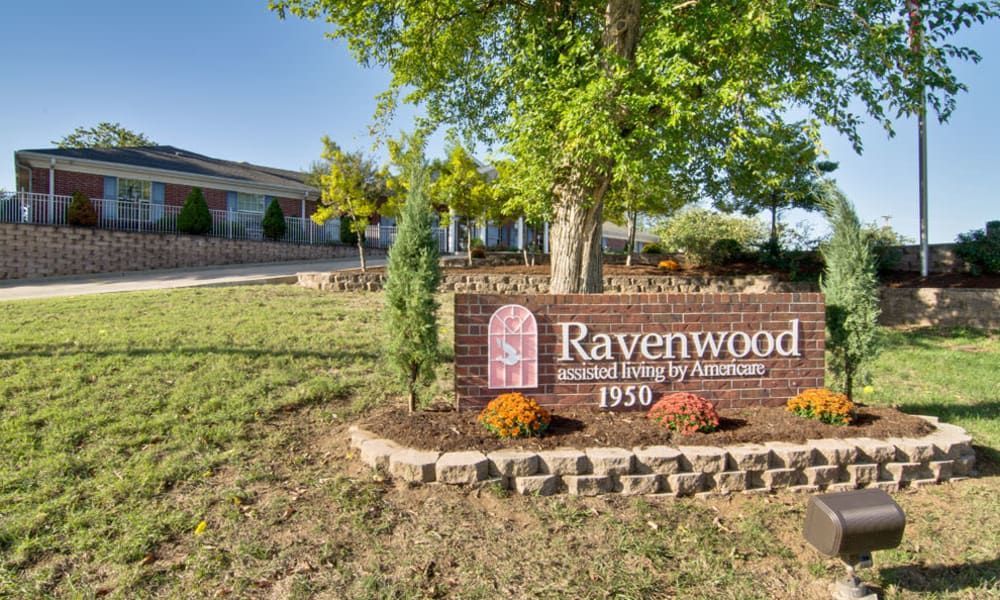
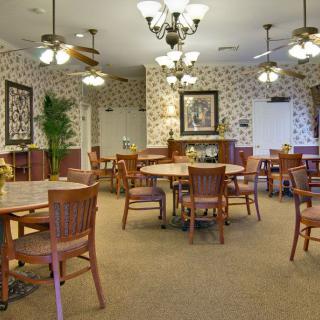
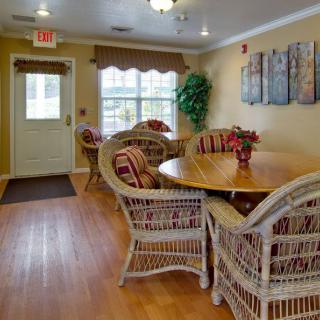
1950 East Republic Road, Springfield, MO 65804
For more information about senior living options: (866) 208-4318
Overall Review of Ravenwood
Pros
 The staff at The Arbors at Ravenwood are professional, efficient, and very nice to work with.
- The staff are extremely helpful to residents, including those with dementia.
- AmeriCare has developed a positive corporate culture across its facilities.
- Ravenwood is a wonderful community with a warm, caring administrator and staff who make residents feel welcome and like family.
- The care and service provided to residents are top notch.
- Residents are well cared for, and the activities make living there enjoyable.
- Alecia Robinson and her staff are highly regarded for making residents feel at home.
- Ravenwood and its sister properties are trusted to provide the best in care, giving peace of mind to refer clients.
Cons
 The facility is overpriced because they couldn’t pay people to endure the lack of care this place provides.
- Call lights go unanswered and assisting seems to be a look in the door before moving on to the next room.
- The aides are required to do so many non-resident-centered duties such as cleaning, working in the dining room each mealtime, laundry, and who knows what else.
- Emphasis must always be on the residents. This is a typical corporate owned operation. Stay away.
- The reviewer notes that the first facility the relative stayed at had a very bad experience.
Review
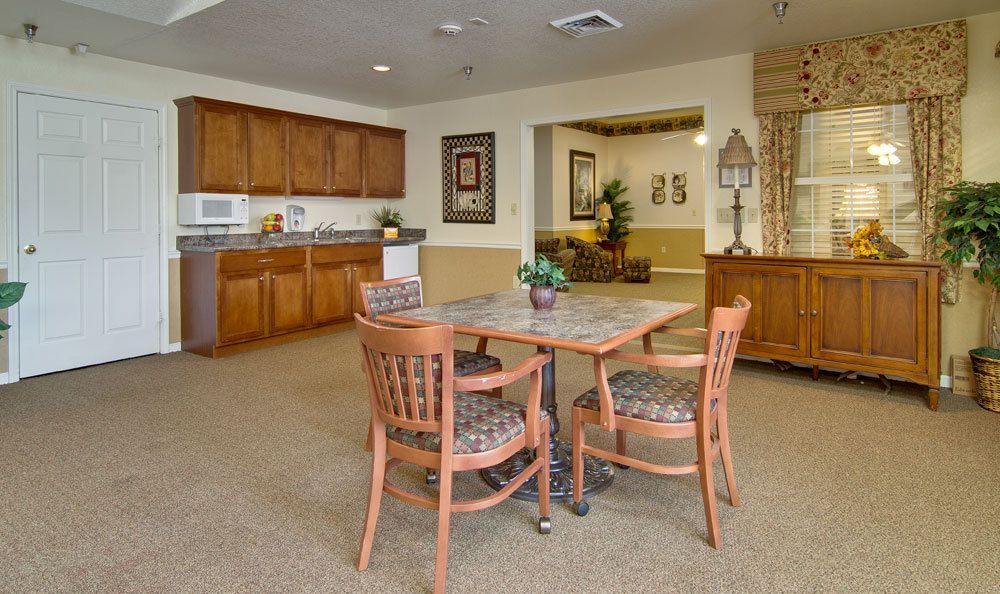
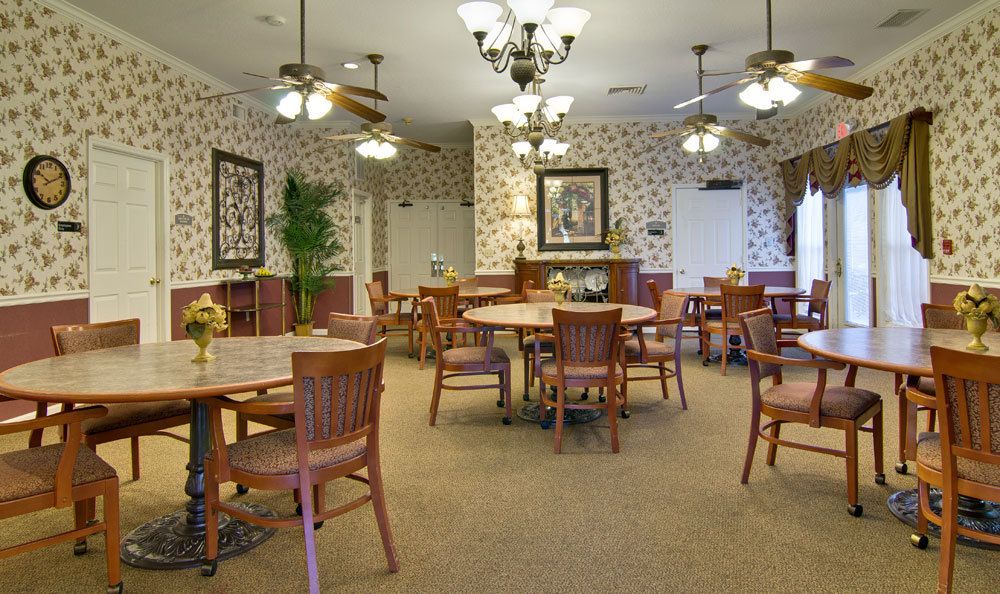
This community is best suited for families who want a warm, home-like environment with strong dementia-focused care and the reassurance of a well-backed, corporate operation. The Ravenwood site, including The Arbors at Ravenwood, earns praise for staff who are professional, efficient, and genuinely involved in residents’ well‑being. Families repeatedly credit the administrator and front-line caregivers with creating a sense of welcome and belonging, and they cite meaningful activities and supportive transitions from hospital stays as highlights. For families who value a cohesive, organized culture that appears to genuinely care for residents with memory challenges, this campus offers a compelling, if imperfect, fit.
Those who should consider alternatives are typically budget-conscious families or those who require consistently rapid responsiveness and a less corporate feel. A recurring concern is that call lights go unanswered and aides can be tied up with non-resident duties, cleaning, dining-room tasks, laundry, and chores that pull attention away from direct resident-centered care. The critiques portray a facility that operates efficiently on paper, yet when staffing is stretched, residents may experience delays in assistance. Prospective movers should weigh whether a strong corporate culture and established programming justify potential gaps in immediate responsiveness or a higher price tag.
On the positive side, the core advantage is a professional, organized staff who know how to support memory-care residents and to keep families informed. Multiple reviews highlight caregivers who are patient, courteous, and skilled at engaging dementia patients, with administrators and coordinators who make families feel heard. The praise is not generic; it comes from families who saw meaningful improvement in daily routines and in residents’ willingness to participate in activities. This is a campus where the care ethos is reinforced by a culture that values structure, clear routines, and a steady presence, qualities that matter deeply to families navigating dementia care.
Yet the main drawbacks can’t be dismissed as minor. The most persistent concerns center on staffing realities: call lights not being answered promptly, aides performing a broader set of tasks than resident care, and a sense that the emphasis on corporate efficiency can overshadow individualized attention. Price is another friction point, with some families perceiving the value as misaligned with the level of responsiveness they experience. In short, the better aspects, competent management, consistent programming, and a compassionate atmosphere, do not fully offset the risks associated with slower response times and higher costs. For families who fear delays in help or who must tightly manage expenses, these tensions will color the overall assessment.
Ultimately, the decision hinges on priorities. If dementia-focused programming, a dependable administrative team, and a reputation for stability are non-negotiable, Ravenwood’s Arbors campus is worth a thorough visit. But if rapid, around-the-clock responsiveness and a lower price point are essential, it is prudent to explore alternatives and compare staffing levels, resident experiences, and total care packages side by side. Prospective residents and families should directly address call-light protocols, average response times, and the degree to which front-line staff are freed from non-resident tasks. Ask for concrete examples from current residents’ families, and request candid conversations with the administrator to gauge whether the culture matches expectations in daily practice.
In planning next steps, schedule visits with key staff, request a detailed tour of the memory-care environments, and press for explicit staffing statistics, especially CNA-to-resident ratios during peak hours. Seek out references from other families who recently transitioned in and out, and verify activity calendars to ensure meaningful engagement happens daily. If the balance of warmth, dependable programming, and a stable, corporate-supported framework aligns with what the family seeks, Ravenwood stands out as a strong contender. If not, its cons are pronounced enough to merit looking at tailored options elsewhere in Springfield, MO.
 66 resident community capacity
 Assisted Living
 Day Program
 Memory Care
 Respite Care
 Air-conditioning
 Beauty salon
 Cable or satellite TV
 Computer center
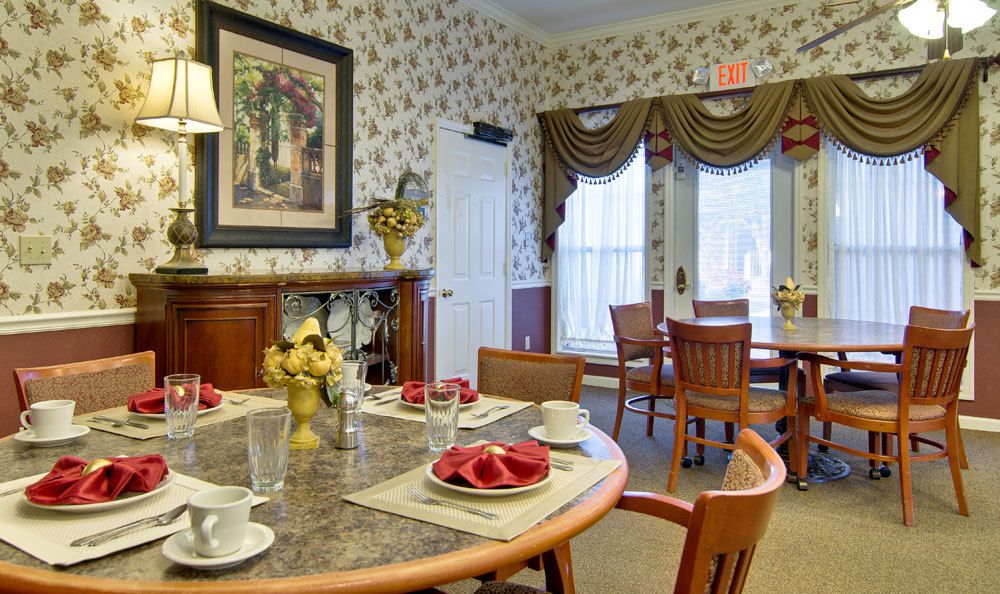
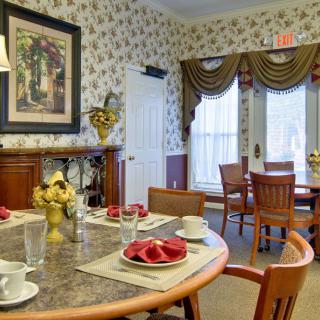
 Dining room
 Fitness room
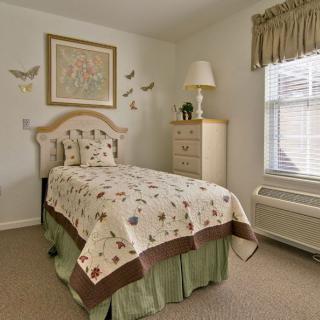
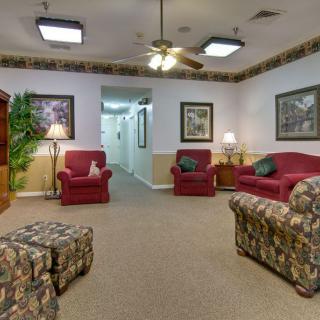
 Fully furnished
 Gaming room
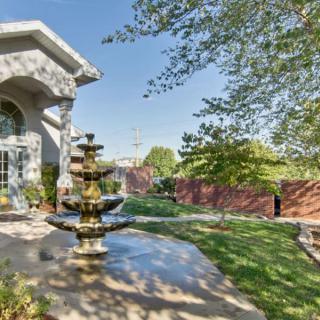
 Garden
 Housekeeping services
 Kitchenette
 Move-in coordination
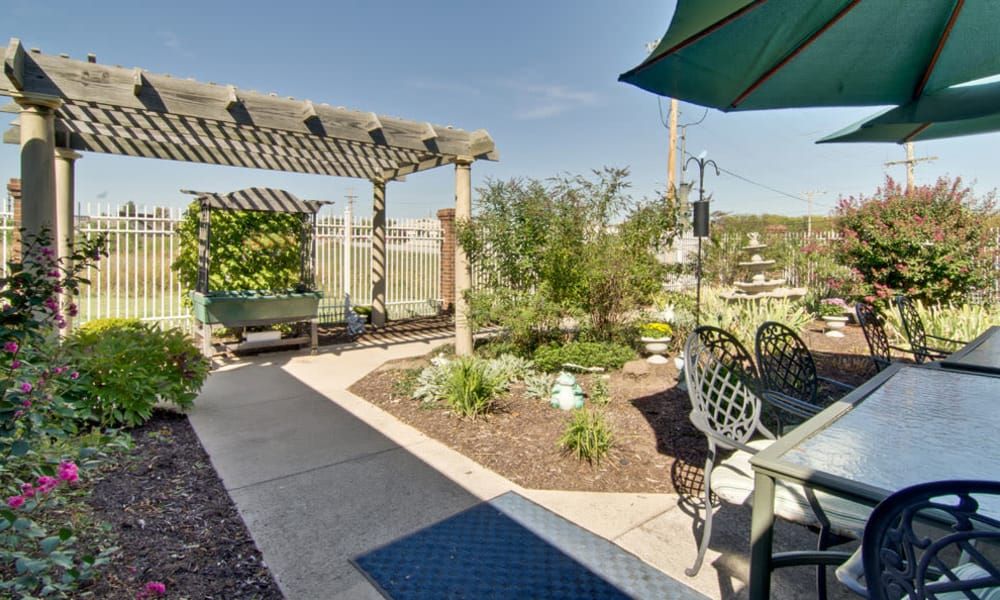
 Outdoor space
 Private bathrooms
 Restaurant-style dining
 Small library
 Telephone
 Wellness center
 Wi-Fi/high-speed internet available
 Springfield-Branson Regional (10 miles away)
 Community operated transportation
 12-16 hour nursing
 24-hour call system
 Assistance with bathing
 Assistance with dressing
 Assistance with transfers
 Diabetes diet
 Hospice waiver
 Medication management
 Mental wellness program
 Special dietary restrictions
 Transportation arrangement (medical)
 Concierge services
 Planned day trips
 How and When Medicaid May Cover Assisted Living Costs
 A Detailed Exploration of Assisted Living Medicaid Waivers Across the United States
 Exploring the Contrasts Between Assisted Living and Skilled Nursing