
12630 Rott Road, St. Louis, MO 63127
For more information about senior living options: (866) 208-4318
Overall Review of Peace Haven Association
Pros
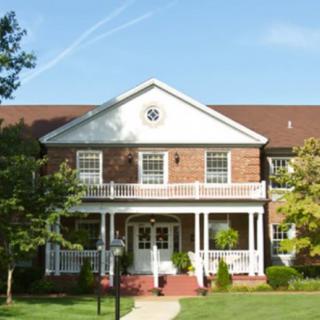
 The place is gorgeous.
- The lunch is delicious.
- The staff are knowledgeable, kind, generous, and adaptable.
- The care is restful and peaceful.
- The workers are loving and caring.
- The people are polite, respectful, and very kind.
Cons
 Christian Science Nursing Homes are not real care facilities, and this one is no different.
- The staff there are a joke.
Review
Peace Haven Association in St. Louis is best suited for seniors who want a serene, aesthetically pleasing environment and who are comfortable with a Christian Science approach to care. The community often feels more like a tranquil residence than a traditional nursing home, backed by a campus that many describe as beautiful and calming. The staff culture supports a familial, respectful, and attentive atmosphere, where caregivers are routinely labeled as loving, kind, and adaptable. This is a setting where mood and atmosphere matter, and where residents can experience restful, peaceful daily life even if medical needs are not intensely clinical.
Those who require robust, conventional medical oversight or a standard, medically oriented nursing model may want to consider alternatives. Several reviewer voices hint at concerns that Christian Science facilities operate outside the frame of typical “real care facilities,” raising questions about the level and type of clinical nursing on offer. For families prioritizing licensed, hospital-level nursing, or clear, non-spiritualized medical protocols, Peace Haven may not align with those expectations, and exploring other options with explicit nursing credentials could be prudent.
The strongest pros center on environment and interpersonal care. The place projects visual appeal, an open-house impression of beauty, with a lunch that many describe as delicious, contributing to an inviting first impression. Once inside, residents often encounter a restful, peaceful cadence of daily life, reinforced by staff who are described as knowledgeable, generous, and adaptable. The tone from residents and visitors consistently emphasizes politeness, respect, and a genuine sense of being cared for, with notes that workers are loving and attentive. A training-oriented culture also comes through in positive anecdotes about staff development and willingness to learn.
On the flip side, a minority of reviews raise tangible cautions. A parking-related friction note and harsh language about staff dynamics reveal that not everyone experiences the same operational ease or morale. The recurring descriptor “A Christian Science care facility” carries with it philosophical implications that may be at odds with families seeking conventional medical care. These criticisms are not the prevailing narrative, but they signal real considerations: the facility’s care emphasis may be more spiritual or relational than strictly clinical, and some operational frustrations can erode the sense of seamless service for residents and families.
In weighing the pros against the cons, the value of a peaceful, respectful environment and warm, capable staff becomes the dominant driver. The benefits, calm surroundings, kind and capable caregivers, and a culture focused on learning and adaptability, often translate into meaningful quality-of-life gains for residents who do not require constant intensive medical intervention. When needs stay within a non-clinical or lightly supervised medical scope, these strengths can compensate for philosophical differences or occasional logistical hiccups. However, for families where medical acuity, rapid clinical escalation, or standard nursing protocols are non-negotiable, the offset fades and the case for alternatives strengthens.
Decision guidance is straightforward: visit with a clear set of priorities. Probe how Christian Science beliefs inform daily care and how medical emergencies are managed, including what licensed nursing staff and protocols are available on site and at what point external hospital-based care would be engaged. Verify parking policies and the experience of operations that affect day-to-day life, from meals to activities. Interview current residents and their families about consistency of care, response times, and the interplay between spiritual support and clinical needs. If spiritual alignment, a tranquil living environment, and deeply caring staff are top priorities, Peace Haven stands out as a compelling value. If traditional, licenced medical oversight is paramount, alternatives should be pursued with urgency.
 42 resident community capacity
 Assisted Living
 Activities on-site
 Beauty salon
 Cable or satellite TV
 Devotional services off-site
 Dining room
 Fully furnished
 Garden
 Housekeeping services
 Indoor common areas
 Kitchenette
 Move-in coordination
 Outdoor space
 Restaurant-style dining
 Small library
 Telephone
 Wi-Fi/high-speed internet available
 Lambert-St Louis International (14 miles away)
 24-hour call system
 Ambulatory care
 Assistance with bathing
 Assistance with dressing
 Assistance with transfers
 Diabetes diet
 Diabetic care
 Medication management
 Mental wellness program
 Special dietary restrictions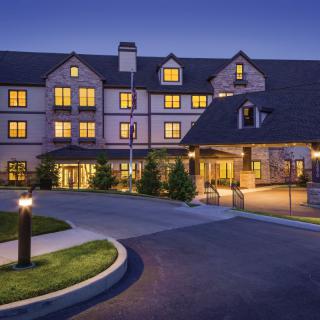




 Assisted Living and Memory Care: Understanding Their Core Differences
 Beyond the Bingo Hall: 50+ Enriching Activities for Seniors in Assisted Living
 Understanding the Distinctions: Assisted Living and Memory Care Explained