
404 Main Street, Fenton, MO 63026
For more information about senior living options: (866) 208-4318
Fieser Nursing Center Costs & Pricing
Fieser Nursing Center offers a monthly rate of $7,900 for its two-bedroom accommodations, which is significantly higher than the average costs in both St. Louis County and Missouri overall. In St. Louis County, residents typically pay around $4,658 per month for similar services, while the statewide average is even lower at approximately $3,675. This disparity suggests that Fieser Nursing Center may provide additional amenities or specialized care options not commonly found in other facilities. Prospective residents and their families should consider these factors when evaluating the overall value and quality of care provided at Fieser compared to other local and state offerings.
| Floor plans | Fieser Nursing Center | St. Louis County | Missouri |
|---|---|---|---|
| 2 Bedrooms | $7,900 | $4,658 | $3,675 |
Skilled Nursing Facilities with a similar price nearby
-
from -$950 / mo
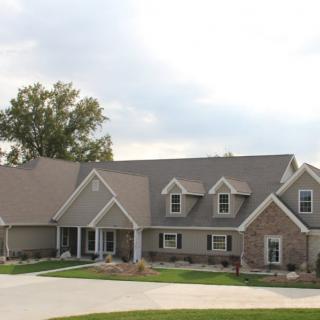
Glenfield Memory Care Homes
$6,950 / month20.7 miles away -
from -$400 / mo
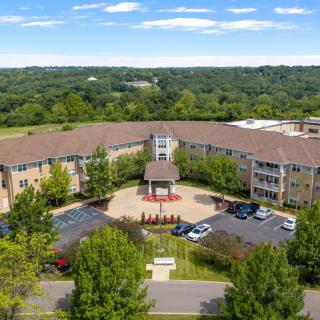
Friendship Village Sunset Hills
$7,500 / month1.7 miles away -
from -$1125 / mo
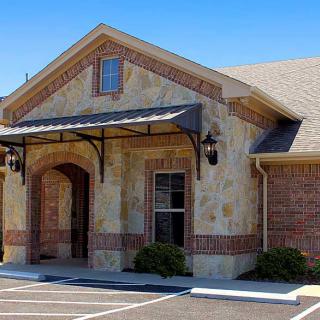
Avalon Memory Care - St. Louis
$6,775 to $8,275 / month3.3 miles away -
from -$1442 / mo
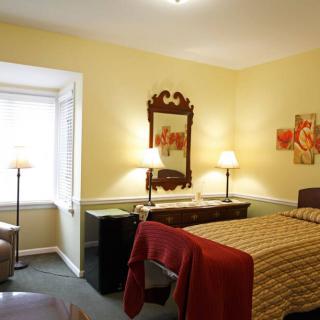
Brooking Park
$6,458 to $9,783 / month10.4 miles away
Overall Review of Fieser Nursing Center
Pros
 The caregivers couldn't be nicer.
- The staff members are impressive and provide awesome care.
- They feel blessed to have their mom there.
- The staff are friendly to patients and family members.
- Fieser Nursing Center is excellent and clean, with no odors or noise.
- They offer home-cooked meals and a variety of activities like card games, bingo, live entertainment, and a fashion show.
Cons
 The staff were extremely rude, making it seem like visitors were bothering them.
- There are times when the resident sounds like she is high on drugs and makes no sense.
- It makes the reviewer wonder what kind of people they hire to work there.
- The reviewer would never recommend this facility to anyone.
- The staff let visitors in without asking for their names.
- They would not allow the patient to go to the hospital when in pain.
- They took away the patient's wheelchair and left them without food or drink for days.
- A doctor later found that the patient had two broken knees that had been ignored.
Review
Fieser Nursing Center in Fenton, Missouri is best suited for families seeking an affordable, socially active, and generally dependable option for a senior who needs routine assistance and some memory-care support, but does not require high-acuity medical oversight. The facility earns praise for cleanliness, reasonable room options, and a calendar of on-site activities that promote interaction, everything from home-style meals to card games, bingo, live music, and occasional guest events. For families prioritizing warmth, predictability, and a budget-friendly long-term arrangement, this community offers a pragmatic fit, especially for residents who benefit from structured social engagement without demanding constant clinical intervention.
Those weighing alternatives should consider residents with significant medical complexity or fragile health who demand near-immediate access to physicians, urgent hospital coordination, or highly specialized clinical monitoring. Reviews surface concerns about the consistency and timeliness of medical or administrative responsiveness, including difficulty reaching the right people when issues arise. Prospective families should also be aware of mixed experiences around staff communication and accountability, and should scrutinize how the facility handles emergencies, pain management, and hospital transfers. In short, this community may fall short for individuals whose care needs extend well beyond routine assistance and memory-care support.
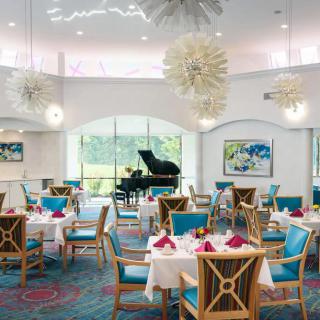
On the positive side, the advantages are tangible and meaningful. The facility presents as clean and well-kept, with a quiet, orderly atmosphere that several reviewers describe as free of odors and disruptive noise. Residents can access home-cooked meals and a menu that supports regular dining satisfaction, a factor families frequently value for daily quality of life. The staff is repeatedly cited as friendly and caring, with caregivers who establish rapport with both residents and family members. Activities are lively and consistent enough to sustain social engagement, and in several cases families credit the environment with a calmer, more settled mood for their loved ones. For families managing dementia or memory-related challenges, there are notes that staff members learn to anticipate behaviors and respond with appropriate routines, lending a sense of stability.
Yet the main drawbacks cannot be ignored. A handful of reviews recount serious missteps in care and communication, including reports of rude desk staff, gaps in updating family contacts, and frustration when messages fail to reach loved ones. Alarming anecdotes describe delays in medical attention, situations where hospital access was impeded, and even days without adequate food or drink due to perceived neglect, though these are not universal experiences, they are real risk signals. There are explicit warnings about administration and nursing leadership not matching the level of care expected, including claims of poor judgment and the potential for unsafe decisions during medical crises. Meanwhile, concerns about dentures, consistent pharmacy oversight, and overall clinical responsiveness contribute to a cautious impression for families with heightened safety expectations.
The key pros do offset the main cons only to a degree. The predictability of cleanliness, the pace and quality of meals, and the community’s social calendar offer substantial, long-term value that can compensate for a mid-range medical footprint when the resident’s needs remain primarily custodial and socially oriented. When staff are indeed attentive and friendly, the experience feels warm, with residents appearing cleaner, more calmly engaged, and better integrated into daily rhythms. However, the offsetting effect weakens when medical responsiveness is essential or when family members rely on prompt, transparent communication, issues that some reviews call out repeatedly. In practice, this means the decision hinges on the resident’s health profile and the family’s capacity to advocate and monitor closely.
Bottom line: Fieser Nursing Center can be a practical, cost-conscious choice for seniors who want a clean, active, and nurturing home base with reliable day-to-day support and a robust social calendar. It is less ideal for those who cannot accept variability in medical oversight, or who require immediate, consistently responsive clinical attention. Families are advised to pursue an in-person tour with explicit questions about staff ratios, escalation protocols, and how emergencies are handled, and to request candid explanations of recent policy changes or staff training initiatives. Before enrollment, verify who will be coordinating medical care, how often physicians are on-site or on-call, and what concrete steps the staff will take if a resident shows sudden health decline. In the right circumstances, Fieser delivers genuine value; in others, a facility with a stronger track record on medical responsiveness may be a safer, clearer fit.
 60 resident community capacity
 Skilled Nursing Facility
 Air-conditioning
 Beauty salon
 Cable or satellite TV
 Computer center
 Dining room
 Fitness room
 Fully furnished
 Gaming room
 Garden
 Housekeeping services
 Kitchenette
 Move-in coordination
 Outdoor space
 Private bathrooms
 Restaurant-style dining
 Small library
 Telephone
 Wellness center
 Wi-Fi/high-speed internet available
 Lambert-St Louis International (17 miles away)
 Community operated transportation
 24-hour call system
 Activities of daily living assistance
 Assistance with bathing
 Assistance with dressing
 Assistance with transfers
 Diabetes diet
 Medication management
 Special dietary restrictions
 Concierge services
 Planned day trips


 Essential Knowledge on Pneumonia in Older Adults
 Exploring Palliative Care in the Home: A Comprehensive Overview
 Comprehensive Insights into Palliative Home Care: What It Is and What to Expect