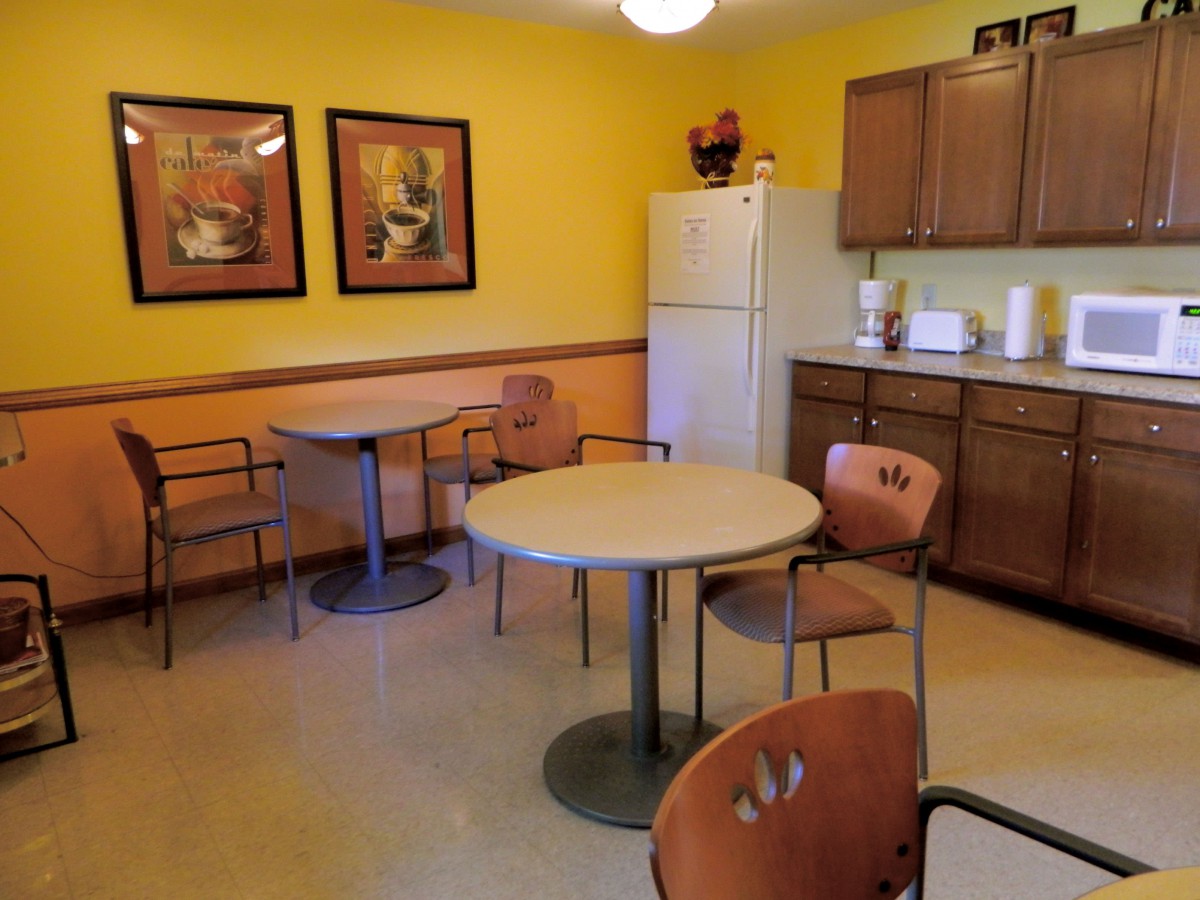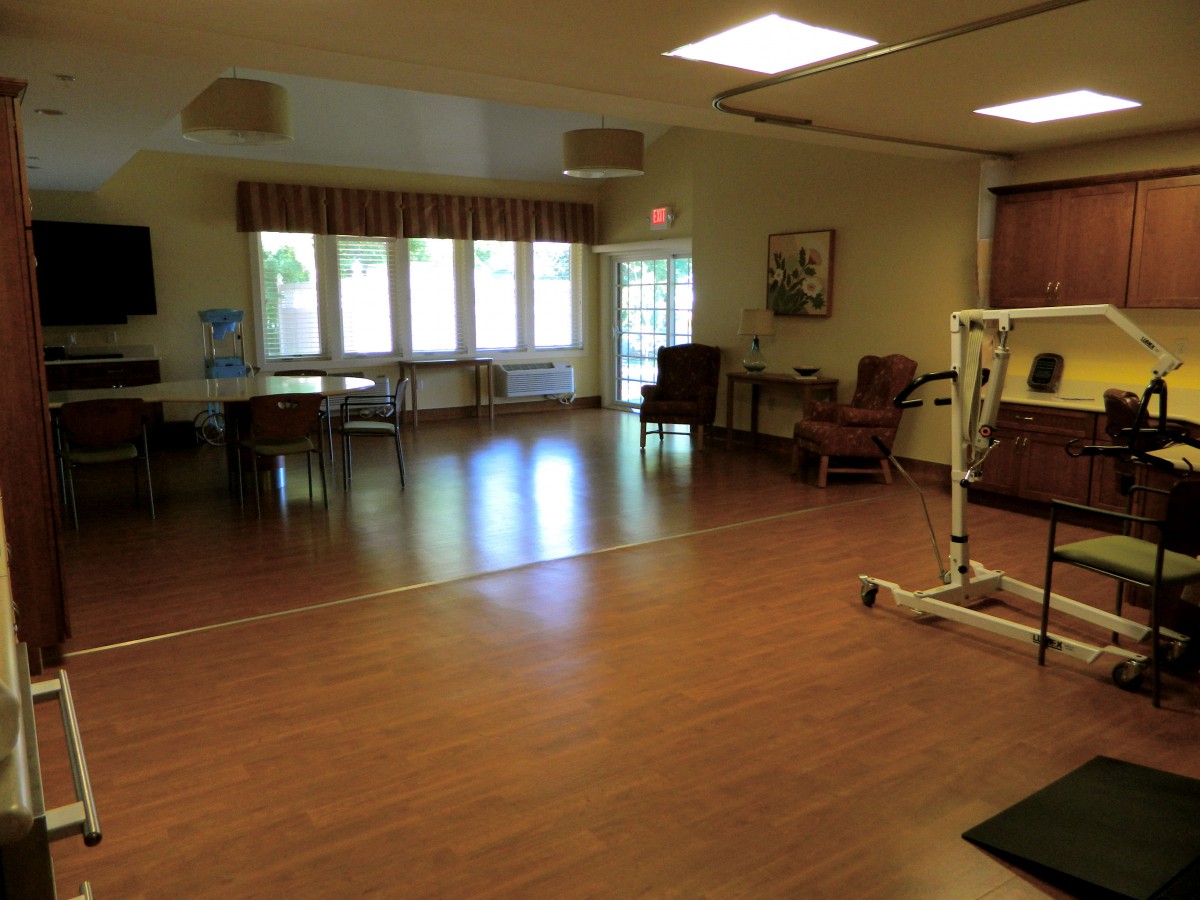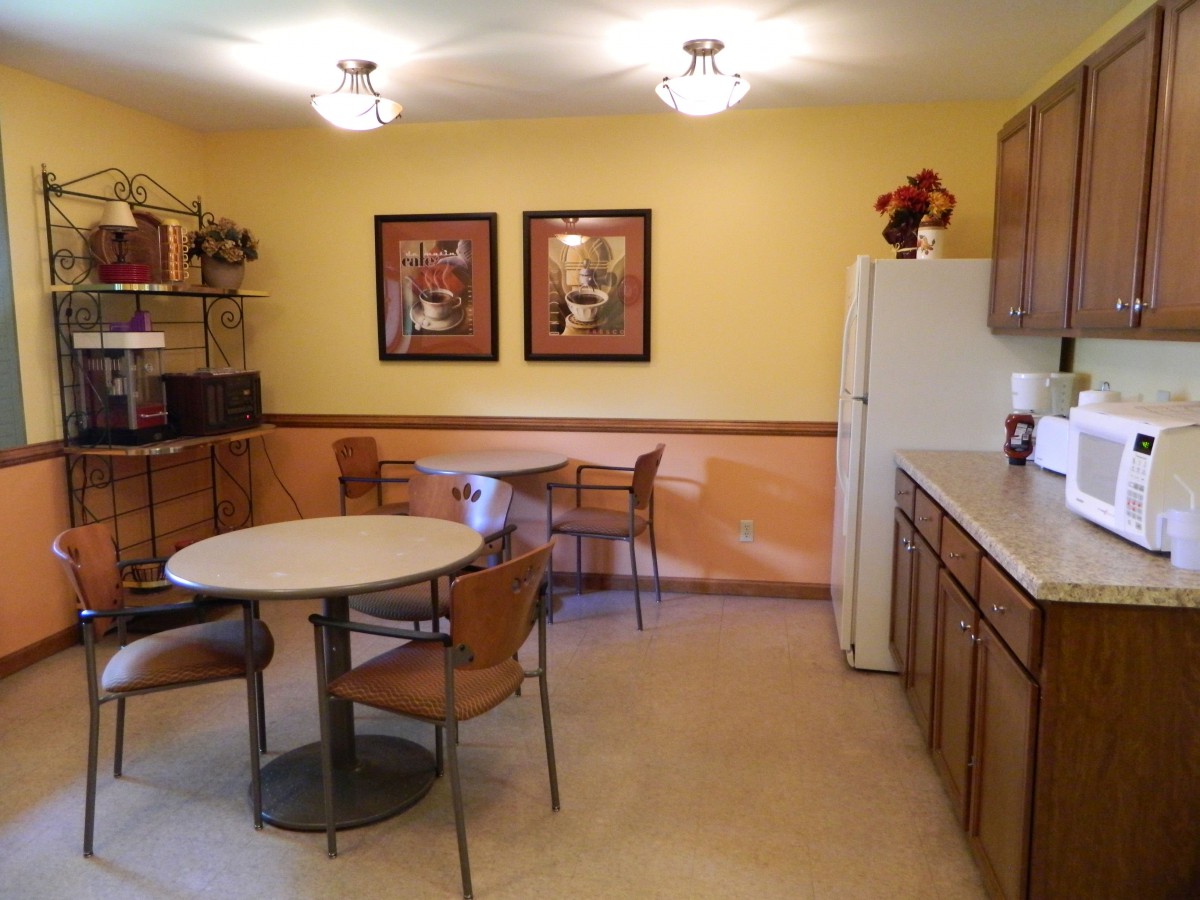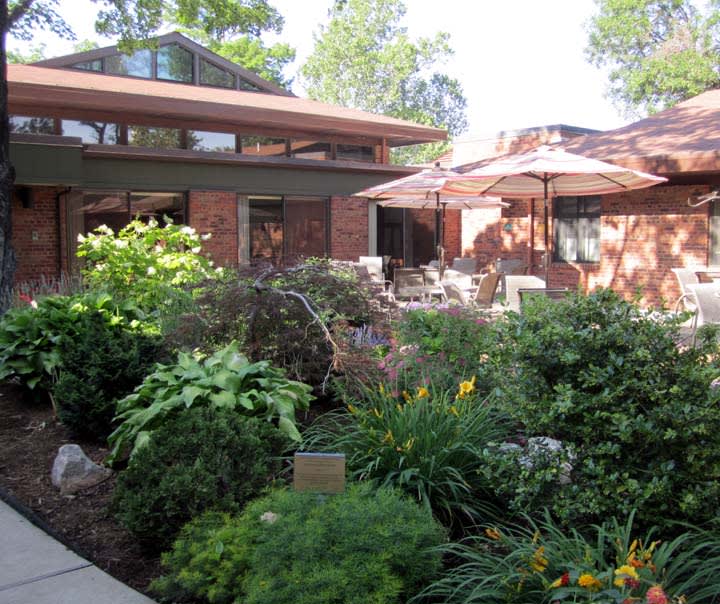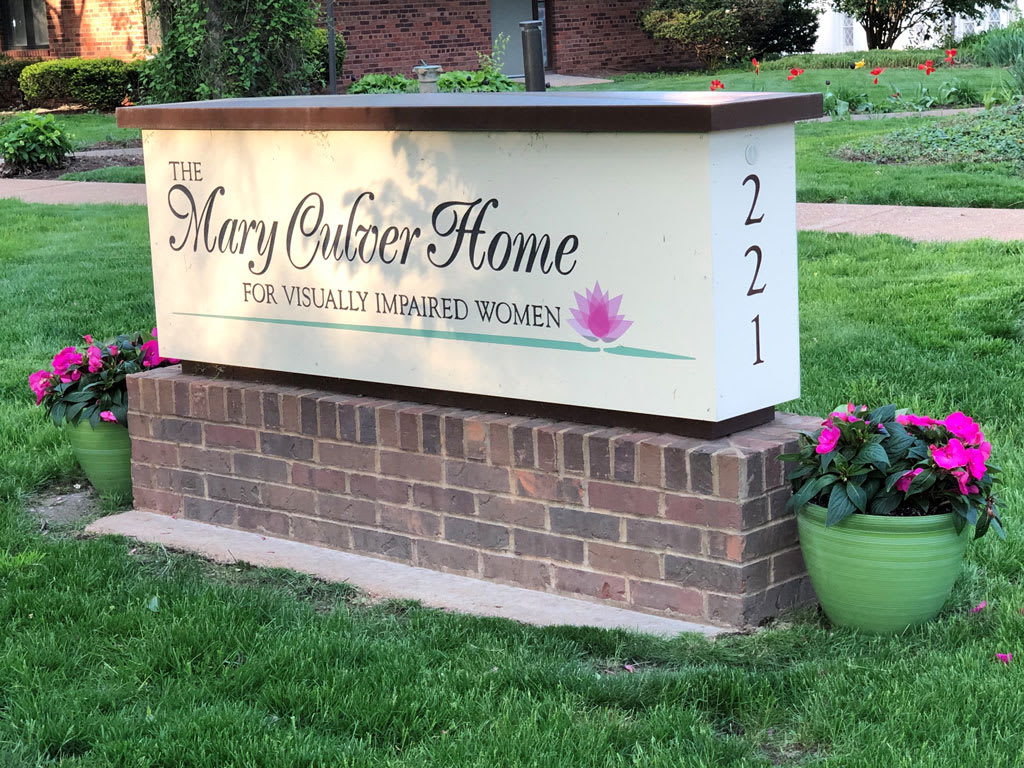
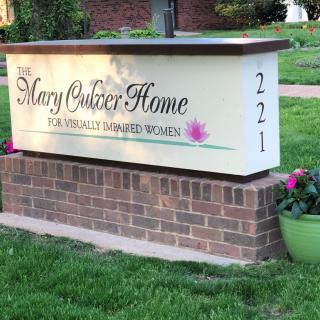
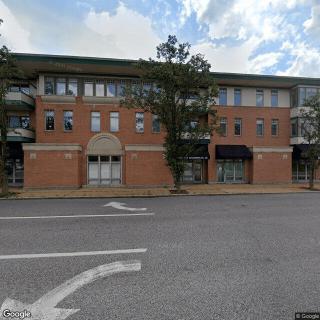
221 W Washington Ave, Kirkwood, MO 63122
To contact a resident: (314) 966-6034
For more information about senior living options: (866) 208-4318
The Mary Culver Home Costs & Pricing
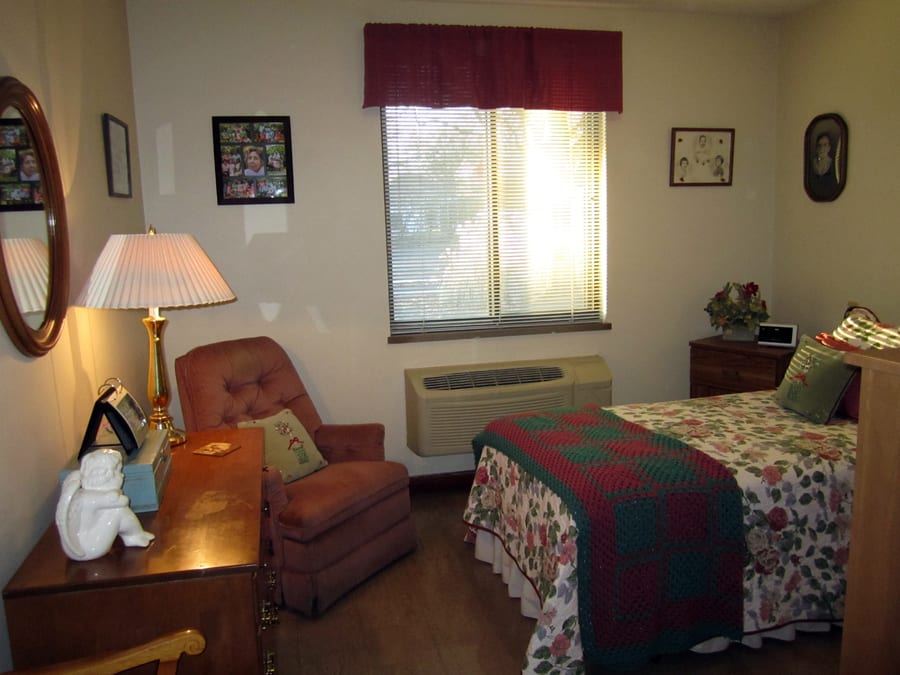
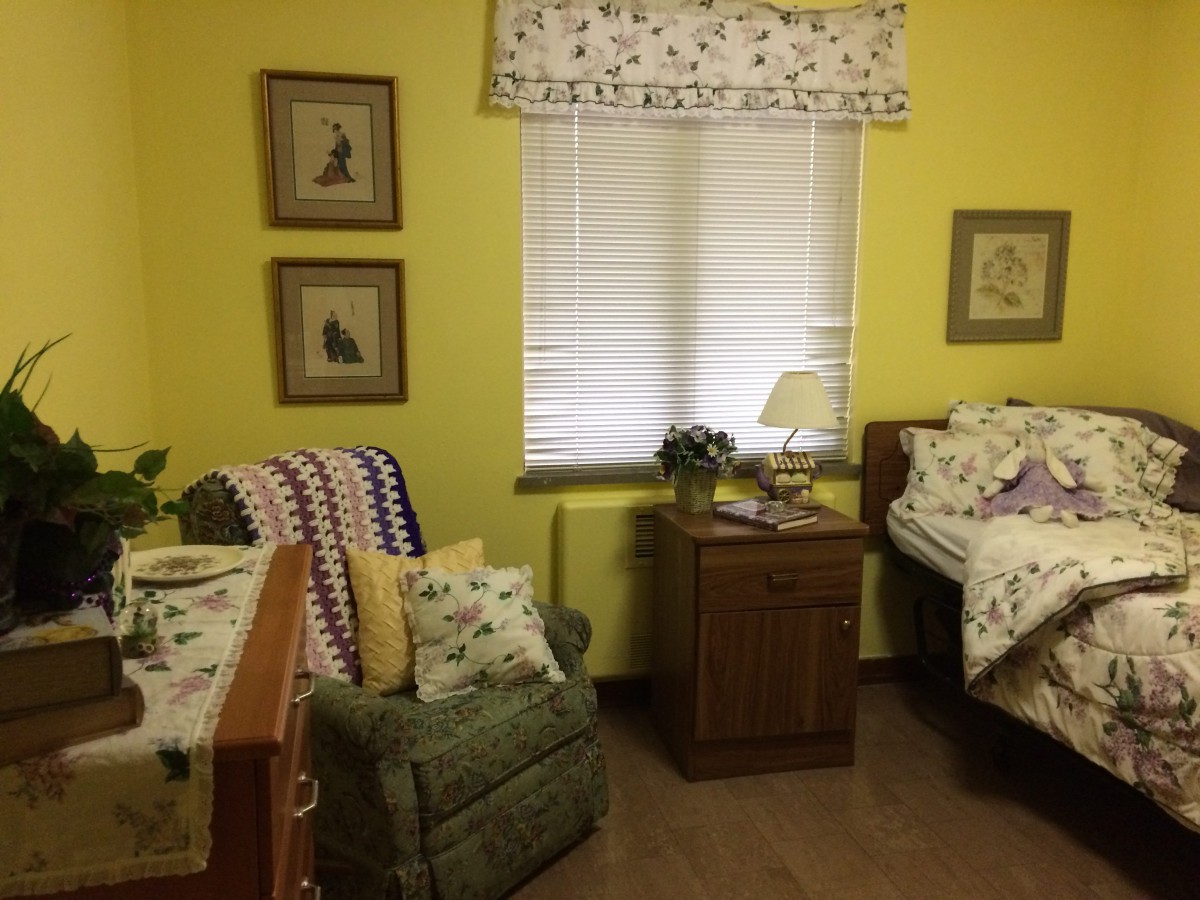
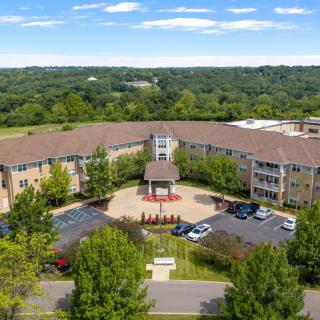
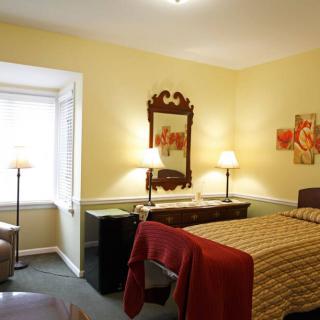
The Mary Culver Home offers a premium living experience, reflected in its monthly cost of $7,400 for a one-bedroom suite. This rate is significantly higher than the average costs in St. Louis County, which stands at $4,226, and even more so compared to the state average of $3,349 in Missouri. While the higher price point may raise eyebrows, it is essential to consider the exceptional services and amenities that come with residing at The Mary Culver Home. Residents can expect a supportive community atmosphere alongside personalized care that aims for both comfort and well-being - a value that often justifies the increased investment in their living situation.
| Floor plans | The Mary Culver Home | St. Louis County | Missouri |
|---|---|---|---|
| 1 Bedroom | $7,400 | $4,226 | $3,349 |
Assisted Living communities with a similar price nearby
-
from -$450 / mo
Glenfield Memory Care Homes
$6,950 / month17.8 miles away -
About the same
Friendship Village Sunset Hills
$7,500 / month4.4 miles away -
from -$1400 / mo
Parc Provence
$6,000 to $12,750 / month6.1 miles away -
from -$942 / mo
Brooking Park
$6,458 to $9,783 / month7.2 miles away
Overall Review of The Mary Culver Home
Pros
 Residents feel Mary Culver Home is like a home and highly recommend it.
- The activity director Brooke keeps residents engaged with a full day of activities.
- Residents form friendships by dining at the same table with the same companions.
- Aides are consistently available to assist with eating when needed.
- The management, especially the director of nursing, is hands-on and genuinely cares about residents.
- Amy, the administrator, is described as a godsend to residents, staff, and agency partners.
- The facility’s small size and focus on visually impaired residents provide highly personalized, family-like care.
- The staff demonstrates attentive care during meals and daily activities, creating a supportive environment.
Review
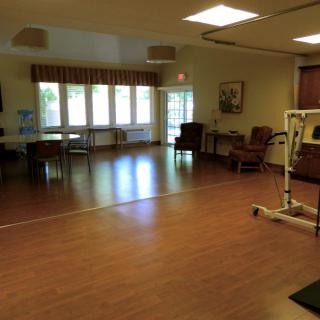
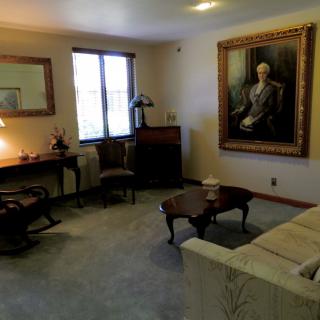
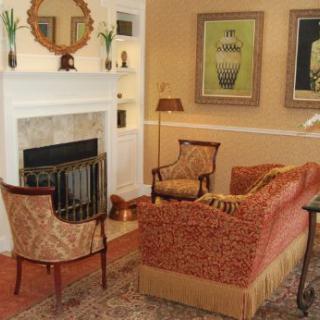
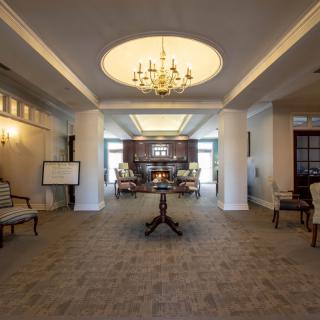
The Mary Culver Home in Kirkwood, MO is best suited for visually impaired older women who want a small, home-like setting where care feels personal, constant, and deeply attentive. With a compact footprint, essentially a 25-resident community, the environment rewards consistent routines, predictable staffing, and opportunities to form real friendships at meals and throughout the day. The emphasis on helping residents live with purpose is evident in the calendar of activities and in the way staff members integrate residents into social life, not merely monitor their needs.
Families should consider alternatives if the resident population needs broader diversity or if medical and memory-care demands outstrip what a small, visually oriented setting can reliably provide. The facility’s strength is its specialized focus, not a wide spectrum of services. A larger, coed, or more medically oriented community may be more appropriate for residents with complex rehabilitation goals, significant medical instability, or a desire for a broader social scene. Those seeking a culture without a narrow specialization should explore options that offer a wider array of clinical resources and resident mix.
The top-tier pros center on staffing excellence and purposeful programming. An active, hands-on approach from leadership personnel, most notably the administrator and the director of nursing, creates a visible culture of care. Caregivers and aides are consistently described as attentive, especially around meals and activities, which translates into meaningful daily involvement rather than mere task completion. The activity director plays a pivotal role, driving a full slate of engagements that keep residents busy and socially connected, from structured meals to music and exercise programs. The result is a palpable sense of family and belonging that permeates daily life.
These strengths offset the notable trade-offs inherent in a small, specialized setting. The intimate size means residents receive highly personalized attention; there is less risk of residents feeling overlooked or transient. The focus on visual impairment minimizes confusion and miscommunication, as staff are trained to accommodate specific needs, with nurses, aides, and kitchen staff coordinating smoothly around adaptations. However, the limited population and the single-gender environment can constrain social variety and may not meet every family’s goals for peer interactions or broad-based activities. Yet the same intimate structure that limits scale also ensures that care is watched closely, with administrators who know residents by name and an environment where staff respond promptly to daily needs, including assistive dining support when required.
For families evaluating options, a practical approach is essential. Schedule direct conversations with the administrator and the director of nursing to understand how care plans adapt as needs evolve, and observe how staff coordinate during meals and activities. Ask about the availability of additional services on-site or through partnerships, such as rehabilitation or memory-care supports, and how transportation and community outings are handled for residents who wish to stay engaged beyond the facility walls. It’s also wise to visit at mealtimes and during activities to witness firsthand how the “home-like” aim translates into real interactions, not just policy statements.
In the end, The Mary Culver Home stands out for those who prioritize a tight-knit, visually focused care community delivered with genuine warmth and disciplined management. The combination of hands-on leadership, a robust activity calendar, and a dining experience designed to foster friendship creates a compelling value for families comfortable with a small, gender-specific home. If that niche aligns with the resident’s needs and personality, this community delivers a compelling, confident, and consistently strong care option. For families seeking broader demographics, more diverse clinical offerings, or a mixed-gender environment, alternatives with larger footprints and broader service lines are prudent contrasts to explore.
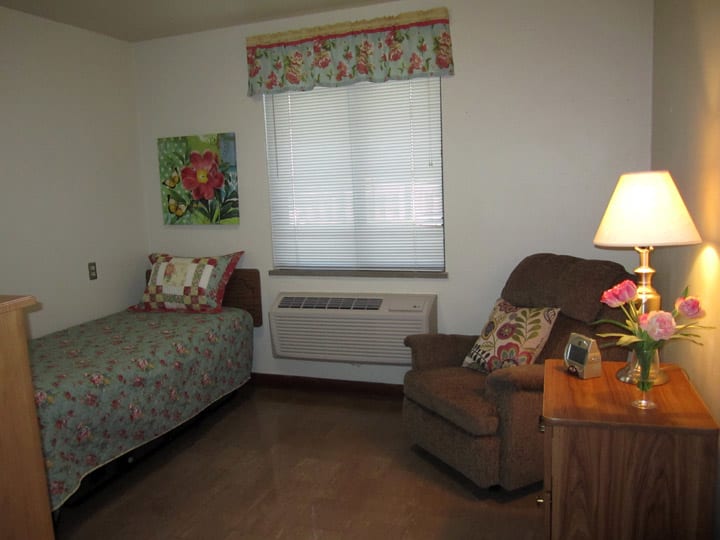
 Studio apartments
 Assisted Living
 Cats allowed
 Dogs allowed
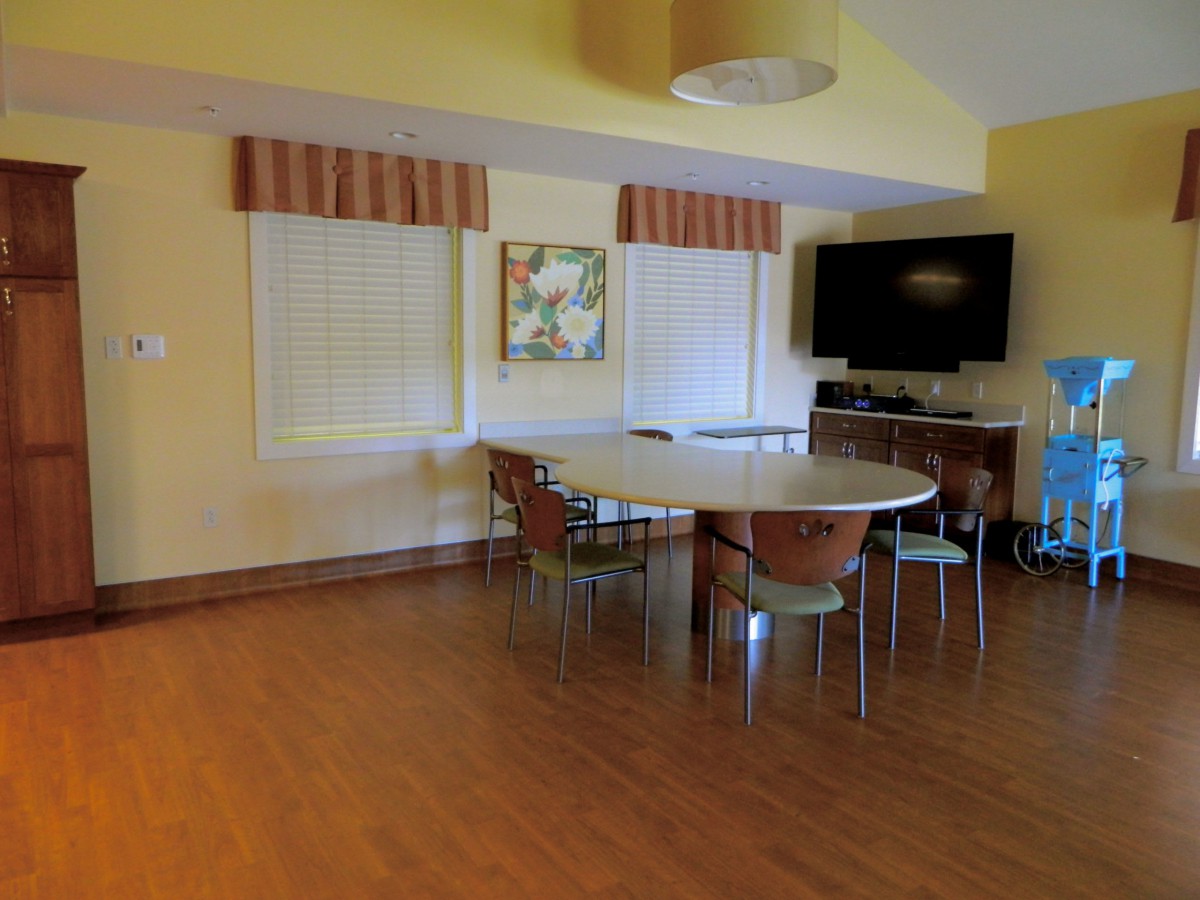
 Activities on-site
 Air-conditioning
 Beautician on-site
 Devotional services off-site
 Dining room
 Financial aid
 Garden
 General store
 Ground floor units
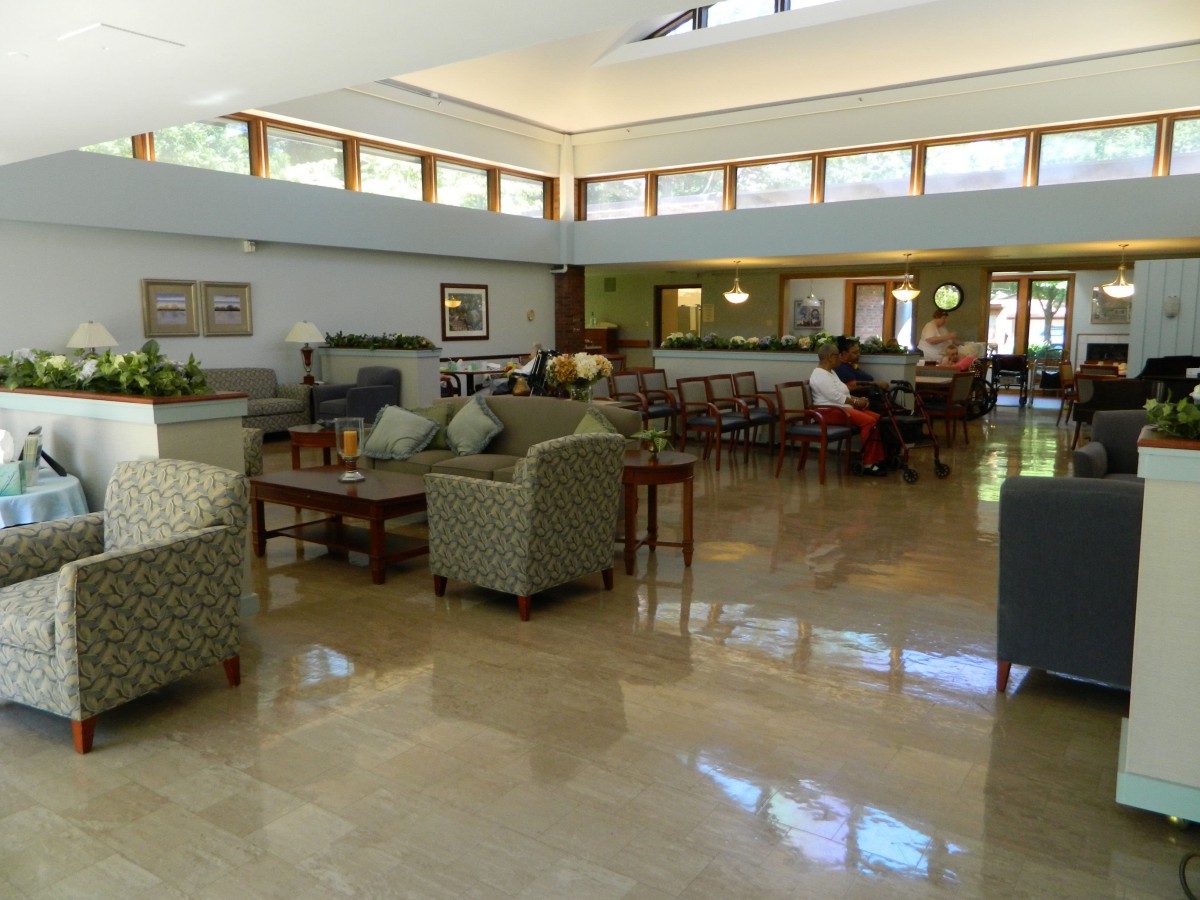
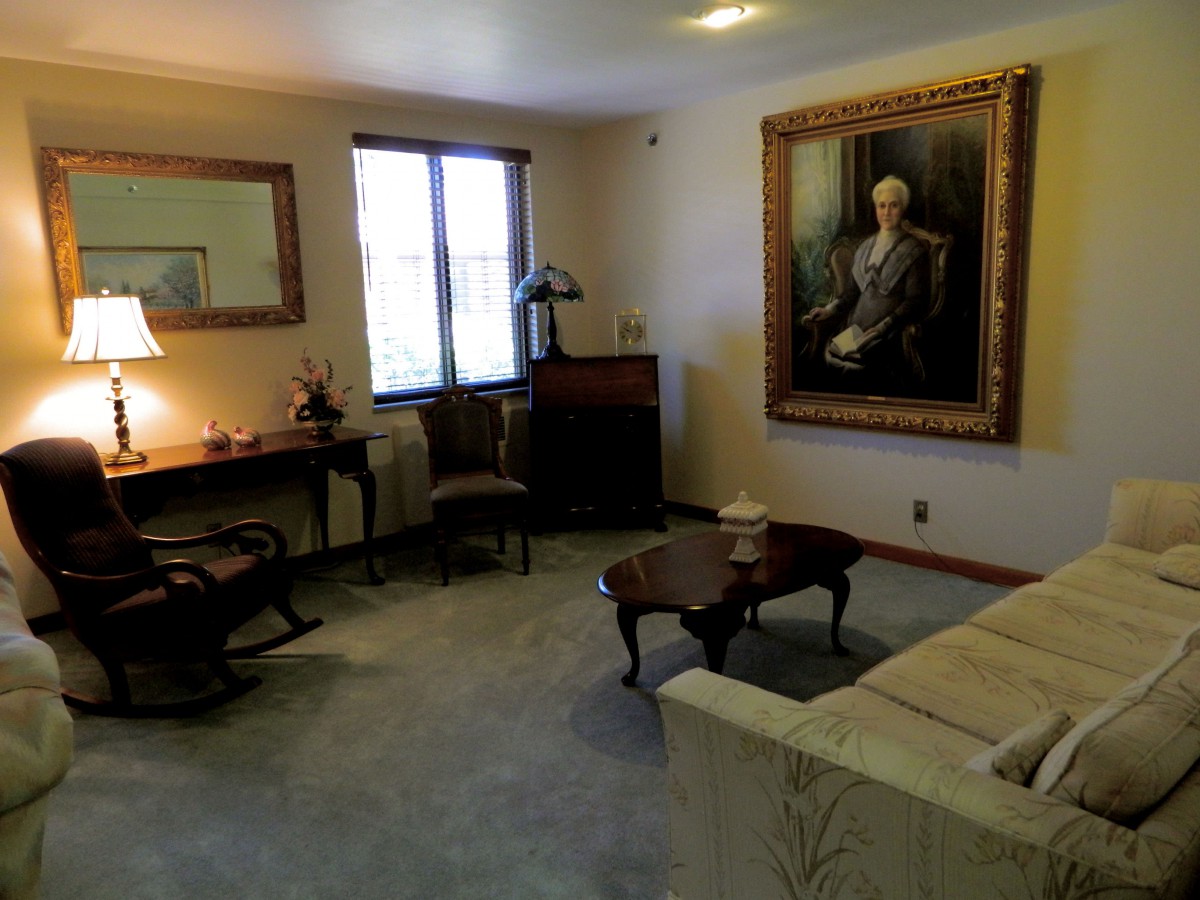
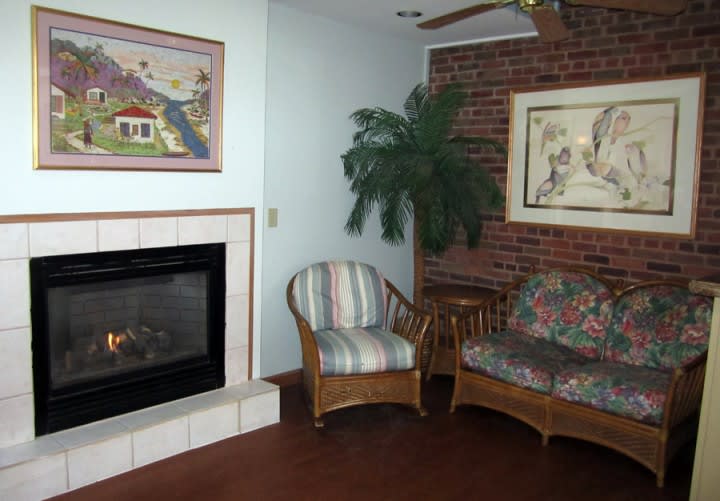
 Indoor common areas
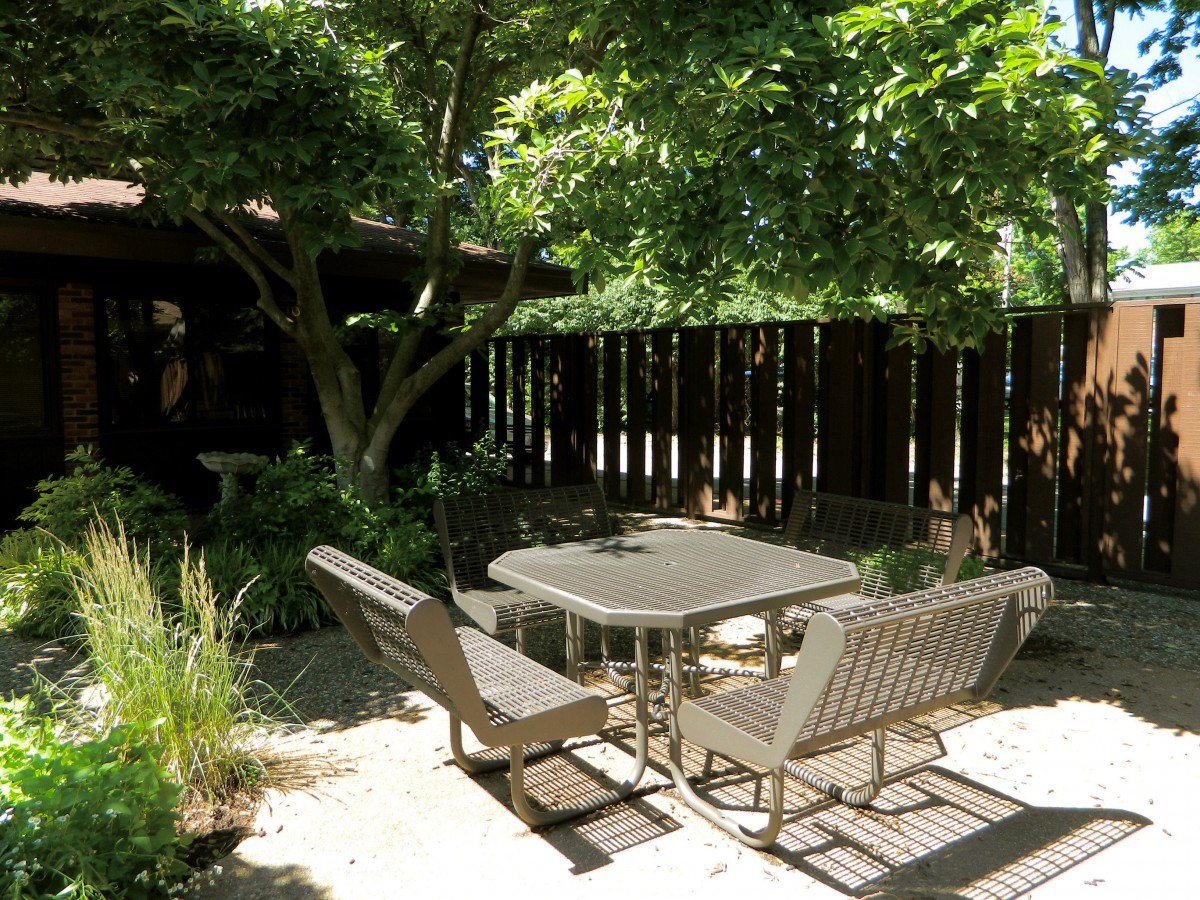
 Outdoor common areas
 Respite or short term stays offered
 Spa
Spa Wheelchair accessible showers
 Wi-Fi/high-speed internet available
 Lambert-St Louis International (12 miles away)
 Transportation & parking
 Diabetic care
 Incontinence care
 Meal preparation and service
 Medication management
 Physical therapy
 Arts and crafts
 Catholic services
 Cooking classes
 Day trips and outings
 Educational speakers / life long learning
 Fitness programs
 Games
Games Happy hour
 Karaoke
 Live musical performances
 English
 Exploring the Path to Senior Living: A Comprehensive Look at Independent Living and Assisted Living
 Is Assisted Living Deductible on Your Taxes? Understanding the Complexities of Assisted Living Expenses and Deductions
 Assisted Living Support for Veterans: A Complete and Detailed Overview