221 West Washington Avenue, Kirkwood, MO 63122
For more information about senior living options: (866) 208-4318
Overall Review of Mary Culver Home
Pros
 The stepmom loves Mary Culver Home.
 - The activity director Brooke keeps residents busy with great daily activities.
- Residents sit at the same table for meals, helping them form friendships.
- Aides are always available to help residents with eating.
- Mary Culver Home is highly recommended above other nursing homes.
- The home is designed for visually impaired women and has a long history of 150 years, signaling stability.
- The patient-to-staff ratio is about 7 to 1 and the food is good.
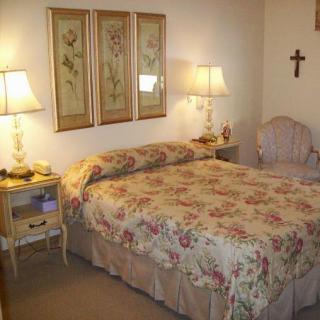
- Rooms are private with private bathrooms and are comfortable and easy to navigate.
- The management is hands-on and caring, with a pleasant director of nursing.
Cons
 The rooms are small.
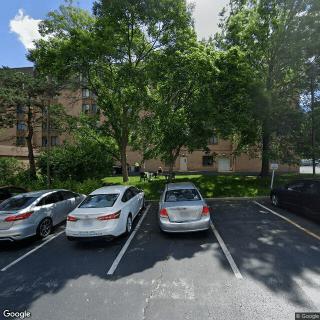
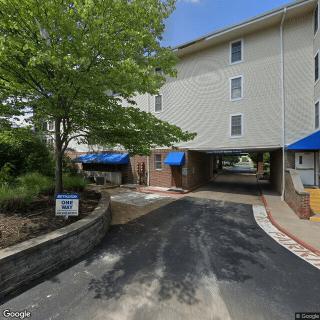
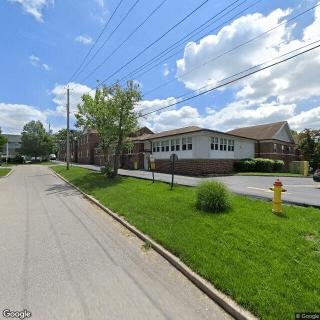
- The home is an older building (built in 1966).
Review
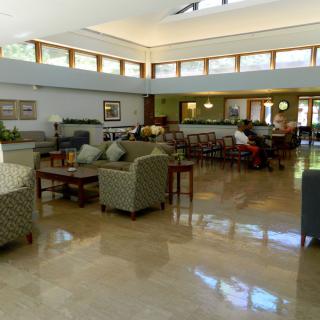
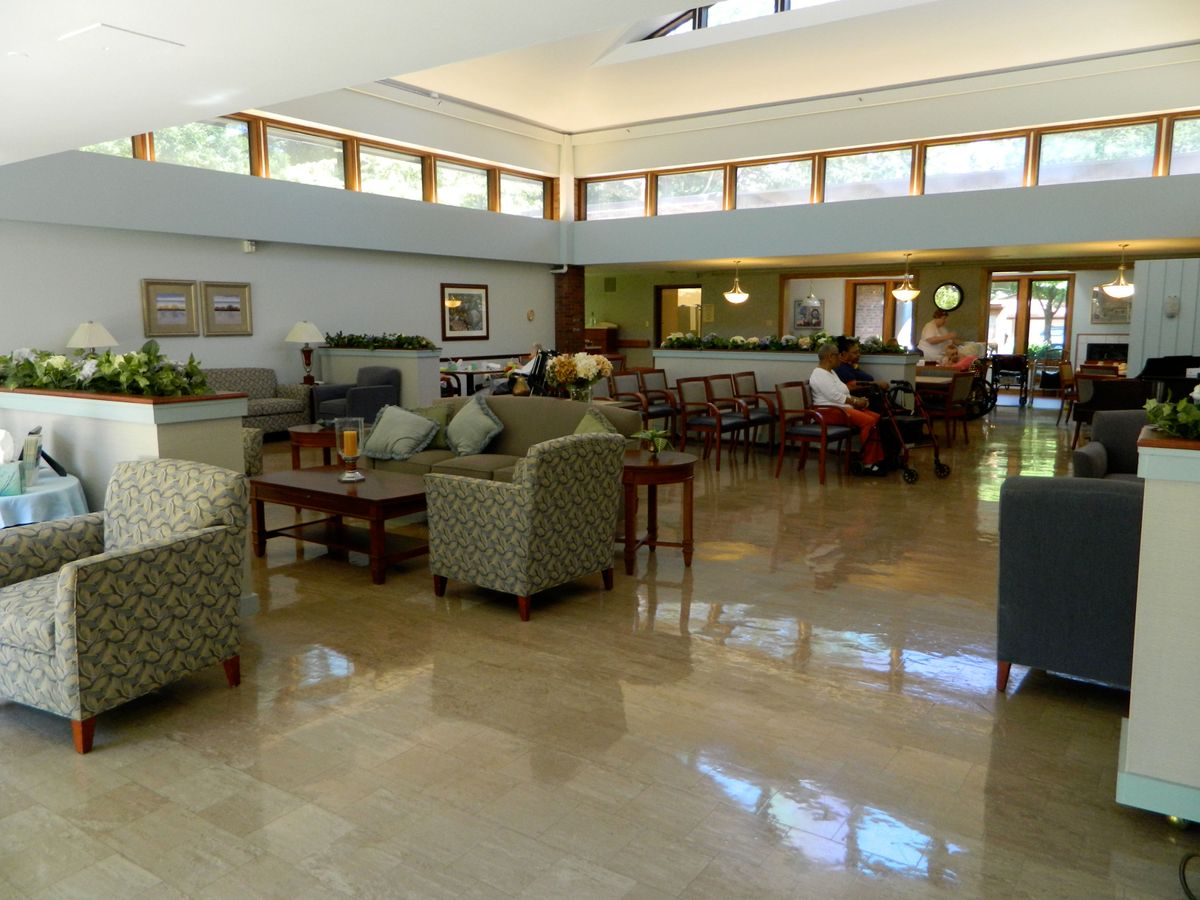
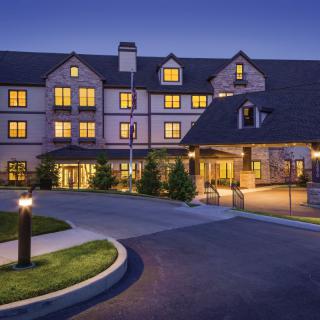
Mary Culver Home in Kirkwood, Missouri is best suited for visually impaired women who want an intimate, service-forward setting where everyday life feels like a small, well-run home rather than a large campus. The community is explicitly designed around vision loss, with a private, homey atmosphere that supports independence and social connection. Residents have private rooms with private baths, and the staff-to-resident ratio sits around seven to one, which translates into consistently available assistance. An activities-focused culture is stitched through the day, led by an engaged activity director, Brooke, who keeps residents busy and socially integrated. This blend of specialized care, personal attention, and a restaurant-style dining vibe makes it hard to beat for this particular niche.
Those outside this niche will want to consider alternatives. The facility’s emphasis on visual impairment, and its status as a small, single-focus home, means it is not a fit for co-ed populations, mixed-need communities, or residents who require broader medical or memory-care resources. The building predates newer constructions, a fact some families will interpret as a trade-off between charm and modern amenities. With only 27 private rooms, space is finite, and families seeking a larger, more diversified community or a campus with more expansive facilities should look at other options that can accommodate broader needs and preferences.
The strongest positives are concrete and consistent. The staff understands how vision impairment shapes daily living, which translates into thoughtful routines and reliable help with meals and activities. Dining operates with a restaurant-like cadence: residents order, meals are prepared to preference, and staff ensure timely, unhurried service, an approach that reinforces dignity and independence. The small size enables meaningful relationships, not only among residents but also with leadership, including hands-on management and a director of nursing praised for approachability and competence. Regular programming, from exercise classes to country tours, history discussions, and live musical moments, keeps minds engaged and routines purposeful.
Yet, the size and focus create clear limitations. The almost exclusively visually-impaired female population means certain families will need a more varied social milieu or a co-ed environment. The older building, while well maintained, may not satisfy families chasing the latest amenities or the sense of novelty that comes with newer construction. Space is not abundant, so while private rooms are comfortable, the overall footprint may feel compact to those accustomed to larger campuses. These are real trade-offs to weigh when the decision hinges on breadth of services versus depth of specialized care.
The pros offset the cons through demonstrated excellence in caregiving and management. The intimate environment yields quick access to aides and nurses, and the seven-to-one ratio supports vigilant supervision during meals and activities, which many families prize for safety and reassurance. The focus on visual impairment equips staff with targeted strategies for orientation, communication, and daily living tasks, reducing frustration for residents and families alike. A culture of genuine care is palpable, anchored by administrators and the director of nursing who leaders describe as hands-on and sincerely committed. The result is a high-quality, personable experience that many families find restorative and reliable.
In practical terms, Mary Culver Home deserves serious consideration when the priority is a warm, purpose-built setting for visually impaired women that emphasizes daily engagement, consistent meal service, and a home-like ambiance. Potential residents should visit with questions about entrance criteria, current occupancy, and the exact scope of vision-specific programming. Tour the dining area at peak hours, observe how staff interact at the table, and inquire about the availability of specialized mobility and orientation support. For families seeking broader demographics or more comprehensive medical and memory-care offerings, a larger or more generalized community may be a better fit.
 28 resident community capacity
 Assisted Living
 Skilled Nursing Facility
 Beauty salon
 Cable or satellite TV
 Dining room
 Fully furnished
 Garden
 Housekeeping services
 Kitchenette
 Move-in coordination
 Outdoor space
 Restaurant-style dining
 Small library
 Telephone
 Wi-Fi/high-speed internet available
 Lambert-St Louis International (12 miles away)
 24-hour call system
 Activities of daily living assistance
 Assistance with bathing
 Assistance with dressing
 Assistance with transfers
 Diabetes diet
 Medication management
 Mental wellness program
 Special dietary restrictions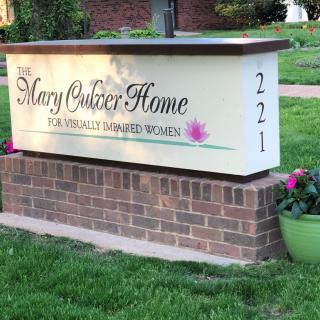
 Assisted Living Support for Veterans: A Complete and Detailed Overview
 Exploring the Contrasts Between Assisted Living and Skilled Nursing
 8 Key Indicators That Suggest It May Be Time to Transition from Assisted Living to Skilled Nursing Care