Central Residence

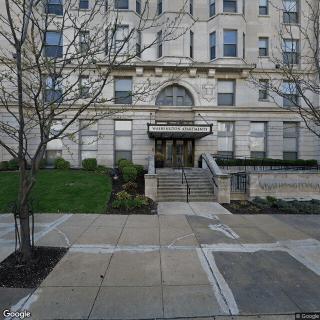
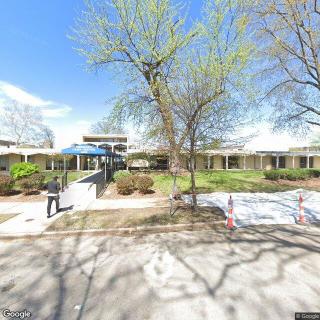
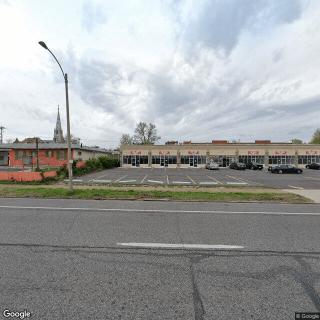
5143 Waterman Boulevard, St. Louis, MO 63108

For more information about senior living options: (844) 490-3973

2.3 from 3 reviews
5 stars
1
4 stars
0
3 stars
0
2 stars
0
1 stars
2

Assisted Living

Central Residence Costs & Pricing

Central Residence offers competitive pricing for both studio and semi-private rooms compared to the surrounding market. With a monthly cost of $2,940 for each room type, residents benefit from significant savings relative to St. Louis city, where studios are priced at $4,234 and semi-private rooms at $3,994. Even when looking at the state averages in Missouri, which sit at $3,418 for studios and $3,772 for semi-private accommodations, Central Residence stands out as a more economical option. This affordability allows residents to enjoy quality living without compromising their budget.

Floor plansCentral ResidenceSt. Louis cityMissouri
Semi-Private$2,940$3,994$3,772
Studio$2,940$4,234$3,418

What level of care are you interested in?

Assisted Living

Memory Care

Independent Living

Skilled Nursing Facility

Continuing Care Retirement Community (CCRC)CCRC

Other


Request a tour at Central Residence

    Overall Review of Central Residence

    Cons

    • pro The review claims that clients are being overmedicated.
    • pro It alleges that staff steal from residents, especially those who are vulnerable.
    • pro It questions whether the owners would permit their own family members to live there.
    • pro It describes the staff rooms as freezing cold.
    • pro It warns readers not to live there.

    Review

    A strong warning emerges from a set of serious concerns about how residents are treated in a care setting. The core message centers on a need to halt practices that seem designed to medicate residents beyond what is appropriate or necessary. The reviewer insists that over medicating clients is a fundamental problem that risks their health, autonomy, and dignity. This is not framed as a minor issue or a matter of opinion; it is presented as a crisis in medical stewardship within the facility, one that calls for immediate attention and corrective action to protect those who cannot advocate for themselves.

    Alongside the medication concerns, the reviewer raises a troubling accusation of theft, describing it as happening "towards individuals who are at the mercy of the staff and owners." The language conveys a sense of vulnerability and dependence, suggesting that those residents are targeted by individuals entrusted with their care. The claim paints a picture of ethical violations that go beyond neglect and into exploitation, where nonprofessional staff or others in power allegedly take advantage of residents who rely on them for basic needs and safety. The tone is unequivocal: such misconduct is not only unacceptable but a direct violation of the trust that must underpin caregiving.

    A provocative line of questioning underscores a perceived hypocrisy in how the facility's leadership relates to the residents. The reviewer asks, "Would the owners allow their family members live there!!!" as a pointed benchmark for empathy and standards of care. This rhetorical question presents a stark contrast: if the owners would not want their own relatives treated this way, why would the same standards be applied to residents who depend on staff's decisions every day? It implies that there is a disconnect between what is claimed by those in charge and what actually happens within the walls of the facility, highlighting concerns about accountability and the genuine prioritization of residents' well-being.

    The report also brings attention to the environment within the staff areas, describing the "worst staff rooms freezing cold." Such a detail may seem minor in isolation, but it is framed as evidence of broader neglect and mismanagement. Cold, uncomfortable workspaces can reflect deeper systemic problems - misallocation of resources, poor maintenance, and a lack of regard for the comfort and morale of those who care for residents. The implication is that if staff spaces are neglected, the overall quality of care may suffer, affecting both workers and the residents who depend on them.

    Taken together, these points form a portrait of a facility that the reviewer believes fails on multiple fronts: medical stewardship, ethical behavior, leadership accountability, and environmental conditions. The language conveys urgency and moral concern, signaling that the problems are not isolated incidents but part of a broader pattern that compromises safety, dignity, and trust. The reviewer's concerns extend beyond individual anecdotes to a request for systemic change, stronger oversight, and a reevaluation of how residents are treated day to day.

    In the closing, the message is unmistakable: the reviewer advises strongly against living in this setting. The accumulation of alleged overmedication, theft from vulnerable residents, questions of leadership integrity, and the poor conditions described in staff spaces together create a disquieting diagnosis. For anyone considering placement in a facility of this kind, the review serves as a cautionary note to seek alternatives, demand clear accountability, and insist on transparent, resident-centered standards of care. Do not take these warnings lightly, the message implies; the well-being and safety of vulnerable individuals depend on it.

    Features

    Housing

    • 41 resident community capacity 41 resident community capacity

    Types of Care

    • Assisted Living Assisted LivingAssisted living facilities provide crucial support and care for seniors who may need help with daily tasks such as medication management, bathing, and meal preparation. These communities offer a safe and comfortable environment where seniors can maintain their independence while receiving the assistance they need to thrive in their golden years.

    Amenities

    • Activities on-site Activities on-siteActivities on-site are important for seniors because they provide opportunities for socialization, mental stimulation, physical activity, and overall well-being. Engaging in activities can help seniors stay active, maintain their independence, and improve their quality of life.
    • Beauty salon Beauty salonBeauty salons are important for seniors because they provide a space for them to feel pampered, socialize, and maintain their personal grooming and hygiene. Regular visits to a beauty salon can help boost seniors' self-esteem and overall well-being.
    • Cable or satellite TV Cable or satellite TVCable or satellite TV is important for seniors because it provides entertainment, news, and companionship, helping to combat loneliness and boredom. It also offers a wide range of programming options tailored to different interests and preferences.
    • Devotional services off-site Devotional services off-siteDevotional services off-site are important for seniors as they provide spiritual nourishment, social engagement, and a sense of community outside of the senior living facility. This can enhance overall well-being and help combat feelings of isolation and loneliness often experienced by older adults.
    • Dining room Dining roomDining rooms are important for seniors as they provide a space for socialization, connection, and nutritious meals. They offer opportunities for residents to bond over shared meals, foster a sense of community, and promote healthy eating habits. Dining rooms also ensure that seniors have access to well-balanced meals tailored to their dietary needs and preferences.
    • Fully furnished Fully furnishedFully furnished senior living communities are important for seniors because they provide convenience, comfort, and a hassle-free moving experience. Seniors can easily settle into their new living space without the stress of having to buy and move furniture. This allows them to focus on enjoying their new home and community.
    • Garden GardenGardens are important for seniors as they provide a peaceful and therapeutic environment for relaxation, physical activity, and socialization. Being in nature has been shown to reduce stress, improve mood, and promote overall well-being. Gardens also offer opportunities for seniors to engage in gardening activities, which can improve mobility, flexibility, and cognitive function. Additionally, gardens create a sense of community and connection with others who share a passion for plants and outdoor spaces.
    • Housekeeping services Housekeeping servicesHousekeeping services are important for seniors because they help maintain a clean and safe living environment, promote independence, and reduce the risk of accidents or illnesses. Additionally, having assistance with household chores can alleviate physical strain and allow seniors to focus on other aspects of their well-being.
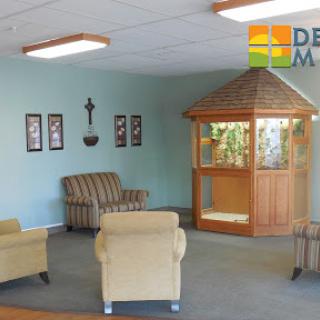
    • Indoor common areas Indoor common areasIndoor common areas are crucial for seniors as they provide a space for socialization, recreation, and community engagement, promoting overall well-being and reducing feelings of isolation and loneliness.
    • Kitchenette KitchenetteKitchenettes are important for seniors living in senior living communities because they provide the convenience and independence of being able to prepare simple meals and snacks in the comfort of their own living space. This can help promote a sense of autonomy and well-being for seniors, allowing them to maintain some level of control over their dietary choices and daily routines.
    • Move-in coordination Move-in coordinationMove-in coordination is important for seniors because it helps ease the transition into their new living environment. It ensures that all logistics, such as packing, organizing movers, and setting up utilities are taken care of, allowing seniors to focus on settling in and adjusting to their new home. Having a smooth move-in process can alleviate stress and anxiety, making the transition smoother and more enjoyable for seniors.
    • Outdoor common areas Outdoor common areasOutdoor common areas are important for seniors as they provide a space for socialization, physical activity, and relaxation. Being outside in nature can improve mood and overall well-being, while also encouraging movement and engagement with others. These spaces can help combat feelings of isolation and promote a sense of community among residents.
    • Outdoor space Outdoor spaceOutdoor spaces are important for seniors as they provide opportunities for physical activity, social interaction, exposure to natural light and fresh air, and a sense of connection to nature. Having access to outdoor spaces can improve overall well-being and quality of life for older adults living in senior communities.
    • Restaurant-style dining Restaurant-style diningRestaurant-style dining is important for seniors because it allows them to enjoy delicious, nutritious meals in a social and upscale setting. This enhances their dining experience, promotes healthy eating habits, and fosters socialization with fellow residents, ultimately contributing to their overall well-being and quality of life.
    • Small library Small librarySmall libraries are important for seniors as they provide access to a variety of reading materials, including books, newspapers, and magazines. This can help stimulate their minds, keep them engaged, and provide a sense of community through book clubs and other social activities. Additionally, reading has been shown to improve cognitive function and overall mental well-being in older adults.
    • Telephone TelephoneTelephones are important for seniors as they provide a lifeline for communication with loved ones, emergency services, and healthcare providers. They offer a sense of security and independence, enabling seniors to stay connected and access assistance when needed.
    • Wi-Fi/high-speed internet available Wi-Fi/high-speed internet availableWi-Fi/high-speed internet is important for seniors to stay connected with loved ones, access online resources, and participate in virtual activities to combat feelings of loneliness and isolation. It also allows them to easily manage healthcare needs, access entertainment, and engage in lifelong learning opportunities.

    Transportation

    • Lambert-St Louis International (8 miles away) Lambert-St Louis International (8 miles away)

    Care Services

    • 24-hour call system 24-hour call system24-hour call systems are important for seniors because they provide peace of mind and immediate assistance in case of emergencies. This technology ensures that help is always available, promoting safety and security for elderly individuals living alone or in assisted living facilities.
    • 24-hour supervision 24-hour supervision24-hour supervision is important for seniors to ensure their safety, well-being, and access to immediate assistance in case of emergencies or health issues. This constant support provides peace of mind for both seniors and their loved ones, allowing them to age in place with dignity and security.
    • Activities of daily living assistance Activities of daily living assistanceActivities of daily living assistance are important for seniors because they provide essential support with tasks such as eating, bathing, dressing, and mobility. This assistance helps seniors maintain their independence, dignity, and overall quality of life as they age.
    • Ambulatory care Ambulatory care"Ambulatory care services provide essential medical support and treatment to seniors without requiring hospitalization, allowing them to maintain their independence and quality of life while managing chronic conditions or receiving routine medical care."
    • Assistance with bathing Assistance with bathingAssistance with bathing is crucial for seniors as it helps maintain personal hygiene, prevents infections, and ensures their overall well-being and comfort. It also provides a sense of dignity and independence for seniors who may struggle with this task on their own.
    • Assistance with dressing Assistance with dressingAssistance with dressing is important for seniors because it helps maintain their independence, promotes personal hygiene, prevents accidents and injuries, and improves overall quality of life. This service ensures that seniors can continue to dress comfortably and confidently, despite any physical limitations they may have.
    • Assistance with transfers Assistance with transfersAssistance with transfers is crucial for seniors as it helps prevent falls and injuries, maintains their independence, and ensures they can safely navigate their living environment. It also provides peace of mind for both seniors and their loved ones.
    • Diabetes diet Diabetes dietA diabetes diet is crucial for seniors as it helps manage blood sugar levels, reduce risks of complications, and improve overall health and well-being. By following a balanced and nutritious diet tailored to their specific needs, seniors can better control their diabetes and enhance their quality of life.
    • Diabetic care Diabetic careDiabetic care is crucial for seniors as they are more susceptible to developing diabetes due to aging and other health conditions. Proper management of diabetes can help prevent complications such as heart disease, vision loss, and nerve damage, improving the overall quality of life for seniors in senior living communities.
    • Meal preparation and service Meal preparation and serviceMeal preparation and service are crucial for seniors as they may have limited mobility or energy to cook nutritious meals. Having access to healthy and convenient food options can ensure they are getting the proper nutrition needed to maintain their overall health and well-being.
    • Medication management Medication managementMedication management is crucial for seniors to ensure they are taking the right medications at the correct dosages and times. This helps prevent adverse drug interactions, reduces the risk of medication errors, and promotes overall health and well-being. Proactive management also allows for adjustments as needed based on changing health conditions or new prescriptions.
    • Mental wellness program Mental wellness programMental wellness programs are essential for seniors as they promote cognitive stimulation, emotional support, and social engagement. These programs help prevent isolation, depression, and cognitive decline, ultimately enhancing the overall quality of life for older adults.
    • Special dietary restrictions Special dietary restrictionsSpecial dietary restrictions are important for seniors because age-related changes in metabolism and health conditions can make it difficult for their bodies to process certain foods. By following a diet tailored to their specific needs, seniors can maintain their overall health and well-being, manage chronic conditions, and reduce the risk of complications such as malnutrition or food interactions with medications.

    Dining

    • Diabetes diet Diabetes dietA diabetes diet is crucial for seniors as it helps manage blood sugar levels, reduce risks of complications, and improve overall health and well-being. By following a balanced and nutritious diet tailored to their specific needs, seniors can better control their diabetes and enhance their quality of life.
    • Meals provided Meals provided"Meals provided" are crucial for seniors in assisted living communities as it ensures they have access to nutritious, balanced meals without the stress of meal planning and preparation. This can help promote overall health and well-being for seniors who may have limited mobility or cognitive abilities.
    • Special dietary restrictions Special dietary restrictionsSpecial dietary restrictions are important for seniors because age-related changes in metabolism and health conditions can make it difficult for their bodies to process certain foods. By following a diet tailored to their specific needs, seniors can maintain their overall health and well-being, manage chronic conditions, and reduce the risk of complications such as malnutrition or food interactions with medications.

    Activities

    • Activities on-site Activities on-siteActivities on-site are important for seniors because they provide opportunities for socialization, mental stimulation, physical activity, and overall well-being. Engaging in activities can help seniors stay active, maintain their independence, and improve their quality of life.
    • Community-sponsored activities Community-sponsored activitiesCommunity-sponsored activities are important for seniors as they provide opportunities for social interaction, mental stimulation, and physical activity. These activities can help improve overall well-being, combat loneliness and isolation, and promote a sense of belonging and purpose among older adults.
    • Devotional activities offsite Devotional activities offsiteDevotional activities offsite are important for seniors because they provide social engagement, spiritual growth, and a sense of community outside of their living environment. This can improve overall well-being, mental health, and combat feelings of isolation or loneliness.
    • Resident-run activities Resident-run activitiesResident-run activities are important for seniors as they encourage social interaction, creativity, and a sense of autonomy. These activities empower seniors to stay engaged and active in their community while fostering meaningful connections with their peers.
    • Scheduled daily activities Scheduled daily activitiesScheduled daily activities are important for seniors because they provide structure, socialization, mental stimulation, and physical activity. Engaging in regular activities can improve overall well-being and quality of life for seniors living in a community setting.

    Description

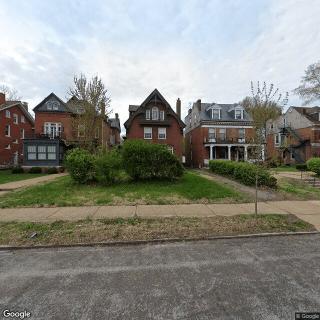
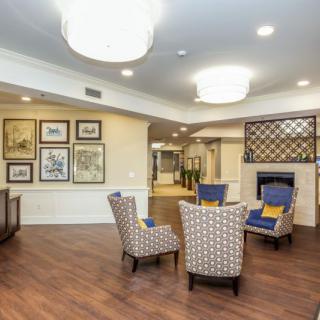
    Central Residence in St. Louis, MO is a luxurious assisted living community designed to provide residents with comfort and convenience. The fully furnished apartments are equipped with all the necessary amenities, including cable or satellite TV, a dining room, and a kitchenette. Housekeeping services ensure that residents have a clean and tidy living space.

    The community also boasts of beautiful outdoor spaces and gardens where residents can relax and enjoy nature. Restaurant-style dining offers delicious meals prepared by professional chefs, accommodating special dietary restrictions such as a diabetes diet.

    Residents can engage in various activities throughout the day, both resident-run and scheduled daily activities organized by the staff. There is also a small library for book lovers. Wi-Fi/high-speed internet is available throughout the community, allowing residents to stay connected with their loved ones.

    Care services provided at Central Residence include 24-hour supervision for added peace of mind, assistance with activities of daily living such as bathing and dressing, as well as transfers. Medication management ensures that residents take their prescribed medications on time. A mental wellness program focuses on promoting emotional well-being among residents.

    Located in close proximity to numerous cafes, parks, pharmacies, physicians' offices, restaurants, transportation options, places of worship, theaters, and hospitals, Central Residence offers easy accessibility to various facilities and services.

    Overall, Central Residence is an exceptional assisted living community that provides top-notch care services while ensuring residents enjoy a comfortable and fulfilling lifestyle in the vibrant city of St. Louis.

    Nearby Places of Interest

    Hospitals

    • Metropolitan St Louis Psychiatric Center (0.5 miles)
    • St Louis Children's Hospital (0.8 miles)
    • The Rehabilitation Institute of St Louis (1 miles)
    • VA Medical Center Spinal Cord Injury Program (2.1 miles)
    • SSM Cardinal Glennon Children's Medical Center (2.5 miles)
    • St Alexius Hospital (5 miles)

    Restaurants

    • Yellowbelly (0.6 miles)
    • The Muny (0.8 miles)
    • Boathouse at Forest Park (1.1 miles)
    • McDonald's (1.5 miles)
    • The Gramophone (1.7 miles)
    • Milo's Tavern (2.3 miles)
    • Italia America Bocce Club (2.4 miles)

    Physicians

    • Barnes-Jewish Hospital (1 miles)
    • BJC Behavioral Health Service - Dinu Petru Gangure MD (3.9 miles)
    • University Club Medical (4.4 miles)
    • Southwest Medical Center (5.5 miles)

    Parks

    • Wohl Recreation Center / Sherman Park (1.1 miles)
    • Bar K (2 miles)
    • Fairground Park (2.8 miles)
    • Tower Grove Park (2.9 miles)
    • Lafayette Park (3.7 miles)
    • Shaw Park (4.1 miles)
    • Citygarden (4.3 miles)

    Pharmacies

    • Walgreens (1.2 miles)
    • CVS Pharmacy (1.6 miles)
    • Walgreens (2.6 miles)
    • Walgreens (2.8 miles)
    • Walgreens (3.1 miles)
    • Schnucks (3.6 miles)
    • Walgreens (3.8 miles)

    Transportation

    • Zooline Railroad The Wild (1.4 miles)
    • Amtrak (3.9 miles)

    Cafes

    • Blueprint Coff (1.8 miles)
    • Starbucks (2.1 miles)
    • Starbucks (3.1 miles)
    • Starbucks (4.6 miles)
    • Starbucks (4.7 miles)

    Places of Worship

    • St Ambrose Church (2.3 miles)
    • St Johns Lutheran Church (4 miles)
    • St Ann Catholic School (4.2 miles)
    • Old Orchard Church (5.2 miles)
    • St Raphael the Archangel Church (5.3 miles)

    Theaters

    • AMC Esquire 7 (2.8 miles)

    Frequently Asked Questions

    How much does it cost to live at Central Residence in St. Louis, MO?
    Where is Central Residence?

    Nearby Communities

    Related Resources

    • when to move from assisted living to nursing home8 Key Indicators That Suggest It May Be Time to Transition from Assisted Living to Skilled Nursing Care

      The transition from assisted living to skilled nursing care is often prompted by complex medical needs that assisted living cannot meet, with key indicators including frequent health declines, increased falls, severe memory issues, and caregiver burnout. Families should recognize these signs early to discuss options with healthcare providers and prepare for the emotional and logistical aspects of moving to a facility that offers comprehensive medical support.

    • active senior livingVibrant Senior Living: A Comprehensive Guide for Active Older Adults

      Vibrant Senior Living emphasizes active senior living communities that promote independence and engagement through diverse amenities and activities, fostering wellness and social interaction among older adults. These communities range from independent to assisted living, with a focus on personal growth, family involvement, financial planning, and leveraging technology to enhance residents' experiences.

    • when to move from assisted living to memory careWhen to Transition from Assisted Living to Memory Care: Key Indicators, Steps, and Finding the Right Community

      Transitioning from assisted living to memory care is driven by an individual's cognitive decline and specific needs, requiring careful evaluation of indicators like increased confusion and wandering. The process involves consulting medical professionals, researching suitable communities, considering financial and legal aspects, and ensuring effective communication for personalized care plans.


    Get Pricing Ask A Question Schedule A Tour Contact Senior Advisor