Kingsland Walk Senior Living offers competitive pricing for its residents, particularly when compared to the broader market in St. Louis city and the state of Missouri. For a studio apartment, Kingsland Walk's monthly rate is $3,775, which is notably lower than the city average of $4,234 while remaining just above the state average of $3,418. The semi-private option at Kingsland Walk is priced at $4,055, slightly higher than St. Louis city's average of $3,994 but still below the state average of $3,772. For those seeking a one-bedroom unit, Kingsland Walk's cost of $4,415 stands in contrast to both St. Louis city's rate of $3,885 and Missouri's more affordable average of $3,349. Overall, residents can find a range of options at Kingsland Walk that balance quality living with reflective market rates in their area.
Floor plans
Kingsland Walk Senior Living
St. Louis city
Missouri
Studio
$3,775
$4,234
$3,418
Semi-Private
$4,055
$3,994
$3,772
1 Bedroom
$4,415
$3,885
$3,349
Overall Review of Kingsland Walk Senior Living
differentiator9 reviews mention this
Memory care teams feel involved
Residents’ families describe memory care leadership as consistently responsive and personally engaged.
Several reviews single out memory care direction and nursing as a reason they felt safer and more confident day to day. People describe the memory care director as caring and quick to respond, along with staff who look for needs rather than only handling basics. A few residents’ families also describe more activities and stimulation on the memory care floor after specific leadership changes.
differentiator14 reviews mention this
Dining matches restaurant-style claims
Dining is repeatedly described as restaurant-style, with chef-prepared meals and menu choices.
Multiple residents and families praise the food quality, describing it as excellent or delicious, and connecting that to a more enjoyable routine. Reviews mention open dining where residents can come down when they wake up, and that meals include choices rather than a single daily option. One positive review also notes that memory care caregivers help residents with menu selections.
common10 reviews mention this
Activities keep residents engaged
Residents are described as staying engaged through frequent activities and outings.
Reviews commonly mention an active schedule, including group activities and social events. Some families specifically say activities are tailored for assisted living and memory care, and that residents appear happier and more stimulated. There are also comments about happy hours and events that families can attend or celebrate with residents.
caveat3 reviews mention this
Pricing feels hard to predict
Families report the pricing structure can be confusing month to month.
At least a few reviewers say the rent is itemized and other needs are added on, making it harder to estimate total monthly cost. One review also groups pricing with the overall fit decision and says it wasn’t right for their loved one. The listing’s available ranges suggest pricing varies by unit type.
caveat8 reviews mention this
Care reliability is questioned
Some residents and families raise concerns about staffing and care follow-through.
While many reviews are positive about care, several raise serious concerns about reliability, including medication timing and missed doses. A few reviewers also describe staffing gaps affecting supervision and report incidents such as falls, along with complaints about training and management oversight. Separately, at least two reviews state the community does not offer skilled nursing, which reviewers note becomes important as needs increase.
How we summarize
Counts show how many written reviews mention each theme; a review can touch several themes, and only frequently mentioned themes are displayed.
Features
Housing
70 resident community capacity
1-bedroom apartments
Studio apartments
Types of Care
Assisted Living
Memory Care
Amenities
Activities off-site
Activities on-site
Air-conditioning
Beautician on-site
Beauty salon
Cable or satellite TV
Cafe
Computer center
Devotional services off-site
Devotional services on-site
Dining room
Financing advice
Fitness room
Fully furnished
Gaming room
Garden
Guasts at mealtime
Guest parking
Home sale assistance
Housekeeping services
Indoor common areas
Kitchenette
Laundry
Move-in coordination
Outdoor common areas
Outdoor space
Party space
Private bathrooms
Private cleaning services
Resident parking
Respite or short term stays offered
Restaurant-style dining
Small library
Spa
TV room
Telephone
VA Benefits Consultation
Wellness center
Wheelchair accessible showers
Wi-Fi/high-speed internet available
Transportation
Lambert-St Louis International (7 miles away)
Community operated transportation
Transportation & parking
Transportation arrangement
Transportation arrangement (non-medical)
Care Services
12-16 hour nursing
24-hour call system
24-hour supervision
Activities of daily living assistance
Ambulatory care
Assistance with bathing
Assistance with dressing
Assistance with transfers
Coordination with health care providers
Diabetes diet
Diabetic care
Hospice care
Incontinence care
Meal preparation and service
Medication management
Mental wellness program
Special dietary restrictions
Transportation arrangement (medical)
Transportation to doctors appointments
Dining
Anytime dining
Diabetes diet
Guest meals
International cuisine
Low / no sodium
Low fat
Meals provided
No Sugar
Professional chef
Restaurant style dining
Room service
Special dietary restrictions
Special dining programs
Vegan
Vegetarian
Activities
Activities off-site
Art classes
Arts and crafts
Bible study group
Book club
Community-sponsored activities
Concierge services
Cooking classes
Cooking club
Day trips and outings
Devotional activities offsite
Devotional activities on-site
Educational speakers / life long learning
Fitness programs
Games
Gardening club
Happy hour
Karaoke
Live musical performances
Live well programs
Planned day trips
Religious services
Resident-run activities
Scheduled daily activities
Stories
Tai Chi
Visiting Rabbi
Wii bowling
Wine tasting
Yoga / chair yoga
Nearby Places of Interest
Cafes
Starbucks (0.4 miles)
Blueprint Coff (0.6 miles)
Starbucks (4.9 miles)
Starbucks (5.4 miles)
Panera Bread (5.7 miles)
Restaurants
White Castle (1.3 miles)
The Capital Grille (1.7 miles)
Boathouse at Forest Park (1.9 miles)
The Muny (2 miles)
MOD Pizza (2.5 miles)
Yellowbelly (2.8 miles)
Chipotle Mexican Grill (2.9 miles)
Pharmacies
Walgreens (1.5 miles)
Walgreens (1.9 miles)
Walgreens (2.6 miles)
CVS Pharmacy (2.6 miles)
Dierbergs (3 miles)
Walgreens (3.1 miles)
Schnucks (3.2 miles)
Hospitals
Metropolitan St Louis Psychiatric Center (1.8 miles)
St Louis Children's Hospital (2.8 miles)
The Rehabilitation Institute of St Louis (3.2 miles)
VA Medical Center Spinal Cord Injury Program (4.4 miles)
SSM Cardinal Glennon Children's Medical Center (4.6 miles)
Theaters
AMC Esquire 7 (2 miles)
Transportation
Zooline Railroad The Wild (2 miles)
Metrolink North Hanley Station (4 miles)
Enterprise Rent-A-Car (5 miles)
National Car Rental (5.6 miles)
Hertz Rent A Car (5.8 miles)
Terminal 2 Parking (5.8 miles)
Southwest Airlines (5.8 miles)
Parks
Shaw Park (2.2 miles)
Wohl Recreation Center / Sherman Park (2.5 miles)
Bar K (3.8 miles)
Tilles Park Neighborhood (4.2 miles)
Tower Grove Park (4.6 miles)
Fairground Park (4.6 miles)
Francis Park (5.3 miles)
Places of Worship
St Ann Catholic School (3 miles)
St Ambrose Church (3.7 miles)
Old Orchard Church (4.8 miles)
St Johns Lutheran Church (5.4 miles)
St Raphael the Archangel Church (5.9 miles)
Physicians
Barnes-Jewish Hospital (3 miles)
University Club Medical (3.2 miles)
Southwest Medical Center (5.6 miles)
BJC Behavioral Health Service - Dinu Petru Gangure MD (6.1 miles)
Kingsland Walk Senior Living offers competitive pricing for its residents, particularly when compared to the broader market in St. Louis city and the state of Missouri. For a studio apartment, Kingsland Walk's monthly rate is $3,775, which is notably lower than the city average of $4,234 while remaining just above the state average of $3,418. The semi-private option at Kingsland Walk is priced at $4,055, slightly higher than St. Louis city's average of $3,994 but still below the state average of $3,772. For those seeking a one-bedroom unit, Kingsland Walk's cost of $4,415 stands in contrast to both St. Louis city's rate of $3,885 and Missouri's more affordable average of $3,349. Overall, residents can find a range of options at Kingsland Walk that balance quality living with reflective market rates in their area.
The comprehensive features at Kingsland Walk Senior Living are designed to address the diverse needs of residents with dementia and Alzheimer's disease, ensuring their safety, comfort, and well-being. The 24-hour supervision provides constant oversight, reducing the risk of wandering and accidents. Assistance with daily activities such as bathing, dressing, and transfers allows residents to maintain dignity while receiving the support they need. Coordination with healthcare providers ensures that medical needs are met promptly, while incontinence care minimizes discomfort and distress. Meal preparation caters to dietary requirements essential for health maintenance, whereas medication management helps in properly administering prescribed treatments. A mental wellness program engages residents cognitively and emotionally, fostering connections and enhancing quality of life. Lastly, transportation arrangements facilitate access to medical appointments, underscoring a holistic approach to care that prioritizes both physical and mental health for those navigating memory challenges.
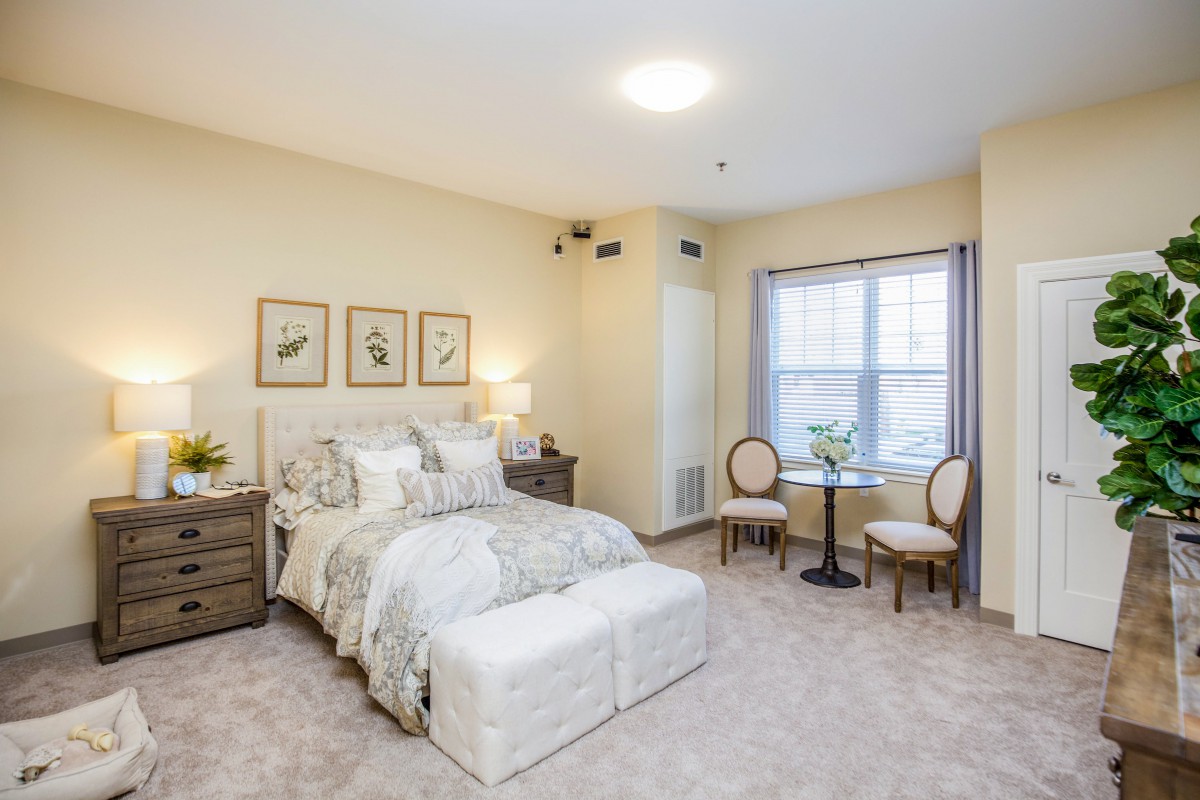
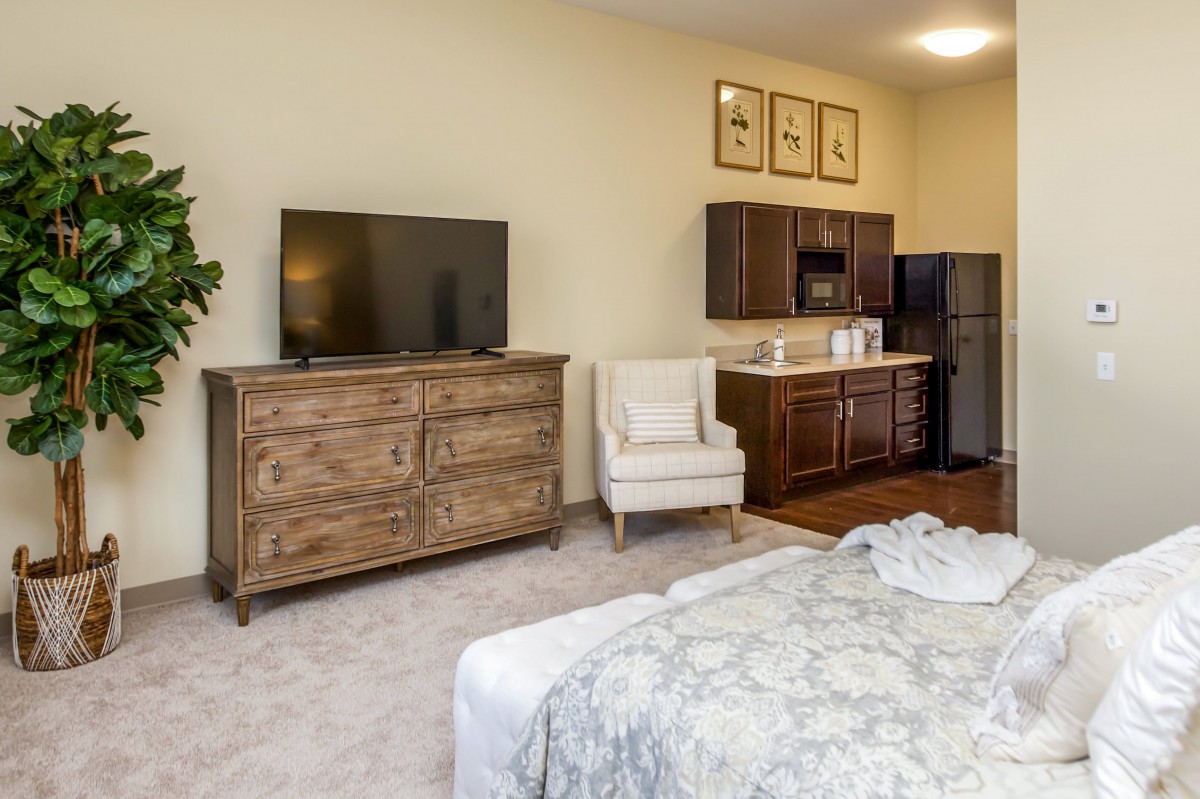
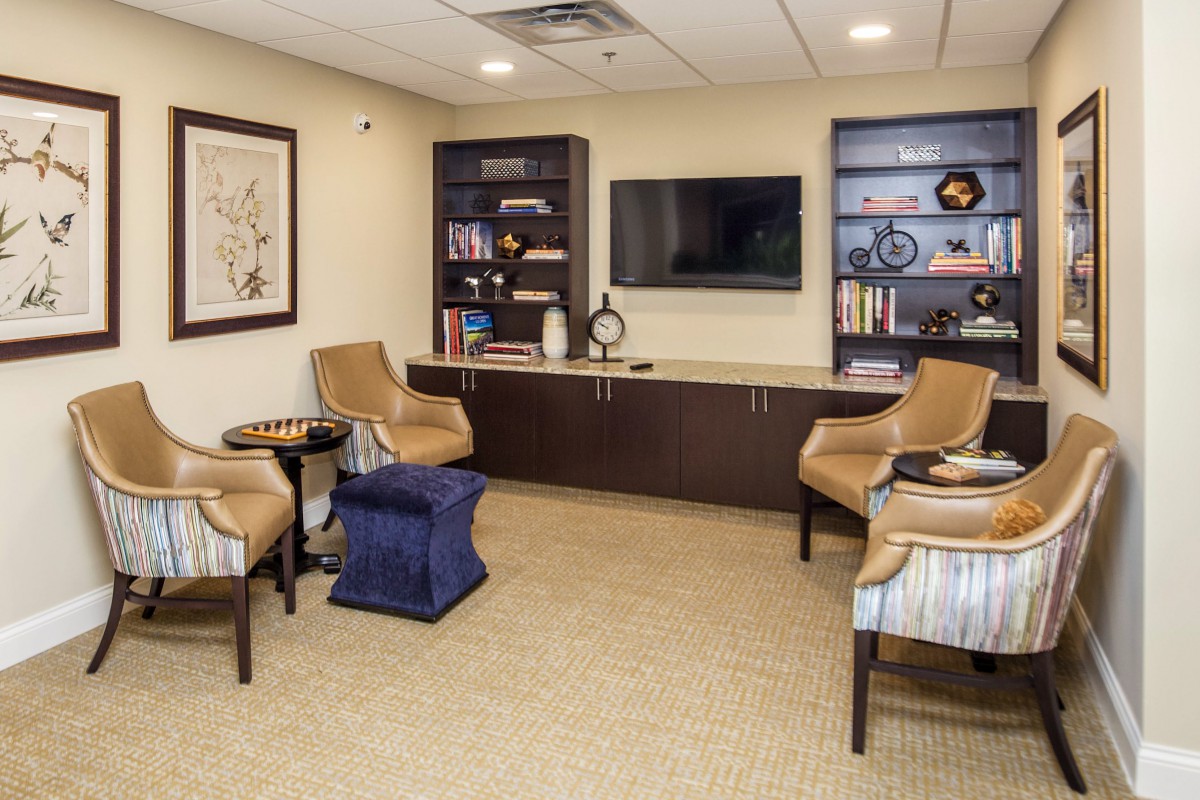
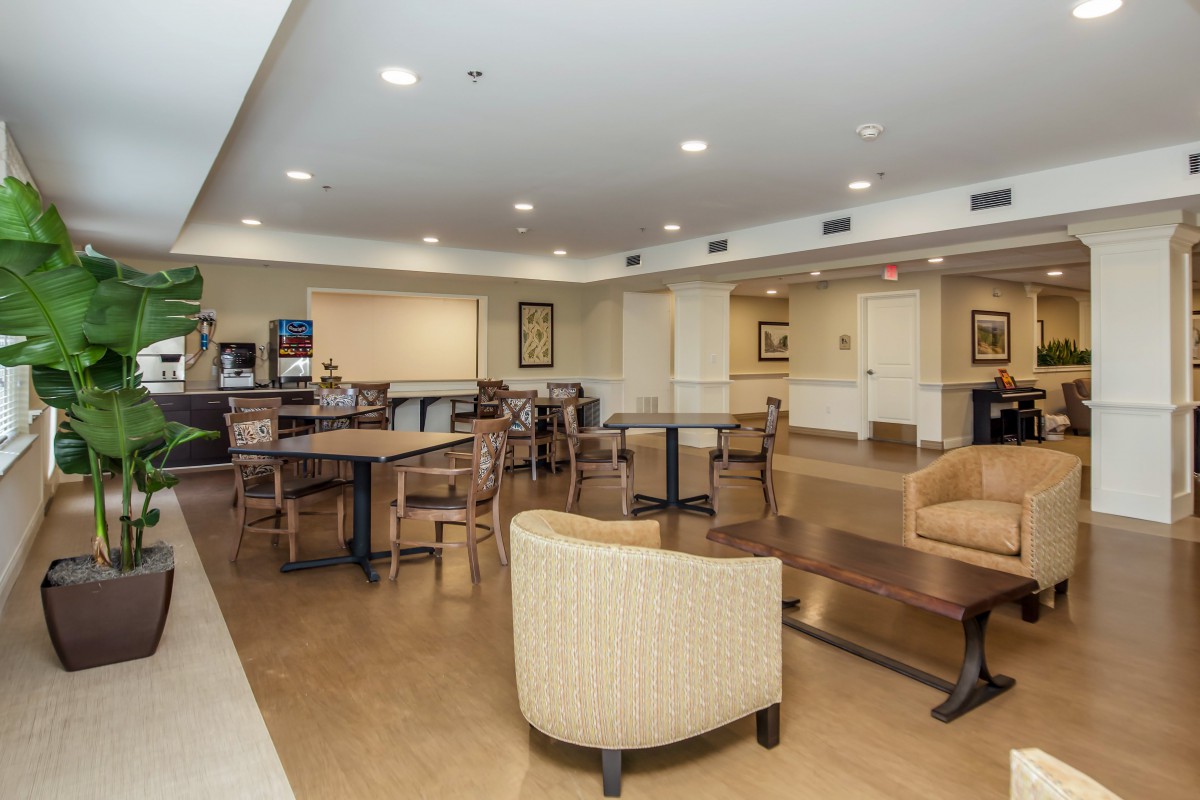
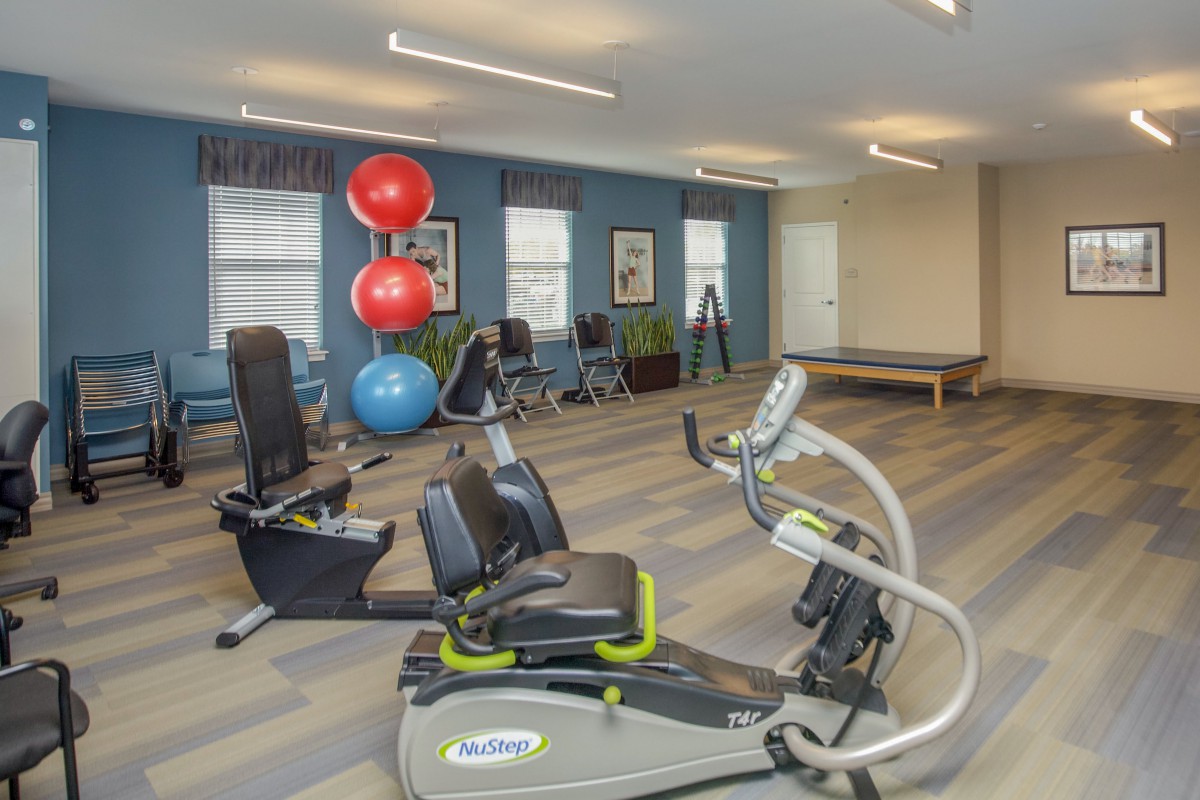
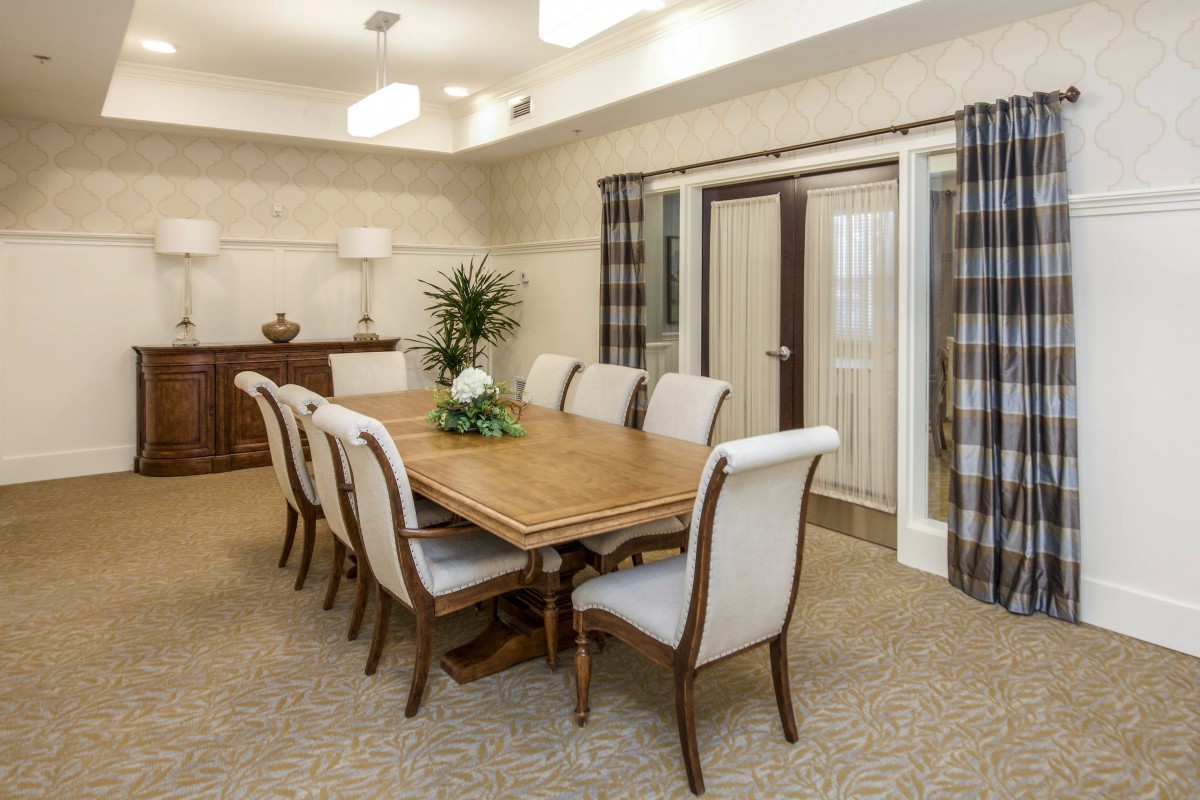
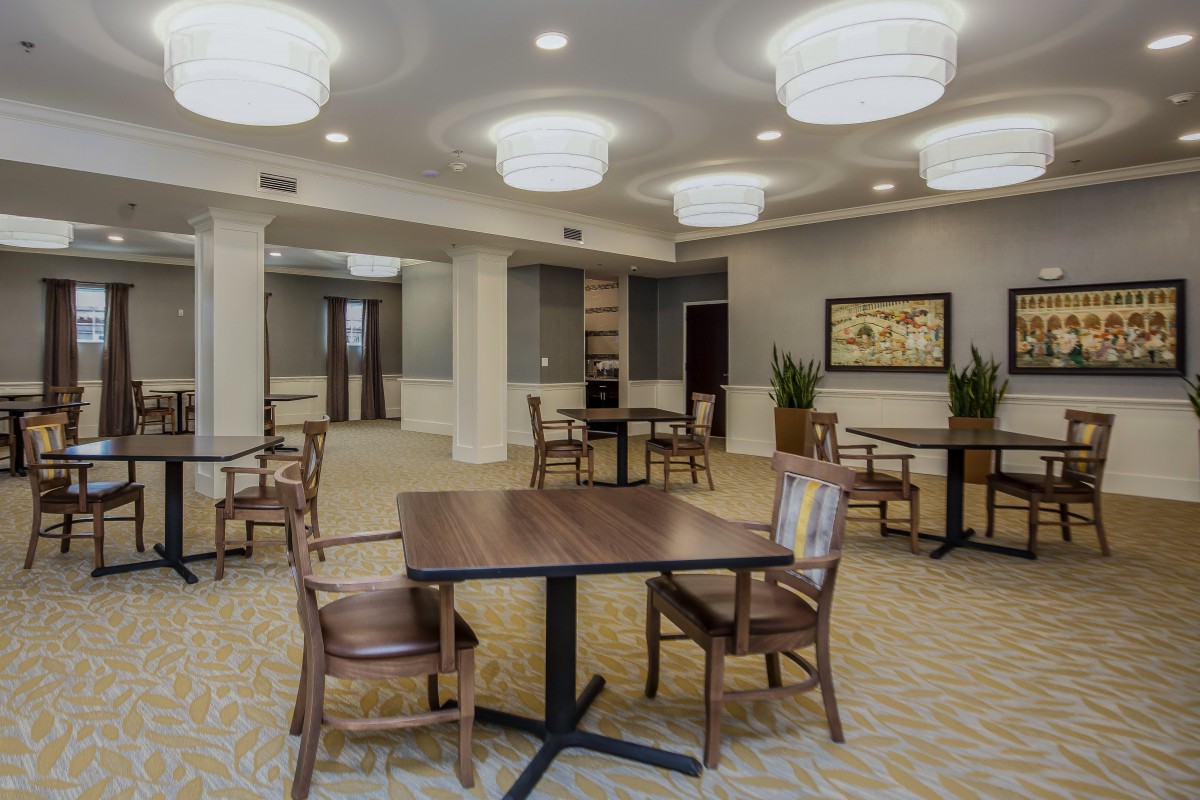
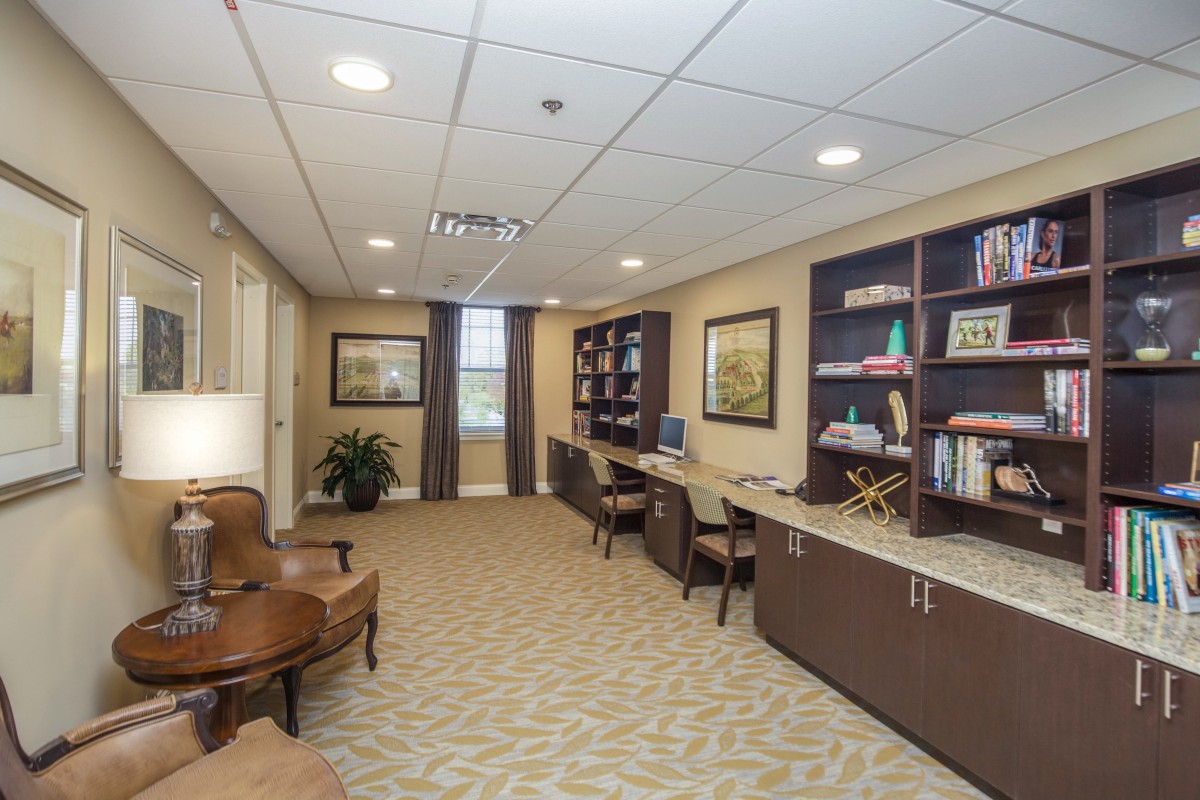
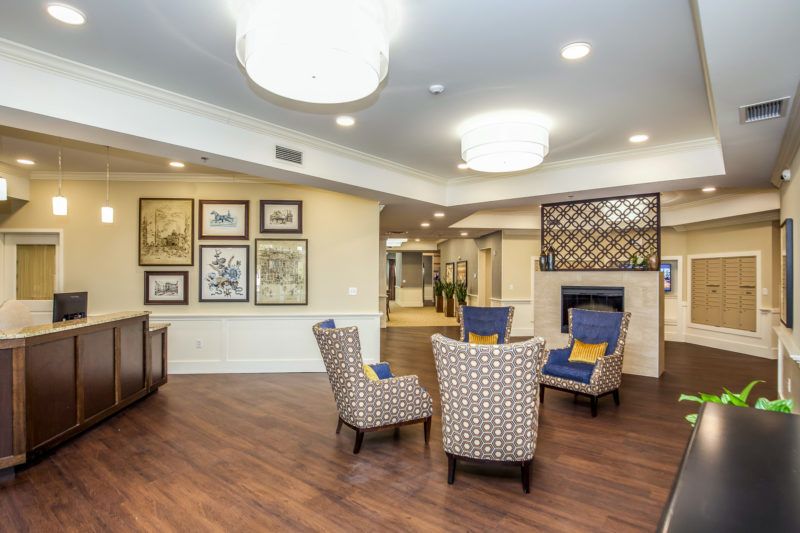
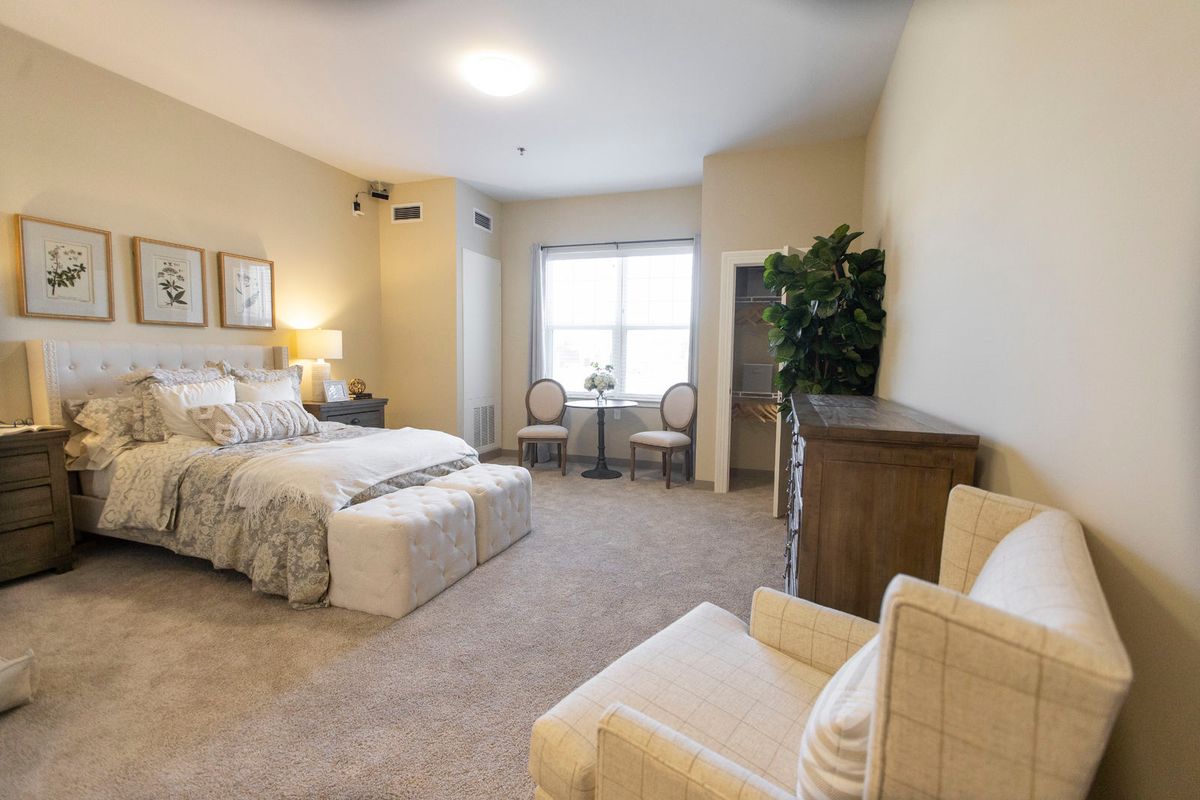
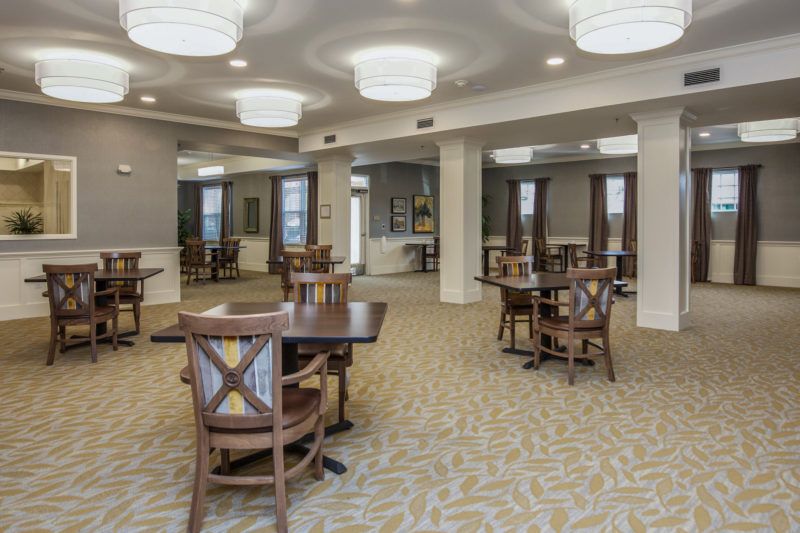
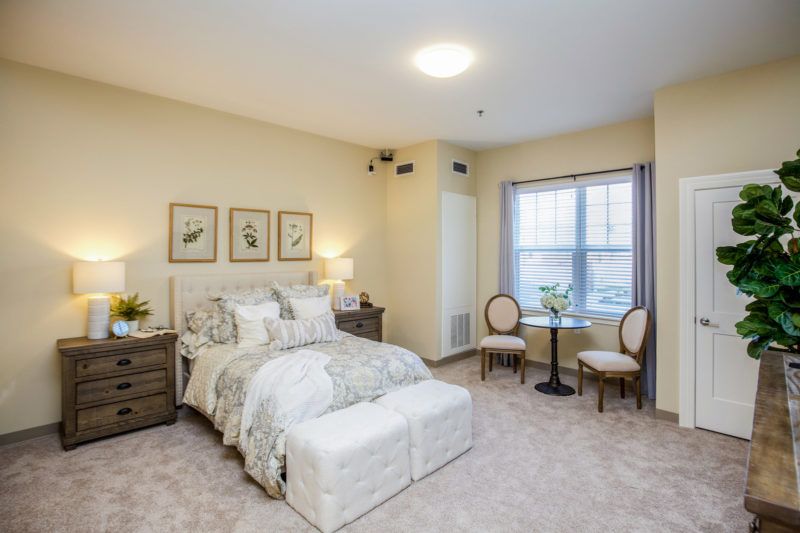
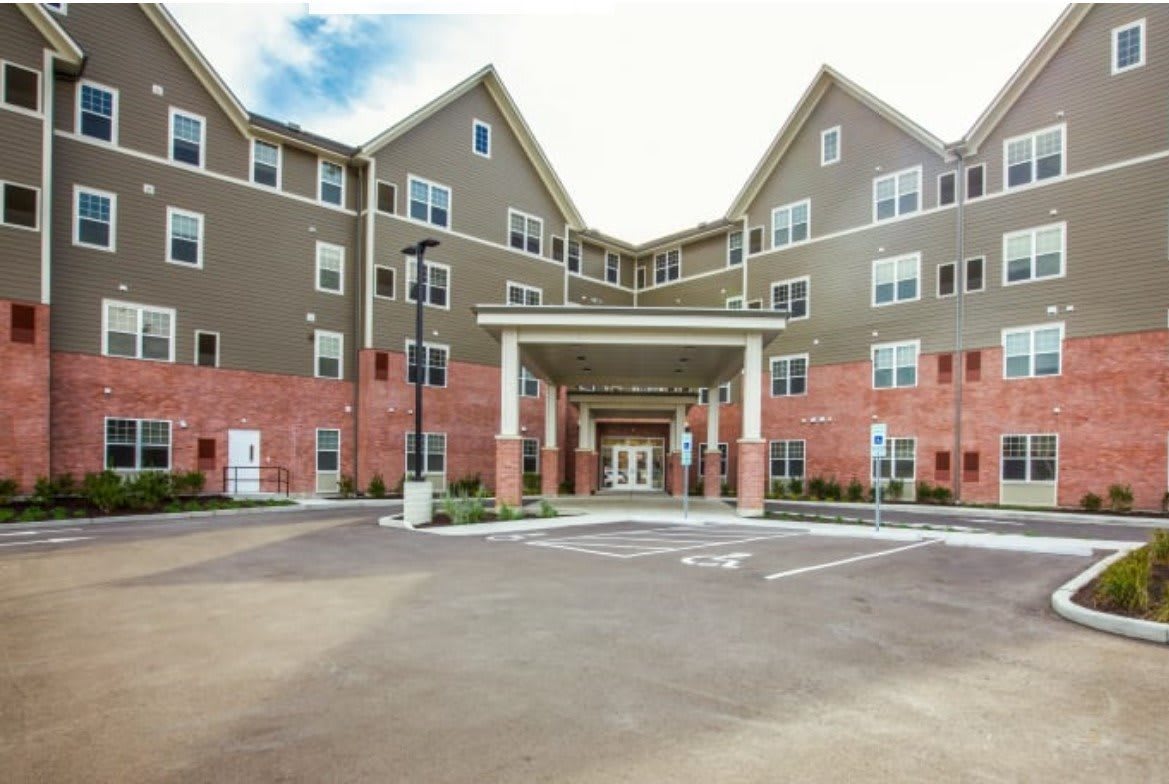
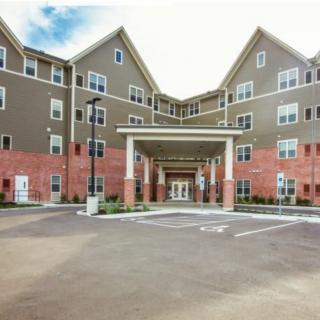
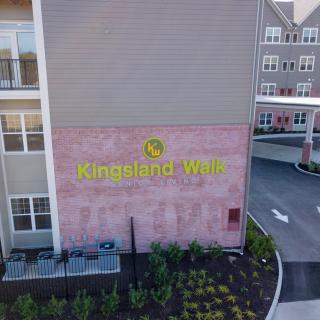
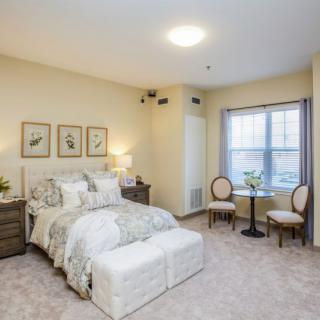
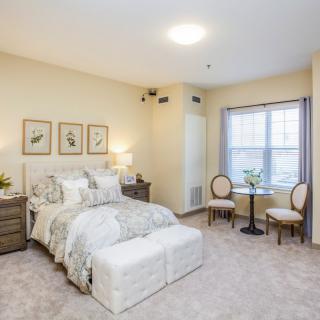
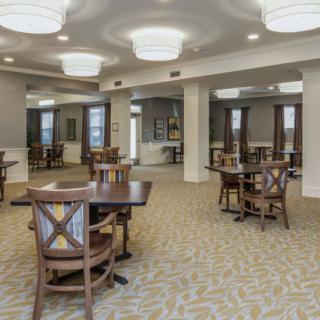
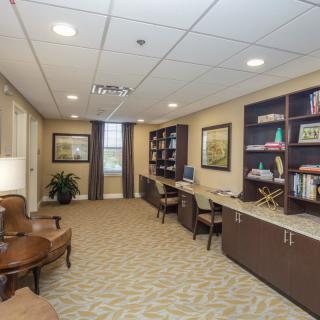
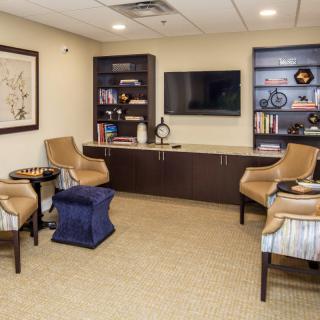
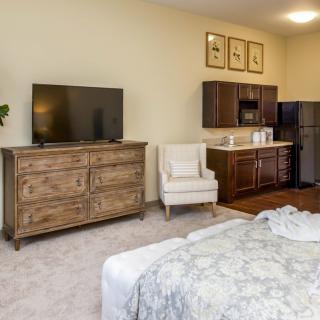
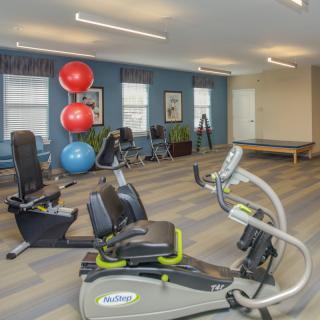
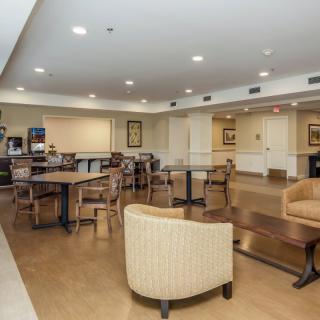
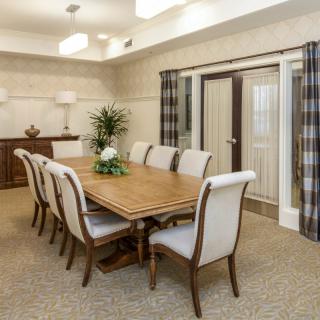
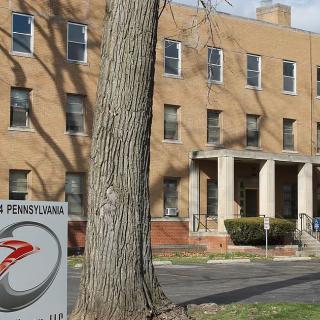
Kingsland Walk Senior Living on seniors.fyi includes 14 photos including images showing interior, bedroom, decor, lighting, exercise equipment, dining, seating area, television, and more.
Nearby Communities
Ackert Park Skilled Nursing & Rehabilitation Cente
University City, MO
2.8 from 15 reviews
Extensive on-site amenities (salon, dining, fitness, library, gaming) with 24/7 supervision for skilled nursing.
St. Andrews Senior Solutions
St. Louis, MO
Well-connected location with easy access to dining, parks, pharmacies, healthcare, transportation, worship, and entertainment.
Arbor Health
St. Louis, MO
2.8 from 4 reviews
Comprehensive care with 24/7 supervision, medication management, diet options, restaurant-style dining, and move-in coordination in a fully furnished setting.
Oasis-Pennsylvania RCF
University City, MO
Personalized care with diabetic support and on-site activities.
Saddler Residential Care Facility
St. Louis, MO
2 from 4 reviews
$2,995 to $8,250 / month
Cost-effective studios and some unit types compared to local averages.
Alpha Terrace Apartments
St. Louis, MO
4 from 55 reviews
Extensive nearby amenities and healthcare access.
Spring Manor
St. Louis, MO
$1,200 to $2,400 / month
Competitive pricing (semi-private $1,200; studio $2,400) with diabetic care and on-site activities.
HomeTeam Transition Management Group LLC
Clayton, MO
4.7 from 50 reviews
Pleasant first visit and some responsiveness.
Allegro Richmond Heights
Richmond Heights, MO
4.4 from 63 reviews
$4,900 to $8,900 / month
Friendly staff, good dining, clean, engaging activities, and strong memory care.
Assisted living provides moderate support for seniors seeking independence, while memory care offers specialized support for individuals with dementia or cognitive impairments through structured routines and trained staff. Key differences include care approaches, environment security measures, staff training levels, activity types, and cost considerations.
Choosing between assisted living and nursing homes involves evaluating emotional and financial factors, with assisted living offering independence and support for daily activities at a lower cost, while nursing homes provide intensive medical care for individuals with significant health needs. The decision is influenced by personal preferences, health status, cognitive function, and varying Medicaid coverage across states.
The article presents eight strategies for preserving cognitive health and memory in older adults, emphasizing a nutrient-rich diet, regular exercise, intellectually stimulating activities, adequate sleep, social connections, stress management techniques, limiting harmful substances, and regular medical checkups to mitigate age-related memory decline.
Get PricingAsk A QuestionSchedule A TourContact Senior Advisor
By clicking submit, you agree to our Partner's Terms of Use. You
also consent to receive calls and texts, which may be autodialed, from our Partner. Your consent is not a condition to
using our Partner's service. Please visit our Partner's Privacy Policy for information about their privacy practices.



 70 resident community capacity
 1-bedroom apartments
 Assisted Living
 Memory Care
 Activities off-site
 Air-conditioning
 Beautician on-site
 Cable or satellite TV
 Cafe
Cafe Computer center
 Devotional services off-site
 Dining room
 Financing advice
 Fitness room
 Fully furnished
 Gaming room
 Garden
 Guest parking
 Housekeeping services
 Indoor common areas
 Kitchenette
 Laundry
 Move-in coordination
 Outdoor common areas
 Party space
 Private bathrooms
 Respite or short term stays offered
 Restaurant-style dining
 Small library
 Spa
Spa Telephone
 Wheelchair accessible showers
 Wi-Fi/high-speed internet available
 Lambert-St Louis International (7 miles away)
 Community operated transportation
 12-16 hour nursing
 24-hour call system
 Ambulatory care
 Assistance with bathing
 Assistance with dressing
 Assistance with transfers
 Diabetes diet
 Diabetic care
 Hospice care
 Incontinence care
 Medication management
 Mental wellness program
 Special dietary restrictions
 Transportation arrangement (medical)
 Art classes
 Bible study group
 Book club
 Concierge services
 Cooking classes
 Day trips and outings
 Educational speakers / life long learning
 Games
Games Happy hour
 Karaoke
 Live musical performances
 Visiting Rabbi
 Wii bowling
 Wine tasting
 Extensive on-site amenities (salon, dining, fitness, library, gaming) with 24/7 supervision for skilled nursing.


 Assisted Living and Memory Care: Understanding Their Core Differences
 Choosing the Right Senior Care: A Detailed Exploration of Assisted Living and Nursing Homes
 Safeguarding Your Memory Through the Golden Years: Eight Ways to Preserve Cognitive Health