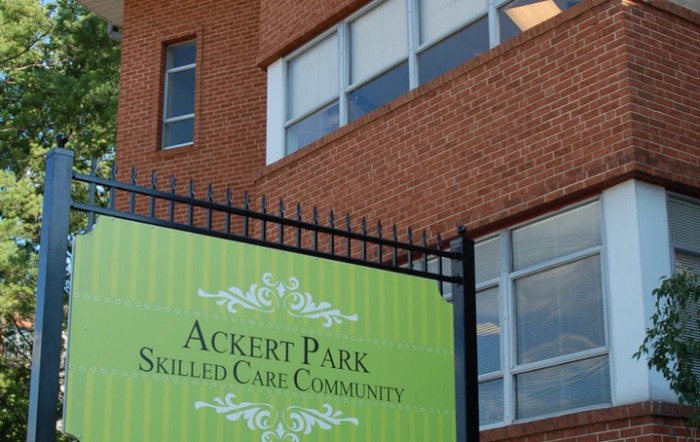
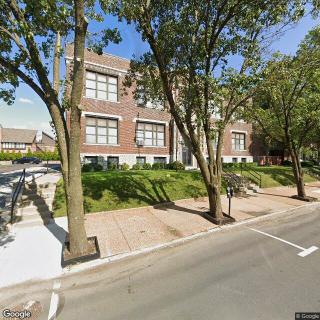
894 Leland Avenue, University City, MO 63130
For more information about senior living options: (866) 208-4318
Overall Review of Ackert Park Skilled Nursing & Rehabilitation Cente
Pros
 Terry Signao was kind, compassionate and patient with the mom.
- The staff are wonderful; they are caring and kind.
- The staff made the mom feel safe and well cared for.
- The facility feels like home and genuinely cares for its residents.
- The new owners are caring and are improving the building, the food, and activities.
- The staff are hardworking and provide personalized care.
- The staff welcomed residents and introduced themselves, showing warmth.
- The staff provide safe, loving, and kind care.
Cons
 The facility is dirty and roach-infested.
- Cockroaches are present, indicating a severe cleanliness problem.
- Food is consistently served cold, and hot coffee is always cold.
- The food-service staff have no manners and show little compassion for the elderly.
- Families are not notified of issues and cannot visit due to COVID.
- Residents develop bed sores and foot wounds, suggesting substandard care.
- The administration and some staff are unprofessional, with reports of workers leaving for hours and even drinking or smoking on the job.
- The place is described as a roach motel for elderly people.
Review
Ackert Park Skilled Nursing & Rehabilitation Center in University City is best suited for families that want a homey, person-to-person environment and are prepared to stay actively involved in their loved one’s care. This is a setting where modest rehab services and daily support can be delivered with warmth from staff who genuinely seem to care, provided management remains engaged and responsive. The most credible positives come from families who describe a welcoming admissions process and a sense that, with consistent oversight, the facility can feel like a small, caring community rather than a cold institution. Those who can tolerate some variability in day-to-day conditions and who are ready to advocate for their loved one will likely find value here.
That said, clear-eyed families should consider alternatives if pristine conditions, predictable routines, and professional, consistently reliable management are non-negotiable. The recurring concerns paint too many cautionary notes: infestations and dirty conditions, consistently cold meals, and reports of staff turnover or uneven service. For residents with significant medical fragility, complex wound care, or a need for rigorously coordinated clinical oversight, another facility with stronger infection control, more stable staffing, and tighter communication protocols may deliver more reliable outcomes.
On the upside, several accounts highlight compassionate individuals and a welcoming admissions experience. A particular admission director is praised for kindness and patience with dementia care, and multiple reviews credit the staff with genuine caring when a resident arrives. When ownership shows a clear commitment to improvement, care teams appear more dependable, and the environment can shift toward a true home-like atmosphere. Positive notes about improvements under new ownership, better food, more activities, and added transportation for outings, signal that the facility can progress and respond to family feedback if leadership remains focused.
The downsides, however, are hard to ignore. Persisting cleanliness issues and infestations are a common thread, along with critiques of the dining experience and of daytime staffing. Clinical lapses surface in concerning reports about bed sores or wounds and delays in notifying families about problems, plus impressions of confrontational or unprofessional leadership. Anecdotes about staff leaving for hours, and about coworkers engaging in inappropriate behavior, further complicate expectations for reliable, professional care. For families prioritizing predictability and formal accountability, these are serious red flags.
How these strengths and weaknesses balance out hinges on priorities and engagement level. For families willing to supervise care planning, demand timely updates, and push for ongoing facility improvements, the appeal of a warm, resident-centered milieu remains meaningful. The positive experiences tied to new ownership, food improvements, expanded activities, and transportation, are tangible signals that better days can be realized with continued attention. Yet the intensity and frequency of negative experiences cannot be dismissed; they imply a persistent risk for residents who require steady oversight, robust housekeeping, and immediate escalation of concerns. This is not a risk-free choice.
Bottom line: Ackert Park is not universally suitable. It rewards families who are comfortable taking a hands-on role and who value genuine kindness among staff and a possible trajectory toward better services under proactive ownership. For others, especially those who cannot tolerate cleanliness lapses, inconsistent staffing, or gaps in clinical care, exploring clearly stronger options is prudent. Prospective residents should arrange thorough tours, pose pointed questions about sanitation, wound care processes, staffing patterns, and notification protocols, and plan to monitor conditions closely during any trial period to confirm that improvements are sustained and meaningful.
 130 resident community capacity
 Skilled Nursing Facility
 Air-conditioning
 Beauty salon
 Cable or satellite TV
 Computer center
 Dining room
 Fitness room
 Fully furnished
 Gaming room
 Garden
 Housekeeping services
 Kitchenette
 Move-in coordination
 Outdoor space
 Private bathrooms
 Restaurant-style dining
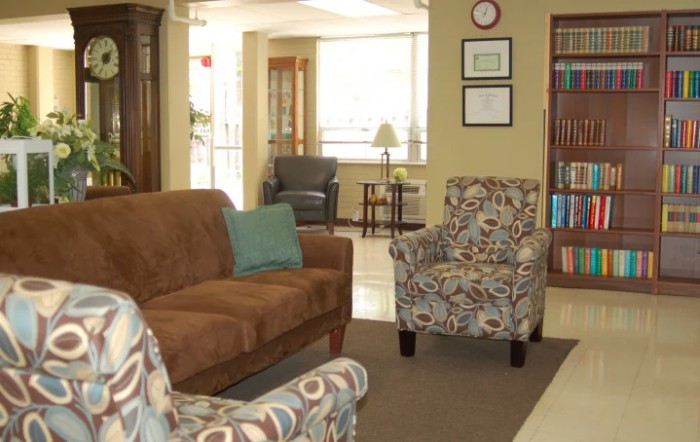
 Small library
 Telephone
 Wellness center
 Wi-Fi/high-speed internet available
 Lambert-St Louis International (7 miles away)
 Community operated transportation
 24-hour call system
 Activities of daily living assistance
 Assistance with bathing
 Assistance with dressing
 Assistance with transfers
 Diabetes diet
 Medication management
 Special dietary restrictions
 Concierge services
 Planned day trips



 9 Stimulating Memory Activities for Seniors: Puzzles, Cards, and Much More
 Managing Nursing Home Expenses After Medicare Coverage Ends
 Is a Geriatric Care Manager the Right Choice for Your Family?