Roosevelt Town Apartments
Save
711 N Euclid Ave, St. Louis, MO 63108
For more information about senior living options: (844) 490-3973
What level of care are you interested in?

Assisted Living

Memory Care

Independent Living

Skilled Nursing Facility

Continuing Care Retirement Community (CCRC)CCRC

Other
For many residents, this place started as a convenient home base because everything was close and getting to their loved ones was easy. The initial attraction was the accessibility and the sense that daily tasks, errands, and visits could be handled without long trips or hassles. But the mood shifted dramatically with the arrival of new management. What began as a practical choice quickly soured for a number of tenants who began to describe the new management as problematic, even toxic. They claimed staff members were involved in substance abuse and scams, and that maintenance crews and other personnel behaved in sneaky, untrustworthy ways. The overall impression was that people were not welcome to retrieve their belongings, or were actively discouraged from doing so, even when their apartments were not livable. Some residents allege theft or tampering with their items, and they recount being lied to - especially to their families and to others in the building - about when and how they could access or return for their possessions. The sense of safety and basic trust eroded, with reports of residents being rushed to extract their belongings, threatened with eviction, and their items temporarily moved to storage with little to no assistance or compensation offered. Some residents even felt compelled to monitor the moving process themselves, following trucks to protect their property.
In the middle of this upheaval, tensions ran high around personality and treatment. One recurring complaint centers on a staff member described as "the color lady," who was said to display a lack of compassion and a slick, rude demeanor that made residents uncomfortable about engaging with the office at all. Complaints extended to a broader sense of disrespect and poor communication, with multiple accounts of unhelpful or hostile interactions that left tenants feeling dismissed and unsupported. In these accounts, the emotional burden fell not only on the residents but also on their families, who watched the struggles unfold and felt powerless to intervene. The sense of betrayal and fear - of being overcharged, ignored, or outright misled - took on a life of its own, coloring every interaction with management and shaping how residents viewed the future of their homes.
Yet, amid the turmoil, there are distinct threads of hope and visible progress. Some residents described a noticeable shift for the better as the building moved under new leadership, with references to genuine improvement and a more constructive community spirit. One resident wrote, "Slowly coming back together I see the difference," and another echoed that sentiment by noting that it takes a community to make a difference. Positive remarks highlighted a growing sense that management could and would do better, with praise for increased professionalism and helpfulness in certain quarters. In particular, there were affirmations about a more consistent security presence, which many residents felt contributed to a safer atmosphere and a more welcoming first impression when stepping into the building. The palpable change in the building's vibe - along with improved courtesy from some staff - was welcomed by several tenants who had not anticipated such progress after the earlier turmoil. Some even credited specific staff members for their efforts, including Ms. Anderson, who was described as professional and helpful, and Kim, who impressed during a tour by being friendly and professional.
However, the contrast between the better days and the ongoing low points is stark. While there are stories of improved customer service and visible steps toward reform, there are equally persistent complaints about serious health and safety issues that have not been resolved. Tenants report ongoing pest problems - bed bugs, roaches, and mice - that are not adequately addressed, alongside a litany of maintenance failures. Critical systems are repeatedly described as malfunctioning for extended periods: elevators down for weeks, making it difficult for residents - especially those with disabilities or on dialysis - to access their apartments or essential services. Bathrooms and plumbing issues are repeatedly cited, including tubs, toilets, and showers that have not worked for over a year in some cases. Structural and environmental problems also appear in the narratives, with mentions of black mold in vents, an air conditioning unit that fails to blow hot or cold as needed, and windows that remain unrepaired after significant damage. The overall effect is a sense that basic living conditions and the ability to care for vulnerable residents are consistently being constrained by neglect or slow responses from the management and maintenance teams.
The human impact of these conditions compounds the frustration. Families describe navigating a labyrinth of bureaucracy and insufficient assistance, attempting to secure access for elderly tenants, wheelchair users, and others with special needs. One account speaks to a wheelchair user who faced being trapped at appointments for weeks and the related risk of running out of food because elevators were out and groceries were inaccessible. The stress and burden are not limited to inconvenience; they translate into real health risks and daily hardships for those who rely on reliable access to their homes and essential services. Some residents feel that the building has become less of a home and more of a battleground for getting basic repairs done, with delays that feel intentional or at least systemic. All of this contributes to a pervasive sense that the management team has not prioritized resident welfare or accountability.
In addition to personal experiences, residents point to external validation and public attention as part of the story. A local news outlet, Fox 2, was cited as giving a voice to residents and potentially driving some attention toward urgent issues in the building. The chorus of voices on that platform urged decisive action, including calls to overhaul the management team. Some residents explicitly argued that, to begin remedying the situation, the entire management team should be replaced immediately. The combination of investigative coverage and resident testimony has not yet translated into a universal consensus on the best path forward, but it has underscored a clear demand for accountability, transparency, and meaningful improvements. The repeated plea is that residents deserve not just promises, but tangible, timely fixes to elevators, pest control, mold remediation, and the myriad daily challenges they face.
Taken together, this collection of experiences paints a nuanced, split picture: improvements and pain, security gains alongside safety gaps, and a community that remains hopeful even as it wrestles with long-standing problems. Some residents speak of a renewed sense of possibility - of a building that could become a true home if management continues on a path of professionalism, attentive maintenance, and compassionate service. Others remain deeply skeptical, pointing to unresolved health and safety hazards, alleged misconduct, and decisions that appear to favor expedience over residents' welfare. What is clear is that the place has become a focal point for a larger conversation about accountability, care, and community resilience. The ultimate outcome remains up to the actions of management, security, and the broader community of residents who continue to advocate for safer, cleaner, and more reliable housing.
Roosevelt Town Apartments in St. Louis, MO is an ideal assisted living community for individuals seeking a vibrant and convenient lifestyle. Situated in a bustling neighborhood, this community offers easy access to various amenities and services.
For those who enjoy socializing or simply savoring a hot cup of coffee, there are five cafes located within close proximity to Roosevelt Town Apartments. Residents can gather with friends or family members for a chat or simply relax and enjoy their favorite beverage.
Nature enthusiasts will appreciate the nine nearby parks where they can take leisurely strolls amidst beautiful green surroundings. These parks provide tranquil spaces for residents to enjoy fresh air, exercise, and connect with nature.
The well-being of residents is always a priority at Roosevelt Town Apartments, which is why there are 15 pharmacies located nearby. This enables easy access to medications and ensures that any healthcare needs can be promptly addressed.
Residents also have the convenience of having three physicians in the vicinity, providing ready access to primary care doctors or specialists as needed. This ensures prompt medical attention when required, giving residents peace of mind.
With 42 restaurants situated near Roosevelt Town Apartments, residents have ample dining options available. Whether craving local cuisine or international flavors, these nearby eateries cater to a variety of tastes and preferences.
Transportation options are easily accessible from the community with two transportation services nearby. This makes it convenient for residents to run errands, attend appointments, or explore the city without having to worry about driving themselves.
For individuals seeking spiritual fulfillment, there are three places of worship situated nearby Roosevelt Town Apartments. Whether it's attending religious services or engaging in spiritual practices, these places offer solace and support for residents' spiritual needs.
Entertainment lovers will delight in knowing that there is a theater conveniently located close by for enjoying movies and live performances. This allows residents to immerse themselves in cultural experiences without venturing too far from home.
Lastly, the presence of five hospitals in the vicinity provides residents with peace of mind knowing that quality medical care is readily available. This ensures that any healthcare emergencies or concerns can be promptly addressed, guaranteeing residents' safety and well-being.
Overall, Roosevelt Town Apartments in St. Louis, MO offers a vibrant and convenient lifestyle for assisted living residents. With an array of nearby cafes, parks, pharmacies, physicians, restaurants, transportation services, places of worship, theaters, and hospitals, residents can enjoy a fulfilling and worry-free living experience.
This part of St. Louis, Missouri offers a diverse range of amenities and services that cater to senior living needs. With several hospitals and medical facilities in close proximity, including the renowned St. Louis Children's Hospital and Barnes-Jewish Hospital, residents have access to top-notch healthcare services. Additionally, there are numerous restaurants, cafes, and pharmacies nearby for convenience. The area also boasts several parks for outdoor recreation and relaxation, such as Tower Grove Park and Lafayette Park. Places of worship like St Ambrose Church provide spiritual support for residents seeking a sense of community. For transportation options, the Zooline Railroad and Amtrak stations are easily accessible for those looking to explore the city or visit loved ones. Overall, this part of St. Louis offers a well-rounded and vibrant community for seniors looking to settle down in a bustling yet welcoming environment.
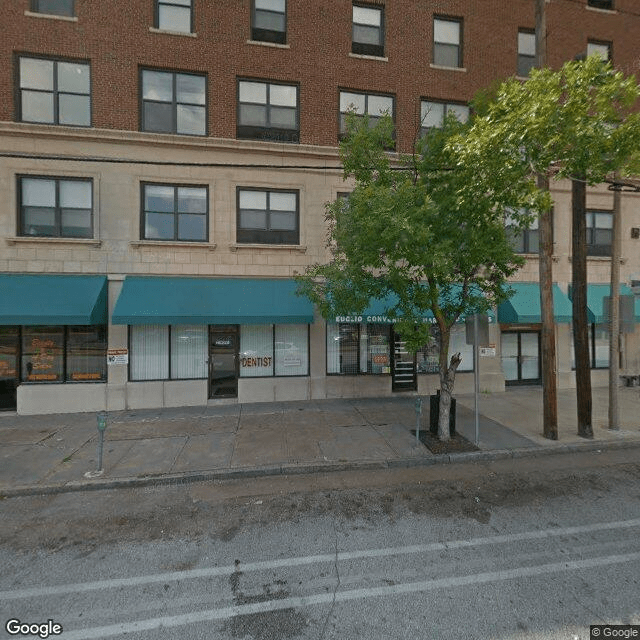
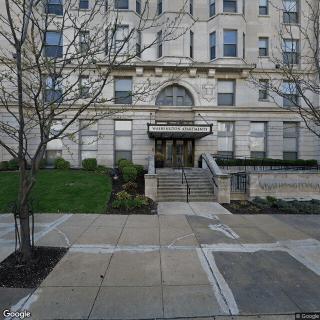
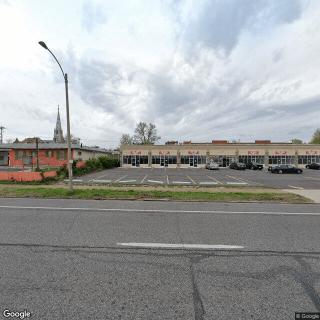
Roosevelt Town Apartments is located at 711 N Euclid Ave, St. Louis, MO 63108 in St. Louis city, Missouri
Allways Kare Residential Care
St. Louis, MO
Diabetic care with personalized assistance and on-site activities.
Allways Kare Residential Care reviews
Allways Kare Residential Care images
Bernard Care Center
Saint Louis, MO
Helpful staff in some cases; clean facility with a convenient location.
Bernard Care Center costs
Bernard Care Center reviews
Bernard Care Center images
Kingsland Walk Senior Living
University City, MO
Clean, modern campus with friendly staff, spacious apartments, and engaging activities.
Kingsland Walk Senior Living reviews
Kingsland Walk Senior Living images
Caregiver Exhaustion: Recognizing the Signs and Restoring Your Well-Being

Caregiver exhaustion, or burnout, stems from the relentless demands of caregiving, leading to emotional and physical depletion characterized by stress, frustration, and neglect of personal needs. Addressing this burden is essential to prevent long-term consequences, with early recognition and support being crucial for caregivers to maintain balance and implement self-care.
Understanding Hospice Care at Home: Comprehensive Services, Key Benefits, and Eligibility

Hospice care at home provides specialized end-of-life support that focuses on comfort and dignity for individuals with life-limiting illnesses, offering a range of services including medical management, emotional and spiritual support, and logistical assistance tailored to the family's needs. It involves collaboration to create individualized care plans and extends to bereavement support after a loved one's passing.
Understanding the Full Cost of 24/7 In-Home Care: A Detailed Overview
The guide outlines the rising costs of 24/7 in-home care, ranging from $10,000 to over $20,000 monthly, driven by factors such as location and caregiver qualifications. It discusses the limited coverage by Medicare and private insurance, potential Medicaid support, and the emotional and living condition considerations influencing families' decisions on care arrangements.