Benton House of Raymore presents a range of pricing that reflects the quality and services offered at their facility, with monthly costs notably surpassing both local and state averages. For a studio apartment, residents can expect to pay $4,110, which is significantly higher than the Cass County average of $2,522 and the Missouri state average of $3,418. Similarly, the cost for a one-bedroom unit stands at $4,590 compared to Cass County's $2,586 and Missouri's average of $3,349. The semi-private option is priced at $5,370, again exceeding the local average of $4,292 and the state average of $3,772. These figures suggest that while Benton House offers premium amenities and care that justify its higher price points, potential residents should consider their budget in relation to broader regional offerings.
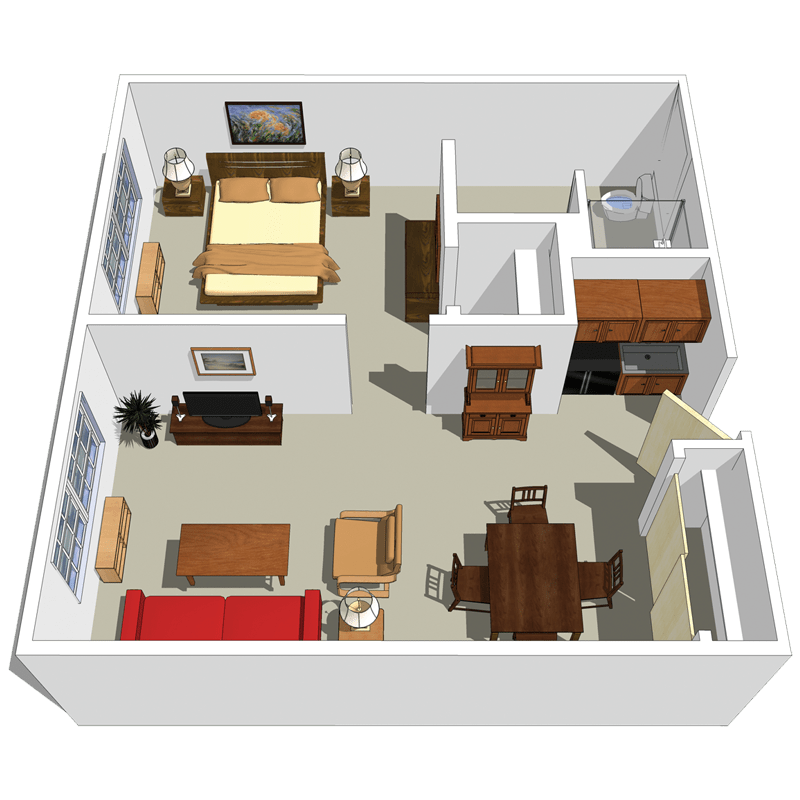
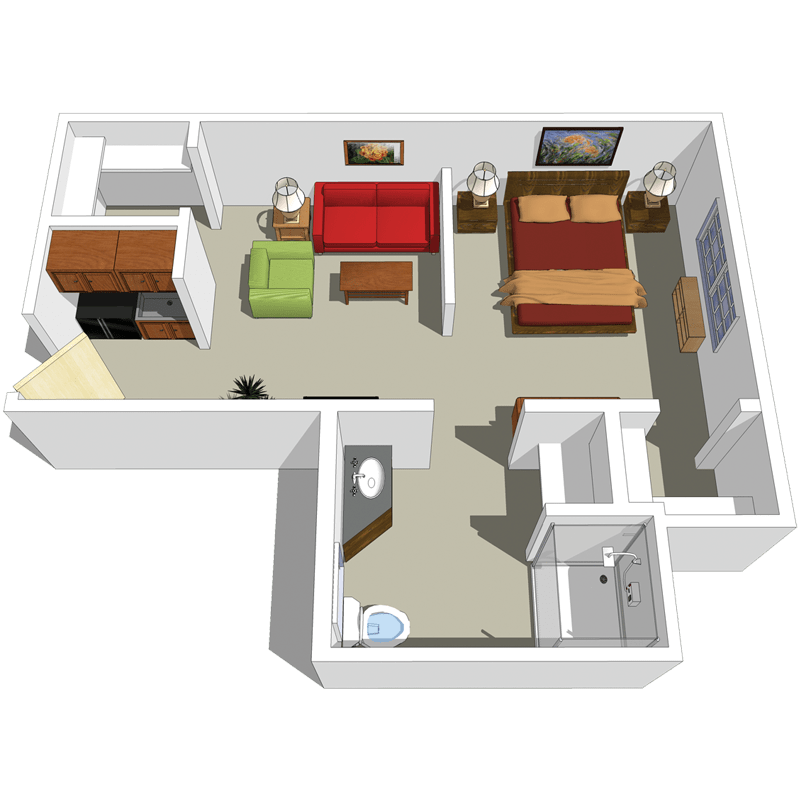
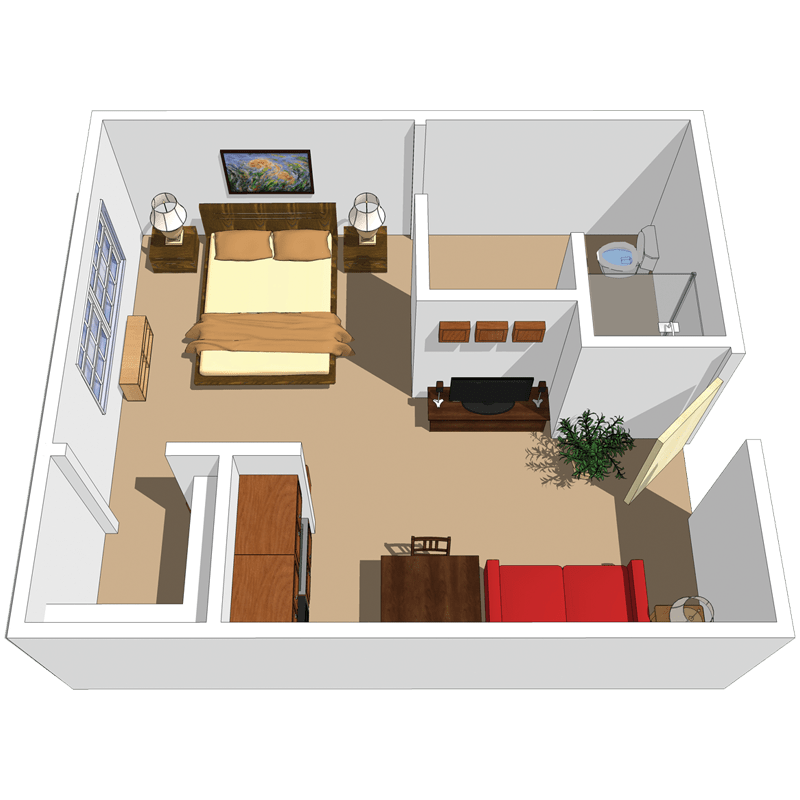
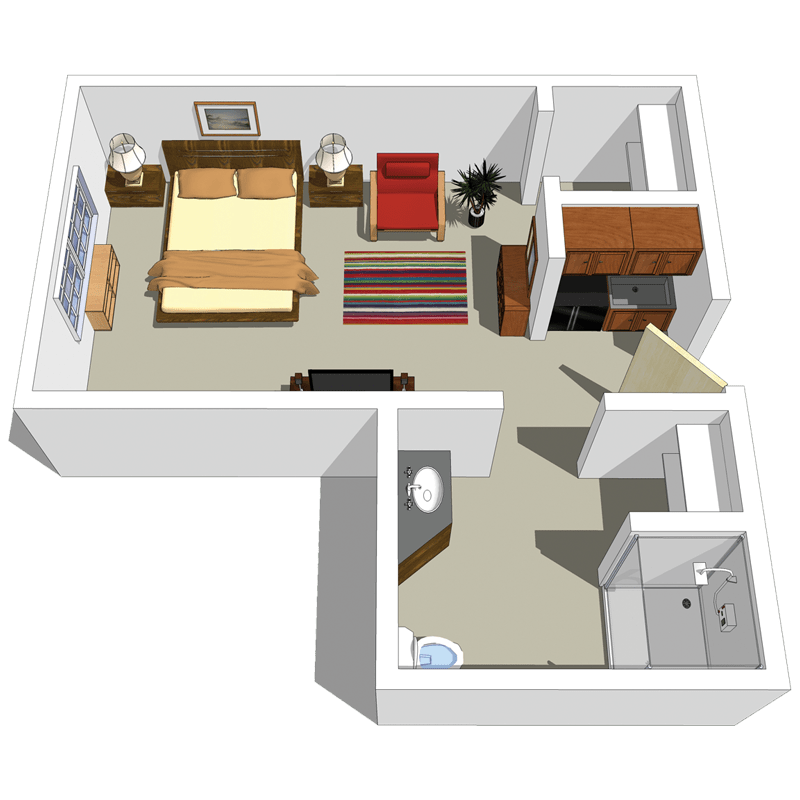
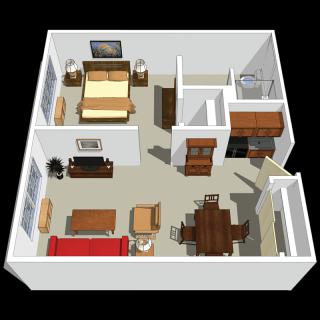
Floor plans
Benton House Of Raymore
Cass County
Missouri
Studio
$4,110
$2,522
$3,418
1 Bedroom
$4,590
$2,586
$3,349
Semi-Private
$5,370
$4,292
$3,772
Memory care communities with a similar price nearby
Some reviewers question whether the memory care offering is appropriate.
A couple of reviewers are strongly negative about the memory care fit and urge others not to place loved ones there. One review specifically says the community should not be offering memory care, and another simply says they would not recommend the facility.
caveat2 reviews mention this
Costs come up often
Several reviewers feel the pricing is too high for the service level.
Two reviewers directly call out cost, including concerns that they are paying a lot without receiving adequate care. One of those comments also ties the expense to a situation where a loved one was described as neglected.
common2 reviews mention this
Pet friendly for day-to-day
The community is described as pet friendly for residents and families.
Reviewers mention bringing a pet as a meaningful part of life there, including time spent with pets during visits. One review also describes how their loved one is happy with the pet-friendly setup, and how staff are relaxed about taking a resident out while the pet is involved.
How we summarize
Counts show how many written reviews mention each theme; a review can touch several themes, and only frequently mentioned themes are displayed.
Features
Housing
80 resident community capacity
Types of Care
Assisted Living
Memory Care
Respite Care
Pets
Cats allowed
Dogs allowed
Amenities
Activities off-site
Activities on-site
Air-conditioning
Beautician on-site
Beauty salon
Cable or satellite TV
Computer center
Devotional services off-site
Devotional services on-site
Dining room
Fitness room
Fully furnished
Gaming room
Garden
Ground floor units
Handicap accessible
Housekeeping services
Indoor common areas
Kitchenette
Move-in coordination
Outdoor common areas
Outdoor space
Private bathrooms
Respite or short term stays offered
Restaurant-style dining
Small library
Telephone
Wellness center
Wheelchair accessible showers
Wi-Fi/high-speed internet available
Transportation
Community operated transportation
Transportation arrangement
Transportation arrangement (non-medical)
Transportation to doctors appointments
Care Services
12-16 hour nursing
24-hour call system
24-hour supervision
Activities of daily living assistance
Ambulatory care
Assistance with bathing
Assistance with dressing
Assistance with transfers
Diabetes diet
Diabetic care
Incontinence care
Meal preparation and service
Medication management
Mental wellness program
Mild cognitive impairment
Special dietary restrictions
Specialized memory care programming
Dining
Diabetes diet
Guest meals
Low / no sodium
Meals provided
No Sugar
Professional chef
Restaurant style dining
Room service
Special dietary restrictions
Activities
Art classes
Community-sponsored activities
Concierge services
Cooking classes
Day trips and outings
Devotional activities offsite
Devotional activities on-site
Educational speakers / life long learning
Fitness programs
Happy hour
Karaoke
Live well programs
Other religious services
Planned day trips
Resident-run activities
Scheduled daily activities
Visiting chaplain or priest
Wine tasting
Nearby Places of Interest
This part of Raymore, Missouri, offers a convenient and diverse range of amenities that cater to a senior's needs. With several physicians' offices, pharmacies, and healthcare specialists in close proximity, medical care is easily accessible. There are also various dining options nearby, including fast food chains like McDonald's and more upscale choices like Culver's and Mexico Viejo. For those looking for spiritual enrichment, there are multiple places of worship within a few miles. Additionally, there are cafes for socializing and parks for leisurely walks or outdoor activities. The area is peaceful and well-connected, providing a comfortable environment for seniors to consider for living.
Benton House of Raymore presents a range of pricing that reflects the quality and services offered at their facility, with monthly costs notably surpassing both local and state averages. For a studio apartment, residents can expect to pay $4,110, which is significantly higher than the Cass County average of $2,522 and the Missouri state average of $3,418. Similarly, the cost for a one-bedroom unit stands at $4,590 compared to Cass County's $2,586 and Missouri's average of $3,349. The semi-private option is priced at $5,370, again exceeding the local average of $4,292 and the state average of $3,772. These figures suggest that while Benton House offers premium amenities and care that justify its higher price points, potential residents should consider their budget in relation to broader regional offerings.
Benton House of Raymore offers a range of tailored features that significantly enhance the quality of memory care for residents with dementia or Alzheimer's disease. The provision of 24-hour supervision ensures a constant supportive presence, fostering a safe and secure environment. Assistance with activities of daily living, including bathing, dressing, and transfers, promotes dignity while addressing the practical needs that may become challenging as cognitive decline progresses. Incontinence care further alleviates discomfort and anxiety, maintaining residents' hygiene and comfort. Nutritious meal preparation and service are essential for both physical health and social interaction during mealtimes. Medication management plays a crucial role in ensuring that residents adhere to their prescribed regimen, reducing the risk of complications. The implementation of mental wellness programs helps stimulate cognitive function and engagement, while specialized memory care programming is designed specifically to cater to the unique challenges faced by individuals with mild cognitive impairment through advanced stages of dementia. Collectively, these features create a holistic approach to care that prioritizes residents' well-being and enhances their overall quality of life.
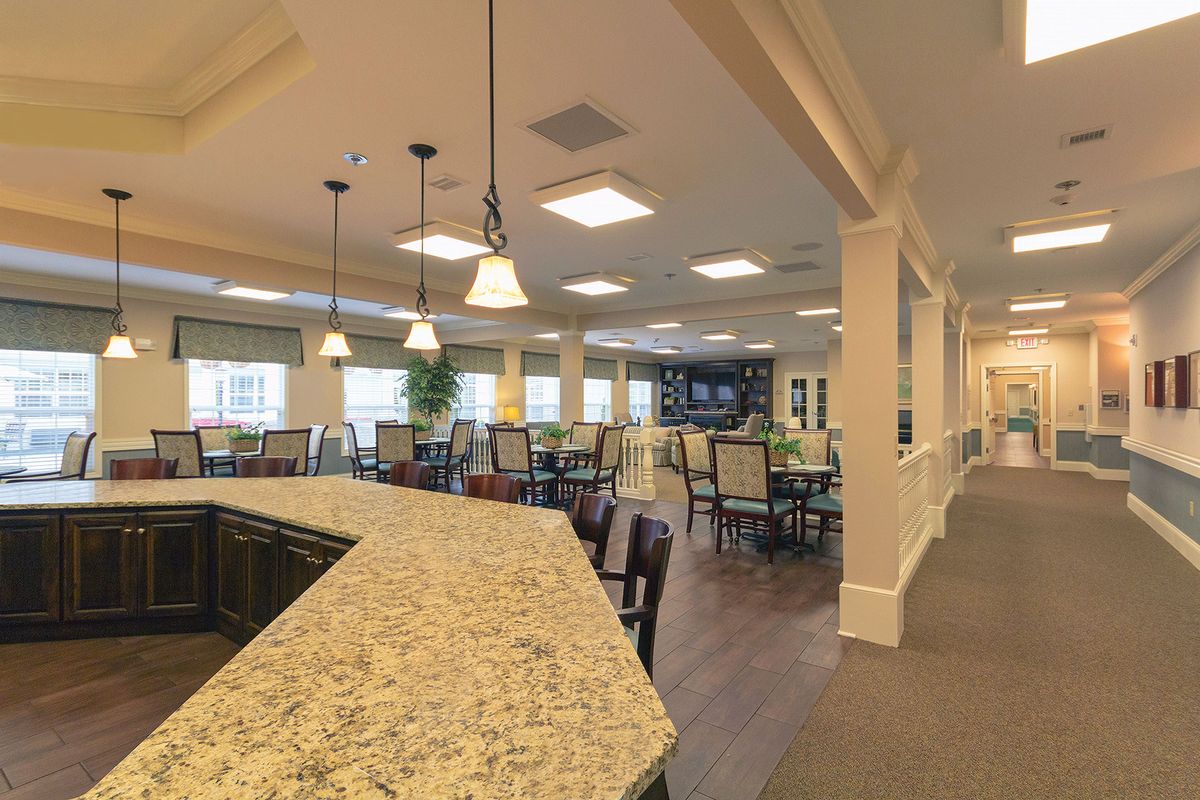
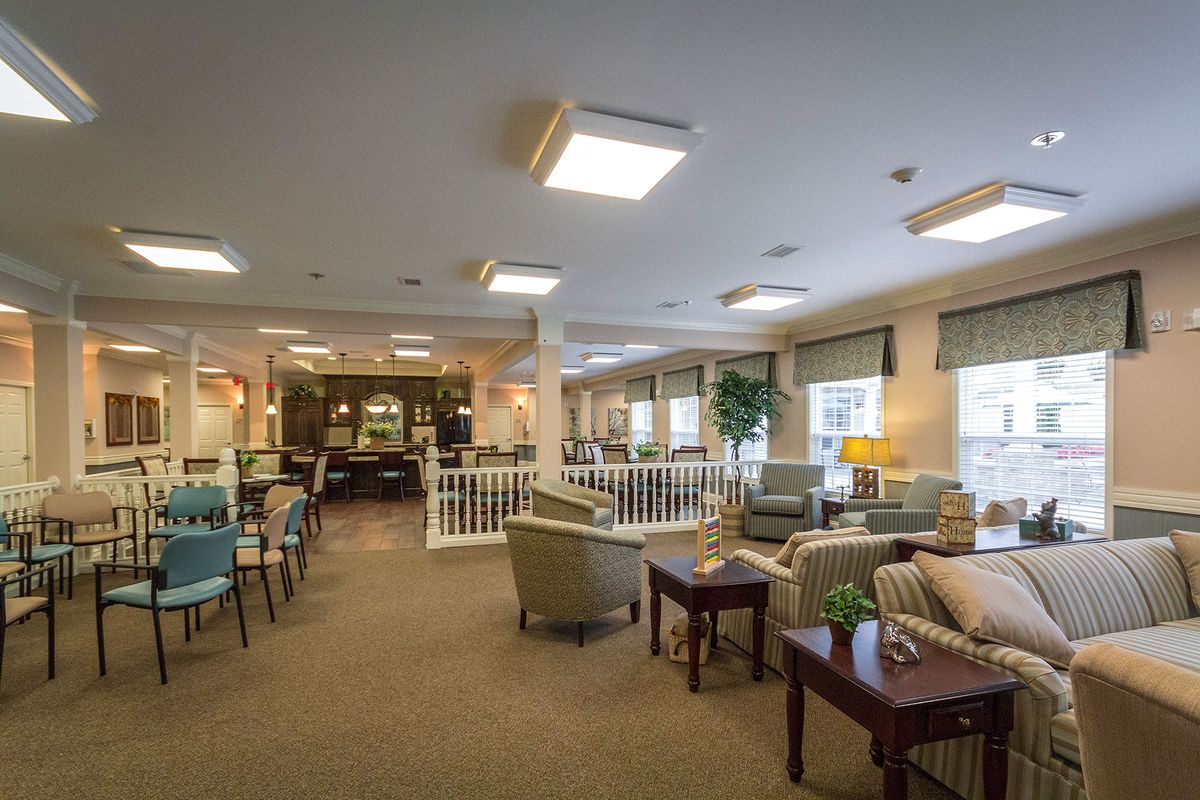
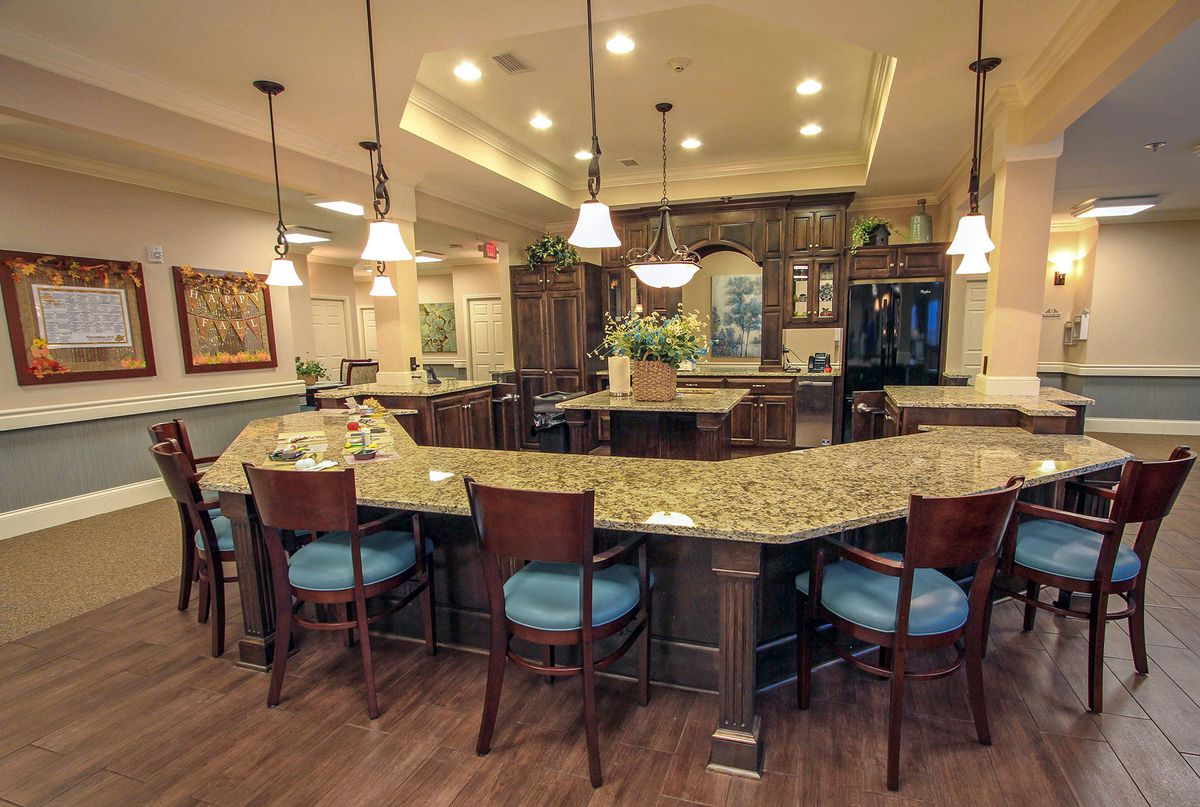
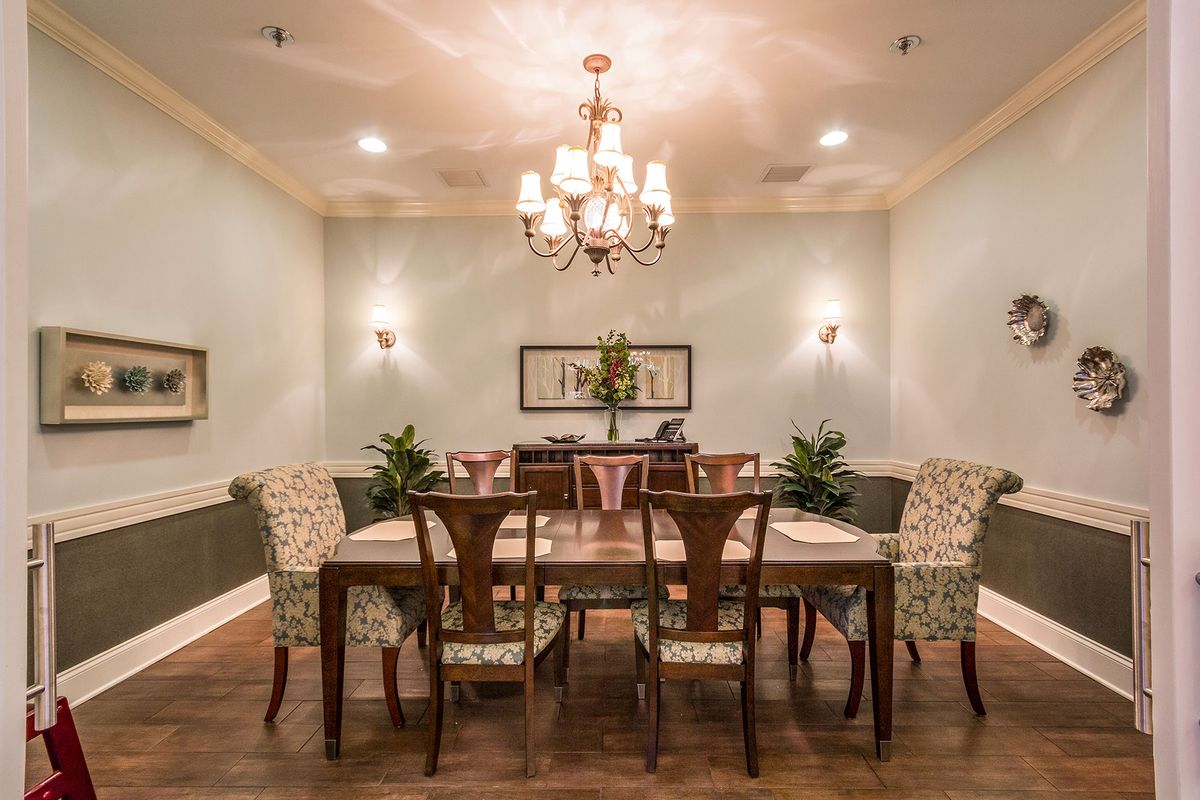
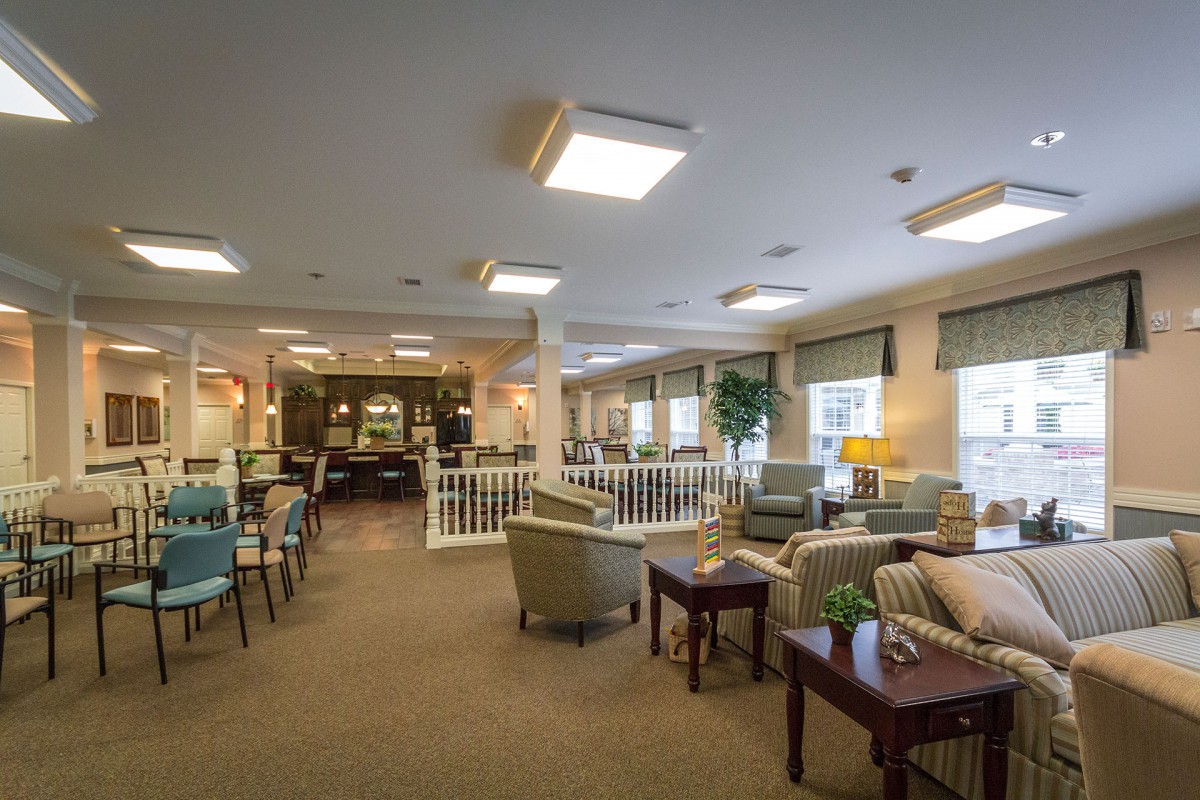
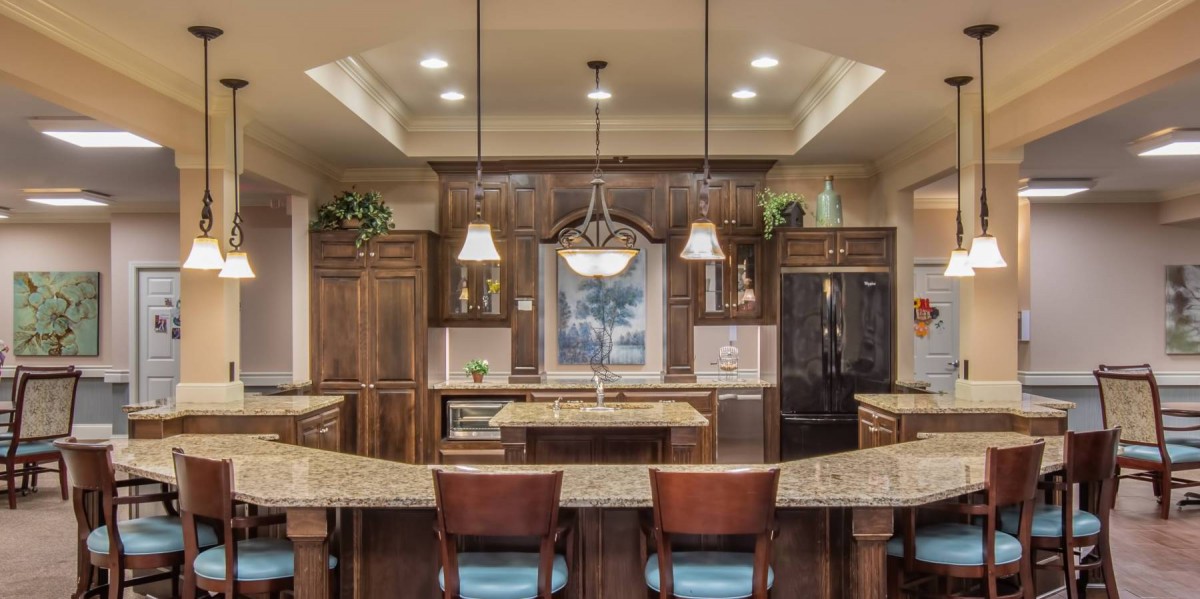
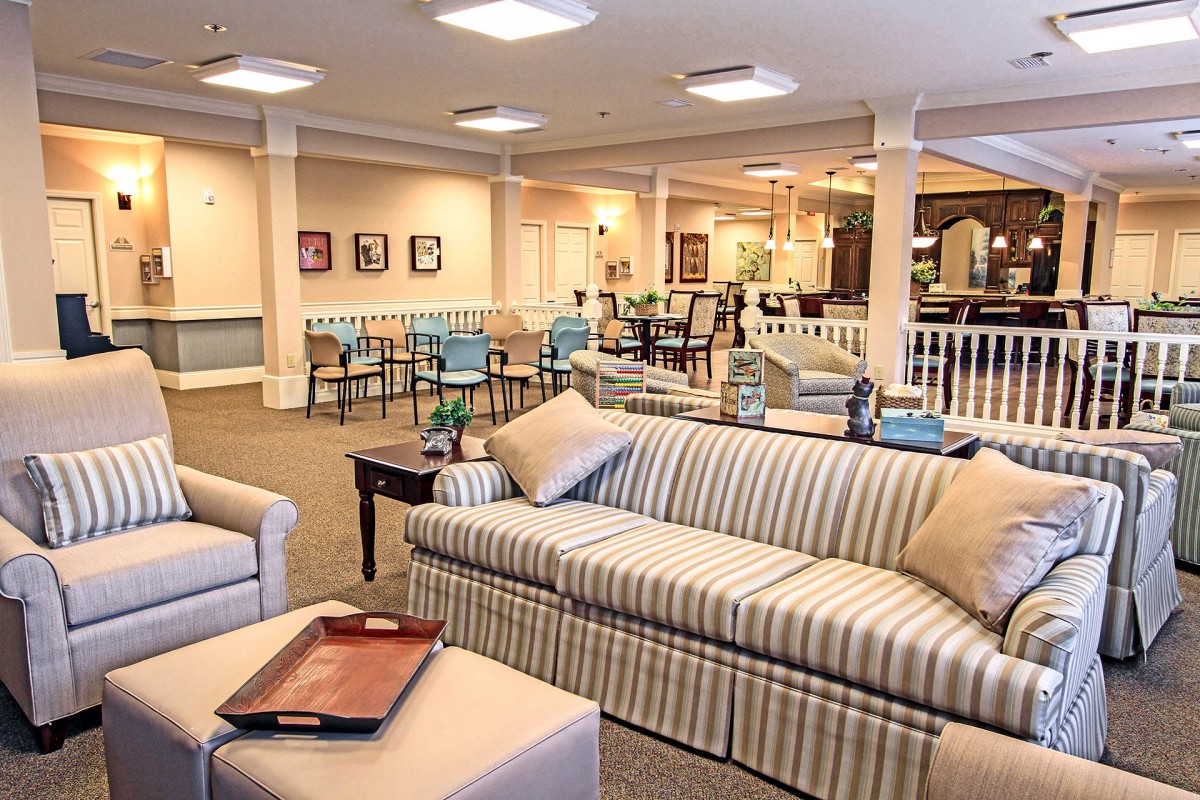
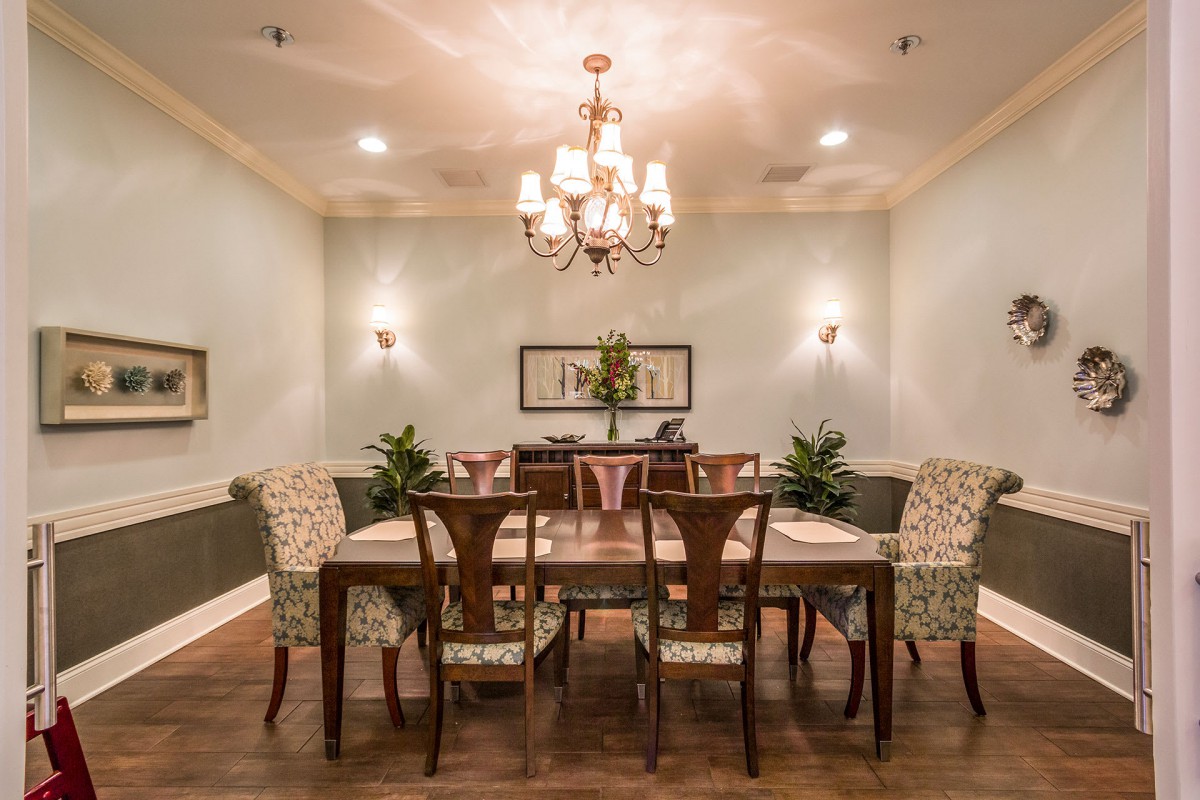
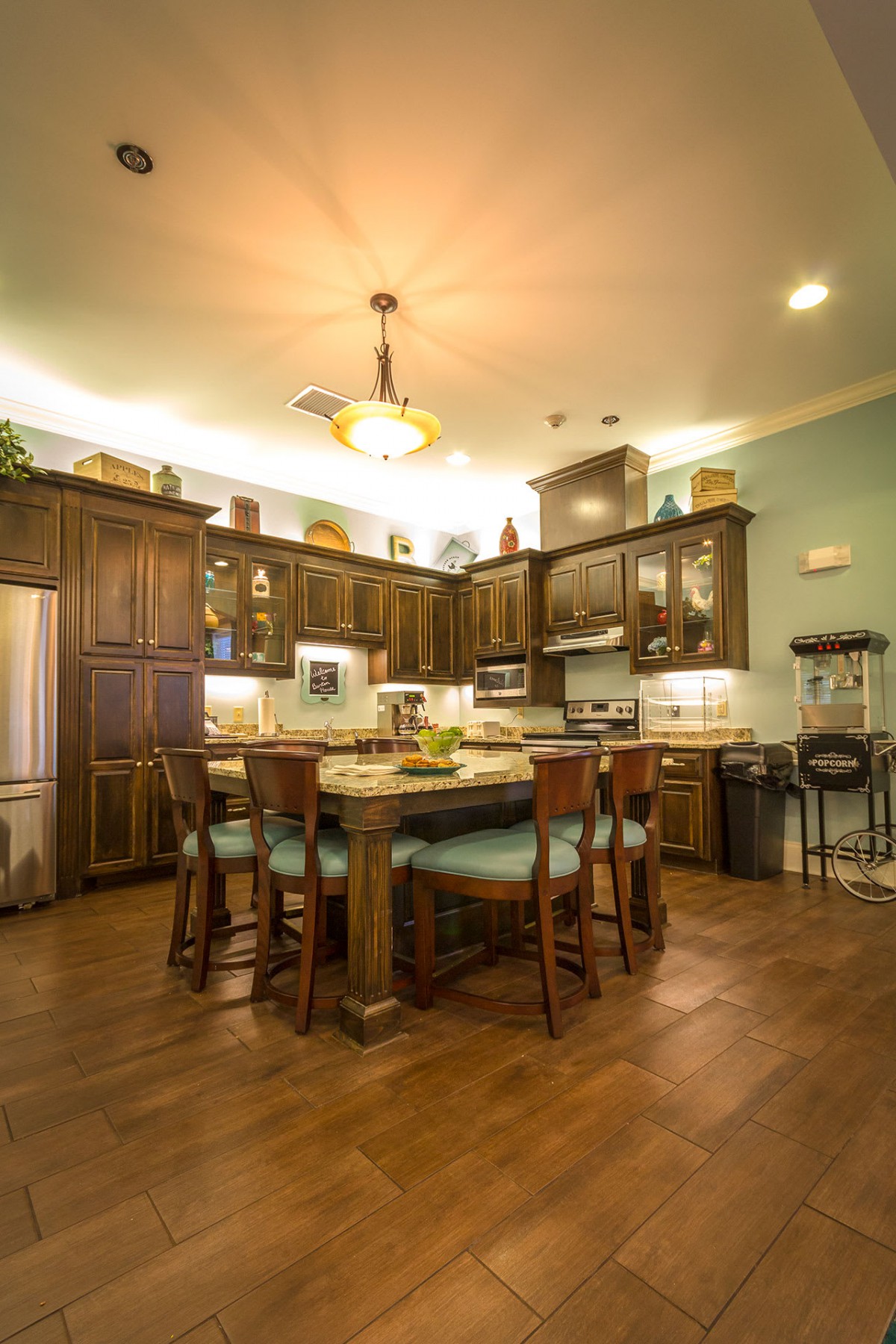
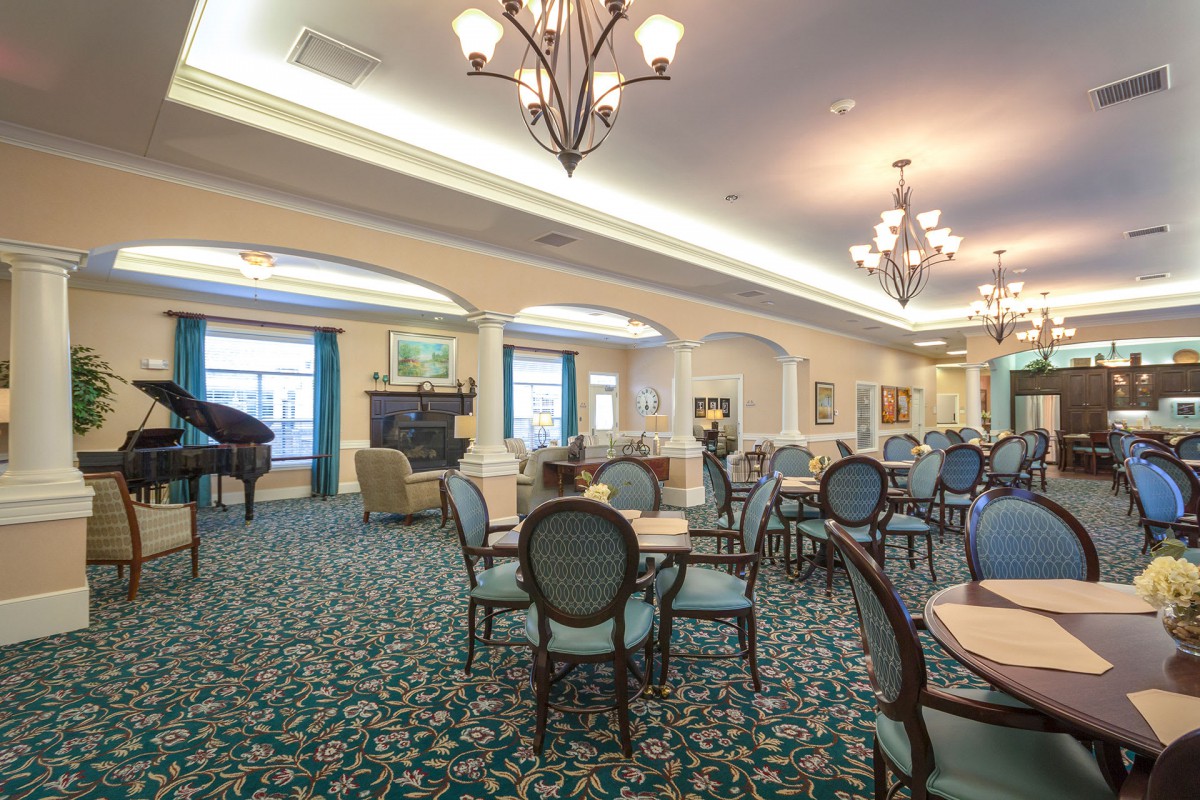
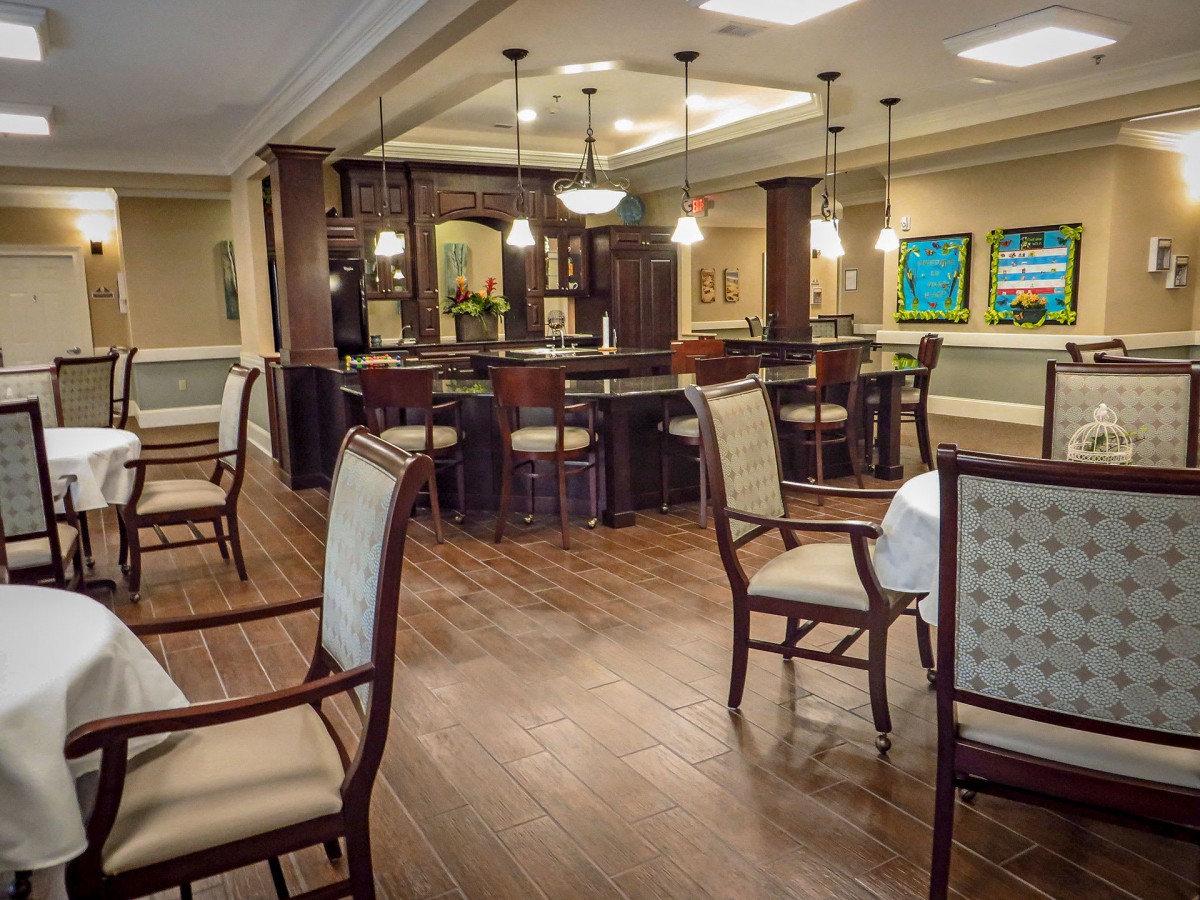
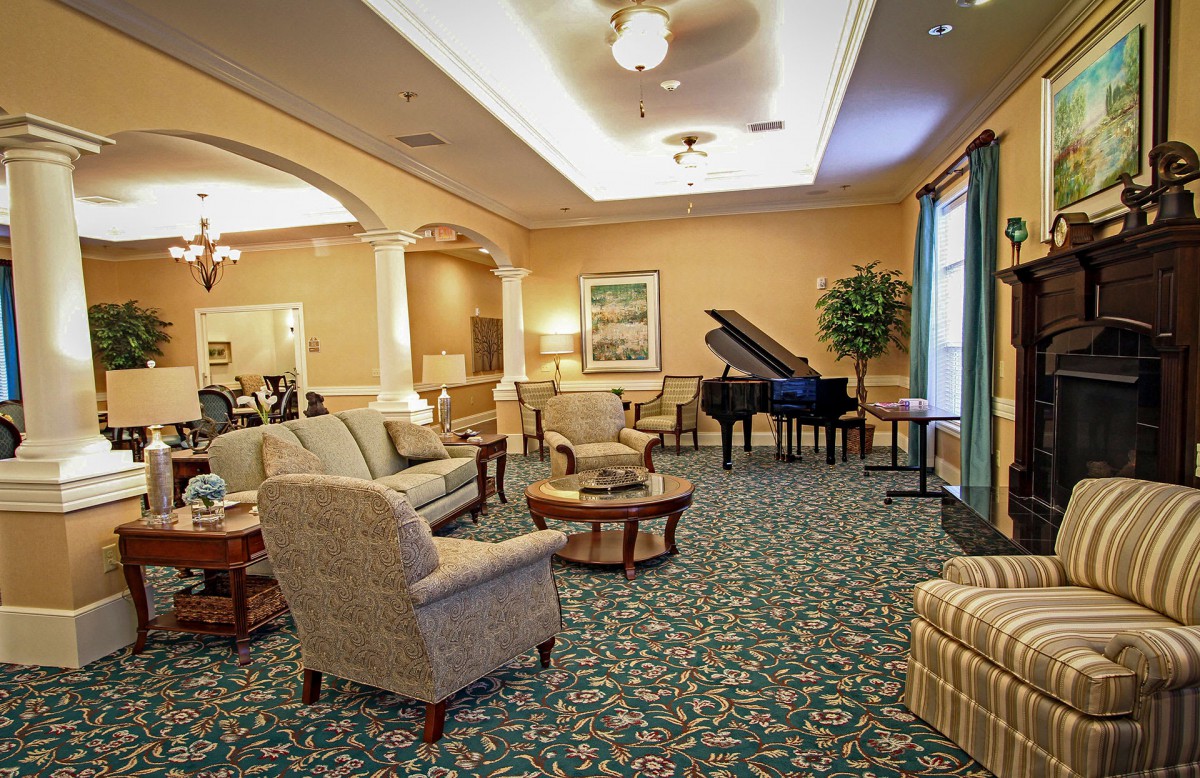
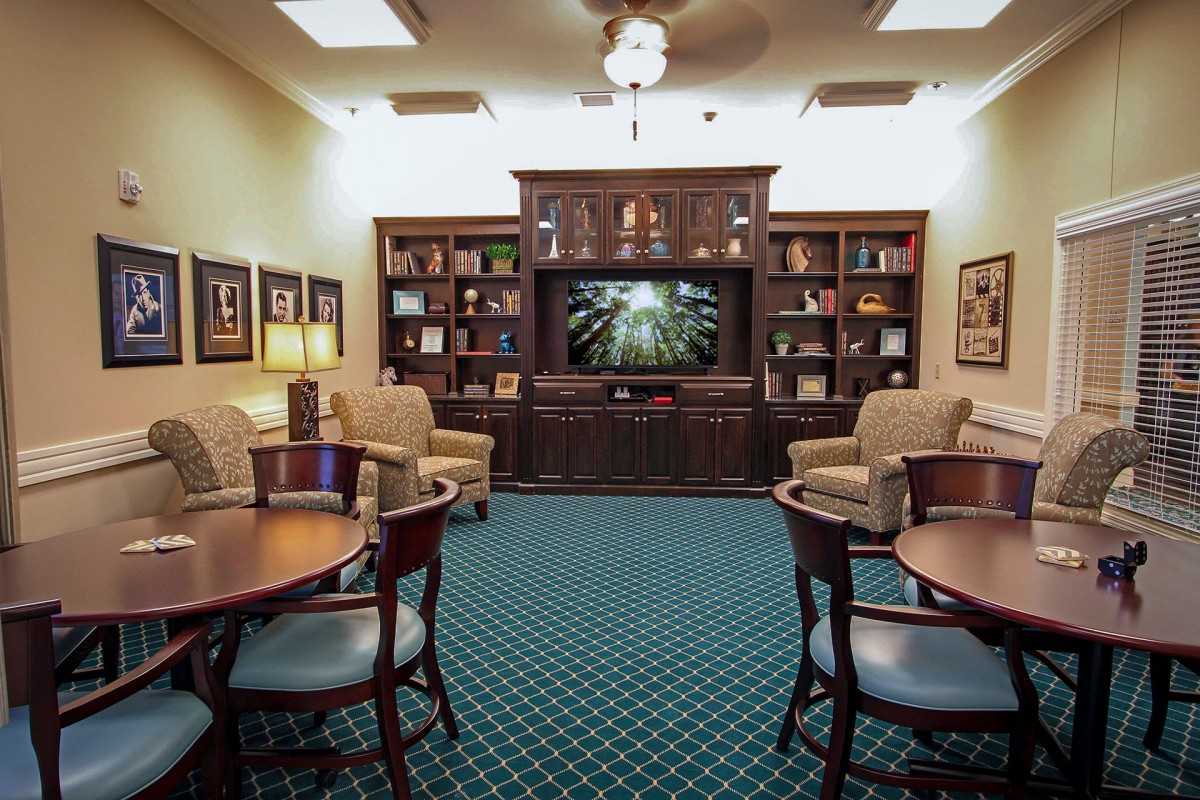
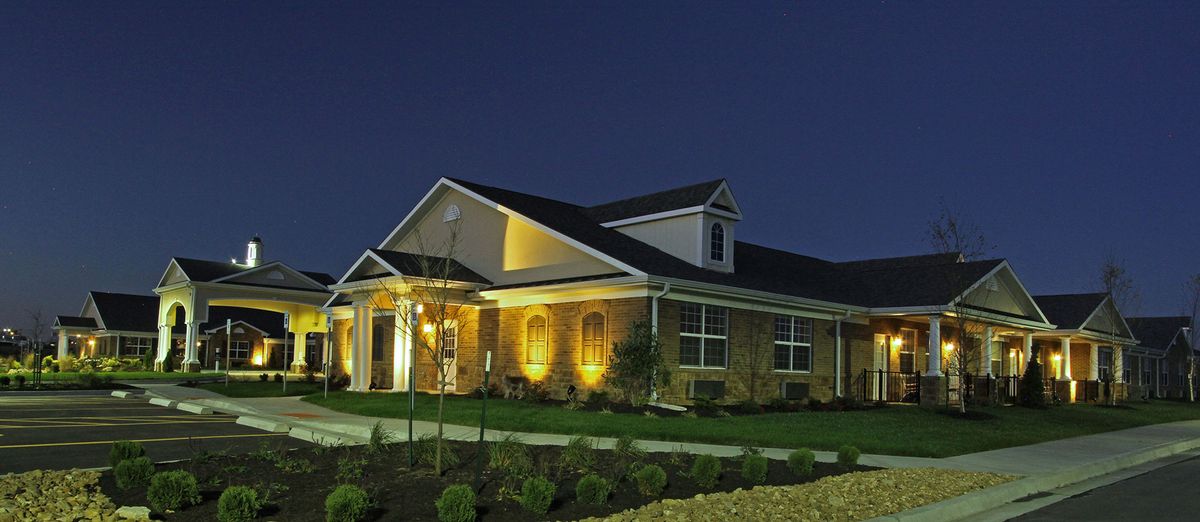
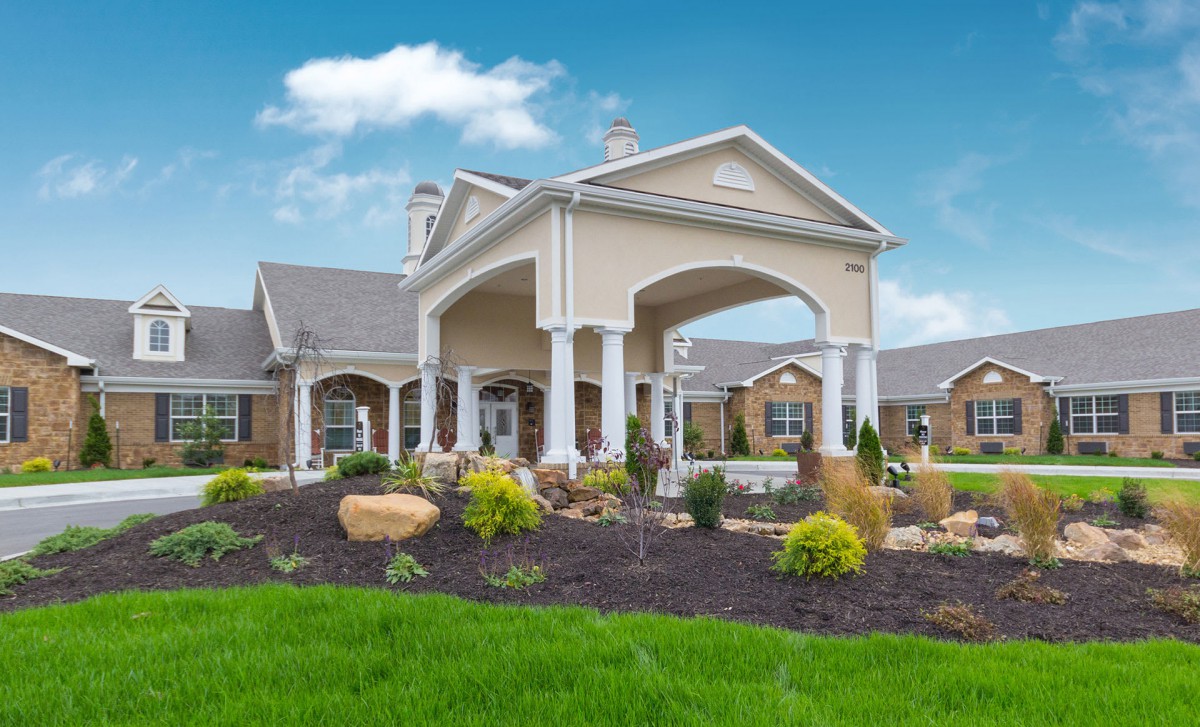
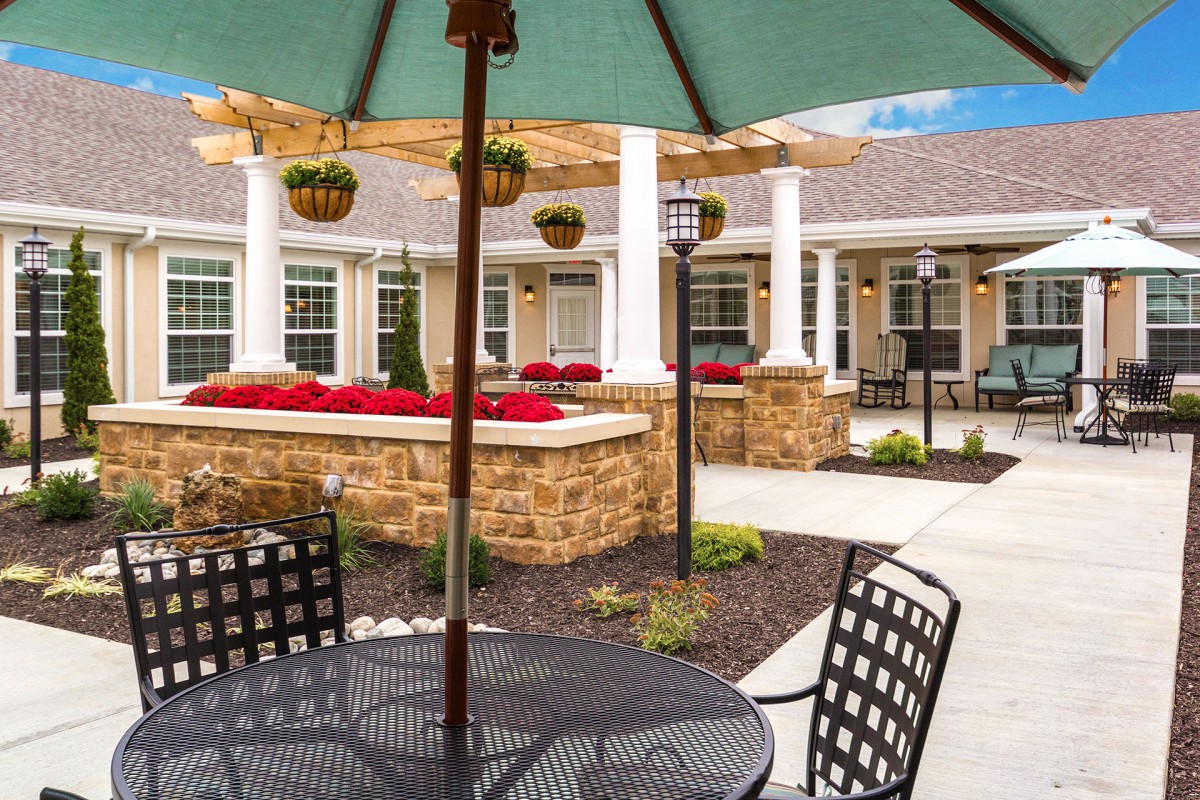
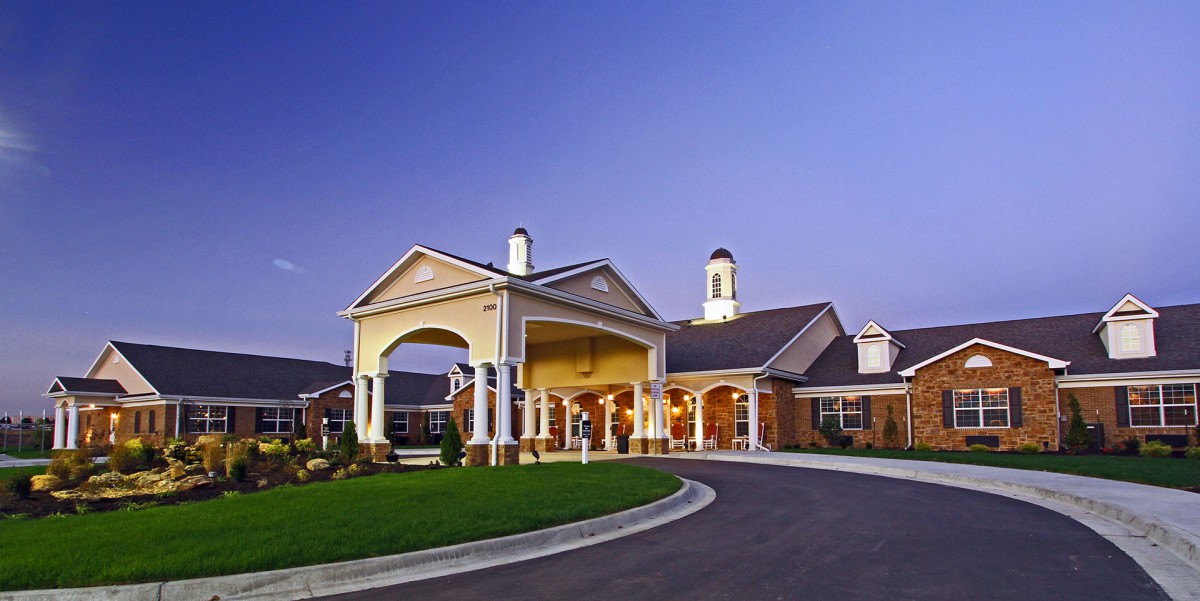
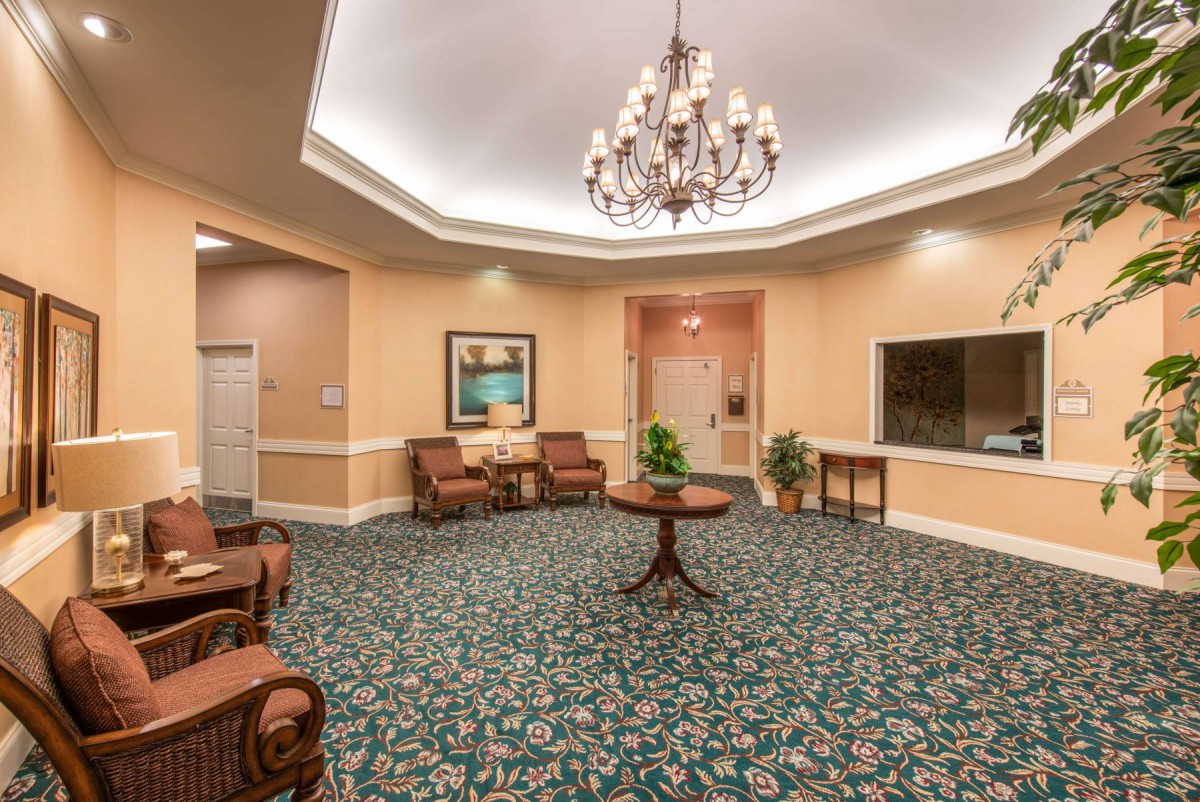
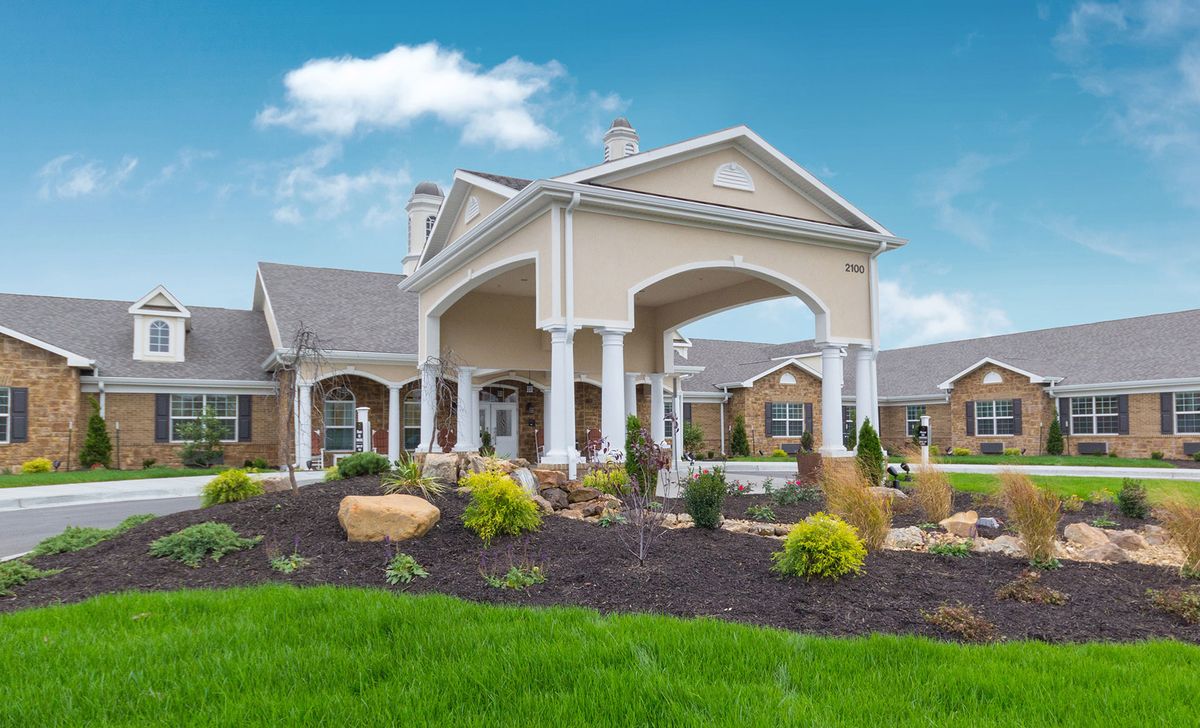
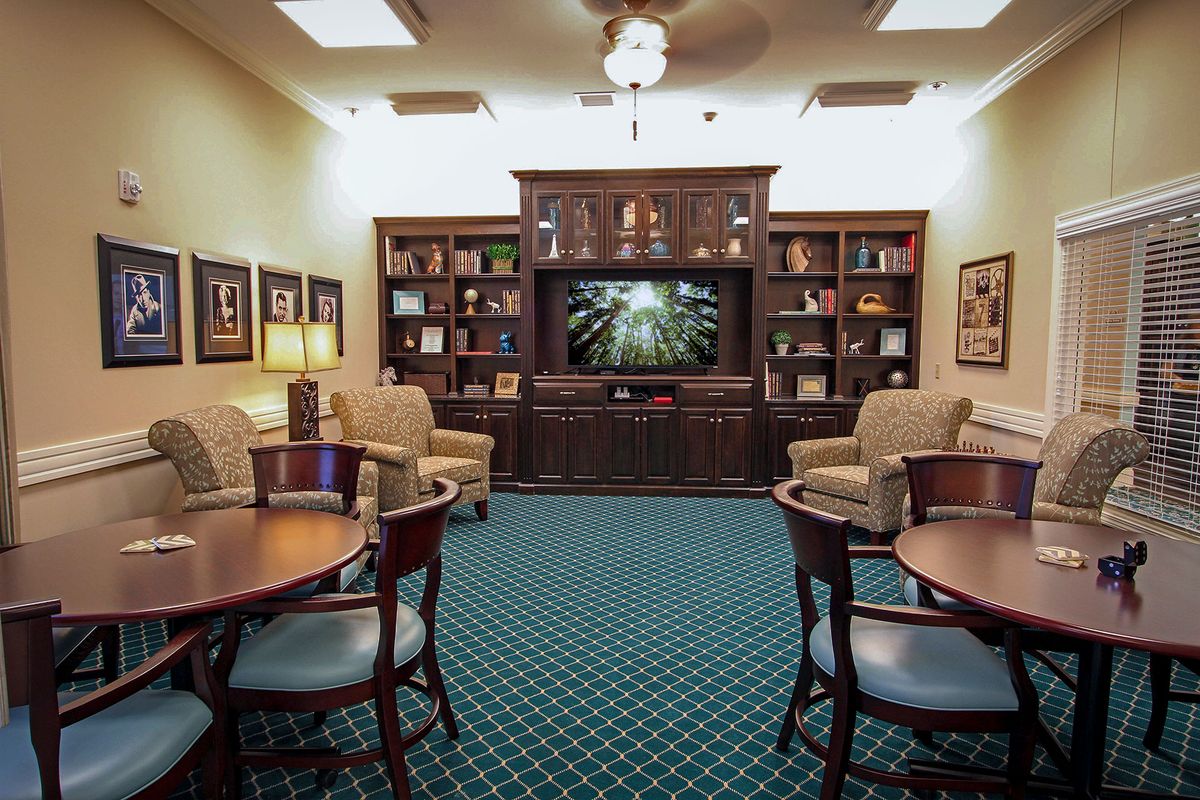
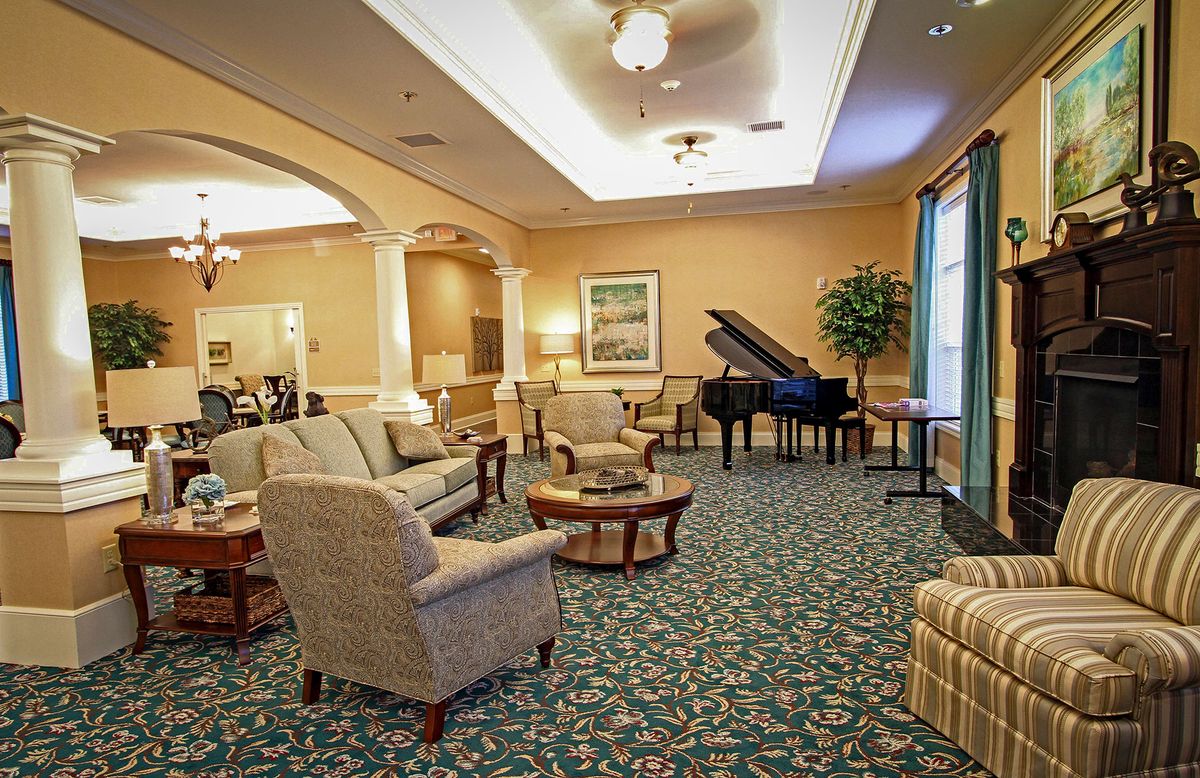
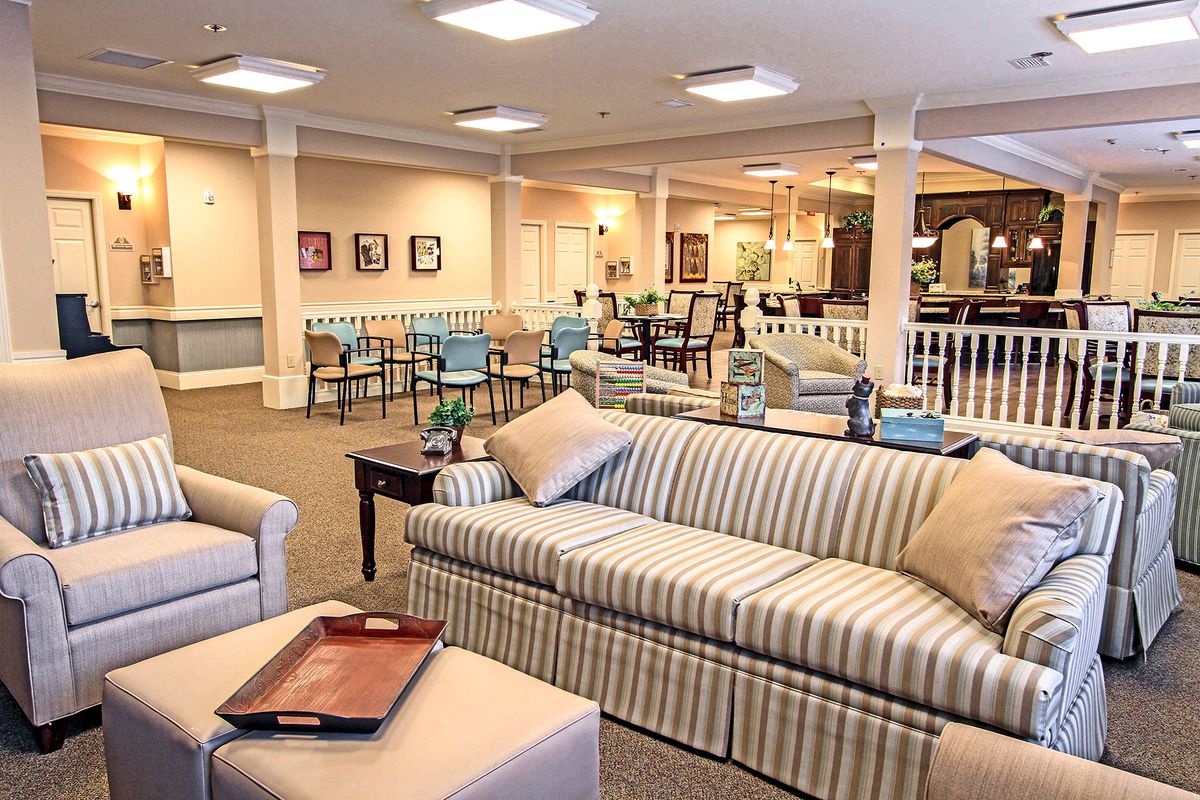
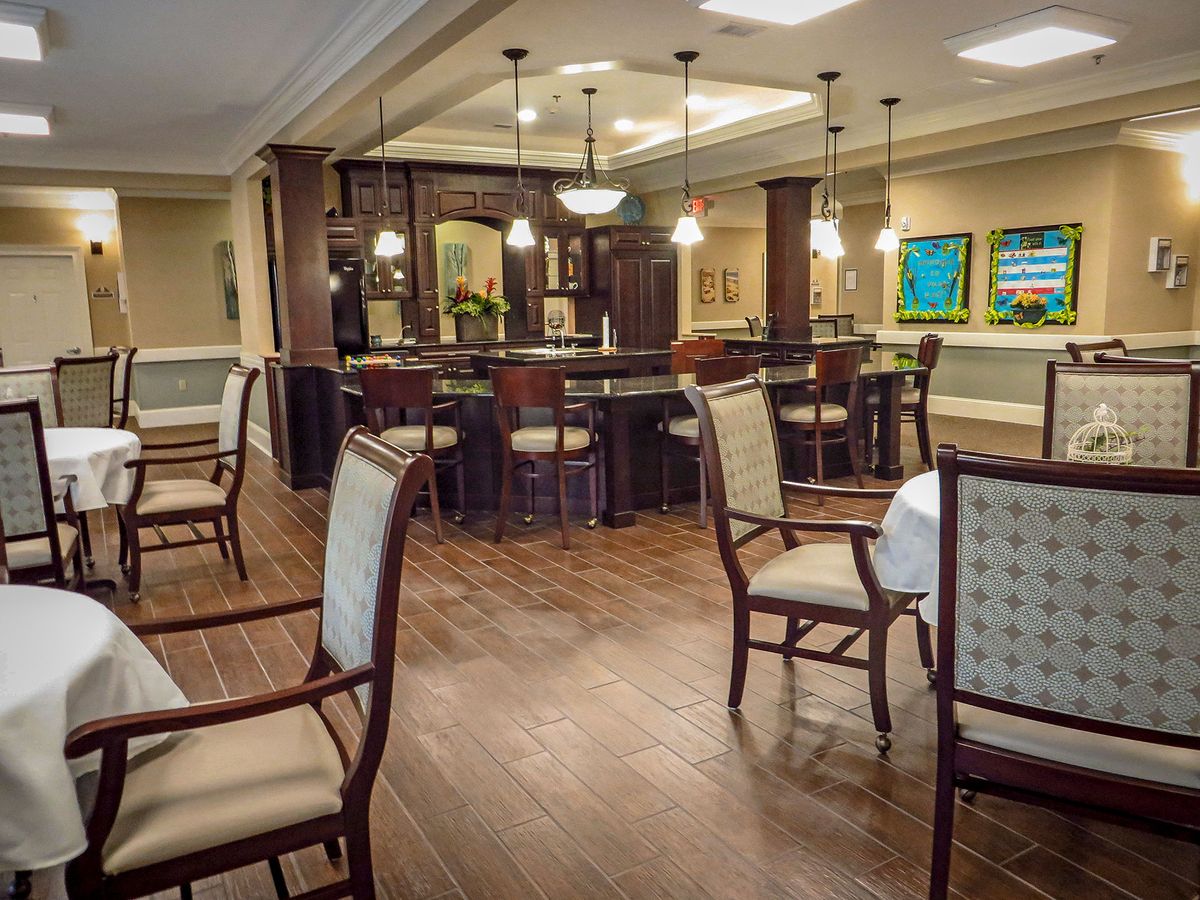
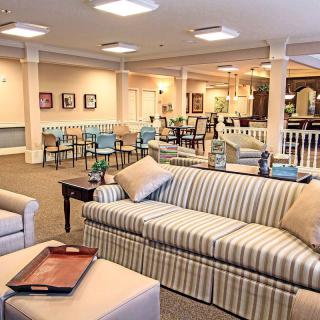
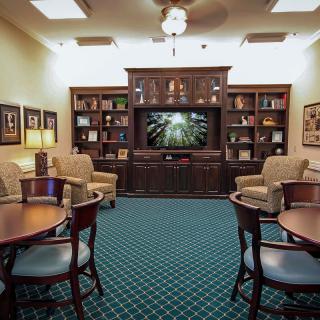
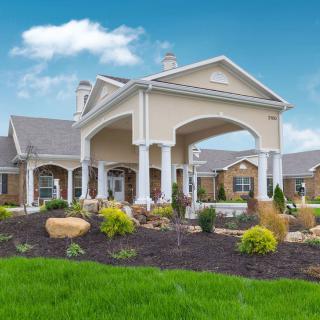
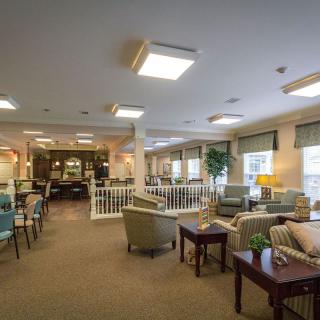
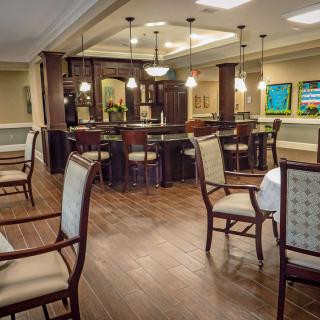
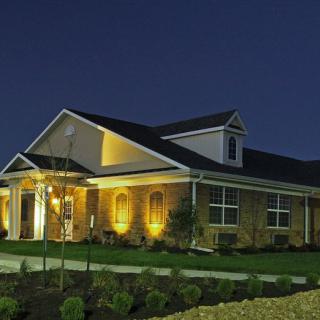
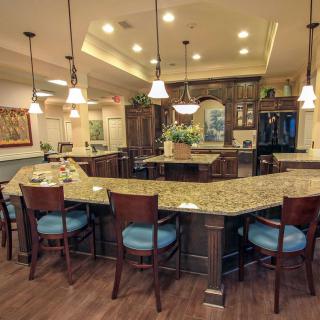
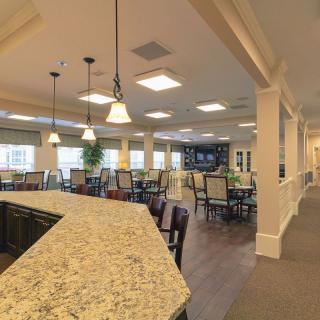
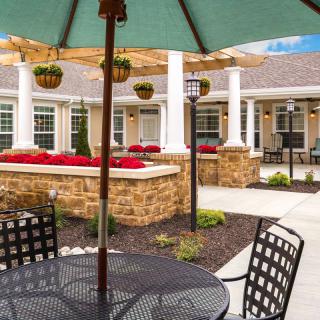
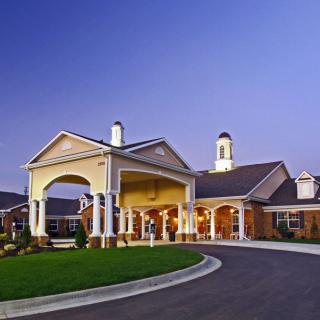
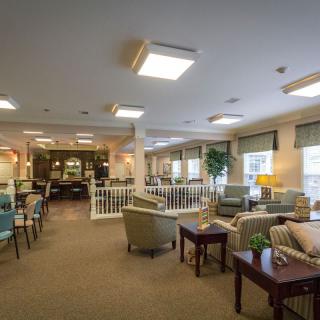
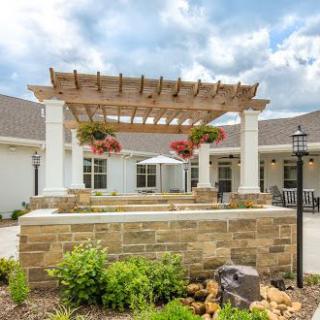
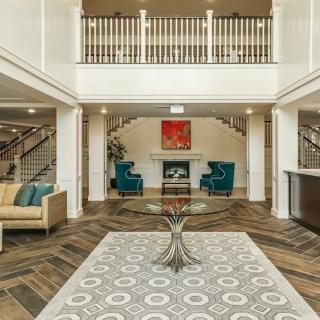
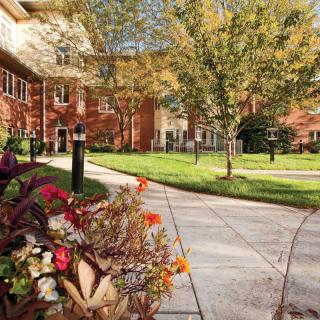
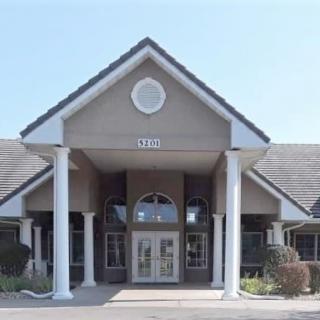
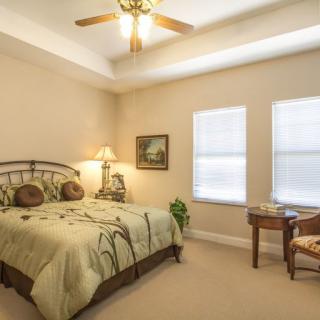
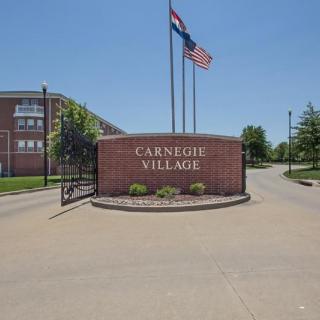
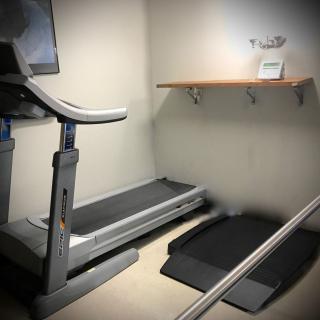
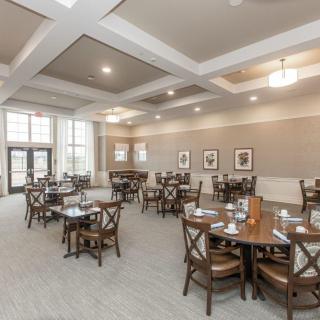
Benton House Of Raymore on seniors.fyi includes 27 photos including images showing interior, floor plan, seating area, dining, lighting, landscaping, living room, architecture, and more.
Nearby Communities
Greenleaf Estates
Belton, MO
4 from 6 reviews
Convenient access to cafes, parks, pharmacies, physicians, restaurants, and places of worship.
Foxwood Springs
Raymore, MO
4.2 from 65 reviews
$1,957 to $4,505 / month
Friendly staff and an active community with good dining and activities.
Cottages of Belton
Belton, MO
3.6 from 10 reviews
$533 to $652 / month
Carnegie Village Senior Living Community
Belton, MO
4.3 from 148 reviews
Inclusive, friendly community with responsive staff and varied activities.
Carnegie Village Senior Living Community
Belton, MO
4.1 from 170 reviews
$1,950 to $2,750 / month
Caring frontline staff; clean, welcoming setting with multiple care levels and affordable pricing.
Carnegie Village Rehab
Belton, MO
4.5 from 100 reviews
Fully furnished rooms with 24/7 supervision, personalized care, and active social programs.
Bristol Manor of Raymore
Raymore, MO
3.5 from 18 reviews
$2,100 to $3,100 / month
Small, intimate community with attentive, caring staff.
Village At Carroll Park
Grandview, MO
4.6 from 57 reviews
Attentive, caring staff in a clean, homestyle environment.
The Madison Senior Living
Kansas City, MO
4.5 from 162 reviews
$2,300 to $4,375 / month
Friendly, attentive staff and a clean, well-equipped community.
Dementia leads to cognitive impairment and can cause emotional and behavioral changes, including aggression that arises from frustration, confusion, or fear. Effective coping strategies for caregivers include understanding dementia's nature, recognizing triggers, using empathetic communication, and employing non-pharmacological interventions like music and art therapy.
Dementia causes cognitive decline and challenging behaviors that caregivers must manage, necessitating an understanding of the neurological basis of these issues. Effective strategies and self-care for caregivers can enhance support for those with dementia and improve their daily lives.
The content outlines five key early indicators of dementia, including significant memory loss and confusion about time and place, while emphasizing the need for professional evaluation and emotional support for both individuals showing symptoms and their caregivers. It encourages family members to monitor these signs closely and use online quizzes for initial awareness.
Get PricingAsk A QuestionSchedule A TourContact Senior Advisor
By clicking submit, you agree to our Partner's Terms of Use. You
also consent to receive calls and texts, which may be autodialed, from our Partner. Your consent is not a condition to
using our Partner's service. Please visit our Partner's Privacy Policy for information about their privacy practices.


 80 resident community capacity
 Assisted Living
 Memory Care
 Respite Care
 Cats allowed
 Dogs allowed
 Activities off-site
 Air-conditioning
 Beautician on-site
 Cable or satellite TV
 Computer center
 Devotional services off-site
 Dining room
 Fitness room
 Fully furnished
 Gaming room
 Garden
 Ground floor units
 Handicap accessible
 Housekeeping services
 Indoor common areas
 Kitchenette
 Move-in coordination
 Outdoor common areas
 Private bathrooms
 Restaurant-style dining
 Small library
 Telephone
 Wellness center
 Wheelchair accessible showers
 Wi-Fi/high-speed internet available
 Community operated transportation
 12-16 hour nursing
 24-hour call system
 Ambulatory care
 Assistance with bathing
 Assistance with dressing
 Assistance with transfers
 Diabetes diet
 Diabetic care
 Incontinence care
 Medication management
 Mental wellness program
 Special dietary restrictions
 Art classes
 Concierge services
 Cooking classes
 Day trips and outings
 Educational speakers / life long learning
 Happy hour
 Karaoke
 Visiting chaplain or priest
 Wine tasting
 Convenient access to cafes, parks, pharmacies, physicians, restaurants, and places of worship.

 When Dementia Sparks Anger and Aggression: Understanding the Connection and Ways to Cope
 Dementia Behaviors: In-Depth Understanding and Effective Coping Strategies
 5 Early Indicators of Dementia and What You Can Do