The Madison Senior Living in Kansas City, MO

Save

  • Interior

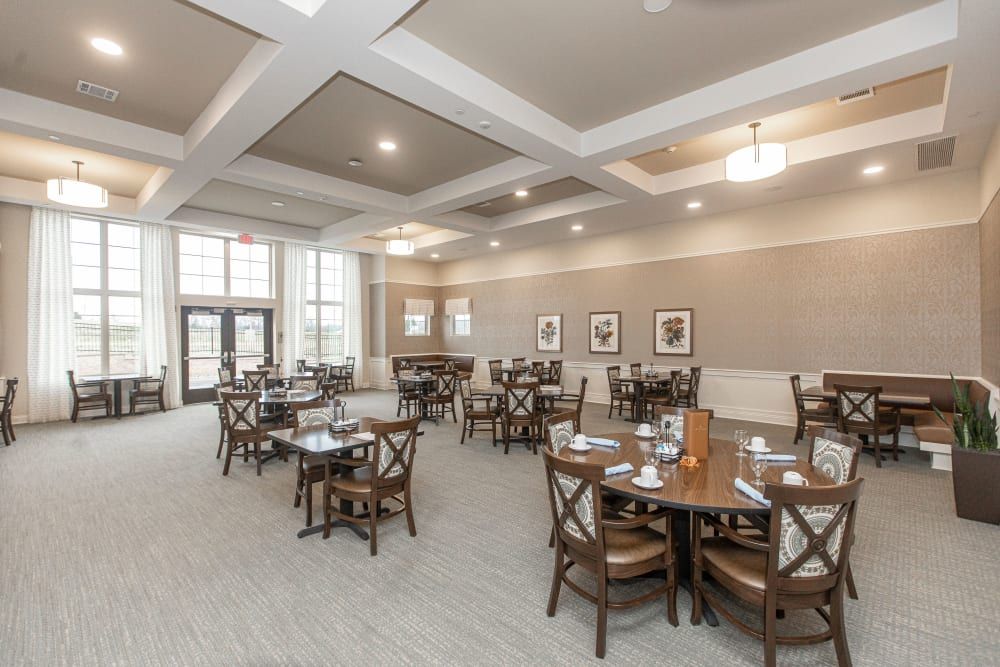
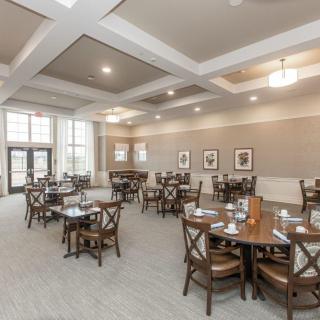
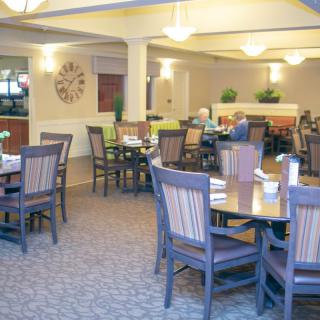
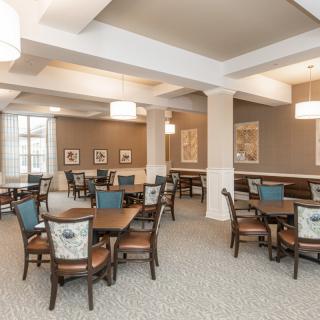
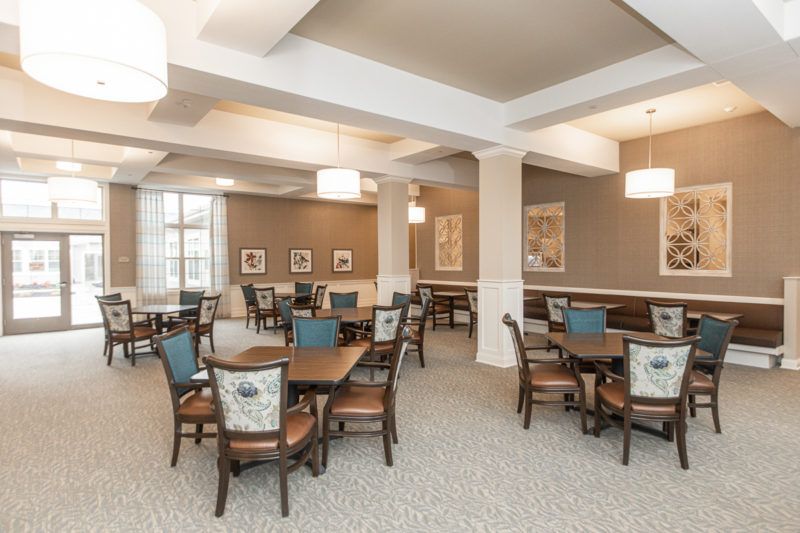
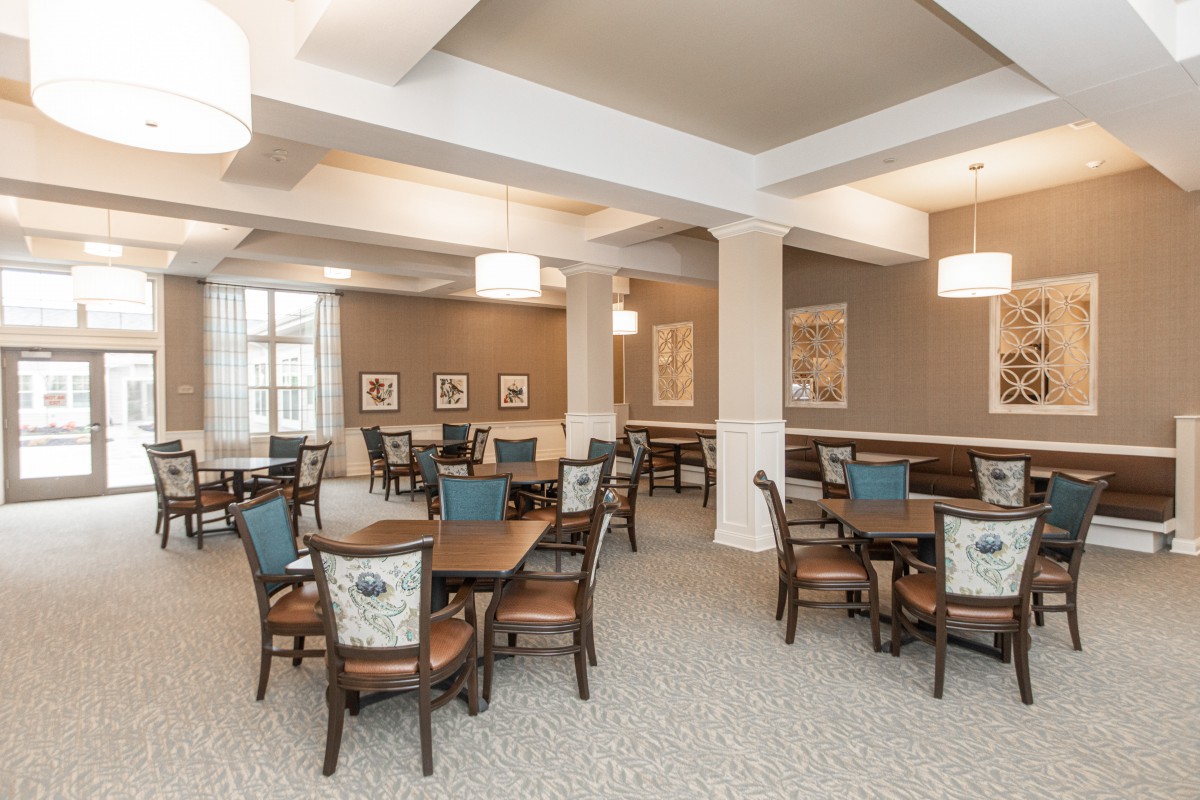
    A spacious dining room with neatly arranged tables and chairs, featuring elegant lighting and decor.
  • Decor

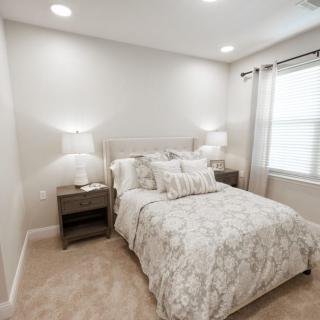
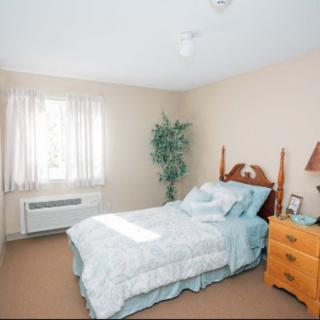
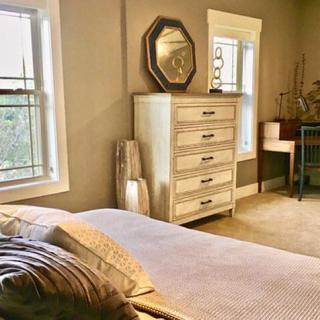
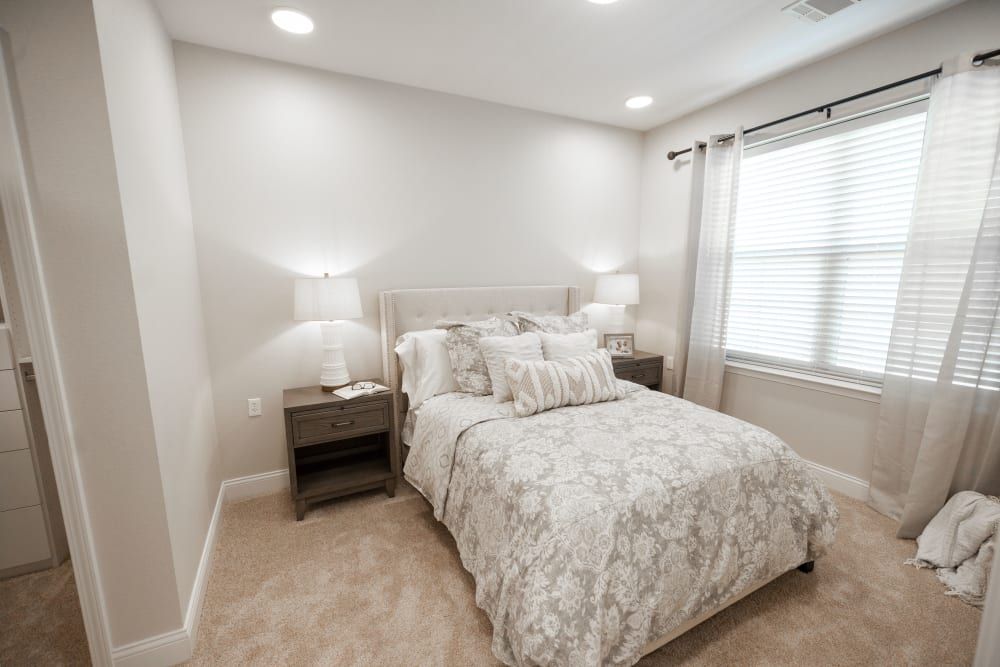
    A cozy bedroom featuring a neatly made bed with decorative pillows, a nightstand with a lamp, and a framed photo.
  • Living Room

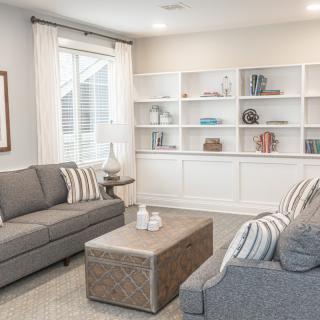
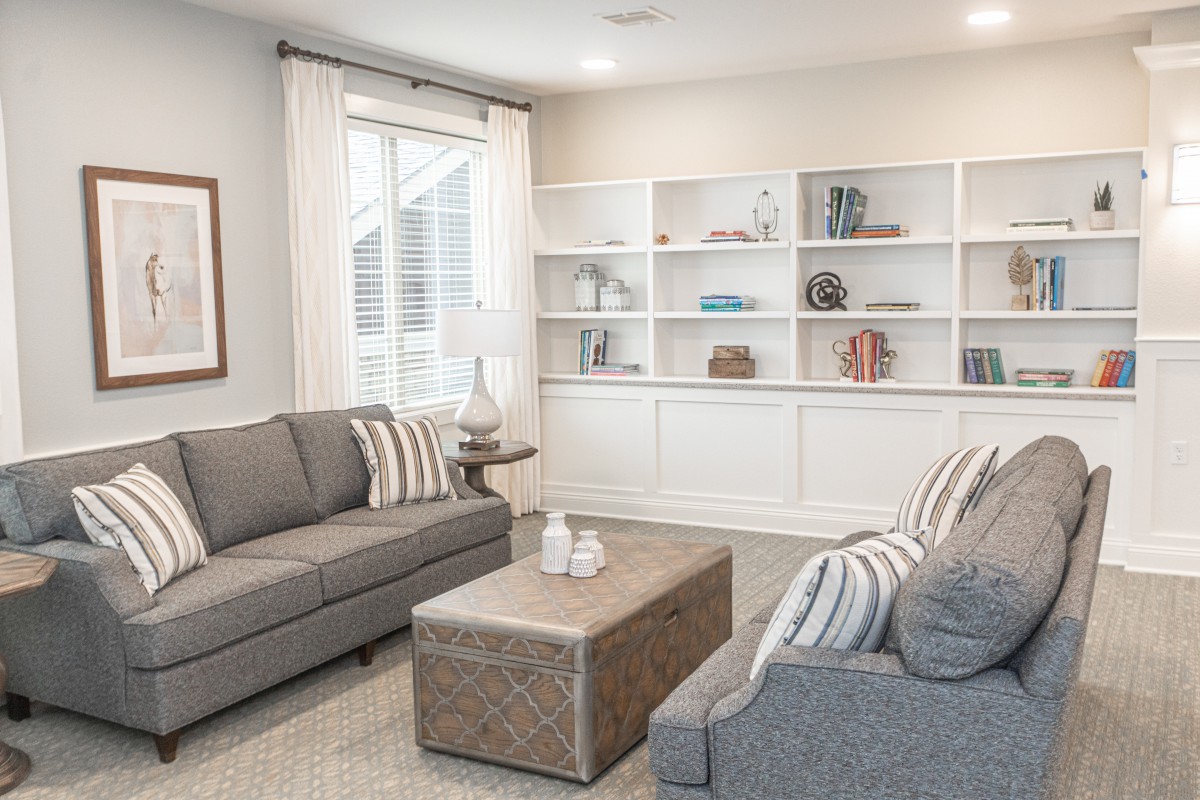
    A modern living room with neutral tones featuring two gray sofas, a central table, and a large white bookshelf.
  • Building

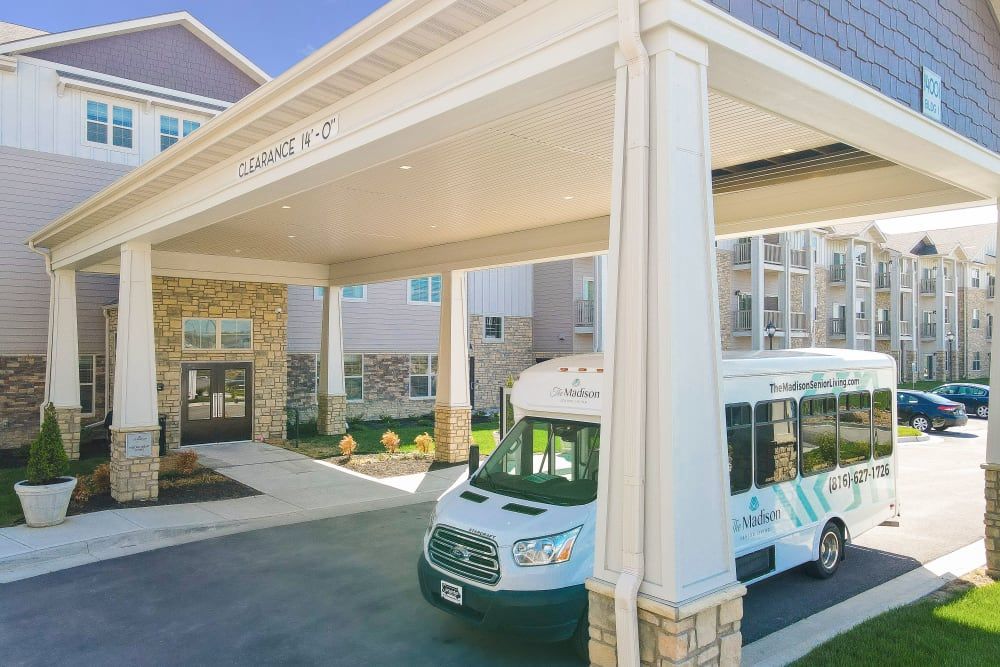
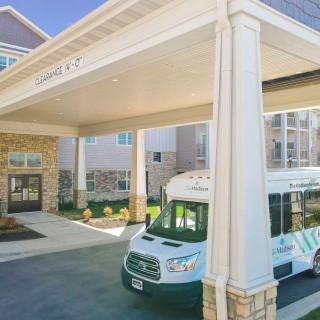
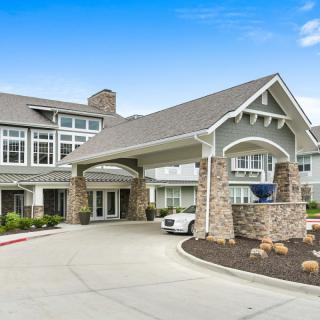
    A van parked under the covered entrance of a modern building.
  • Architecture

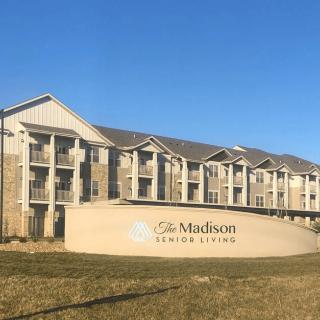
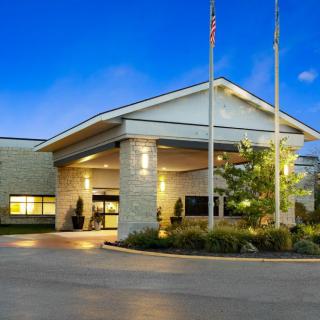
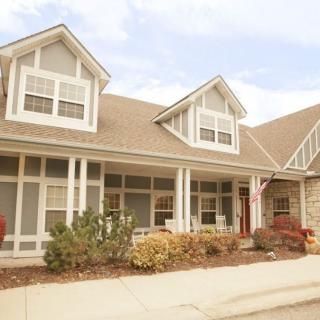
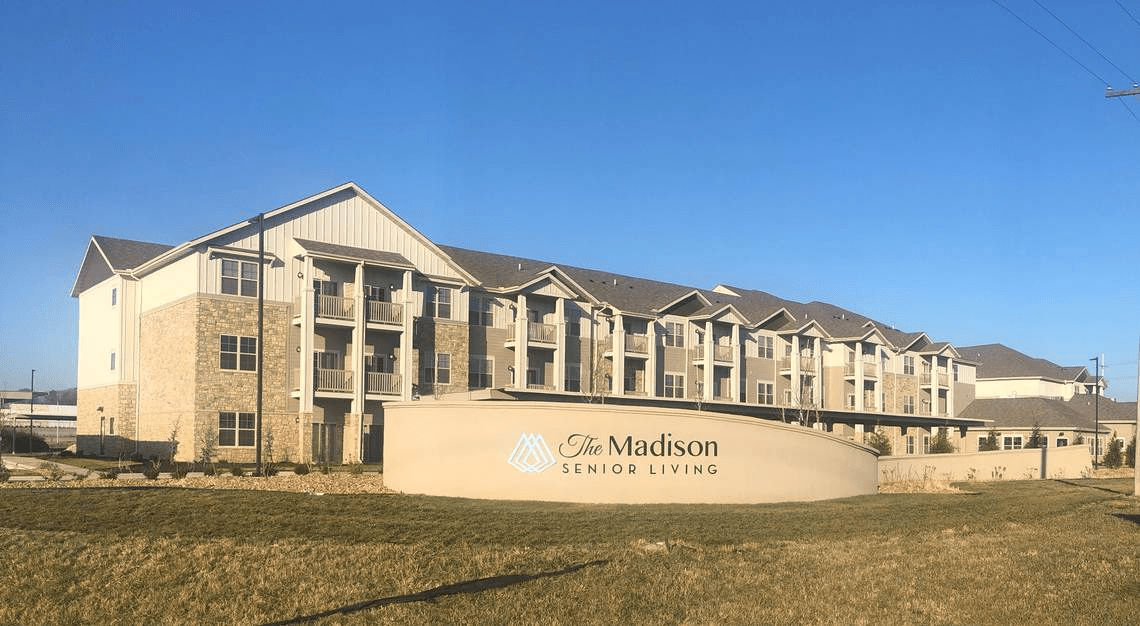
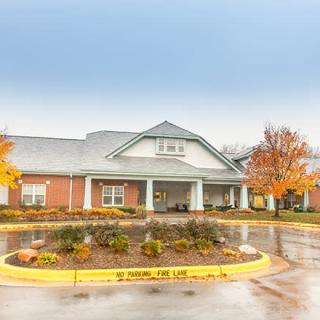
    The Madison Senior Living complex on a clear day.
  • Bedroom

    A cozy and well-decorated bedroom with a neatly made bed, nightstands, and lamps.
  • Windows

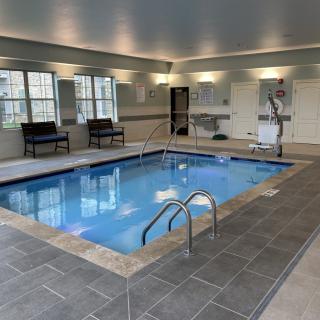
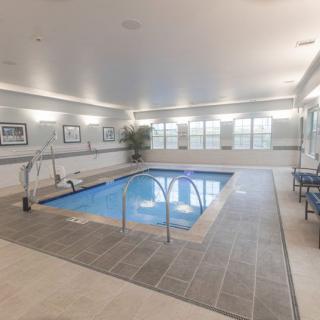
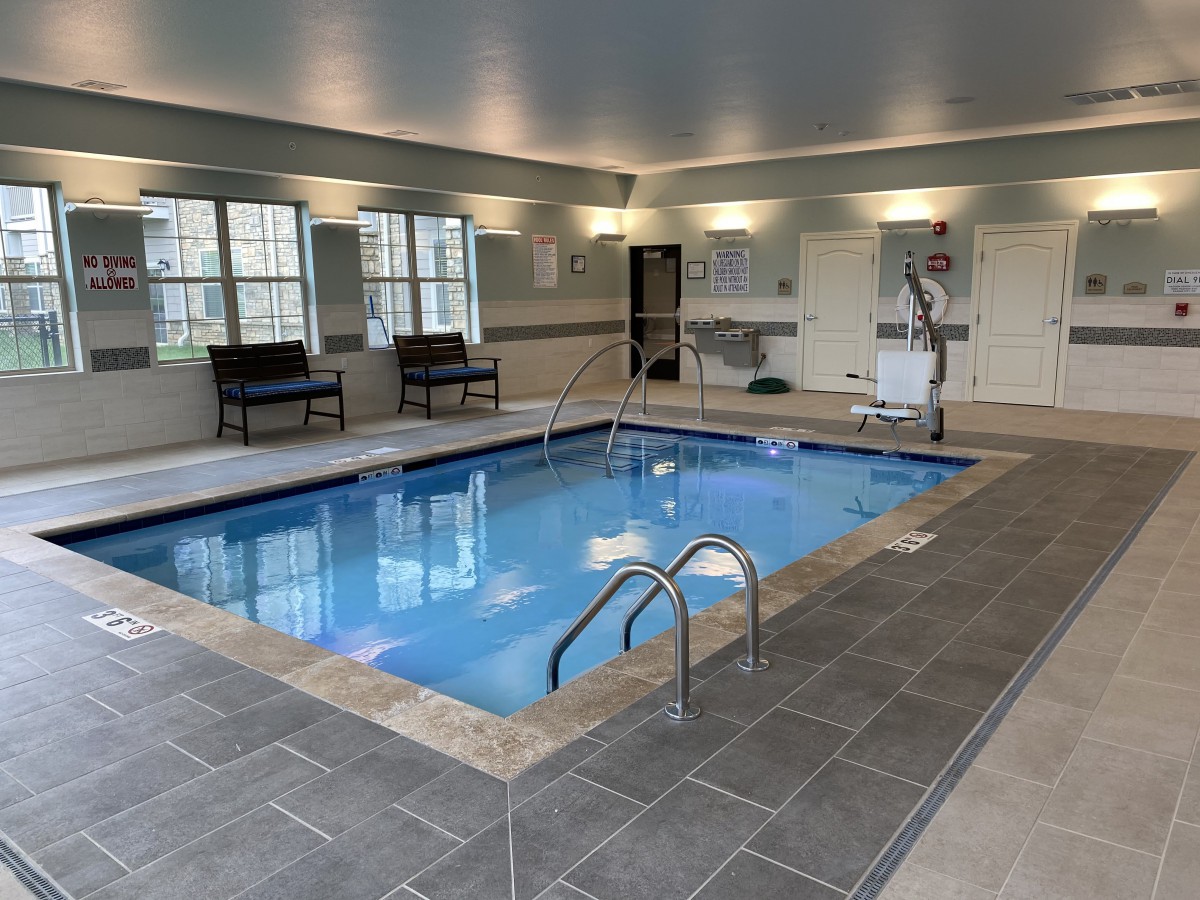
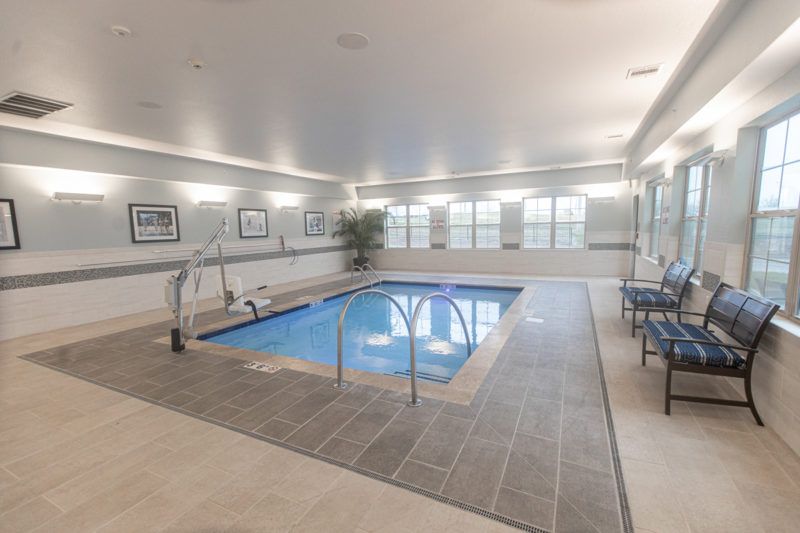
    A modern indoor swimming pool with seating and bright overhead lighting.
  • Dining

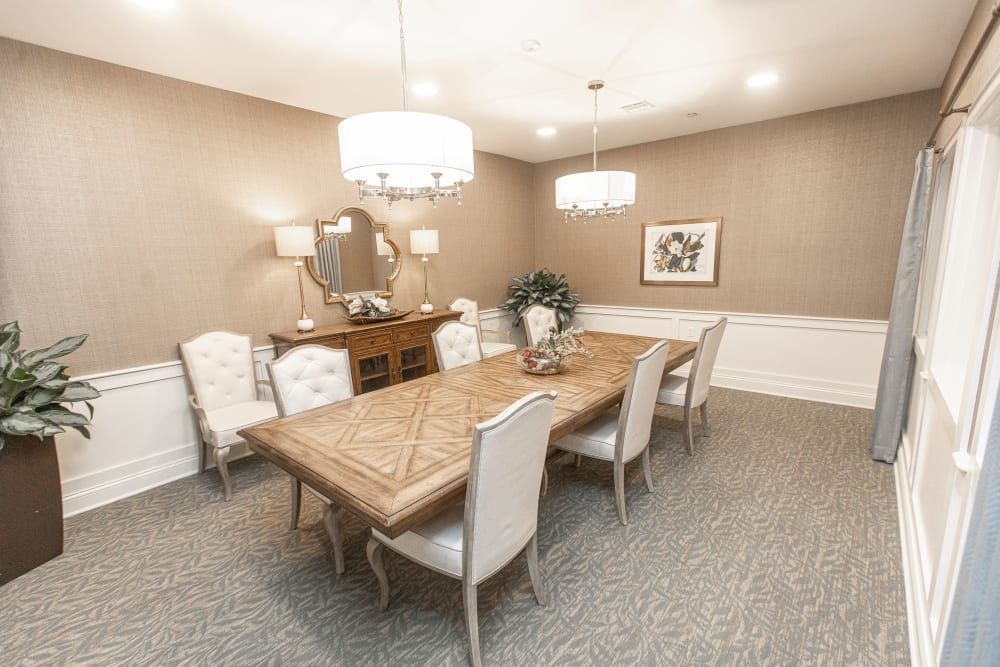
    A well-decorated dining room featuring an elegant table and chairs, with stylish chandeliers and artwork.
  • Lighting

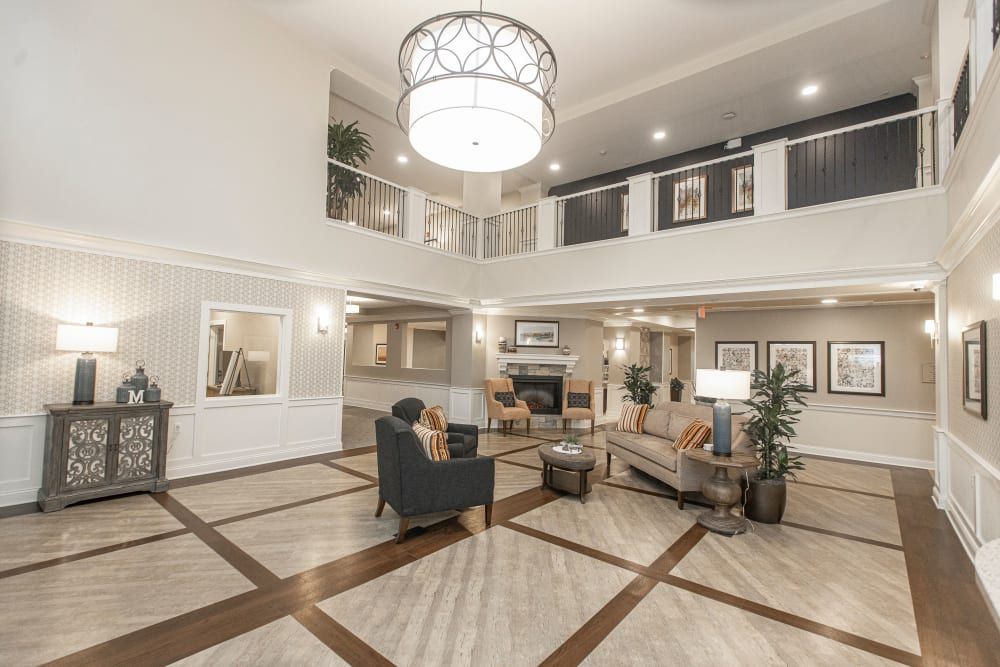
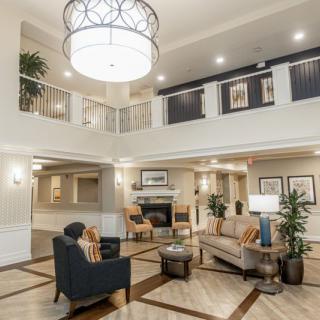
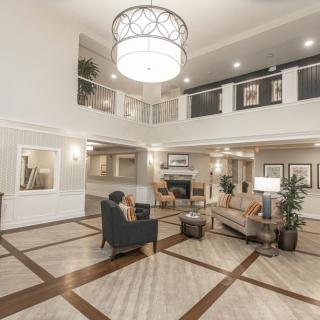
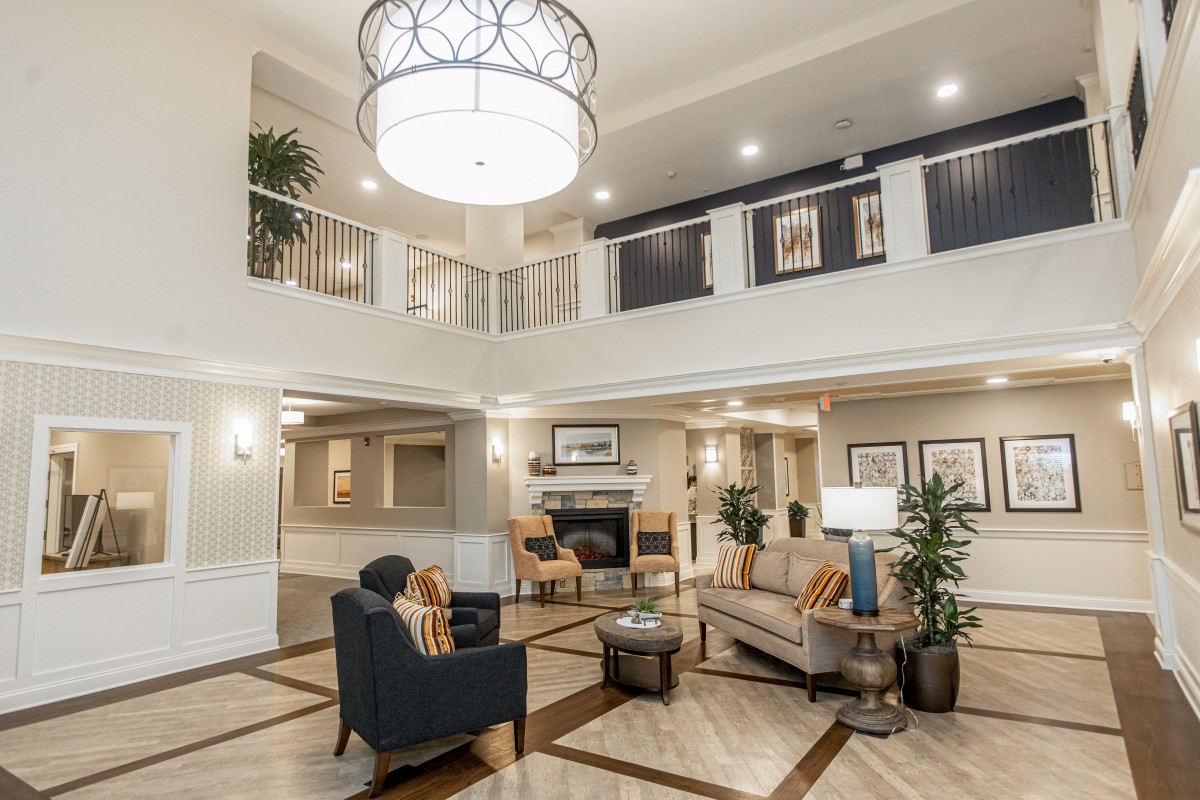
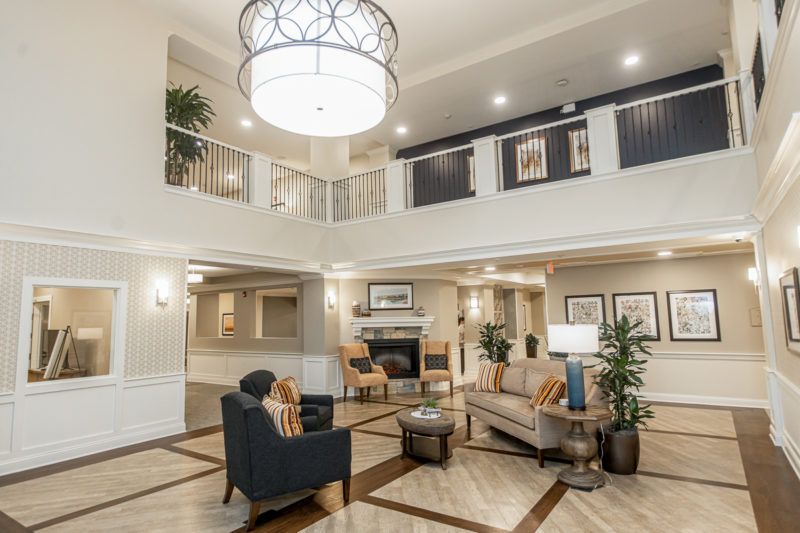
    A spacious and elegantly designed lobby area with modern furnishings and decor.
  • Seating Area

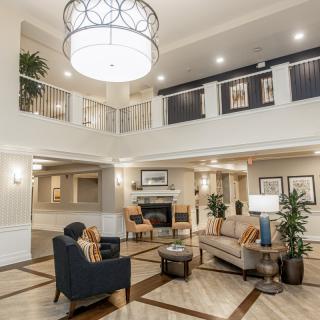
    A modern lobby with elegant furniture and stylish lighting.
  • Television

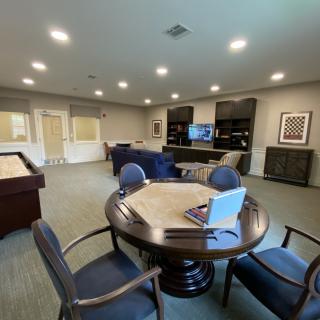
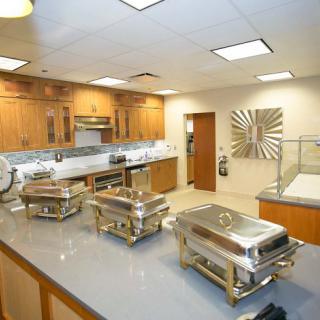
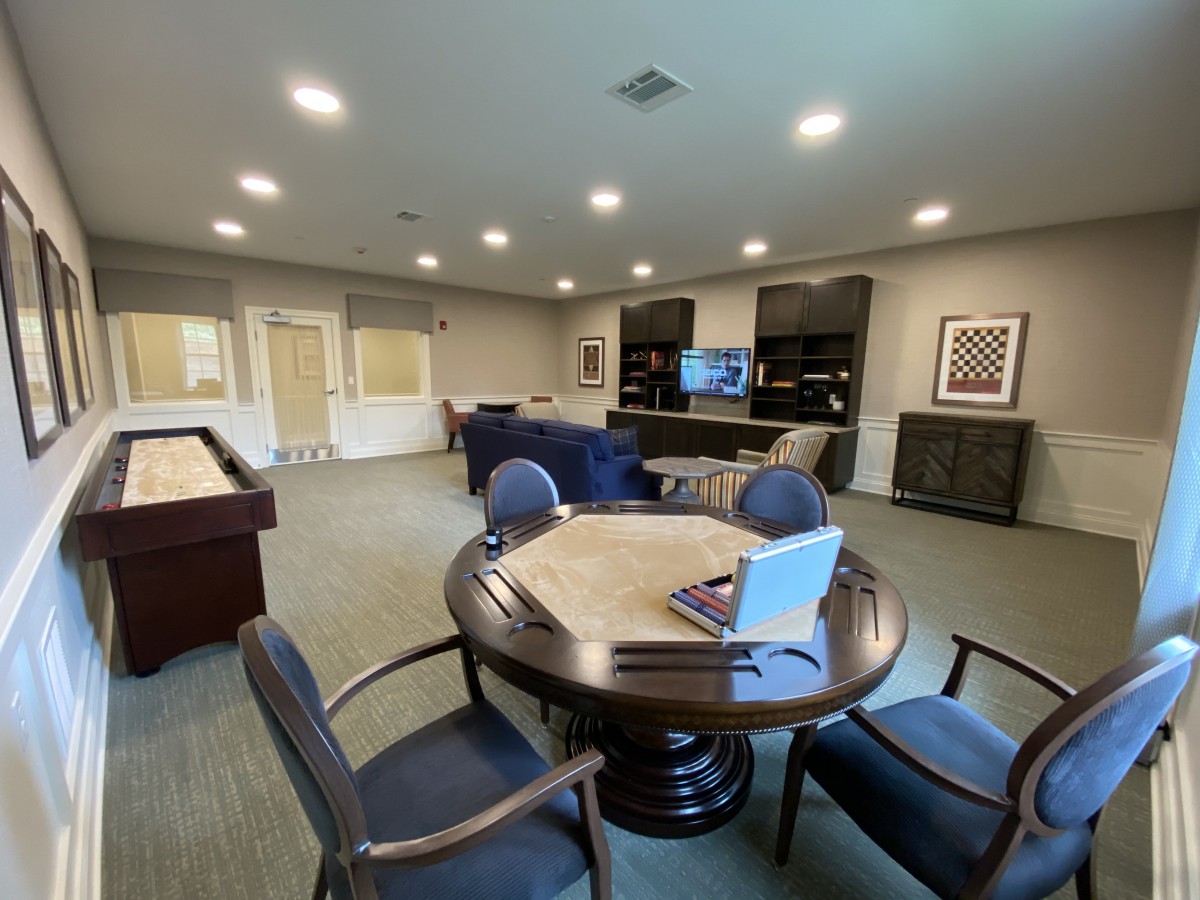
    A spacious lounge area with comfortable seating, a television, and gaming tables.
  • Lobby

    A spacious and luxurious lobby with modern interior design, featuring comfortable seating and an elegant chandelier.
  • Lights

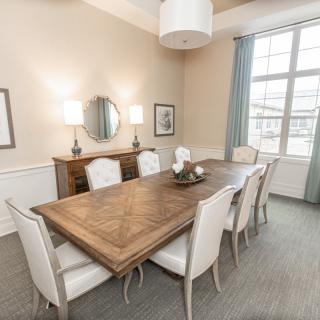
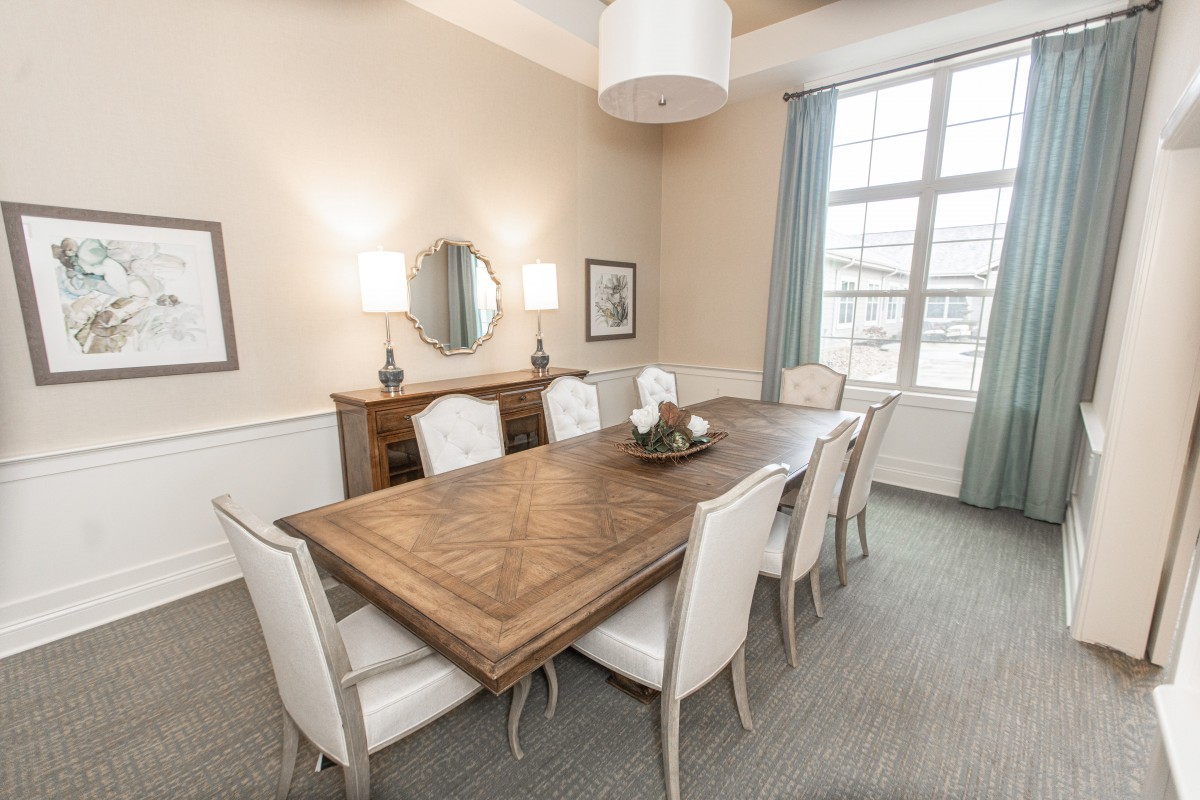
    A well-decorated dining room featuring a large wooden table with white chairs, ambient lighting, and a window with curtains.
  • Swimming Pool

    A modern indoor swimming pool with surrounding seating and ample lighting.

The Madison Senior Living in Kansas City, MO

14001 Madison Avenue, Kansas City, MO 64145

For more information about senior living options: (844) 490-3973

4.5 from 146 reviews
5 stars
110
4 stars
21
3 stars
4
2 stars
1
1 stars
10

Assisted Living Independent Living Memory Care

The Madison Senior Living Costs & Pricing

The Madison Senior Living offers competitive pricing for its residents, particularly when compared to the broader market in Jackson County and across Missouri. For a studio, residents can expect to pay $2,300 per month, which is significantly lower than the county average of $3,320 and the state average of $3,418. The 1-bedroom option is priced at $3,000, offering better value compared to Jackson County's average of $2,857 and Missouri's overall average of $3,349. For those looking for more space, the 2-bedroom rate stands at $4,375; although this is higher than both the county ($3,010) and state ($3,675) averages. The semi-private rooms match this price point as well at $4,375 each month. Overall, The Madison Senior Living presents an appealing option for seniors seeking quality accommodations without straining their budgets excessively compared to local and state rates.

Floor plansThe Madison Senior LivingJackson CountyMissouri
Studio$2,300$3,320$3,418
1 Bedroom$3,000$2,857$3,349
2 Bedrooms$4,375$3,010$3,675
Semi-Private$4,375$3,832$3,772

Overall Review of The Madison Senior Living

Pros

  • pro The Madison Senior Living is a beautifully kept, clean, and welcoming community.
  • pro Residents enjoy restaurant-style meals that are hot, made to order, and served at the table.
  • pro The staff are genuinely caring, friendly, and dedicated to meeting residents' needs.
  • pro Kelela, the Resident Services Director, is described as amazing and truly makes residents feel like family.
  • pro Todd, the director, is consistently available to help with questions and resolve issues.
  • pro The community offers a wide range of fun activities and events that residents look forward to.
  • pro Families feel safe leaving their loved ones in the care of The Madison's staff.
  • pro The Madison is praised for its comfortable, home-like atmosphere and strong sense of community.
  • pro Residents regularly praise the food, accommodations, and cleanliness of the facility.
  • pro Many reviewers would highly recommend The Madison to others seeking senior living.

Cons

  • pro They advise staying far away from the assisted living, citing injuries, neglect, dirty conditions, missed showers, a resident left unsecured, and overall poor care.
  • pro They describe staff as rude and unprofessional, with management labeled as horrible.
  • pro They claim the facility uses a care-point system to raise bills at random, with poor follow-up and unmet promises.
  • pro They allege residents are overmedicated and that medical records are information-blocked.
  • pro They report rooms not being cleaned as promised and laundry not being done.
  • pro They note chronic understaffing leading to slow responses and meals that are inconsistent or served cold.
  • pro They say corporate cost-cutting has degraded food quality and overall service.
  • pro They warn to not bring a family member there, feeling the staff do not truly care about residents or quality of care.

Review

The Madison Senior Living in Kansas City is best suited for seniors who want a bright, modern home with restaurant-style dining, a robust calendar of activities, and a genuinely warm, family-like staff culture. It serves well for those who place a high value on cleanliness, attractive common spaces, and easy access to social opportunities, with independent living or lighter assisted-living needs emerging as the most natural fit. The community shines for residents who enjoy frequent programming, social connections, and a sense of place where staff actively welcomes participation and treats residents like neighbors rather than patients. For families prioritizing extreme consistency in daily caregiving or requiring specialized, high-intensity memory-care oversight, this is a place to scrutinize closely.

Alternatives are worth considering for several reasons. Some reviews flag staffing fluctuations that translate into slower response times and uneven experiences, particularly around daily tasks, meals, or housekeeping. A subset of families also questions governance and transparency - concerns about overmedication, information sharing, and how care levels are billed. For residents with significant behavioral, memory-care, or medical complexities, or for those who want uninterrupted, highly regimented care teams, exploring other communities with more rigid staffing models or proven specialized programs may be prudent. In short, the Madison rewards engagement and warmth, but not every care need will align with its current staffing and governance realities.

The strongest positives center on the care-forward culture and the facility's amenities. The property itself is frequently described as exceptionally clean, bright, and well maintained, with a dining program described as generous and restaurant-like - hot meals served promptly, with a variety of choices and a welcoming dining environment. Staff across tours and resident interactions are consistently praised for friendliness, attentiveness, and a sense of belonging they cultivate. Residents repeatedly highlight the kindness of leaders such as the Resident Services Director and the director, whose accessibility and hands-on involvement help reinforce a home-like atmosphere. The breadth of activities, social events, and the option of a heated indoor pool or wellness programming further bolster the value proposition for active seniors.

Yet the review landscape does not ignore meaningful cons. Staffing challenges appear in several forms, from occasional long waits for basic requests to inconsistent availability in food service or daily care tasks. A few accounts describe moments of under-resourcing in the kitchen and dining, with variability in menu execution, which can dampen the dining experience for some residents. More troubling notes include allegations of overmedication and information-sharing disputes, as well as instances of miscommunication around admissions, move-in logistics, and billable care points. While not universal, these themes underscore that the Madison operates best when families stay closely connected, ask pointed questions, and tour with a critical eye to staffing and policy practices.

When weighing pros against cons, the positives tend to offset many of the downsides for suitable candidates. A newer facility, consistently clean environments, strong dining, and proactive, caring staff make for a compelling baseline - especially for independent-minded seniors who want social vitality and convenient amenities. The communal fabric - a sense of family, meaningful resident connections, and leadership that appears responsive to concerns - gives the Madison a competitive edge for those who can participate actively in community life and maintain regular family involvement. The key caveat is that benefits are amplified when expectations align with the reality of staffing rhythms and governance; where those align, residents often feel safe, engaged, and well cared for.

Memory care and near-term care needs are present considerations. Several reviewers highlight positive experiences in memory-care-adjacent spaces, with engaged staff and well-organized programming that supports dignity and meaningful activity. The community's capacity to scale up services over time, and to coordinate with families during transitions, stands out as a practical strength. For families with loved ones who may eventually require more intensive support, The Madison offers a pathway within a single campus, which can reduce disruption. However, ensure conversations around memory-care staffing levels, program depth, and the cadence of care adjustments are explicit before choosing this option.

In the end, The Madison Senior Living is a strong candidate for families seeking a modern, social, amenity-rich environment with warm, engaged staff and a well-regarded dining program. The decision hinges on readiness to partner with a community that thrives on ongoing family involvement and transparent governance, balanced against the reality of occasional staffing gaps and management questions noted by some families. Prospective residents and their families should prioritize in-depth discussions with leadership, request recent staffing ratios, tour with multiple staffers, and probe billing practices before committing. For many, the Madison delivers a vibrant, comforting home; for others with higher care demands, alternatives with more rigid staffing structures may be a better fit.

Features

Housing

  • 21 resident community capacity 21 resident community capacity
  • 1-bedroom apartments 1-bedroom apartments1-bedroom apartments are important for seniors because they provide a sense of independence, privacy, and autonomy while still offering the necessary space for comfortable living. These apartments allow seniors to maintain their own personal space and lifestyle preferences in a supportive community setting.
  • 2-bedroom apartments 2-bedroom apartments2-bedroom apartments are important for seniors because they provide extra space for guests, hobbies, and caregivers, as well as potential for additional income through roommates or rental.
  • Studio apartments Studio apartmentsStudio apartments are important for seniors because they offer a smaller, more manageable living space that is easier to navigate and maintain as physical abilities decline. Additionally, studio apartments provide seniors with independence and privacy while still being part of a community that offers support and social opportunities.

Types of Care

  • Assisted Living Assisted LivingAssisted living facilities provide crucial support and care for seniors who may need help with daily tasks such as medication management, bathing, and meal preparation. These communities offer a safe and comfortable environment where seniors can maintain their independence while receiving the assistance they need to thrive in their golden years.
  • Independent Living Independent LivingIndependent living communities are important for seniors because they offer a safe and supportive environment where older adults can live independently while still having access to amenities and services that enhance their quality of life. These communities provide social opportunities, recreational activities, and assistance with daily tasks, promoting overall well-being and allowing seniors to maintain their independence for as long as possible.
  • Memory Care Memory CareMemory care is crucial for seniors as it provides specialized support and services for individuals with dementia or Alzheimer's disease. These programs offer a safe and secure environment where residents receive personalized care, cognitive stimulation, and help with daily activities. Memory care helps seniors maintain their independence, quality of life, and dignity while also providing peace of mind for their families.

Pets

  • Cats allowed Cats allowed"Pet friendly" senior living communities are important for seniors because pets provide companionship, reduce feelings of loneliness and depression, promote physical activity and mental stimulation, and offer a sense of purpose and responsibility. Pets can improve overall well-being and quality of life for seniors in many ways.
  • Dogs allowed Dogs allowed"Pet friendly" senior living communities are important for seniors because pets provide companionship, reduce feelings of loneliness and depression, promote physical activity and mental stimulation, and offer a sense of purpose and responsibility. Pets can improve overall well-being and quality of life for seniors in many ways.

Amenities

  • Activities off-site Activities off-siteEngaging in off-site activities is crucial for seniors to maintain social connections, stay active, and stimulate their minds. It promotes overall well-being and helps combat feelings of isolation and loneliness.
  • Activities on-site Activities on-siteActivities on-site are important for seniors because they provide opportunities for socialization, mental stimulation, physical activity, and overall well-being. Engaging in activities can help seniors stay active, maintain their independence, and improve their quality of life.
  • Beautician on-site Beautician on-siteHaving a beautician on-site at a senior living community is important for seniors as it allows them to easily access grooming and personal care services, boosting their self-esteem and overall well-being. It also provides convenience and helps seniors maintain their sense of independence and personal style.
  • Beauty salon Beauty salonBeauty salons are important for seniors because they provide a space for them to feel pampered, socialize, and maintain their personal grooming and hygiene. Regular visits to a beauty salon can help boost seniors' self-esteem and overall well-being.
  • Cable or satellite TV Cable or satellite TVCable or satellite TV is important for seniors because it provides entertainment, news, and companionship, helping to combat loneliness and boredom. It also offers a wide range of programming options tailored to different interests and preferences.
  • Cafe CafeCafes are important for seniors because they provide a social setting where they can connect with others, enjoy a meal or beverage, and engage in activities that promote mental stimulation and overall well-being. Additionally, cafes offer a convenient and accessible option for seniors to dine out without the hassle of preparing meals at home.
  • Computer center Computer centerA computer center is essential for seniors as it provides access to technology, communication tools, and resources that can enhance their daily lives. It allows them to stay connected with loved ones, engage in online activities, and learn new skills, ultimately promoting socialization and mental stimulation.
  • Devotional services off-site Devotional services off-siteDevotional services off-site are important for seniors as they provide spiritual nourishment, social engagement, and a sense of community outside of the senior living facility. This can enhance overall well-being and help combat feelings of isolation and loneliness often experienced by older adults.
  • Devotional services on-site Devotional services on-siteDevotional services on-site provide seniors with spiritual support and a sense of community, as well as an opportunity for reflection and guidance during their senior living experience. This can promote emotional well-being and connection to others, leading to a more fulfilling and enriching lifestyle in their later years.
  • Dining room Dining roomDining rooms are important for seniors as they provide a space for socialization, connection, and nutritious meals. They offer opportunities for residents to bond over shared meals, foster a sense of community, and promote healthy eating habits. Dining rooms also ensure that seniors have access to well-balanced meals tailored to their dietary needs and preferences.
  • Full kitchen Full kitchenHaving a full kitchen in a senior living facility is important for seniors because it allows them to maintain their independence and prepare their own meals. This promotes healthy eating habits, saves money on dining out, and provides a sense of familiarity and comfort for residents.
  • Fully furnished Fully furnishedFully furnished senior living communities are important for seniors because they provide convenience, comfort, and a hassle-free moving experience. Seniors can easily settle into their new living space without the stress of having to buy and move furniture. This allows them to focus on enjoying their new home and community.
  • Garden GardenGardens are important for seniors as they provide a peaceful and therapeutic environment for relaxation, physical activity, and socialization. Being in nature has been shown to reduce stress, improve mood, and promote overall well-being. Gardens also offer opportunities for seniors to engage in gardening activities, which can improve mobility, flexibility, and cognitive function. Additionally, gardens create a sense of community and connection with others who share a passion for plants and outdoor spaces.
  • Ground floor units Ground floor unitsGround floor units are important for seniors because they provide easy accessibility, reduced risk of falls and injuries, and convenience for those with mobility issues. Seniors can avoid climbing stairs or using elevators, making daily tasks and activities more manageable and enjoyable.
  • Handicap accessible Handicap accessible"Handicap accessible" amenities are crucial for seniors to ensure they can easily navigate and access facilities, services, and activities without barriers or limitations due to physical impairments. This promotes independence, safety, and inclusivity for seniors in senior living communities.
  • Housekeeping services Housekeeping servicesHousekeeping services are important for seniors because they help maintain a clean and safe living environment, promote independence, and reduce the risk of accidents or illnesses. Additionally, having assistance with household chores can alleviate physical strain and allow seniors to focus on other aspects of their well-being.
  • Indoor common areas Indoor common areasIndoor common areas are crucial for seniors as they provide a space for socialization, recreation, and community engagement, promoting overall well-being and reducing feelings of isolation and loneliness.
  • Kitchenette KitchenetteKitchenettes are important for seniors living in senior living communities because they provide the convenience and independence of being able to prepare simple meals and snacks in the comfort of their own living space. This can help promote a sense of autonomy and well-being for seniors, allowing them to maintain some level of control over their dietary choices and daily routines.
  • Move-in coordination Move-in coordinationMove-in coordination is important for seniors because it helps ease the transition into their new living environment. It ensures that all logistics, such as packing, organizing movers, and setting up utilities are taken care of, allowing seniors to focus on settling in and adjusting to their new home. Having a smooth move-in process can alleviate stress and anxiety, making the transition smoother and more enjoyable for seniors.
  • Outdoor common areas Outdoor common areasOutdoor common areas are important for seniors as they provide a space for socialization, physical activity, and relaxation. Being outside in nature can improve mood and overall well-being, while also encouraging movement and engagement with others. These spaces can help combat feelings of isolation and promote a sense of community among residents.
  • Outdoor space Outdoor spaceOutdoor spaces are important for seniors as they provide opportunities for physical activity, social interaction, exposure to natural light and fresh air, and a sense of connection to nature. Having access to outdoor spaces can improve overall well-being and quality of life for older adults living in senior communities.
  • Party space Party spaceHaving access to party space is important for seniors as it provides opportunities for socialization, connection, and enjoyment. These spaces allow seniors to celebrate special occasions, host gatherings with friends and family, and participate in community events, enhancing their overall well-being and quality of life.
  • Resident parking Resident parkingResident parking is crucial for seniors in a senior living community as it provides convenience, accessibility, and safety for residents who may have limited mobility or rely on personal vehicles for transportation. Having designated parking spaces ensures that seniors can easily access their homes without having to walk long distances or navigate crowded parking lots, ultimately enhancing their overall quality of life and sense of independence.
  • Respite or short term stays offered Respite or short term stays offeredRespite or short term stays provide seniors with a temporary solution when their regular caregiver is unavailable, offering them the opportunity to receive additional care and support during times of need, while also giving caregivers a chance to rest and recharge.
  • Spa SpaSpas are important for seniors because they provide relaxation, stress relief, and therapeutic benefits which can improve their overall well-being and quality of life. Additionally, spa treatments such as massages, hydrotherapy, and aromatherapy can help alleviate common age-related ailments such as arthritis, joint pain, and circulation issues. Seniors deserve to enjoy a pampering experience that promotes physical and emotional wellness.
  • Swimming pool Swimming poolSwimming pools are important for seniors as they provide a low-impact form of exercise that can improve cardiovascular health, increase muscle strength and flexibility, and help maintain mental well-being. Additionally, swimming can relieve joint pain and stiffness associated with conditions such as arthritis, making it an ideal activity for older adults looking to stay active and healthy.
  • Swimming pool / hot tub Swimming pool / hot tubSwimming pools and hot tubs are important for seniors as they provide a safe and enjoyable way to stay active, improve mobility, reduce joint pain, and promote relaxation. Regular use of these amenities can contribute to overall well-being and quality of life for older adults living in senior communities.
  • TV room TV roomTV rooms are important for seniors in senior living communities because they provide a space for social interaction, entertainment, and relaxation. Watching TV can help reduce feelings of loneliness and boredom, and create a sense of community among residents. Additionally, TV rooms offer a break from daily routines and can be a source of comfort and familiarity for seniors.
  • Telephone TelephoneTelephones are important for seniors as they provide a lifeline for communication with loved ones, emergency services, and healthcare providers. They offer a sense of security and independence, enabling seniors to stay connected and access assistance when needed.
  • Wellness center Wellness centerWellness centers are important for seniors because they offer a variety of programs and services that promote physical, mental, and emotional well-being. These centers provide opportunities for exercise, socialization, education, and relaxation, helping seniors maintain their overall health and quality of life.
  • Wheelchair accessible showers Wheelchair accessible showersWheelchair accessible showers are crucial for seniors as they provide a safe and independent bathing option for those with mobility challenges. These showers help prevent falls and allow seniors to maintain their dignity and autonomy while ensuring they can bathe comfortably.
  • Wi-Fi/high-speed internet available Wi-Fi/high-speed internet availableWi-Fi/high-speed internet is important for seniors to stay connected with loved ones, access online resources, and participate in virtual activities to combat feelings of loneliness and isolation. It also allows them to easily manage healthcare needs, access entertainment, and engage in lifelong learning opportunities.

Transportation

  • Transportation & parking Transportation & parkingTransportation and parking are vital for seniors as they offer access to essential services, activities, and social interactions. Reliable transportation options can help seniors maintain independence, stay connected within their community, and enjoy a higher quality of life. Additionally, convenient parking facilities ensure that seniors can easily access necessary resources and amenities without added stress or difficulty.

Care Services

  • 24-hour call system 24-hour call system24-hour call systems are important for seniors because they provide peace of mind and immediate assistance in case of emergencies. This technology ensures that help is always available, promoting safety and security for elderly individuals living alone or in assisted living facilities.
  • 24-hour supervision 24-hour supervision24-hour supervision is important for seniors to ensure their safety, well-being, and access to immediate assistance in case of emergencies or health issues. This constant support provides peace of mind for both seniors and their loved ones, allowing them to age in place with dignity and security.
  • Activities of daily living assistance Activities of daily living assistanceActivities of daily living assistance are important for seniors because they provide essential support with tasks such as eating, bathing, dressing, and mobility. This assistance helps seniors maintain their independence, dignity, and overall quality of life as they age.
  • Ambulatory care Ambulatory care"Ambulatory care services provide essential medical support and treatment to seniors without requiring hospitalization, allowing them to maintain their independence and quality of life while managing chronic conditions or receiving routine medical care."
  • Assistance with bathing Assistance with bathingAssistance with bathing is crucial for seniors as it helps maintain personal hygiene, prevents infections, and ensures their overall well-being and comfort. It also provides a sense of dignity and independence for seniors who may struggle with this task on their own.
  • Assistance with dressing Assistance with dressingAssistance with dressing is important for seniors because it helps maintain their independence, promotes personal hygiene, prevents accidents and injuries, and improves overall quality of life. This service ensures that seniors can continue to dress comfortably and confidently, despite any physical limitations they may have.
  • Assistance with transfers Assistance with transfersAssistance with transfers is crucial for seniors as it helps prevent falls and injuries, maintains their independence, and ensures they can safely navigate their living environment. It also provides peace of mind for both seniors and their loved ones.
  • Coordination with health care providers Coordination with health care providersCoordination with health care providers is crucial for seniors to ensure proper medical care, medication management, and overall well-being. This collaboration helps prevent overlapping treatments, track progress more effectively, and provide comprehensive support tailored to individual needs.
  • Diabetes diet Diabetes dietA diabetes diet is crucial for seniors as it helps manage blood sugar levels, reduce risks of complications, and improve overall health and well-being. By following a balanced and nutritious diet tailored to their specific needs, seniors can better control their diabetes and enhance their quality of life.
  • Diabetic care Diabetic careDiabetic care is crucial for seniors as they are more susceptible to developing diabetes due to aging and other health conditions. Proper management of diabetes can help prevent complications such as heart disease, vision loss, and nerve damage, improving the overall quality of life for seniors in senior living communities.
  • Incontinence care Incontinence careIncontinence care is essential for seniors to maintain their dignity, hygiene, and overall quality of life. By addressing incontinence issues promptly and effectively, seniors can enjoy a sense of independence and comfort in their daily activities.
  • Meal preparation and service Meal preparation and serviceMeal preparation and service are crucial for seniors as they may have limited mobility or energy to cook nutritious meals. Having access to healthy and convenient food options can ensure they are getting the proper nutrition needed to maintain their overall health and well-being.
  • Medication management Medication managementMedication management is crucial for seniors to ensure they are taking the right medications at the correct dosages and times. This helps prevent adverse drug interactions, reduces the risk of medication errors, and promotes overall health and well-being. Proactive management also allows for adjustments as needed based on changing health conditions or new prescriptions.
  • Mental wellness program Mental wellness programMental wellness programs are essential for seniors as they promote cognitive stimulation, emotional support, and social engagement. These programs help prevent isolation, depression, and cognitive decline, ultimately enhancing the overall quality of life for older adults.
  • Mild cognitive impairment Mild cognitive impairment"Mild cognitive impairment" is important for seniors because it is an early stage of cognitive decline that can potentially progress to more severe conditions such as dementia. Recognizing and addressing mild cognitive impairment can help seniors receive appropriate care and support to maintain their quality of life and independence for as long as possible.
  • Special dietary restrictions Special dietary restrictionsSpecial dietary restrictions are important for seniors because age-related changes in metabolism and health conditions can make it difficult for their bodies to process certain foods. By following a diet tailored to their specific needs, seniors can maintain their overall health and well-being, manage chronic conditions, and reduce the risk of complications such as malnutrition or food interactions with medications.
  • Specialized memory care programming Specialized memory care programmingSpecialized memory care programming is crucial for seniors with cognitive impairments such as dementia or Alzheimer's disease. These programs provide a safe and supportive environment tailored to the unique needs of individuals with memory loss, helping them maintain their independence, dignity, and quality of life.
  • Transportation arrangement (medical) Transportation arrangement (medical)Transportation arrangements for medical purposes are essential for seniors as they may have difficulty driving themselves to appointments or accessing public transportation. Having reliable and safe transportation options ensures that seniors can receive timely medical care and maintain their health and well-being.
  • Transportation to doctors appointments Transportation to doctors appointmentsTransportation to doctors' appointments is crucial for seniors as it ensures they have access to necessary medical care and support for their health needs. Without reliable transportation, seniors may struggle to attend important appointments, leading to potential delays in treatment and health complications. Providing transportation services helps seniors maintain their overall well-being and quality of life.

Dining

  • Anytime dining Anytime diningAnytime dining is important for seniors because it allows them the flexibility to eat when they are hungry, rather than being restricted to set meal times. This can be especially beneficial for those with medical conditions or medications that affect their appetite, as well as those who may have difficulty adhering to a strict dining schedule. Overall, anytime dining promotes independence and overall well-being for seniors in senior living communities.
  • Diabetes diet Diabetes dietA diabetes diet is crucial for seniors as it helps manage blood sugar levels, reduce risks of complications, and improve overall health and well-being. By following a balanced and nutritious diet tailored to their specific needs, seniors can better control their diabetes and enhance their quality of life.
  • Gluten-free Gluten-freeGluten-free options are important for seniors as they are more prone to digestive issues and dietary sensitivities. Offering gluten-free meal choices in senior living communities can help improve their overall health and well-being.
  • Guest meals Guest mealsGuest meals are important for seniors living in senior living communities because they provide an opportunity for socialization and companionship. Sharing a meal with friends, family, or new acquaintances can help combat feelings of loneliness and isolation, promote a sense of community, and enhance overall well-being. Additionally, guest meals allow seniors to enjoy delicious food in a comfortable setting without the hassle of cooking or cleaning up, making dining a pleasurable and stress-free experience.
  • Low / no sodium Low / no sodiumLow/no sodium options are important for seniors because excessive sodium intake can lead to high blood pressure, heart disease, and other health issues commonly experienced by older adults. By choosing low/no sodium foods, seniors can better manage their health and reduce their risk of developing these conditions.
  • Meals provided Meals provided"Meals provided" are crucial for seniors in assisted living communities as it ensures they have access to nutritious, balanced meals without the stress of meal planning and preparation. This can help promote overall health and well-being for seniors who may have limited mobility or cognitive abilities.
  • No Sugar No SugarNo sugar diets are important for seniors because they can help prevent or manage chronic conditions such as diabetes, heart disease, and obesity. Sugar can also contribute to cognitive decline and inflammation in the body, so reducing sugar intake can lead to overall improved health and well-being in older adults.
  • Organic OrganicOrganic foods are important for seniors because they contain fewer chemicals and pesticides, which can be harmful to aging bodies. Additionally, organic foods often have higher nutrient levels, making them a healthier choice for maintaining overall well-being in older adults.
  • Professional chef Professional chefProfessional chefs are important for seniors living in senior living communities because they provide nutritious and delicious meals that cater to their dietary needs and preferences. A professional chef can ensure that seniors are receiving balanced, flavorful meals that support their overall health and well-being.
  • Restaurant style dining Restaurant style diningRestaurant style dining is important for seniors as it offers them a social and enjoyable dining experience, promotes healthy eating habits, and provides personalized menu options to cater to their dietary needs and preferences. This type of dining setting can enhance their overall quality of life and create a sense of community within the senior living facility.
  • Room service Room serviceRoom service is important for seniors in a senior living community because it provides convenience and allows them to have their meals delivered directly to their room. This can be especially beneficial for seniors who may have mobility issues or difficulty accessing the dining area. Room service ensures that seniors are able to receive nutritious meals without having to navigate through the facility, allowing them to maintain their independence and overall well-being.
  • Special dietary restrictions Special dietary restrictionsSpecial dietary restrictions are important for seniors because age-related changes in metabolism and health conditions can make it difficult for their bodies to process certain foods. By following a diet tailored to their specific needs, seniors can maintain their overall health and well-being, manage chronic conditions, and reduce the risk of complications such as malnutrition or food interactions with medications.
  • Special dining programs Special dining programsSpecial dining programs are important for seniors because they provide nutritious meals tailored to their dietary needs and preferences. These programs also offer socialization opportunities, promote overall health and well-being, and can help prevent malnutrition.
  • Vegan VeganVegan diets can provide numerous health benefits for seniors, including lower risk of chronic diseases, improved digestion, and increased energy levels. Additionally, plant-based diets are often rich in essential nutrients that can support overall well-being and longevity in older adults.

Activities

  • Activities off-site Activities off-siteEngaging in off-site activities is crucial for seniors to maintain social connections, stay active, and stimulate their minds. It promotes overall well-being and helps combat feelings of isolation and loneliness.
  • Art classes Art classesArt classes are important for seniors because they provide a creative outlet, improve cognitive function, reduce stress and anxiety, promote socialization, and enhance overall well-being and quality of life.
  • Community-sponsored activities Community-sponsored activitiesCommunity-sponsored activities are important for seniors as they provide opportunities for social interaction, mental stimulation, and physical activity. These activities can help improve overall well-being, combat loneliness and isolation, and promote a sense of belonging and purpose among older adults.
  • Cooking classes Cooking classesCooking classes are important for seniors as they provide opportunities for social interaction, enhance cognitive skills, promote healthy eating habits, and boost confidence in the kitchen.
  • Day trips and outings Day trips and outingsDay trips and outings are important for seniors as they provide opportunities for socialization, mental stimulation, physical activity, and a break from daily routines. These experiences can enhance overall well-being and quality of life for older adults living in senior communities.
  • Devotional activities offsite Devotional activities offsiteDevotional activities offsite are important for seniors because they provide social engagement, spiritual growth, and a sense of community outside of their living environment. This can improve overall well-being, mental health, and combat feelings of isolation or loneliness.
  • Devotional activities on-site Devotional activities on-siteDevotional activities on-site provide seniors with a sense of community, spiritual fulfillment, and emotional support, promoting overall well-being and a positive sense of purpose in their lives.
  • Educational speakers / life long learning Educational speakers / life long learningEducational speakers and lifelong learning opportunities are crucial for seniors as they provide mental stimulation, promote social engagement, and contribute to overall well-being. Continuous learning helps seniors stay mentally sharp, build new skills, and maintain a sense of purpose and fulfillment in their lives. It also allows them to stay connected to the world around them and fosters a sense of community within senior living facilities.
  • Happy hour Happy hourHappy hour is important for seniors as it provides a social activity that promotes camaraderie and reduces feelings of loneliness or isolation. It also offers an opportunity for older adults to relax, unwind, and enjoy some drinks or snacks in a fun and welcoming atmosphere.
  • Karaoke KaraokeKaraoke provides seniors with a fun and social activity that can boost mood, confidence, and cognitive function. It encourages social interaction, physical movement, and creative expression, making it an important form of entertainment for senior living communities.
  • Live dance or theater performances Live dance or theater performancesLive dance or theater performances are important for seniors because they provide opportunities for socialization, mental stimulation, and emotional engagement. These performances can help combat feelings of isolation and loneliness, while also offering a sense of connection to the arts and culture. Additionally, watching live performances can bring joy and create lasting memories for seniors in their later years.
  • Live musical performances Live musical performancesLive musical performances can provide seniors with a sense of joy, nostalgia, and connection. Music has the power to evoke emotions and memories, improve mood and cognitive function, and foster social interaction among seniors. It can also serve as a form of therapy and stress relief for older adults, making it an important activity to include in senior living communities.
  • Live well programs Live well programs"Live well programs are essential for seniors as they provide opportunities for physical activity, social engagement, and mental stimulation, ultimately promoting overall health and well-being in later years."
  • Resident-run activities Resident-run activitiesResident-run activities are important for seniors as they encourage social interaction, creativity, and a sense of autonomy. These activities empower seniors to stay engaged and active in their community while fostering meaningful connections with their peers.
  • Scheduled daily activities Scheduled daily activitiesScheduled daily activities are important for seniors because they provide structure, socialization, mental stimulation, and physical activity. Engaging in regular activities can improve overall well-being and quality of life for seniors living in a community setting.
  • Wine tasting Wine tastingWine tasting can be a fun and social activity for seniors, allowing them to engage their senses, learn about different varieties of wine, and potentially meet new friends. It also offers health benefits such as improved cognitive function and reduced risk of heart disease when consumed in moderation.

Description

The Madison Senior Living in Kansas City, MO is a vibrant and inclusive assisted living community that offers various housing options to cater to individual needs. With 2-bedroom and studio apartments available, residents can choose the living space that suits them best.

At The Madison Senior Living, residents have access to a range of amenities that enhance their quality of life. They can participate in on-site activities, visit the on-site beautician and beauty salon for pampering sessions, and enjoy cable or satellite TV in their apartments. The community also features a cozy cafe, a computer center, and devotional services both on-site and off-site.

The dining experience at The Madison Senior Living is exceptional. Residents can dine in the elegant dining room or enjoy meals prepared in their full kitchen if they prefer independent living. A professional chef ensures that a variety of delectable dishes are offered, including options for special dietary restrictions such as diabetes diets, gluten-free, low/no sodium, no sugar, organic and vegan options. Guests are welcome to join residents for meals and room service is available as well.

Keeping wellness as a priority, this community provides numerous care services such as 24-hour supervision, assistance with daily activities like bathing and dressing, coordination with healthcare providers, medication management, mental wellness programs, specialized memory care programming for those with cognitive impairments, transportation arrangements for medical appointments.

Residents at The Madison Senior Living can also enjoy an array of recreational activities organized by the community. Art classes foster creativity while cooking classes provide opportunities for culinary exploration. Day trips and outings allow residents to explore the surrounding area while devotional activities both on-site and off-site cater to spiritual needs. Educational speakers offer lifelong learning opportunities while live dance or theater performances engage residents' cultural interests. Happy hour gatherings provide socialization opportunities and wine tastings add an element of sophistication.

Being conveniently located near various amenities like cafes, parks, pharmacies, physicians' offices, restaurants, places of worship, and theaters, residents have easy access to all their needs.

Overall, The Madison Senior Living in Kansas City, MO provides a nurturing and engaging environment for seniors looking for assisted living options. With a range of housing choices, care services, amenities, dining options, and activities available, residents can enjoy an enriching and fulfilling lifestyle in this welcoming community.

Nearby Places of Interest

This part of Kansas City, Missouri offers a variety of dining options, including Martin City Brewing Company and Bonefish Grill for those who enjoy eating out. There are also several cafes such as Starbucks and Brew Haha Coffeehouse for those looking for a cozy spot to enjoy a cup of coffee. For those who value their spiritual life, there are places of worship like Lord of Life Lutheran Church and St Michael The Arch Angel nearby. In terms of healthcare, there are multiple pharmacies and physicians in the area, making it convenient for seniors to access medical services. Additionally, there are parks like Ironwoods Park and Nall Hills Park for outdoor recreation opportunities. The presence of theaters like AMC DINE-IN Prairiefire 17 provides entertainment options as well. Overall, this area offers a mix of amenities that cater to different aspects of senior living.

Restaurants

  • Martin City Brewing Company (1.1 miles)
  • Chipotle Mexican Grill (1.1 miles)
  • The Peanut (1.4 miles)
  • Bonefish Grill (2.2 miles)
  • SPIN! Neapolitan Pizza (3.1 miles)
  • Nick & Jake's (3.3 miles)
  • Jose Pepper's (3.3 miles)

Cafes

  • Starbucks (1.1 miles)
  • Starbucks (4 miles)
  • Starbucks (4.4 miles)
  • McLain's Market (4.7 miles)
  • Starbucks (6.4 miles)
  • Brew Haha Coffeehouse (7.1 miles)

Places of Worship

  • Lord of Life Lutheran Church (1.1 miles)
  • St Michael The Arch Angel (2.3 miles)
  • Overland Park Church of Christ (7.8 miles)

Pharmacies

  • CVS Pharmacy (1.2 miles)
  • CVS Pharmacy (2.3 miles)
  • Hen House (3.4 miles)
  • CVS Pharmacy (3.4 miles)
  • Walgreens (3.5 miles)
  • CVS Pharmacy (3.6 miles)
  • Price Chopper Pharmacy (3.7 miles)

Parks

  • Ironwoods Park (1.5 miles)
  • Gezer Park (1.6 miles)
  • Nall Hills Park (5.3 miles)
  • Overland Park Arboretum (6.7 miles)
  • Quivira Park (6.8 miles)
  • Thomas S. Stoll Dog Park (7.3 miles)
  • Cherokee Park (7.4 miles)

Theaters

  • AMC DINE-IN Prairiefire 17, Formerly Cinetopia Overland Park 18 (2.6 miles)

Physicians

  • College Park Family Care Center of Stanley (3.4 miles)
  • Discover Vision Centers in Leawood, Kansas (3.7 miles)
  • Kansas City Orthopaedic Institute (3.9 miles)
  • Jeffrey Allen Scott (4.5 miles)
  • Allergy & Asthma Care, PA (4.7 miles)
  • Southland Primary Care (5 miles)
  • The University of Kansas Cancer Center - South (5.1 miles)

Hospitals

  • Saint Luke's South Hospital (4 miles)
  • Rehabilitation Hospital of Overland Park (4.8 miles)

Frequently Asked Questions

How much does it cost to live at The Madison Senior Living in Kansas City, MO?
What floor plans and room types does The Madison Senior Living offer?
Where is The Madison Senior Living?
Does The Madison Senior Living provide care for residents with dementia or Alzheimer's disease?
Does The Madison Senior Living allow residents to have pets?
What photos are available for The Madison Senior Living in Kansas City, Missouri?

Nearby Communities

  • Serenity Rehabilitation And Nursing Kansas City

    Serenity Rehabilitation And Nursing Kansas City

    Kansas City, MO


    pro 24-hour care with extensive on-site amenities and active social programs

  • The Villas of Ironwoods

    The Villas of Ironwoods

    Leawood, KS

    4.3 from 7 reviews
     

    pro Intimate, small-capacity community enabling personalized care; close to parks, pharmacies, doctors, dining, and culture.

  • Brookdale Leawood State Line

    Brookdale Leawood State Line

    Leawood, KS

    4.2 from 51 reviews
    $3,500 to $7,799 / month

    pro Caring staff and engaging activities in a clean, well-maintained setting.

  • The Homestead Of Leawood

    The Homestead Of Leawood

    Leawood, KS

    4.7 from 24 reviews
     

    pro Comprehensive 24/7 care with broad amenities and comfortable furnished accommodations; active activities.

  • Homestead Estates of Leawood

    Homestead Estates of Leawood

    Leawood, KS

    4.2 from 46 reviews
    $4,000 to $5,500 / month

    pro Warm, family-like atmosphere with engaging activities and improved communication under new leadership.

  • Colonial Oaks at Leawood

    Colonial Oaks at Leawood

    Leawood, KS

    4.6 from 110 reviews
    $3,995 to $6,100 / month

    pro All-inclusive care with friendly, knowledgeable staff and an engaged resident community.

  • The Healthcare Resort Of Leawood

    The Healthcare Resort Of Leawood

    Leawood, KS

    3.9 from 88 reviews
     

    pro Luxurious assisted living with restaurant-style dining, on-site amenities (beauty salon, fitness room, garden) and comprehensive care.

  • The Fairways of Ironhorse

    The Fairways of Ironhorse

    Leawood, KS

    4.6 from 19 reviews
    $3,460 to $4,810 / month

    pro High-quality amenities with attentive, supportive management.

  • Village Shalom

    Village Shalom

    Shawnee Mission, KS

    3.9 from 43 reviews
    $2,073 to $8,400 / month

    pro Engaging activities and programs, attractive apartments, and a strong emphasis on Jewish traditions, with available staff support and therapeutic options.

Related Resources

  • dementia and angerWhen Dementia Sparks Anger and Aggression: Understanding the Connection and Ways to Cope

    Dementia leads to cognitive impairment and can cause emotional and behavioral changes, including aggression that arises from frustration, confusion, or fear. Effective coping strategies for caregivers include understanding dementia's nature, recognizing triggers, using empathetic communication, and employing non-pharmacological interventions like music and art therapy.

  • dementia behaviorsDementia Behaviors: In-Depth Understanding and Effective Coping Strategies

    Dementia causes cognitive decline and challenging behaviors that caregivers must manage, necessitating an understanding of the neurological basis of these issues. Effective strategies and self-care for caregivers can enhance support for those with dementia and improve their daily lives.

  • does my mom have dementia quiz5 Early Indicators of Dementia and What You Can Do
    The content outlines five key early indicators of dementia, including significant memory loss and confusion about time and place, while emphasizing the need for professional evaluation and emotional support for both individuals showing symptoms and their caregivers. It encourages family members to monitor these signs closely and use online quizzes for initial awareness.