Carnegie Village Senior Living Community in Belton, MO

Save

  • Interior

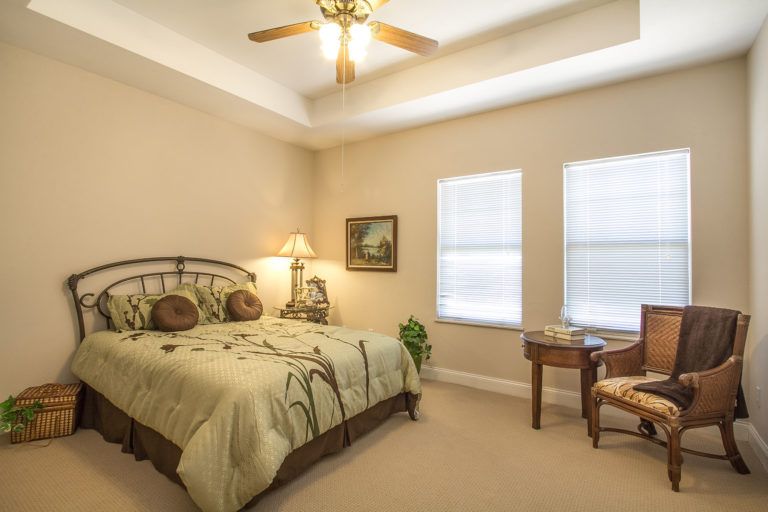
    Cozy bedroom with natural lighting and classic decor.
  • Decor

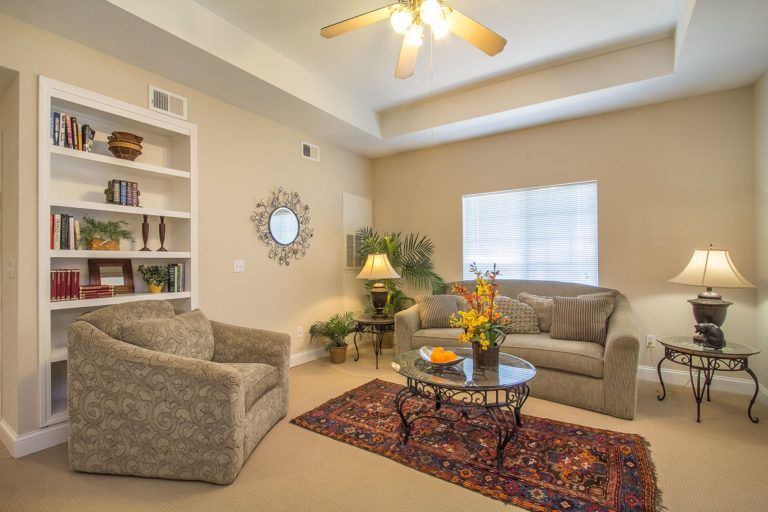
    A cozy living room with a comfortable sofa and armchair, a coffee table with flowers, and a bookshelf for decoration.
  • Living Room

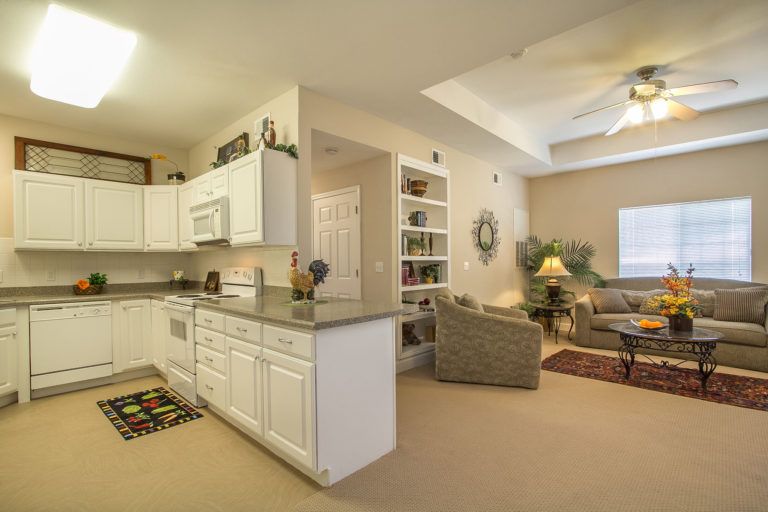
    A modern open floor plan featuring a kitchen with white cabinets and an adjacent cozy living room.
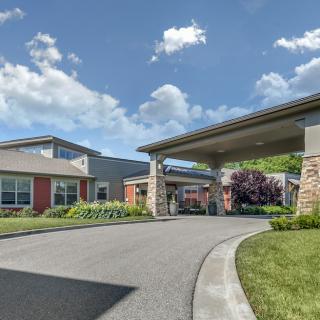
  • Building

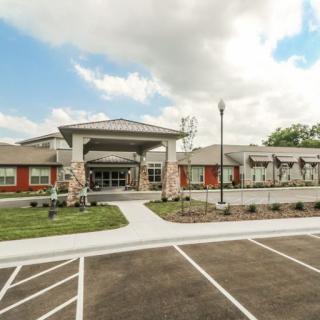
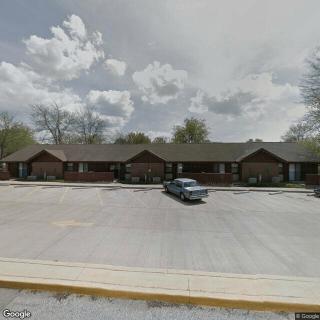
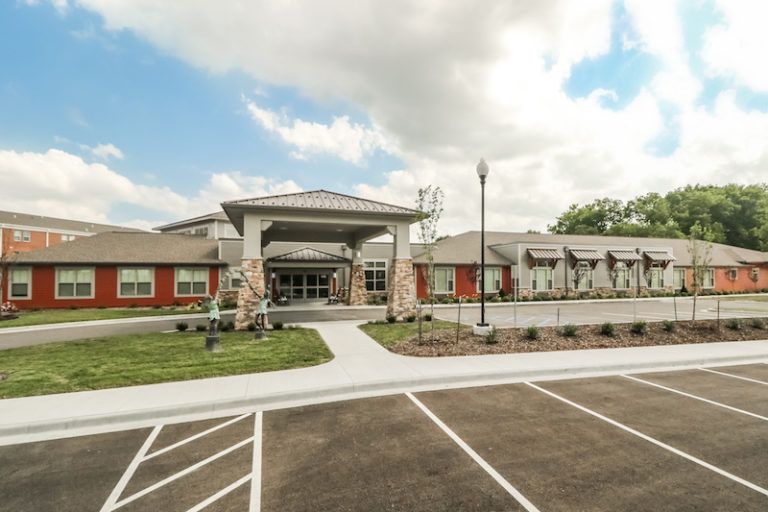
    A modern building with a spacious parking lot and a partly cloudy sky overhead.
  • Bedroom

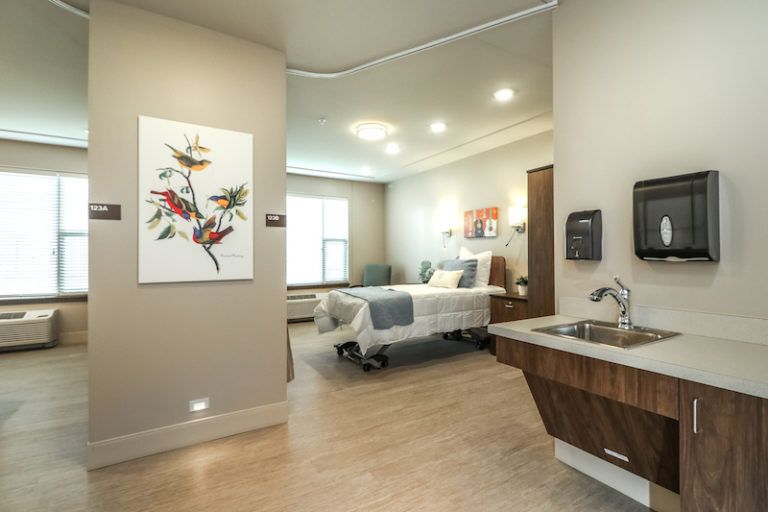
    A modern hospital patient room with a comfortable bed and contemporary interior design.
  • Windows

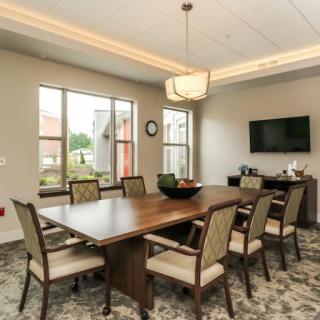
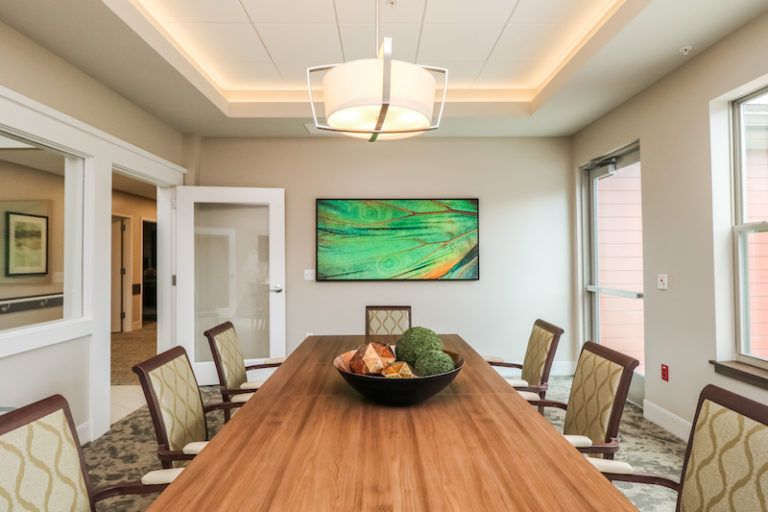
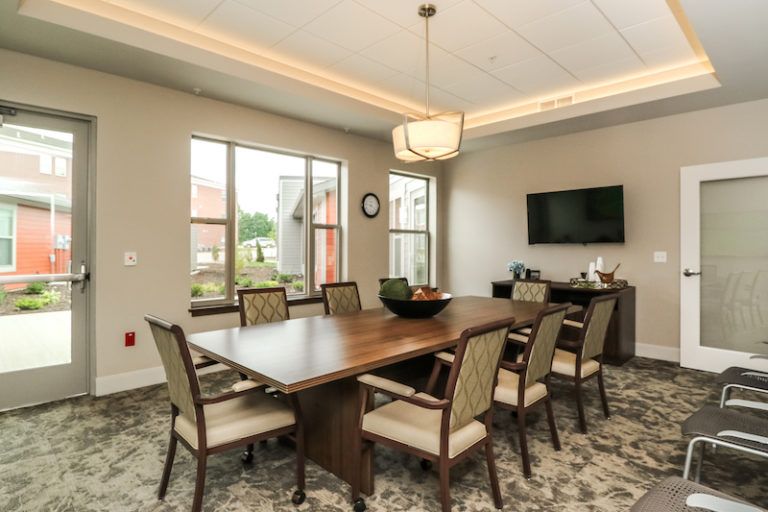
    A modern conference room with a large table, several chairs, windows, and a wall-mounted television.
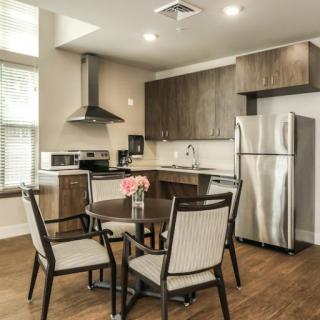
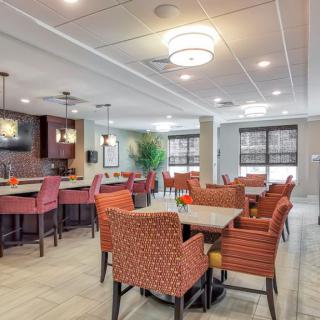
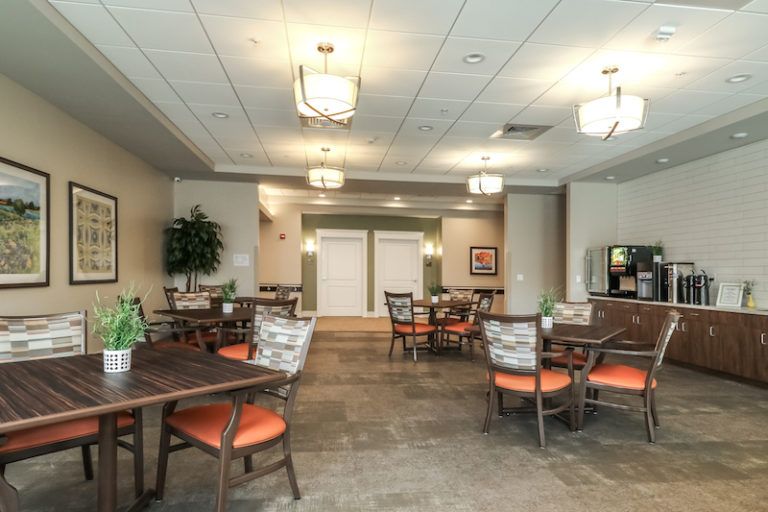
  • Dining

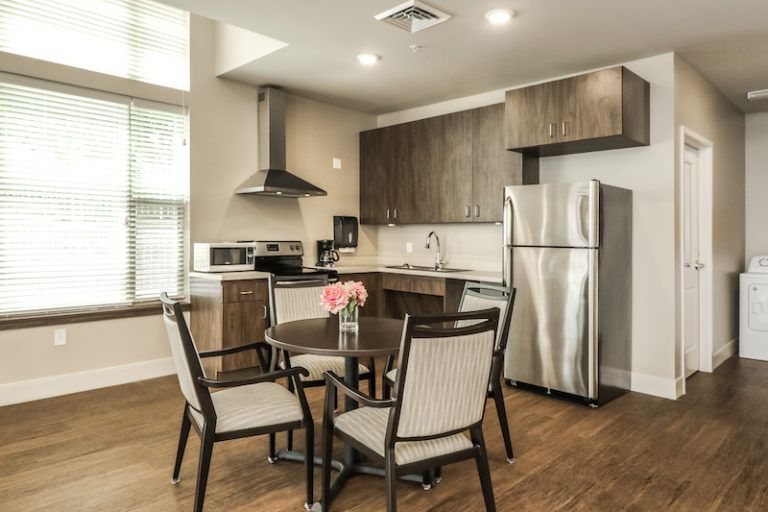
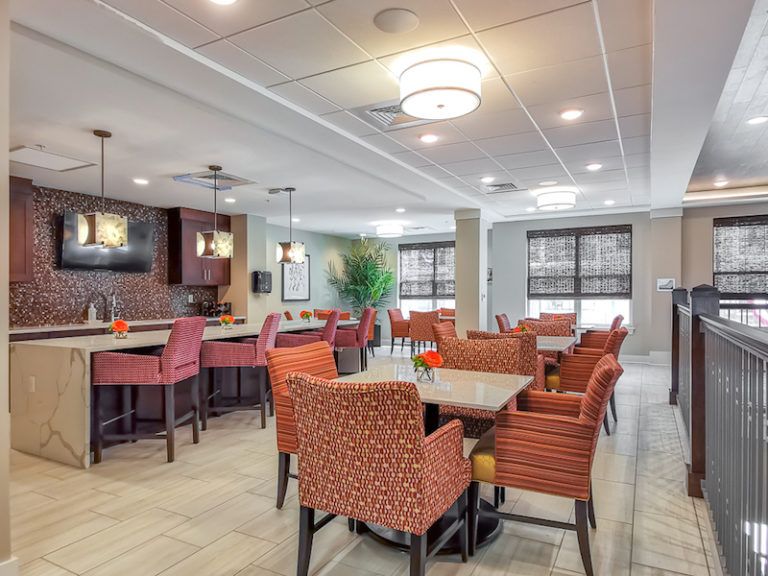
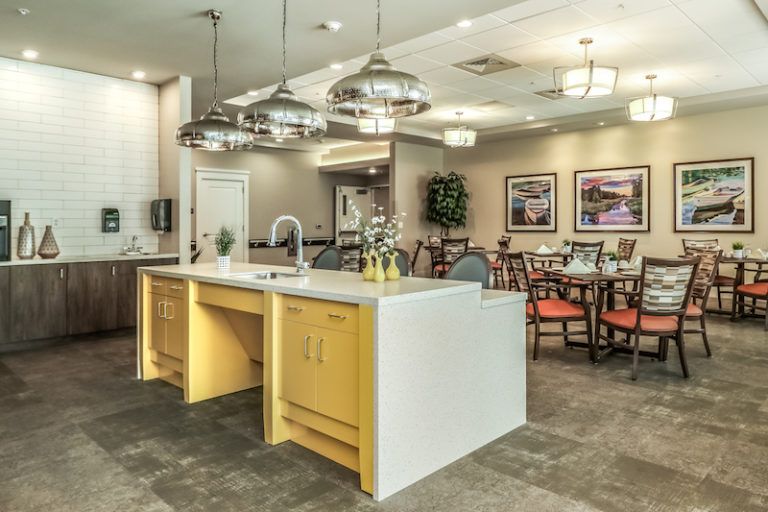
    A modern kitchen and dining area with stainless steel appliances, wooden cabinets, and a round table with chairs on a hardwood floor.
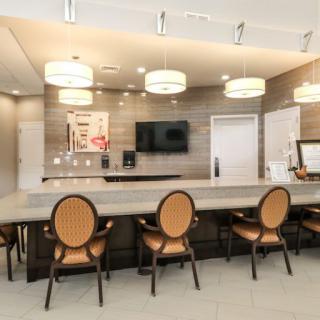
  • Kitchen

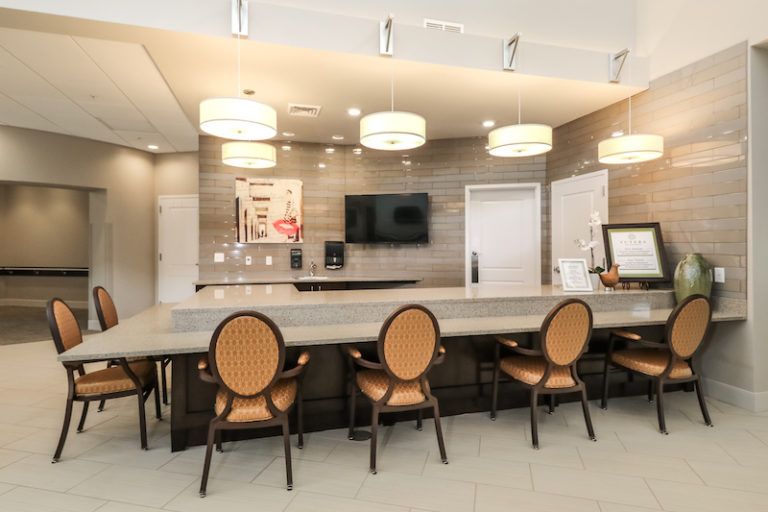
    A modern kitchen interior with a sleek counter and elegant seating.
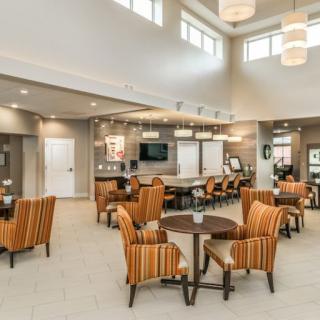
  • Lighting

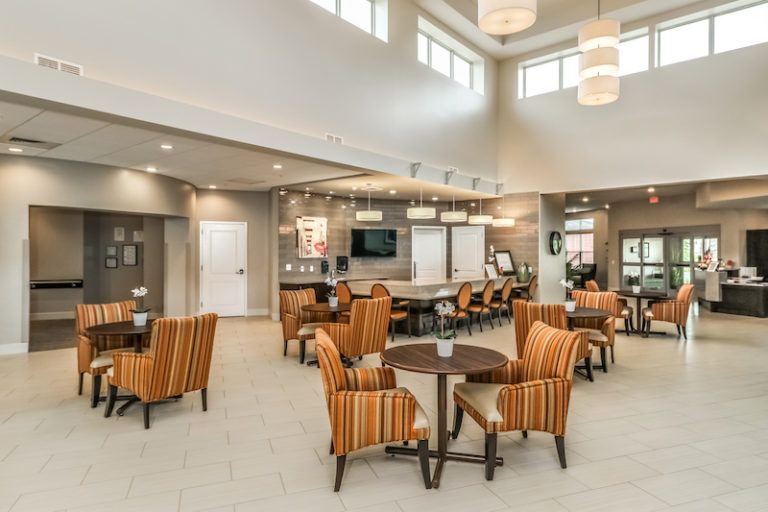
    A modern lounge area with comfortable seating and bright lighting.
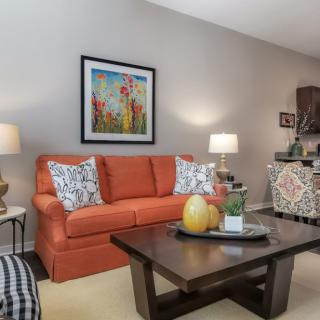
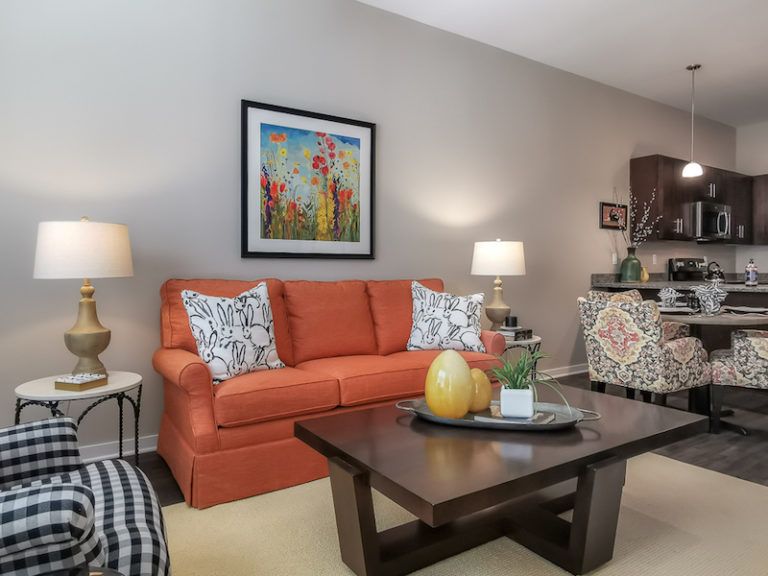
  • Artwork

    A cozy living room with an orange sofa, colorful artwork, and a wooden coffee table adorned with decorative items.
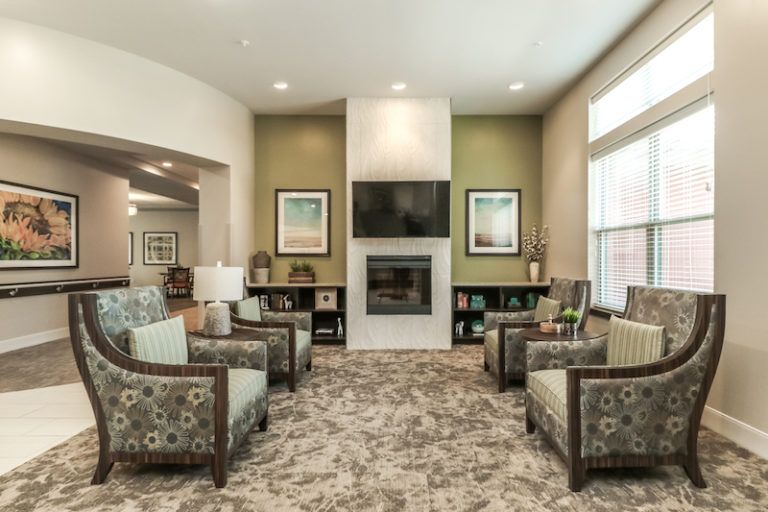
  • Seating Area

    A cozy living room with modern decor featuring a central fireplace and comfortable seating.
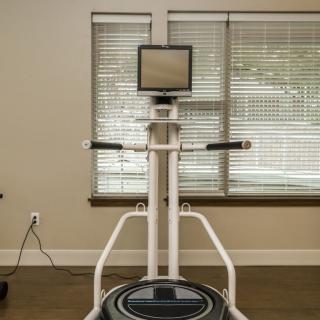
  • Exercise Equipment

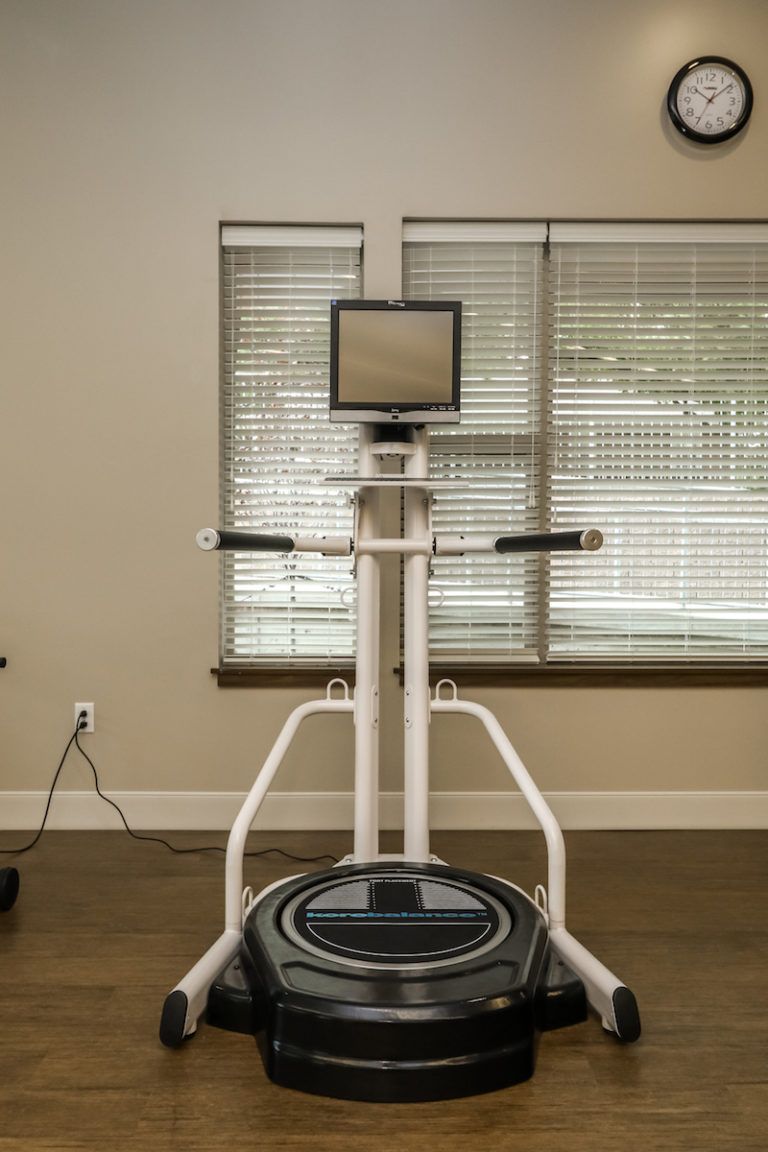
    Modern gym equipment with a digital screen for interactive workouts.
  • Waiting Area

    A modern hair salon interior with a styling chair, mirror, and sink, alongside a cozy waiting area.
  • Salon

    A view into a beauty salon through a glass door, featuring chairs and stylish interior design.

Carnegie Village Senior Living Community in Belton, MO

Information last verified:

103 Bernard Drive, Belton, MO 64012

For more information about senior living options: (844) 490-3973

4.2 from 139 reviews
5 stars
93
4 stars
24
3 stars
2
2 stars
3
1 stars
17

Seniors.FYI Elite Community Awards

Top 5% Senior Living Community in 2016Top 5% Senior Living Community in 2017Top 5% Senior Living Community in 2026

Add this award to your website

Overall Review of Carnegie Village Senior Living Community

Pros

  • pro Carnegie Village is a nice and friendly place, with staff who are welcoming and helpful.
  • pro The community feels welcoming and family-like, with kind, patient, and attentive staff.
  • pro The facility is well maintained, clean, spacious, and beautifully decorated with ample amenities.
  • pro There are lots of daily activities and social opportunities, making it easy for residents to stay engaged.
  • pro The dining program is exceptional, with delicious meals and homemade cookies from Chef Brad.
  • pro Leadership is compassionate, professional, and highly engaged, providing clear, timely communication.
  • pro The staff are described as top-notch, working as a team to care for residents.
  • pro The campus offers independent living, assisted living, rehab, and memory care in one place, facilitating smooth transitions.
  • pro Families report peace of mind due to respectful care and reliable communication.
  • pro Carnegie Village is sometimes described as having a luxury-hotel feel, with friendly residents and abundant amenities.

Cons

  • pro The facility is described as the most horrible place to leave a senior citizen, with staff ignoring patients, dirty conditions, and inadequate care.
  • pro It is chronically understaffed, taking twenty minutes to answer call buttons, with some staff rude and medications frequently late or back-ordered.
  • pro There is no administrative staff available on weekends, and there is zero follow-through or accountability.
  • pro The front desk staff do not wear masks, creating safety concerns for residents and visitors.
  • pro The skilled nursing unit is accused of neglect, including missed baths, dirty bedding, poor nutrition, and medication errors.
  • pro The hallways smell of urine and residents in wheelchairs are left unattended.

Review

Carnegie Village Senior Living Community in Belton, MO is best suited for families seeking a true continuum-of-care environment on a single campus, where independent living, assisted living, rehab, and memory-support sit under one roof. It works best for seniors who prize a warm, resident-focused culture, a bustling social calendar, and on-site dining and services that reduce the number of transitions a family must manage. The community is especially appealing to those who can invest in a premium, resort-like atmosphere and who appreciate multiple dining venues, frequent activities, and on-site amenities that foster a sense of belonging. For a loved one who requires highly intensive medical supervision or 24/7, high-acuity oversight, though, this may not be the most reliable fit, and it’s wise to explore alternatives that promise more consistent clinical staffing and tighter quality control.

Alternatives merit consideration for several profiles. Families with tighter budgets or strong sensitivity to staffing gaps may encounter mismatched expectations here, given persistent reports of understaffing, delayed call-bell responses, and medication timing issues in some wings. Those who want a quieter, more intimate atmosphere or fewer moving parts might prefer a smaller community where staff-to-resident ratios are consistently higher and oversight feels more centralized. Families seeking flawless rehab outcomes or pristine, uniform care across all departments may be disappointed by the variability described in certain reviews. In short, if constant, meticulous day-to-day operational reliability and cost predictability are non-negotiable, it is prudent to compare Carnegie Village against other options that emphasize those exact promises.

On the bright side, the strongest pros consistently center on people and place. The staff is repeatedly praised for warmth, compassion, and genuine engagement with residents, with many families crediting leadership for setting a humane, patient-centered tone. The campus has been described as welcoming, well-maintained, and generous with amenities, three meals daily, multiple dining venues, an on-site café or deli, and abundant social opportunities that keep boredom at bay. Residents often speak of a “home-like” feel, with roomy apartments that offer genuine homelike flexibility, from full kitchens in many units to spacious layouts that accommodate families when visiting. The quality of life enhancements, curated activities, transportation to appointments, active outings, and accessible beauty services, offset the appeal of a large campus by making day-to-day life feel personalized and inclusive.

Those advantages are reinforced by the resilience and responsiveness of management in practice. Several reviews highlight a leadership team that is visible, approachable, and deeply invested in residents’ well-being, with communications described as clear and timely. The care continuum is presented as thoughtfully designed: the same culture of kindness extends from Independent Living through Assisted Living and into rehab, with coordinators who strive to tailor services to each resident’s needs. In addition, the dining experience now gets frequent praise for variety, quality, and a sense of restaurant-like service, an important factor for residents who value good nourishment and social meals as part of daily life. Taken together, these positives deliver a strong argument that Carnegie Village can feel like a large, well-run family when operations are running smoothly.

Yet the most meaningful caveats touch the hard realities of senior care at scale. The most serious concerns in the reviews center on staffing inconsistencies, long wait times for call lights, occasional neglect in basic personal care, and medication timing problems that recur in certain wings. There are equally troubling reports of cleanliness lapses, housekeeping shortcomings, and even episodes of neglect in the rehab or skilled-nursing areas, accompanied by complaints about alarmingly slow responses and mismanagement. Front-desk reliability and administrative communications also appear uneven, with families sometimes feeling they must push for timely answers or escalate issues to reach resolution. These issues don’t erase the many positive experiences, but they do underscore a real risk if a resident’s needs lean heavily toward 24/7 oversight or high-touch caregiving.

For families weighing a decision, several concrete steps help crystallize whether Carnegie Village aligns with expectations. Schedule a tour of both independent and assisted living spaces, and insist on meeting the leadership team and the direct front-line caregivers who would be instrumental in daily care. Probe staffing patterns by asking for current nurse and aide ratios, especially during evenings and weekends, and request specific examples of how care plans are adjusted when needs escalate. Verify the rehab and memory-care offerings’ staffing, protocols, and recent patient outcomes, and observe how housekeeping and laundry duties are executed in the unit of interest. Finally, scrutinize the billing and meal-coverage model, ensuring there is clarity about which services are included and how surcharges may apply as care needs evolve.

Overall, Carnegie Village Senior Living Community offers a compelling package for families prioritizing continuity of care, social vitality, and a strong sense of community within a beautifully maintained campus. It can be a superb home for seniors who thrive on activity, engagement, and visible leadership that values genuine connection. It is less suitable for those with high daily care needs that require near-constant supervision, those who must tightly control costs, or anyone who has endured or fears repeated care gaps. With careful due diligence, spend time with residents and families, test-drive a week of meals, and verify staffing across shifts, this campus can deliver peace of mind and a quality-of-life experience that makes it worth the fit for the right family. Carnegie Village is not the right choice for every scenario, but for the right mix of affordability, continuum-of-care, and a plainly affectionate, active culture, it remains a strong contender in Belton’s senior-care landscape.

Features

Housing

  • 85 resident community capacity 85 resident community capacity
  • 1-bedroom apartments 1-bedroom apartments1-bedroom apartments are important for seniors because they provide a sense of independence, privacy, and autonomy while still offering the necessary space for comfortable living. These apartments allow seniors to maintain their own personal space and lifestyle preferences in a supportive community setting.
  • 2-bedroom apartments 2-bedroom apartments2-bedroom apartments are important for seniors because they provide extra space for guests, hobbies, and caregivers, as well as potential for additional income through roommates or rental.
  • Studio apartments Studio apartmentsStudio apartments are important for seniors because they offer a smaller, more manageable living space that is easier to navigate and maintain as physical abilities decline. Additionally, studio apartments provide seniors with independence and privacy while still being part of a community that offers support and social opportunities.

Types of Care

  • Assisted Living Assisted LivingAssisted living facilities provide crucial support and care for seniors who may need help with daily tasks such as medication management, bathing, and meal preparation. These communities offer a safe and comfortable environment where seniors can maintain their independence while receiving the assistance they need to thrive in their golden years.
  • Independent Living Independent LivingIndependent living communities are important for seniors because they offer a safe and supportive environment where older adults can live independently while still having access to amenities and services that enhance their quality of life. These communities provide social opportunities, recreational activities, and assistance with daily tasks, promoting overall well-being and allowing seniors to maintain their independence for as long as possible.
  • Memory Care Memory CareMemory care is crucial for seniors as it provides specialized support and services for individuals with dementia or Alzheimer's disease. These programs offer a safe and secure environment where residents receive personalized care, cognitive stimulation, and help with daily activities. Memory care helps seniors maintain their independence, quality of life, and dignity while also providing peace of mind for their families.
  • Skilled Nursing Facility Skilled Nursing FacilitySkilled Nursing Facilities are crucial for seniors as they provide round-the-clock medical care, rehabilitation services, and assistance with daily activities. These facilities ensure that seniors receive the specialized care they need to maintain their health and well-being as they age.

Amenities

  • Air-conditioning Air-conditioningAir conditioning is important for seniors as they are more vulnerable to heat-related illnesses and may have underlying health conditions that make it difficult for them to regulate their body temperature. It helps to keep them comfortable, safe, and healthy in hot weather.
  • Beautician on-site Beautician on-siteHaving a beautician on-site at a senior living community is important for seniors as it allows them to easily access grooming and personal care services, boosting their self-esteem and overall well-being. It also provides convenience and helps seniors maintain their sense of independence and personal style.
  • Beauty salon Beauty salonBeauty salons are important for seniors because they provide a space for them to feel pampered, socialize, and maintain their personal grooming and hygiene. Regular visits to a beauty salon can help boost seniors' self-esteem and overall well-being.
  • Cable or satellite TV Cable or satellite TVCable or satellite TV is important for seniors because it provides entertainment, news, and companionship, helping to combat loneliness and boredom. It also offers a wide range of programming options tailored to different interests and preferences.
  • Cafe CafeCafes are important for seniors because they provide a social setting where they can connect with others, enjoy a meal or beverage, and engage in activities that promote mental stimulation and overall well-being. Additionally, cafes offer a convenient and accessible option for seniors to dine out without the hassle of preparing meals at home.
  • Computer center Computer centerA computer center is essential for seniors as it provides access to technology, communication tools, and resources that can enhance their daily lives. It allows them to stay connected with loved ones, engage in online activities, and learn new skills, ultimately promoting socialization and mental stimulation.
  • Dining room Dining roomDining rooms are important for seniors as they provide a space for socialization, connection, and nutritious meals. They offer opportunities for residents to bond over shared meals, foster a sense of community, and promote healthy eating habits. Dining rooms also ensure that seniors have access to well-balanced meals tailored to their dietary needs and preferences.
  • Financing advice Financing adviceFinancing advice is crucial for seniors as they navigate the complexities of retirement planning, including managing fixed incomes, healthcare costs, and potential long-term care needs. Proper financial guidance can help ensure seniors maintain financial stability and security in their golden years.
  • Fitness room Fitness roomHaving a fitness room in a senior living community is essential for seniors to stay active, maintain their physical health, and improve their overall well-being. Regular exercise can help prevent falls, reduce the risk of chronic diseases, and promote mental sharpness. It also provides social opportunities for residents to connect with others and enjoy a sense of community.
  • Full kitchen Full kitchenHaving a full kitchen in a senior living facility is important for seniors because it allows them to maintain their independence and prepare their own meals. This promotes healthy eating habits, saves money on dining out, and provides a sense of familiarity and comfort for residents.
  • Fully furnished Fully furnishedFully furnished senior living communities are important for seniors because they provide convenience, comfort, and a hassle-free moving experience. Seniors can easily settle into their new living space without the stress of having to buy and move furniture. This allows them to focus on enjoying their new home and community.
  • Gaming room Gaming roomGaming rooms are important for seniors as they provide a fun and engaging environment for socializing, cognitive stimulation, and physical activity. Games can improve memory, problem-solving skills, and overall mental well-being while fostering friendships and reducing feelings of isolation.
  • Garden GardenGardens are important for seniors as they provide a peaceful and therapeutic environment for relaxation, physical activity, and socialization. Being in nature has been shown to reduce stress, improve mood, and promote overall well-being. Gardens also offer opportunities for seniors to engage in gardening activities, which can improve mobility, flexibility, and cognitive function. Additionally, gardens create a sense of community and connection with others who share a passion for plants and outdoor spaces.
  • General store General storeGeneral stores are important for seniors because they provide a convenient one-stop shop for everyday essentials such as groceries, toiletries, and household items. They offer a sense of community and familiarity, making it easier for seniors to access the products they need without having to travel far. Additionally, general stores often have friendly staff who can assist seniors with their shopping needs, making the experience more enjoyable and stress-free.
  • Guasts at mealtime Guasts at mealtime"Guests at mealtime" offer seniors the opportunity for social interaction, companionship, and a sense of community during meals, which can help combat feelings of loneliness and isolation commonly experienced in senior living environments. It can also enhance their overall dining experience and improve their mental and emotional well-being.
  • Guest parking Guest parkingGuest parking is important for seniors because it allows their friends and family members to visit them easily and safely. Having convenient parking options can help combat feelings of isolation and loneliness, promote regular social interaction, and improve overall mental and emotional well-being for seniors in senior living communities.
  • Home sale assistance Home sale assistanceHome sale assistance is important for seniors because it can help alleviate the stress and complexities of selling their home. This service can provide guidance, support, and practical assistance throughout the entire selling process, allowing seniors to transition to a new living situation with ease and peace of mind.
  • Housekeeping services Housekeeping servicesHousekeeping services are important for seniors because they help maintain a clean and safe living environment, promote independence, and reduce the risk of accidents or illnesses. Additionally, having assistance with household chores can alleviate physical strain and allow seniors to focus on other aspects of their well-being.
  • Kitchenette KitchenetteKitchenettes are important for seniors living in senior living communities because they provide the convenience and independence of being able to prepare simple meals and snacks in the comfort of their own living space. This can help promote a sense of autonomy and well-being for seniors, allowing them to maintain some level of control over their dietary choices and daily routines.
  • Laundry LaundryLaundry services are important for seniors as they may have difficulty with physical tasks such as bending, lifting, or carrying heavy loads. Having access to laundry services can help seniors maintain personal hygiene, cleanliness, and independence in their daily lives.
  • Move-in coordination Move-in coordinationMove-in coordination is important for seniors because it helps ease the transition into their new living environment. It ensures that all logistics, such as packing, organizing movers, and setting up utilities are taken care of, allowing seniors to focus on settling in and adjusting to their new home. Having a smooth move-in process can alleviate stress and anxiety, making the transition smoother and more enjoyable for seniors.
  • Outdoor space Outdoor spaceOutdoor spaces are important for seniors as they provide opportunities for physical activity, social interaction, exposure to natural light and fresh air, and a sense of connection to nature. Having access to outdoor spaces can improve overall well-being and quality of life for older adults living in senior communities.
  • Overnight guests Overnight guestsOvernight guests provide companionship, social engagement, and emotional support for seniors in senior living communities. They can help reduce feelings of loneliness, isolation, and boredom, while also promoting mental well-being and overall quality of life. Additionally, overnight guests can offer a sense of familiarity and comfort for seniors who may be transitioning into a new living environment.
  • Party space Party spaceHaving access to party space is important for seniors as it provides opportunities for socialization, connection, and enjoyment. These spaces allow seniors to celebrate special occasions, host gatherings with friends and family, and participate in community events, enhancing their overall well-being and quality of life.
  • Private bathrooms Private bathroomsPrivate bathrooms are important for seniors in senior living communities because they provide independence, dignity, and comfort. Having a private bathroom allows seniors to maintain their personal hygiene routines without the need for assistance, promoting a sense of autonomy and privacy. Additionally, private bathrooms help prevent the spread of infections and provide a safe and clean environment for seniors to navigate safely.
  • Private cleaning services Private cleaning servicesPrivate cleaning services are important for seniors because they provide a safe and healthy living environment, maintain independence, and alleviate the physical strain of household chores. These services ensure that seniors can remain in their own homes longer and enjoy a higher quality of life.
  • Resident parking Resident parkingResident parking is crucial for seniors in a senior living community as it provides convenience, accessibility, and safety for residents who may have limited mobility or rely on personal vehicles for transportation. Having designated parking spaces ensures that seniors can easily access their homes without having to walk long distances or navigate crowded parking lots, ultimately enhancing their overall quality of life and sense of independence.
  • Respite or short term stays offered Respite or short term stays offeredRespite or short term stays provide seniors with a temporary solution when their regular caregiver is unavailable, offering them the opportunity to receive additional care and support during times of need, while also giving caregivers a chance to rest and recharge.
  • Restaurant-style dining Restaurant-style diningRestaurant-style dining is important for seniors because it allows them to enjoy delicious, nutritious meals in a social and upscale setting. This enhances their dining experience, promotes healthy eating habits, and fosters socialization with fellow residents, ultimately contributing to their overall well-being and quality of life.
  • Small library Small librarySmall libraries are important for seniors as they provide access to a variety of reading materials, including books, newspapers, and magazines. This can help stimulate their minds, keep them engaged, and provide a sense of community through book clubs and other social activities. Additionally, reading has been shown to improve cognitive function and overall mental well-being in older adults.
  • TV room TV roomTV rooms are important for seniors in senior living communities because they provide a space for social interaction, entertainment, and relaxation. Watching TV can help reduce feelings of loneliness and boredom, and create a sense of community among residents. Additionally, TV rooms offer a break from daily routines and can be a source of comfort and familiarity for seniors.
  • Telephone TelephoneTelephones are important for seniors as they provide a lifeline for communication with loved ones, emergency services, and healthcare providers. They offer a sense of security and independence, enabling seniors to stay connected and access assistance when needed.
  • VA Benefits Consultation VA Benefits ConsultationVA Benefits Consultations are important for seniors because they provide valuable information on the benefits and resources available to them as veterans. These consultations can help seniors access financial assistance, healthcare services, and other support that can greatly improve their quality of life in their later years.
  • Wellness center Wellness centerWellness centers are important for seniors because they offer a variety of programs and services that promote physical, mental, and emotional well-being. These centers provide opportunities for exercise, socialization, education, and relaxation, helping seniors maintain their overall health and quality of life.
  • Wi-Fi/high-speed internet available Wi-Fi/high-speed internet availableWi-Fi/high-speed internet is important for seniors to stay connected with loved ones, access online resources, and participate in virtual activities to combat feelings of loneliness and isolation. It also allows them to easily manage healthcare needs, access entertainment, and engage in lifelong learning opportunities.

Transportation

  • Community operated transportation Community operated transportationCommunity operated transportation is crucial for seniors as it provides them with the means to access essential services, social activities, and medical appointments. It allows seniors to maintain their independence and quality of life by ensuring they can participate in activities outside of their homes. Additionally, community-operated transportation services offer a safe and reliable way for seniors to travel without having to rely on family or friends for assistance.
  • Transportation & parking Transportation & parkingTransportation and parking are vital for seniors as they offer access to essential services, activities, and social interactions. Reliable transportation options can help seniors maintain independence, stay connected within their community, and enjoy a higher quality of life. Additionally, convenient parking facilities ensure that seniors can easily access necessary resources and amenities without added stress or difficulty.
  • Transportation arrangement Transportation arrangementTransportation arrangements are crucial for seniors as they may face challenges with driving, mobility, or access to public transportation. Having reliable transportation services ensures that seniors can easily attend appointments, social activities, and maintain their independence and quality of life.

Care Services

  • 24-hour call system 24-hour call system24-hour call systems are important for seniors because they provide peace of mind and immediate assistance in case of emergencies. This technology ensures that help is always available, promoting safety and security for elderly individuals living alone or in assisted living facilities.
  • 24-hour supervision 24-hour supervision24-hour supervision is important for seniors to ensure their safety, well-being, and access to immediate assistance in case of emergencies or health issues. This constant support provides peace of mind for both seniors and their loved ones, allowing them to age in place with dignity and security.
  • Activities of daily living assistance Activities of daily living assistanceActivities of daily living assistance are important for seniors because they provide essential support with tasks such as eating, bathing, dressing, and mobility. This assistance helps seniors maintain their independence, dignity, and overall quality of life as they age.
  • Assistance with bathing Assistance with bathingAssistance with bathing is crucial for seniors as it helps maintain personal hygiene, prevents infections, and ensures their overall well-being and comfort. It also provides a sense of dignity and independence for seniors who may struggle with this task on their own.
  • Assistance with dressing Assistance with dressingAssistance with dressing is important for seniors because it helps maintain their independence, promotes personal hygiene, prevents accidents and injuries, and improves overall quality of life. This service ensures that seniors can continue to dress comfortably and confidently, despite any physical limitations they may have.
  • Assistance with transfers Assistance with transfersAssistance with transfers is crucial for seniors as it helps prevent falls and injuries, maintains their independence, and ensures they can safely navigate their living environment. It also provides peace of mind for both seniors and their loved ones.
  • Diabetes diet Diabetes dietA diabetes diet is crucial for seniors as it helps manage blood sugar levels, reduce risks of complications, and improve overall health and well-being. By following a balanced and nutritious diet tailored to their specific needs, seniors can better control their diabetes and enhance their quality of life.
  • Hospice care Hospice careHospice care is important for seniors as it provides specialized end-of-life support, pain management, and emotional comfort for both the senior and their loved ones. It allows seniors to maintain dignity, receive personalized care, and spend their remaining time in a peaceful and comfortable environment.
  • Meal preparation and service Meal preparation and serviceMeal preparation and service are crucial for seniors as they may have limited mobility or energy to cook nutritious meals. Having access to healthy and convenient food options can ensure they are getting the proper nutrition needed to maintain their overall health and well-being.
  • Medication management Medication managementMedication management is crucial for seniors to ensure they are taking the right medications at the correct dosages and times. This helps prevent adverse drug interactions, reduces the risk of medication errors, and promotes overall health and well-being. Proactive management also allows for adjustments as needed based on changing health conditions or new prescriptions.
  • Mental wellness program Mental wellness programMental wellness programs are essential for seniors as they promote cognitive stimulation, emotional support, and social engagement. These programs help prevent isolation, depression, and cognitive decline, ultimately enhancing the overall quality of life for older adults.
  • Mild cognitive impairment Mild cognitive impairment"Mild cognitive impairment" is important for seniors because it is an early stage of cognitive decline that can potentially progress to more severe conditions such as dementia. Recognizing and addressing mild cognitive impairment can help seniors receive appropriate care and support to maintain their quality of life and independence for as long as possible.
  • Physical therapy Physical therapyPhysical therapy is essential for seniors to maintain and improve their mobility, strength, and overall quality of life. It helps reduce pain, prevent falls, and enhance independence in daily activities. By promoting movement and function, physical therapy can help seniors stay active, healthy, and engaged in their communities.
  • Special dietary restrictions Special dietary restrictionsSpecial dietary restrictions are important for seniors because age-related changes in metabolism and health conditions can make it difficult for their bodies to process certain foods. By following a diet tailored to their specific needs, seniors can maintain their overall health and well-being, manage chronic conditions, and reduce the risk of complications such as malnutrition or food interactions with medications.
  • Specialized memory care programming Specialized memory care programmingSpecialized memory care programming is crucial for seniors with cognitive impairments such as dementia or Alzheimer's disease. These programs provide a safe and supportive environment tailored to the unique needs of individuals with memory loss, helping them maintain their independence, dignity, and quality of life.

Dining

  • Diabetes diet Diabetes dietA diabetes diet is crucial for seniors as it helps manage blood sugar levels, reduce risks of complications, and improve overall health and well-being. By following a balanced and nutritious diet tailored to their specific needs, seniors can better control their diabetes and enhance their quality of life.
  • Room service Room serviceRoom service is important for seniors in a senior living community because it provides convenience and allows them to have their meals delivered directly to their room. This can be especially beneficial for seniors who may have mobility issues or difficulty accessing the dining area. Room service ensures that seniors are able to receive nutritious meals without having to navigate through the facility, allowing them to maintain their independence and overall well-being.
  • Special dietary restrictions Special dietary restrictionsSpecial dietary restrictions are important for seniors because age-related changes in metabolism and health conditions can make it difficult for their bodies to process certain foods. By following a diet tailored to their specific needs, seniors can maintain their overall health and well-being, manage chronic conditions, and reduce the risk of complications such as malnutrition or food interactions with medications.

Activities

  • Activities off-site Activities off-siteActivities off-site are crucial for seniors as they provide opportunities for socialization, mental stimulation, and physical activity outside of their usual routine. This helps combat feelings of isolation and boredom, promotes overall well-being, and allows seniors to remain engaged in the community.
  • Arts and crafts Arts and craftsEngaging in arts and crafts activities provides seniors with a creative outlet, promotes cognitive function, enhances dexterity and fine motor skills, fosters social interaction, and boosts overall well-being and mental health.
  • Community-sponsored activities Community-sponsored activitiesCommunity-sponsored activities are important for seniors as they provide opportunities for social interaction, mental stimulation, and physical activity. These activities can help improve overall well-being, combat loneliness and isolation, and promote a sense of belonging and purpose among older adults.
  • Concierge services Concierge servicesConcierge services are essential for seniors as they provide assistance with daily tasks and errands, enhance their quality of life by offering convenience and personalized care, and promote a sense of safety and security.
  • Cooking club Cooking clubCooking clubs are important for seniors as they provide social interaction, mental stimulation, and the opportunity to learn new recipes and cooking techniques. These clubs also promote healthy eating habits and can improve overall well-being and quality of life for seniors.
  • Educational speakers / life long learning Educational speakers / life long learningEducational speakers and lifelong learning opportunities are crucial for seniors as they provide mental stimulation, promote social engagement, and contribute to overall well-being. Continuous learning helps seniors stay mentally sharp, build new skills, and maintain a sense of purpose and fulfillment in their lives. It also allows them to stay connected to the world around them and fosters a sense of community within senior living facilities.
  • Fitness programs Fitness programsFitness programs are crucial for seniors as they help improve strength, flexibility, balance, and overall well-being. Staying active can reduce the risk of chronic diseases, improve mental health, and enhance quality of life in older adults.
  • Games GamesGames are an essential part of senior living as they help promote cognitive function, social interaction, and overall well-being. Playing games can improve memory, concentration, and decision-making skills while also providing a fun and engaging way to connect with others. Seniors who participate in games regularly tend to experience higher levels of satisfaction and happiness in their daily lives.
  • Gardening club Gardening clubGardening clubs are important for seniors because they provide a sense of community, promote physical activity and mental well-being, and offer opportunities for socialization and connection with nature. Gardening can also improve cognitive function and overall quality of life for seniors.
  • Live musical performances Live musical performancesLive musical performances can provide seniors with a sense of joy, nostalgia, and connection. Music has the power to evoke emotions and memories, improve mood and cognitive function, and foster social interaction among seniors. It can also serve as a form of therapy and stress relief for older adults, making it an important activity to include in senior living communities.
  • Planned day trips Planned day tripsPlanned day trips are important for seniors because they offer opportunities for socialization, mental stimulation, and physical activity. They provide a change of scenery and help seniors stay engaged and connected to their community, promoting overall well-being and quality of life.
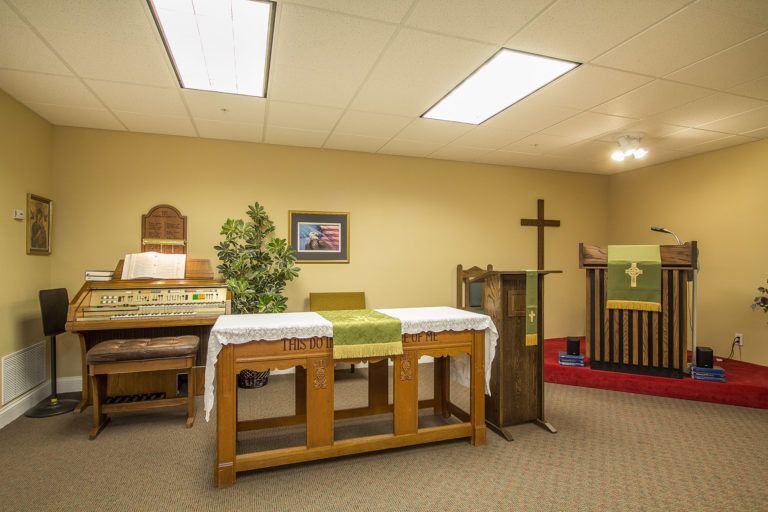
  • Religious services Religious servicesReligious services provide seniors with a sense of community, support, and spiritual fulfillment, which can improve their overall well-being and mental health. It also offers them opportunities for socialization and connection with others who share their beliefs.
  • Resident-run activities Resident-run activitiesResident-run activities are important for seniors as they encourage social interaction, creativity, and a sense of autonomy. These activities empower seniors to stay engaged and active in their community while fostering meaningful connections with their peers.
  • Scheduled daily activities Scheduled daily activitiesScheduled daily activities are important for seniors because they provide structure, socialization, mental stimulation, and physical activity. Engaging in regular activities can improve overall well-being and quality of life for seniors living in a community setting.
  • Stories StoriesStories are important for seniors because they provide a sense of connection, stimulate memory and cognitive function, and offer entertainment and emotional engagement. Sharing stories can foster social interaction and create a sense of community among seniors, enhancing their overall well-being and quality of life.
  • Yoga / chair yoga Yoga / chair yogaYoga and chair yoga are important for seniors as they promote flexibility, balance, strength, and overall wellbeing. These practices can help improve mobility, reduce stress, and enhance mental clarity, ultimately leading to a higher quality of life in their senior years.

Languages Spoken

  • English EnglishEnglish is important for seniors as it allows them to communicate effectively with healthcare providers, understand important information related to their health and medications, stay connected with loved ones, and engage in social activities within their communities. It also opens up opportunities for lifelong learning and intellectual stimulation.

Description

Carnegie Village Senior Living Community in Belton, MO offers a variety of housing options including 2-bedroom apartments and studio apartments. This community provides different types of care such as independent living, memory care, and skilled nursing facility services.

Residents at Carnegie Village have access to a range of amenities to enhance their daily lives. These amenities include an on-site beautician and beauty salon, cable or satellite TV for entertainment, a cafe for socializing, community-operated transportation for ease of getting around, a computer center for staying connected, and a dining room where residents can enjoy delicious meals. Additionally, there is financing advice available for those who need assistance with financial planning.

The community also features a fitness room so residents can maintain their physical health, fully furnished apartments for convenience and comfort, a gaming room for recreational activities, and a beautiful garden to enjoy nature. Other amenities include a general store for convenience items, the option to have guests during mealtimes or overnight stays, home sale assistance if needed, housekeeping services for maintenance-free living, laundry facilities on-site, outdoor spaces to relax in, private bathrooms in each apartment, private cleaning services available if desired.

Carnegie Village offers additional services such as move-in coordination to make the transition smooth and stress-free. They also provide respite or short-term stays and restaurant-style dining experiences. For quiet moments or leisurely reading there is a small library available along with a TV room equipped with telephones. Residents have access to transportation and parking facilities as well.

For seniors in need of care services, Carnegie Village provides 24-hour supervision by qualified staff members along with assistance with daily activities such as bathing and dressing. They also offer support with transfers if necessary. The community caters to specific dietary requirements including diabetes diets and special dietary restrictions.

Care services at Carnegie Village include medication management provided by trained professionals as well as mental wellness programs aimed at promoting emotional well-being. They offer physical therapy, programming for mild cognitive impairment, and specialized memory care programming for those with memory-related conditions. Transportation arrangements are made to ensure that residents can attend medical appointments and other necessary trips.

Room service is available for dining convenience along with options for special dietary restrictions. Residents have a variety of activities to engage in, such as arts and crafts, community-sponsored activities, cooking clubs, educational speakers and lifelong learning opportunities, fitness programs to improve overall health, various games, gardening clubs for green thumbs, live musical performances for entertainment enjoyment, planned day trips to explore the local surroundings. Religious services are also organized regularly.

Carnegie Village is conveniently located near cafe options as well as parks where residents can enjoy outdoor activities. There are also nearby pharmacies and physicians for easy access to healthcare services. In addition, there are numerous restaurants nearby offering dining choices.

Overall, Carnegie Village Senior Living Community offers a comprehensive range of housing options and care services coupled with an abundance of amenities aimed at providing a comfortable and fulfilling lifestyle for its residents.

Nearby Places of Interest

Pharmacies

  • CVS Pharmacy (0.3 miles)
  • Walgreens (0.6 miles)
  • CVS Pharmacy (2.5 miles)
  • Walgreens (5.2 miles)
  • CVS Pharmacy (7 miles)
  • Walgreens (7.2 miles)
  • CVS Pharmacy (7.9 miles)

Physicians

  • Cass County Eye Care Center (0.3 miles)
  • Pathways (0.6 miles)
  • Midwest Women's Healthcare Specialists (1.1 miles)
  • Research Belton Hospital (1.1 miles)
  • Southland Primary Care (1.6 miles)
  • Hickman Mills Clinic - Encompass Medical Group (3 miles)
  • Jeffrey Allen Scott (5.2 miles)

Restaurants

  • Fazoli's (0.7 miles)
  • McDonald's (0.8 miles)
  • Freddy's Frozen Custard & Steakburgers (0.9 miles)
  • Snack Shack (0.9 miles)
  • Cracker Barrel (0.9 miles)
  • Culver's (2 miles)
  • Mexico Viejo (2.4 miles)

Places of Worship

  • Raymore Christian Church (2.3 miles)
  • United Methodist Church, Family Life Center (5.7 miles)
  • Lord of Life Lutheran Church (7.2 miles)
  • St Michael The Arch Angel (7.9 miles)
  • Abundant Life Baptist Church (9.5 miles)
  • First Assembly Of God (9.8 miles)
  • Cleveland Christian Church (10 miles)

Cafes

  • BIng Coffee (2.4 miles)
  • Starbucks (7 miles)
  • Starbucks (10.1 miles)

Parks

  • Raymore Parks & Recreation (4 miles)
  • Raymore Recreational Park (4.1 miles)
  • Ironwoods Park (6.8 miles)
  • Arbor Walk Park (7 miles)
  • Gezer Park (7.7 miles)
  • Overland Park Arboretum (9.1 miles)
  • Freedom Park (9.7 miles)

Theaters

  • AMC DINE-IN Prairiefire 17, Formerly Cinetopia Overland Park 18 (8.5 miles)

Hospitals

  • Saint Luke's South Hospital (10.1 miles)

Frequently Asked Questions

What floor plans and room types does Carnegie Village Senior Living Community offer?
Where is Carnegie Village Senior Living Community?
Does Carnegie Village Senior Living Community provide care for residents with dementia or Alzheimer's disease?
What photos are available for Carnegie Village Senior Living Community in Belton, Missouri?

Nearby Communities

  • Carnegie Village Rehabilitation & Health Care Center

    Carnegie Village Rehabilitation & Health Care Center

    Belton, MO

    4.5 from 110 reviews
     

    pro Restaurant-style dining, on-site beauty salon, 24-hour supervision, transportation, and varied activities.


  • Carnegie Village Senior Living Community

    Carnegie Village Senior Living Community

    Belton, MO

    4.1 from 170 reviews
    $1,950 to $2,750 / month

    pro Caring frontline staff; clean, welcoming setting with multiple care levels and affordable pricing.

  • Carnegie Village Rehab

    Carnegie Village Rehab

    Belton, MO

    4.5 from 100 reviews
     

    pro Fully furnished rooms with 24/7 supervision, personalized care, and active social programs.

  • Walnut Estates

    Walnut Estates

    Belton, MO


    pro Excellent location near amenities (cafes, parks, pharmacies, doctors, restaurants, worship).

  • Notting Hill

    Notting Hill

    Belton, MO

    2.7 from 33 reviews
     

    pro Nearby access to cafes, parks, pharmacies, healthcare, restaurants, and a place of worship.

  • Granada Villas Apartments

    Granada Villas Apartments

    Belton, MO

    4.2 from 6 reviews
     

    pro Excellent proximity to cafes, parks, pharmacies, doctors, and dining.

  • Benton House Of Raymore

    Benton House Of Raymore

    Raymore, MO

    4.4 from 48 reviews
    $4,110 to $5,370 / month

    pro Friendly, attentive staff with engaging activities and chef-prepared meals; pet-friendly and clean, welcoming environment.

  • Foxwood Springs

    Foxwood Springs

    Raymore, MO

    4.2 from 65 reviews
    $1,957 to $4,505 / month

    pro Friendly staff and an active community with good dining and activities.

  • Bristol Manor of Raymore

    Bristol Manor of Raymore

    Raymore, MO

    3.5 from 18 reviews
    $2,100 to $3,100 / month

    pro Small, intimate community with attentive, caring staff.

Related Resources

  • in home dementia care costsEstimating the Expenses of At-Home Dementia Care: A Detailed Exploration

    At-home dementia care expenses vary widely based on care levels, location, and caregiver expertise, with monthly costs for home health aides exceeding $4,500 and specialized care potentially surpassing $100,000 annually. While families favor in-home care for its comfort and personalized attention, they must consider financial planning and the challenges of caregiver fatigue.

  • end stage dementiaComprehensive Insights on the Late Stages of Dementia: What to Expect and How to Provide Care

    The article discusses the late stages of dementia, detailing the progression from mild to severe impairment and highlighting key characteristics such as profound cognitive decline and dependency in daily activities. It emphasizes care strategies focused on comfort and dignity, the importance of advance directives, and the emotional support needed for family caregivers facing this challenging journey.

  • list of drugs linked to dementiaMedications Associated with Dementia Risk: A Comprehensive Overview

    The article examines the link between certain medications and increased dementia risk, particularly in older adults, emphasizing that long-term or high-dose use of anticholinergics, benzodiazepines, and other drug classes can exacerbate cognitive impairment. It calls for careful medication evaluation and shared decision-making to mitigate these risks while managing treatment efficacy.