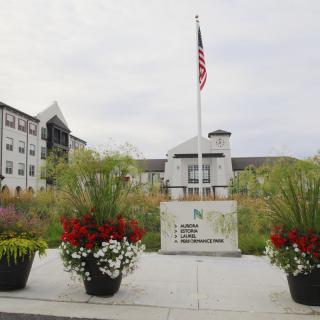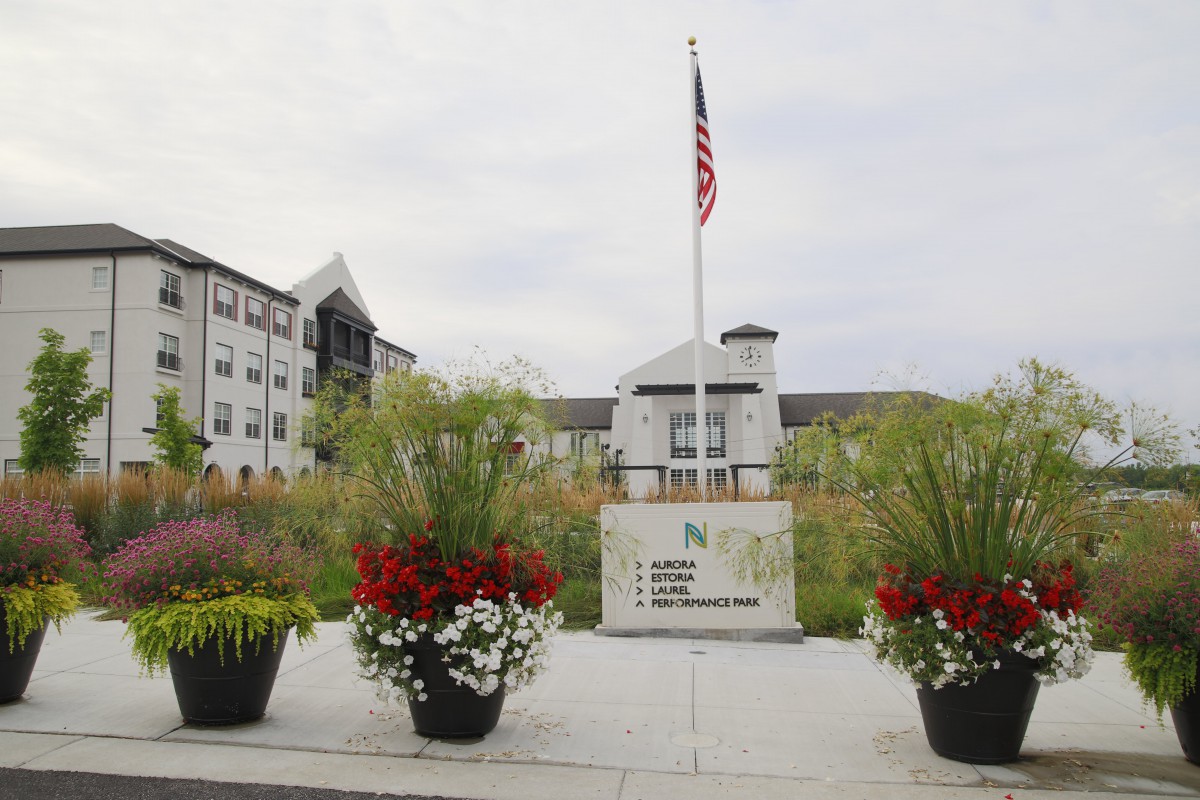
2580 Norterre Circle, Liberty, MO 64068
For more information about senior living options: (866) 208-4318
Overall Review of Norterre
Pros
 The staff's willingness to go the extra mile is amazing and commendable.
- The activities director is absolutely the best and very patient.
- The nurses are great and keep the family well informed.
- The staff are good at teaching the chefs about different ethnic foods, which is awesome.
- The personal attention toward care stands out.
- The community is very clean and the food is tremendous.
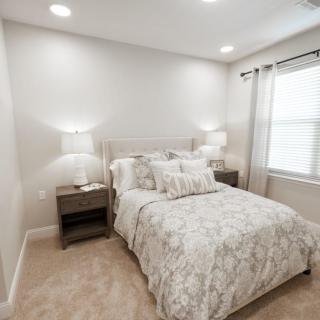
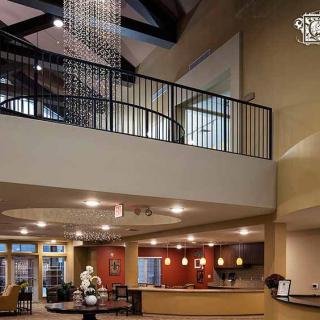
- The Laurel at Norterre is beautiful and inviting, with nicely presented rooms.
- The community has a homey feeling with ample socialization, and the staff are engaging to residents.
- Residents seem to enjoy the food, and the menu can be adjusted to meet preferences.
Cons
 They can’t take patients to appointments and must hire an outside transportation source at $100 each way, totaling about $600 per week on top of nearly $5,000 a month.
- They rely on a temporary agency for nursing aides, with only one RN for two facilities, leading to missed medications and poor information transfer between shifts.
- The claim of having a professional chef is dismissed as “bullshit”; meals are prepared by whoever is available and residents can’t choose what they want, except for dietary needs.
- They say Norterre is all about the money and advise others not to go there.
- They describe Norterre as a “shit show” once the surface appears are pulled back.
Review
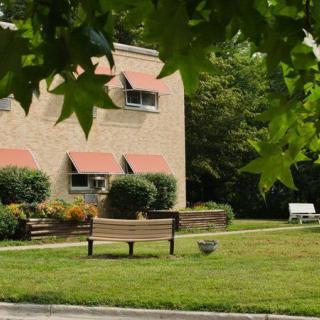
Norterre is best suited for families seeking a warm, community-focused assisted living experience where daily social life and personal attention from staff are prioritized. On the Campus sits The Laurel at Norterre, and reviews consistently point to a homey atmosphere, active programming, and a staff that is willing to go the extra mile when able. This setting rewards residents who thrive on regular activities, steady interaction with caregivers, and a sense that the community is genuinely invested in everyday quality of life. It is not a clinical fortress, but a place where presence and engagement matter and where the physical environment feels welcoming and well kept.
Those who should consider alternatives are families needing rock-solid, predictable medical oversight and operational consistency above all else. If prompt call-light responses, reliable medication administration, and a straightforward transportation plan to off-site appointments are non-negotiables, Nortonre’s staffing model and ancillary services may not meet expectations. Several reviewers flag the need to hire outside transportation and note gaps in shift-to-shift communication, including missed doses or information not passed along. In short, budgets and timelines hinge on staffing reliability, and if that reliability is critical, other communities might offer a tighter, more accountable cadence.
The key positives on balance are meaningful: staff repeatedly earns praise for willingness to go the extra mile, and nurses keep families informed when changes occur. The activities director in particular stands out for creativity and patience, helping residents try new things and maintaining social engagement. Dietary accommodations are genuinely responsive; meals may not be “gourmet,” but the kitchen staff are receptive to restrictions and preferences, and there is evidence of culinary effort and cultural sensitivity. Cleanliness and a home-like kitchen/back-end feel contribute to an atmosphere where residents appear comfortable and well cared for when the right caregivers are present. These strengths directly offset some concerns by creating trust and a sense of daily predictability when staffing aligns with expectations.
Where the campus consistently strains is in healthcare operations and logistics. The dependence on temporary agency aides and a single RN across two facilities creates fragile continuity, especially for med administration and timely coordination between shifts. Transportation to appointments often requires an outside vendor at additional cost, which compounds the monthly expense and can be a surprise for families budgeting for care. Some reviews describe call lights as not promptly answered and interpersonal tone as less than ideal at times, signaling that the best experience hinges on the specific staff on duty. These factors do not invalidate the gains from a lively, personable culture, but they do limit Norterre’s appeal for families who want seamless medical oversight and frictionless service.
The Laurel at Norterre introduces a notable alternative rhythm: smaller-scale dining and floor-specific staffing that can feel more intimate and family-like. Reviews note a dining culture where residents eat together at a large table, with dedicated cooks and nurses who can float within a floor, which can translate into better responsiveness and more consistent routines. Tour impressions often highlight warmth, helpfulness, and strong engagement from staff, even as some observers price The Laurel higher than comparable campuses and flag layout or navigation as potential barriers for some residents. The contrast, more personal dining and a dedicated team on a focused unit versus a busier, less predictable model, helps families weigh whether a tighter, more self-contained environment or a broader campus with mixed staffing is preferable.
In short, Norterre rewards families who value a lively, personable environment where staff relationships and social programming create a strong sense of community and daily purpose. It will not satisfy households with uncompromising needs for medication security, guaranteed call-light responsiveness, or a transport-free budget. Pros such as engaged staff, adaptive dietary planning, and genuine resident activity can offset many drawbacks when the staffing mix cooperates, but the realities of agency workers and two-facility management remain significant caveats. The Laurel offers a more intimate, dining-on-one-floor experience that may better suit residents who prioritize consistency and a tightly run unit, albeit at a higher price point.
Practical next steps for families: target a tour with a concrete checklist focused on staffing stability (ask for the current RN coverage on your preferred shift), a walk-through of med-pass procedures, and a realistic transport plan for appointments. Speak with families already living in Norterre about their experiences with call lights and daily routines, and compare the dining models across The Laurel and the broader campus. Before deciding, demand a transparent breakdown of costs, including any external transport fees, and request a demonstration of how dietary restrictions are implemented in real-time. The goal is a care environment that delivers warmth and engagement without sacrificing dependable medical oversight or predictable operations.
 60 resident community capacity
 1-bedroom apartments
 Assisted Living
 Memory Care
 Cats allowed
 Dogs allowed
 Activities on-site
 Air-conditioning
 Beautician on-site
 Cable or satellite TV
 Computer center
 Devotional services off-site
 Dining room
 Fitness room
 Fully furnished
 Gaming room
 Garden
 Handicap accessible
 Housekeeping services
 Indoor common areas
 Kitchenette
 Move-in coordination
 Outdoor common areas
 Private bathrooms
 Respite or short term stays offered
 Restaurant-style dining
 Small library
 Swimming pool / hot tub
 Telephone
 Wellness center
 Wi-Fi/high-speed internet available
 Kansas City International (16 miles away)
 Community operated transportation
 24-hour call system
 Ambulatory care
 Assistance with bathing
 Assistance with dressing
 Assistance with transfers
 Diabetes diet
 Diabetic care
 Incontinence care
 Medication management
 Mental wellness program
 Special dietary restrictions
 Concierge services
 Day trips and outings
 Happy hour
 Live dance or theater performances
 Live musical performances
 Trivia games
 Wii bowling
 Wine tasting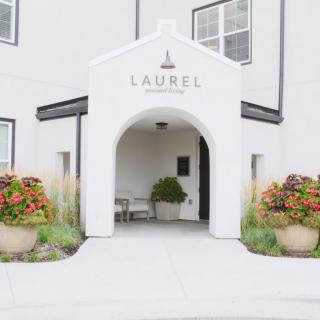



 Exploring the Power of Reminiscence Therapy for Individuals With Dementia
 An In-Depth Look at Reminiscence Therapy in Dementia Care
 Dementia-Related Hallucinations: Causes, Experiences, and Practical Approaches