
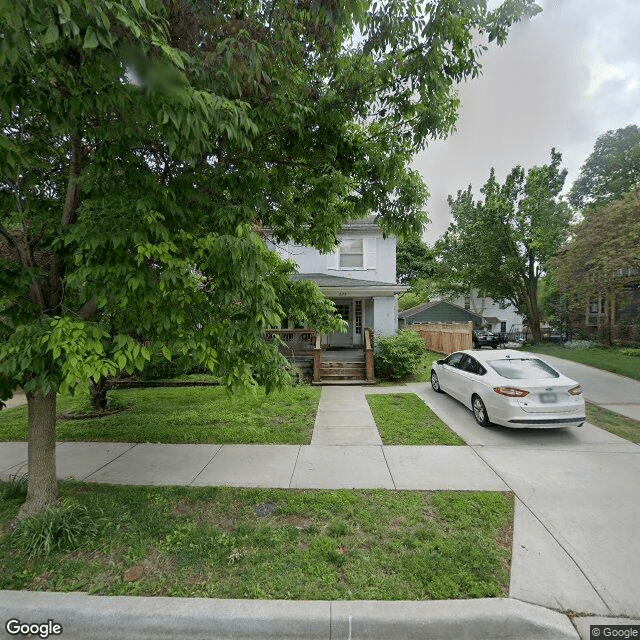
227 W Franklin St, Liberty, MO 64068
To contact a resident: (816) 781-8058
For more information about senior living options: (866) 208-4318
Overall Review of Mockingbird Manor
Pros
 The community is very friendly and offers several activities that help neighbors get to know each other.
- The manager is very friendly and helpful.
- People would definitely recommend the mobile home park to anyone seeking independent senior living.
- It is a great place to live.
- Nice people live here.
Cons
 Maintenance is not kept up as promised in the contract when residents first moved in.
- No visitors are allowed at this time.
- The people were being real jerks.
Review
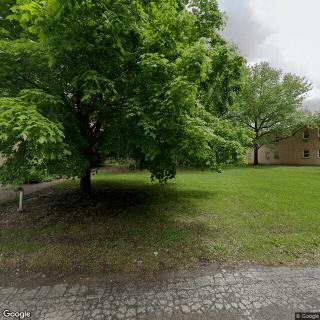
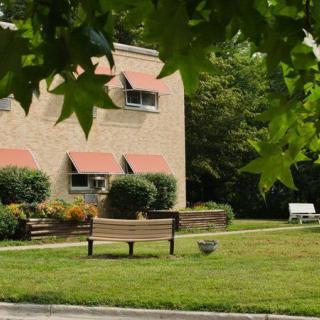
Mockingbird Manor in Liberty, MO is best suited for active, independent seniors who want a tight-knit, socially engaged neighborhood built into a mobile-home park setting. The community excels at creating a friendly atmosphere where neighbors know one another, activities abound, and management is approachable. Reviewers repeatedly point to a long-standing, resident-driven sense of camaraderie, and the presence of a management team that is accessible and helpful. For families prioritizing companionship, an affordable footprint, and a straightforward, low-maintenance lifestyle without ongoing care needs, this community offers a compelling fit.
Those evaluating alternatives should be mindful of two reality checks that consistently surface in the feedback. First, this is not a proven home for seniors who require regular hands-on assistance, medical oversight, or structured care services. Prospective residents who anticipate daily support, coordinated medical management, or on-site nursing should consider other options, such as traditional assisted living or life-care communities, where care is integrated into the monthly plan. Second, families who prize flexible guest access to see loved ones may want to weigh options with looser visitor policies, since reports of restricted visitation and the vibe of a closed community have appeared in reviews, which can complicate family involvement.
On the plus side, the strongest pro is the social fabric. The long-tenured residents and friendly manager create a living environment where activities and neighborly interaction naturally counter isolation. This is a place where social connection is visible in the calendar and daily life, not just marketing copy. The sense of belonging and the ease of meeting people are repeatedly cited as standout benefits, and that social capital carries real value for seniors who want to stay engaged while aging in place within a smaller, low-key setting. For buyers prioritizing economy and independence without the burden of a large campus, the combination of affordability and a welcoming community is meaningful leverage.
The most persistent drawbacks revolve around reliability and culture rather than mere aesthetics. Maintenance has been described as not kept up as promised in the contract at move-in, which signals a trust issue that can erode confidence over time. In a setting where residents live in a mobile home park arrangement, timely upkeep matters; delays or unmet promises compound the feeling of a space that isn’t fully managed to a high standard. Additionally, some reviewers flag a guest policy that effectively limits family and friend visits, plus a few comments about interpersonal friction among residents. Taken together, these factors can turn an otherwise charming environment into one where practical daily life needs contradict the ideal of a warm, neighborly cul-de-sac.
Those pros and cons can be weighed with a clear eye on what matters most in decision making. The friendly management and robust social calendar offset the maintenance gaps by preserving day-to-day livability and meaningful connection, especially for independent seniors who value control over their daily routines and budget. Yet the maintenance shortfalls and restricted guest access can be meaningful if regular upkeep or family involvement is a priority. For families with a strong emphasis on dependable service levels and openness to guests, the balance may tilt toward alternatives that deliver more predictable maintenance performance and more flexible visit policies, even if it means sacrificing some of the intimate community feel.
In practical terms, families should approach a visit to Mockingbird Manor with a focused checklist. Confirm what maintenance promises exist in the contract and request concrete response times for common fixes. Ask current residents about how often repairs are completed and whether degradation in service has improved over time. Deliberately discuss guest policies: what restrictions apply, what exceptions exist, and how visiting hours or arrangements are managed for family care coordinators. Finally, probe the overall culture: is the community supportive and respectful, or does friction among residents color the day-to-day experience? Armed with clear expectations, families can determine whether this tightly knit, affordable independent living option aligns with their priorities or if a broader continuum, with structured care and more adaptable guest access, better fits the future.
 Board and Care Home
 Kansas City International (16 miles away)




 Nurturing Our Loved Ones: A Daughter's Journey in Caring for Her Mother
 Nurturing Our Elders: Linda's Journey of Supporting Her Mother
 A Comprehensive Exploration of Common Misunderstandings about Powers of Attorney