
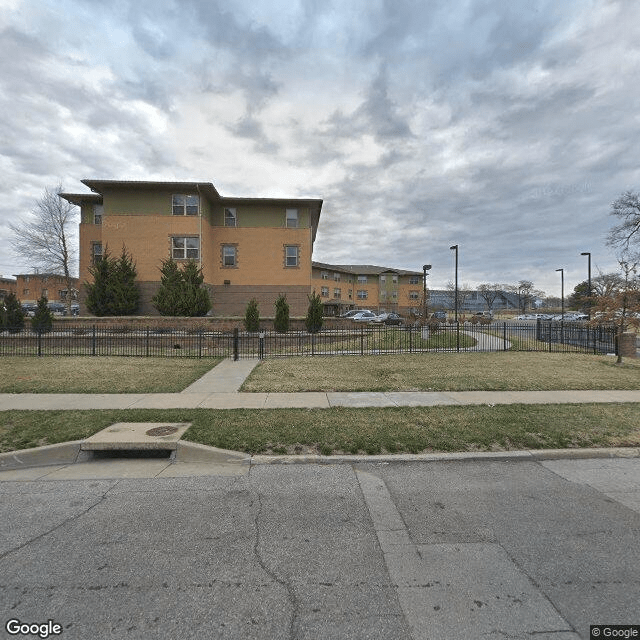
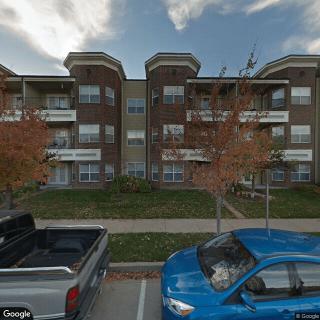
1900 East 10th St., Kansas City, MO 64127
To contact a resident: (816) 221-2224
For more information about senior living options: (866) 208-4318
Overall Review of St. Joseph Place
Pros
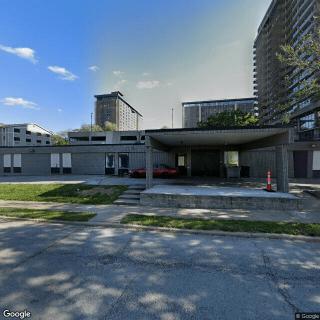
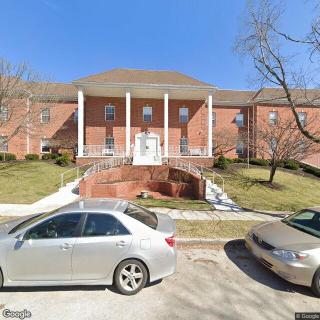
 The rehab is beautiful and uplifting with humble surroundings.
- The sunroom is a favorite place to spend time.
- The Rehab and RN team makes St Joseph Place very special.
- The St. Joseph family is A+.
- The husband has blossomed and smiles every day.
- The facility is clean and well-maintained, with good meals and comfortable rooms.
Cons
 The facility is dirty and infested with bed bugs.
- Management is terrible.
- It is not senior-friendly.
- The community room furniture is poor, and nothing works in the fitness room.
- The rehab staff does not pay attention to patients, with some patients waiting for hours.
- Dehydration caused a seizure and kidney collapse in the mother.
- The building has a marijuana smell on the second floor, suggesting drug issues.
- Maintenance requests go unaddressed and repairs are not handled promptly.
- The air conditioning units are not energy efficient due to their placement.
- The nearby complex is known for a high crime rate.
Review
St. Joseph Place in Kansas City is best suited for families seeking a rehab-forward transition option that delivers strong nursing and rehabilitation support, paired with a calm, sunlit environment that can help a loved one regain momentum after hospitalization. It works well for short-term stays when the priority is skilled care, approachable staff, and visible progress in recovery. Those who prioritize a vibrant, long-term senior living routine with flawless daily operations may find it less than ideal.
The strongest positives center on the rehab and nursing teams. Multiple residents and families praise exceptional care from RNs and therapists, noting meaningful improvements and a hopeful atmosphere that helps a loved one “blossom.” The facility’s surroundings, humble yet uplifting, and the sunroom ambiance contribute to a constructive mood that families value during recovery. Food and housekeeping receive favorable mentions in several accounts, with meals described as appropriately portioned and generally tasty, and rooms kept clean when attention is given. The staff’s willingness to connect with residents and encourage participation in activities is highlighted as a meaningful, comforting element for those who are motivated by social engagement.
Yet the downsides are persistent enough to affect daily living for long-term residents and those sensitive to facility management. Critics describe management as inconsistent and not consistently senior-friendly, with complaints about maintenance responsiveness and overall operations. Some reviewers report unpleasant conditions, bed bugs, dirty areas, and a sense that routine attention to patients and room upkeep can fall short. There are troubling anecdotes about dehydration and medical attention during rehab that escalated into serious health events for a resident, underscoring concerns about continuous vigilance for more frail populations. A recurrent note is the smell of marijuana on upper floors and concerns about drug exposure, which compounds worries about safety and a stable living environment. Maintenance and location concerns also surface, including suboptimal repairs and energy-inefficient design elements, alongside a nearby complex known for higher crime risk, which weighs on perceived safety.
These pros can offset the cons for families prioritizing acute rehab outcomes and a supportive, welcoming atmosphere. The documented clinical excellence, an attentive rehab/RN team and a nurturing environment, frequently translates into tangible improvements, and many families are willing to drive longer distances because the care feels worth it. For residents who are not looking for a pristine, all-encompassing senior lifestyle but rather a focused recovery experience with clear caregivers and a positive mood in shared spaces, the upside often outweighs the operational hiccups. In practical terms, the facility’s ability to help a loved one regain function can justify the trade-offs in daily maintenance and occasional lapses in oversight.
However, those needing a seamless, long-term, highly regulated living environment should consider alternatives. The combination of reported management gaps, maintenance delays, and environmental concerns, plus a sense that some safety and daily living needs may be unevenly met, points to a mismatch for residents requiring constant supervision, tight safety protocols, or a pest-free, consistently well-run setting. Families with dementia or advanced cognitive needs might prefer a community with a more consistently attentive care plan and steadier administrative leadership. Budget-conscious families should also weigh whether the likely variability in day-to-day operations aligns with expectations for routine, predictable living.
For decision-making, a decisive approach is advised: tour and observe the rehab areas during peak activity, speak directly with nursing leadership about care plans and incident responses, and verify maintenance responsiveness and pest control records. Probe how staffing levels adapt to patient volume, how dehydration and nutrition issues are tracked and prevented, and what steps are taken if a resident experiences cognitive or behavioral challenges. If rehab excellence and a hopeful recovery environment are the primary goals, St. Joseph Place delivers compelling value. If long-term consistency, safety, and flawless daily functioning are non-negotiable, families should explore other options with more uniform management and environmental stability.
 Active Adult Communities (55+)
 Cats allowed
 Dogs allowed
 Activities on-site
 Indoor common areas
 Outdoor common areas
 Kansas City International (16 miles away)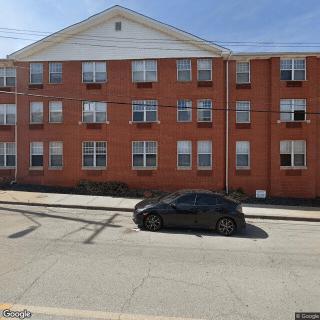

 Powerful Realities of Elder Abuse and the Most Effective Ways to Report It
 Ten Vital Duties of a Senior Caregiver: A Comprehensive Guide
 9 Stimulating Memory Activities for Seniors: Puzzles, Cards, and Much More