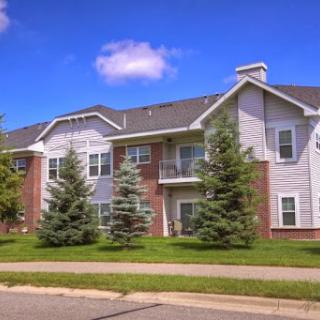
The Gardens At St Gertrudes in Shakopee, MN

Save

The Gardens At St Gertrudes in Shakopee, MN

Information last verified:

1850 Sarazin Street, Shakopee, MN 55379

For more information about senior living options: (844) 490-3973

3.5 from 94 reviews
5 stars
43
4 stars
15
3 stars
3
2 stars
10
1 stars
23

The Gardens At St Gertrudes Costs & Pricing

The Gardens At St Gertrudes offers competitively priced accommodation options compared to both Scott County and the broader state of Minnesota. For instance, their semi-private rooms are available at $2,244 per month, significantly lower than the averages of $4,165 in Scott County and $4,051 statewide. Similarly, the studio apartments at The Gardens are priced at $3,244, which remains favorable when juxtaposed with Scott County's rate of $4,232 and Minnesota's average of $3,617. However, for one-bedroom apartments, The Gardens' cost of $3,560 is higher than both the county's rate of $3,210 and the state's average of $2,893. In the case of two-bedroom accommodations priced at $4,182, it also surpasses the county's average of $3,326 and the state average of $2,955. Overall, while The Gardens At St Gertrudes presents an attractive option for certain room types compared to local and state averages, potential residents may want to weigh their choices based on individual needs and preferences.

Floor plansThe Gardens At St GertrudesScott CountyMinnesota
Semi-Private$2,244$4,165$4,051
Studio$3,244$4,232$3,617
1 Bedroom$3,560$3,210$2,893
2 Bedrooms$4,182$3,326$2,955

Overall Review of The Gardens At St Gertrudes

Pros

  • pro The care and rehab at St. Gertrude’s were excellent and helped the patient transition home.
  • pro Angela H. was very helpful on the first night, reviewing all the paperwork thoroughly and professionally.
  • pro The staff were friendly and the nurse manager was caring and kind at discharge, going the extra mile for the family.
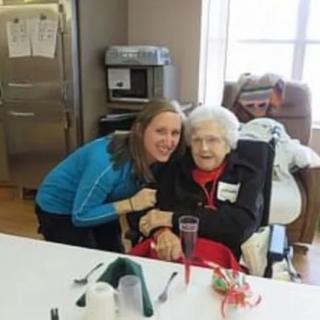
  • pro Residents at Benedictine The Gardens enjoy the activities, and the staff are friendly and caring; they truly care about their residents.
  • pro Angela in the business office is knowledgeable, kind and helpful, guiding families through stays.
  • pro The food is great, and the staff are efficient and friendly.
  • pro The staff go above and beyond, and families feel their aging parents are in a safe and kind environment.
  • pro The care was good, professional and kind.
  • pro The facility is neat, clean and welcoming, with friendly staff and good therapies.
  • pro The nursing and medical personnel have been outstanding.

Cons

  • pro The nursing staff is unprofessional and has refused medications when needed.
  • pro The facility is described as horrible with neglectful care and no compassion.
  • pro There is a chronic shortage of staff, leading to long waits and unaddressed needs.
  • pro The food is terrible, often cold, and not conducive to recovery.
  • pro Pain management is severely lacking, with patients waiting hours for relief.
  • pro Communication with administration or the business office is disrespectful or non-existent.
  • pro The facility is run-down, with heating/cooling problems and mold.
  • pro Medication errors and missed doses are commonplace.
  • pro Some staff display rude or abusive behavior toward residents.
  • pro Billing practices are harsh, aggressive, or deceptive.
  • pro Residents have experienced weight loss, infections, or injuries due to substandard care.
  • pro The overall impression is that the facility should be avoided for loved ones.

Review

The Gardens at St Gertrudes in Shakopee, MN is best suited for families seeking short- to mid-term rehabilitation with a strong emphasis on therapy. When a loved one finishes surgery or an acute hospital stay and needs intensive PT/OT to regain independence, this community can deliver where it matters most: skilled rehabilitation that helps residents return home. The strongest case here is for those who want a rehab-focused environment with ready access to therapists, a hospital-like support net, and a setting that is clean and welcoming. It is less ideal for families seeking a consistently high-touch, all-around long-term care experience without active family involvement, given the recurring concerns voiced about staffing and everyday operations.

Caregivers weighing alternatives should be mindful of residents who require around-the-clock attentiveness and rapid, reliable response to needs. While some families report excellent rehab outcomes and responsive staff, others describe long delays in getting help, missed medications, and inconsistent bedside attention. For loved ones needing ongoing, predictable care, or for those who cannot advocate for themselves, other communities with steadier nurse-to-resident ratios and stronger dietary and housekeeping protocols may be safer choices. Prospective families should consider whether a temporary or transitional stay suits their loved one, and whether the facility’s weaknesses could become burdensome during a longer stay.

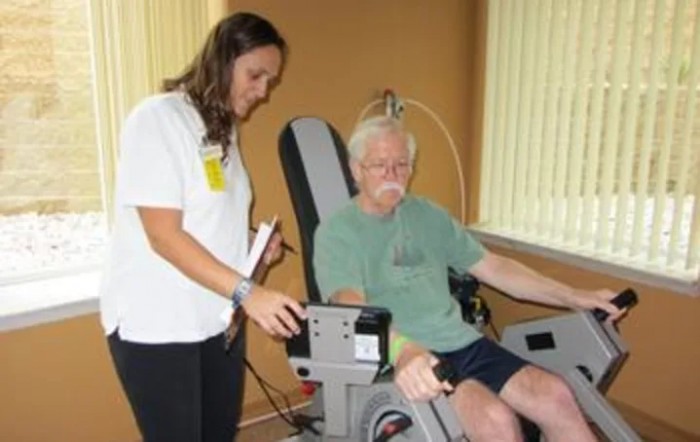
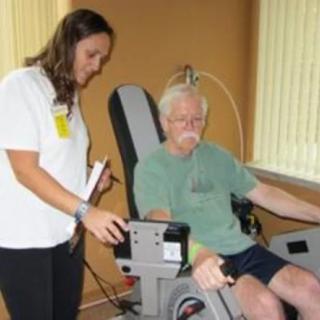
On the upside, the therapy teams at St Gertrudes are repeatedly praised for their skill, motivation, and ability to move residents toward functional goals. OT and PT are highlighted as excellent, with families noting clear progress and a positive trajectory toward returning to home environments. The nursing and support staff, when available, are described as compassionate, friendly, and dedicated, and several reviews commend the admissions and business staff for their professionalism and willingness to answer questions. The facility’s design, ample private rooms, a clean campus, and a connected hospital ecosystem, offers practical safeguards and ease of coordination when medical issues arise, which is a meaningful asset for rehab-focused care.

Yet the cons that recur in the reviews form a discordant counterpoint. A persistent thread is staffing shortages, especially on night shifts, leading to slower response times, occasional missed calls, and a sense that residents are not always promptly attended to. Pain management is a recurrent sore spot, with multiple accounts of delays or gaps in medication administration during rehab stays. Food quality and consistency receive mixed feedback, ranging from praise for adequate nourishment to sharp criticism about taste, temperature, and portion sizes, an important factor in recovery that can influence appetite and energy for therapy. Cleanliness and everyday operational fluency also appear uneven, with families reporting inconsistent housekeeping and occasional lapses in routine maintenance or room comfort. These patterns point to systemic strain rather than isolated incidents.

The way these positives and negatives interact ultimately frames the decision. For a short-term rehab patient who arrives with clear goals, a proactive family member, and realistic expectations about potential gaps in staffing, the strong therapy staff and the hospital-connected care model can yield meaningful gains that justify a stay. In that scenario, the positives can offset some rough edges: dedicated therapists, positive discharge planning, and a facility that can bridge hospital and home. However, for longer-term stays or for loved ones with complex medical needs, the ongoing concerns about staffing, consistent pain control, safety, and food quality can compound and erode the confidence needed to feel comfortable with care over time. The facility’s reputation reflects a real dichotomy: excellence in rehabilitation outcomes and warmth from many caregivers coexist with persistent operational pressures that risk undermining daily safety and comfort.

Families taking action can tilt the balance in their favor with a disciplined, proactive approach. Before admission, request a candid conversation with the director of nursing and the therapy supervisor to map out staffing patterns, call-bell response targets, and pain-management protocols. Seek a concrete, written care plan that assigns responsibility for medication timing, wound care, and routine safety checks. During the stay, insist on regular, scheduled updates and a defined point of contact in admissions or case management. If any red flags appear, unresolved call bells, inconsistent meds, or meal dissatisfaction, document them and address them promptly with leadership. For those who want stronger assurances, exploring alternatives with a track record of steadier staffing and consistently high ratings may be prudent. In the end, The Gardens at St Gertrudes offers meaningful rehabilitation advantages, but it requires vigilant oversight to ensure that those advantages translate into reliable, comprehensive daily care.

Features

Housing

  • 21 resident community capacity 21 resident community capacity

Types of Care

  • Assisted Living Assisted LivingAssisted living facilities provide crucial support and care for seniors who may need help with daily tasks such as medication management, bathing, and meal preparation. These communities offer a safe and comfortable environment where seniors can maintain their independence while receiving the assistance they need to thrive in their golden years.
  • Skilled Nursing Facility Skilled Nursing FacilitySkilled Nursing Facilities are crucial for seniors as they provide round-the-clock medical care, rehabilitation services, and assistance with daily activities. These facilities ensure that seniors receive the specialized care they need to maintain their health and well-being as they age.

Amenities

  • Activities off-site Activities off-siteEngaging in off-site activities is crucial for seniors to maintain social connections, stay active, and stimulate their minds. It promotes overall well-being and helps combat feelings of isolation and loneliness.
  • Activities on-site Activities on-siteActivities on-site are important for seniors because they provide opportunities for socialization, mental stimulation, physical activity, and overall well-being. Engaging in activities can help seniors stay active, maintain their independence, and improve their quality of life.
  • Air-conditioning Air-conditioningAir conditioning is important for seniors as they are more vulnerable to heat-related illnesses and may have underlying health conditions that make it difficult for them to regulate their body temperature. It helps to keep them comfortable, safe, and healthy in hot weather.
  • Beautician on-site Beautician on-siteHaving a beautician on-site at a senior living community is important for seniors as it allows them to easily access grooming and personal care services, boosting their self-esteem and overall well-being. It also provides convenience and helps seniors maintain their sense of independence and personal style.
  • Beauty salon Beauty salonBeauty salons are important for seniors because they provide a space for them to feel pampered, socialize, and maintain their personal grooming and hygiene. Regular visits to a beauty salon can help boost seniors' self-esteem and overall well-being.
  • Cable or satellite TV Cable or satellite TVCable or satellite TV is important for seniors because it provides entertainment, news, and companionship, helping to combat loneliness and boredom. It also offers a wide range of programming options tailored to different interests and preferences.
  • Devotional services off-site Devotional services off-siteDevotional services off-site are important for seniors as they provide spiritual nourishment, social engagement, and a sense of community outside of the senior living facility. This can enhance overall well-being and help combat feelings of isolation and loneliness often experienced by older adults.
  • Devotional services on-site Devotional services on-siteDevotional services on-site provide seniors with spiritual support and a sense of community, as well as an opportunity for reflection and guidance during their senior living experience. This can promote emotional well-being and connection to others, leading to a more fulfilling and enriching lifestyle in their later years.
  • Dining room Dining roomDining rooms are important for seniors as they provide a space for socialization, connection, and nutritious meals. They offer opportunities for residents to bond over shared meals, foster a sense of community, and promote healthy eating habits. Dining rooms also ensure that seniors have access to well-balanced meals tailored to their dietary needs and preferences.
  • Fully furnished Fully furnishedFully furnished senior living communities are important for seniors because they provide convenience, comfort, and a hassle-free moving experience. Seniors can easily settle into their new living space without the stress of having to buy and move furniture. This allows them to focus on enjoying their new home and community.
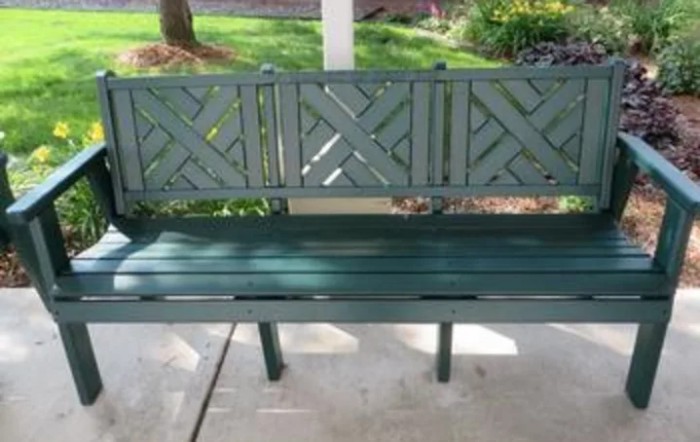
  • Garden GardenGardens are important for seniors as they provide a peaceful and therapeutic environment for relaxation, physical activity, and socialization. Being in nature has been shown to reduce stress, improve mood, and promote overall well-being. Gardens also offer opportunities for seniors to engage in gardening activities, which can improve mobility, flexibility, and cognitive function. Additionally, gardens create a sense of community and connection with others who share a passion for plants and outdoor spaces.
  • Handicap accessible Handicap accessible"Handicap accessible" amenities are crucial for seniors to ensure they can easily navigate and access facilities, services, and activities without barriers or limitations due to physical impairments. This promotes independence, safety, and inclusivity for seniors in senior living communities.
  • Housekeeping services Housekeeping servicesHousekeeping services are important for seniors because they help maintain a clean and safe living environment, promote independence, and reduce the risk of accidents or illnesses. Additionally, having assistance with household chores can alleviate physical strain and allow seniors to focus on other aspects of their well-being.
  • Indoor common areas Indoor common areasIndoor common areas are crucial for seniors as they provide a space for socialization, recreation, and community engagement, promoting overall well-being and reducing feelings of isolation and loneliness.
  • Kitchenette KitchenetteKitchenettes are important for seniors living in senior living communities because they provide the convenience and independence of being able to prepare simple meals and snacks in the comfort of their own living space. This can help promote a sense of autonomy and well-being for seniors, allowing them to maintain some level of control over their dietary choices and daily routines.
  • Move-in coordination Move-in coordinationMove-in coordination is important for seniors because it helps ease the transition into their new living environment. It ensures that all logistics, such as packing, organizing movers, and setting up utilities are taken care of, allowing seniors to focus on settling in and adjusting to their new home. Having a smooth move-in process can alleviate stress and anxiety, making the transition smoother and more enjoyable for seniors.
  • Outdoor common areas Outdoor common areasOutdoor common areas are important for seniors as they provide a space for socialization, physical activity, and relaxation. Being outside in nature can improve mood and overall well-being, while also encouraging movement and engagement with others. These spaces can help combat feelings of isolation and promote a sense of community among residents.
  • Outdoor space Outdoor spaceOutdoor spaces are important for seniors as they provide opportunities for physical activity, social interaction, exposure to natural light and fresh air, and a sense of connection to nature. Having access to outdoor spaces can improve overall well-being and quality of life for older adults living in senior communities.
  • Telephone TelephoneTelephones are important for seniors as they provide a lifeline for communication with loved ones, emergency services, and healthcare providers. They offer a sense of security and independence, enabling seniors to stay connected and access assistance when needed.
  • Wheelchair accessible showers Wheelchair accessible showersWheelchair accessible showers are crucial for seniors as they provide a safe and independent bathing option for those with mobility challenges. These showers help prevent falls and allow seniors to maintain their dignity and autonomy while ensuring they can bathe comfortably.
  • Wi-Fi/high-speed internet available Wi-Fi/high-speed internet availableWi-Fi/high-speed internet is important for seniors to stay connected with loved ones, access online resources, and participate in virtual activities to combat feelings of loneliness and isolation. It also allows them to easily manage healthcare needs, access entertainment, and engage in lifelong learning opportunities.

Transportation

  • Minneapolis-St Paul International (16 miles away) Minneapolis-St Paul International (16 miles away)

Care Services

  • 24-hour call system 24-hour call system24-hour call systems are important for seniors because they provide peace of mind and immediate assistance in case of emergencies. This technology ensures that help is always available, promoting safety and security for elderly individuals living alone or in assisted living facilities.
  • 24-hour supervision 24-hour supervision24-hour supervision is important for seniors to ensure their safety, well-being, and access to immediate assistance in case of emergencies or health issues. This constant support provides peace of mind for both seniors and their loved ones, allowing them to age in place with dignity and security.
  • Activities of daily living assistance Activities of daily living assistanceActivities of daily living assistance are important for seniors because they provide essential support with tasks such as eating, bathing, dressing, and mobility. This assistance helps seniors maintain their independence, dignity, and overall quality of life as they age.
  • Ambulatory care Ambulatory care"Ambulatory care services provide essential medical support and treatment to seniors without requiring hospitalization, allowing them to maintain their independence and quality of life while managing chronic conditions or receiving routine medical care."
  • Assistance with bathing Assistance with bathingAssistance with bathing is crucial for seniors as it helps maintain personal hygiene, prevents infections, and ensures their overall well-being and comfort. It also provides a sense of dignity and independence for seniors who may struggle with this task on their own.
  • Assistance with dressing Assistance with dressingAssistance with dressing is important for seniors because it helps maintain their independence, promotes personal hygiene, prevents accidents and injuries, and improves overall quality of life. This service ensures that seniors can continue to dress comfortably and confidently, despite any physical limitations they may have.
  • Assistance with transfers Assistance with transfersAssistance with transfers is crucial for seniors as it helps prevent falls and injuries, maintains their independence, and ensures they can safely navigate their living environment. It also provides peace of mind for both seniors and their loved ones.
  • Coordination with health care providers Coordination with health care providersCoordination with health care providers is crucial for seniors to ensure proper medical care, medication management, and overall well-being. This collaboration helps prevent overlapping treatments, track progress more effectively, and provide comprehensive support tailored to individual needs.
  • Diabetes diet Diabetes dietA diabetes diet is crucial for seniors as it helps manage blood sugar levels, reduce risks of complications, and improve overall health and well-being. By following a balanced and nutritious diet tailored to their specific needs, seniors can better control their diabetes and enhance their quality of life.
  • Diabetic care Diabetic careDiabetic care is crucial for seniors as they are more susceptible to developing diabetes due to aging and other health conditions. Proper management of diabetes can help prevent complications such as heart disease, vision loss, and nerve damage, improving the overall quality of life for seniors in senior living communities.
  • Incontinence care Incontinence careIncontinence care is essential for seniors to maintain their dignity, hygiene, and overall quality of life. By addressing incontinence issues promptly and effectively, seniors can enjoy a sense of independence and comfort in their daily activities.
  • Meal preparation and service Meal preparation and serviceMeal preparation and service are crucial for seniors as they may have limited mobility or energy to cook nutritious meals. Having access to healthy and convenient food options can ensure they are getting the proper nutrition needed to maintain their overall health and well-being.
  • Medication management Medication managementMedication management is crucial for seniors to ensure they are taking the right medications at the correct dosages and times. This helps prevent adverse drug interactions, reduces the risk of medication errors, and promotes overall health and well-being. Proactive management also allows for adjustments as needed based on changing health conditions or new prescriptions.
  • Mental wellness program Mental wellness programMental wellness programs are essential for seniors as they promote cognitive stimulation, emotional support, and social engagement. These programs help prevent isolation, depression, and cognitive decline, ultimately enhancing the overall quality of life for older adults.
  • Special dietary restrictions Special dietary restrictionsSpecial dietary restrictions are important for seniors because age-related changes in metabolism and health conditions can make it difficult for their bodies to process certain foods. By following a diet tailored to their specific needs, seniors can maintain their overall health and well-being, manage chronic conditions, and reduce the risk of complications such as malnutrition or food interactions with medications.
  • Transportation arrangement (medical) Transportation arrangement (medical)Transportation arrangements for medical purposes are essential for seniors as they may have difficulty driving themselves to appointments or accessing public transportation. Having reliable and safe transportation options ensures that seniors can receive timely medical care and maintain their health and well-being.
  • Transportation to doctors appointments Transportation to doctors appointmentsTransportation to doctors' appointments is crucial for seniors as it ensures they have access to necessary medical care and support for their health needs. Without reliable transportation, seniors may struggle to attend important appointments, leading to potential delays in treatment and health complications. Providing transportation services helps seniors maintain their overall well-being and quality of life.

Dining

  • Diabetes diet Diabetes dietA diabetes diet is crucial for seniors as it helps manage blood sugar levels, reduce risks of complications, and improve overall health and well-being. By following a balanced and nutritious diet tailored to their specific needs, seniors can better control their diabetes and enhance their quality of life.
  • Guest meals Guest mealsGuest meals are important for seniors living in senior living communities because they provide an opportunity for socialization and companionship. Sharing a meal with friends, family, or new acquaintances can help combat feelings of loneliness and isolation, promote a sense of community, and enhance overall well-being. Additionally, guest meals allow seniors to enjoy delicious food in a comfortable setting without the hassle of cooking or cleaning up, making dining a pleasurable and stress-free experience.
  • Meals provided Meals provided"Meals provided" are crucial for seniors in assisted living communities as it ensures they have access to nutritious, balanced meals without the stress of meal planning and preparation. This can help promote overall health and well-being for seniors who may have limited mobility or cognitive abilities.
  • Professional chef Professional chefProfessional chefs are important for seniors living in senior living communities because they provide nutritious and delicious meals that cater to their dietary needs and preferences. A professional chef can ensure that seniors are receiving balanced, flavorful meals that support their overall health and well-being.
  • Special dietary restrictions Special dietary restrictionsSpecial dietary restrictions are important for seniors because age-related changes in metabolism and health conditions can make it difficult for their bodies to process certain foods. By following a diet tailored to their specific needs, seniors can maintain their overall health and well-being, manage chronic conditions, and reduce the risk of complications such as malnutrition or food interactions with medications.

Activities

  • Activities off-site Activities off-siteEngaging in off-site activities is crucial for seniors to maintain social connections, stay active, and stimulate their minds. It promotes overall well-being and helps combat feelings of isolation and loneliness.
  • Activities on-site Activities on-siteActivities on-site are important for seniors because they provide opportunities for socialization, mental stimulation, physical activity, and overall well-being. Engaging in activities can help seniors stay active, maintain their independence, and improve their quality of life.
  • BBQs or picnics BBQs or picnicsBBQs or picnics provide seniors with social interaction, enjoyment of the outdoors, and a sense of community, contributing to their overall well-being and quality of life.
  • Birthday parties Birthday partiesBirthday parties are important for seniors as they provide an opportunity for celebration, socialization, and joy. They allow seniors to feel special and appreciated, boosting their mood and overall well-being. Additionally, birthday parties can help combat feelings of isolation and loneliness by fostering connections with friends, family, and community members.
  • Community-sponsored activities Community-sponsored activitiesCommunity-sponsored activities are important for seniors as they provide opportunities for social interaction, mental stimulation, and physical activity. These activities can help improve overall well-being, combat loneliness and isolation, and promote a sense of belonging and purpose among older adults.
  • Day trips and outings Day trips and outingsDay trips and outings are important for seniors as they provide opportunities for socialization, mental stimulation, physical activity, and a break from daily routines. These experiences can enhance overall well-being and quality of life for older adults living in senior communities.
  • Devotional activities offsite Devotional activities offsiteDevotional activities offsite are important for seniors because they provide social engagement, spiritual growth, and a sense of community outside of their living environment. This can improve overall well-being, mental health, and combat feelings of isolation or loneliness.
  • Devotional activities on-site Devotional activities on-siteDevotional activities on-site provide seniors with a sense of community, spiritual fulfillment, and emotional support, promoting overall well-being and a positive sense of purpose in their lives.
  • Happy hour Happy hourHappy hour is important for seniors as it provides a social activity that promotes camaraderie and reduces feelings of loneliness or isolation. It also offers an opportunity for older adults to relax, unwind, and enjoy some drinks or snacks in a fun and welcoming atmosphere.
  • Live dance or theater performances Live dance or theater performancesLive dance or theater performances are important for seniors because they provide opportunities for socialization, mental stimulation, and emotional engagement. These performances can help combat feelings of isolation and loneliness, while also offering a sense of connection to the arts and culture. Additionally, watching live performances can bring joy and create lasting memories for seniors in their later years.
  • Live musical performances Live musical performancesLive musical performances can provide seniors with a sense of joy, nostalgia, and connection. Music has the power to evoke emotions and memories, improve mood and cognitive function, and foster social interaction among seniors. It can also serve as a form of therapy and stress relief for older adults, making it an important activity to include in senior living communities.
  • Scheduled daily activities Scheduled daily activitiesScheduled daily activities are important for seniors because they provide structure, socialization, mental stimulation, and physical activity. Engaging in regular activities can improve overall well-being and quality of life for seniors living in a community setting.
  • Stretching classes Stretching classesStretching classes are important for seniors because they help improve flexibility, reduce the risk of injury, and promote overall health and well-being. Regular stretching can also help alleviate joint pain and stiffness, enhance balance and coordination, and increase range of motion.

Description

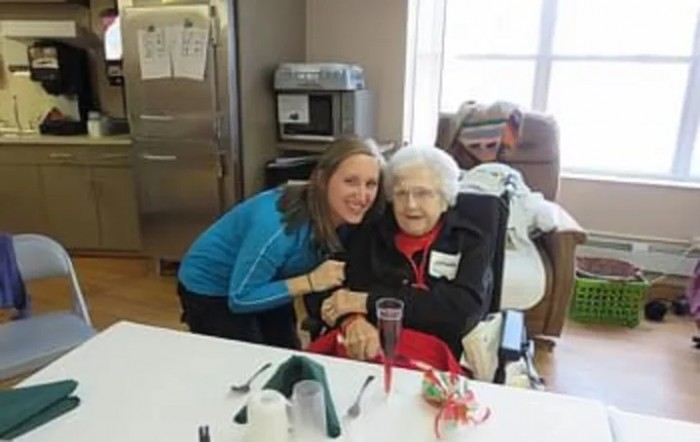
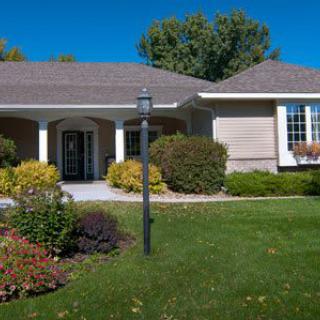
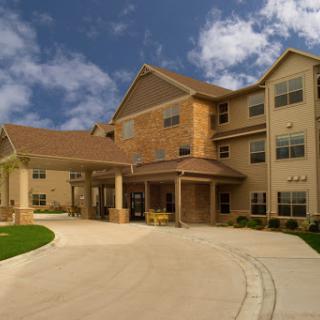
The Gardens at St Gertrudes is a welcoming assisted living community located in Shakopee, MN. Our skilled nursing facility offers various types of care to meet the unique needs of our residents. With a range of amenities and services, we strive to provide a comfortable and enjoyable environment for all.

Our community boasts a variety of on-site activities to keep residents engaged and entertained. From craft sessions and games to live performances and birthday parties, there is always something exciting happening at The Gardens. Residents can also enjoy the beautiful garden area or participate in outdoor activities such as BBQs or picnics.

We understand the importance of personal grooming and offer an on-site beautician and beauty salon for our residents' convenience. Each room is fully furnished and equipped with air-conditioning, cable/satellite TV, and Wi-Fi/high-speed internet access.

Our caring staff provides 24-hour supervision and assistance with daily living activities such as bathing, dressing, and transfers. We also coordinate with healthcare providers to ensure that all medical needs are met, including medication management and diabetes care. Incontinence care is provided with utmost sensitivity.

High-quality dining experiences are a priority at The Gardens. Our professional chef prepares delicious meals that cater to special dietary restrictions. Guest meals are available for family visits or social gatherings.

The community surroundings offer convenience with proximity to parks, pharmacies, physicians, restaurants, and places of worship for easy access to essential services.

At The Gardens at St Gertrudes, we strive to create a warm and inviting atmosphere where residents can feel comfortable while receiving the care they need. Contact us today for more information or to schedule a visit!

Videos

Nearby Places of Interest

This area of Shakopee, Minnesota, offers a variety of amenities for seniors looking to live in a peaceful and convenient location. With several physicians' offices nearby, including St Francis Rehabilitative Services and Twin Cities Orthopedics, residents have easy access to medical care. Additionally, pharmacies such as Walgreens and CVS are within close proximity for medication needs. For recreation, there are several parks like Dublin Square Dog Park and Firemans Park where seniors can enjoy the outdoors. The diverse selection of restaurants, including Muddy Cow and Pablo's Mexican Restaurant, provides opportunities for dining out with friends or family. Places of worship such as St Marys Of The Purification and Grace Church offer spiritual enrichment for those seeking a community connection. Transportation options like My Taxi Carver are available for getting around the area comfortably. Overall, this part of Shakopee is a well-rounded and accommodating place for senior living with various conveniences at hand.

Physicians

  • St Francis Rehabilitative Services (0.1 miles)
  • Twin Cities Orthopedics (0.1 miles)
  • Allina Health Dean Lakes Clinic (1.8 miles)
  • Shakopee Mdewakanton Sioux Community, Shakopee Dakota Clinic (2.6 miles)
  • Mystic Clinic (3.1 miles)
  • Mystic Lake Events (3.2 miles)
  • Valley Family Practice (5 miles)

Parks

  • Dublin Square Dog Park (0.4 miles)
  • Firemans Park (5.1 miles)
  • Louisville Swamp (5.3 miles)
  • Lakefront Park (5.3 miles)
  • Willows Park (5.4 miles)
  • Rice Lake Park (5.8 miles)
  • Lake Susan Park (6 miles)

Pharmacies

  • Walgreens (0.7 miles)
  • CVS Pharmacy (1.7 miles)
  • Hy-Vee Pharmacy (1.9 miles)
  • Walgreens (5 miles)
  • Chanhassen Center Drug (5.9 miles)
  • Walgreens (6 miles)
  • Walgreens (6.1 miles)

Restaurants

  • Muddy Cow (1.7 miles)
  • Culver's (1.8 miles)
  • Pablo's Mexican Restaurant (2.1 miles)
  • Little Six Restaurant (2.8 miles)
  • Little Six Casino (2.8 miles)
  • Mystic Express (3.1 miles)
  • Mystic Steakhouse (3.2 miles)

Places of Worship

  • St Marys Of The Purification (4.1 miles)
  • Marystown Catholic Church (4.1 miles)
  • Grace Church (4.5 miles)
  • St John's Lutheran School (4.8 miles)
  • St Michael Catholic Church (5.4 miles)
  • Friendship Church (5.9 miles)

Transportation

  • My Taxi Carver (6 miles)

Cafes

  • Panera Bread (6.2 miles)
  • Caribou Coffee (6.3 miles)

Hospitals

  • Chaska Urgent Care (6.4 miles)
  • Wedge Industries (7.1 miles)
  • Abbott Northwestern Center For Outpatient Care (8.1 miles)

Frequently Asked Questions

How much does it cost to live at The Gardens At St Gertrudes in Shakopee, MN?
Where is The Gardens At St Gertrudes?
What photos are available for The Gardens At St Gertrudes in Shakopee, Minnesota?

Nearby Communities

  • Universal Health Services

    Universal Health Services

    Shakopee, MN

    3.7 from 3 reviews
     

    pro Comprehensive assisted living with 24/7 supervision, daily living support, care coordination, and mental wellness.

  • All Saints Senior Living

    All Saints Senior Living

    Shakopee, MN

    3.9 from 31 reviews
    $2,975 to $9,695 / month

    pro Friendly staff with strong family communication and a home-like, engaging atmosphere.

  • Tealwood Management I

    Tealwood Management I

    Shakopee, MN

    3.8 from 22 reviews
     

    pro Memory-care focused with private apartments, supportive staff, and pet-friendly visit policy.

  • Synergycare

    Synergycare

    Shakopee, MN

    1 from 3 reviews
     

    pro Comprehensive 24/7 care with diabetes-specific support, fully furnished apartments, and restaurant-style dining.

  • Suite Living of Shakopee

    Suite Living of Shakopee

    Shakopee, MN

    4.3 from 18 reviews
    $7,900 / month

    pro Thorough nursing care in a beautiful, spacious setting.

  • Community Assisted Living I

    Community Assisted Living I

    Shakopee, MN

    3.7 from 20 reviews
     

    pro Small, personalized community with comprehensive care and active social programs.

  • Emerald Crest of Shakopee

    Emerald Crest of Shakopee

    Shakopee, MN

    3.9 from 14 reviews
    $3,570 to $3,980 / month

    pro Friendly staff, engaging activities, and a bright, social dining area.

  • The Grainwood

    The Grainwood

    Prior Lake, MN

    4.5 from 102 reviews
    $1,097 to $1,313 / month

    pro Beautiful, modern apartments with abundant natural light and responsive maintenance.

  • Lake Hazeltine Woods

    Lake Hazeltine Woods

    Chaska, MN

    4.5 from 11 reviews
    $1,480 to $1,665 / month

    pro Competitive pricing with access to nearby healthcare, parks, dining, and worship options.

Related Resources

  • assisted living costUnderstanding the True Cost of Assisted Living in 2025: A Comprehensive Guide

    Assisted living in 2025 offers a crucial balance of independence and support for seniors, with costs varying from $2,500 to over $7,000 per month based on factors such as location and care level. Understanding pricing complexities, including regional differences and potential hidden fees, is essential for families to plan financially while ensuring quality care for their loved ones.

  • does medicaid pay for assisted livingUnderstanding Medicaid Coverage for Assisted Living: A Comprehensive Guide

    The guide outlines the complexities of Medicaid coverage for assisted living, highlighting significant state-to-state variations, limited coverage often restricted to personal care services, and the existence of specialized waivers for certain needs like memory care. It advises families to consult local Medicaid offices for options while emphasizing the importance of understanding state-specific regulations and facility policies.

  • does medicaid pay for assisted livingHow and When Medicaid May Cover Assisted Living Costs


    Medicaid coverage for assisted living varies by state and is primarily available to low-income individuals, with eligibility dependent on strict income and asset limits. Some states offer HCBS waivers for specific services in assisted living, but families must generally cover room and board costs, and should verify facility acceptance of Medicaid while considering potential waiting lists.